











![[고졸 검정고시 벼락치기] 도덕 1편](https://i.ytimg.com/vi/J24VHT7q_fQ/maxresdefault.jpg)








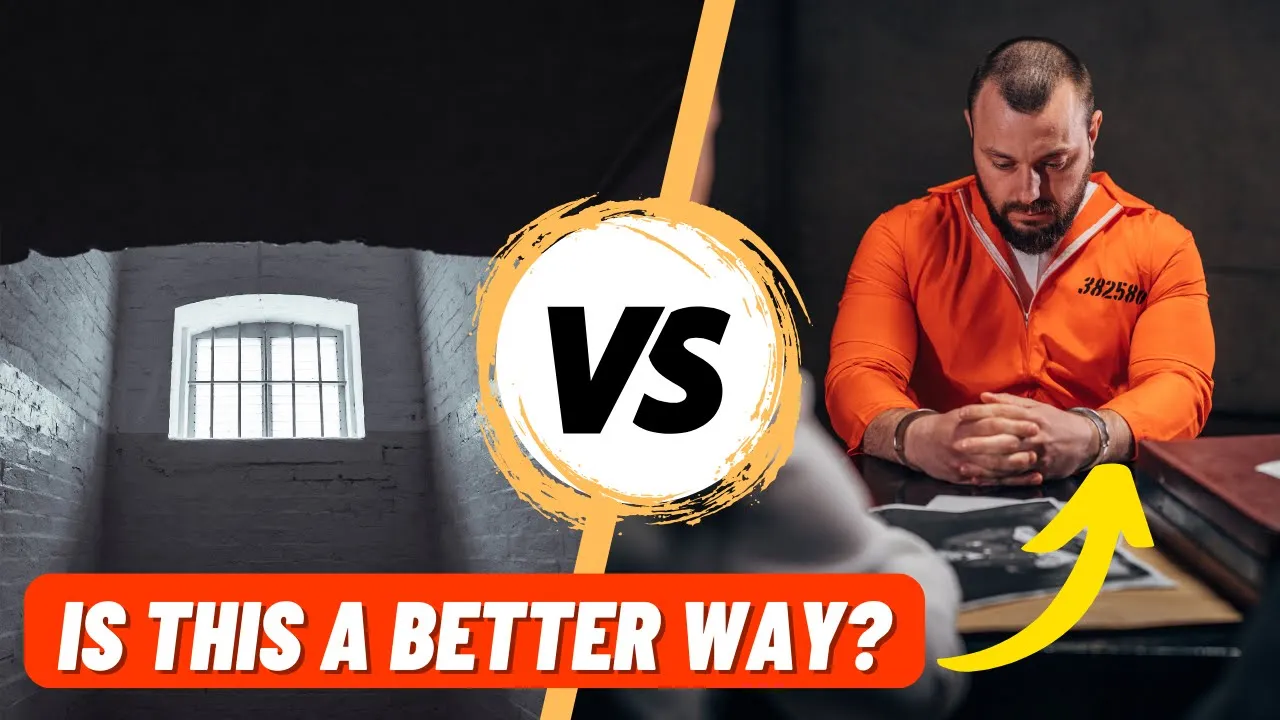

Restorative justice focuses on healing victims and addressing individual and social needs, while retributive justice primarily addresses the state's needs through punishment; these two approaches complement rather than replace each other, and reconciliation is a complex process that cannot be legislated but requires individual willingness to forgive.
Restorative vs Retributive Justice | Reconciliation & Forgiveness Explained
Added:The fundamental structure and objectives of the traditional state-centered criminal justice system.
The core concept of retributive justice, which emphasizes punishment, deterrence, and the enforcement of written laws.
An introductory understanding of victimology, specifically how crimes impact individual victims and community cohesion beyond just violating state laws.
Basic familiarity with ethical and moral philosophies regarding justice and punishment, such as utilitarianism and deontology.
The design, implementation, and historical efficacy of Truth and Reconciliation Commissions (e.g., in post-apartheid South Africa).
The application of restorative justice circles and practices in educational systems to combat the school-to-prison pipeline.
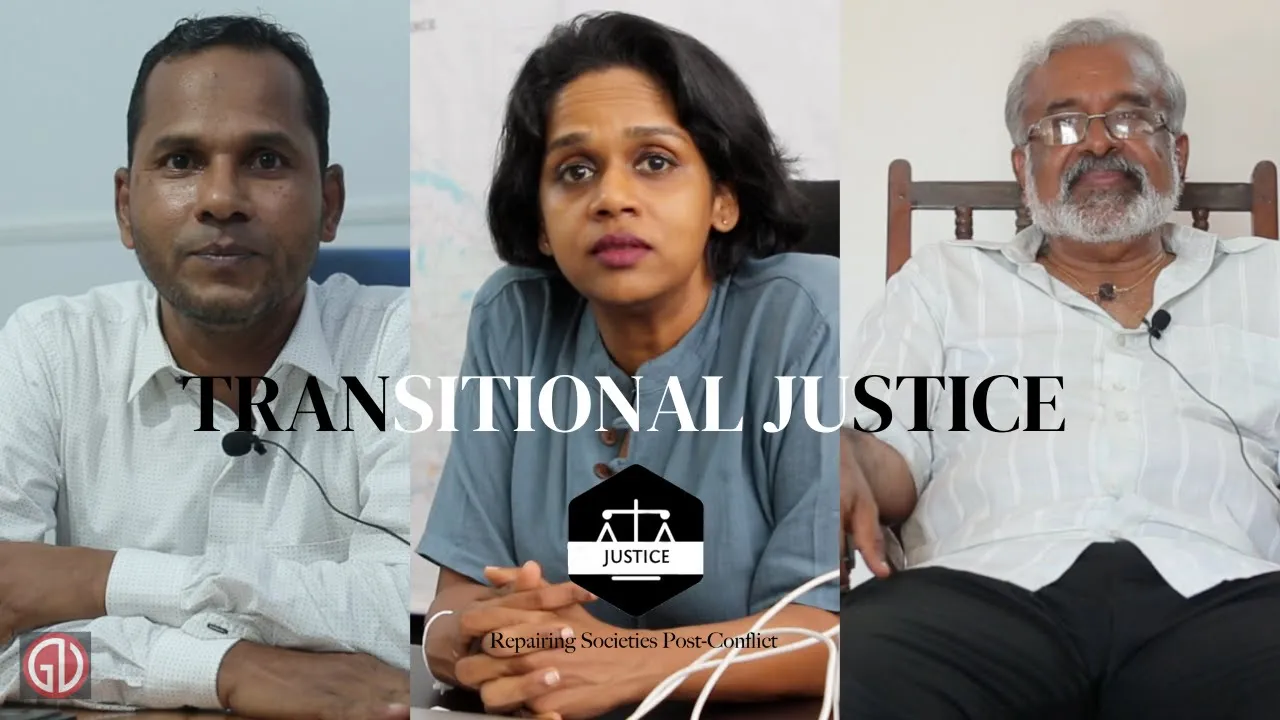
The framework of Transitional Justice, exploring how societies recovering from mass atrocities or systemic human rights abuses rebuild social trust.
Empirical studies comparing recidivism rates and psychological recovery outcomes between restorative programs and traditional incarceration.
768 views4likes12:17Original Release: 2014-08-20
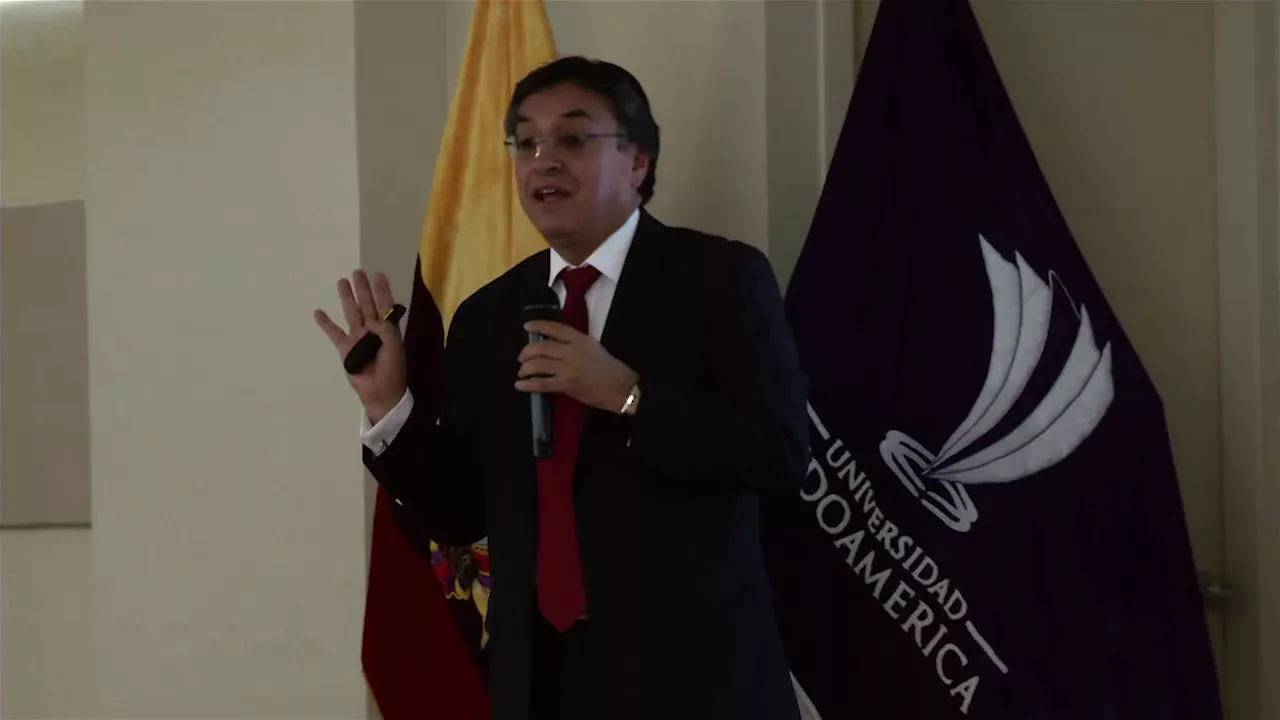
so what's your project no my my project is to is to spread reconciliation social reconciliation the idea of reconciliation yes and and where do you get this idea of reconciliation from from forgiveness so I began with studing forgiveness I interested in forgiveness okay um from that point I tried to to have the the big picture of the frame of forgiveness is reconciliation no how did you get interested in the idea of forgiveness um because when my in my background I am from the Bas country and there was a a Epoch no of terrorism a period when I was young when I was a little little no less and less young kid a young kid no so from my my 8 years old to 30 when I lived last country of independence from no no no is not Independence it's just terrorism no okay and so I live in an atmosphere of Tourism and and years after I I realized that um it was important the reconciliation and forgiveness MH to to to can build a society know and and then I I was interested in in this no because my background is not this is is I a lawyer so it's a a shift in my mhh you were part of the society was suffering terrorism yes and then you start wondering why is it happening yes and and then you start looking into the solution yes you set questions and you try to answer them no MH and now that that now that terrorism is finished there now is the moment to manage the past uhhuh so that is the point no okay what can we do with the past and there is was forgiveness fit no fit and then is they looking into the theories the ideologies of how to reconciliate yeah and what what do you find out how to reconciliate people well the first thing is that it's very difficult no so it's not easy no to manage the rec to deal with the past okay no personally and even more difficulty in the society legally not just legally not legally and and in a social way no MH so it is not just to because of this is the is the restorative justice no so it's not just the from a legal strict strict legal point of view so the thing is it is not enough U putting the people in jail in prison mhm so you may do we we shall do something more and that's and that's the um that's because I getting in the in the truth Commission of South Africa because this truth commission put on the table on the table this these two Lines no that are restorative justice and Reconciliation and the restorative justice was his the target of this uh kind of justice is to focus on victims not just in the wrongdoer that's that's the the retri retributive justice so if someone uh commits a Crim a crime it's not just putting him in prison but also to take care of the victim we retributive Justice is covers the needs of the state so uh when when when there is an offense there are two aspects no one of them is that you are bro break broken a a law so you have to pay to the state pay General sense but at the same time there is an offense to an individual be the other aspect and the retributive justice is U especially to cover the state and restorative justice uh covers the individual social needs so it is not an alternative it's not just or retributive or restorative two one complete the other so it is not an alternative to the established justice system it seeks to recover um certain neglected Dimensions that make for a more understanding Justice really rest Justice less than a month ago I talked with u with one of the world's most experts in reconciliation in the United States and he told me something like I have been studing the consolation for 15 years and I still not exactly sure how it works I have not found the key that fits the lock of reconciliation so it's not so there's not a no a b c you do this you press the bottom and the consolation appears no happens um so you can try to do it properly you can set all the means for reconciliation you can have Justice you can have preparations you can have everything and if you don't want to reconciliate you don't reconciliate so it's a kind of mystery so it's a freedom there individual freedom and we might ask what level of reconciliation a society must achieve to say that it is already reconciled or in other words what level of reconciliation is need in order to live peacefully this a very difficult question um or just uh coexist it seems something cold to coexist so you uh you were saying that uh restorative justice is to heal the victim as well as the the perpetrator yes and what is the difference with retributive Justice between restorative and retributive um in in in a in the same in a crime you have many effects no there are two main effects the first one is that you you break the law yeah and so there are there is a disorder in in in a from a tical point of view and that's the attributed Justice looks mainly to the to the needs needs of the state is to balance for in Justice the order that has been rupted with the crime okay that's retributive Justice okay okay and and usually it's punishment for a rundoing yes that's that's that but um with this kind of Justice you you don't take care properly or the victim you don't take account of the the suffering of the victim the suffering of the victim perhaps psychological suffering uh Revenge all these kind of things so you have to the government uh shall take care of the victims not just not just uh balancing the a disorder a social disorder broken by the law yeah that's the difference between retributive Justice and restorative justice so in some countries you find that the truth was being told and people were repented from their crimes and they were easily forgiven but in some other cases when the person does not recognize the crime then it's more difficult for the victims to forgive this person that's a that's it yeah so in South Africa was was that the case that uh some people were not recognizing the the full extent of their crime there all the all the the cases no so there was people who do it and people who who don't do it so but it's so you you put the context you set a context and but the the step no uh towards reconciliation is the individual who who may do it no so the the government put set the truth commissions create a context and trying to that that individuals uh reconciliate each other yeah but you have always the point of of Freedom so if if you don't want to reconciliate perhap you you have Justice you have reparations you have truth and you don't want to forgive so or to reconciliate so this is the point because of reconciliation is difficult it's difficult the the concept it's complex yes yes because the lack and leg is late that you shall reconciliate but if individually you're wounded and you can't get rid of this hatred for the other person then you cannot legislate me to stop hating someone that's it so so the reconciliation goes um beyond the law in some some point of from some point of view no and and there's a lot of time when it it it it cannot be complete never so if someone kills your Rel Rel you can't recover your relative so you will never have Justice you will have some justice yeah and you would say if I don't have all the Justice I would never reconciliate yeah and this happens a lot of times but it's an individual decision in this case to uh try to overcome that hatred because I know some cases in in Palestine there was a medical doctor uh that wrote a book I shall not hate uh Israeli Jets bombed his I read yeah he read this book b and and he made a personal decision yeah uh not to hate although legally it it was dismissed yeah because it was apparently a self-defensive uh tactic of Israel but uh emotionally his individual feelings uh he had control over it and he could say I shall not hate and he made an effort and he came out of it so I think there are cases when uh the government may not be able to legislate something but the individual can work on that no but the the the government what which can what can do is not is create a context but never oblig to to forgive or to reconciliate because you can't you can't in the same way you can't uh legislate to hate that's right so that's right it's it's not uh the state has nothing to say about that so you're saying that even after the worst conflict or situation there is a human need for reconciliation there's an individual drive or need internal need for reconciliation whether later the flow of things or the the the gravity of of what happened allows this to happen that's a second question a wound could be very deep so if the wound heals or not is a different question but there's there's a wish to heal the wound I think so yeah okay thank you very much W you're welcome
Up Next

57:40
International Criminal Tribunals Explained by Sir Geoffrey Nice QC
@GreshamCollege
12.7K views•2012-09-19

4:27
US Secondary Sanctions Impact on EU Businesses and Blocking Legislation
@Bureauvandijk
1.6K views•2019-03-20
5:27
Forensic Phonetics: Speaker Identification in Legal Cases
@nptel-nociitm9240
539 views•2025-03-19

24:42
Police Interrogation Tactics: False Confessions & Legal Reform
@LastWeekTonight
7M views•2022-04-18
Related Study Plans & Knowledge Roadmaps
Structured learning paths in Law
law
Self-Defense Law: Imminence & Castle Doctrine
01Foundations of Self-Defense Law
02Imminent Threat & Reasonable Belief
03The Principle of Proportionality
+ 3 more learning modules
12h6 modules
Explore Roadmap
law
Defamation Law: First Amendment & Actual Malice
01Introduction to civil torts and the First Amendment
02Elements of Defamation: Libel and Slander
03Public Figures vs. Private Individuals
+ 2 more learning modules
8h5 modules
Explore Roadmap
law
Hearsay Rule: Trial Evidence & Exceptions
01Introduction to Trial Evidence & Courtroom Basics
02Demystifying Hearsay: The Core Definition
03Non-Hearsay: Exclusions Under FRE 801(d)
+ 3 more learning modules
14h6 modules
Explore Roadmap
law
Medical Malpractice: Law, Liability & Care
01Foundations of Tort Law and Civil Liability
02The Four Elements of Medical Malpractice
03Defining and Proving the Standard of Care
+ 2 more learning modules
12h5 modules
Explore Roadmap