












![James K.A. Smith: Worship in a "Secular" Age [altær]](https://i.ytimg.com/vi/AjTHgxfDzWo/maxresdefault.jpg)



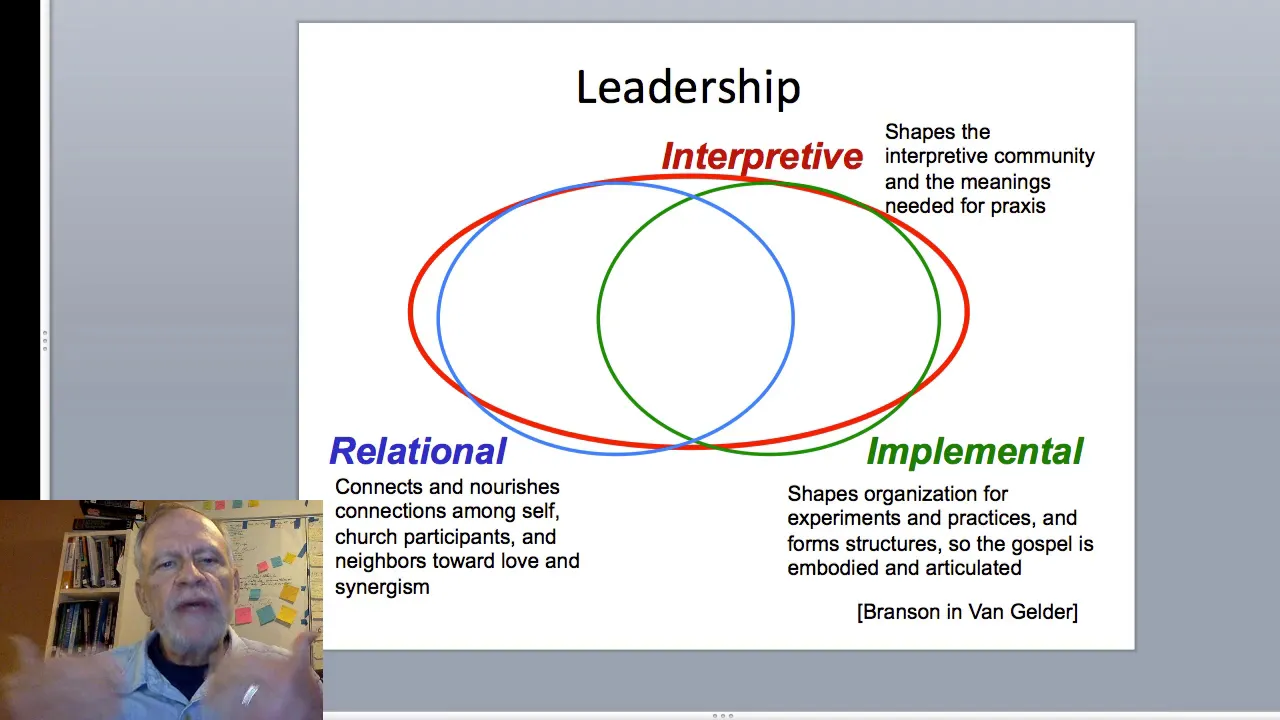





Cultural apologetics is an approach to defending the faith that focuses on understanding long-term cultural dynamics and trends rather than reacting to immediate events, recognizing that many Christians share mistaken assumptions with non-Christians that need to be exposed with the light of Christ; this perspective helps explain why large-scale religious decline occurs and provides hope for ministry by emphasizing that ultimate truth remains constant while cultural contexts change.
Collin Hansen on Tim Keller: Crisis of Truth & Discipleship
Added:Familiarity with the life and ministry of Timothy Keller, particularly his work in urban church planting (Redeemer Presbyterian Church) and his intellectual approach to modern skepticism.
Basic understanding of Christian apologetics, specifically 'cultural apologetics,' which seeks to address and critique the underlying narratives and assumptions of secular society.
An introduction to epistemology, including how beliefs are formed, what constitutes objective truth, and the nature of the modern 'epistemic crisis' (e.g., polarization and institutional distrust).
Fundamental theological concepts of Christian discipleship, spiritual formation, and the church's role in shaping the moral and intellectual worldview of believers.
In-depth study of Charles Taylor's secularization theory (e.g., 'A Secular Age') and how it informs contemporary Christian engagement with late-modern culture.
Analysis of Collin Hansen's biography, 'Timothy Keller: His Spiritual and Intellectual Formation,' to explore the key intellectual influences (such as C.S. Lewis and Jonathan Edwards) that shaped Keller's philosophy of ministry.
Exploration of practical leadership frameworks for pastoring, mentoring, and discipling individuals within politically polarized and epistemically fragmented communities.
Advanced research into the theology of contextualization—learning how to present traditional doctrines in ways that are both comprehensible and challenging to modern, pluralistic societies.
533 views8likes1:00:06Original Release: 2023-09-14
[Music] welcome to press on podcast with Mike Woodruff where Mike and invited guests share insights to cultivate a Biblical perspective and thoughtful resilience and challenging times welcome back to the Press on podcast today uh it is my PL my pleasure and privilege to chat with Colin Hansen Colin is uh most recently the author of a biography on Tim Keller which I have uh right here did this come out have been another copy a little while ago I seems like I had a blue copy well there's an international Edition maybe you stumbled that's what I got okay so anyway um so he wrote a book most recently on uh Tim Keller and he is here we're recording this on Monday August 28th he is here to speak at a lake light event um he also has written several other books colony is currently uh the the Executive Vice President of communications I am vice president of content content editor-in-chief for the Gospel Coalition he is on staff in various capacities down at Samford University he previously worked at Christianity Today graduate of Northwestern in both journalism and in history so Colin thank you for being here I'm so glad to be here thanks Mike so um I'm a fan uh I'm a fan of a lot of the work that you do so thank you for that um I will say it struck me this afternoon as I was scribbling down some questions I thought oh no I'm interviewing the interviewer I'm sure that that is um that sets me up for um being critiqued on the questions that I'm asking and other things but anyway here we go we're all done I'll be fine um so I know that uh tonight Ben is going to ask you a lot of questions about uh about Tim Keller so I'm going to stay away from that other than two that I I have and so just I I had several chances to talk with uh Dr Keller over the years including one that's a God moment that I share just because uh I had uh before we went to multi-site I was pushing back and the elders were saying we need to do this and I didn't want to do it and whatever and then there was this push to go to video and I said I don't think so and so everybody else everybody else is doing video and I go well you know who's not doing the video Keller's not doing video that's true and I said I don't feel like we're I think we're more like Redeemer than we are other churches that are doing video I said I want to go see what Keller does so I called and I I tried through various Gatekeepers to say I just want five minutes with the guy can I get five minutes with the guy I promise you uh you know I'm not weird whatever I'm not crazy they said no so I went anyway and I went to several services in the morning and then in the I was walking through Central Park and literally just I've got some time to kill because I'm gonna go to a Sunday evening service I'm walking through Central Park and who is walking next to me Tim Keller you you couldn't miss him no you couldn't miss him and I'm like oh my goodness and I look at him I go Dr Keller I was here to talk with you but nobody would let me get close I said can I can I ask you some questions and you know I'm figuring out he's you know he doesn't want groupies he didn't didn't strike me as the kind that warmed a groupie so anyway he said I've got a 15 minute walk I'm glad to chat well while I'm walking and so um I just was like okay Lord New York City is a big place this was a fun that was amazing yeah I love that that's great so anyway all that to say um I had I've not had a crisis of Faith by God's grace uh but I've had a crisis of faith in the church I've had moments of frustration and doubt about pastors and about 10 years ago uh I started asking people I said does anybody know the pastor of a large church that they would want as a neighbor and I said because I've been close to a lot of these people and I don't think I'd want them as a neighbor and I don't think I'd want me as a neighbor I said I'm a pretty busy guy I don't show up at home with a lot of emotional energy for neighbors and I said I really want to think that you know Rick Warren is half as happy as he acts and that uh and that you know that Tim Keller is a really nice guy but I've been around some of the others and I go no so uh I don't want you to let me down here but uh would would Tim Keller have been a good neighbor well I think Tim Keller definitely would have been a good neighbor but just with his personality he would have been the kind of neighbor who would be great if you really wanted to talk about the Deep meaningful things of life he wasn't really a small talk guy he wasn't really A Hobbies guy um the things that he preached about tended to be the things that he really cared about he cared about the Bible he cared about theology he cared about the church around the world so yeah he would definitely be a great neighbor in the sense that he would talk to you about Jesus I'm not sure I don't know if I have a lot of stories about him taking out other people's garbage or you know coming by but uh but then again that was in New York City in in Hopewell he was very much a good neighbor in that classic sense that we expect of pastors or have expected of pastors he was everywhere he was at the sweet 16 parties it was if somebody died in the middle of the night he was at the family's home to be able to help deliver the news and to comfort them he was he was everywhere he was doing four pre-marital counseling sessions um at one you know or actually marriage crisis interventions at the same time one of his best friends who spoke at the memorial just this month was a guy who just wandered into the church saying my marriage is a wreck my life is falling apart can you help and they sat down so in the sense that we think of pastors right as being good neighbors because we can bring to them our deepest concerns and hopes and fears he was a great neighbor if he wanted somebody to small talk about the Yankees that wasn't that wasn't Tim that wasn't Tim well yeah okay that sound that's great that that's encouraging do you think I mean I know that there's all the story about him and at Hopewell and then in Manhattan in such a contrast I assume the fact that he did hope well in Manhattan means that he could have done Birmingham Alabama yeah I think so yeah absolutely so the thing about Tim is that he was uniquely gifted at understanding the cultural dynamics of ministry not just what we think of as contextualization but the the strengths and weaknesses I mean he would come visit in Birmingham when I would invite him he spoke a number of times he did a number of fundraisers in Birmingham and he'd come in and right away he's asking me what's the significance of the of the tower you know the Vulcan statue that you have here and what about the Temple of Vesta over here what does that tell you about your city so he was just incredibly curious about different places and so if he had been in Lake Forest or Birmingham Alabama he would immediately have been looking around almost at acts 17 sense of right what do these people worship what what makes them tick it's just an incredibly curious person about cultures and so I do think he would have been effective now um I did uh there was one time when I was I think he's going to be in Birmingham he's going to have to be a a roll Tide fan well I have a hard time seeing that you could choose Auburn you know and we'd put up with that I guess but uh I did talk with somebody at one point and they said and I said well I don't know if Tim gonna visit for this and they said well I suppose it's okay he is pretty boring that actually happened to him at the Leadership Summit here in Chicago one of my friends was here he's a pastor in South Dakota and he said I loved every speaker except for that really boring guy there was a there was a sense in which you did have to care about ideas yeah at a certain level but to qualify that a little bit when he went back for the 25th anniversary of his ordination he went back to Hopewell Virginia there wasn't a single person who talked about anything he taught he was an incredibly Effective Teacher but it was all about the kind of person that he was around them the things that he did with them and for them being part of that community and that became the foundation of his basic perspective that in some places you know when I was living in Evanston I saw this as well some places you the way you love people is by showing up with a truck in other places the way you love people is by handing them the card of your therapist listen to you teach and then they'll open up some people will never be interested in that you know they they don't care what you have to teach but they'll listen if you are if you love them right it works both ways and I heard him say that he said some some people you follow them their leadership because they're preaching other people you let them preach because they're in your life and you love them and that was the basic difference between those two places so maybe if you were in Birmingham he might have had to have been a little bit more animated perhaps I'm not really sure but um I think the what we love about Tim in part is that wherever he was he was basically the same person there wasn't a radical shift I think as you see in my book um there was not some sort of radical personality shift the people who knew him from that beginning they recognized him all the way through his life um I know you're going to talk a lot about uh Tim tonight so let me pivot and say you are a cultural apologetic Sky I I see that you're teaching these classes you've now you're leading the center for the uh four Keller so what is cultural apologetics what what is it that you're teaching and uh you might want to start just for all our listeners what is apologetic sure and how does cultural apologetics differ and then I guess I'm also going to ask you how has cultural apologetics changed in the last five years or where do you think it's going to go in the next five yeah so I think what a lot of people think about apologetics it's defending the faith that's the basic idea it's been there from the very beginning you can see Jesus engaged in all sorts of different apologetics defending his teaching as he was arguing with the Pharisees Paul did this not only in Acts 17 as we talked about there that was a very much a cultural apologetic connecting with what they were seeing in the world around them but engage in other kinds of apologetics as well rational arguments that's I think that's what we mostly think we think of arguments and proofs and debates and things like that I think what makes cultural apologetics a little bit different is it's both narrower and smaller than that here's what I mean by smaller I actually studied kind of a variation on this when I was a student at Trinity Evangelical Divinity School I stayed with Kevin Van Hooser he taught a number of my classes and one of them was on cultural hermeneutics and we studied marketing we studied marketing to understand how our messages communicated and what does it tell us about the audiences that we're teaching to based on what marketers are saying not because we're marketers but because we have to understand a world in which all of us are being marketed to so much that's kind of the smaller thing we're looking for the messages of culture the bigger thing is actually it's going all the way back to Augustine's city of God you've got an environment there in the late third of the early fourth Century or fifth century and the Roman Empire is falling apart and non-christians are saying pagans they're saying you know this never would have happened if it if it had been for the Christians so Augustine comes with this massive World historical defense to say no no here's here's what was wrong with the Roman Empire based on what we understand as Christians about how the world Works how the world's made and here's how Christians are not responsible for that and also here's what you could understand about the world if you followed the Christian faith that's where he sets up the city of God versus the city of man and things like that so what we're trying to do at the Keller Center for cultural apologetics is more similar to what Augustine was doing with city of God we're trying to equip Christians whether they're pastors or professors or just parents to understand the big stories of what's happening in our world sometimes things are shifting quickly because of technology sometimes they're shifting over the course of of centuries but we're trying to equip people at all those different levels to Simply understand more broadly what's happening maybe one quick way to do it James Davison Hunter is a sociologist at the University of Virginia it was a long time collaborator with Tim Keller I was talking to him in 2016 I think and I was asking about politics and he said that's fine you can ask me about politics you gotta understand I'm not a weatherman I'm a climatologist I talk to you about you know long-term decades long centuries long Trends not what's being reported on the news and the way Tim and I thought about putting this together we thought we need to become better climatologists in the church not just looking at the weather is it going to be sunny or rainy tomorrow but what has been changing over the course of years and decades or even centuries that's what cultural apologetics does I had a chance um in September late September of 2001 to interview Martin Marty yeah great the interview had been set up before we were going to talk about the history of campus ministry now everything is the world has changed in and um so I asked him I said I want to ask you different questions right he goes fine let's go wherever you want to go and I said um so the church is the churches have been packed the last few weeks are they going to stay packed yeah and he said uh no if I'm right what happened was an earthquake pay attention to Glaciers uh and he said after an earthquake everybody gets up and they start putting everything back the way it was but he said and everybody talks about it he goes meanwhile nobody talks about glaciers because they move so slowly but once the glacier has gone through everything's different and he said I've made my mark by studying glaciers not earthquakes don't be distracted and I thought that was just a great I'm going to use that Mike and I'm going to credit you well you in front of me but it was Martin Marty who um it's the exact same idea many of the things that are most important in our lives are the things that we don't pay attention to cultural apologetics is trying to surface those assumptions and it's often things that Christians even can be mistaken Notions that Christians share with non-christians because that's the power of culture it's the stuff that you don't have to explain so stuff that everybody just already assumes right we're trying to surface those assumptions and expose them with the Light of Christ to find out what's good and what needs to be changed okay so so five years ago are there you've been teaching at uh Samford for how long for a couple years yeah I've been there for about a decade but teaching the last couple years so are there things that you are teaching about or writing about now that are new and different from five or ten years ago well kind of the whole premise of what I teach so this is the way it works with cultural apologetics that I teach in a classroom versus what we do at the Keller Center for cultural apologetics what I tell people all the time is you sit in my classroom and we will talk about transgender um stuff we will talk about race and racism and Justice we will talk about politics it's a lot of the stuff that you don't always get training with in seminary but you will have to address you will have to contend with one way or another you have to engage with because that's what I do in the classroom but the thing is as you just pointed out five years 10 years 15 years a lot of the issues change now the underlying things may be the same and that's what we're trying to expose but the different kind of um you know just points of those glaciers that stick up might be exposed at different times based on that climate change to give an example so what we do at the Cal dollar Center is that we will do occasional courses bringing people up to speed on all sorts of different topics so for example one of them that we're working on now is one on the great deterging which I think we'll probably talk about here just why are things diminishing right now in the church another thing I do I would say is very different this will be the most concrete example in my podcast that I do called gospel bound the first episode is going to be with Gene twangy Gene twang is a sociologist at the San Diego State University she's got a great new book called Generations she takes a basically technological analysis of the difference in Generations specifically the effect of smartphones and the accordion the attendant theology or not theology but technology on how it changes generations and how they relate to one another there are pretty extreme consequences for our families for the workplace and for the church in these generational differences that are largely driven by technology that's the kind of thing that we want to address in an ever-changing environment especially to help parents make wise decisions to help pastors to understand how to lead in that environment what to emphasize to help professors to to know what to focus on in terms of all kinds of things including marketing and how that plays into this so we work on all those kinds of stuff but then we're also at the same time saying so many things are Downstream from things that happen 300 years ago so right those are the two levels that we're working on okay so Colin you you were just tossing out a lot of stuff you're interested in so many different things I'm trying to I'm trying to uh so I I guess I'll just sort of in the scroll in the margins here the generational studies so 25 years ago I did an article for a Young Life Magazine trying to look at different generational Trends and I felt like I got my hand slapped because it was very um superficial sociology which which it was it was all sort of anecdotal but saying hey look if you grew up here yeah you know the the the the greatest Generation as opposed to the Boomers as opposed to we called them the exers at the time and you know Millennials and on on through and just trying to say you know this was your War this was your technology this were your TV shows these are look at how different these things are but it again it didn't the uh the responses that I got to that were not positive let's say that but now I have the sense that big data is going to come in and is really going to change generational studies is that is is that your sense of things oh that's definitely what you see with twangy's work I mean she is pulling from massive studies and not just one study but dozens of studies together I mean again this is part of marketing there's a lot of people out there who are doing this professionally for a living and you see some very clear shifts I mean let me just give you a quick example of this this is what we're talking about with cultural apologetics so on this book The Great deterging one of the sociologists who's worked on the book is Ryan Burge he's also a pastor in Illinois and he made a comment today saying look at every trend on moral issues that Evangelical Christians often talk about from same-sex marriage to abortion to drugs to all kinds of different things in 20 years every one of those issues has gone way far away from Christians like way far away like dramatic shift and the shifts are even more pronounced the younger the generation gets so he then asks a question of what is happening in our churches like even people in our churches who love their pastors just are not agreeing with what's being taught immediately my mind starts to kick into gear to say this is what I mean about some of the generational challenges young people and you can see this all over the place are growing up in a world talk about gen Z here specifically so talking like mid-20s down they're going in a world where all of the different influences of their lives do not allow them to even conceive of a world where there are only two genders it just doesn't make sense it's not that that doesn't it's just like that's a complete flip from older Generations including me as an older Millennial that's a world where you wouldn't have even thought otherwise one generation later it's incomprehensible that there could be two genders there's all kinds of different reasons that we could speculate about or that we could actually identify for why that's shifted but there's no doubt that technology has played a massive role and why that shifted in one generation but then the question I want to bring back to church leaders is simply to say this is a challenge that we can't afford to Simply ignore we're trying to teach these things we're trying to disciple but whatever we're doing is not powerful I mean it is it's the holy spirit so it should have all the power in the world but it doesn't seem to be penetrating how people actually think about a lot of things that's a major discipleship challenge but let me just briefly say something of why this is hard we're moving away from a time when your primary orientation to information was sitting in positions where somebody else was in was in a position of authority over you including the church but now the authority is each person with the smartphone in their pockets and then with an algorithm that serves up whatever they find on Tick Tock that's a different frame of reference that younger Generations contend with that I never saw I mean I basically got my first little Smartphone when I was here at Northwestern in Evanston it was just a different world than and these are the kind of changes that we have to be attendant to not panicked about but they make big differences of wide Generations even in the same church have a hard time understanding each other good so let me let me go to let me go to the to the great detergent so I got this book um sitting in front of us for those that are watching um and you guys commission this um and big study uh through as I understand it three different waves of studies the largest largest ever studies on why people have left the church so so um well why don't you give us uh why don't you give us the two-minute overview of what you found well two minute overview is simply this is the largest and most dramatic religious change in American history you have 40 million Americans have left the church in about the last 30 years that's the headline right there a lot of people sense the cultures change something's different this is the verification yes this has happened it's the most traumatic in the church if they don't go to church they don't go to church they used to go to church and they don't go exactly this is not people who have never been in the church now these are people who I used to be Catholic and I would go to mass now I don't I used to be Methodist I'd go to church now I don't do that anymore these are self-consciousness we used to go to church almost every week and now they go to church less than twice well see now that's yeah yeah exactly yes exactly because the church attendance rate overall is is way down a regular churchgoer now is somebody that we expect to attend maybe twice a month that used to be four and then it was three and now it's down to two so these are not even these are people who are attending far less I mean yeah you're talking maybe maybe once every couple years or two years something like that so and and but but he but you guys uh birds in particular I think he was the stats guy that's right and and you broke them out into four different groups yeah well I mean the interesting thing is that I mean they all have different characteristics in terms of somebody who leaves the Catholic church is often different from somebody who leaves the main Mainline Church versus somebody who leaves an Evangelical Church versus somebody who might actually still hold Evangelical beliefs but is actually not in church at all anymore so the whole thing of why somebody leaves the church we want to come up with one narrative that explains everything one explanation this is why and it tends to kind of follow political lines you know the left will often say well they've left because evangelicals are so hypocritical then the right says no they're leaving because the left has become so secular the reality is most people leave the church whatever tradition for rather mundane reasons there was a divorce or we just stopped going or life got busy or my kids grew up Sports programs on Sunday morning and we just never went back exactly and then and then we just sort of drifted away and nobody reached down and we got out of the habit and we worried about well I don't know if we can re-engage at this point so that's kind of the major it's one of the major findings on the positive side one of the major findings of the book is that most of them would be willing to come back but they need somebody to invite them and to encourage them so it's actually there's a very hopeful side of things it's not a just it's actually in some ways not the problem is bigger but the solutions are easier I think that a lot of people would would expect they're multi-causal but they're as simple as churches being attentive to basic relational wisdom of walking with people especially and this is a challenge in a place like like Forest most of the people who are leaving the church are not highly educated people who are walking through the the you know the different institutions of life it's mostly lower educated people who have fallen away from everything in life they've fallen off the ladder of Life institutions are collapsing around them it's not just the church right and and one of the tragedies and I I I had this conversation with a friend a little while ago I said like many who are on the you know who identify you know on the left you live a very conservative life yes oh this is one of the things I talk about all the time yes I said I I just want to point out that the life you're selling doesn't work the life you're living works really well but it's not the life that you're advocating oh it's the sociologist Brad Wilcox at the University of Virginia who makes this point I think most powerfully he's got a book coming out I think it's next year called get married but the idea is that the left promulgates ideology that they don't practice they successful left the the elite left yes yeah so yeah both you know both political parties are just are always fascinating amalgamations of all different kinds of people so the left tends to have the most highly educated and the least educated in the same in the same broad you know group but you're right if you're talking about the folks on the North Shore of Chicago they tend to be the folks who are least likely to get divorced most likely to to invest a lot God in their kids because they understand what Wilcox and others describe as the success sequence you are virtually it's virtually impossible for you to to experience poverty in America if you will work and then get them married and then have kids right the success sequence sex sequence in that order is virtually impossible it doesn't matter your race your class your income if you do that and that tends to be what Elites in America on the left and right know that there's a pattern to that and that's one reason why they tend to kind of quote unquote succeed in life but then they turn around and tell everybody else it doesn't matter and then and then Things Fall Apart and we wonder why right yeah by the way you know I know you've been traveling uh do you know that Christoph Nicholas Kristoff has an article on I did see that yes well so thank you for the great deterging I have other books here but uh I I'm not going to go there I I guess I wanna I wanna ask you I I will come okay I want to ask you uh so you have a history degree from Northwestern and you have a journalism degree so I am increasingly um distressed about journalism about the media about the me too whatever we want to call it uh and I'm thinking here big terms you know left right yeah the main the big presses the papers the blogs the social media so that there's a a friend here in the area who who worked for the Chicago Tribune for 40 years retired a few months ago and two years before ago I went to him and I said okay here's the deal I'm going crazy I'm listening to the right I'm listening to the left I'm trying to triangulate I'm in a bad mood most of the time I'm yelling at the radio which is not a good look um I'm and I don't know what to believe I said and this was this was again two years ago I go what actually did Russia do and when did they do it with our with our elections is Hunter Biden's laptop a real thing am I supposed to believe in that is it being buried I go I don't know who to trust and I said I sort of need some facts here and I I don't think I'm asking for too much uh are we going to be able to give I mean is the media gonna fix itself is capitalism gonna work uh I mean is that part of what you're trying to do with some of the news sources out there I'm trying to help people stay sane I'm trying to be the non-anxious presence I'm trying to say look we're getting gained here by some of the algorithms and by some of the desperate attempts to try and keep people listening and clicking and but as recently as a few hours ago I'm I was working on a a talk for Lake light on how to navigate the news and somebody came back and said don't tell people they can't trust the news don't go down that path you don't want to you don't want to be that person and I'm like well no I don't want to say don't trust the news we need the news I believe in the news I believe we need the fourth estate yeah but I'm a little despairing so you're a journalism guy man I don't have any positive news for you unfortunately it's a pretty dramatic change when I started as a newspaper major in 1999 it's pretty dramatic difference in there let me just illustrate the difference between then and now you know back in 1999 newspapers were basically at their Peak I mean that's kind of hard to remember but the peak was very quickly followed by the collapse um it was not some sort of dramatic or kind of slow decline it was pretty immediate from there the basic idea is simple it's the same problem of any institution in the internet age you don't have any Gatekeepers okay so what were you trying to do at a newspaper before does it take the Chicago Tribune as an example you were trying to build the broadest constituency possible to be able to sell advertisements okay so you have a vested interest in trying to hold people together at some level to be completely cynical about it to sell advertisements to make money in there doesn't matter if you're talking about ABC 7 or whatever to TV or newspaper my friend said when he started he graduated from Harvard and whatever I think 81 and when he started he said there were 600 people on staff at the trip and eighty percent of their revenue came from car ads job ads that's classifieds yeah yeah the class fights yeah and he said 20 came from subscriptions and he said you we had 600 people when he when he retired I think they were down to a hundred people yeah and the idea was we can it's not like everybody was sitting down every Sunday morning reading all these detailed accounts of what was happening in Ukraine or what was happening in Russia they were reading the funny papers Pages they were reading the sports and things like that it wasn't fundamentally different but the business model worked to sort of build the credibility and the respectability through that reporting and through that writing to be able to keep that broad constituency for being able to sell the advertisements in there in the advertisements this is the place that you went to go if you were going to find out that you know the Jewel-Osco you know ad you know yeah to get the coupons in there so that was it was all tied together to this whole commercial package there's a reason why in my class on cultural apologetics I say that for 70 years the percentage of people who are affiliated with a church was about 75 percent in America in the year 2000 it starts to decline by 2020 it's at 47 and I say what changed in the year 2000 because I say you can't talk about something that happened before because again it was stable it was stable until then it only starts to decline then you can talk about something afterward and I say in the end I kind of you know cut to the Chase and say it's the first year that a majority of Americans had the internet in their homes we are still at the dawn of the information revolution we feel like the internet's already taken for granted but no no no we we have not really even begun I think to understand the the Transformations that are affected here's the difference when it comes to what you can trust in the news the fact is that that group of people trying to build that constituency they did not always have truth in their best interest either they covered up all sorts of different things all you have to do is go back to the Pentagon papers like you can find all kinds of different things yellow journalism all kinds like they weren't necessarily doing that they didn't necessarily have that have that motivation but what's been but what we've flipped away from is now there are just no Gatekeepers he has some Gatekeepers who are trying to build consensus now we have no Gatekeepers which also means we have endless Bad actors on every side of every issue and so the information age has affected an epistemic crisis a crisis of knowledge and we don't really have Solutions yet for that I wish I could say that there's a solution there but this is a dramatic problem for pastors because pastors are institution leaders they're trying to hold everybody together they're trying to build consensus around a body of Truth with people who that doesn't really make sense to them anymore right left up down they're thinking what's my truth and my truth is confirmed only negatively it's not because my side tells the truth it's because the other side lies so all we do is we just come in conditioned thinking I don't know let me take one step back here this will be helpful to explain the gatekeeper is also narrowed the scope of knowledge for us they took the entire world and they boiled it down to some newspaper Pages or to a 30-minute news broadcast or whatever now we are adrift 24 7. we're a drift 24 7 is everywhere so here's what happens it makes the problem worse because you can't no human being was ever created to have to think about as many things as we have to think about and you can't possibly say what about Ukraine what about Hunter Biden you can't know it doesn't matter how much you read you can't know what really happened there so what do people do they do the very human thing this is human nature they Outsource their thinking to someone else and that someone else just games the system negatively there's no coherence to it they just say well I will just tell you that that person or that side is always lying and so we don't think about anything we just say oh that person that I trust because they hate the wrong the right people is now my authority and I just Outsource all of my thinking to them what I try to tell people is narrow the scope of your life yes maybe it's important for you to know what happened with Hunter Biden but what's more important than you reading about what happened to Hunter Biden is getting to know your neighbor yep that's the only solution I can come up with is try to attend to the things that are concrete personal historic ultimately biblical that's the only thing I can think of is is when the world's trying to tell us to care about everything try to care more about your immediate environment well so I I have just finished uh writing a book called How how do you know okay well uh no uh no I'm I'm asking you but because of this crisis of knowing yeah and because of seeing people who are increasingly being anxious and angry yeah and discipled by talk radio yeah and trying to say I think I mean I so I I have I have news rules and one of them is uh when I ask people what do you do when you get up in the morning and the number of people who say to me I look on social media I check the news I open up and I say Elon musk's happy I say I I that to me is like injecting poison into my system like I have got to put on the armor of God I have got to climb into some sort of headspace where I think God is on the throne he loves me unconditionally I need to be an agent of his grace today what is going on as opposed to what is going on and let that shape I think that anxiety is is like caffeine I think Matt I could probably put even myself in that category of it's kind of how you wake up is by injecting some of that anxiety and I don't think we understand I like how everything from well I think that's I think that's a much problem whatever well that's a much better approach I did just come up with one thing that is a rule of thumb maybe this is is in your book already the best people to learn from are the people who are trying to persuade the other side so during covid I had this same problem of I don't know what to trust and so what I found was the people that I typically associated with the left if they were critical of other people on the left I was more likely to trust them right so there are actually some some tangible writers that I think of Matt Iglesias here Nate silver those are the people I trusted Aura Ross douthit on the right if you're something now I don't just mean somebody who's always critical of their side that can become like if you're a David French writing in the New York Times and you're always criticizing conservatives that becomes its own incentive but often if you see somebody who is at cost to themselves arguing with people they agree with generally on ideology it tends to indicate a measure of Integrity right with that so there are ways to do that you're you're a historian uh the the hermeneutic of embarrassment yeah like if somebody is conceding a point so yes the you know the Cubs are behind the Brewers but they're a better team okay all I know is that the Cubs are behind the Brewers that's what I know that's right that's what I've established and of course to I mean I I take great encouragement from the hermeneutic of embarrassment because the Romans and the Jews admit that the tomb is empty yeah right true so they're just trying to explain it so okay what I know is that the tomb is empty yeah okay we are we are starting to run out of time I've gotta I want to give you an opportunity I'm in several pastors groups and uh recently the the two guys that I spend the most time with um we're old and we say to ourselves um it's gonna be a really ugly year because we got an election coming up and we're going to try and keep people looking in the right direction and and loving and being gracious and learning to listen and doing all of that stuff but we say as older pastors we need to we need to be taking the hits that we wouldn't expect younger pastors to take um but we sort of look at each other and say uh wow it's going to be a hard year yeah it's talking about 2024. yeah 2024.
yep so what would you say to pastors that are saying I I want people to love each other I want us I want I want Jesus and the gospel to be so Central to who we are that it holds people together who say really you're going to vote that way or you think this way or you read that book or you're doing this and I I don't know that there's any other solution than than that but I just say I I sort of you know want to say okay I'm just gonna I need to expect that it's gonna be hard and it won't be that hard and again it's still these are still in one since first world problems no one's trying to no one's throwing us in prison we're not being crucified we're not being crucified I'm not getting beat up yeah uh well here's what I say to I think there are many differences between younger and older pastors but one of the key marks I find of maturity is when you fail and when you realize that you can't make everybody happy and they're not gonna like you the key markers in the maturation of a pastor I think sometimes the conceit of Youth is that well the reason other people had problems is because they weren't as dedicated smart Winsome thoughtful as I am and you just have to be broken of that it's just it's the conceit it's the pride of Youth I've had to go through that there was a time at the toward the beginning of the Gospel Coalition where I would just I'd want to read everything everybody said because I just felt like it was my duty to know what everybody was thinking and then I realized that what people were saying about me was totally divorced from truth or reality and I couldn't do anything about it so what are you supposed to do you just keep trying to stand on the word of Truth you just try to keep focused on the gospel and you just realize this is what Jesus told us to expect at some level we were just never told that we're going to be popular in fact I did a whole group of books on this for pastors because I found that a lot of younger pastors said I guess I was wrong about my calling people don't like me and I'm thinking name one of your heroes in history including Jesus who was liked every single one of them was hated we had we do a lunch for uh Seminary students once a month and it's called future pastor's lunch yeah I'm just gonna not gonna talk about church history or the New Testament or systematics we'll leave all that stuff but I'll just talk about what it looks like to run a church and it's a two to three year sort of cycle but one of the lectures that I do one of the talks that I give I hand out my email I've taken all the identifying you know markers out but just the critical email that I'm getting yeah and I hand it out to them and I say I want you to read this yeah because I this email is coming to your email box and uh I said you right now you think I'm in I'm a nice guy people will like me I'm so smart they're gonna see that the last time I did it one guy started crying and I said um I said I said what what's good he goes this is so wrong that you've got to get this that people would say this about you and I said okay well maybe maybe not but I go here's the point this isn't about me these emails are coming to you yeah and you just have to make peace of the fact that people I was I actually took pride at one one of the emails said that I was the worst Pastor in the history of Christendom and I said congratulations that's actually an accomplishment I mean I'm like I'm going down in history because there have been some pretty bad actors in the past I said I'm gonna actually hold on to this one but it but it I do think you you're you're absolutely right you have to say my job and I've I've said from the pulpit look I'm not running for homecoming King right and and there's times when I'm inclined to do that my wife will call me out she goes you're not running for homecoming King but we're not I mean In fairness we're not unique in this regard especially in this day and age everybody gets the mayor right the superintentioned the CEO yes they're all getting the same emails right from different people so but I'm reasonable that's the difference I'm a nice guy everybody loves pastors right right um okay so I learned this from a podcaster named Colin Hansen I have a final set of Fighters oh here we go and I can't I can't know I know some of these are from you and some of these are made up but short answers yeah what um what brings you hope what brings me hope well I think it's it's the promises of the gospels the promises of God's word like they don't change and everything else can change that we've been talking about but they don't change Jesus Christ is the same yesterday today and forever and he knows the outcome of everything and he tells us what the outcome of everything is that gives me that gives me ultimate hope this ends well and Jesus it ends well uh what if anything keeps you up at night oh yeah man this was one of my best questions I ever asked Frost outfit and then I've heard I've heard raw Suzanne I heard you ask Ross yeah and he's like ah Politics the church and everything my girls and smartphones and of course that was years before Jonathan height and all those folks would would come what keeps me up at night is what I was mentioning about the the epistemic crisis earlier here's what happened Joe Carter is one of my colleagues we're both grizzled Veterans of uh of media at this point and we were talking about the difficulty of refuting conspiracy theories and we were laughing about like how crazy this theory was and how anybody could believe it and then we went back and off the top of our head we named 20 things that were considered conspiracies at the time that turned out to be true and we thought you know so it's just like it's understandable why things are so confusing now because it's hard to tell what that truth is and how it's motivated and that's why I gave that technique of often look to you've got to balance incentives if somebody has the incentive to lie to you no matter what they might be saying that's usually a bad it's usually a sign of a problem which is why the good kind of Pastor is the person who preaches the full counsel of God and if your pastor is offending you sometimes then I think your pastor is doing the right thing because that was the thing about Jesus if you're reading Jesus and you're not offended by something there's something wrong because his teaching is hard his grace is abundant but his teaching is hard in there so what keeps me up at night is is actually the problem that you mentioned of how do we really know what's going on out there but you come back to saying I could trust in the promises of Christ that's what I know for sure and he will never fail me even if I'm wrong about these things uh the podcast uh my podcast guests two weeks ago was Jared Stacy he's doing a PhD on conspiracy theories in theological ethics wow he's a pastor and he's now doing uh um looking at conspiracy theories in the Evangelical Church he's at uh Edinburgh okay oh man it's just there I should have checked him up anyway well um okay question three um what book movie podcast Netflix series anything anything have you recommended more in the last few years than anything else again I appreciate the research you did here I asked Jonathan Heights The Righteous Mind that's an that's an easy one um basically how religion and politics Define us nothing has changed my pastoral Ministry my thinking except this secular Jewish social psychologist explaining the differences between our intuitions and our reason once he unlocked that all of a sudden so many experiences made so much sense where I could not understand pastorally it's actually Jonathan Edwards who helped me with this originally with his religious affections of like why am I having why does somebody's what their actions seem to be so inconsistent with their beliefs even in my own even in my own life why does it happen and height helps us to see those dynamics of of why we often will act according to our tribalistic instincts of wanting to be with a certain group of people we react instinctively rather than rationally but our culture values reason so we tell everybody that it's our reason but it's actually our intuition so it's one reason why as a pastor people will often come and blame you for something or it's why Tim Keller said years ago it was a an ask you know ask Tim Keller on Twitter and somebody said what do you tell young people who are doubting their faith and he said stop flipping around I said who are you sleeping with yeah meaning that our what we want to do with our bodies we will then conform our beliefs to justify that that's just sin nature that we have to war against by the power of the spirit so that book I recommend probably more than anything else Hyde's got two books coming out yeah his next one I correspond with a few times trying to work with him on some different things and he's like look my Publishers got me under lock and key I know he's got one coming out on so on on smartphones specifically um and I think he's making a lot of parenting policy public policy school policy recommendations that'll be pretty significant age of consent age of access things like that so it's going to be one of his major public policy you know recommendation books I don't know what else he's working on maybe you know something else well I I saw an email a friend invited him to speak somewhere and he just sent me the email response and it's like uh I'm living in a cave that's the same one as being slid under the door I'm under two deadlines on two books okay like I will go check that I'm not even gonna look at your email requests or whatever it is that's good um what is on your nightstand and I'm guessing you're gonna say this book right here yes which I have not read more than a page of I I got it a couple days ago and but I'm looking forward to it and you you are the one your interview with Shapiro and Morrison and Morgan sort of woke me up to who Morrison was and now I'm like how did I not know about this guy before it's amazing yeah I sat there reading that book just last night and there's something that just comes alive in Me That Never Comes Alive in the same way except when I'm reading not just him but the whole world of Russian literature and ideas that he opened up for me at Northwestern that he's done for Generations so we should say because people are saying wait who are we talking about so the book is called Wonder confronts certainty Gary saw Morrison who is a professor at Northwestern has huge classes biggest classes on campus absolutely so I'm reading through the Russian Russian novels of the 19th I heard somebody uh interviewing him and they said I mean they were almost in tears they said reading your book was one of the two or three most emotional reading experiences that I've ever met this book they were talking about and they said I I just was so moved by it and I I can think of two or three times when reading a book has I mean I I obviously couldn't relate to that I haven't read this book but I can think of two or three times in my life where reading something and it's like oh I've I've got to stop I've got to go walk around the block I've gotta I've just gotta sit and process what I am hearing so I'm looking forward to reading the book well the um I'll have to have to constrain myself for the same reasons in there but I had never seen him talk before about Vasily Grossman Vasily Grossman's one of my favorite writers the Russian writer also Jewish 20th century was sort of like the Tolstoy of World War II he's got two books one called life in fate another called Stalingrad and they're both about the Stalingrad campaign but they're more like Warren peace that's what he was commissioning to do to you know not about the Napoleonic campaign of the 19th century but the you know German Russian War and World War II Eastern front but that book every which way it's just it's emotionally it's hard to describe but it's emotionally overwhelming like you're reading through this and you just cannot you're reading just the letter from the Jewish woman mother to her son you're seeing you know the Germans build the gas Chambers you're you're walking into the chambers with a Jewish woman doctor and this little boy who's been separated like even just talking about it is so harrowing but I think what it is about Morrison is that in an academic landscape that seems to be playing he's dealing with like the most essential questions of life like what is it for what is truth what is the good life and students like me generations of me our lives have been transformed because he takes that seriously it's not just this never-ending hermeneutical suspicion that assumes that we have everything figured out at age 18 and we're just reading into the classics whatever we want to see in there and making our own truth he's saying no no you need to sit at the feet of the Masters before you can learn how to do it yourself so again I got to contain myself but right I brought that book with me on this trip and I'm making my way through it and so then uh my last question because we're out of time what are you working on next so it's actually related um part of what I was working on in Cambridge is a short book sounds ridiculous to say um but a short book responding to elliev Zell's critique in his book night about the Holocaust about the death of God essentially so I'm trying to connect that back to a lot of the Insight of the Russian Christian writers about about the meaning of life and all sorts of things like that I'm tying it back into Isaiah 52 53 but essentially it's it's the Odyssey it's the problem of evil it's just looking at it narrowly through the question of the Holocaust and specifically the moral Revolution that was affected by the Holocaust I learned this from some British Scholars but the basic idea is that in Western culture leading up to World War II the most potent symbol of life was the cross that was you know we were all sort of judging ourselves based on how we compared to Jesus but since World War II the cross has lost a lot of its potency the symbol that everybody talks about now is the swastika and the moral revolution has flipped now that if you walk through your neighborhood in Lake Forest with a cross people might look at you kind of funny and think what are you doing if you walk through your neighborhood with a swastika that's a physical threat to people so that just shows you how visceral that that sort of moral Revolution is and it's affected how Christianity operates because the criticism was Christians were gassing the Jews while they were worried about alcohol or dancing or etiquette and things like that it would seem to be just this blow to the very credibility of Christianity um that is never really quite been recovered from and it's a basic idea of how how could there ever possibly be a reason that God would allow something as horrific as this to happen and now when you and I are talking with people in our cultures back to cultural apologetics what do they usually say to us if you were to say are you good enough to go to heaven what do they say are they better than Hitler better than Hitler there it is that's new as in since World War II I'm better than Hitler okay Colin I need to let you go because you got to get ready for tonight uh so many more questions uh look forward hope to get you back after your next book or the next one whatever because there's so much to talk about and maybe by then I'll finish so thanks so much for being with us thanks Mike
Up Next

24:37
Echo Chambers vs Epistemic Bubbles | Philosophy Explained
@VictorGijsbers
5.4K views•2023-05-12

164:01
John of Damascus on Holy Images: A Theological Defense
@BannedBooks
139 views•2026-04-25

68:32
Should We Destroy the Machines? Big Tech Surveillance Critique
@TheStoriesWeTell303
167.9K views•2025-11-30
4:57
The Myth of Sisyphus: A Greek Legend of Eternal Punishment
@TEDEd
8.6M views•2018-11-13
Related Study Plans & Knowledge Roadmaps
Structured learning paths in Philosophy
philosophy
Frankfurt School: Critical Theory & Culture
01Foundations of the Frankfurt School and Critical Theory
02Horkheimer & Adorno: The Critique of Instrumental Reason
03The Culture Industry and Mass Deception
+ 2 more learning modules
12h5 modules
Explore Roadmap
philosophy
Philosophy of Language: From Frege to Austin
01The Linguistic Turn: An Introduction to Language in Philosophy
02Gottlob Frege: Sense and Reference
03Early Wittgenstein: The Picture Theory of Meaning
+ 3 more learning modules
15h6 modules
Explore Roadmap
philosophy
Feminist Epistemology: Standpoint & Injustice
01Introduction to Epistemology and Feminist Critiques
02Sandra Harding and Standpoint Theory
03Donna Haraway and Situated Knowledges
+ 2 more learning modules
12h5 modules
Explore Roadmap
philosophy
Environmental Philosophy: Ethics & Deep Ecology
01Foundations of Environmental Ethics & Anthropocentrism
02Biocentric Individualism and Animal Liberation
03Ecocentric Holism and Deep Ecology
+ 1 more learning modules
10h4 modules
Explore Roadmap