



![[2020CAPE公開セミナー] 論理学上級 I-2「タルスキの真理定義」](https://i.ytimg.com/vi/F5lkKio7RTE/maxresdefault.jpg)
















Logical paradoxes like the Ship of Theseus, Sorites paradox, Grelling-Nelson paradox, and teletransportation paradox challenge our understanding of identity and continuity by demonstrating how gradual changes to an object or person can create fundamental questions about whether something remains fundamentally the same, revealing that identity may be more about continuity of consciousness and memory than physical composition.
Logical Paradoxes: Identity, Semantics, and the Self
Added:The philosophical distinction between qualitative identity (looking exactly alike) and numerical identity (being one and the very same entity).
The concept of vagueness in language and how vague predicates (like 'heap' or 'bald') challenge classical binary logic.
Basic principles of semantic truth and self-reference (e.g., how words can refer to themselves or to other linguistic elements).
Introductory theories of personal identity, specifically physicalism (we are our physical bodies) versus psychological continuity (we are our memories and consciousness).
Mereology and Ontological Nihilism: Advanced metaphysical frameworks addressing whether composite objects (like ships or heaps) truly exist.
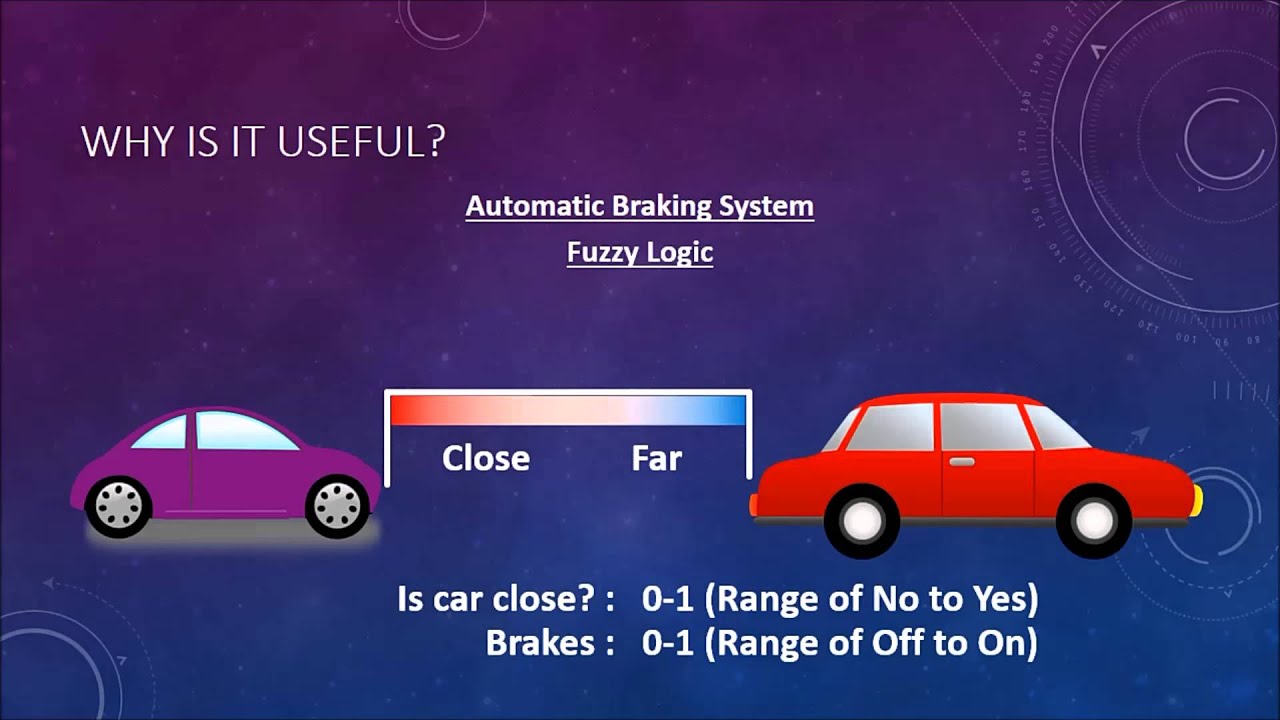
Fuzzy Logic and Supervaluationism: Non-classical logical systems developed specifically to resolve the Sorites paradox by moving beyond binary truth values.
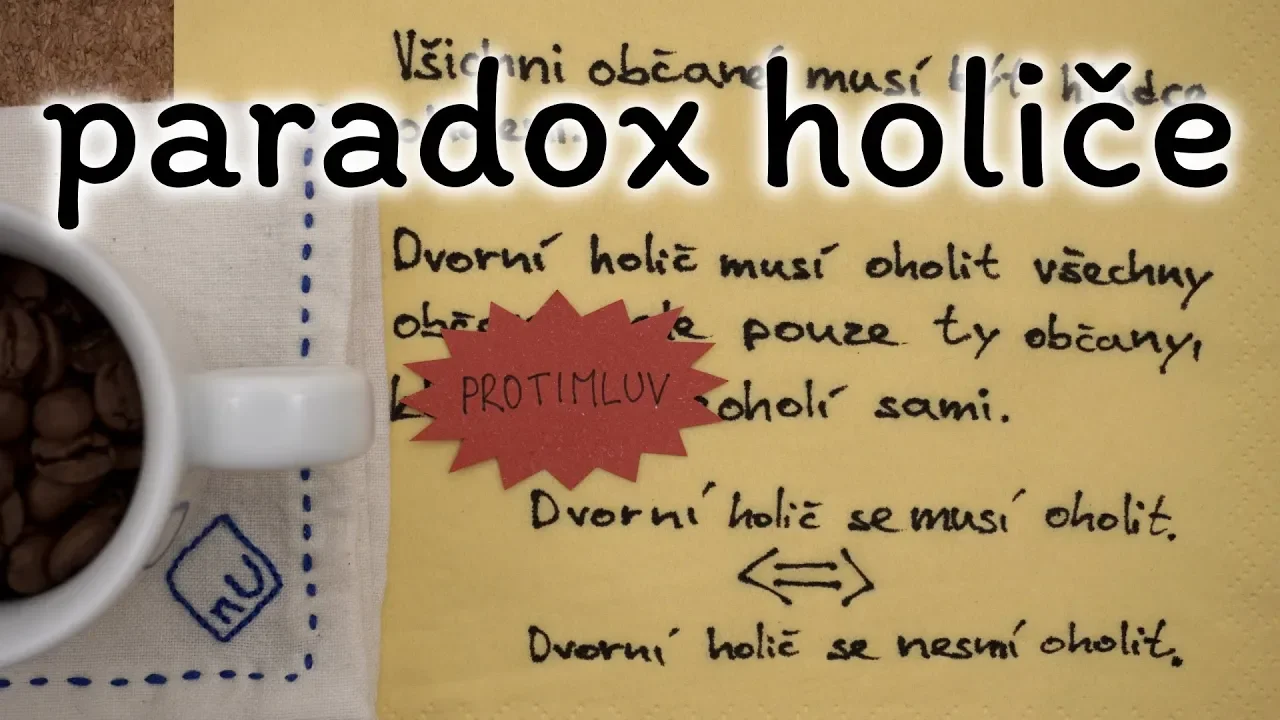
Russell's Paradox and Zermelo-Fraenkel Set Theory: How self-referential semantic paradoxes like Grelling-Nelson forced a restructuring of mathematical foundations.
Derek Parfit's 'Reasons and Persons': Exploring the ethics and metaphysics of 'Relation R' and the survival of the self in split-brain and teletransportation scenarios.
6.2M views197.3Klikes7:25Original Release: 2016-03-08
Vsauce, I’m Jake and thank you for visiting because I have been stuck in this chair for weeks. Why you ask?
Let me tell you! It is because of this! What is that? Well my dear friend, as you may know I have cancer and to try and stop it from spreading, they removed a lot of flesh, muscle, tissue and bone and replaced it with something else…and that got me thinking, about what makes you you.
Which then in turn got me thinking about paradoxes.
Specifically logical paradoxes or thought experiments. Ya know there is one in particular that pertains to the removal and replacement of certain things…let's go outside Quick little side note: I also figured out teleportation but we’ll discuss that later…ya know you should come out here too.
So we can discuss the ship of Theseus!
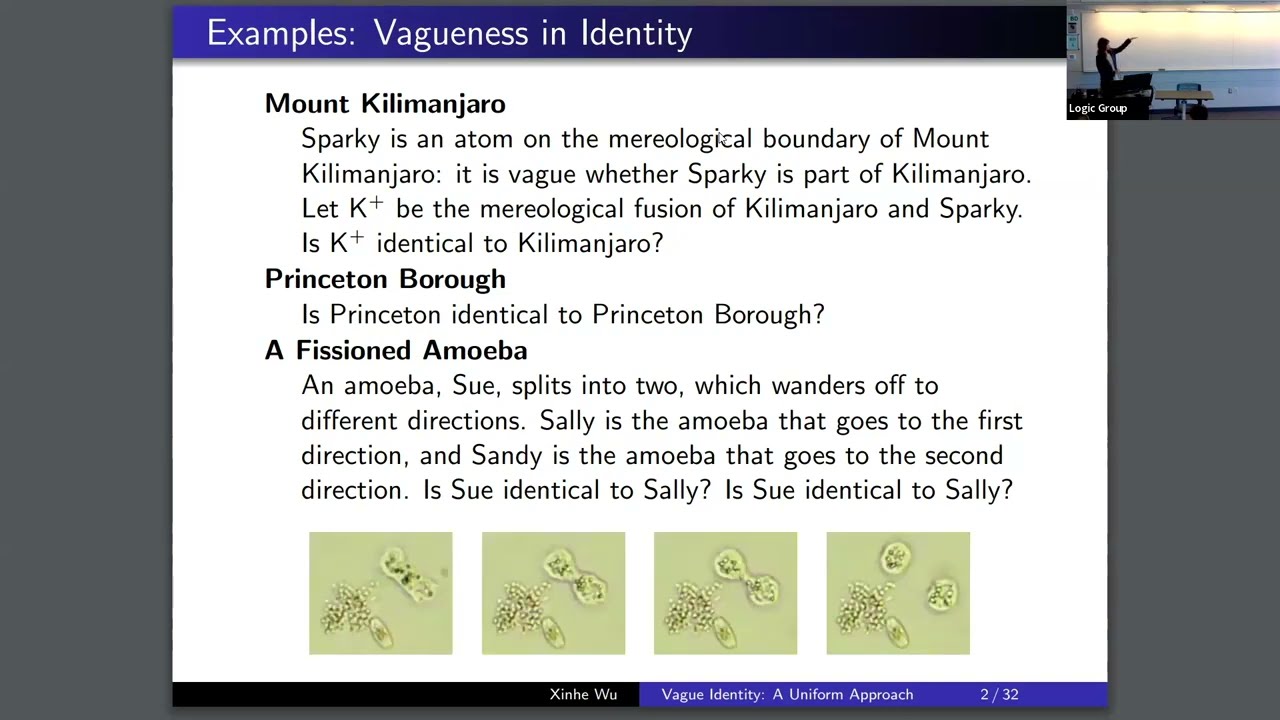
The ship of Theseus is pretty straightforward as far as logical paradoxes go. Let's say we have a ship, and it's a very nice ship. But after a while we end up replacing all the wood and then a while later we replace the sails, then a while later we replace the hooks. Is it still the same ship? Or is it a new ship? A different ship?
let’s go a step further. Let’s say we kept all the pieces of this ship that we replaced And used them to make another ship...an identical one. Is this one the original or is this one?
Or are they both not original? What makes something truly original? I need some sand.
Here I have what I would consider a heap of sand which leads us into our next logical paradox.
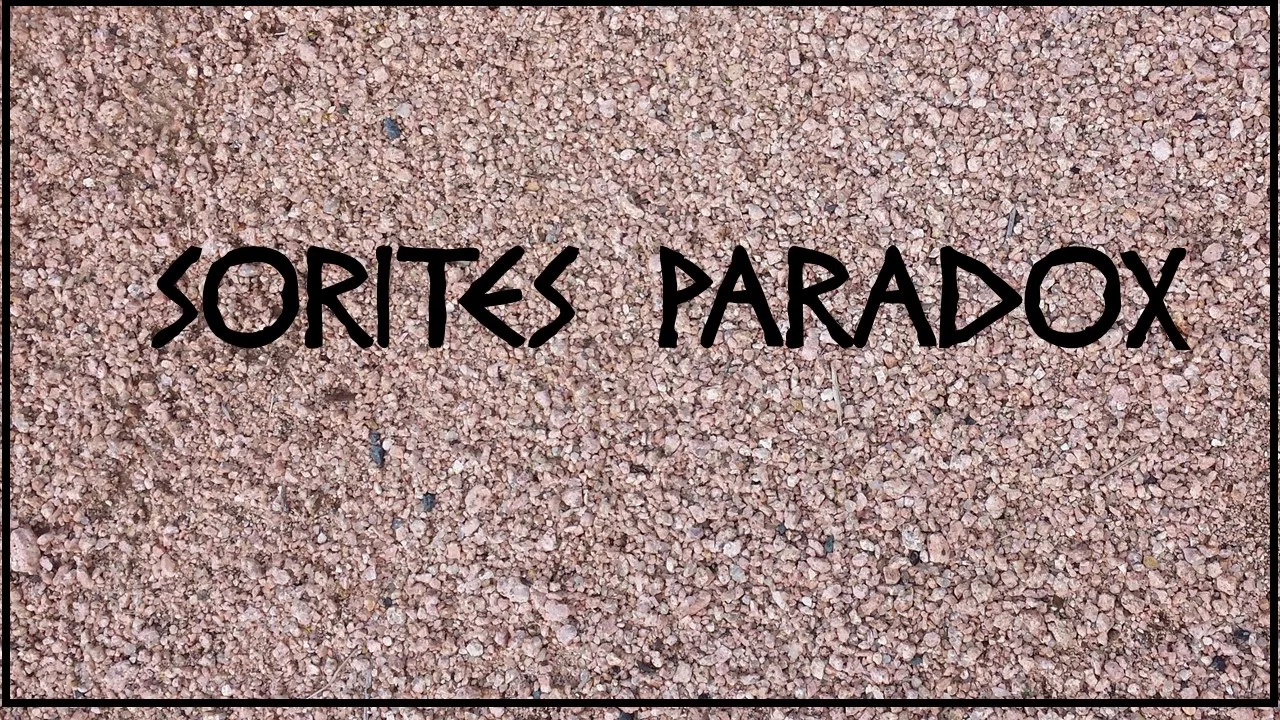
The Sorites paradox. Sorites in ancient greek meaning heap. So, we have our heap, right? But what happens if we take away a grain of sand? Well, it's still a heap. But then we take away another grain… Still a heap. But then we take another, and another, until we get this. Is this a heap? What about this? Or this? If we remove a grain until only one is left…is this still a heap? At what point do we no longer consider it a heap?
Let’s reverse it. We start with a single grain of sand. Obviously not what we would call a heap. But then we add a grain and another, and another. When does it become a heap of sand?
Ya know, instead of using objects as our examples, let’s discuss a paradox that instead, uses words.
We interact with words every day but today we are going to focus on just two words, autological and heterological, these are essential for The Grelling-Nelson Paradox.
An autological word is a word that describes itself. For example: pronounceable is pronounceable, polysyllabic is polysyllabic, and a noun is a noun.
Then there is heterological where a word does not describe itself. For example: purple is not purple, triangle is not a triangle and hyphenated is not hyphenated.
The paradox comes into play when we ask the question: Is the word “heterological” heterological?
If you say no, then heteorological does not describe itself. And if it’s not heterological then it must be autological and describe itself. but if it is autological then heterological describes itself and therefor heterological is heterological. Paradox.
If you say yes, heterological does not describe itself then that means heterological is not heterological. Paradox.
Let’s try something. Let’s combine aspects of the ship of Theseus and the Sorites paradox and apply it to ourselves. Even though part of my leg was replaced I am still me, right?
If my entire leg were removed, I’d still be me. So at what point am I no longer myself?
How much would have to be removed for you to no longer be you? Or is what makes us us our memories of who we are and of who we were? For example, you are different than when you were a baby. Obviously you are taller, a little bit heavier, you have different hair, different teeth, and all of your cells have been replaced since birth. I mean your personality has changed.
Your opinions have changed…so how are you the same person?
Ya know...maybe we should lay off the teleportation for a little not just because of that but also because I've been thinking of something...the teletransportation paradox. Let’s say we have a machine that can teleport you from here to there. In order to transmit you though, the machine kills you and instantly breaks you down into all the atoms that once made you up. It then transmits all the data of what you were to another machine in a different location which remakes you. Putting different atoms in the right spot.
So the question is, is the person who went into the machine the same person coming out of the other machine? You have the same memories, the same thoughts, but everything that physically makes you is different. You’d remember everything up to being teleported and reemerging on the other side - everything in between would be lost. So, is it your identity, your emotions, feelings and is it your thoughts that make you you?
Ya know, you should come a little bit closer.
When you wake up in the morning, how do you know that you’re the same person as who went to sleep? How do I know that when I close my eyes, is the same Jake opening them?
Maybe every time we open our eyes we are being created again and again from the idea of who we are…from our sense of identity. And, as always, thanks for watching.
Up Next

12:32
Kang the Conqueror: Narrative Identity Theory in the MCU's Future
@WisecrackEDU
155.9K views•2020-10-23

164:01
John of Damascus on Holy Images: A Theological Defense
@BannedBooks
139 views•2026-04-25

68:32
Should We Destroy the Machines? Big Tech Surveillance Critique
@TheStoriesWeTell303
167.9K views•2025-11-30
4:57
The Myth of Sisyphus: A Greek Legend of Eternal Punishment
@TEDEd
8.6M views•2018-11-13
Related Study Plans & Knowledge Roadmaps
Structured learning paths in Philosophy
philosophy
Frankfurt School: Critical Theory & Culture
01Foundations of the Frankfurt School and Critical Theory
02Horkheimer & Adorno: The Critique of Instrumental Reason
03The Culture Industry and Mass Deception
+ 2 more learning modules
12h5 modules
Explore Roadmap
philosophy
Philosophy of Language: From Frege to Austin
01The Linguistic Turn: An Introduction to Language in Philosophy
02Gottlob Frege: Sense and Reference
03Early Wittgenstein: The Picture Theory of Meaning
+ 3 more learning modules
15h6 modules
Explore Roadmap
philosophy
Feminist Epistemology: Standpoint & Injustice
01Introduction to Epistemology and Feminist Critiques
02Sandra Harding and Standpoint Theory
03Donna Haraway and Situated Knowledges
+ 2 more learning modules
12h5 modules
Explore Roadmap
philosophy
Environmental Philosophy: Ethics & Deep Ecology
01Foundations of Environmental Ethics & Anthropocentrism
02Biocentric Individualism and Animal Liberation
03Ecocentric Holism and Deep Ecology
+ 1 more learning modules
10h4 modules
Explore Roadmap