







![[#디제이픽] 유퀴즈에 공유 나온다고 커피차 보내고 신선한 제보까지 한 이동욱🥰 병 주고 약 주는 찐친 클라스~ | #유퀴즈 #디글](https://i.ytimg.com/vi/j8WRzI4nj3E/maxresdefault.jpg)








![Beginners Guide To Screenwriting - Shannan E. Johnson [FULL INTERVIEW]](https://i.ytimg.com/vi_webp/pwcTge9iF0E/maxresdefault.webp)

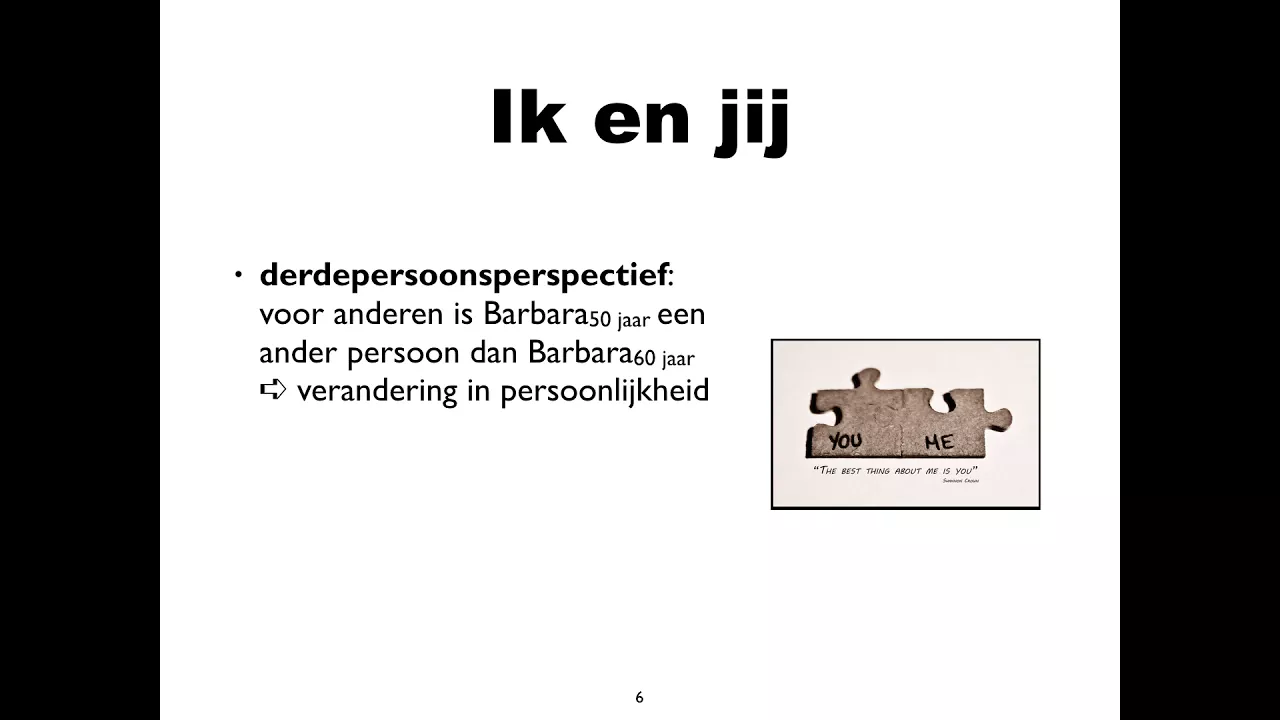
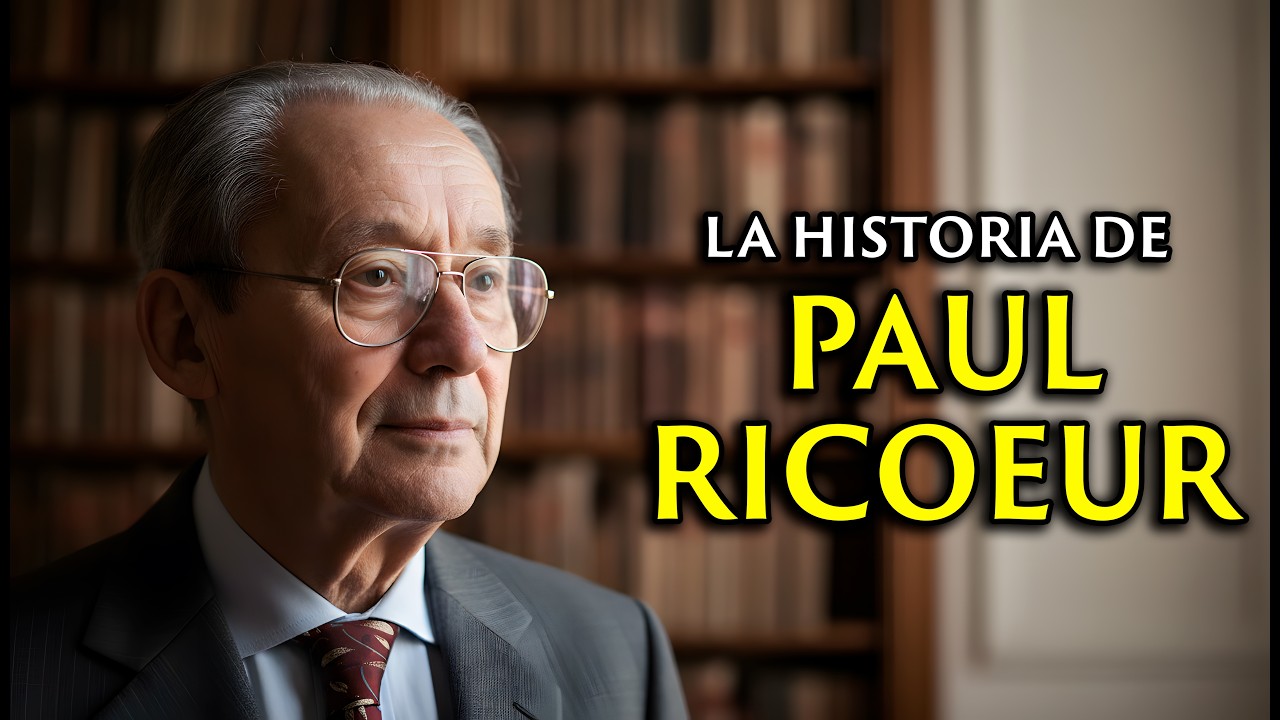
Narrative identity theory, coined by philosopher Paul Ricoeur, posits that our identities are not fixed but are formed through an ongoing process of narrativization, where we construct our self-conception by integrating our reconstructed past, perceived present, and imagined futures into a cohesive story. This theory explains how characters like Kang the Conqueror, who embodies multiple temporal identities (Kang as present, Immortus as future, Iron Lad as past), can serve as compelling narrative vehicles for exploring identity formation, adaptation, and reconciliation between past and future selves.
Kang the Conqueror: Narrative Identity Theory in the MCU's Future
Added:The fundamentals of Narrative Identity Theory, specifically how individuals construct self-identity through internalized, evolving life stories (e.g., the work of Dan P. McAdams).
A foundational understanding of the Marvel Cinematic Universe (MCU) Phase 1-4 character arcs, particularly Thanos's utilitarian philosophy and his role as a driving antagonist.
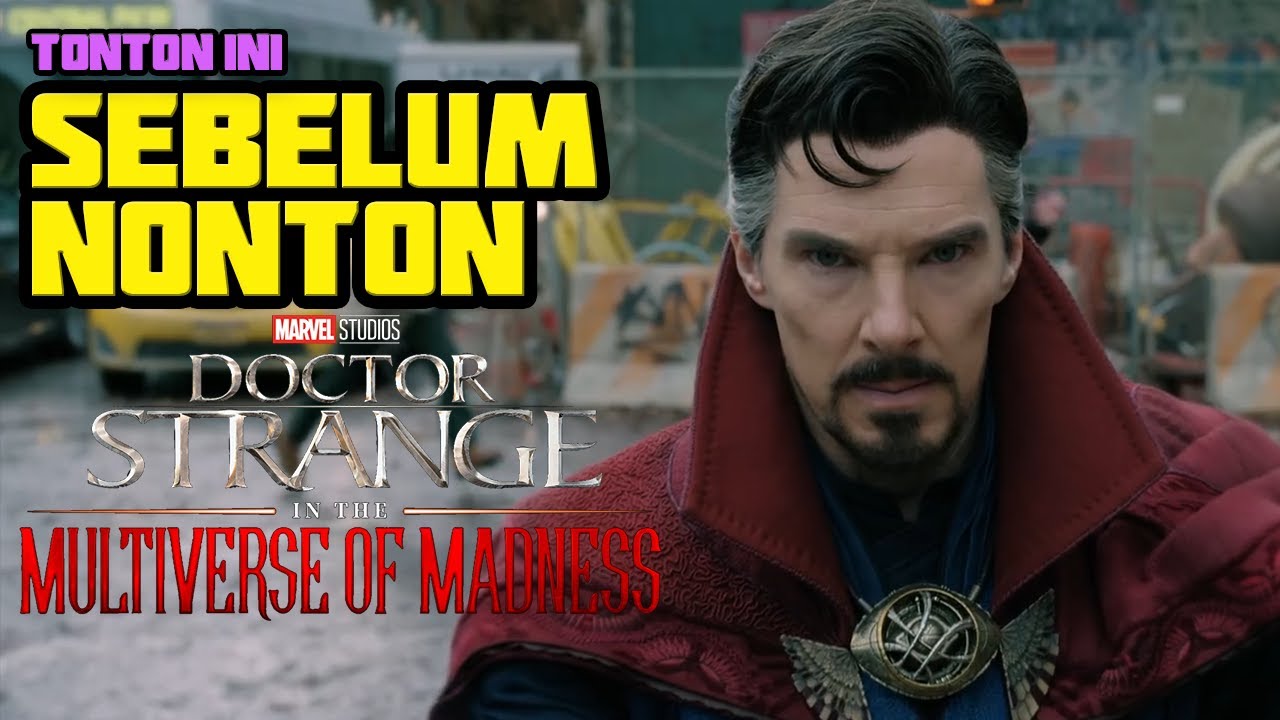
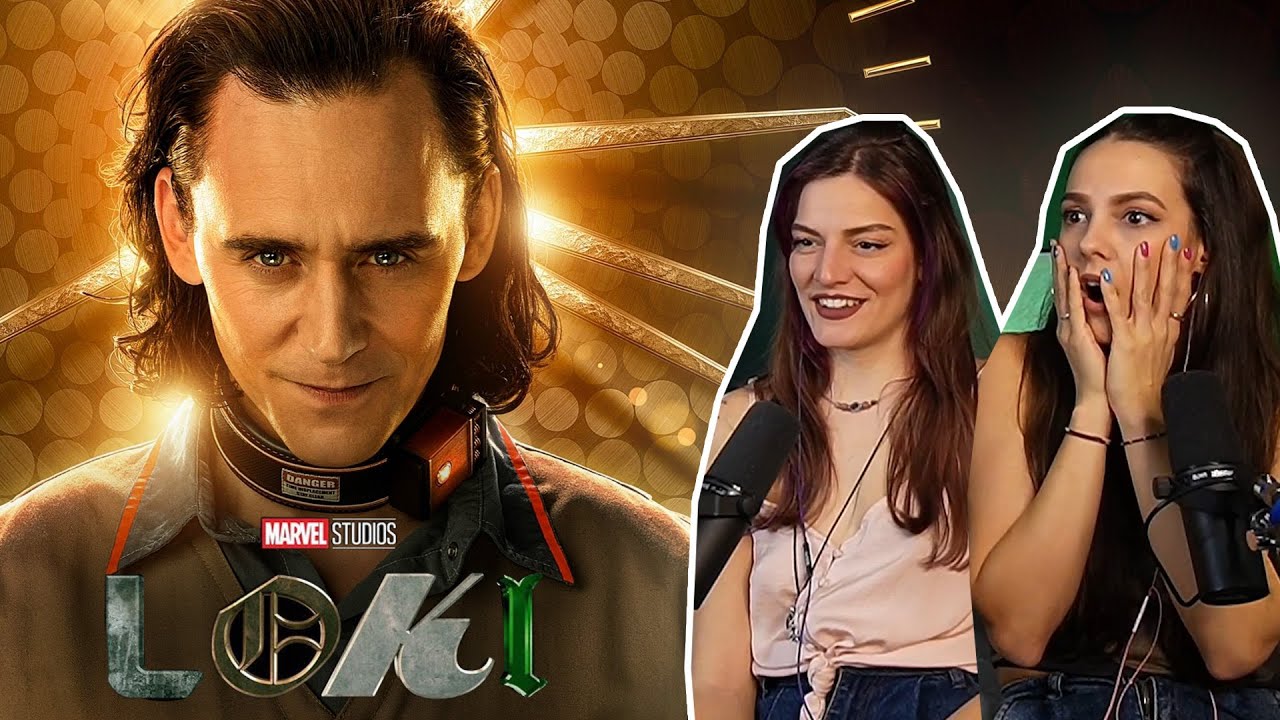
The concept of the Multiverse and temporal mechanics as established in MCU media like 'Loki' and 'Doctor Strange in the Multiverse of Madness'.
The literary concept of 'Variants' or 'Doppelgängers' in fiction, and how externalizing different facets of a single psyche functions as a storytelling device.
In-depth study of Paul Ricoeur's hermeneutic philosophy of selfhood, specifically the distinction between 'idem' (sameness) and 'ipse' (selfhood) identity.
Analysis of philosophical determinism versus existential free will within narratives featuring branching timelines and alternate realities.
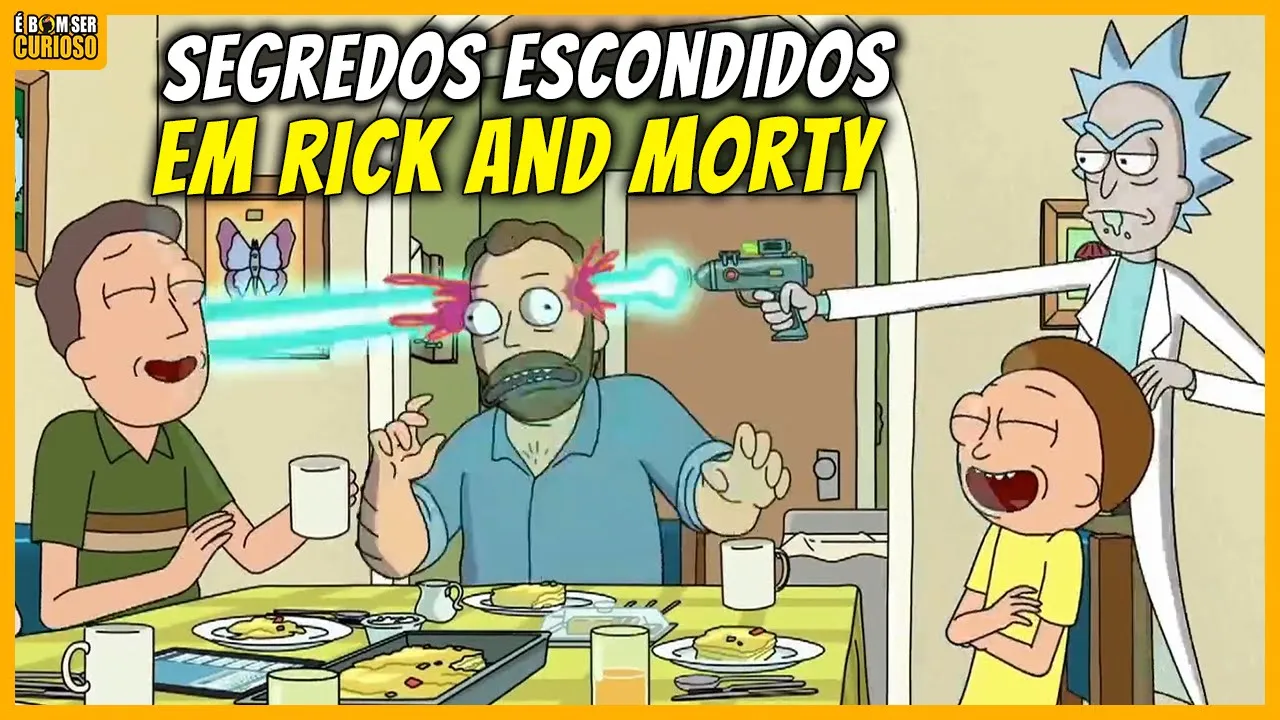
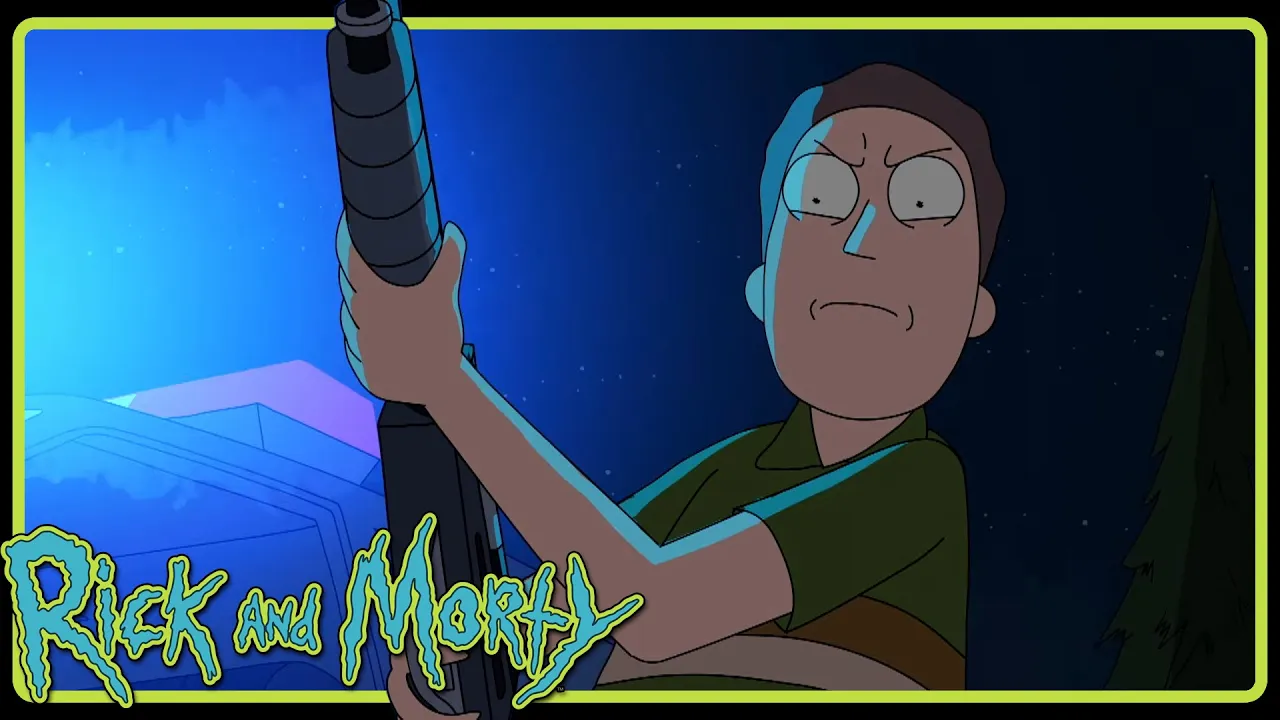
Comparative character studies of other pop-culture figures who embody multiversal fragmentation (e.g., characters from 'Everything Everywhere All at Once' or 'Rick and Morty').
Application of narrative identity frameworks to creative writing and screenwriting, specifically for designing complex, multi-layered antagonists with fractured motivations.
155.9K views8.1Klikes12:32Original Release: 2020-10-23
[Music] hey wisecrack greg here and like many of you i would love nothing more than to break down the newest film in the mcu but of course due to the bad thing that might not be possible for a very long time but perhaps the silver lining to this breaking content is the chance to catch our breaths and consider the future of the mcu so we're going to do something different today don't worry we're not going to get into reckless speculation instead we're going to ask the question who should be thanos 2.0 and how could our dream villain add the serious smarts to the mcu that we all deeply crave well it turns out our top pick was actually just casting ant-man 3.
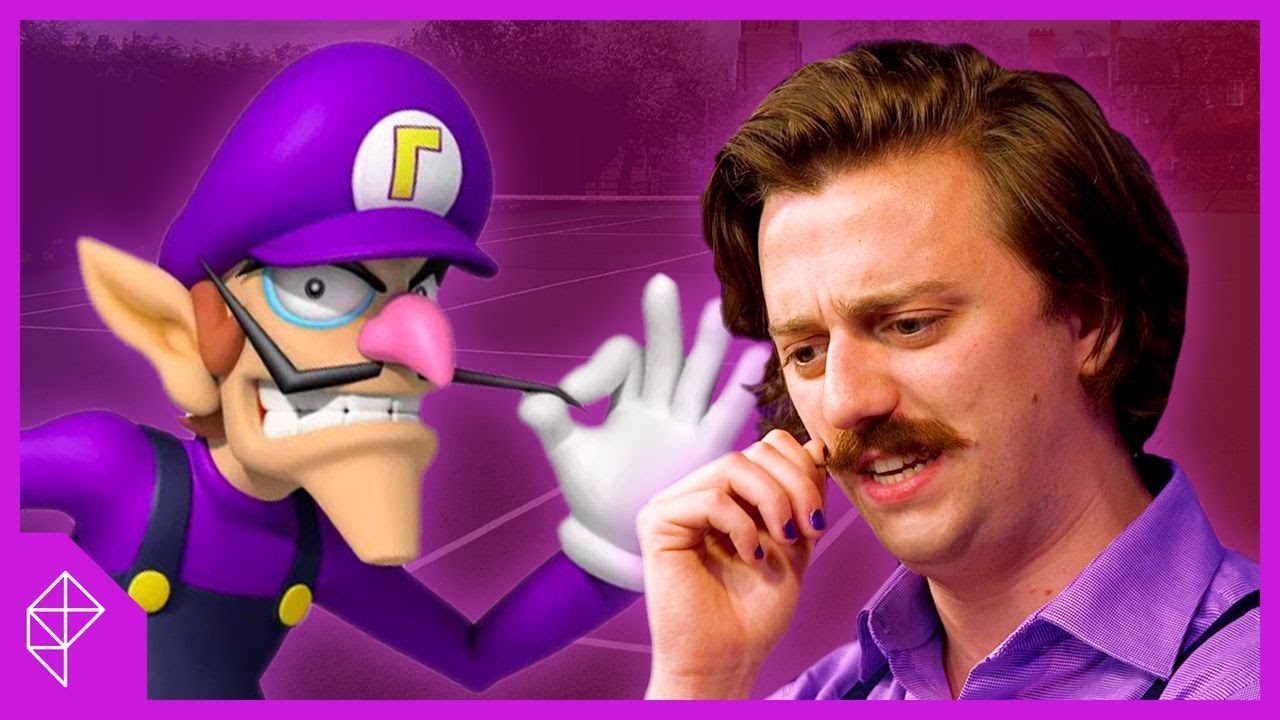
that's right king the conqueror so who is this snazzily dressed bad guy other than a potential new pvc pipe player in the blue man group and what if his unique multi-temporal existence can raise some serious questions about our own human identity we'll explain in this wisecrack vlog on kang the conqueror and the future of the mcu oh and spoilers for the mcu lie ahead as well as potential spoilers for its future if we turn out to be prophets now before the breakdown i want to let you guys know where you can find some of the in-depth discussions that go into making videos like this our second channel wisecast has all of our live podcasts including show me the meaning culture binge and the squanch on show me the meaning we talked about the avengers and spiderman and you can bet once a new marvel film drops we're going to be doing an episode so don't miss out click the link in the description to subscribe and keep up with all our deep dives onto the movies and tv shows that you love now back to the show kang is one of marvel comics most regularly appearing villains tangling time after time with the likes of the avengers and fantastic four and playing a role in a lot of the comics major developments over the years a time traveling desperate kang hills from one of the multiverses many earths a utopia in the 31st century essentially he's like a cross temporal and extra dimensional genghis khan constantly hopping around time and space in the quest for ever increasing challenges to his martial arts skill and tactical prowess he can hand pick the most powerful beings out of the time stream to fight on his behalf travel back to weak in a society or even whole planets before they know he exists and he controls vast armies of futuristically armed soldiers he's also a scientific genius and a master strategist man talk about over achieving but kang is also radically different from most super villains specifically because he's not really defined by his conflict with the heroes he fights instead he's more so defined by a conflict he has with himself kang born nathaniel richards has adopted many distinct identities over his lifetime and this difference might be able to tell us a whole lot about what comes next for the mcu mostly because kang's unique past opens the door to exploring all kinds of questions about identity see kang is less a person and more like a period of nathaniel's life an identity formed through the experiences and fears he had during a specific portion of his personal timeline at other key points he creates entirely new entirely conflicting identities for himself based on lived experiences and anticipations for the future like his future incarnation immortus guardian of time itself and wearer of stylish helmets or his teenage version iron lad founder of the young avengers and brazen intellectual property thief but the thing that separates these identities from mere costume changes is their prolific and very personal use of time travel you know the common rule in time travel stories you must not see anybody or talk to anybody anything you do could have serious repercussions on future events do you understand yeah that one neither kang immortus or iron lad cares one iota about this all three go back and forth in their own timelines at various points to influence their past present or future as a result these identities often come into direct literal conflict with each other in turn influencing each of their respective developments hell they often have a direct hand in the changes in nathaniel's perceptions that lead to the creation of a new identity in the first place as you can imagine this gets real confusing real quick you only need to look at the amount of retcons kang's had in the comic is proof this all makes kang a pretty unique character who offers endless narrative possibilities and raises lots of questions about identity and we think those questions can be best understood by looking at something called narrative identity theory coined by philosopher paul recore the theory posits that our identities aren't locked and fixed but are formed by an ongoing active process of narrativization that we ourselves engage in simply put our identities are the result of the stories we tell ourselves about ourselves record positives that we mold our memories into a cohesive plot just like a screenwriter takes scenes as raw materials to form acts that make a story we interpret the events of our past through our perceptions of the present which leads us to determine which past events are most relevant to who we feel we are what's more we also anticipate potential futures which inform our actions in the present thus create new events for us to interpret and add to our story the futures we predict is most likely our desire most or are most scared of provide endings to the story we are creating which in turn colors our interpretation of the past like how it's much easier to pick out themes and motifs in a movie the second time you watch it with the ending and therefore the complete narrative in mind in this way narrative identity integrates our reconstructed past our perceived presence and our imagined futures into one perpetually shifting but cohesive story that we tell ourselves and if the story changes if our interpretations of the past or expectations of the future are altered then we can integrate them into our stories thus altering our identities as convoluted as these stories can get kang the conqueror and mortis and iron lad the temporally disparate identities that form nathaniel richards are a great demonstration of narrative identity theory specifically these stories explore the interplay between our past present and future kang being the identity we follow most is the present and mortis is the future and iron lad is the past immortus observing all of the past and future in the timeless dimension of limbo actively works against kang his past identity but also manipulates our outright changes events to ensure that kang always becomes the mortise there will be no marty mcflying here sir kang meanwhile actively tries to prevent his potential future as a mortise at the same time king also travels back in his own timeline to try and spur his teammate self to take up all the conquering even earlier attempting to influence his past self just as a mortise tries to influence him this leads his teenage self to rebel against his potential future forming a new identity as iron lad hanging out with the avengers and trying to stop kang eventually he becomes a straight up superhero and forms the young avengers as a result in their multi-temporal interactions which become crucial to the identity formation of each kang immortus and iron lad can be seen as literal embodiments of records ideas there are heightened forms of the interpretations perceptions and anticipations that we all make on a daily basis in our own lives made possible through delicious time travel weirdness all together they form an overall narrative of their own showing how the same man can be a superhero super villain and an indifferent guardian of time in a single lifetime narrative identity theory is interesting because it gives us agency over our own self-conception compare this to a more essentialist views like plato's which tie identity to a fixed mostly unchangeable nature in plato's view people could change to a degree but someone born to be a farmer was never going to be a king recur is far from the only philosopher to ask questions about how people can change but his theory can help us understand who we are how our identity is formed and how we can shift that identity to become the person we want to be so the complex interplay between king and mortis and iron lad mirrors the constant process we engage with informing our own identities that's why we're so psyched to see him in the mcu and while we reckon he'll be the next big bad after all the next overarching mcu villain needs to fill an awfully big pair of boots king's conflict with the mortis and iron lad's desperate attempt to assert agency over his future provide a baked in character arc that makes him distinct from thanos but still matches the massive narrative stakes that the inevitable purple man brought to the table inevitable but more than just matching thanos we think kang has the potential to address one of the biggest narrative issues the mcu faced in the infinity saga thematic cohesion based on where the mcu is post end game and what we know about upcoming projects it seems like the nature of identity could be an overarching theme in future mcu films what's more this theme could help make connections between various characters and across various worlds in fact we've even had a little taste of this with spider-man far from home which saw the web shooting high school heartthrob contemplating tony stark's legacy amidst pressure to shift his own identity to that of the new iron man by introducing kang as the new big bad marvel has the opportunity to really tie the larger narrative of the mcu together around themes of identity how we form them how we adapt them to circumstances outside of our control and how we can reconcile our past with who we know we can become and if the mcu goes in this narrative direction kane could serve as an antagonist alongside the heroes both camps confronted with the same thematic challenges but taking different paths in order to pull it off though they'll have to really commit to developing all three identities that means building up kang immortus and iron lad over a series of appearances and having an ongoing macro plot centered around discovering the full extent of kang's cross-temporal dickery and this complex identity has the potential to make kang a much more interesting and nuanced villain than thanos don't get us wrong we love the big purple snap daddy and his themes of sacrifice and purpose drove infinity war but a stronger thematic unity within the wider story would be a huge step forward for the pioneering kind of interwoven narrative marvel's been honing for the past 12 years and by exploring king's personal arc and interactions with his past and future identities marvel can dig into internal narrative dilemmas as much as they do external cosmic beefs but hey maybe we're wrong and no one at the mcu brain trust has ever heard of paul ricker maybe kang shows up in ant-man 3 and dies at the end like so many mcu villains would squander potential before him even if that's the case we're still psyched to finally see kang in the mcu whatever direction marvel decides to go in we're confident it'll live up to the legacy they've created thus far look if we're super off the mark with all this kang stuff we're sorry for getting your hopes up but rest assured if we're right about any of this we'll repost this video until the end of time big thanks to all our patrons for all your support hit that subscribe button like it's your [ __ ] future self and as always thanks for watching peace you
Up Next

10:08
Ricoeur's Narrative Identity | Personal Identity in Oneself as Another
@OverthinkPodcastPhilosophy
46.6K views•2022-11-18

164:01
John of Damascus on Holy Images: A Theological Defense
@BannedBooks
139 views•2026-04-25
17:44
Pragmatism: America's Distinct Philosophical Tradition
@WisecrackEDU
170.7K views•2023-05-26
4:57
The Myth of Sisyphus: A Greek Legend of Eternal Punishment
@TEDEd
8.6M views•2018-11-13
Related Study Plans & Knowledge Roadmaps
Structured learning paths in Philosophy
philosophy
Frankfurt School: Critical Theory & Culture
01Foundations of the Frankfurt School and Critical Theory
02Horkheimer & Adorno: The Critique of Instrumental Reason
03The Culture Industry and Mass Deception
+ 2 more learning modules
12h5 modules
Explore Roadmap
philosophy
Philosophy of Language: From Frege to Austin
01The Linguistic Turn: An Introduction to Language in Philosophy
02Gottlob Frege: Sense and Reference
03Early Wittgenstein: The Picture Theory of Meaning
+ 3 more learning modules
15h6 modules
Explore Roadmap
philosophy
Feminist Epistemology: Standpoint & Injustice
01Introduction to Epistemology and Feminist Critiques
02Sandra Harding and Standpoint Theory
03Donna Haraway and Situated Knowledges
+ 2 more learning modules
12h5 modules
Explore Roadmap
philosophy
Environmental Philosophy: Ethics & Deep Ecology
01Foundations of Environmental Ethics & Anthropocentrism
02Biocentric Individualism and Animal Liberation
03Ecocentric Holism and Deep Ecology
+ 1 more learning modules
10h4 modules
Explore Roadmap