Environmental Philosophy: Ethics & Deep Ecology
Learning Goal: Evaluate the ethical and metaphysical foundations of environmental philosophy, contrasting anthropocentrism with biocentric individualism, Arne Næss's Deep Ecology, and the social critiques of ecofeminism.
- Prerequisites: Introduction to Ethics (suggested but not required)
- Estimated Study Time: 10 Hours
Module 1: Foundations of Environmental Ethics & Anthropocentrism
This module introduces the core debates of environmental philosophy. You will learn to distinguish between intrinsic value (value in itself) and instrumental value (value as a means to an end). Additionally, you will explore the historical, religious, and philosophical roots of anthropocentrism (human-centeredness) and evaluate Lynn White Jr.'s seminal critique of Western technology and religion as the catalysts for ecological degradation.
Video 1: Environmental Ethics: Anthropocentrism, Biocentrism & Ecocentrism

Why this video: This comprehensive academic lecture provides an excellent gateway to the field of applied environmental philosophy. It systematically defines the boundaries of moral consideration and contrasts the three primary environmental worldviews: human-centered (anthropocentrism), life-centered (biocentrism), and system-centered (ecocentrism). It serves as an indispensable primer on how moral standing is assigned in environmental policy and ethics.
Knowledge Checkpoint:
- Understand the definition of environmental ethics as an emerging discipline in applied philosophy.
- Differentiate between direct moral standing (moral considerations owed directly to an entity) and indirect moral standing.
- Identify the core differences between anthropocentric, biocentric, and ecocentric perspectives on nature.
Video 2: Environmental Ethics: White - The Historical Roots of our Ecological Crisis

Why this video: This lecture unpacks historian Lynn White Jr.'s highly influential 1967 thesis. White argues that the contemporary environmental crisis is fundamentally cultural and religious, pointing directly to Judeo-Christian anthropocentrism. This video is crucial for understanding how religious narratives of "human dominion" over nature historically shaped Western science, technology, and exploitative attitudes toward environmental systems.
Knowledge Checkpoint:
- Articulate Lynn White Jr.'s main thesis regarding the historical connection between Western Christianity, technology, and ecological crises.
- Explain how the concept of "dominion" over nature differs from "stewardship."
- Analyze the critique that Western science and technology are structurally anthropocentric.
Video 3: Anthropocentrism Explained: Environmental Ethics & Human-Centered Views
Why this video: This video focuses specifically on the mechanics of anthropocentric environmental ethics. It clarifies how an anthropocentric perspective can still support environmental protection, albeit through an instrumental framework (e.g., protecting a forest because humans need clean water or medicine). It helps students comprehend the philosophical distinction between valuing nature intrinsically versus instrumentally.
Knowledge Checkpoint:
- Define anthropocentrism and explain why it characterizes the dominant modern worldview.
- Distinguish between strong and weak anthropocentrism in ethical reasoning.
- Explain how an anthropocentrist justifies resource conservation without attributing intrinsic value to non-human entities.
Module 2: Biocentric Individualism and Animal Liberation
This module transitions from human-centered frameworks to life-centered (biocentric) ethics. You will analyze the individualist shift in environmental philosophy, evaluating Paul Taylor’s biocentric ethics alongside the pioneering animal advocacy frameworks of Peter Singer and Tom Regan. You will compare Singer's utilitarian sentience model with Regan's deontological "subject-of-a-life" animal rights paradigm.
Video 1: Biocentric Ethic | Environmental Ethics & Christian Perspective

Why this video: This academic session explores Paul Taylor's foundational philosophy of biocentric individualism. It outlines his core concepts, including the "attitude of respect for nature" and his assertion that all living organisms are "teleological centers of life" possessing their own goods and intrinsic value, independent of human assessments.
Knowledge Checkpoint:
- Explain Paul Taylor's concept of a "teleological center of life."
- Identify the four pillars of Taylor's biocentric outlook (human membership, systemic interdependence, individual goal-directedness, and the rejection of human superiority).
- Contrast Taylor's biocentrism with the anthropocentrism studied in Module 1.
Video 2: Ethics and meat consumption | DW Documentary
Why this video: Utilizing Peter Singer’s moral framework as a central focus, this documentary segment examines the ethics of animal treatment. It details Singer's utilitarian approach to animal liberation, which is based on the capacity for suffering (sentience) rather than species membership. It is essential for understanding how utilitarianism applies to non-human entities.
Knowledge Checkpoint:
- Define "speciesism" according to Peter Singer.
- Explain the utilitarian principle of equal consideration of interests and how it extends to animals.
- Describe how Singer uses the capacity for pain and pleasure (sentience) as the boundary for moral consideration.
Video 3: Professor Tom Regan: An Introduction to Animal Rights
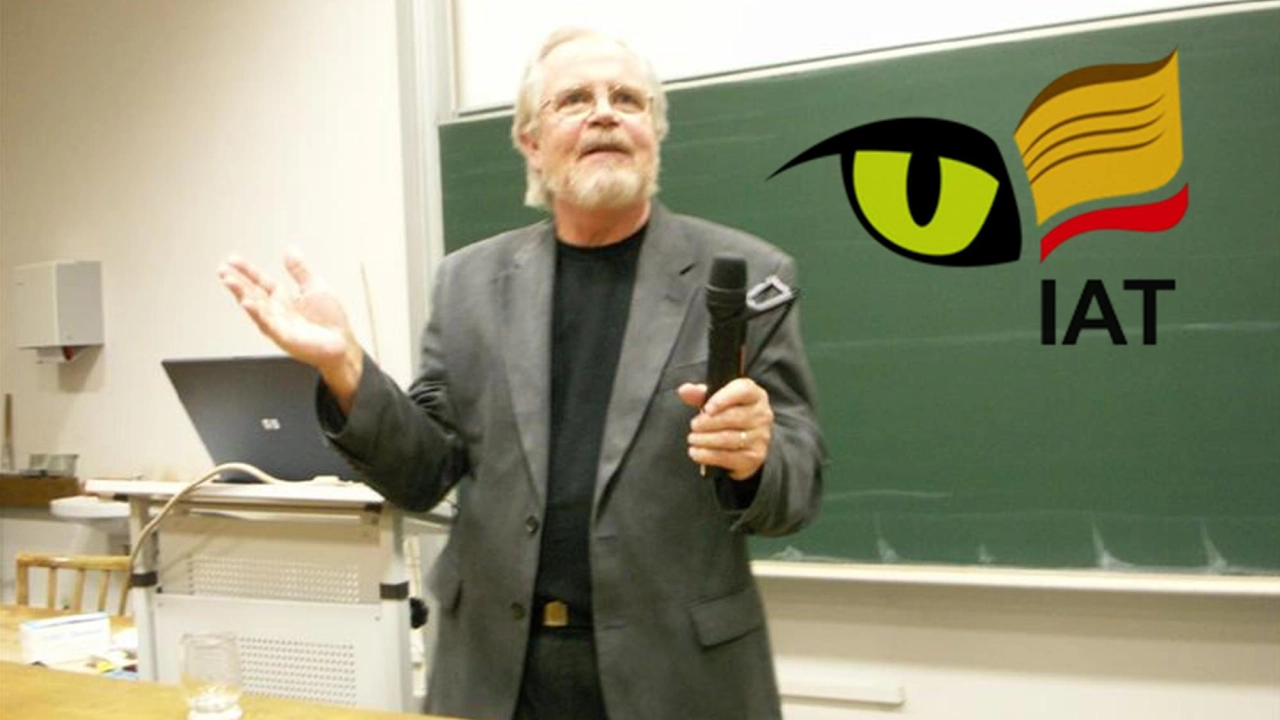
Why this video: This lecture features philosopher Tom Regan laying out his deontological (rights-based) defense of animal rights. Regan critiques Singer's utilitarianism, arguing that animals have inherent value not merely because they feel pain, but because they are "subjects-of-a-life." This presentation is highly valuable for contrasting consequentialist and deontological approaches to animal ethics.
Knowledge Checkpoint:
- Define Tom Regan's concept of a "subject-of-a-life."
- Contrast Regan's deontological animal rights approach with Singer’s consequentialist/utilitarian animal liberation framework.
- Explain why Regan argues that merely reformulating animal treatment (e.g., larger cages) is ethically insufficient compared to total abolition of animal exploitation.
Module 3: Ecocentric Holism and Deep Ecology
This module explores ecocentrism, transitioning from individual organisms to collective ecological wholes. You will study Aldo Leopold’s revolutionary "Land Ethic" and investigate the metaphysical, spiritual, and ethical framework of Arne Næss's Deep Ecology, specifically comparing it with reformist, anthropocentric "shallow ecology."
Video 1: Aldo Leopold's Land Ethic — Conservation & Wilderness Legacy

Why this video: This comprehensive documentary and analysis covers the life and work of Aldo Leopold, author of A Sand County Almanac. It highlights the transition of the conservation movement toward ecocentric holism, illustrating how Leopold's "Land Ethic" expanded the boundaries of the ethical community to include soils, waters, plants, and animals—collectively referred to as "the land."
Knowledge Checkpoint:
- Recite and interpret Leopold’s famous ethical maxim: "A thing is right when it tends to preserve the integrity, stability, and beauty of the biotic community..."
- Explain how Leopold shifts the human role from "conqueror of the land-community" to "plain member and citizen of it."
- Define the holistic nature of ecocentrism and how it differs from biocentric individualism.
Video 2: Environmental Ethics: Deep Ecology

Why this video: This concise, high-impact explainer introduces the core principles of the Deep Ecology movement, founded by Norwegian philosopher Arne Næss and George Sessions. It is an excellent resource for visualizing and understanding how Deep Ecology challenges reformist (shallow) environmentalism by advocating for a fundamental revision of human metaphysics and self-realization.
Knowledge Checkpoint:
- Identify the core distinction between "Shallow Ecology" (reform environmentalism targeting resource depletion and pollution) and "Deep Ecology" (addressing the root cultural/philosophical causes).
- Explain the concept of "biospherical egalitarianism" within Deep Ecology.
- Describe the shift in consciousness that Deep Ecology demands regarding human identity in relation to the wider biosphere.
Video 3: Arne Naess and the Deep Ecology Movement (short version)
Why this video: This video offers archival footage and direct reflections on Arne Næss's philosophical platform. It dives deep into his unique concept of "Ecosophy T" and explains how he integrated Eastern philosophy, Spinozistic self-realization, and ecological science to propose a relational, non-dualistic view of nature.
Knowledge Checkpoint:
- Explain Næss's concept of the "ecological Self" (Self-realization) and how it transcends the narrow egoic self.
- Outline the 8-point platform of the Deep Ecology movement, focusing on the flourishing of non-human life and the reduction of human population.
- Discuss how Deep Ecology frames environmental protection as an act of self-defense once the "ecological Self" is fully realized.
Module 4: Social Critiques: Ecofeminism and Social Ecology
This module critically assesses the intersection of social hierarchies and ecological destruction. Addressing key historical gaps in environmental philosophy, you will analyze Karen Warren's ecofeminist framework, particularly her concept of the "logic of domination." You will also study Murray Bookchin's "Social Ecology" and evaluate his critiques of Deep Ecology, which he argued could lead to misanthropic conclusions.
Video 1: Prof. Patricia Glazebrook - Ecofeminism Then and Now

Why this video: This video targets one of the most critical gaps in environmental philosophy curricula: Karen Warren's specific formulation of ecofeminism. Prof. Glazebrook discusses Warren's "logic of domination"—the conceptual framework that justifies dualistic oppression. She explains how the subjugation of women and the exploitation of nature share an identical, patriarchal, and capitalist structure.
Knowledge Checkpoint:
- Define Karen Warren's "logic of domination" and explain how it operates in oppressive systems.
- Describe the conceptual dualisms (e.g., male/female, culture/nature, mind/body) that undergird ecofeminist critiques.
- Explain how ecofeminism bridges the gap between feminist philosophy, social justice, and environmental action.
Video 2: Why Capitalism Separates Us From Nature: Introducing Murray Bookchin and the Ecology of Freedom
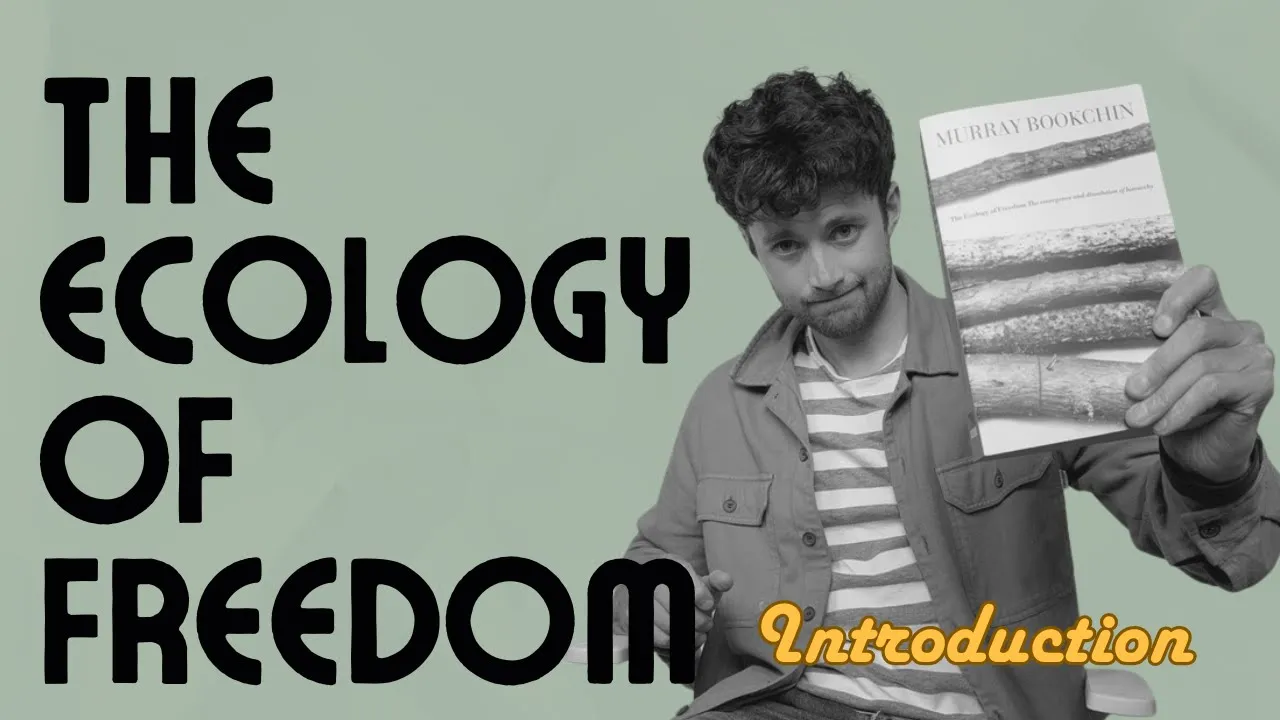
Why this video: This detailed analysis focuses on Murray Bookchin’s masterpiece, The Ecology of Freedom. Bookchin argues that our current ecological problems stem from deeply seated social crises, specifically hierarchical and capitalist social structures. It is vital for understanding why Social Ecology insists that we cannot solve the climate crisis without dismantling social domination.
Knowledge Checkpoint:
- Summarize Murray Bookchin's core thesis: all ecological problems are fundamentally social problems.
- Explain how social hierarchies preceded and gave rise to the human drive to dominate the natural world.
- Contrast Social Ecology's systemic, anti-capitalist approach with the individualist and metaphysical reform programs of other movements.
Video 3: Social Ecology, Human Nature and Hierarchy
Why this video: This lecture explores the theoretical mechanics of Social Ecology and highlights Murray Bookchin's critique of Deep Ecology. Bookchin famously warned that by ignoring class, gender, and social structures, and by treating humanity as a single homogeneous "cancer" on the planet, Deep Ecology risks sliding into misanthropy and eco-fascism. This video is essential for understanding the intense debate between holism and social ecology.
Knowledge Checkpoint:
- Articulate Bookchin's critique of Deep Ecology as potentially "misanthropic" or "eco-fascist."
- Explain the difference between "first nature" (biological evolution) and "second nature" (human cultural/social evolution) within Bookchin's philosophy.
- Analyze why Social Ecology insists that humanity must act as a self-conscious, rational force to help nature evolve, rather than simply "withdrawing" from it.
Course Map
This flowchart outlines the progression of concepts throughout this curriculum, highlighting how each module serves as a prerequisite for subsequent philosophical developments.
Key People Index
| Thinker | Core Philosophical Context | Key Concept |
|---|---|---|
| Lynn White Jr. | Historian who analyzed cultural narratives; argued Western Christianity is structurally anthropocentric and drove the ecological crisis. | Dominion vs. Stewardship |
| Paul Taylor | Biocentric individualist; argued all living things have a "good of their own" and are teleological centers of life. | Teleological Center of Life |
| Peter Singer | Utilitarian philosopher; argued sentience (the capacity to suffer) is the metric for moral consideration, opposing speciesism. | Animal Liberation |
| Tom Regan | Deontological philosopher; argued animals possess inherent value as subjects-of-a-life and deserve rights, not just humane treatment. | Subject-of-a-life |
| Aldo Leopold | Ecocentric forester/conservationist; introduced a holistic moral framework shifting humans from conquerors to biotic citizens. | The Land Ethic |
| Arne Næss | Norwegian philosopher; distinguished deep from shallow ecology; conceptualized a relational, Spinozistic self-realization framework. | The Deep Ecology Platform / Ecosophy T |
| Karen Warren | Ecofeminist philosopher; identified the underlying logical structures of oppression that link gender inequality and ecocide. | The Logic of Domination |
| Murray Bookchin | Social theorist and founder of Social Ecology; argued environmental destruction is rooted in human social hierarchy. | Social Ecology / Critique of Deep Ecology |
Final Self-Assessment
Use this comprehensive self-assessment to test your understanding of the major conceptual debates across the entire curriculum:
- Can you define the difference between intrinsic value and instrumental value, providing an environmental policy example of each?
- How does Lynn White Jr. defend his claim that Western Christianity is the most anthropocentric religion in history?
- What is the philosophical difference between anthropocentrism (human-centered), biocentrism (life-centered), and ecocentrism (system-centered)?
- How does Paul Taylor's biocentric individualism differ from the holistic ecocentrism of Aldo Leopold?
- Contrast Peter Singer’s utilitarian justification for animal liberation with Tom Regan's deontological case for animal rights.
- Explain Arne Næss's distinction between "shallow" and "deep" ecology. What are some of the actions a shallow ecologist might take versus a deep ecologist?
- Describe Næss's concept of Self-realization (with a capital S) and how it shifts the boundaries of human identity.
- Define Karen Warren's "logic of domination" and explain how it conceptualizes the connection between patriarchal structures and the abuse of nature.
- Why did Murray Bookchin argue that "all ecological problems are social problems"? Give a real-world example of how a social hierarchy contributes directly to environmental destruction.
- What is Bookchin's primary critique of Deep Ecology? Why did he believe that treating "humanity" as a homogeneous group in relation to the environment is politically dangerous?