
![Zrównoważony rozwój. Ten RAPORT obnaża GLOBALISTÓW [KWAŚNIEWSKI, WARZECHA, STELMACH, MAJEWSKI]](https://i.ytimg.com/vi_webp/FuR67DZF43Q/maxresdefault.webp)















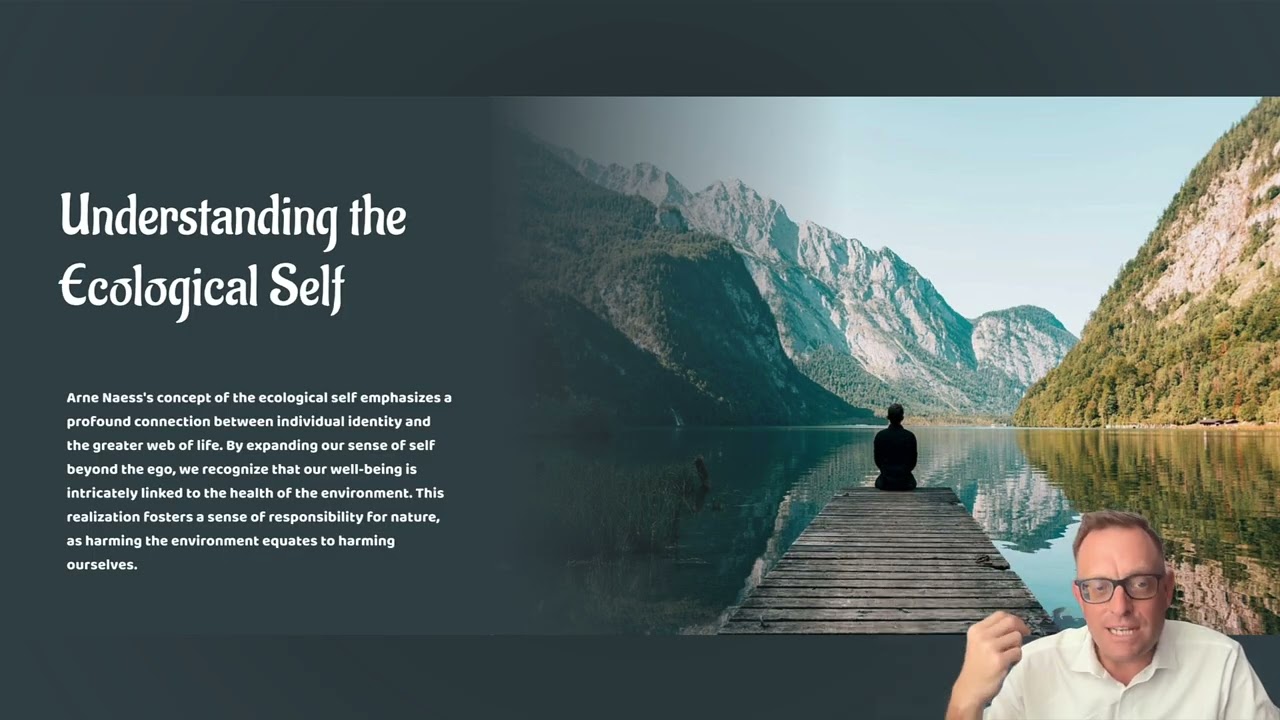











Deep Ecology, developed by philosophers Arnie Ness and Georg Sessions, represents a radical revaluation of humanity's ethical relationship with the natural environment, distinguishing itself from Shallow Ecology by addressing not just environmental symptoms (like pollution and resource depletion) but the underlying cultural and ideological causes—specifically the mistaken view that humans are separate from nature and that our egos are isolated entities. Deep Ecology proposes that environmental problems stem from this fundamental misperception of our true nature, advocating instead for an 'ecological self' understanding where humans recognize themselves as fundamentally interconnected with all life. This philosophy is grounded in eight core principles: all life has intrinsic value independent of human usefulness; biodiversity is valuable in itself; humans have no right to reduce ecological richness except for vital needs; human impact on Earth is excessive and worsening; diverse life and cultures can only flourish with reduced human interference; fundamental changes to economic, technological, and ideological structures are necessary; societies should prioritize life quality over increasing material standards of living; and those who accept these principles have an obligation to actively participate in implementing the necessary transformations.
Deep Ecology vs Shallow Ecology: Environmental Ethics Explained
Added:it has booked sapiens historian Yuval Noah Harari concludes by saying that we humans are more powerful than ever before but we have very little idea what to do with all that power we're still humans seem to be more irresponsible than ever we are accountable to no one we are consequently wreaking havoc on our fellow animals and on the surrounding ecosystem seeking a little more than our own comfort and amusement yet never finding satisfaction karara's insight calls for a radical revaluation of our ethical relationship with the natural environment deep ecology is a theory and environmental ethics that undertakes this task deep ecology was popularized by philosopher Arnie Ness Ness claimed that there are two strands in the environmentalist movement on the one hand we have shallow ecology this approach is mainly concerned with addressing the bad environmental effects of Industry and how this affects human interests shallow ecology also focuses on promoting sustainable activities such as recycling and green technology now proponents of Deep Ecology claim that this is all well and good but shallow ecology doesn't go far enough it's shallow in the sense that it neglects what deep ecologists consider the underlying causes of environmental problems unlike shallow ecology Deep Ecology emphasizes the cultural and ideological dimensions of ecological problems for example our socio-economic system may cultivate an attitude in which we view nature as merely an object that we can use for Deep Ecology this attitude about our relationship toward nature is a deeply rooted cause of environmental problems so ultimately people need to change their consciousness to address the root cause of environmental problems let's look at this idea in more detail for Deep Ecology a common but mistaken view of our own nature is the fundamental cause of ecological problems it's a mistake to view ourselves distinct from the natural environment and it's a mistake to conceive of our egos as atomistic and isolated from other beings so for the deep ecologist addressing environmental problems ultimately requires correcting this view by attaining a deeper understanding of our true selves now unfortunately correcting this misunderstanding of our nature will be difficult since it's deeply ingrained in our culture according to Deep Ecology pursuing self-realization is the key to understanding our true nature in this process we gradually become aware of ourselves as fundamentally interconnected with everything in nature we start to see ourselves as more than a narrow ego and we begin to identify with all other beings through self-realization we begin to see ourselves as an ecological self as Arnie Ness puts it the ecological self as a self that is in of an for nature from our very beginning now for philosophers Arnie Ness and Georg sessions this ecological understanding of ourselves supports eight principles of Deep Ecology first all life has value in itself independent of its usefulness to humans second richness and diversity of life helps the realization of these values and are valuable in themselves third humans have no right to reduce this richness and diversity except to satisfy vital needs the fourth principle says that the impact of humans in the world is excessive in getting worse human lifestyles and population are key elements of this impact fifth the diversity of life and cultures can flourish only with reduced human impact the sixth principle says that policies affecting basic economic technological and ideological structures must change in the resulting state of affairs will be deeply different from our own seventh the ideological change involves appreciating life quality rather than adhering to an increasing standard of living in other words there will be a profound awareness of the difference between big and great and finally those who subscribe to these points have an obligation to participate in the attempt to implement the necessary changes alright in this video we introduced the difference between shallow ecology and deep ecology and we saw that deep ecology recommends a radical shift in our attitude regarding our relationship with the natural environment thanks for watching [Music]
Up Next

Deep Ecology Explained: Arne Naess & Environmental Philosophy
@deepecology
41.8K views•2015-08-22

John of Damascus on Holy Images: A Theological Defense
@BannedBooks
139 views•2026-04-25

Should We Destroy the Machines? Big Tech Surveillance Critique
@TheStoriesWeTell303
167.9K views•2025-11-30
The Myth of Sisyphus: A Greek Legend of Eternal Punishment
@TEDEd
8.6M views•2018-11-13
Related Study Plans & Knowledge Roadmaps
Structured learning paths in Philosophy