












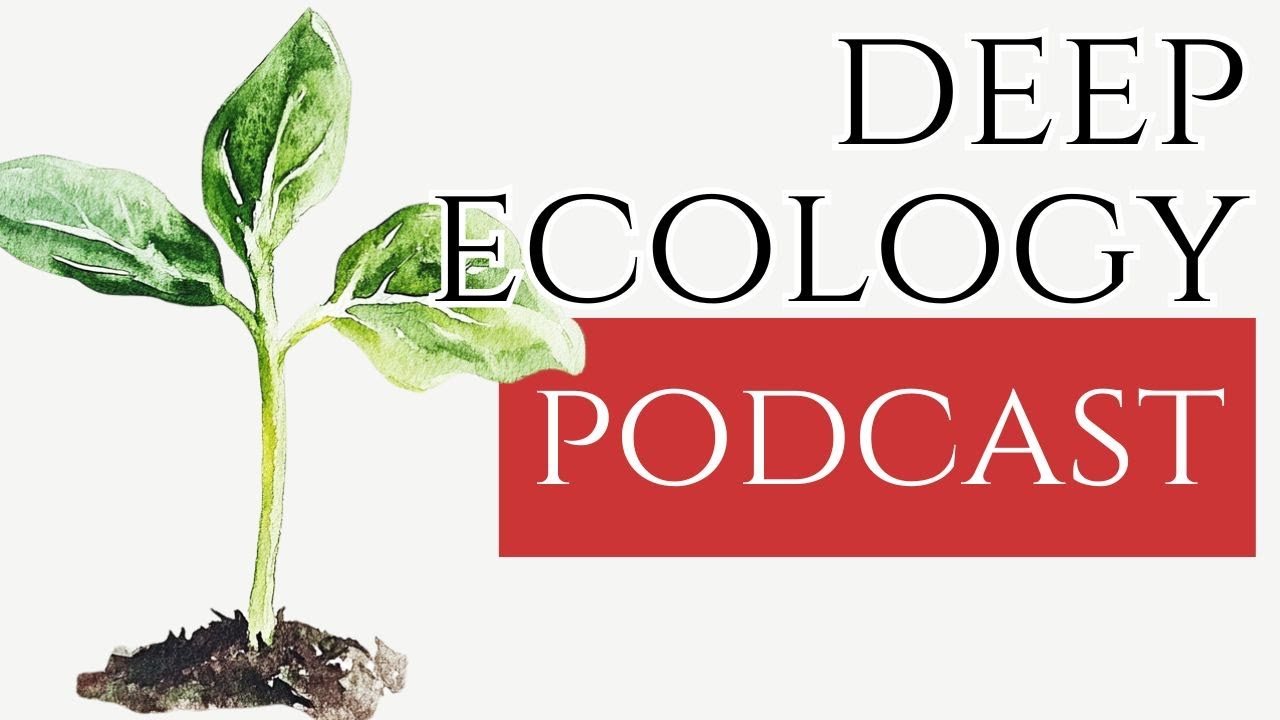



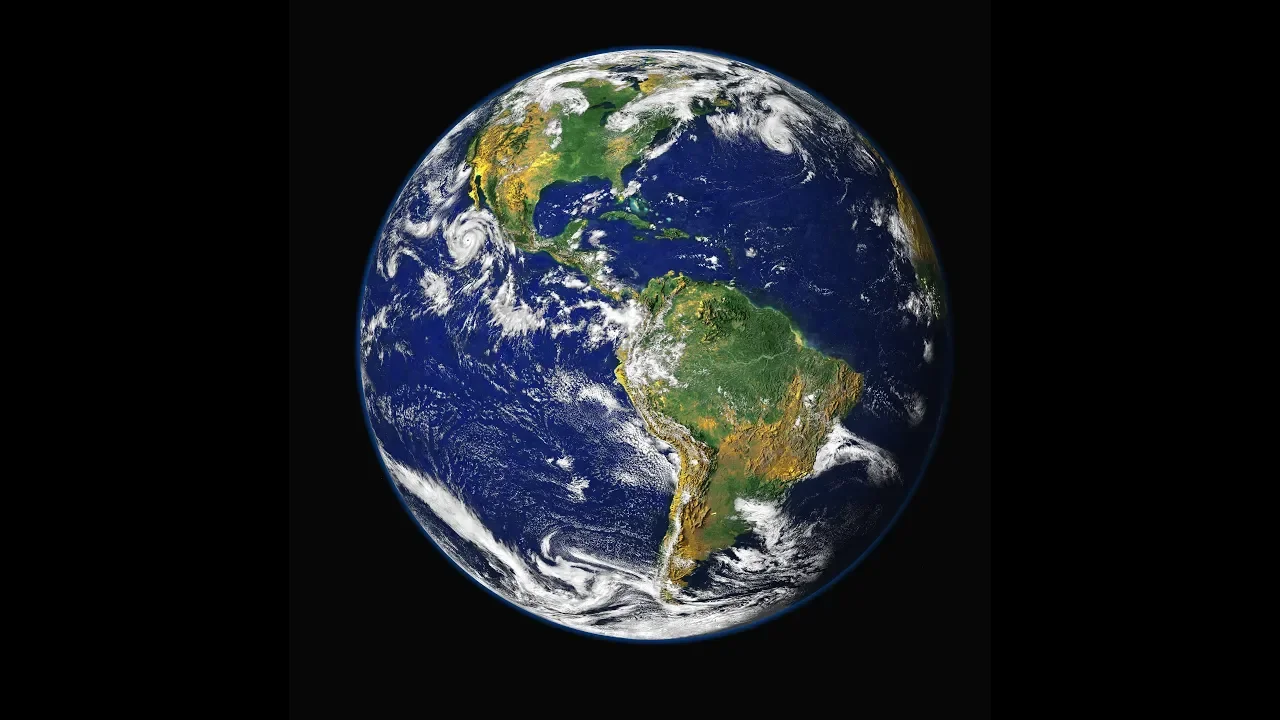


Deep ecology is a social movement that advocates for fundamental societal transformation to address environmental crises, distinguishing itself from shallow environmentalism (reform environmentalism) which focuses on incremental changes like recycling and sustainable development within existing systems; unlike shallow approaches that merely reform society ecologically, deep ecology emphasizes developing profound spiritual, intellectual, and physical connections to the living world and cosmos, recognizing that all living beings and ecosystems are interrelated and that meaningful environmental protection requires questioning all human actions from a holistic, long-range perspective.
Deep Ecology Explained: Arne Naess & Environmental Philosophy
Added:Basic concepts in environmental ethics, including the distinction between intrinsic value (value for its own sake) and instrumental value (value as a means to an end).
The historical definition of 'shallow' or reform environmentalism, which focuses primarily on resource conservation, pollution control, and human health.
The difference between anthropocentric (human-centered) and ecocentric (nature-centered) worldviews in philosophy.
Fundamental ecological principles regarding the interconnectedness and interdependence of all living organisms within ecosystems.
The critiques of Deep Ecology, particularly from Social Ecology (e.g., Murray Bookchin) and Ecofeminism, which argue it overlooks social hierarchies and gender dynamics.
Arne Naess's personal philosophical framework known as 'Ecosophy T' and his concept of the 'ecological self' or self-realization.
The application of deep ecology principles to radical environmental activism, such as Earth First!, and modern rewilding initiatives.
The ethical debates surrounding deep ecology's stance on human population levels and its feasibility in developing versus developed nations.
41.8K views0likes9:57Original Release: 2015-08-22
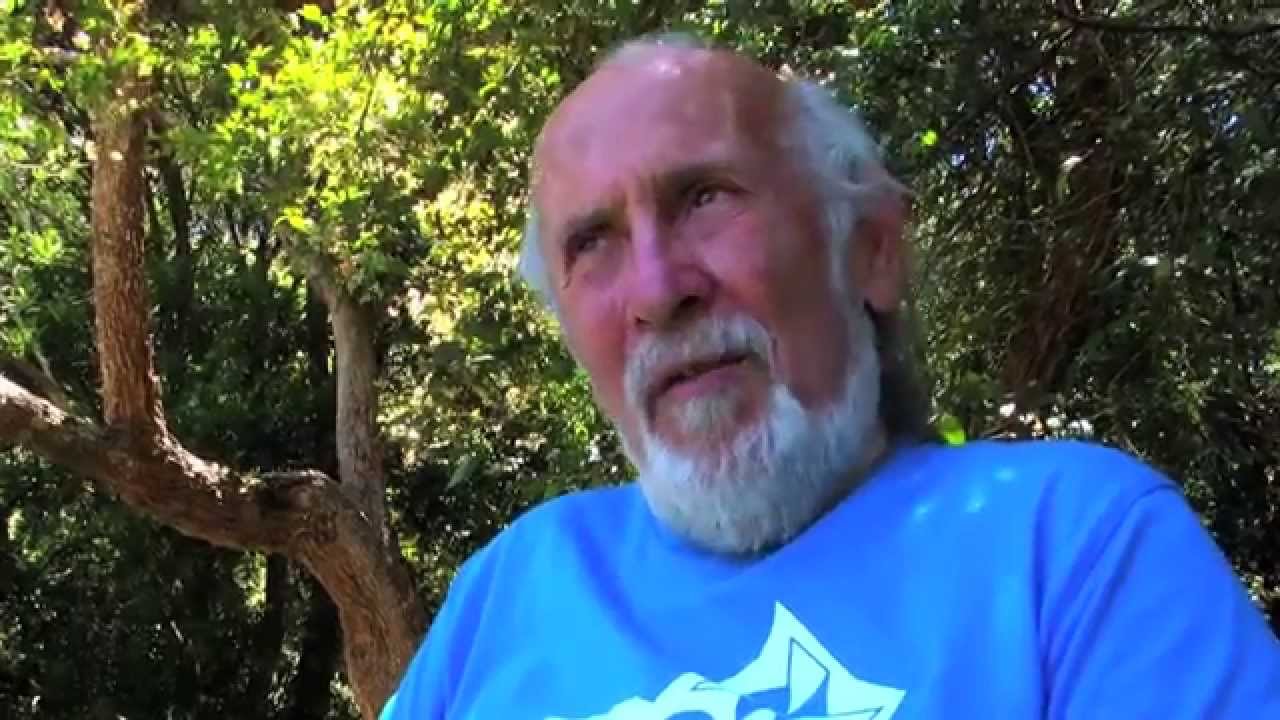
you do not talk so much about pragmatics what we call pragmatics goes as that you it cannot be done we cannot live as we do it it's against my deepest concern for myself as well as for nature itself and these supporters don't have a job to do together with others which we call them mostly the reformist people who say this is what's going on in order to overcome the crisis has to do with practical things technology and other things and you need not have go back to your own philosophy around religion that's unnecessary so it is the dogs who go all the way back to the what I call the ultimate premises they are generally in favor of very harsh policies that seem to make a lot of trouble for you but lesser huh if it's necessary and no car if is necessary I will not go by airplane and my vacations I will not so-and-so and I need no such-and-such project which require a lot of energy or to be made so it is flows from their inclination to live in a way that is universal I suppose deep long range ecology movement deconstructing those phrases first of all it is a movement it is a social movement it is not an idiot G it is not a specific church not a specific religion it is a social movement social meaning people working together in community is a based upon ecology the relationship between organisms and their habitat it is a long range because it does not attempt in this movement to discount the future but to take in account potentialities and possibilities of evolution system and it is deep in that it encourages participants to ask questions apply most importantly why am I here what is meaning so it movement deep language ecology movement is if we are basically a search for meaning in a world effect another word that we use for shallow environmentalism is reform environmentalism instead of a radical change in society there merely trying to reform society ecologically I think sustainable development the concept of sustainable development there's a good example of what we would call shallow environmentalism because the idea is that the development won't stop we're going to continue to develop we just want to develop sustainably or ecologically now as long as you've got this tremendous society that's causing so much ecological problem you've got to have the reformed environmentalists you've got to pass the laws you've got to take steps and without the shallow environmentalist I think we would have lost lost just about everything by now so we're very indebted - this type of work that the reform environmentalists are doing it's it's absolutely crucial the the Deep Ecology point is is that it's not enough we've got to go beyond that and start making fundamental changes in society to me the essence of deep ecology is moving beyond a type of environmentalism which is still based on a highly reductionist and a highly distant approach to the living world to the natural world to me the essence of deep ecology is an expression of the need to develop our deep spiritual and and both spiritual intellectual and physical connection to the living world around us to the cosmos that's for me the essence of deep ecology yes would say that people who are working in what's now referred to as the reformed environmental approach yes would say we all should work together and collaborate and we should encourage people who are working from what people refer to now as a more reformed based approach to be looking at more fundamental questions but when one decides that say recycling or energy efficiency improvements or certain improvements with respect to farming are enough they may not be enough because even organic farming could encroach upon wilderness areas or when you're recycling you are actually you know taking a consumer-based product and then trying to reuse certain elements but maybe it makes sense to not even think about using that product in the first place so this would always argue that we need to engage more fully in terms of questioning all of our actions in life from this deep questioning perspective the relation between ecology and philosophy has to do also with this concept of spontaneous experience because people would for instance say we make around no through this forest and it's through the central forest but the square meters of this role route is tremendous is small the square meters are it but then I would say it goes through the heart the heart of this forest and this is the heart of the forest that's nonsense we have a road here and it's so small part of the forest that it makes no difference so the spontaneous experience when you get into the forest deeper and deeper you have this feeling of being deep in the forest and if you then hit the road this completely disappear and then people say well that's your imagination you see the heart there's no heart here but if you start this way and saying there's no heart it's just in certain distances you get into a worldview which resemble that our Immanuel Kant a great philosopher we end up saying the nature is without colors even without shapes and even without cause and cause and effect because relation of cause and effect is something created by humans so there's nothing there in short there is nothing in nature in itself you have no access to nature in itself you see we end up in complete nonsense and that's what many people do who are in philosophy even in contemporary so-called post modernism nature is something only a limiting thing which you've never can really see or appreciate you are pressured only our ways of thinking and feeling and you are completely determined by your culture and so on so this protection of nature is a sham in a sense that there is something there but you don't have any accessory there is undermining for some people the belief in in protection or nature as a vast undertaking for the next century one of the main messages that the ecological perspective brought to us in the 1960s was that we have to we see the landscape the animals humans everything as interrelatedness as interrelated there's been a tendency in Western culture to see things as isolated entities you know this person this rock they're all separate Eastern thought has Zen Buddhism and so on when one of the legacies of Zen Buddhism when it was introduced into America was to see things in terms of process and relatedness so the DB ecology movement is you can't just focus on protecting the Panda or the elephant over here the Siberian tiger or this particular type of endangered flower because the whole thing is interrelated you have to look at ecosystems and will try to protect ecosystems and landscapes
Up Next
49:55
Professor Tom Regan on Animal Rights Philosophy: An Academic Lecture
@rainerebert
23.1K views•2016-11-12

164:01
John of Damascus on Holy Images: A Theological Defense
@BannedBooks
139 views•2026-04-25

68:32
Should We Destroy the Machines? Big Tech Surveillance Critique
@TheStoriesWeTell303
167.9K views•2025-11-30
4:57
The Myth of Sisyphus: A Greek Legend of Eternal Punishment
@TEDEd
8.6M views•2018-11-13
Related Study Plans & Knowledge Roadmaps
Structured learning paths in Philosophy
philosophy
Frankfurt School: Critical Theory & Culture
01Foundations of the Frankfurt School and Critical Theory
02Horkheimer & Adorno: The Critique of Instrumental Reason
03The Culture Industry and Mass Deception
+ 2 more learning modules
12h5 modules
Explore Roadmap
philosophy
Philosophy of Language: From Frege to Austin
01The Linguistic Turn: An Introduction to Language in Philosophy
02Gottlob Frege: Sense and Reference
03Early Wittgenstein: The Picture Theory of Meaning
+ 3 more learning modules
15h6 modules
Explore Roadmap
philosophy
Feminist Epistemology: Standpoint & Injustice
01Introduction to Epistemology and Feminist Critiques
02Sandra Harding and Standpoint Theory
03Donna Haraway and Situated Knowledges
+ 2 more learning modules
12h5 modules
Explore Roadmap
philosophy
Environmental Philosophy: Ethics & Deep Ecology
01Foundations of Environmental Ethics & Anthropocentrism
02Biocentric Individualism and Animal Liberation
03Ecocentric Holism and Deep Ecology
+ 1 more learning modules
10h4 modules
Explore Roadmap