


















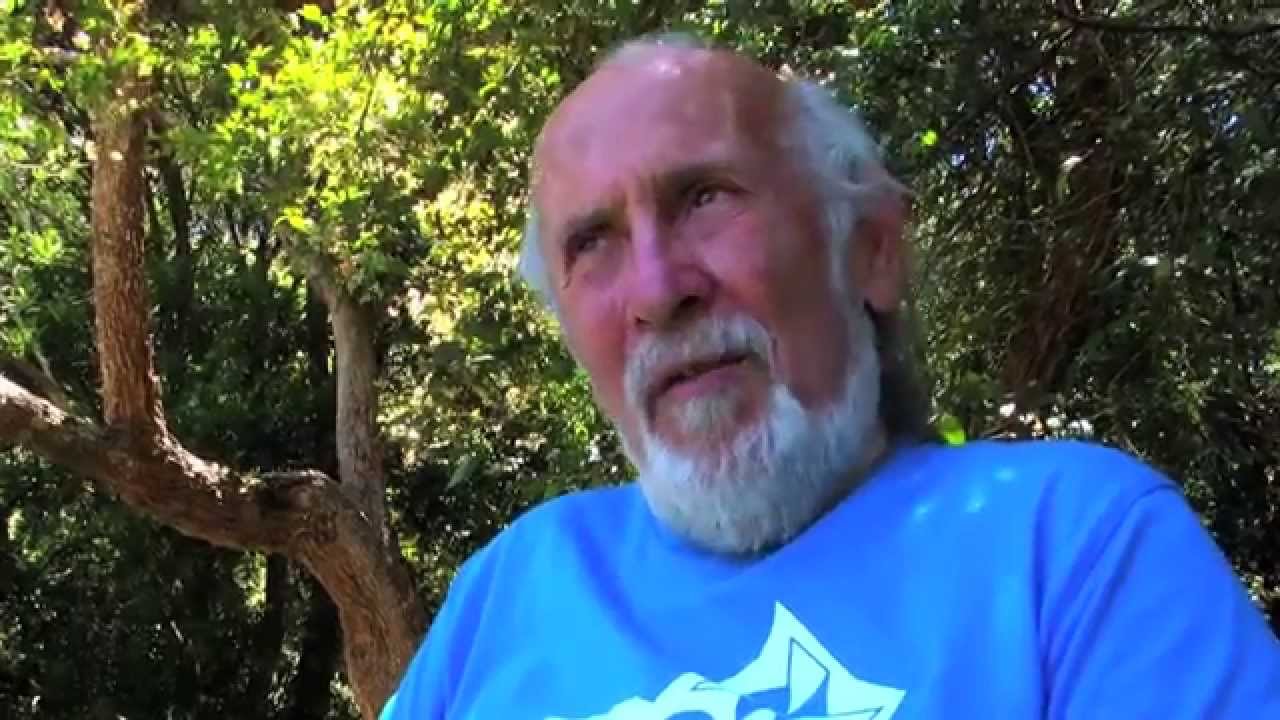


Deep Ecology is an environmental philosophy developed in the 1970s by Norwegian philosopher Arne Naess that challenges anthropocentric views by asserting that all living beings have inherent worth independent of their utility to humans, promoting a fundamental restructuring of society to reduce human population and consumption while protecting biodiversity; this philosophy has sparked movements like Earth First! and influenced thinkers like Peter Singer, though it faces criticism for being anti-human due to its population reduction stance and for potentially overlooking plant rights in its ethical framework.
Deep Ecology Explained: Inherent Value of All Life
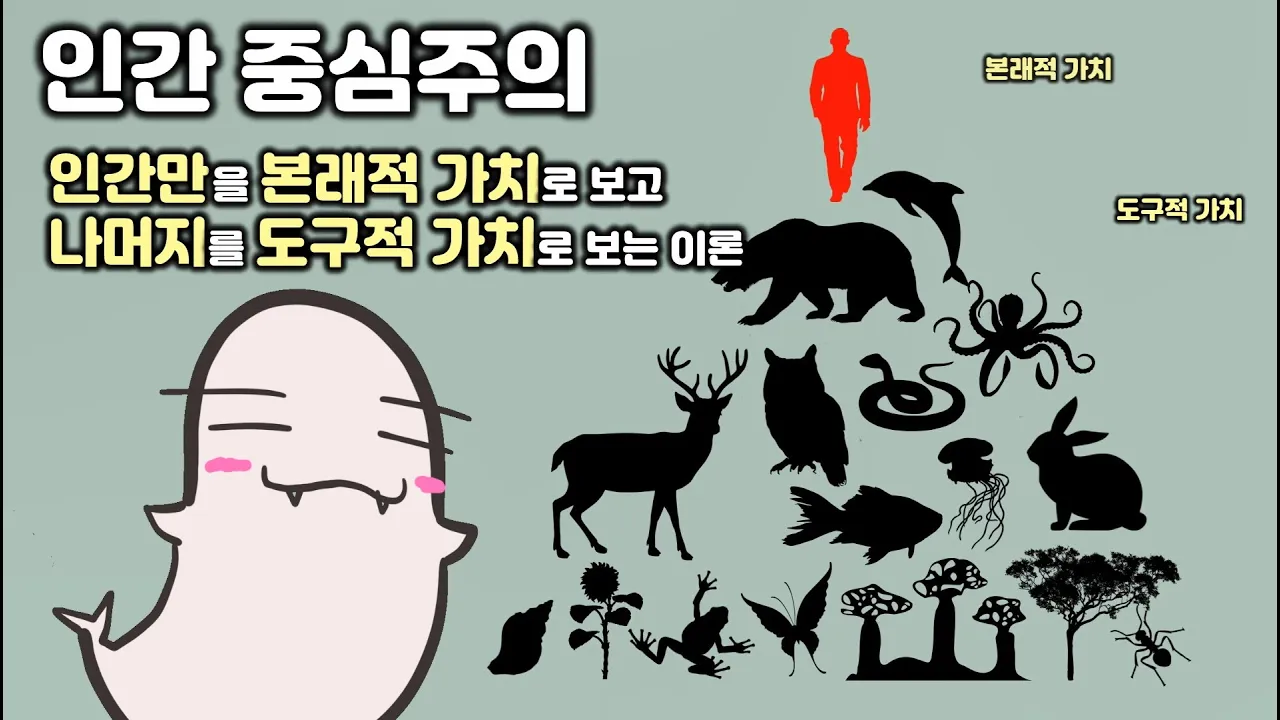
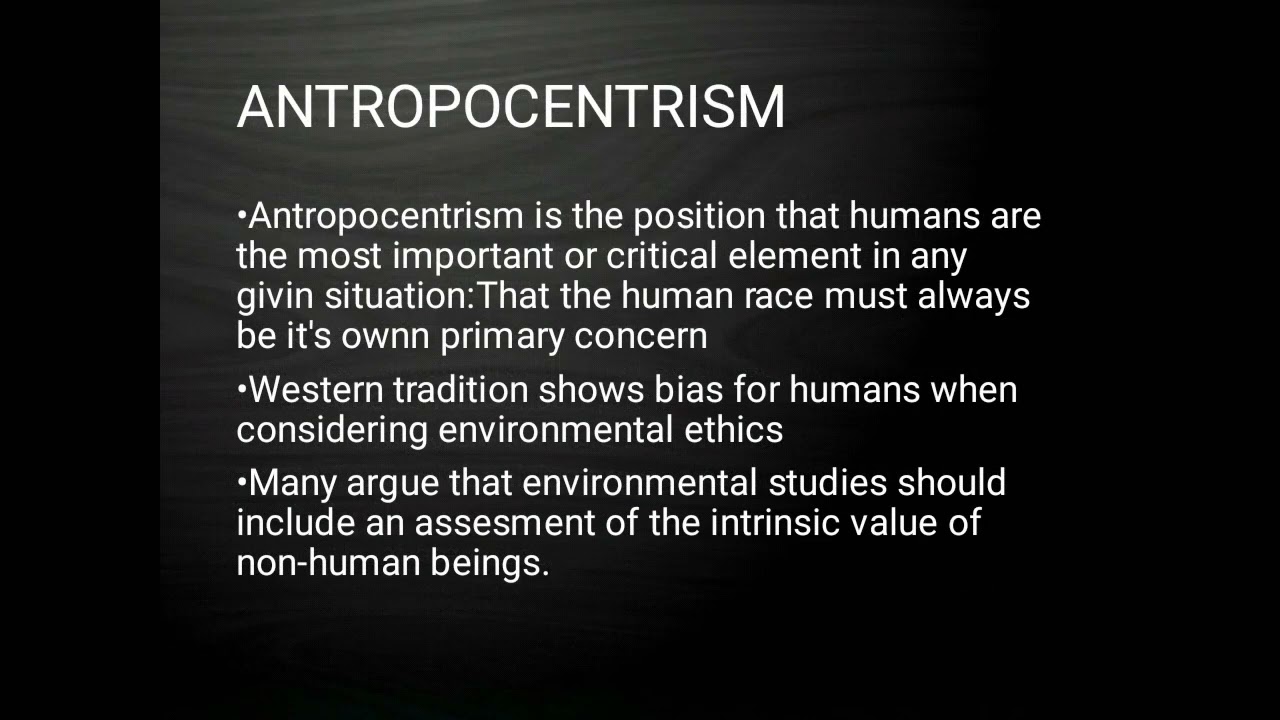
Added:Understanding the concept of anthropocentrism, which views humans as the central or most important element of existence.
The philosophical distinction between instrumental value (usefulness to humans) and intrinsic value (inherent worth of an entity in itself).
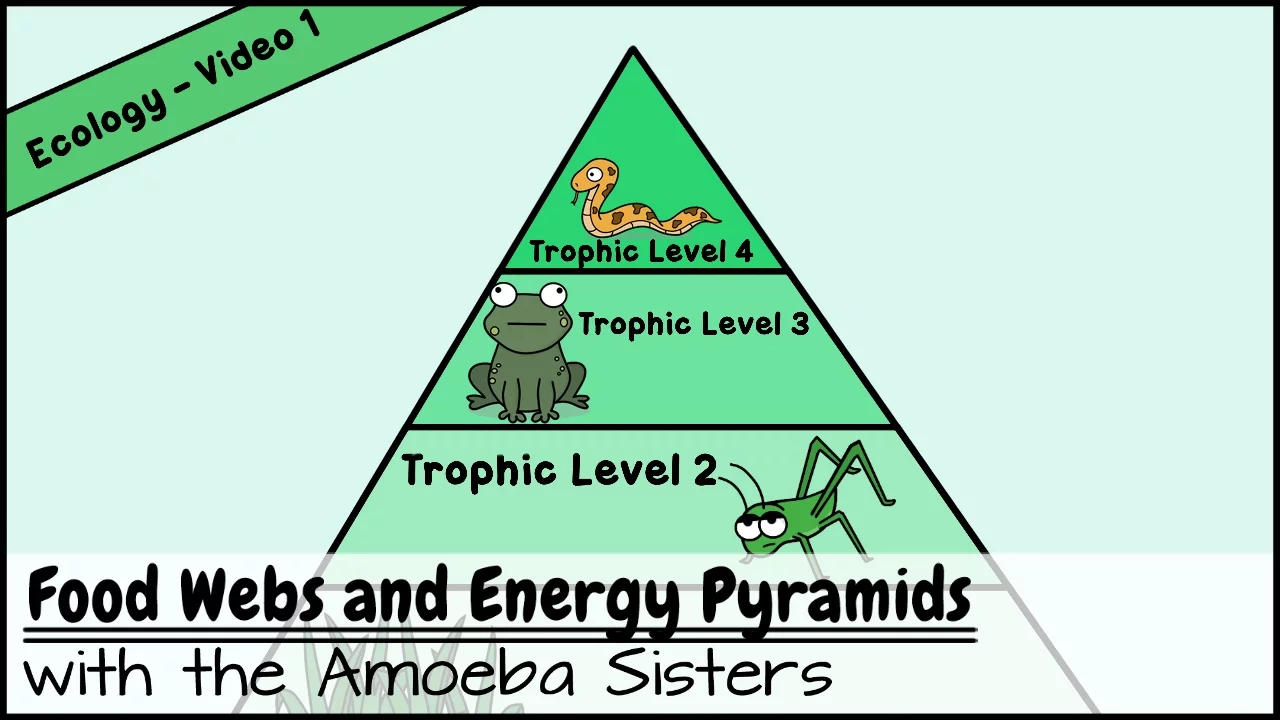
Basic ecological principles, specifically the concepts of biodiversity and the interconnectedness of food webs and ecosystems.
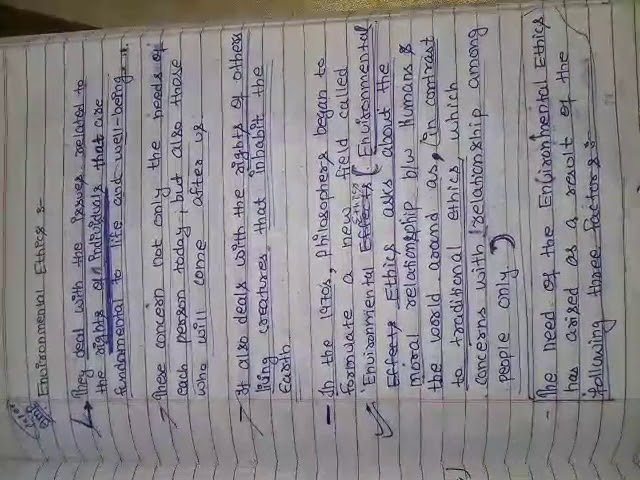
A general introduction to environmental ethics, which studies the moral relationship of human beings to the natural environment.
The philosophical works of Arne Næss, the Norwegian philosopher who coined the term 'deep ecology' and formulated its eight-point platform.
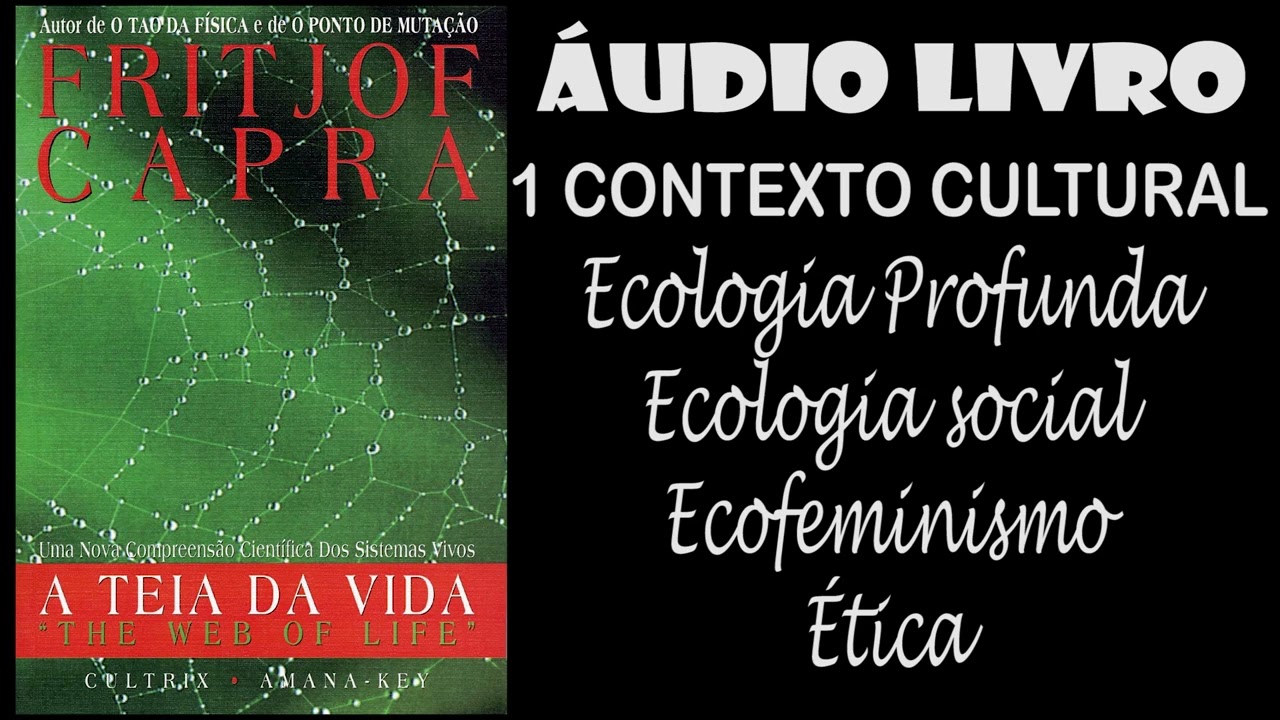
Major critiques of deep ecology, particularly those from social ecology (such as Murray Bookchin's theories) and ecofeminism.
The 'Rights of Nature' movement, exploring how ecocentric philosophy is translated into legal frameworks, such as granting legal personhood to rivers and forests.
The influence of deep ecology on radical environmentalism and direct-action activism movements worldwide.
28K views1.1Klikes16:08Original Release: 2018-09-10
hey everyone welcome to my channel vegan below zero and today's video is going to be about a topic that I haven't covered yet on this channel but it really really interests me and it's the concept of Deep Ecology so you might not be familiar with what Deep Ecology is as a philosophy what it has to do with humans animals and how fundamental belief in this philosophy would totally restructure our entire society so Deep Ecology promotes that inherent worth of living and sentient beings on their own and outside of any context of utility to humans and human needs so before I dive into any more about Deep Ecology let's talk about ecology as we know it so the natural world is a diverse and intricate balance of interconnected relationships between pretty much all the species that we know whether those are plants animals humans everything works together and cannot exist without all the parts working together so one really good video that I always recommend that is demonstrates this idea really well is the video how wolves change rivers I'm going to link to it above so in this video the introduction of wolves into Yellowstone National Park in 1999 actually changed the flows of rivers and the composition of forests through these trophic cascades so watch the video if you want to find out how it's really interesting ecology in the past was overwhelmingly focused on anthropocentric environmentalism so what that means is the focus of humans and how we use the natural resources that are around them as resources to us and how they benefit us concept of Deep Ecology in the 1970s really changed things really was formed by all sorts of things that were starting in the 1960s so the term originated from the Norwegian philosopher Arne in East in 1973 so what he believed was that the way that we previously characterized the use of animals was based on whether or not they have an eternal soul which automatically brings humans to the top of that kind of chain because we believe that humans were the most worthy of eternal life or whether or not they have an use to us that allows us to justify causing suffering to them in order for us to eat their meat or the you know their beauty the way that we like to admire certain animals but we don't necessarily appreciate the complexity of a type of moss versus a panda or something that has bigger conservation money and funding so deep ecology was really spurred by this movement these philosophers that came out at this time but as well with the field biologists determining that there was a complexity of systems and we were figuring out at the time how humans played a part within the overall ecology of a system it really was popularized as well in books such as the Silent Spring by Rachel Carson which was a really influential book at that time during this time as well the organization Greenpeace was formed we had things like the image of the earth floating in space that was bringing the idea of ecology to popular culture and overall creating this idea of environmentalism that we know today so there's also astronauts such as Edgar D Mitchell who saw the earth floating in space and he said what we needed to change the world and to solve the eco crisis is a transformation of consciousness so the principles of Deep Ecology these principles come from the book Deep Ecology by builds evolve so the principles are the well-being and flourishing of human and non-human life on Earth has value in themselves these values are independent of their usefulness of the nonhuman world for human purposes richness and diversity of life-forms contributes to the realization of these values and are also values in themselves humans have no right to reduce the richness and diversity except to satisfy vital human needs the flourishing of human life and cultures is compatible with a substantial decrease in the human population the flourishing of non-human life requires such a decrease present human interference with the nonhuman world is excessive and the situation is rapidly worsening policies must therefore be changed these policies affect basic economic technological and ideological structures the resulting state of affairs will be deeply different from the present the ideological change is mainly that of appreciating life quality dwelling in situations of inherent value rather than adhering to an increasingly higher standard of living there will be a profound awareness of the difference between big and great some other philosophers the scientists that discuss deep ecology and some of these ideas can be found in the books that I'm gonna recommend here one of them is wild children domesticated dreams civilization and the birth of education by anthropologist leila abdul rahim who argues that the idea of human as the ultimate top predator where all of their animals fall under his control well alienate humans from the community of life and justifies the destruction of wilderness wildlife habitats and animal lives she says the stories that we keep relaying both for entertainment and for education purposes in our scientific and fictional narratives are based on the premise that humans are predators idealized and mythical figures of predation thus informs our economic systems and our food consumption practices another good book to read is Deep Ecology if I build a ball which I have already quoted in this video so those are the overall principles behind deep ecology but one of the parts that we can't leave out is the movement and the calls to action that these ideals produce the biggest thing with the movement of deep ecology is restructuring human society in accordance with these ideas of Deep Ecology currently the earth is in a time of mass extinction based on humans primarily exerting dominion over other species and speciesism as a whole famous deep ecologists that have turned this into movement is Dave Foreman is the leader and founder of earth first a radical environmental advocacy group which was formed in southwest of us around 1979 this movement was inspired by books such as Rachel Carson's the Silent Spring as well as the monkey wrench King by Edward Abbey and all of Edward Abbie's writings really helped bring about this group our role in the future I think is to try to preserve as many areas of natural diversity as possible to try to make sure that there are some wolves and Grizzlies and ponderosa pines and spotted owls and snail darter z-- and what-have-you so that when this human insanity runs its course that there is life to come back and repopulate the world and hopefully also to develop the ethics and the potential for a human society that can live in harmony with the rest of the planet after this industrial madness burns itself out earth versus caused mini social ecologists such as Murray Bookchin to say that deep ecology is hateful towards humans since many deep ecologists are preaching population controls say the humans are a plague on the earth there's also many deep ecologists that wanted distance themselves from more radical groups that promote sabotage as a solution to these problems another really interesting movement that runs pretty parallel to Deep Ecology is ecofeminism ecofeminism says that assigning these patriarchal values of linearity logic to ecosystems that are complex systems that are interconnected is not the best way to go about things I can make a whole nother video about ecofeminism and I might actually do that because it's a really interesting concept one of the ideas behind DB ecology is that we base our discussion of animals and wildlife plants systems around their intelligence and that's what we most value but the problem with that is the way that we define intelligence is inherently human centric so we value things like reproducing using tools commune where there's likely a lot of animal intelligence we don't even know yet if you think about it we think a dog is really intelligent because they know how to serve us and they know how to do things that are almost human like the way that we are able to use them is really beneficial whether that's companionship or actually dogs having jobs so we see them as really intelligent creatures however there's so many creatures out there that do not serve us as humans but still have a level of intelligence that we don't even understand yet we're discussing animals and intelligence it's a good idea to discuss the book Animal Liberation a new ethics for our Treatment of Animals by Peter Singer so what Peter Singer argues is that animals can suffer and they should have the ability to follow their interests whether that's you know reproduction thriving within their habitat feeding interacting with each other or maybe some other interests that we don't even have an understanding of yet and the idea of rights is not necessary in order to consider their suffering prior to harm them so this book really popularized the term of speciesism which is an idea that's really common in the animal rights movement speciesism is an idea that one species shouldn't be held above another whether that's promoting the animal rights of dogs and cats which we see as pets and very beneficial to us over the rights of cows chickens horses some other animals that we may not value is highly that's really just speciesism wants to put all species on a level playing field because they all feel suffering and they all have the right to live but what about eating grass don't plants have feelings too don't plants have the right to live as much as all other animals that's a really fair criticism of Deep Ecology we need to consume products that have a negative impact on the earth no matter how small that's including our fruit veggies consumption and it's not realistic for people to just exist on fruit that is plucked from a tree without hurting it so all we can do is reduce our consumption of those types of foods if you really truly believe plants and animals have the exact same right to live you're actually gonna save more plants by just consuming the plants rather than consuming the animal that eats infinitely more plants than we eat so overall when you think a little bit too hard about this it it's pretty depressing it's pretty sad to think that we as humans are causing so much devastation on the earth so what can we actually do as human beings so what changes even are these I mean many people know about many changes within the green movement you can make I recommend that you go outside and you experience nature firsthand see how the animals interact with the plants and how the ecosystem really is just all of these parts working together that's going to really help cement inspiration to help protect living beings and as well the habitats they work within one way you can do this is to visit and support your national parks whether state parks provincial parks city parks anything that preserves that open space area it's also through supporting political initiatives that protect the habitat of wildlife also choosing not to support industries that actively are destroying wildlife right now one of the big things is reducing our consumption of plastic straws but there's so much more that we do that hurts wildlife habitat whether that's indirectly or directly that we can reduce if we really want to help wildlife so a few examples of those industries is our dependence on oil as well as animal agriculture which is causing the destruction and land-use change of forests all around the world the fishing industry we're overfishing is causing a total change in the way our ocean ecosystems work by massively removing or destroying the fish habitat you're watching rare video footage of the bottom swallow and action it's heavy nets drag the seafloor shrimps crabs and fish are taken from the bottom and into the net meanwhile most everything in its path gets crushed buried or exposed the result destruction of the intricate mosaic of healthy sea life palm oil and the impact of palm oil on orangutan habitats suburban development look at the sustainability of your own home and whether your home in your suburbs was built on previously sensitive habitat for wildlife and how pollutants are and certain chemicals are hurting bird species large carnivore species when we talk about reducing our consumption that's something that's really popular right now with the zero waste movement unless you're going totally off the grid consumption in general is hurting our planet it's the best way to help the planet is by reducing your consumption so unfortunately there is some things that are not realistic to cut out that's including our agricultural consumption like our fruits and our veggies that have come from pretty big farms a lot of people don't have the option to buy all organic from local farms so the best thing we can do is just to reduce the consumption of those things so it's gonna have a proportional impact on less things needing to be taken from the environment but what it really comes down to is if you believe that all animals outside of their human assigned values have the right to pursue their own interests the best way that you can help is I'm gonna say it a vegan diet if everyone in the world ate a vegan diet we could reverse climate change we could stop it in its tracks one person can save 100 animal lives a year and if you have a true belief that animals have the capability of feeling suffering and that they have the right to exist as much as humans also while knowing that the consumption of animal products is not necessary to live a healthy life then there is no justification for causing suffering and eating those animals animal agriculture and land use change for agriculture is the leading cause of life species extinctions so by reducing our dependence on meat animal agriculture that causes deforestation we are gonna be helping endangered species along the way as well as the environmental impact of reducing our meat consumption or completely eliminating it ideally is the massive health benefits that you actually get by reducing your consumption of animal food so really good book all recommend on that one is how not to die by dr. Michael Greger I am NOT a doctor and I'm not going to go too much into the details of the health effects that a vegan diet can have on your system because so many people have already made videos like that so I'm just gonna leave it to that book for now another good book I have to recommend on how we actually can make a difference on the environment is coming back to life practices to reconnect our lives our worlds by Joanna Macy so that's what I have to say on the topic today basic introduction if you are interested in seeing more videos like this check out my channel subscribe like this video share with people who should hear this message and I'll see you guys on the next video
Up Next
7:06
The Nonidentity Problem Explained: Ethics & Future Generations
@WirelessPhilosophy
112.3K views•2015-09-29

164:01
John of Damascus on Holy Images: A Theological Defense
@BannedBooks
139 views•2026-04-25

68:32
Should We Destroy the Machines? Big Tech Surveillance Critique
@TheStoriesWeTell303
167.9K views•2025-11-30
4:57
The Myth of Sisyphus: A Greek Legend of Eternal Punishment
@TEDEd
8.6M views•2018-11-13
Related Study Plans & Knowledge Roadmaps
Structured learning paths in Philosophy
philosophy
Frankfurt School: Critical Theory & Culture
01Foundations of the Frankfurt School and Critical Theory
02Horkheimer & Adorno: The Critique of Instrumental Reason
03The Culture Industry and Mass Deception
+ 2 more learning modules
12h5 modules
Explore Roadmap
philosophy
Philosophy of Language: From Frege to Austin
01The Linguistic Turn: An Introduction to Language in Philosophy
02Gottlob Frege: Sense and Reference
03Early Wittgenstein: The Picture Theory of Meaning
+ 3 more learning modules
15h6 modules
Explore Roadmap
philosophy
Feminist Epistemology: Standpoint & Injustice
01Introduction to Epistemology and Feminist Critiques
02Sandra Harding and Standpoint Theory
03Donna Haraway and Situated Knowledges
+ 2 more learning modules
12h5 modules
Explore Roadmap
philosophy
Environmental Philosophy: Ethics & Deep Ecology
01Foundations of Environmental Ethics & Anthropocentrism
02Biocentric Individualism and Animal Liberation
03Ecocentric Holism and Deep Ecology
+ 1 more learning modules
10h4 modules
Explore Roadmap