





















Murray Bookchin's social ecology theory argues that environmental destruction stems not from technology or population growth, but from human social domination—specifically, the hierarchical structures of capitalism that separate humans from nature. Bookchin contends that true ecological sustainability requires transforming the fundamental social organization of society, moving beyond mere environmental protection (environmentalism) toward recognizing nature's intrinsic value and humanity's unique but responsible role within the natural world.
Social Ecology Explained: Bookchin's Ecology of Freedom
Added:An understanding of basic economic systems, specifically the core tenets of capitalism and its critiques.
Fundamental concepts of ecology, including ecosystems, biodiversity, and the human impact on the biosphere.
An introduction to political philosophy, particularly anarchism, libertarian socialism, and Marxist thought.
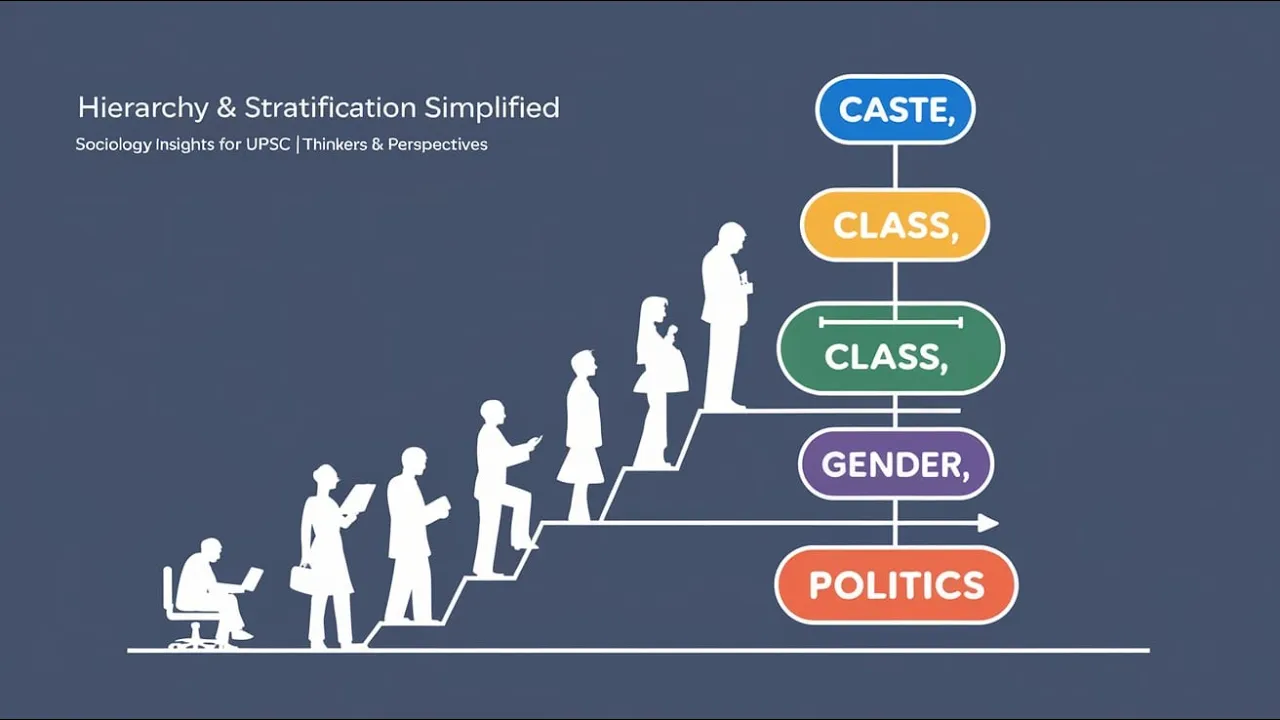
The sociological concepts of social hierarchy, domination, and stratification.
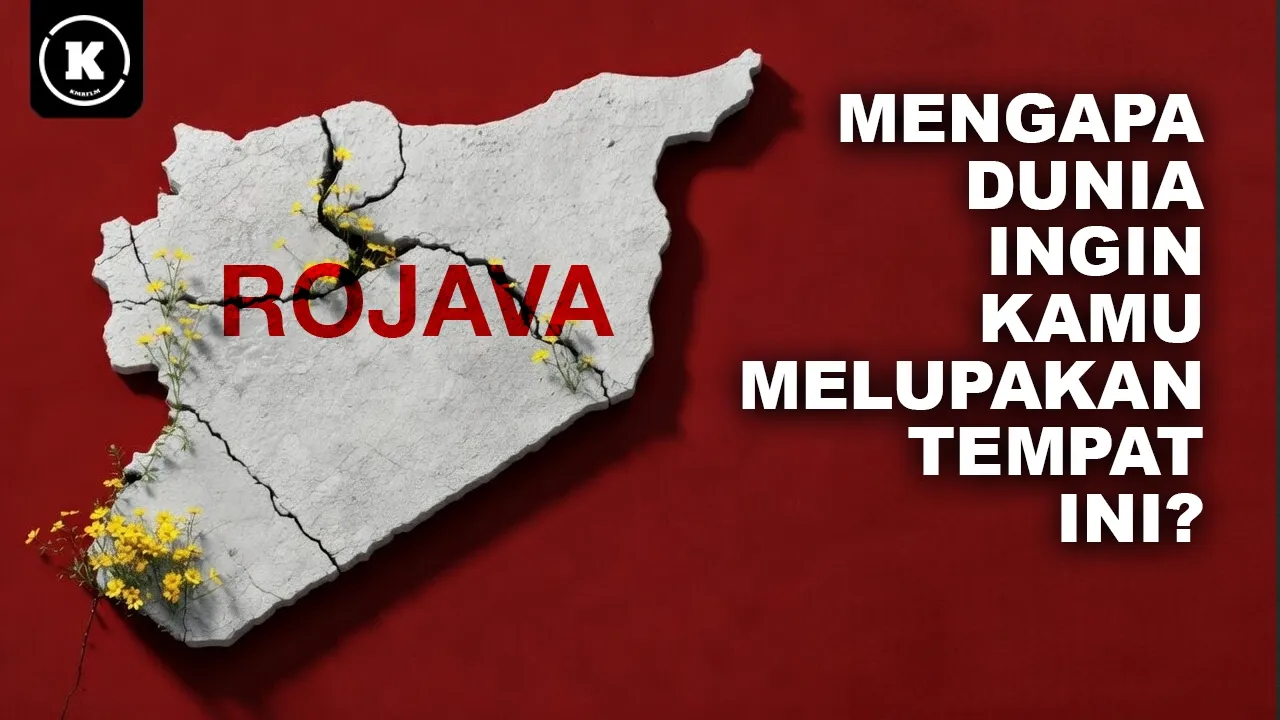
The practical political application of Bookchin's ideas, specifically Libertarian Municipalism and Democratic Confederalism (e.g., in Rojava).
The intellectual debates between Social Ecology and Deep Ecology regarding anthropocentrism and biocentrism.
A deep-dive reading of Murray Bookchin's seminal text, 'The Ecology of Freedom: The Emergence and Dissolution of Hierarchy'.
How Social Ecology interfaces with other modern green political theories, such as Ecofeminism and Eco-socialism.
15.8K views809likes44:09Original Release: 2025-04-04
when I was a kid I grew up basically in the middle of the woods I was always climbing trees I was jumping in lakes I was mixing it up with bugs all of the stuff that kids do and I never really questioned the inextricable connection between humans and the natural world but then when I moved out I moved to a series of cities so New York Mexico City London and I started to realize as I was living in these cities the ways in which the capitalist system separates us as as much as possible from the natural world it builds a structure on top of it that's based on domination now if we experience nature we tend to experience it through Parks or manicured Lawns or very carefully planned hiking activities enter Murray bookin Murray bookin was an anarchist he was an iconic clast he was a guy who clashed very publicly with Bernie Sanders who he accused of being insufficiently radical he was a man who never doubted Humanity's ability to build and create and create culture and Society but thought that it could be balanced with what he called first nature he argued vifer usly through books and papers and hundreds of pages in this book here for his concept of social ecology which is all based around the idea that our destruction and Devastation of the natural world has nothing to do with technology or human population expanding it's humans done domination over other humans that lead to man's domination of nature it's a radical vision for a completely different way to live our lives to structure our societies and that is why I am so excited to introduce his magnum opus that's this book that I'm holding in my hand this is the Ecology of Freedom chances are if you're a committed leftist you may have heard this book mentioned before if you have not heard this book before then I am genuinely excited for you because the ideas that are contained in this book are fascinating now I do not agree with all of them but they are nonetheless fantastic and this book is such an important book to read especially now and I know I say this every single time we start a new book but this is the perfect moment to be reading a book like the Ecology of freedom and to be appreciating the words of Murray bookchin you know bookchin he says himself in this book that he wanted with this text to turn the world upside down so welcome to Champagne [Applause] [Music] anarchism and welcome back if you are new to this channel my name is Justin we read on this channel fabulous works of leftist literature we have done some unbelievable books on here things like France Vanos The Wretched of the Earth things like arundati Roy's capitalism of ghost story we just finished up uh Eduardo Gallo's open veins of Latin America which was a just brilliant read and now we are starting with a brand new book well not exactly brand new this book came out in 1982 the first version and then was republished a couple times we'll talk about that later on in this series but this book is our first foray into ecology and I'm using the word ecology advisedly instead of Environmental ISM we talk about ecology and we'll talk a little bit about bookchin's distinction between those two later but yes my name is Justin we read leftist books on this channel and if you want the full series you can check that out on YouTube you can also go to the free patreon where you will get a uh full series available and all the past versions all the past books that we've done that's patreon.com shampagne anarchism so I hope you go there you join the chat there is a paid version but for all of this like Main feed book stuff uh all of that is freely available to all I'm not interested in gatekeeping this information I just think it's fabulous and I think that the more people who want to engage with this the better so definitely please go check out that patreon um check out any of my social media channels please like subscribe all of that good stuff today I will be giving an introduction video to this fabulous book and we will be talking about it in a few different ways but as soon as we get past the intro video uh we will get into reading this book book and we'll be reading it two chapters per week I know that's a big commitment this is not an easy book to read we'll talk about that too but this is not an easy book to get into when we talk about Murray bookin he can be very very dense and very very academic and very very philosophical and he will lean on Words that you'll just say why why on Earth would you use this word instead of that word what are we doing here I get it however spending 12 weeks going through Murray bookin seemed a little bit of an insane project to me so I wanted to slim it down a little bit make it a little bit more understandable so if you can't make you know two chapters per week I absolutely understand that please read this at your own pace whatever works for you at the end of this series there will also be a video uh that's just a general introduction everything you need to know in the Ecology of Freedom that will be at the end of the 6 weeks that we we use to break down all of these chapters um so if you don't have time to read this book for whatever reason I absolutely understand but there will be a final video that will sum all of this up and uh that will be uh available on the patreon feed as well uh probably to pay in subscribers but if you are interested and you can't afford the fees for whatever reason let me know and I will send you that directly if you are already subscribed to the patreon thank you so much I love you very much this is a really helpful in helping me to keep this series going and and uh making these books available to all so I really appreciate that membership thank you so much now as we get into the introduction here this is a little bit about how to approach this book how to read the book and necessary background so we're going to go through this in a few sections uh first of all we'll talk about literally how to read the Ecology of Freedom I'll give you a couple kind of tips and strategies and and general things about how to tackle this book it's a little intimidating but it doesn't have to be second we'll go through Murray bookchin's biography who he was as a thinker who he was as a person we'll talk a little bit about the evolution of his thought because he starts as a Marxist and then he goes to anarchism and then he uh at the end of his life kind of renounces anarchism we'll talk a little bit about that as well third we'll go through some historical context so we are talking about mostly the 1970s here this book comes as I said in 1982 but I think the really relevant context is the burgeoning Environmental movement that starts taking place in the 1970s this is when Greenpeace is doing their badass stuff out you know trying to stop wailing ships and stuff like that this is when the environmental movement really takes off and so it's in that context that bookchin is writing even though this book doesn't actually come around until literally the Reagan Administration and then we will finish this intro lecture with some themes which are sort of relevant things things to know as you go to read this book and I'm just looking at my list here we are talking about libertarian municipalism which is a phrase I really hate but it's an interesting idea we are going to talk about first nature second nature and social ecology some of these distinctions that he makes uh we are going to talk about environmentalism versus ecology which I already mentioned a little bit about already we're going to talk about Murray Bin's concept of Freedom we're going to talk about biocentrism and then we're going to talk about his struggle with Marx and Marxism and we are going to end this lecture on uh the idea of the peaceful or the noble savage and if you come from the world of cultural criticism or you read a lot of cultural criticism or maybe you've engaged with thinkers before like Edward Zed you may know a little bit already about this notion of the peaceful or noble savage which is very very important I think when we start to pick apart and criticize this book but we'll get to all that thank you again for being here and let's get get right into it and firstly let's talk about how to read this book I have the AK press version of this book um which I really like I like this addition because it includes a few introductions that have popped up through time you can also get a free copy as well of the entirety of ecology of freedom on the anarchist library.org that's all freely available online you can just go there you can literally download a copy if you have an e-reader to any device so that's really awesome so um but I like physical versions and I really like this AK press version particularly now it is 500 pages and it is dense it is maybe the most challenging book that we've read so far on this channel do not be intimidated by that it's just awesome it's a challenge I think is that's that's really worthy of embarking on however let's talk a little bit about the academic language and the approach that you can use if you ask me personally I like the idea of Eduardo galano the the author that we just read who hates the type of leftist who uses this really Arcane really difficult to understand language to write things that gallano thinks maybe they don't necessarily even understand fully themselves uh clearly you know bookin is not one of those writers but he does often lean on this leftist Arcane language really academic really wordy dense stuff where he repeats stuff a lot and um maybe hammers his point home in a way that feels very indirect to us that happens kind of a lot in this book and that's absolutely fine um but it will be annoying and especially if you read uh through uh open veins of Latin America with us last time this is the opposite of open veins of Latin America open veins of Latin America is fiery and angry and passionate and this book is cold and thoughtful and academic and so they are radically different things so my first piece of advice is to take it slow forgive yourself you know if you read and reread sentences or passages that's absolutely fine you know this is a a thing that you really have to sit with and pick apart this is written very consciously in a grand sweeping leftist style this is an emulation of thinkers like Carl Marx and mik bakunin and Peter kakin these thinkers who would well kakin maybe not such a good example but but these are thinkers who will write uh uh passionately but also clinically also with a very particular type of language and this is what bookchin is setting out to write he wants a great work that is going to stand the test of time and the language goes along with that idea so tickets low Grant yourself some Grace you will get the hang of it as you go through second and I I say this every time but read it with a notebook uh my notebook is right here and the strategy that I use for this notebook is I'll you know write down all the main stuff as I'm going through and and uh as much as I can of the main thoughts and ideas and then I'll pepper in questions and I'll use different colors so if something's in red it will be something I disagree with there's something I will think critically of and uh and I will go through those and write those notes just as a way of reminding myself hey this strikes me as not quite right let me come back to this idea especially as I'm going to record these videos I I'll remind myself of what didn't I agree with in here and then if something is in blue or in green and I'm missing those pens right now but if something's in blue or green it will be something that does agree with the thrust of the text uh but will be my own addition my own sort of idea I'll be like oh this is interesting it reminds me of this these can really help to connect some ideas to other ideas and that's really helpful and and really cool and especially when you're reading a book like this it is really really helpful to have past chapter notes to go back to and be like when he was talking about first nature second nature social ecology what was he talking about when he mentioned that thing about Freedom what was he what was he saying there this is really really helpful to have a notebook on hand and as with all these books you know the notebook is just part of it if you're comfortable marking up your physical copy go for it for all the books that I really love I will go in I will write stuff on the margins I will scribble all over them I will highlight them everything you know dog gears Post-it notes all of that stuff can be really really helpful to just you know genuinely take apart a book and you may need to take this book apart third piece of advice be skeptical this is a book that was written mostly in the 1970s uh and a lot of things have not aged very well you will catch them so read with a little bit of a critical eye and one other thing when I talk about the strategy to read this if you have my version of the book the AK press version uh it comes with a few prefaces so it comes with a well acknowledgements a preface an introduction to the 1991 Edition and and an introduction to the original Edition the thing about these introductions uh which we will not be covering in these videos I will make some references to them but there won't be a specific video about the the the introduction for example um the thing about these introductions is that they are sort of skippable the is skippable the introduction contains a lot of stuff that is then repeated throughout the book you don't need to sit and read through the introduction uh which is only about 20 Pages or so um what I would recommend however is that if you have the time read the introduction to the 1991 Edition it is fascinating it's really really interesting and it's bookchin arguing with a lot of his critics and really taking aim as well we'll talk a little bit about this actually in this lecture but taking aim against biocentrism and also the idea that there is something sort of mystical and magical about the Earth bookin does not like this idea and he really takes aim at that in the 1991 introduction as I say we'll talk about that in just a little bit here but first let's go through Murray bin who he was his biography let's talk about it Murray bookin was born in 1921 to a Russian Jewish Family in the Bronx the Bronx is a burrow of New York City if you're not familiar he grew up during the Great Depression and that means that he was very much growing up around the working class struggle and the radical politics which was especially prevalent in the New York and in the Immigrant neighborhoods of his time and so by the time he was a teenager he was actually quite radical so as a teenager he joins the young communist League he starts reading Carl Marx uh but he he actually becomes disillusioned quite quickly with Marxism because in his 20s and this is World War II this is a really brutal period in history but in his 20s he starts working as a foundryman and an auto worker he was actually part of the United Auto Workers Union which is still around and still fighting um but they held a very public strike against General Motors that happens in 1948 that strike is actually fairly successful they win a couple things they win some cost of living adjustments that come on a quarterly basis they win health Insurance that's covered by the company uh a couple other guarantees but it's this strike that kind of radicalizes bookchin against his Marxist roots and starts pushing him in the direction of anarchism because what he has realized during the course of this strike is that if you expect as Carl Marx does but if you expect the revolution to start with the working class these people who are just fighting to survive and trying to live in a world that's categorically against them the working class is not going to lead your Revolution the working class will typically fight for better conditions under the capitalist system and if you're looking for a real challenge to the capitalist system bookin starts to think actually this needs to be much broader you can't put the burden of the Revolution exclusively on the working class and so he starts to think and develop his ideas here and what he comes up with is that if you want to resist capitalism it needs to be done on a community basis and this is the idea that will eventually snowball into libertarian municipalism which we will get to in a little bit but he's looking for issues that cut across class divisions and can be opposed by basically everyone in a society or in a community anyway and one of the things that he starts to come up with and this long predates the ecological environmentalist movement of the 1960s and 1970s but what's he what he starts to come up with is ecology and it's also during this period that he starts to identify more as an anarchist and this is sort of the driving thread of his philosophy anarchism now in the 1950s after the war he starts to study ecology and to try to find this connection between capitalist exploitation and ecological degradation in the 1960s he starts becoming very involved with a lot of Grassroots movements uh The anti-nuclear Campaign which is really taking off in the 1960s um also Alo of course the anti-war protests against Vietnam and if you remember our gome Chomsky uh chat from the manufacturing consent book that we did quite a while or last year actually but for manufacturing consent this is also when Nom Chomsky starts to step down off his pedestal at MIT and starts joining the anti-war effort these were some really galvanizing protests bookchin is exactly the same it's during this period that he co-founds The Institute for social ecology up in Vermont and he starts teaching stud students both Theory but also kind of practical skills for building communities it's really really interesting his work that he does at the University later in life bin becomes very much an inspiration for a number of radical movements and one of the biggest and the one you may know is rojava which is uh a Kurdish Le Anarchist movement that's right next to Syria and the rojavin sort of direct communal democracy ideas all of that comes from Murray bookin now rojava is still a project that is still very much ongoing it's it's kind of a test of bookchin's theories in real life we will talk about this a little bit more towards the end of this series of videos uh so not so much in this introduction lecture but if you want to read something alongside Marie Bin's uh Ecology of Freedom read a little bit about what's going on with ro Java right now it's it's really really fascinating the stuff that's happening there now it is very important to mention as with any modern thinker or actually any thinker at all Murray bin is a controversial figure and one of the big things especially now I'm recording this video in 2025 um but one of the big things is that he was a defender of Zionism he was if not the most committed Zionist at least forgiving of Israeli war crimes and he didn't write too too much about this especially relative to his other work with ecology and with anarchism and social ecology all of this stuff but when he did write about Israel it was very much on the side of Zionism he could also be incredibly costic in his writing and uh made enemies very very easily um he was at the end of his life so disillusioned with the anarchist movement and where it was going that he renounced anarchism himself uh and and started really pushing his idea of libertarian municipalism which I to be honest I would consider a sort of anarchism itself but listen we we can talk about that a little bit as well but it Bears mentioning that towards the end of his life he very much broke with the anarchist movement in general now I think just like any other thinker that we talk about on this channel you have to take the good with the bad these are not perfect people they never will be there will always be a degree of hypocrisy in Emma Goldman's writings there will always be a sort of deep confusion in the work of France Foo um and with bin it's very very similar does his Zionism make our reading of social ecology his social ecologist writings any different maybe they should um I don't know the answer to that to me I think you can still take things of tremendous value from his writing and especially from a book like the Ecology of freedom I think there's a lot of tremendous stuff in here but you also have to understand that he was controversial for a reason and he had opinions that I certainly do not agree with and I I don't know many committed leftist thinkers who really do in any case bookin died in Burlington Vermont in 2006 and he left quite a legacy and we will be getting into that Legacy in this series but first let's talk about the historical context let's talk about the 1960s and 1970s now as I say ecology Freedom it was published in 1982 uh so it's worth talking a little bit about the ecological and environmentalist movements leading up to that publication date uh so we're mostly talking about the 1970s and the 1970s were a pretty wild time we're talking lots of Grassroots struggle lots of Grassroots activism uh lots of political Awakening uh some some passionate activism all of that good stuff so in the 1960s uh you had civil rights you had anti-war protests you had the counterculture that really shaped the generations that were to come and in the 1970s when they rolled around people were I think my opinion potentially primed to incorporate ecology and the environment into their thinking and their movements and actually there was one big spark that happened right at the start of the decade this was the first celebration of Earth Day in the US which now I I think nobody really takes Earth Day quite seriously but back then 20,000 people went out to celebrate to to take part in this celebration of the earth and this day of activism and it was a an incredibly meaningful thing that started right at the beginning of the 1970s and you also get the feeling among a lot of people that their world is starting to decay in very important ways and that's not accidental so in the late 1960s early 1970s you have a number of very high-profile disasters so things like Cleveland's kyoga River uh started burning this is the river of fire uh Los Angeles is being choked with smog uh you have an enormous oil spill of historic proportions literally in Santa Barbara um and in 1962 the decade previously was a very very famous book that came out by Rachel Carson which is Silent Spring you've probably heard of this book before um it remains one of the most incredible books ever written about toxic environment that's created by industrialization ation and corporations especially when it comes to pesticides Silent Spring written in 1962 still an important read anyway in that environment that sort of environmental pressure cooker of the 1970s you get the rise of this sort of very small very militant group called Green Peace and back then Green Peace you know now Green Peace does a lot of good stuff uh which I think is awesome back then green pieace was a lot more badass Green Piece would sail tiny boats in front of whaling ships and block nuclear testing sites and stuff like that Greenpeace was doing some stuff it was incredibly controversial but it did actually put a lot of pressure uh that plus the Public's activism it put a lot of pressure and actually led to some real changes in legislation so notably you get Richard Nixon's Clean Air Act that comes around in 1970 you get the Clean Water Act which is 1972 you get The Endangered Species Act in 1973 and uh the EPA was also created in 1970 before that which is some real advancement we also need to spend a little bit of time talking about the Confluence of people that are coming together to fight these battles so bookin had this idea right that ecology and environmentalism really cuts across class structures it really cuts across and affects everybody um and so you may get to build bigger coalitions with that and that is absolutely what what was happening at the time so throughout the 1970s and up into the present day you had indigenous activists you had Eco feminists you had black activists you had multiple groups kind of coming together and linking the ecological struggle with the struggle for broader social justice and all of this I mean this book is being written in this environment of real profound changes in our attitudes towards environmentalism but of course that was not to last Midway through the 1970s there's a massive energy crisis and that really gives a lot of fuel to hey uh fuel to corporations to frame environmentalism and environmentalists and these activists as the enemies of business in the United States and that is incredibly powerful and from there it's just a slow March to the present day which is uh when you see a ton of environmental regulations being rolled back you see um climate change denial holding really really strong uh all of that began and at the end of the 1970s and especially in 1980 when Ronald Reagan wins the presidency and 2 years after Reagan wins you have bookin and he comes out with the Ecology of Freedom so that's when this book is published and now let's get into some major themes the First theme to talk about is libertarian municipalism and by the way there is a distinction between European libertarianism and American libertarianism American libertarianism is not not real it is a manufactured ideology that was spread by people like the John berer society and the Koch brothers and all of that and if you want more information about that you can read Jane Mayer's Incredible Book dark money which traces all of that history and all of that influence it's a just a brilliant book um that's American libertarianism it's nonsense European libertarianism is the old way we used to call anarchism it's the exact same thing so libertarian municipalism is referring to the European version not the American version libertarian municipalism is bookchin's governing philosophy it's his theory of change it's uh his idea for how to structure Society in a way that marries anarchism to the realities of modern globalization and the idea is actually pretty simple return power to localities to municipalities to local communities to make their own decisions so those municipalities those little communities they make all decisions through direct democracy everyone votes if there is a issue that affects the community and we're talking a very small community everybody makes that decision by General consensus now in the larger structure of municipalities so if there's an issue that affects a region all of those municipalities will elect someone who is mandated to do the will of the municipality and recallable so they can be recalled at any time um but they they elect somebody to go to a confederation Council that's set up just on the spur of the moment for that particular issue and then vanishes um to make those decisions and and those decisions are made by confederation so it's a confederation Council that's very loose and everchanging this is actually a direct answer to some versions of political change that come about through the Takeover of Enterprises so if you're a socialist you may talk about the nationalization of a particular Enterprise if you are an anarchist an anarchos syndicalist is what they're called you may talk about the Takeover of an Enterprise by the workers so completely horizontal structure and the the Enterprise the business is run by and for the workers and that's the theory of political change that will lead to an anarchist society bookon says listen there are still Enterprises you're still operating in the capitalist system what you need is to cut beyond the Enterprise and the workers you need a community that can do everything you need to hyper localize the economy within that Community itself and more broadly you need to get people to stop thinking about themselves as workers and Enterprises and more as Citizens in a community which I think is a very very powerful idea and if I can say just on a personal level this is one of my favorite ways to design an anarchist Society because the thing about anarchism is that there is no one way to do it but if you were to set up something that could function as an anarchist Society this actually to me sounds very very persuasive now there are plenty of critics out there that criticize this idea uh there are people who call it reformist which is the idea that you're not actually challenging much of anything you're just basically taking the structure that we have and reforming it making it a little better um I am deeply unconvinced by that idea and I'm fairly convinced that anybody who argues this has not really understood what bookin is arguing for but we can talk about that in later videos as well there are also people who come after bookchin's strategy here because we should say that bookchin wants uh people to stand for local elections he wants people to use the Democratic process that we have now to enact political change so his idea roughly is if you can take over a local assembly uh in a town or municipality uh you can change it into a municipal structure like the one he's talking about a hyper local community with devolved power now that may be a little bit of a step too much like a lot of leftists working now I am very uh skeptical of this idea that you can change much operating within the current political system however you can be skeptical about local Democratic elections but what I do not think you should discount is the ability of people while you know running for local office and and and actually participating in the political process their ability to build something different to build solidarity to build Mutual Aid networks as they are using this platform and it's one of those things where I think that as we're engaged in this struggle basically any attempt to build solidarity and build momentum and build a movement is worth pursuing right for this let 1 thousand flowers bloom but again this is an idea we will return to later in this series when we get to it uh second thing we should talk about is the concepts uh some terminology first nature second nature social ecology so bookin says that distinguishing Humanity from nature is something that we do all the time we love to do this uh but it's a very messy distinction and for that reason you will come across two concepts of nature the first nature is sort of uh primordial biological evolutionary nature so all rooted in the biological natural world second nature is cultural it's still evolutionary it's still sort of mixed in with this evolutionary process because we are humans and we are part of Nature and we evolve just as everything else and so human society and human civilization is emergent from this evolutionary process but culture and civilization human civilization are part of second nature whereas the exclusively biological is first nature so why do we care about this distinction well it's because it allows bin to come out and make his argument for what he calls social ecology now social ecology the basic idea is that environmental Devastation has nothing to do with technological progress uh or things like population growth really environmental Devastation is about the structure of society itself so we devastate and exploit the environment because Human Society is structured along the lines of Devastation things like human technology and population growth they help to facilitate that sure they're they're part of the equation here but really if you want to save the world you have to change the Bedrock upon which society is built the next theme is going to be us talking about environmentalism versus ecology this may sound like a little bit of a nitpicky distinction but it is kind of important uh and it's very important for bookchin so environmentalism for bookchin is about protecting the environment for humans the environment and nature become valuable kind of as a function of humanity and so when we talk about things like clean air and clean water these are really important things but they are important because they're important to humans ecology he says is about recognizing the complex and interconnected web of things that make up nature that include Humanity but are also worth valuing in their own right so we don't want to protect nature because it's valuable for Humanity it is valuable for Humanity but we have to recognize nature first nature and second nature and their interaction as part of this larger process and to help and allow human flourishing we must protect the sort of environmental Bedrock that we are all embedded into and in the first few chapters especially the first four chapters actually of this book we'll get a lot more into that idea next theme we have to talk about Freedom now freedom for bookin is important and we are talking talking of course about the Ecology of freedom and that means we need to spend just a little bit of time asking ourselves what actually is freedom if you did a little bit of political science or or or or intro to philosophy all stuff like that you'll be familiar with Isaiah Berlin and the two concepts of Freedom uh positive Freedom negative Freedom bookchin's idea of freedom is a little bit more nuanced and it's I think actually very very interesting bin says that human Freedom rests on the stability of the natural ecosystem so freedom is yes absolutely freedom from hierarchy and domination all of these things but it's actually a bit more than that freedom for bookchin is the freedom to grow to experience our Humanity differently to develop to live truly as humanity is meant to live which is in the context of a social ecology and he's going to spend a lot of this book explaining exactly what that looks like now let's talk a little bit about biocentrism now biocentrism is the opposite of anthros centrism so bookin is kind of trying to balance these two things biocentrism is the belief that all things are equally valuable in the biological World from the smallest microb to the most brilliant human all things are equal and bookchin says actually that's not quite true this tends to be a sort of ecology that's rooted in the idea of Gaia or Mother Earth a a certain type of mysticism um and bookin has very little time for that in fact he spends a lot of time uh in the introduction to the 1991 edition of this book arguing against that idea because he's been lumped in this category with mystical people who believe that Earth has a motivating force that nature is somehow mystical and connected with things that we as humans can't access and he is there saying essentially no no no no no hang on humans are separate from nature there is something that distinguishes us from the rest of the natural world and that is our ability to construct societies to build a civilization that is not something that we've really seen much of in the Natural Animal Kingdom he says just the idea that humans can value things that humans can assign value to Natural objects makes us actually philosophically distinct from animals which value things for their purpose and their their use but not for their whatever it is that humans use to Value things for their beauty for their virtue whatever and he also takes this a step further when he says that mysticism and Gaia often this fits neatly into the capitalist system that we have right now and can just be sort of used to sell you things right this is just one more thing that can be commodified and sold to you but on the other hand he says it's important not to go too far in the other direction right we can't just present humans as you uniquely important and valuable separate stewards and responsible for the natural world because we are in a constant state of shared Evolution we are part of the natural world even as we are separate from it so bookan says we are both of the biological world and apart from it and if that sounds confusing believe me we will get into it the next theme we need to talk about is bookin struggle with Marx Carl Marx so you will see Murray bookin throughout this book struggling with the Legacy and with the ideas of Carl Marx uh Marx of course looms very very large over leftist thought there is no leftist thinker out there that does not at some point have to engage with Marx uh that it's just the rules of the game it's how it works but Marx is particularly annoying to Murray bookin for maybe two main reasons and there there there are a number of reasons but two really stand out to me as important and meriting discussion the first thing thing here is that Mark saw nature first nature what uh we just set out this that distinction before Mark saw first nature as primeval Wilderness that needed to be dominated and bookin obviously hates that idea we've talked about that a little bit already but the second thing is Marx had this idea of spontaneous Revolution uh you oppress the proletariat enough and eventually the proletariat or the working class Rises up and creates the conditions for Revolution and that will lead to a stateless society in the end we will get a lot more into this idea in the series but bin doesn't think that's going to happen hence his idea of libertarian municipalism and this is even why bookon makes the argument that people should participate in Democratic politics at the local level interesting stuff and we should finish here with the idea of the peaceful or noble savage now especially in the first chunk of this book bookchin is trying to answer the question of how did hierarchy come about he has this idea that early societies Neolithic societies were non hierarchical that because there was just the notion of survival and that there was this uh intense connection with the natural world and not really humans apart from nature just yet that hierarchy had to be created and that's a really important idea because if you're trying to as all anarchists are if you're trying to eliminate hierarchy you need to know how it develops in the society and so book is doing an anthropological process to try to figure out how hierarchy emerged and then how it can be stopped I am not an anthropologist but that to me seems like a deeply difficult question maybe an impossible question to answer and it's because we just don't have the data we just don't know enough about early Neolithic societies we we just we are assuming so much when we talk about the eer of hierarchy and especially when bin talks about the emergence of hierarchy and we will get to this later uh I I will make this point later in this series but I don't know how important necessarily it is to understand the emergence of hierarchy of course if we want to eliminate hierarchy we should understand philosophically how it could come about but to build a modern society that eliminates hierarchy when and wherever it can it may not be completely necessary to understand the anth rological underpinnings I will get into that idea a little bit later on but for now what we do need to know is that you will see Murray bin at various points fall into traps that we often refer to as the peaceful or the noble savage now the peaceful or the noble savage are what uh a lot of cultural critics like to talk about and Savage is a very loaded term that they are using consciously but what you tend to see especially in art and movies and TV is a representation of early and especially Native American societies as existing in perfect harmony with the natural world uh so no hierarchies beyond the chief everybody does their assigned role they're very very much in tune with the natural world around them think Disney's Pocahontas right that's what we get a lot of and that is probably not what these early societies looked like and bookchin recognizes this he talks about the early evidence of these Neolithic societies doing things like over hunting and their Drive to domination um and we will talk about that a little bit when we get into the I think it's the second chapter coming up so bookin acknowledges this uh however he does at various points and we will talk about this fall into those same traps anyway we will talk to that when we come to it but I did want to flag this a little bit early as a potential criticism for Bin's anthropological work in this book and that's the Ecology of freedom and I cannot wait to get into it there is so much to discuss in this book it is so good and so brilliant and so interesting and there are so many things that I disagree with that he talks about and I cannot wait to talk about them all so as I say please uh check out the patreon channel that's patreon.com champagne anarchism um check out the YouTube check out the social media all of that if you have thoughts if you have comments if there's anything major that I have missed and of course there will be uh please please get in touch you can check out the socials you can message me directly I am always happy to hear that thank you for watching and I will see you next week for the first two chapters of the Ecology of Freedom see you [Applause] [Music] soon for
Up Next

12:17
Realism vs Liberalism: Mearsheimer on War & Peace | Lex Fridman Podcast
@LexClips
445.8K views•2023-11-21

24:30
BRICS Pay and de-dollarization: A New Financial Order Emerges? | 55 chars
@DannyHaiphongYT
164.6K views•2024-10-22

7:33
Government Surveillance Methods: 10 Ways You May Be Watched
@BeAmazed
1.6M views•2017-04-09
10:19
Explaining the Saudi-Iranian Proxy Conflict in the Middle East
@Vox
18.2M views•2017-07-17
Related Study Plans & Knowledge Roadmaps
Structured learning paths in Political Science
political-science
Economic Statecraft: Sanctions & Chokepoints
01Foundations of Geoeconomics and Economic Statecraft
02The Mechanics of Weaponized Interdependence
03International Sanctions: Types, Implementation, and Efficacy
+ 2 more learning modules
12h5 modules
Explore Roadmap
political-science
Central Bank Independence: Politics & Policy
01Foundations of Central Banking and Monetary Policy
02The Time Inconsistency Problem & Inflation Bias
03The Delegation Model and Designing Independence
+ 2 more learning modules
12h5 modules
Explore Roadmap
political-science
Consociationalism: Power-Sharing & Stability
01Democratic Dilemmas in Divided Societies
02Introduction to Consociational Democracy
03The Four Pillars of Consociational Design
+ 2 more learning modules
12h5 modules
Explore Roadmap
political-science
Rebel Governance: Legitimacy, Economy & State
01Foundations of Rebel Governance and Statehood
02Establishing Political Legitimacy and the Rebel Social Contract
03Wartime Economies and Rebel Resource Management
+ 2 more learning modules
14h5 modules
Explore Roadmap