





![SOLARBALLS REACT TO EARTHLINGS [REMAKE] ★SOLARBALLS★](https://i.ytimg.com/vi/eFUp_7RXO-w/hqdefault.jpg)










![The death of ideology | John Mearsheimer [Full Interview] | IAI](https://i.ytimg.com/vi_webp/ClitqYW8HVk/maxresdefault.webp)
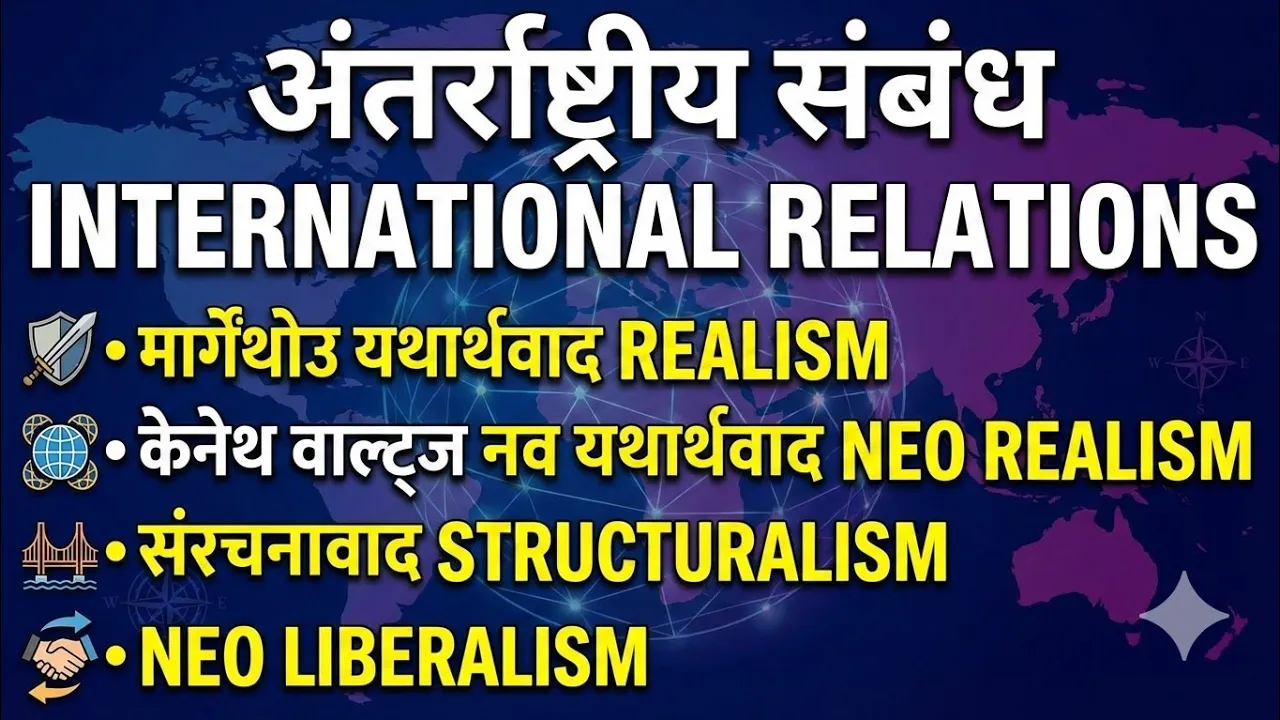
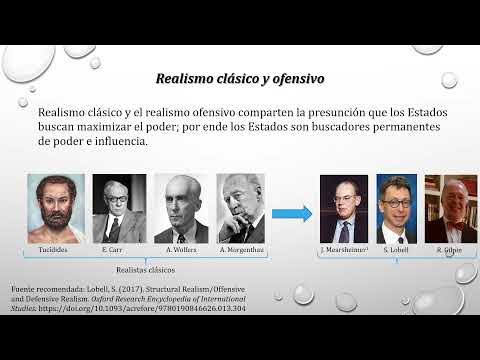
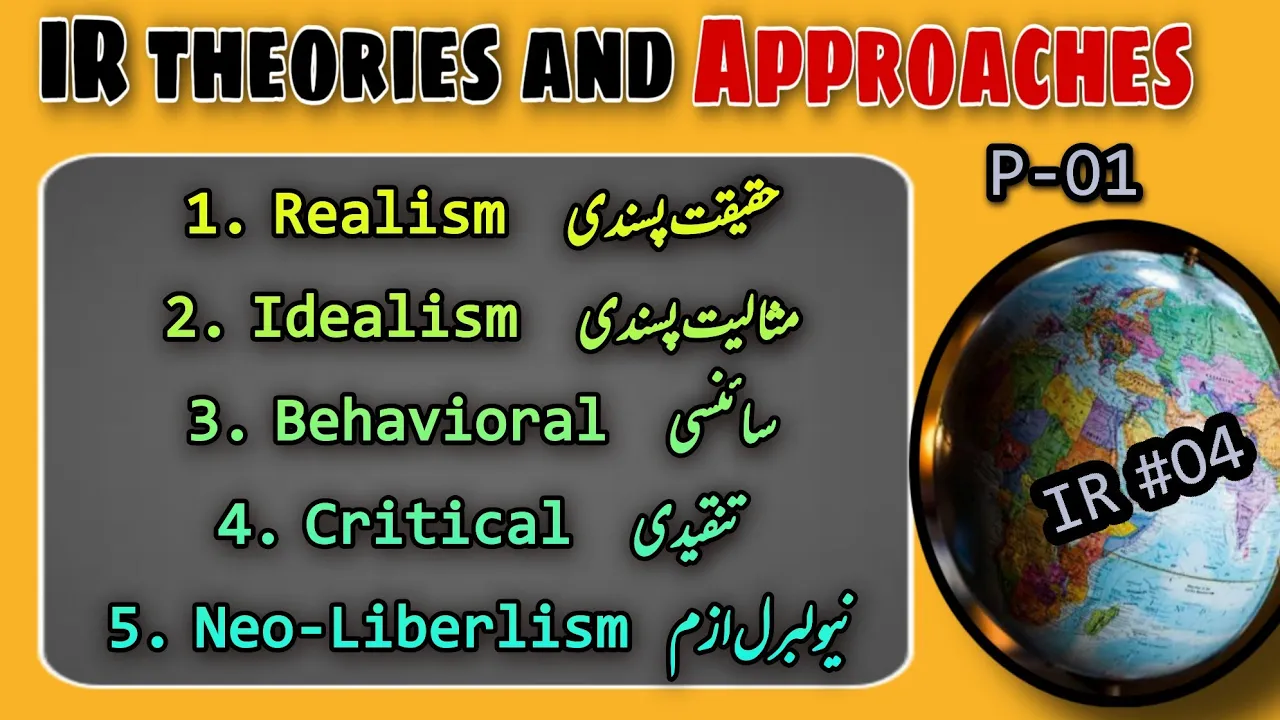
International relations theory is fundamentally divided between realism and liberalism; realists believe that power matters most in international politics, states compete for power, and war is an instrument of statecraft driven by the anarchic structure of the international system, while liberals argue that aspects like democracy, economic interdependence, and international institutions create conditions for a more peaceful world.
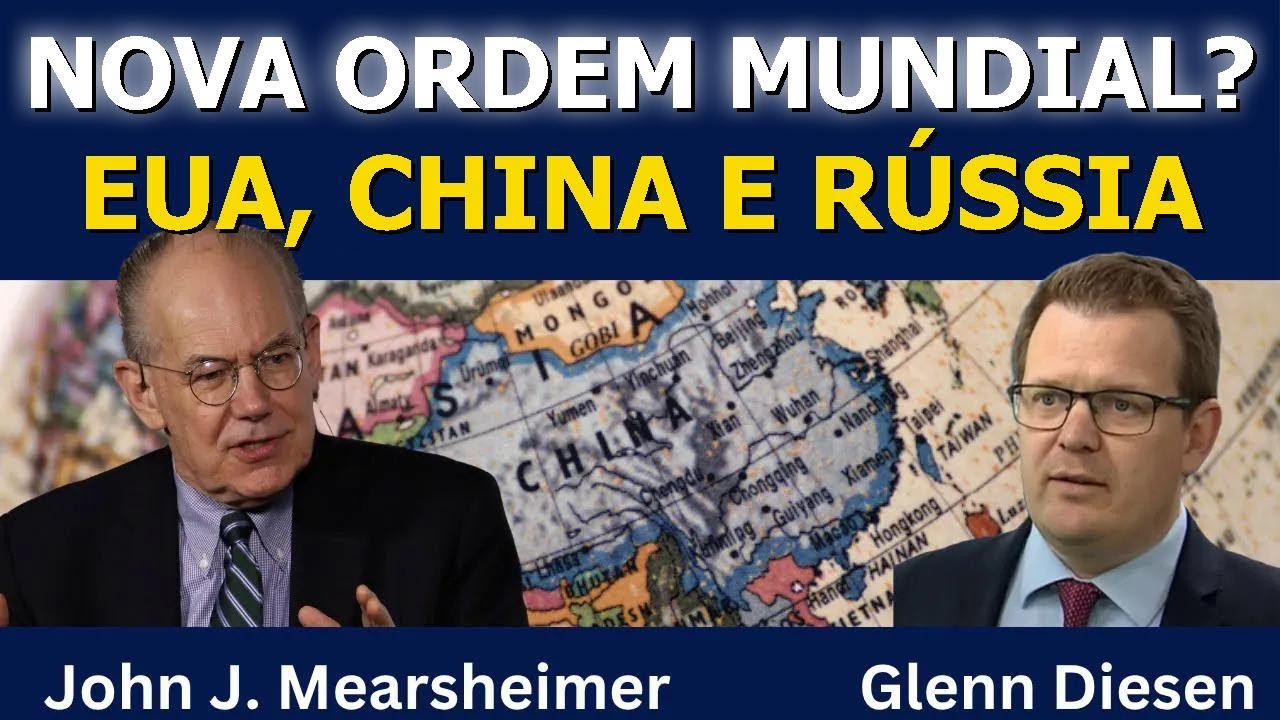
Realism vs Liberalism: Mearsheimer on War & Peace | Lex Fridman Podcast
Added:Understanding the concept of state sovereignty and the Westphalian international system.
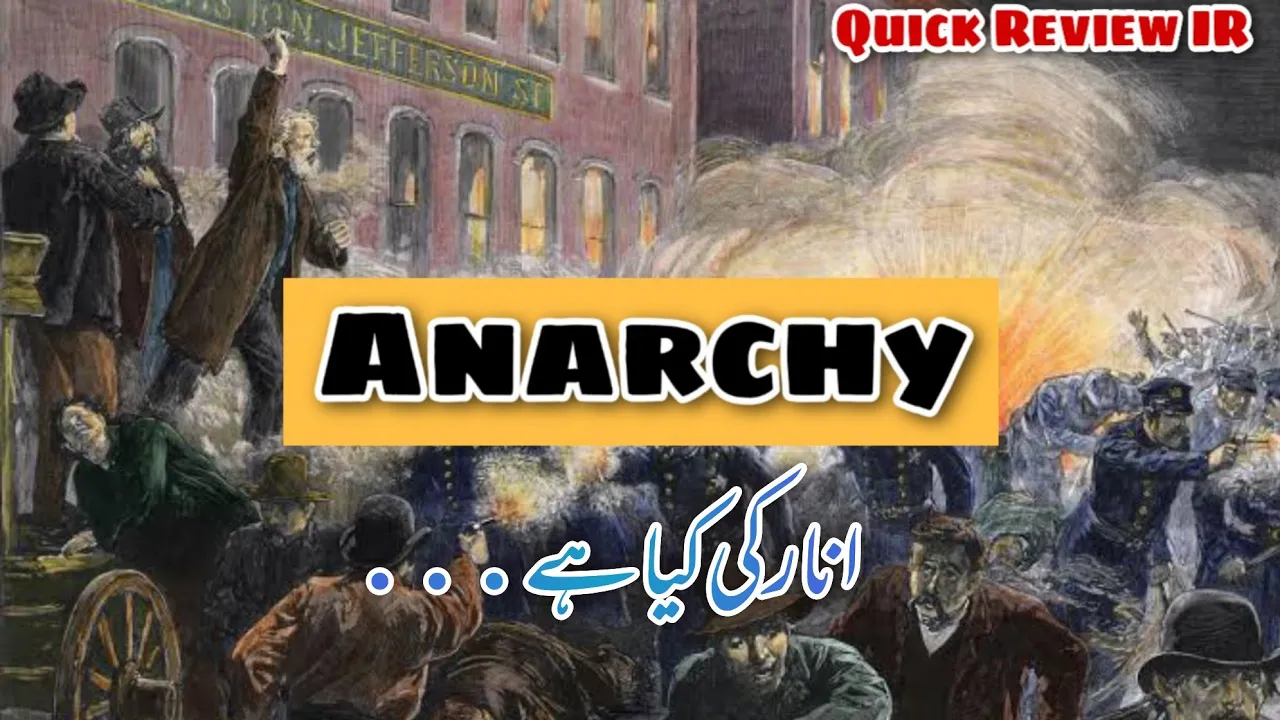
The definition of 'anarchy' in international relations theory, referring to the absence of a centralized global government.
A basic historical awareness of major 20th-century global conflicts, particularly World War I, World War II, and the Cold War.
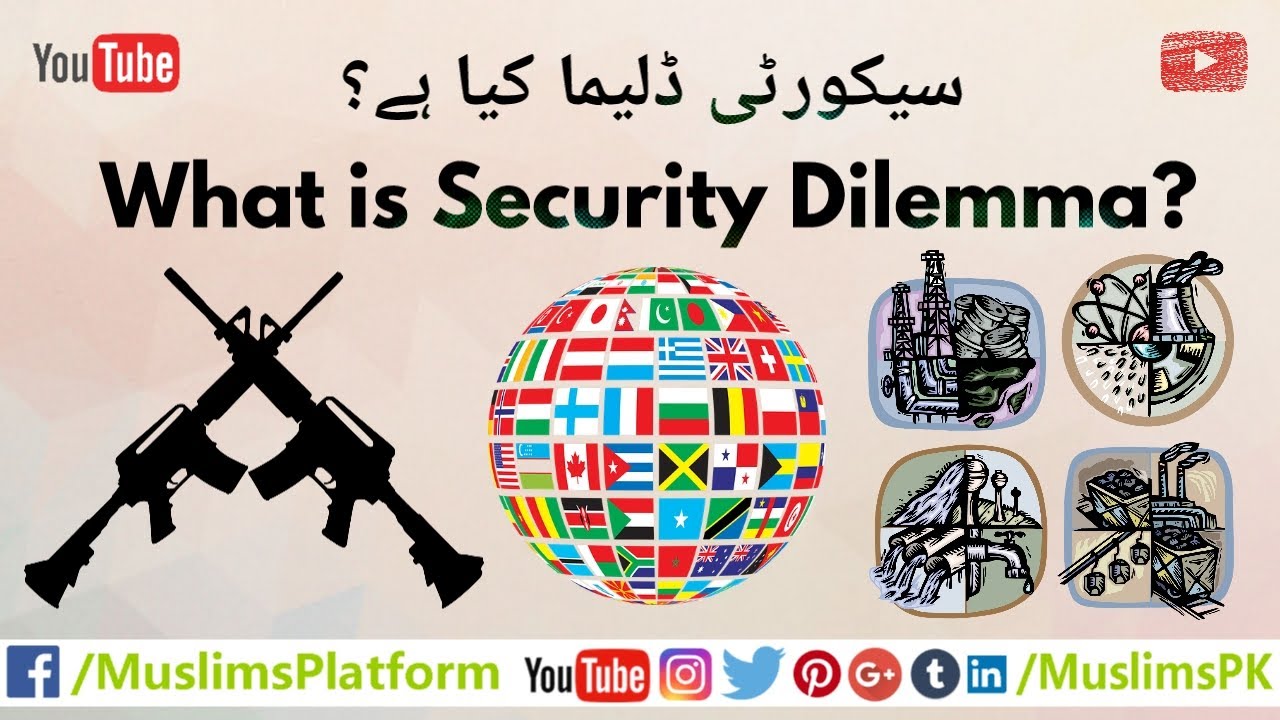
The foundational idea of the 'security dilemma' where one state's efforts to increase its security can inadvertently threaten others.
The theoretical distinction between Mearsheimer's 'Offensive Realism' and Kenneth Waltz's 'Defensive Realism'.
Democratic Peace Theory and Neoliberal Institutionalism, exploring how trade and international regimes attempt to mitigate conflict.
Alternative paradigms in international relations theory, such as Constructivism (the role of ideas and identity) and Marxism.
Applying realist and liberal frameworks to contemporary geopolitical crises, such as the rise of China and the Russia-Ukraine war.
445.8K views7Klikes12:17Original Release: 2023-11-21
you call this framework offensive realism C can you just give a overview of the history of the realism versus liberalism debate as World Views well I think for many centuries now the big divide uh within the world of international relations theory is between realism and liberalism these are Tim honored bodies of theory and before I tell you what I think the differences are between those two bodies of theory it is important to emphasize that there are differences among realists and differences among liberals um and so when you talk about me as an offensive realist you should understand that there are also defensive realists out there and there are uh a panoply of liberal theor iies as well but uh basically realists believe that power matters that states compete for power and that war is an instrument of statecraft and uh uh liberals on the other hand have what I would say is a more idealistic view of the world uh this is not to say that they're naive or foolish but they believe there are ass ects of international politics uh that lead to a less competitive and more peaceful world than most realists see uh and I'll lay out for you very quickly what are the three major liberal theories today that I think will give you a sense of the more optimistic perspective that is inherent in the liberal Enterprise uh the first and most important of the liberal theories is democratic peace Theory and this is a theory that says democracies do not fight against other democracies so the more the world is populated with democracies the less likely it is that we will have wars uh and this basic argument is inherent in Francis fukiyama is the end of History he argues that democracy triumphed first over fascism in the 20th century it then triumphed over communism and that means that in the future we're have more and more liberal democracies on the planet and if you have more and more liberal democracies and those democracies don't fight each other then you have a more peaceful world that was his argument it's a very liberal argument a realist like me would say that it doesn't matter whether a state is a democracy or not all states behave the same way because the structure of the system getting back to our earlier discussion about International Anarchy the structure of the system leaves those States no choice whether they're democracies or autocracies and again the liberal view this first liberal theory is that democracies don't fight other democracies and therefore the more democracies you have the more peaceful the world can I just uh sort of try to unpack that a little bit so on the Democratic peace Theory I guess would say that in democracies leaders are elected and the underlying assumption is most people want peace and so they will elect peacemakers so the more you democracies you have the more likely you have peace and then the realist perspective what says that it doesn't matter if the majority of people want peace the structure of international politics is such that superpowers want to become more Super and powerful and they do that through War you can't make that argument that you're making about democracies because if you're saying that democracies are inclined toward peace and that the electorate picks leaders who are inclined towards peace then you have to show that democracies are in General more peaceful than non-democracies and you can't support that argument you can find lots of evidence to support the argument that democracies don't fight other democracies so the argument I believe that you have to make if you're going to support Democratic peace Theory the main argument you have to make is that liberal democracies have a healthy respect for each other and they can assess each other's intentions if you're a liberal democracy and I'm a liberal democracy we know we have value systems that argue against aggression and argue for peaceful resolution of Crisis and therefore given these Norms we can trust each other we can know each other's intentions remember for realists like me uncertainty about intentions really helps Drive the train but if you're talking about two democracies right the argument there is that they know each other's intentions and for you sure maybe democracies reduce uncertainty a little bit but not enough to stop the train I think that's right yeah that's that's right so that's Democratic peace theory yes the second theory is economic interdependence Theory and that's the argument that in a globalized world like the one that we live in and have lived in for long a long time there's a great deal of economic interdependence and if you and I are two countries uh or if you and me are two countries and we're economically interdependent and we're both getting prosperous as a result of this economic intercourse the last thing that we're going to do is start a war either one of us because who would kill the goose that lays the golden eggs it's that kind of argument so there you have an argument that economic interdependence leads to peace and then the Third liberal argument has to do with institutions uh sometimes referred to as liberal institutionalism and this is the argument that if you can get States into institutions where they become rule abiding actors they will obey the rules that dictate that war is not acceptable uh so if you get them to accept uh uh the UN rules on when you can and cannot initiate a war uh then you'll have a more peaceful world so those are the liberal theories and as you can tell they're very different from realism as articulated by somebody like may can you uh maybe argue against the economic interdependence and in the institutions that institutions follow rules um a little bit so the the the Golden Goose with the golden egg you're saying that nations are happy to kill the goose because again they want Power if they think it's necessary to kill the Golden Goose yeah because of security concerns they will do it the point is that economic interdependence at its root has Prosperity as the core variable yeah in the realist story story The Core variable is survival and survival always trumps Prosperity so if you go back to the period before World War I we're in Europe it's 1913 or early 1914 what you see is that you have an intense security competition between all of the great powers on one side you have the Triple Alliance and on the other side you have the triple onon you have these two alliances and you have an intense security competition between them okay at the same time you have a great deal of economic interdependence it's amazing how much economic intercourse is taking place in Europe among all the actors right and people are getting prosperous or countries are getting prosperous as a result but nevertheless in the famous July crisis of 1914 this economic prosperity is unable to prevent World War I because security concerns or survival is more important uh so there are you know going to be lots of situations where prosperity and survival come into conflict and in those cases survival will win and uh maybe you can speak to the different camps of realists you said offensive and defensive can you draw a distinction between those two yeah let me just back up a bit on that one and you were talking about Will To Power before uh the first big divide between realists is structural realists and human nature realists nice and Hans morganth who was influenced by nature and therefore had that willto power logic embedded in his thinking about how the world works right he was a human nature realist okay I'm a structural realist and I believe it's not human nature it's it's not individuals and some Will To Power that drives competition and War what drives competition in war is the structure of the system it's Anarchy so you're not as romantic as the human nature realists yeah there's just a a world of difference between the two sure it's just important to understand that so within that from the structural that there's a subdivision also of offensive and defensive yes inside the structural realist world right and you have a handful of realists who believe that the structure of the system Fosters competition for sure security competition but it really rules out great power or War almost all the time so it makes sense to care about the balance of power but to focus on maintaining how much power you have that's the defense of realism maintaining how much power you have not trying to gain more power because the argument the defensive realists make is that if you try to gain more power the system will punish you the structure will punish you I'm not a defensive realist I'm an offensive realist and my argument is that states look for opportunities to gain more power and every time they see or almost every time they see an opportunity to gain more power U and they think the likelihood of success is high and the cost will not be great they'll jump at that opportunity
Up Next

18:34
Theories of Global Politics: Realism and Neorealism Explained
@TheInsighthorizon10
1.1K views•2022-06-30

24:30
BRICS Pay and de-dollarization: A New Financial Order Emerges? | 55 chars
@DannyHaiphongYT
164.6K views•2024-10-22
7:33
Government Surveillance Methods: 10 Ways You May Be Watched
@BeAmazed
1.6M views•2017-04-09
10:19
Explaining the Saudi-Iranian Proxy Conflict in the Middle East
@Vox
18.2M views•2017-07-17
Related Study Plans & Knowledge Roadmaps
Structured learning paths in Political Science
political-science
Economic Statecraft: Sanctions & Chokepoints
01Foundations of Geoeconomics and Economic Statecraft
02The Mechanics of Weaponized Interdependence
03International Sanctions: Types, Implementation, and Efficacy
+ 2 more learning modules
12h5 modules
Explore Roadmap
political-science
Central Bank Independence: Politics & Policy
01Foundations of Central Banking and Monetary Policy
02The Time Inconsistency Problem & Inflation Bias
03The Delegation Model and Designing Independence
+ 2 more learning modules
12h5 modules
Explore Roadmap
political-science
Consociationalism: Power-Sharing & Stability
01Democratic Dilemmas in Divided Societies
02Introduction to Consociational Democracy
03The Four Pillars of Consociational Design
+ 2 more learning modules
12h5 modules
Explore Roadmap
political-science
Rebel Governance: Legitimacy, Economy & State
01Foundations of Rebel Governance and Statehood
02Establishing Political Legitimacy and the Rebel Social Contract
03Wartime Economies and Rebel Resource Management
+ 2 more learning modules
14h5 modules
Explore Roadmap