


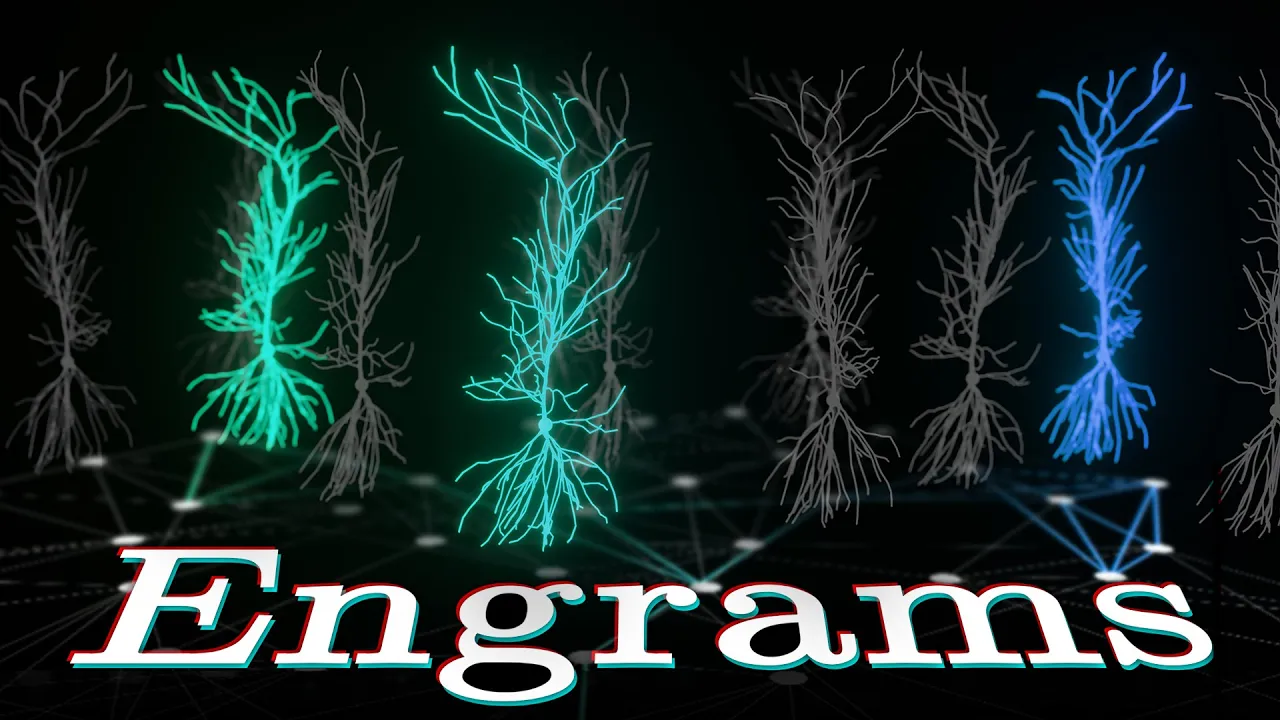
![Neurofisiologia da Memória - Tiago Batschauer [Ep. 113] (Aula 4)](https://i.ytimg.com/vi_webp/0zF5qiSXXME/maxresdefault.webp)




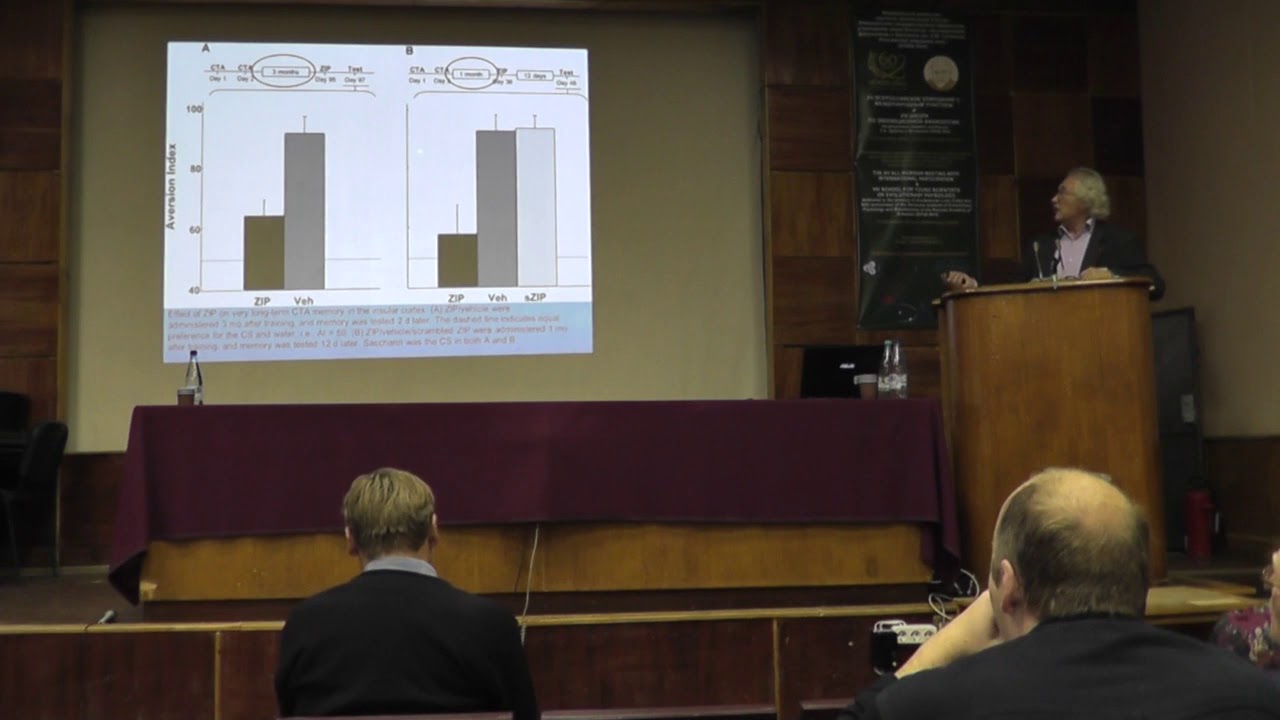



![[FULL] จะมูฟออนได้ไง? ในเมื่อมนุษย์ไม่มีวงจรการลืม.. | เจ็บบำบัด Podcast EP.2 (Thai Sub)](https://i.ytimg.com/vi/lMSyVi7X6bk/maxresdefault.jpg)
















Steve Ramirez and Xu Liu from MIT have developed a technique called optogenetics that allows scientists to activate or manipulate specific memories in mice by using laser beams to control genetically modified brain cells, demonstrating that memories can be reactivated, edited, or even converted from negative to positive emotional states.
How Neuroscientists Manipulate Memory with Light | Steve Ramirez & Xu Liu
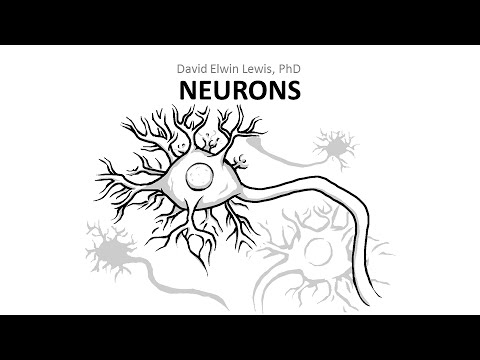
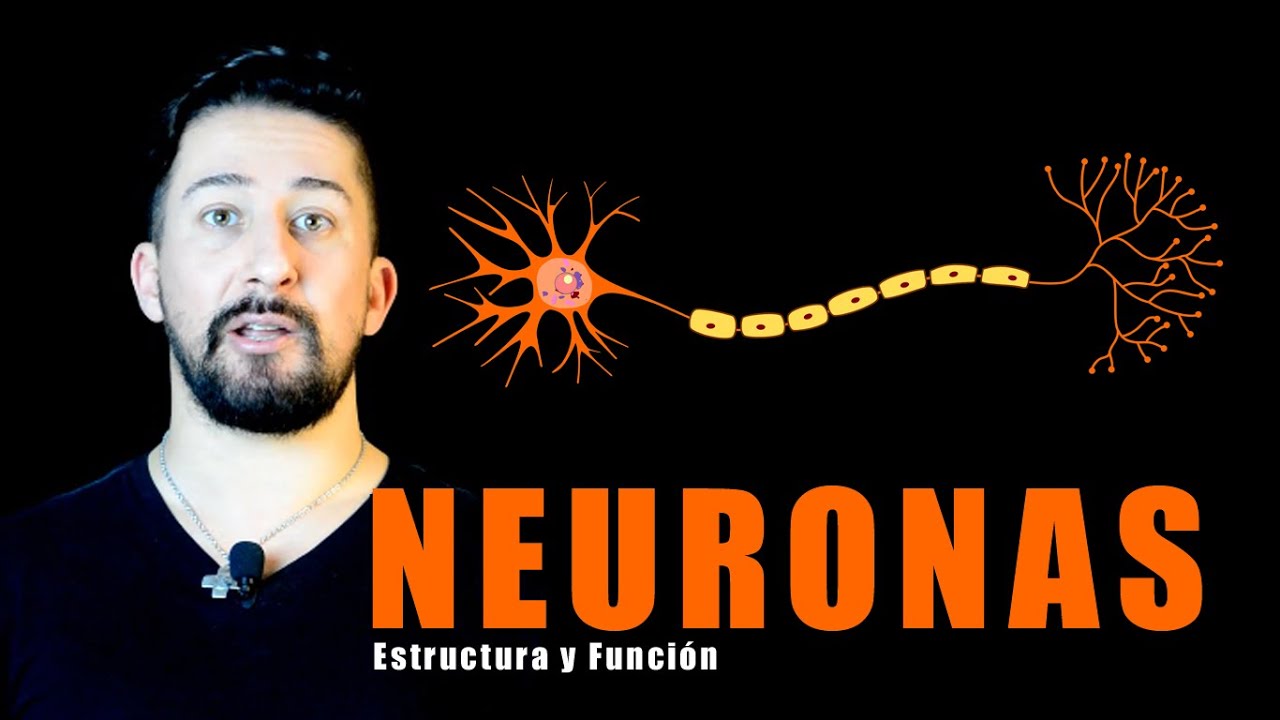
Added:The fundamental structure and function of neurons, including how action potentials and neurotransmitters facilitate communication within the brain.
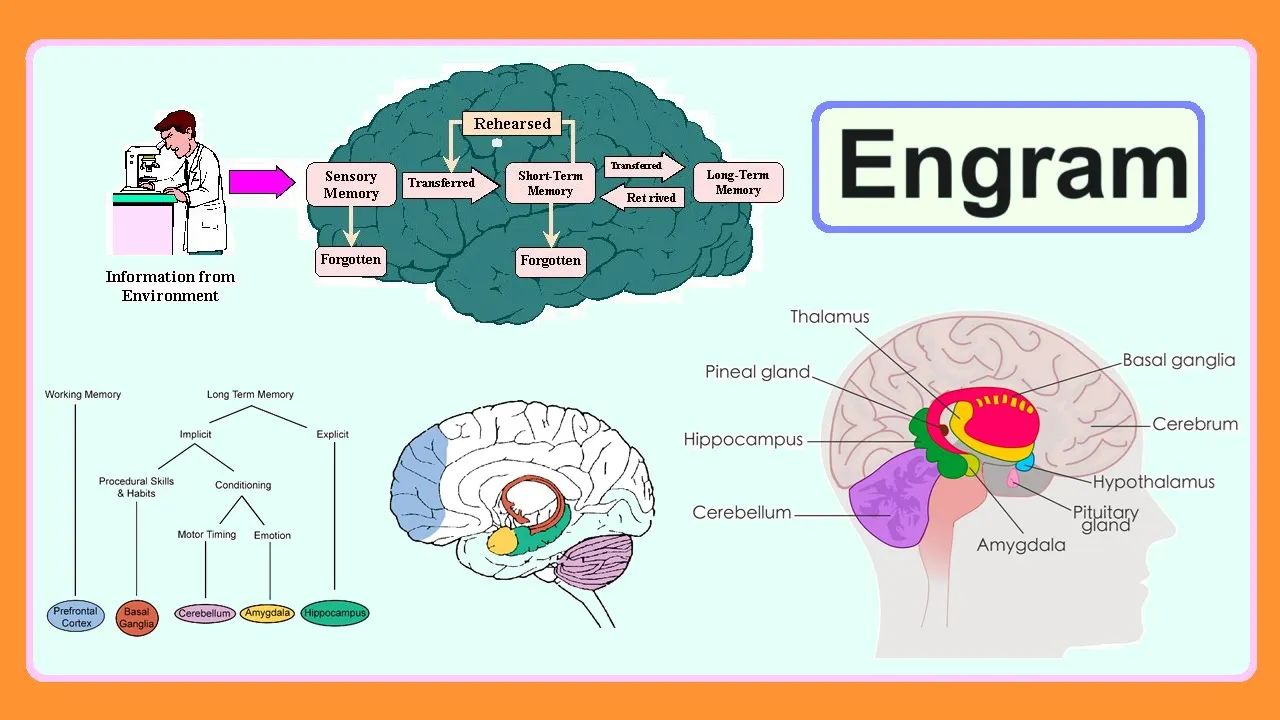
The concept of a memory engram, which refers to the physical or biophysical changes in the brain (specifically within the hippocampus) that represent a stored memory.
The basic principles of optogenetics, particularly how light-sensitive proteins (such as channelrhodopsin) can be genetically introduced into neurons to control their activity using laser light.
The process of memory consolidation and reconsolidation, explaining how memories are stabilized after acquisition and how they become malleable when recalled.
Clinical and therapeutic applications of memory manipulation, such as potential treatments for Post-Traumatic Stress Disorder (PTSD), severe anxiety, and depression by dampening traumatic emotional associations.
The bioethical and philosophical implications of memory editing, focusing on issues of personal identity, consent, and the reliability of human memory in legal contexts.
Advanced neurotechnologies that expand on optogenetics, such as chemogenetics (DREADDs), two-photon holography, and wireless deep-brain stimulation.
The cognitive science of false memories and confabulation, studying how easily the human brain can naturally synthesize incorrect recollections without technological intervention.
145.5K views2.2Klikes15:26Original Release: 2013-08-15
Steve Ramirez: My first year of grad school, I found myself in my bedroom eating lots of Ben & Jerry's watching some trashy TV and maybe, maybe listening to Taylor Swift.
I had just gone through a breakup.
(Laughter) So for the longest time, all I would do is recall the memory of this person over and over again, wishing that I could get rid of that gut-wrenching, visceral "blah" feeling.
Now, as it turns out, I'm a neuroscientist, so I knew that the memory of that person and the awful, emotional undertones that color in that memory, are largely mediated by separate brain systems.
And so I thought, what if we could go into the brain and edit out that nauseating feeling but while keeping the memory of that person intact?
Then I realized, maybe that's a little bit lofty for now.
So what if we could start off by going into the brain and just finding a single memory to begin with?
Could we jump-start that memory back to life, maybe even play with the contents of that memory?
All that said, there is one person in the entire world right now that I really hope is not watching this talk.
(Laughter) So there is a catch. There is a catch.
These ideas probably remind you of "Total Recall," "Eternal Sunshine of the Spotless Mind," or of "Inception."
But the movie stars that we work with are the celebrities of the lab.
Xu Liu: Test mice.
(Laughter) As neuroscientists, we work in the lab with mice trying to understand how memory works.
And today, we hope to convince you that now we are actually able to activate a memory in the brain at the speed of light.
To do this, there's only two simple steps to follow.
First, you find and label a memory in the brain, and then you activate it with a switch.
As simple as that.
(Laughter) SR: Are you convinced?
So, turns out finding a memory in the brain isn't all that easy.
XL: Indeed. This is way more difficult than, let's say, finding a needle in a haystack, because at least, you know, the needle is still something you can physically put your fingers on.
But memory is not.
And also, there's way more cells in your brain than the number of straws in a typical haystack.
So yeah, this task does seem to be daunting.
But luckily, we got help from the brain itself.
It turned out that all we need to do is basically to let the brain form a memory, and then the brain will tell us which cells are involved in that particular memory.
SR: So what was going on in my brain while I was recalling the memory of an ex?
If you were to just completely ignore human ethics for a second and slice up my brain right now, you would see that there was an amazing number of brain regions that were active while recalling that memory.
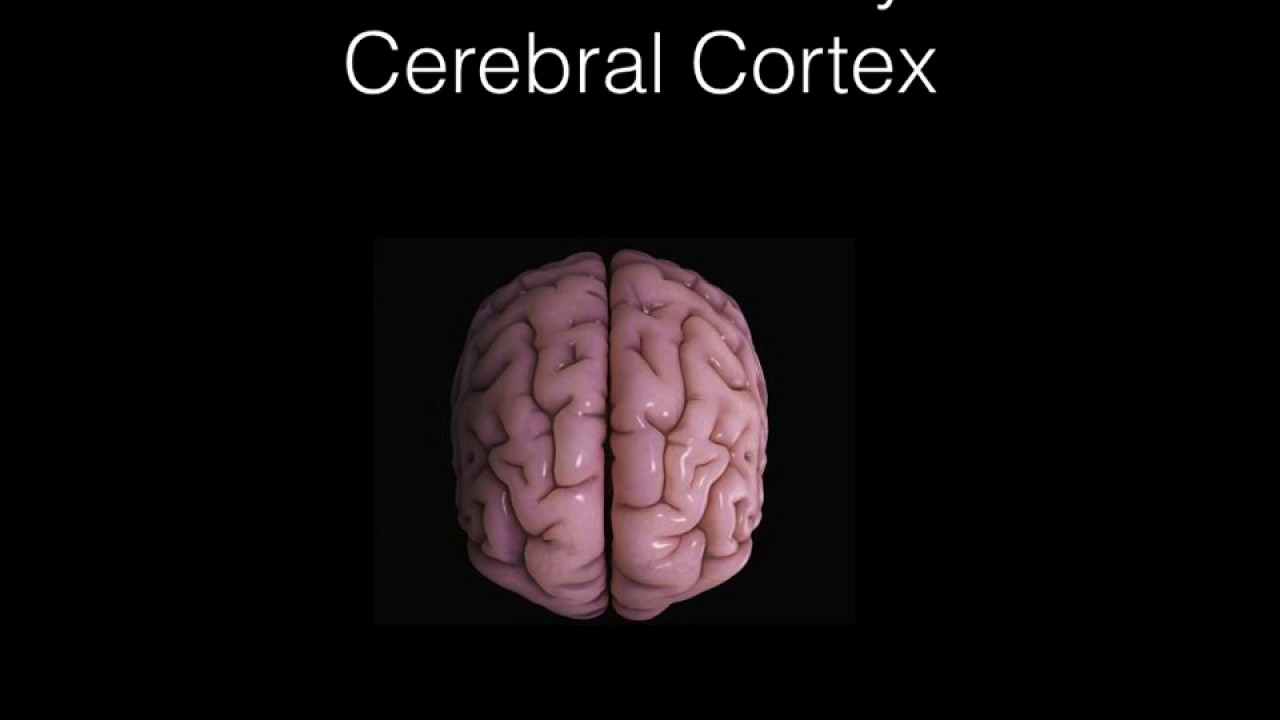
Now one brain region that would be robustly active in particular is called the hippocampus, which for decades has been implicated in processing the kinds of memories that we hold near and dear, which also makes it an ideal target to go into and to try and find and maybe reactivate a memory.
XL: When you zoom in into the hippocampus, of course you will see lots of cells, but we are able to find which cells are involved in a particular memory, because whenever a cell is active, like when it's forming a memory, it will also leave a footprint that will later allow us to know these cells are recently active.
SR: So the same way that building lights at night let you know that somebody's probably working there at any given moment, in a very real sense, there are biological sensors within a cell that are turned on only when that cell was just working.
They're sort of biological windows that light up to let us know that that cell was just active.
XL: So we clipped part of this sensor, and attached that to a switch to control the cells, and we packed this switch into an engineered virus and injected that into the brain of the mice.
So whenever a memory is being formed, any active cells for that memory will also have this switch installed.
SR: So here is what the hippocampus looks like after forming a fear memory, for example.
The sea of blue that you see here are densely packed brain cells, but the green brain cells, the green brain cells are the ones that are holding on to a specific fear memory.
So you are looking at the crystallization of the fleeting formation of fear.
You're actually looking at the cross-section of a memory right now.
XL: Now, for the switch we have been talking about, ideally, the switch has to act really fast.
It shouldn't take minutes or hours to work.
It should act at the speed of the brain, in milliseconds.
SR: So what do you think, Xu?
Could we use, let's say, pharmacological drugs to activate or inactivate brain cells?
XL: Nah. Drugs are pretty messy. They spread everywhere.
And also it takes them forever to act on cells.
So it will not allow us to control a memory in real time.
So Steve, how about let's zap the brain with electricity?
SR: So electricity is pretty fast, but we probably wouldn't be able to target it to just the specific cells that hold onto a memory, and we'd probably fry the brain.
XL: Oh. That's true. So it looks like, hmm, indeed we need to find a better way to impact the brain at the speed of light.
SR: So it just so happens that light travels at the speed of light.
So maybe we could activate or inactive memories by just using light -- XL: That's pretty fast.
SR: -- and because normally brain cells don't respond to pulses of light, so those that would respond to pulses of light are those that contain a light-sensitive switch.
Now to do that, first we need to trick brain cells to respond to laser beams.
XL: Yep. You heard it right.
We are trying to shoot lasers into the brain.
(Laughter) SR: And the technique that lets us do that is optogenetics.
Optogenetics gave us this light switch that we can use to turn brain cells on or off, and the name of that switch is channelrhodopsin, seen here as these green dots attached to this brain cell.
You can think of channelrhodopsin as a sort of light-sensitive switch that can be artificially installed in brain cells so that now we can use that switch to activate or inactivate the brain cell simply by clicking it, and in this case we click it on with pulses of light.
XL: So we attach this light-sensitive switch of channelrhodopsin to the sensor we've been talking about and inject this into the brain.
So whenever a memory is being formed, any active cell for that particular memory will also have this light-sensitive switch installed in it so that we can control these cells by the flipping of a laser just like this one you see.
SR: So let's put all of this to the test now.
What we can do is we can take our mice and then we can put them in a box that looks exactly like this box here, and then we can give them a very mild foot shock so that they form a fear memory of this box.
They learn that something bad happened here.
Now with our system, the cells that are active in the hippocampus in the making of this memory, only those cells will now contain channelrhodopsin.
XL: When you are as small as a mouse, it feels as if the whole world is trying to get you.
So your best response of defense is trying to be undetected.
Whenever a mouse is in fear, it will show this very typical behavior by staying at one corner of the box, trying to not move any part of its body, and this posture is called freezing.
So if a mouse remembers that something bad happened in this box, and when we put them back into the same box, it will basically show freezing because it doesn't want to be detected by any potential threats in this box.
SR: So you can think of freezing as, you're walking down the street minding your own business, and then out of nowhere you almost run into an ex-girlfriend or ex-boyfriend, and now those terrifying two seconds where you start thinking, "What do I do? Do I say hi?
Do I shake their hand? Do I turn around and run away?
Do I sit here and pretend like I don't exist?"
Those kinds of fleeting thoughts that physically incapacitate you, that temporarily give you that deer-in-headlights look.
XL: However, if you put the mouse in a completely different new box, like the next one, it will not be afraid of this box because there's no reason that it will be afraid of this new environment.
But what if we put the mouse in this new box but at the same time, we activate the fear memory using lasers just like we did before?
Are we going to bring back the fear memory for the first box into this completely new environment?
SR: All right, and here's the million-dollar experiment.
Now to bring back to life the memory of that day, I remember that the Red Sox had just won, it was a green spring day, perfect for going up and down the river and then maybe going to the North End to get some cannolis, #justsaying.
Now Xu and I, on the other hand, were in a completely windowless black room not making any ocular movement that even remotely resembles an eye blink because our eyes were fixed onto a computer screen.
We were looking at this mouse here trying to activate a memory for the first time using our technique.
XL: And this is what we saw.
When we first put the mouse into this box, it's exploring, sniffing around, walking around, minding its own business, because actually by nature, mice are pretty curious animals.
They want to know, what's going on in this new box?
It's interesting.
But the moment we turned on the laser, like you see now, all of a sudden the mouse entered this freezing mode.
It stayed here and tried not to move any part of its body.
Clearly it's freezing.
So indeed, it looks like we are able to bring back the fear memory for the first box in this completely new environment.
While watching this, Steve and I are as shocked as the mouse itself.
(Laughter) So after the experiment, the two of us just left the room without saying anything.
After a kind of long, awkward period of time, Steve broke the silence.
SR: "Did that just work?"
XL: "Yes," I said. "Indeed it worked!"
We're really excited about this.
And then we published our findings in the journal Nature.
Ever since the publication of our work, we've been receiving numerous comments from all over the Internet.
Maybe we can take a look at some of those.
["OMGGGGG FINALLY... so much more to come, virtual reality, neural manipulation, visual dream emulation... neural coding, 'writing and re-writing of memories', mental illnesses. Ahhh the future is awesome"] SR: So the first thing that you'll notice is that people have really strong opinions about this kind of work.
Now I happen to completely agree with the optimism of this first quote, because on a scale of zero to Morgan Freeman's voice, it happens to be one of the most evocative accolades that I've heard come our way.
(Laughter) But as you'll see, it's not the only opinion that's out there.
["This scares the hell out of me... What if they could do that easily in humans in a couple of years?! OH MY GOD WE'RE DOOMED"] XL: Indeed, if we take a look at the second one, I think we can all agree that it's, meh, probably not as positive.
But this also reminds us that, although we are still working with mice, it's probably a good idea to start thinking and discussing about the possible ethical ramifications of memory control.
SR: Now, in the spirit of the third quote, we want to tell you about a recent project that we've been working on in lab that we've called Project Inception.
["They should make a movie about this. Where they plant ideas into peoples minds, so they can control them for their own personal gain. We'll call it: Inception."]
So we reasoned that now that we can reactivate a memory, what if we do so but then begin to tinker with that memory?
Could we possibly even turn it into a false memory?
XL: So all memory is sophisticated and dynamic, but if just for simplicity, let's imagine memory as a movie clip.
So far what we've told you is basically we can control this "play" button of the clip so that we can play this video clip any time, anywhere.
But is there a possibility that we can actually get inside the brain and edit this movie clip so that we can make it different from the original?
Yes we can.
Turned out that all we need to do is basically reactivate a memory using lasers just like we did before, but at the same time, if we present new information and allow this new information to incorporate into this old memory, this will change the memory.
It's sort of like making a remix tape.
SR: So how do we do this?
Rather than finding a fear memory in the brain, we can start by taking our animals, and let's say we put them in a blue box like this blue box here and we find the brain cells that represent that blue box and we trick them to respond to pulses of light exactly like we had said before.
Now the next day, we can take our animals and place them in a red box that they've never experienced before.
We can shoot light into the brain to reactivate the memory of the blue box.
So what would happen here if, while the animal is recalling the memory of the blue box, we gave it a couple of mild foot shocks?
So here we're trying to artificially make an association between the memory of the blue box and the foot shocks themselves.
We're just trying to connect the two.
So to test if we had done so, we can take our animals once again and place them back in the blue box.
Again, we had just reactivated the memory of the blue box while the animal got a couple of mild foot shocks, and now the animal suddenly freezes.
It's as though it's recalling being mildly shocked in this environment even though that never actually happened.
So it formed a false memory, because it's falsely fearing an environment where, technically speaking, nothing bad actually happened to it.
XL: So, so far we are only talking about this light-controlled "on" switch.
In fact, we also have a light-controlled "off" switch, and it's very easy to imagine that by installing this light-controlled "off" switch, we can also turn off a memory, any time, anywhere.
So everything we've been talking about today is based on this philosophically charged principle of neuroscience that the mind, with its seemingly mysterious properties, is actually made of physical stuff that we can tinker with.
SR: And for me personally, I see a world where we can reactivate any kind of memory that we'd like.
I also see a world where we can erase unwanted memories.
Now, I even see a world where editing memories is something of a reality, because we're living in a time where it's possible to pluck questions from the tree of science fiction and to ground them in experimental reality.
XL: Nowadays, people in the lab and people in other groups all over the world are using similar methods to activate or edit memories, whether that's old or new, positive or negative, all sorts of memories so that we can understand how memory works.
SR: For example, one group in our lab was able to find the brain cells that make up a fear memory and converted them into a pleasurable memory, just like that.
That's exactly what I mean about editing these kinds of processes.
Now one dude in lab was even able to reactivate memories of female mice in male mice, which rumor has it is a pleasurable experience.
XL: Indeed, we are living in a very exciting moment where science doesn't have any arbitrary speed limits but is only bound by our own imagination.
SR: And finally, what do we make of all this?
How do we push this technology forward?
These are the questions that should not remain just inside the lab, and so one goal of today's talk was to bring everybody up to speed with the kind of stuff that's possible in modern neuroscience, but now, just as importantly, to actively engage everybody in this conversation.
So let's think together as a team about what this all means and where we can and should go from here, because Xu and I think we all have some really big decisions ahead of us.
Thank you. XL: Thank you.
(Applause)
Up Next

85:34
Brain Networks vs. Brain Areas: A Neuroscientist's Perspective on Psychiatry
@speculativepsychiatrygroup94
491 views•2025-12-13

59:49
Neuroscience and Genetics of PTSD: A Precision Medicine Approach
@UWPBSCI
221 views•2024-05-09

11:35
Heart-Brain Connections: Science of Interoception and Empathy
@TEDx
24.2K views•2018-01-23
13:03
How Exercise Benefits Your Brain: Science Explained
@TED
11.4M views•2018-03-21
Related Study Plans & Knowledge Roadmaps
Structured learning paths in Neuroscience
neuroscience
Appetite Regulation: Brain Circuits & Hormones
01Foundations of Endocrinology and Brain Anatomy
02Introduction to Energy Homeostasis
03Peripheral Signals: Leptin, Ghrelin, and Insulin
+ 2 more learning modules
14h5 modules
Explore Roadmap
neuroscience
Neuroeconomics: Value, Risk & Brain Mechanisms
01Foundations of Neuroscience and Brain Anatomy
02Introduction to Neuroeconomics and Subjective Value
03Dopaminergic Prediction Errors & Reinforcement Learning
+ 3 more learning modules
18h6 modules
Explore Roadmap
neuroscience
Spatial Navigation: Cells, Grids & Brain Maps
01Foundations of Brain Anatomy and Memory
02Place Cells and Head-Direction Cells
03Grid Cells: The Brain's Coordinate System
+ 2 more learning modules
12h5 modules
Explore Roadmap
neuroscience
BCIs: Neural Decoding & Prosthetic Control
01Neuroscience Foundations: How the Brain Signals Intent
02Signal Acquisition: Recording the Brain's Activity
03Neural Decoding: Translating Brain Waves into Data
+ 2 more learning modules
25h5 modules
Explore Roadmap