






![Basics of Plant Ecology [L- 11] | FCI AG 3 Technical Classes | FCI Botany](https://i.ytimg.com/vi/F98O0bnwOc4/maxresdefault.jpg)


















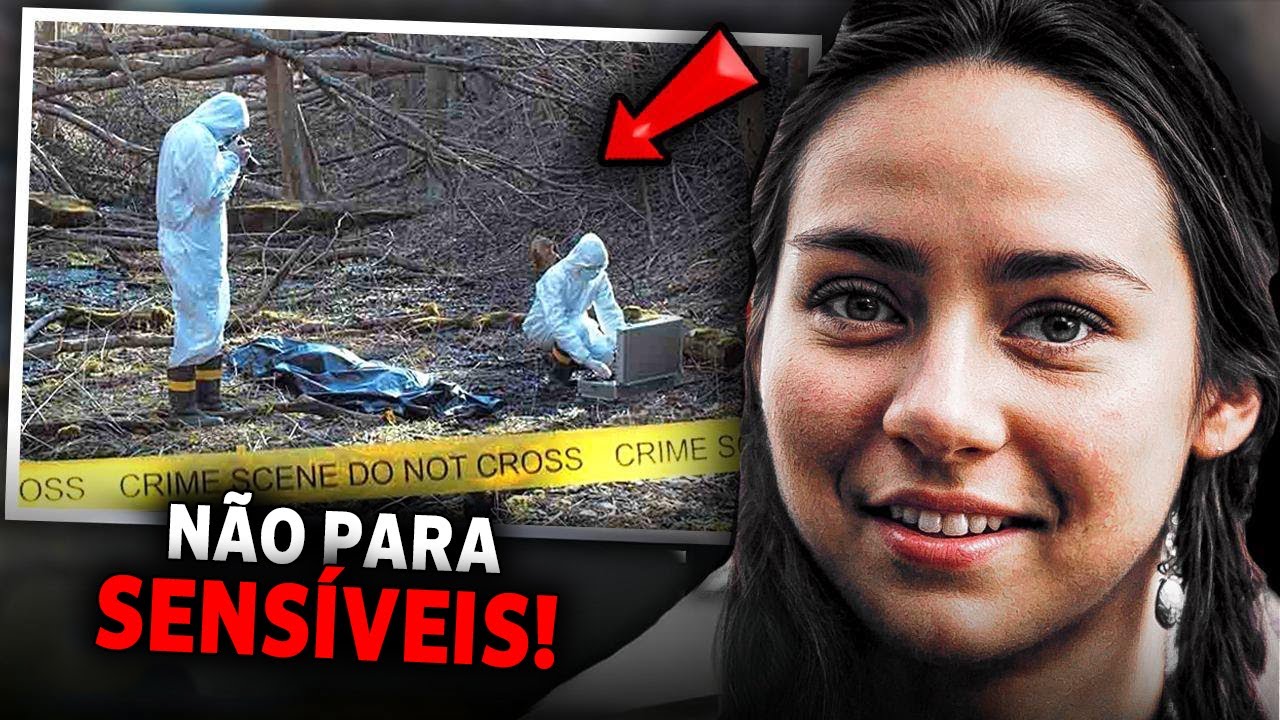
Forensic plant ecology uses plant material found on evidence to determine geographic location; in this case, pine needles and bark from specific tree species (subalpine fir growing above 9,000 feet and Engelmann spruce in wet areas) helped investigators narrow a 20-year-old missing persons case to a specific mountain area, leading to the discovery of the victim's remains and conviction of the perpetrator.
How Forensic Botany Solved a 20-Year-Old Cold Case
Added:Introduction to Forensic Botany: Understanding how plant anatomy, pollen (palynology), and plant ecology can serve as biological trace evidence in legal investigations.
Fundamentals of Hair and Fiber Analysis: Knowing how microscopic hair characteristics (such as the medulla, cortex, and cuticle) are compared and analyzed in a forensic laboratory.
Principles of Plant Ecology: Grasping how environmental factors influence specific plant habitats, growth rates, and geographical distribution.
The Challenges of Cold Cases: Understanding how physical evidence is preserved, chain of custody is maintained, and how technological advancements can breathe new life into decades-old investigations.
Forensic Palynology and Limnology: Exploring the advanced study of pollen, spores, and aquatic organisms (like diatoms) to pinpoint crime scene locations and seasons.
Dendrochronology in Criminal Investigations: Investigating how tree-ring dating is utilized to determine the precise timing of events or the age of wooden structures/remains.
Molecular Botany and Plant DNA Profiling: Studying how modern genetic sequencing (DNA barcoding) is used to link plant fragments found on a suspect to a specific plant at a crime scene.
Admissibility of Novel Scientific Evidence: Analyzing the legal standards (such as the Daubert or Frye standards) required to introduce forensic ecological evidence in a court of law.
774.1K views6.6Klikes21:41Original Release: 2022-01-01
>> Narrator: FOR ALMOST 20 YEARS, A YOUNG WOMAN WAS BELIEVED TO BE MISSING IN THE DENSE COLORADO MOUNTAINS.
BUT 12 SMALL PINE NEEDLES IN A CLUMP OF HAIR SUGGESTED THAT INVESTIGATORS NARROW THEIR SEARCH TO AN AREA 9,000 FEET ABOVE SEA LEVEL.
THIS IS HOW FORENSIC PLANT ECOLOGY HELPED SOLVE A VERY COLD CASE.
AFTER GRADUATING FROM COLLEGE, 25-YEAR-OLD MICHELE WALLACE DECIDED TO PURSUE HER LOVE OF PHOTOGRAPHY.
SHE WAS KNOWN PRIMARILY FOR HER PHOTOS OF PEOPLE, BUT SHE DECIDED TO TRY HER HAND AT LANDSCAPE PHOTOGRAPHY, AND SHE HEADED TO THE MOUNTAINOUS WILDERNESS OF WESTERN COLORADO.
>> SHE RODE POLO PONIES AND BRANDED COWS AND WENT ROCK CLIMBING AND WAS A STUDENT AT THE ROCHESTER INSTITUTE AND WAS QUITE A STUDENT OF PHOTOGRAPHY.
>> SHE WAS A REALIST AND SHE KNEW HOW TO FACE THINGS AND WORK THROUGH THEM.
>> Narrator: MICHELE FAITHFULLY CALLED HER PARENTS ALMOST EVERY DAY TO LET THEM KNOW WHERE SHE WAS AND WHAT SHE WAS DOING, BUT WHEN SEVERAL DAYS PASSED WITHOUT A CALL, HER PARENTS BECAME ALARMED.
>> I KNEW THAT SHE DIDN'T RUN OFF.
YOU KNOW, THEY SAID, "WELL, THIS IS ONE OF THESE GIRLS THAT JUST DECIDES SHE'S A FREE SPIRIT, AND OFF SHE GOES."
SHE WAS NOT THAT WAY.
>> Narrator: WHEN LOCAL OFFICIALS WERE TOLD SHE WAS MISSING, THEY INSTITUTED WHAT WAS TO BECOME THE LARGEST MANHUNT IN COLORADO HISTORY.
>> THERE WERE HUNDREDS OF PEOPLE IN THE WOODS, LITERALLY WALKING HAND-IN-HAND ACROSS FIELDS AND MOUNTAINS.
>> Narrator: SEARCH TEAMS COVERED MORE THAN 3,000 SQUARE MILES OF ISOLATED MOUNTAIN LANDSCAPE, BUT FOUND NO SIGN OF MICHELE OR HER RED STATION WAGON.
IT WAS AS IF MICHELE HAD SIMPLY DISAPPEARED.
THEN, A WEEK AFTER SHE WAS REPORTED MISSING, THERE WAS A POTENTIAL BREAK.
A LOCAL RANCHER TOLD POLICE ABOUT A GERMAN SHEPHERD THAT HAD COME DOWN FROM THE MOUNTAINS AND CHASED HIS CATTLE.
THE RANCHER SAID HE SHOT AND KILLED THE DOG.
THE NAME ON THE DOG'S COLLAR WAS OKIE, MICHELE'S GERMAN SHEPHERD.
>> THE FACT THAT THE DOG, OBVIOUSLY, HAD BEEN SEPARATED FROM HER AND FOUND DEAD LATER WAS OF GREAT CONCERN BECAUSE PEOPLE FELT, CLEARLY, THAT MICHELE WALLACE WOULD NEVER HAVE WILLINGLY BEEN SEPARATED FROM HER DOG.
>> Narrator: AND ANOTHER RANCH HAND CAME FORWARD WITH EVEN MORE INFORMATION.
HE SAID MICHELE GAVE HIM A RIDE IN THE MOUNTAINS AFTER HIS CAR BROKE DOWN.
HE SAID HIS FRIEND ROY SAT IN THE FRONT SEAT WITH MICHELE AND THAT HE WAS IN THE BACK SEAT WITH THE GERMAN SHEPHERD.
>> THE RANCH HAND REMEMBERS THE DOG PARTICULARLY BECAUSE HE HAD TO SIT IN THE BACK SEAT OF THE STATION WAGON WITH THE DOG, AND AMUSINGLY RECALLED THE DOG DROOLING ON HIM AS HIS NEW BUDDY, ROY, IN THE FRONT, STRUCK UP THE CONVERSATION WITH THE GIRL.
>> Narrator: HE SAID MICHELE DROPPED HIM OFF AT A LOCAL BAR, AND SHE WAS TAKING ROY FURTHER DOWN THE ROAD TO HIS TRUCK.
HE SAID HE DIDN'T KNOW ROY'S LAST NAME AND NEVER SAW EITHER OF THEM AGAIN.
>> THE POLICE ARE LOOKING FOR A MYSTERIOUS "ROY."
THEY DON'T HAVE A LAST NAME FOR THIS MAN.
ALL THEY KNOW IS THAT HE'S THE LAST ONE SEEN WITH MICHELE.
>> Narrator: INVESTIGATORS SUSPECTED ROY WAS THE KEY TO MICHELE WALLACE'S DISAPPEARANCE.
>> Narrator: MICHELE WALLACE WAS LAST SEEN IN HER CAR WITH A HITCHHIKER IN THE COLORADO MOUNTAINS.
ABOUT A WEEK LATER, POLICE STOPPED A MAN MATCHING THE HITCHHIKER'S DESCRIPTION IN PUEBLO, COLORADO, 160 MILES AWAY.
HE WAS IDENTIFIED AS ROY MELANSON.
>> MR. MELANSON'S BACKGROUND IS PRETTY CHECKERED.
HE HAD BEEN ACCUSED OF AND CONVICTED OF SEXUAL ASSAULT IN, I BELIEVE, LOUISIANA AND TEXAS, HAD SERVED PRISON TIME.
>> Narrator: IN MELANSON'S POSSESSION WAS MICHELE'S BACKPACK, DRIVER'S LICENSE, AND A PAWNSHOP TICKET FOR A 35-MILLIMETER CAMERA.
>> ON THE CAMERA WAS A ROLL OF FILM.
THE LAST PHOTOGRAPHS ON THE ROLL OF FILM WERE PHOTOGRAPHS OF MICHELE'S DOG, OKIE, WEARING HIS HIKING PACKS, AND THE VERY LAST PHOTOGRAPH ON THE ROLL WAS A PICTURE OF ROY MELANSON WITH A YOUNG WOMAN THAT HE MET IN PUEBLO, COLORADO.
>> Narrator: MELANSON DENIED HAVING ANYTHING TO DO WITH MICHELE'S DISAPPEARANCE.
HE SAID THEY STOPPED FOR COFFEE, AND HE ADMITTED SNEAKING OUT THE BACK WAY AND STEALING HER CAR.
HE SAID MICHELE'S DOG WAS TIED UP OUTSIDE.
MELANSON TOLD POLICE HE DUMPED MICHELE'S CAR IN AMARILLO, TEXAS.
WHEN POLICE RECOVERED THE CAR, THEY FOUND NO EVIDENCE OF VIOLENCE EITHER ON THE INSIDE OR OUTSIDE, ALTHOUGH THE CAR HAD BEEN WIPED CLEAN OF FINGERPRINTS.
>> ALL THEY HAVE IS SOMEBODY WHO'S ADMITTED STEALING A CAR FROM A YOUNG WOMAN THAT HE LEFT IN TOWN.
THERE IS NO BODY.
THERE IS NO EVIDENCE OF FOUL PLAY.
>> Narrator: IT WAS ALSO SUSPICIOUS THAT THIS WASN'T THE ONLY MISSING PERSON'S CASE MELANSON WAS INVOLVED IN.
>> THERE IS ANOTHER CASE WHERE A WOMAN IN PORT ARTHUR, TEXAS, WHO WAS HIS LANDLADY, DISAPPEARED, AND IRONICALLY, THE ONLY THING THAT WAS FOUND WAS HER CAR, AND HE WAS THE LAST PERSON SEEN WITH HER.
>> Narrator: MICHELE'S DISAPPEARANCE SENT HER MOTHER INTO A SERIOUS DEPRESSION.
>> SHE BECAME MORE AND MORE DESPONDENT.
SHE COULDN'T LIVE WITHOUT HER DAUGHTER.
SHE HAD LIVED THROUGH HER DAUGHTER.
>> Narrator: ONE MORNING, GEORGE WOKE TO DISCOVER HIS WIFE WAS DEAD.
>> I NEVER FELT ANYBODY COLD BEFORE.
YOU JUST CAN'T BELIEVE SOMEONE THAT YOU LIVED WITH FOR 34 YEARS WOULD DO IT.
>> Narrator: SHE KILLED HERSELF WITH AN OVERDOSE OF BARBITURATES.
>> THAT MY DAUGHTER WAS KILLED, SHE WAS KILLED -- SIMPLE.
>> Narrator: MICHELE'S MOTHER LEFT A SUICIDE NOTE WHICH INCLUDED ONE LAST WISH.
>> GEORGE ACTUALLY SHOWED ME THAT NOTE THAT SAID, "WHEN YOU FIND OUR DAUGHTER, BURY HER REMAINS NEXT TO ME.
BURY HER BESIDE ME."
>> Narrator: WITH NO EVIDENCE OF FOUL PLAY, AND WITHOUT A BODY, THE CASE OF MICHELE WALLACE'S DISAPPEARANCE WENT COMPLETELY COLD.
>> BECAUSE OF THE DIFFICULTIES IN PROVING THE CRIME OF MURDER, WITHOUT BEING AWFULLY DARN SURE THAT YOUR VICTIM IS DEAD.
>> Narrator: FIVE LONG YEARS PASSED, UNTIL INVESTIGATORS GOT ANOTHER POTENTIAL BREAK.
>> A HIKER ON AN ISOLATED TRAIL FOUND WHAT LOOKED LIKE A CLUMP OF BRAIDED HAIR.
>> INTERESTINGLY ENOUGH, THOSE BRAIDS ARE IDENTICAL IN APPEARANCE TO A PHOTOGRAPH THAT WAS ACTUALLY OBTAINED FROM THE CAMERA OF MICHELE WALLACE WHEN IT WAS RECOVERED IN 1974 FROM THE PUEBLO POLICE DEPARTMENT, WHO HAD RECOVERED IT FROM A PAWNSHOP.
>> Narrator: AGAIN, THE CASE STALLED.
THE HAIR, WHILE PROMISING, LOOKED TO BE A DEAD END.
ANOTHER DECADE PASSED, AND THE CASE GREW COLD YET AGAIN, UNTIL A HOMICIDE INVESTIGATOR, KATHY IRELAND, DISCOVERED SOMETHING IN THE EVIDENCE FILE THAT HAD BEEN OVERLOOKED.
>> I CAME ACROSS A HAIRBRUSH THAT HAD BEEN BAGGED AND SEALED, AND IT HAD MICHELE WALLACE'S NAME ON IT.
>> Narrator: AND THE FORENSIC EVIDENCE IT CONTAINED CHANGED THE COURSE OF THE INVESTIGATION.
>> Narrator: COLD-CASE INVESTIGATORS DISCOVERED AN UNFORTUNATE OVERSIGHT.
WHEN MICHELE WALLACE DISAPPEARED, NO ONE THOUGHT TO COMPARE SAMPLES FROM HER HAIRBRUSH TO THE BRAIDED HAIR FOUND IN THE MOUNTAINS, SO EVERYTHING WAS SENT TO JOSEPH SNYDER FOR FORENSIC ANALYSIS.
UNDER A MICROSCOPE, SNYDER VISUALLY COMPARED SAMPLES FROM MICHELE'S HAIRBRUSH TO THE BRAIDED HAIR, LOOKING FOR SIMILARITIES IN COLOR, CONSISTENCY, AND STRUCTURE.
>> MICROSCOPIC CHARACTERISTICS WERE VERY CONSISTENT WITH EACH OTHER.
THE WIDTHS WERE THE SAME.
THE MEDULLARY COMPONENT WAS THE SAME.
THE CENTER PORTIONS AND THE MID-REGION PORTIONS OF THE HAIR WERE THE SAME.
>> Narrator: BUT THIS WAS NOT CONCLUSIVE.
MICROSCOPIC SIMILARITY IS STILL NOT A MATCH.
BUT WITH THIS NEW EVIDENCE, DETECTIVE IRELAND WAS NOT WILLING TO LET THE CASE GO COLD AGAIN, SO SHE CONTACTED A GROUP OF SCIENTISTS WITH AN ODD MISSION AND AN UNUSUAL NAME.
THEY CALL THEMSELVES NECROSEARCH, AND THEY FIND BODIES NO ONE ELSE SEEMS TO FIND.
>> WE ARE A MULTIDISCIPLINARY, ENTIRELY VOLUNTEER ORGANIZATION THAT HELPS LAW ENFORCEMENT LOOK FOR CLANDESTINE GRAVES, AND TO RECOVER EVIDENCE AND TO RECOVER BODIES FROM THOSE GRAVES.
>> Narrator: FOR NECROSEARCH, THE STARTING POINT WAS THE BRAIDED HAIR THAT WAS BELIEVED TO BE FROM MICHELE WALLACE.
FORENSIC PLANT ECOLOGIST VICKY TRAMMELL LOOKED FOR ANY PLANT MATERIAL THAT WAS IN THE HAIR.
>> THE HAIR HAD SPENT FIVE YEARS OUTSIDE, MOST LIKELY BEING DRUG AROUND BY SCAVENGERS LIKE COYOTES.
SO MY QUESTION WAS NOT SO MUCH, "WHERE IS THE BODY," BECAUSE I HAD NO WAY OF DETERMINING THAT, BUT, "WHERE HAD THE HAIR SPENT FIVE YEARS?" >> Narrator: THE LACK OF SOIL IN THE HAIR SUGGESTED THE BODY HAD NOT BEEN BURIED.
>> THE HAIR WASN'T MUDDY AND THERE WAS BLEACH MARKS.
IN OTHER WORDS, BLEACHED BY THE SUN IN THE PLACES THAT WERE EXPOSED.
THAT WOULD NOT HAVE HAPPENED HAD THE HAIR BEEN BURIED FOR FIVE YEARS.
>> Narrator: TRAMMELL ALSO FOUND PINE NEEDLES AND SHARDS OF BARK IN THE BRAIDS.
THE BARK WAS FROM AN ASPEN TREE, WHICH TENDS TO GROW IN CLEARED AREAS.
SHE ALSO FOUND NEEDLES FROM TWO CONIFEROUS-TREE SPECIES -- THE SUBALPINE FIR AND THE ENGELMANN SPRUCE.
SUBALPINE FIRS GROW IN ELEVATIONS ABOVE 9,000 FEET, AND ENGELMANN SPRUCES GROW IN WET AREAS, SUGGESTING THE BODY WAS SOMEWHERE ON THE MOUNTAIN'S NORTH SLOPE, WHICH DOESN'T GET MUCH SUN.
TRAMMELL IDENTIFIED AN AREA MATCHING ALL THESE PARAMETERS JUST ONE MILE FROM WHERE THE BRAIDED HAIR WAS DISCOVERED 15 YEARS EARLIER.
THE NECROSEARCH TEAM, MADE UP ENTIRELY OF VOLUNTEERS, MOVED INTO ACTION.
>> THEY HAVE A COMMONALITY TO THEM THAT, I THINK, THEY ALL WANTED TO BE SHERLOCK HOLMES AT ONE TIME.
>> Narrator: THE TEAM MARKED OFF THE AREA AND BEGAN WHAT'S KNOWN AS A GRID SEARCH, EACH GRID MEASURING ONE SQUARE METER.
>> ON THEIR HANDS AND KNEES, JUST A FEW FEET APART, AND LITERALLY CRAWLING ACROSS THE FOREST FLOOR, LOOKING FOR ANY TRACES OF SOMETHING OUT OF THE ORDINARY -- THESE ARE SCIENTISTS.
THEY'RE USED TO LOOKING FOR THE MINUTE, THAT IS, NOT THE ORDINARY.
>> Narrator: SEARCH TEAMS THOROUGHLY ANALYZE ONE GRID AREA BEFORE MOVING ON TO THE NEXT.
ON THE FIRST DAY, THEY FOUND NOTHING.
ON THE SECOND, IT WAS A DIFFERENT STORY.
>> A LADY BY THE NAME OF CECILIA ARMBRUST, WHO, I BELIEVE, WAS A GEOLOGIST WITH THAT GROUP, HAD ACTUALLY GONE DOWN THE HILL FROM WHERE THE OTHERS WERE WORKING TO ANSWER THE CALL OF NATURE, AND ON HER WAY BACK UP, HAD DISCOVERED WHAT APPEARED TO HER TO BE A SKULL.
>> SHE YELLED OUT, "I FOUND IT," AND WE DIDN'T BELIEVE HER AT FIRST.
EVEN THOUGH WE KNOW THAT SHE REALLY ISN'T MUCH OF A PRACTICAL JOKER, WE DIDN'T BELIEVE HER AT FIRST.
>> Narrator: THE SKULL CONTAINED AN UNMISTAKABLE FEATURE MICHELE'S FATHER TOLD POLICE ABOUT ALMOST 20 YEARS EARLIER.
>> MICHELE HAD A GOLD TOOTH, AND THE SUNLIGHT WAS JUST RIGHT AND IT REFLECTED, AND THEN THAT'S HOW THEY DISCOVERED HER.
>> SHE HAD NEVER BEEN BURIED, AND AS A MATTER OF FACT, WE COULD DETERMINE THAT HER BODY PROBABLY HAD JUST BEEN TOSSED OFF THE SIDE OF THE ROAD AND HAD ROLLED UP AGAINST A TREE, AND FROM THERE, GRAVITY AND SCAVENGERS HAD TAKEN THEIR TOLL.
>> I WAS GLAD I COULD BE ABLE TO HELP A LITTLE BIT, AND I REALIZED THAT NO MATTER WHAT WE DID, THAT WE FOUND HER REMAINS, IT COULD NEVER BRING HER BACK, SO THAT'S PART OF THE SADNESS, I THINK.
>> Narrator: BUT PROSECUTORS STILL NEEDED TO FIND ONE LAST PIECE OF EVIDENCE PROVING HER DEATH WAS THE RESULT OF VIOLENCE, AND NOT AN ACCIDENT.
>> Narrator: ALMOST 20 YEARS AFTER MICHELE WALLACE'S DISAPPEARANCE, A TEAM OF FORENSIC SPECIALISTS SEARCHING THROUGH THE HIGH-ALTITUDE FORESTS OF WESTERN COLORADO FOUND A HUMAN SKULL.
NEARBY WERE OTHER HUMAN BONES, IDENTIFIED BY A FORENSIC ANTHROPOLOGIST AS THOSE FROM A FEMALE IN HER LATE TEENS TO MID-20s.
>> THIS WOMAN HAD BEEN THROWN FROM THE ROAD AND COME TO REST AGAINST A TREE.
HER BODY, HER BONES, WERE FOUND IN SUCH A MANNER AS TO INDICATE EXACTLY HOW SHE HAD COME TO REST.
>> Narrator: ONE OF THE SCIENTISTS TESTED THIS HYPOTHESIS BY DROPPING A BUCKET FROM THE ROAD AT THE TOP OF THE HILL.
>> THE AMAZING THING IS THAT THE BUCKET LANDED AT EXACTLY WHERE THE CRANIUM HAD BEEN.
>> Narrator: THE NECROSEARCH TEAM ALSO FOUND PIECES OF MICHELE'S CLOTHING.
THE ZIPPER FROM HER JEANS LOOKED LIKE IT HAD BEEN PULLED APART VIOLENTLY.
>> IT'S OBVIOUS THAT THE ZIPPER HAS BEEN TORN APART AS OPPOSED TO SIMPLY OPENED IN THE NORMAL WAY, SO THERE'S EVIDENCE OF SOME VIOLENCE HERE.
>> Narrator: A FORENSIC ODONTOLOGIST COMPARED MICHELE'S DENTAL RECORDS TO THE TEETH IN THE SKULL AND MADE A POSITIVE IDENTIFICATION.
POLICE AND PROSECUTORS NOW FOCUS THEIR ATTENTION ON ROY MELANSON, THE LAST-KNOWN PERSON TO SEE HER ALIVE.
>> WHAT DO YOU WANT TO DO?
YOU WANT TO KILL.
THAT'S WHAT YOU WANT TO DO, EVEN IF IT COSTS YOUR LIFE.
>> Narrator: PROSECUTORS KNEW MICHELE STOPPED TO GIVE MELANSON AND THE OTHER RANCH HAND A RIDE INTO TOWN AFTER THEIR CAR BROKE DOWN.
MICHELE DROPPED ONE OF THE RANCH HANDS OFF AT THE LOCAL BAR, BUT THE OTHER, ROY MELANSON, ASKED HER IF SHE WOULD DROP HIM OFF FARTHER DOWN THE ROAD SO HE COULD GET HIS TRUCK.
SHE AGREED.
>> ALL RIGHT.
>> Narrator: PROSECUTORS BELIEVE SOMEWHERE ALONG THE WAY, MELANSON ORDERED MICHELE TO STOP THE CAR.
HE LET THE DOG OUT.
THERE WAS A STRUGGLE RESULTING IN THE RIPPED ZIPPER, AND HE KILLED HER.
THE EVIDENCE SUGGESTS HE DUMPED HER BODY DOWN THE SIDE OF THE MOUNTAIN...LATER DISCOVERED BY THE NECROSEARCH TEAM.
OKIE MADE HIS WAY TO A RANCH ABOUT 15 MILES AWAY, AN INDICATION THAT MICHELE WAS DEAD, SINCE HE WOULDN'T HAVE LEFT HER SIDE IF SHE HAD BEEN ALIVE.
MELANSON DROVE MICHELE'S CAR TO TEXAS, WHERE HE USED HER 35-MILLIMETER CAMERA, THEN PAWNED IT WITH THE UNEXPOSED FILM INSIDE.
>> THERE WERE CERTAINLY THE INFERENCES THAT WERE DRAWN FROM THE FACT THAT HE WAS BUYING CLOTHING IN DOWNTOWN GUNNISON, DRIVING MICHELE WALLACE'S VEHICLE AT THAT TIME, WHICH TOLD US THAT HE KNEW THAT SHE WAS DEAD AND HE KNEW THAT SHE WAS NOT AROUND TO MAKE A REPORT OF A STOLEN VEHICLE.
HE WAS BRAZEN ABOUT THAT PARTICULAR FACT.
>> Narrator: BY THIS TIME, ROY MELANSON WAS SERVING TIME IN A KENTUCKY PRISON FOR BURGLARY, BUT WAS EXTRADITED TO COLORADO TO FACE TRIAL FOR MURDER.
MELANSON PLEADED NOT GUILTY AND EVEN REFUSED TO ATTEND THE TRIAL.
INSTEAD, HE LISTENED TO THE PROCEEDINGS FROM HIS PRISON CELL.
>> WE ARE NOT REQUIRED TO PROVE MOTIVE.
THE ISSUE GOT RAISED, HOWEVER, DURING THE COURSE OF THE TRIAL IN CLOSING ARGUMENT BECAUSE THE DEFENSE SAID, "WHERE IS THE MOTIVE?" AFTER THE DEFENSE RAISED THAT ISSUE, I ASKED THE JURY TO LOOK AT THE ZIPPER THAT WAS RECOVERED FROM THE LEVIS AS IT WAS TORN.
>> Narrator: IN SEPTEMBER OF 1993, A JURY FOUND ROY MELANSON GUILTY OF FIRST-DEGREE MURDER.
HE WAS SENTENCED TO LIFE IN PRISON.
>> SEE, THESE BASTARDS, THE DEVASTATION THAT THEY LEAVE BEHIND.
NOBODY KNOWS.
THEY THINK THEY KILLED AN INDIVIDUAL.
THEY KILL DOZENS OF PEOPLE.
THEY LET THESE ANIMALS ROAM THE STREET WHEN THEY SHOULDN'T, AND I THINK THAT PROBABLY I'LL BE DEAD, AND THIS ANIMAL HAS A CHANCE OF WALKING THE STREET AGAIN.
THAT'S WHAT HURTS.
>> Narrator: MICHELE'S FATHER IS THANKFUL TO FORENSIC SCIENCE AND THE VOLUNTEERS WHO WORKED SO DILIGENTLY TO FIND HIS DAUGHTER.
>> THEY FOUND THE SITE AND BROUGHT IT TO A CONCLUSION.
TO ME, YOU CAN'T EXPRESS THE GRATITUDE.
AND, UH...I JUST COULDN'T BELIEVE THAT IT FINALLY CAME TO AN END.
>> THE SYSTEM OF JUSTICE WORKED IN THIS PARTICULAR CASE.
WHETHER THE SYSTEM ITSELF EVER AWARDS JUSTICE TO A VICTIM OR THEIR FAMILY IS, IN MY OPINION, A HARD QUESTION TO ANSWER.
WHEN YOU LOOK AT THE LOSS OF LIFE IN THIS PARTICULAR CASE AND THE TRAGEDY ASSOCIATED WITH IT, THAT VERDICT IS NEVER GOING TO MAKE THEM WHOLE -- NEVER WILL.
BUT I HAVE SOME CONFIDENCE, BASED UPON WHAT HAPPENED, THAT OUR SYSTEM DOES WORK, AND IT WORKS FAIRLY.
Up Next
20:31
Dinosaur Graveyard in Wyoming: Evidence of Noah's Flood?
@IsGenesisHistory
1M views•2020-04-26

12:54
Triumph of Orthodoxy Icon: Byzantine Art & History Explained
@BenCallan
2.1K views•2024-08-06

89:46
The Kitty Genovese Story: Separating Fact from Fiction
@FilmRiseTrueCrime
290.4K views•2023-02-12

1:42
Game of Thrones Opening Credits: A Cinematic Analysis
@gameofthrones
46.3M views•2011-04-18
Related Study Plans & Knowledge Roadmaps
Structured learning paths in General & Interdisciplinary Studies
general-studies
Elevator Engineering: History, Physics & Cities
01From Hoists to Safety Brakes: The Dawn of Vertical Lift
02Hydraulic vs. Traction: The Engineering Physics of Elevators
03Modern Speed, Safety, and Algorithms
+ 2 more learning modules
12h5 modules
Explore Roadmap
general-studies
Rubber: Material Science, History & Geopolitics
01Origins of Natural Rubber & Mesoamerican History
02The Chemistry of Natural Rubber & Vulcanization
03The Geopolitics of the Rubber Boom & Colonization
+ 2 more learning modules
12h5 modules
Explore Roadmap
general-studies
Containerization: Evolution, Logistics & Trade
01Ancient Trade & Bulk Cargo: Amphorae to Barrels
02The Industrial Revolution & Cardboard Packaging
03The Containerization Revolution: Malcom McLean
+ 2 more learning modules
12h5 modules
Explore Roadmap
general-studies
Textile Tech: Evolution, Labor & Global Impact
01Pre-Industrial Textiles: Handloom & Cottage Industry
02Mechanization: The Spinning Jenny to the Power Loom
03The Factory System & Global Labor Transformation
+ 2 more learning modules
10h5 modules
Explore Roadmap