





















The piezoelectric effect is a phenomenon where certain crystals, such as quartz (SiO2), generate electrical current when mechanical force is applied; this occurs because the crystal's atomic structure causes positive and negative charges to separate when compressed or stretched, creating a voltage difference that can be harnessed for various applications including Christmas light fixers, piezoelectric lighters, speakers, and ultrasound generators.
Introduction to Piezoelectric Effect: Generating Electricity from Crystals
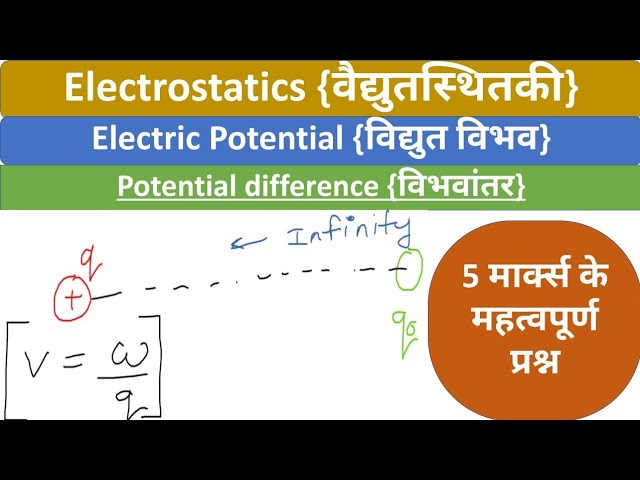
Added:Basic electrostatics, including the concepts of electric charge, voltage, and electrical potential difference.
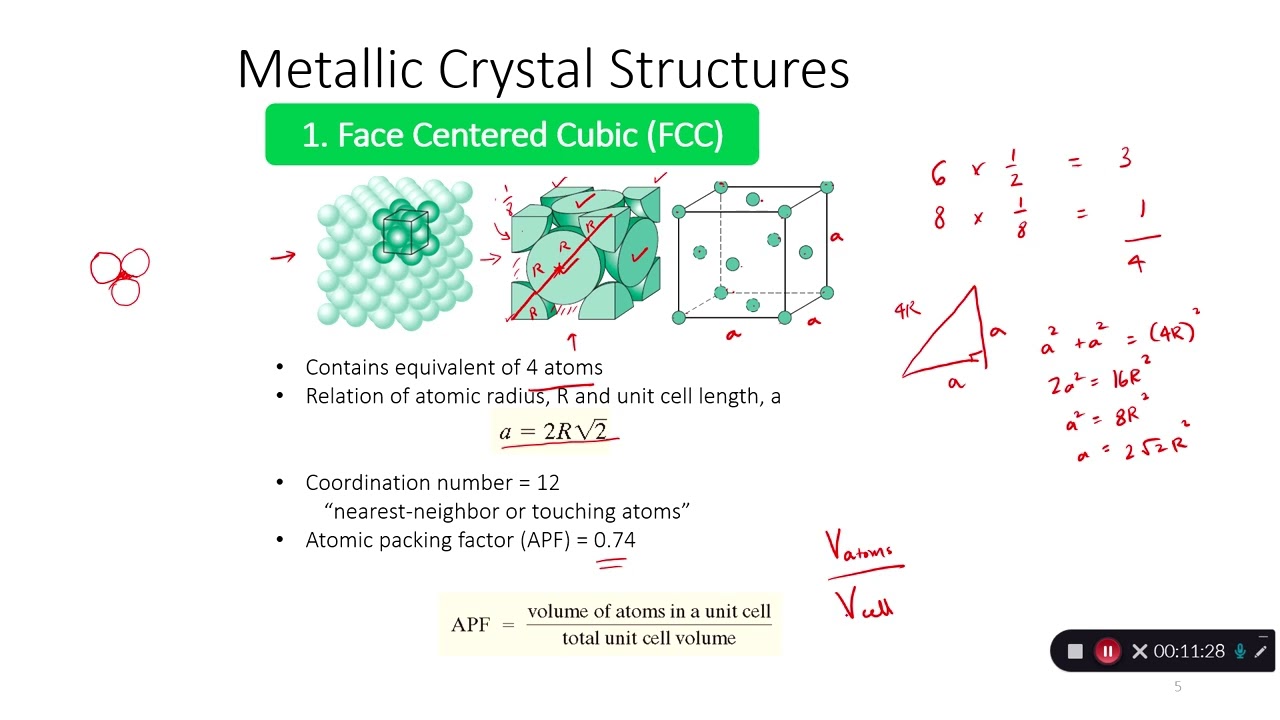
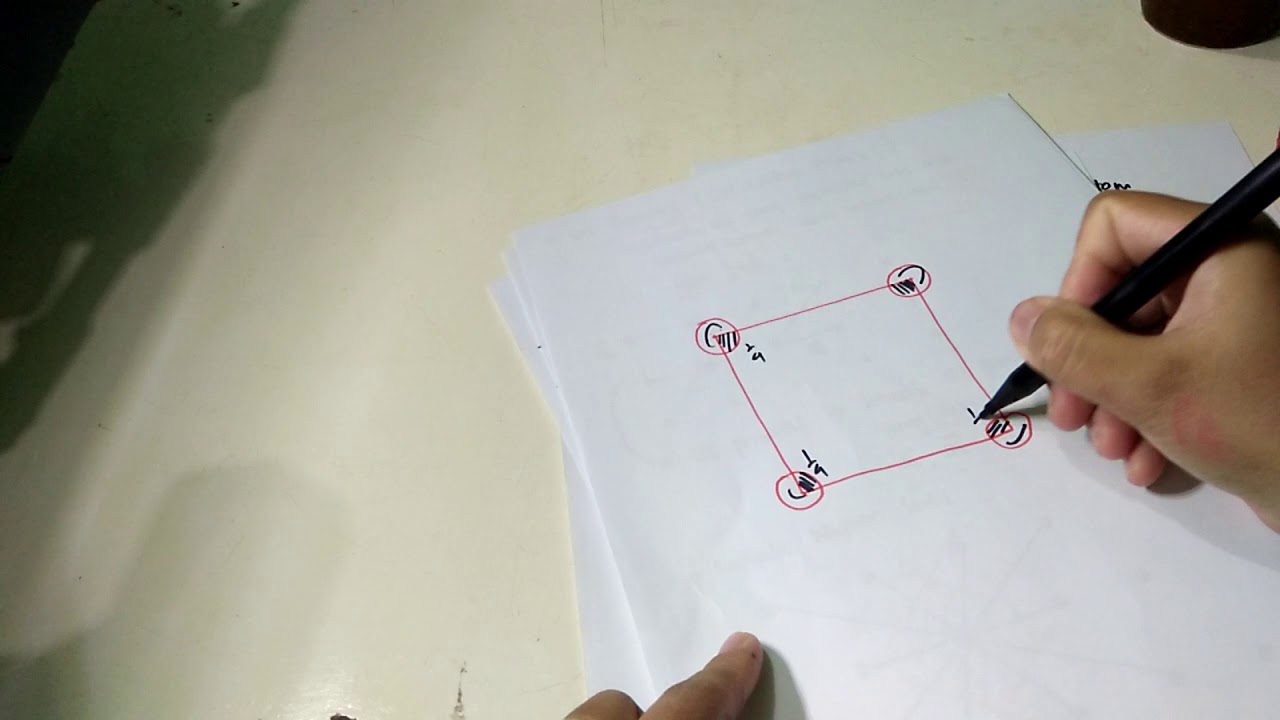
Fundamentals of crystalline structures, specifically how atoms are arranged in a repeating lattice.
The concept of mechanical stress and strain, and how materials deform under external forces.
The principle of conservation of energy, particularly the conversion of mechanical energy into electrical energy.
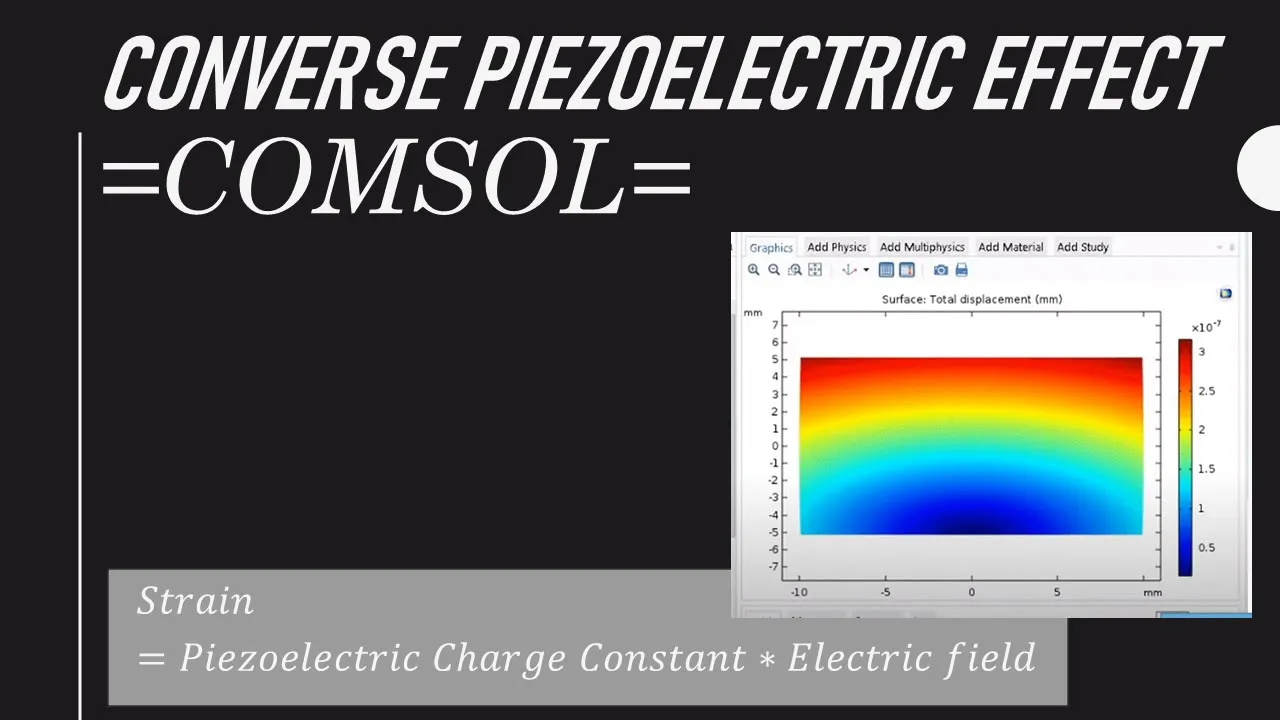
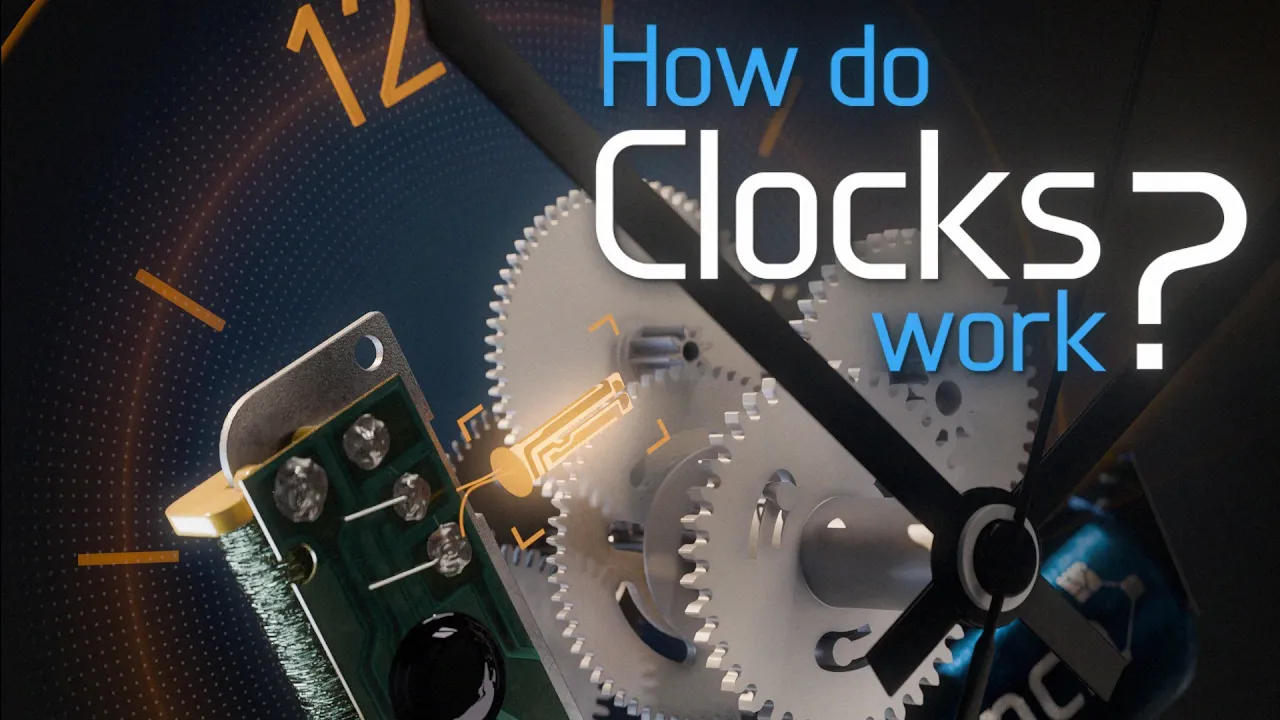
The converse piezoelectric effect, where applying an electric voltage causes mechanical deformation (as seen in quartz clocks and actuators).
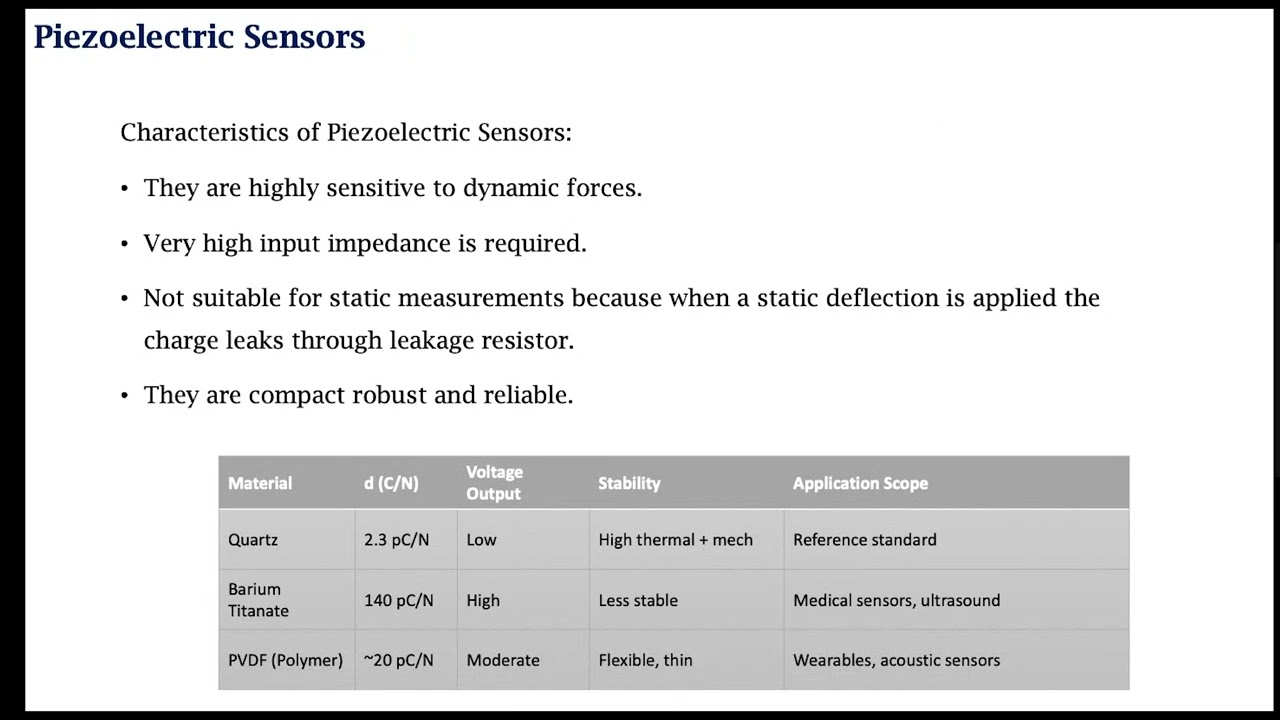
Advanced piezoelectric materials, such as PZT (lead zirconate titanate) ceramics and piezoelectric polymers like PVDF.
Engineering applications of piezoelectricity in sensors, sonar technology, medical ultrasound imaging, and micro-electromechanical systems (MEMS).
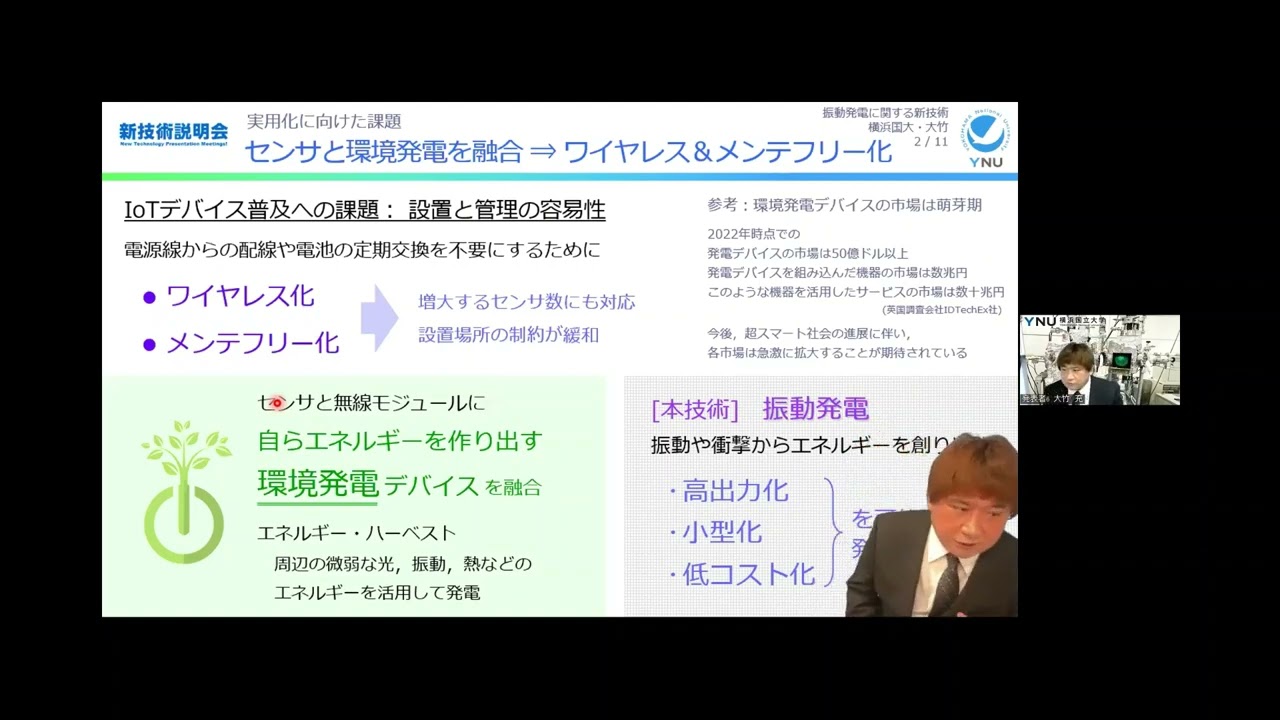
Energy harvesting technologies that utilize ambient vibrations to power low-energy electronic devices.
92.7K views3.6Klikes3:41Original Release: 2016-12-21
you're watching Keystone science and in today's episode we're going to show you how you can get electrical current out of a [Music] crystal first I'd like to show you guys some objects that you probably have around that utilize the piso electric effect if you don't know what this is this is a Christmas light fixer how the Christmas light fixer works is that when I pull the trigger a little Hammer strikes a quartz crystal the action of striking the quartz crystal creates a high voltage Spike the high voltage Spike will be able to overcome the little shunt down there at the bottom of the bulb this allows a bulb with the broken filaments to still allow currents to pass through it now another common thing that I'm sure that all of you have interacted with that uses the piso electric effect are these as you can see whenever I pull the trigger there's a little spark inside of there that spark is enough to ignite the gases to therefore light the flame now I'm going to go ahead and take this apart so I can show you guys the piso electric effect that can generate the flame okay so now we can open it up and see what's inside of this thing anyways let's go ahead and pull this out as you can see here there's a little cell with these two wires sticking out of it what happens to ignite the flame with this P electric generator is that the black one is going to be connected to this metal frame that goes up while the white wire is going to be connected to the line that carries the fuel and so this way when you start releasing the fuel it'll create a spark right up next to it to ignite the flame okay so here I have the generator completely taken out now watch these two wires when I squeeze the button as you can see every time I push down the hammer a little spark is created so you're probably wondering to yourself now why does exerting Force onto a crystal make electrical current a common Crystal to use for the piso electric effect is quartz quartz's chemical formula is sio2 as you can see they arranged themselves into a hex now the Silicon atoms have a net positive charge while the oxygen share a net negative charge now keeping in mind with these charges if the crystal gets pushed in this way then the shape will more likely resemble this and the top will have a net positive charge while the bottom will have a net negative charge now instead if I were to take this Crystal and pull out on it like this it would generate more of this shape now based off of this Arrangement the top would have a net negative charge while the bottom would have a net positive charge and so that's why when the crystal struck you can see the quick burst of energy now there are many more uses for the petric effect in a previous episode we showed how you can make your very own speaker and how the sound was generated by the oscillation of current this is a piso electric buzzer it uses the exact same principle except for instead of exerting the mechanical energy we're giving it electrical energy and it's giving us the mechanical energy of the vibrations and so if I take a frequency generator like this one that we made in the previous episode I can connect it up to the Crystal and now when I flip it on you can hear the tone as I change the frequencies buzzers like this are extremely efficient on their energy usage in fact just barely I was giving it less than 10 milliamps however the best thing about these piso Electric buzzers is that unlike speakers they can vibrate at very high frequencies and so for that reason things like ultrasound are done using quartz crystals in the piso electric effect okay so here I have the piso electric Crystal hooked up to my oscilloscope as you can see the piso electric Crystal turns any small vibrations into voltage okay so on this iPad I have a function generator pulled up and watch how well it follows the wave pattern given off and so just like that when we give the crystal an oscillating mechanical energy it gives us an oscillating electrical current as you can see even when I'm giving it a rough Square wave pattern the pho electric Crystal Smooths it out to a nice cical wave so now you know what the piso electric effect is in some of its applications thank you all so much for watching the video If you enjoyed it and learned something new I'd really appreciate it if you'd leave a thumbs up and if you'd like to see my weekly science videos go ahead and hit the Subscribe button they'll show up in your subscription Newsfeed next week I want to try utilizing the skin effect that high voltage AC current gives in order to safely Pass High Voltage through my body so if any of you have any knowledge about this or any advice I'd really much appreciate it as I can't find anything on the internet so guys remember to be safe and have a wonderful day you're watching Keystone science and in today's episode we're going to show you how to generate hydrogen using a little bit of chemistry
Up Next
6:05
Radiation Units Explained: Gray, Sievert, and More
@SciShow
342.1K views•2019-09-12
16:48
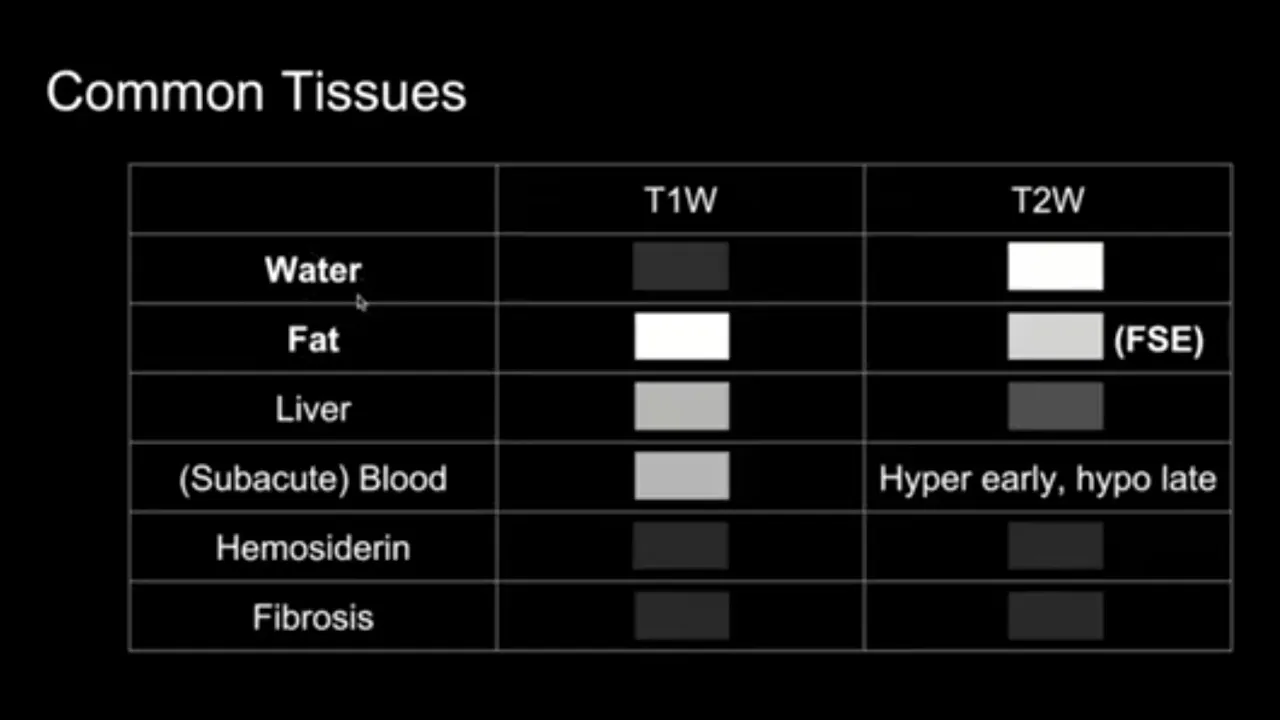
MRI Basics: T1 vs T2 Relaxation and Tissue Contrast Explained
@navigatingradiology
101.8K views•2022-02-27

32:32
NMR Spin Physics I: Zeeman Effect, Resonance Condition & Larmor Frequency
@nptel-indianinstituteofsci8064
2.3K views•2024-01-17

27:14
Entropy and the Second Law of Thermodynamics Explained
@veritasium
27.5M views•2023-07-01
Related Study Plans & Knowledge Roadmaps
Structured learning paths in Physics
physics
Medical Physics: Imaging, MRI & Radiotherapy
01Foundations of Radiation and Matter Interaction
02X-Ray Imaging and Computed Tomography (CT)
03Magnetic Resonance Imaging (MRI) Physics
+ 3 more learning modules
15h6 modules
Explore Roadmap
physics
Nuclear Physics (Decay, Fission & Reactors)
01Atomic Structure and the Binding Force
02Radioactive Decay and Half-Life
03Nuclear Fission Mechanics and Chain Reactions
+ 2 more learning modules
12h5 modules
Explore Roadmap
physics
Soft Matter (Polymers, Colloids & Rheology)
01Foundations of Soft Matter & Thermal Forces
02Polymer Physics and Macromolecules
03Colloids, Surfactants, and Self-Assembly
+ 2 more learning modules
38h5 modules
Explore Roadmap
physics
Analytical Mechanics: Lagrangian & Hamiltonian
01Mathematical Foundations: Calculus of Variations
02From Newtonian Mechanics to Constraint Dynamics
03The Principle of Least Action & Lagrangian Mechanics
+ 3 more learning modules
28h6 modules
Explore Roadmap