




![시간이 지나면 자체 회복하는 플라스틱?! 플라스틱의 진화! (한국화학연구원 오동엽 박사) [플라스틱 1/2]](https://i.ytimg.com/vi/-ljae7hOvnM/hqdefault.jpg)















Laboratory experiments demonstrate that copepods, which are filter-feeding zooplankton and a crucial component of marine food chains, can accidentally ingest microplastics while feeding; this ingestion reduces their natural food intake (such as algae), potentially affecting their energy availability for growth, movement, and reproduction, and raises concerns about microplastic transfer up the food web to larger marine organisms.
Do Zooplankton Eat Microplastics? Lab Experiment
Added:Understanding the marine food web structure, specifically the role of primary producers (phytoplankton) and primary consumers (zooplankton/copepods).
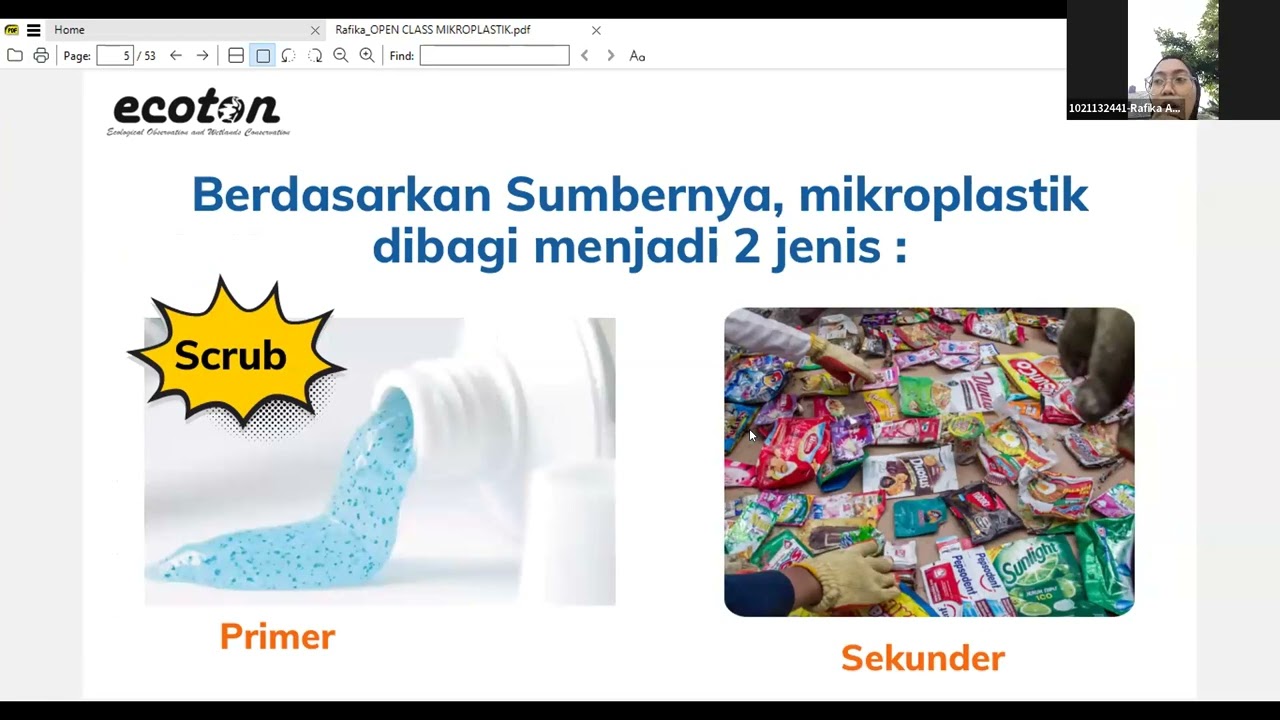
The definition and origins of microplastics, including the distinction between primary and secondary microplastics.
Basic feeding mechanisms of zooplankton, particularly filter-feeding and selective versus non-selective feeding behaviors.
The concept of bioaccumulation and how toxins or non-nutritive materials can build up within an individual organism over time.
The mechanism of trophic transfer, exploring how microplastics move from zooplankton to higher trophic levels, such as fish and marine mammals.
The physiological impacts of microplastic ingestion on marine organisms, including energy depletion, reduced reproduction rates (fecundity), and developmental delays.
The biogeochemical consequences of microplastics on the marine carbon cycle, specifically how contaminated zooplankton fecal pellets affect the carbon sink (the biological pump).
Current ecotoxicological methodologies used to measure plastic pollution impacts in marine environments and the policy frameworks aimed at mitigating plastic waste.
8K views140likes6:22Original Release: 2015-07-03
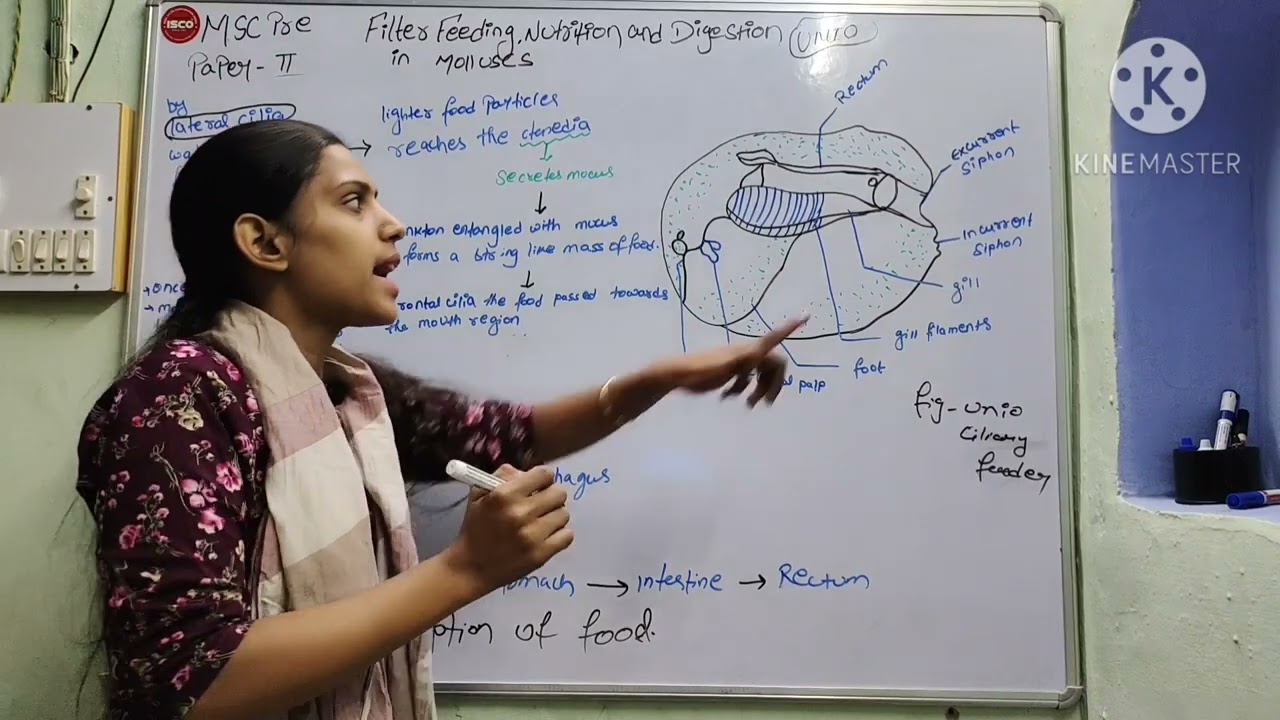
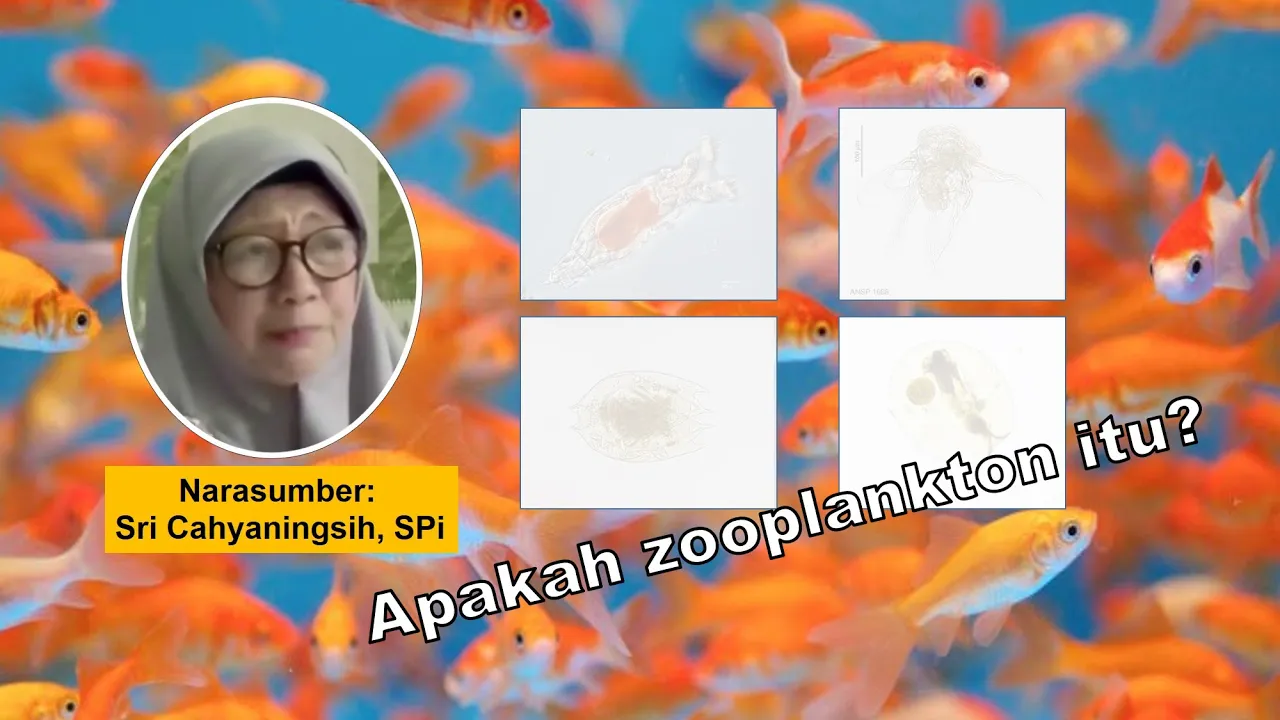
[Music] this is our research lab at X2 University where we're looking into the impacts of microplastics on a number of marine animals including Zoo Plankton but also other species like muscles and crabs now we've learned from our fieldwork that microplastics do occur in really large numbers in the same parts of the ocean as Zoo Plankton but what we couldn't tell from these samples was whether the zo Plankton are actually eating these microplastic particles our samples just got too messed up in our Nets to be able to see what was going on so it's really important that we complement this fieldwork with controlled laboratory experiments where we can look at these questions in much more [Music] detail the type of zoo Plankton that we're studying in particular are Copa pods now these are really cool little Crustaceans a bit like tiny shrimp and they're important cuz they're present in vast numbers in our oceans they're actually one of the most dominant species on the planet they're also really important bottom of the food chain food source which lots of other species like fish and whales rely on for their food now Copa pods are filter feeders what that means is they have appendages on their feet which are like giant Combs which they used to C food out of the water but what we're really interested in is whether this feed feing mechanism means they might accidentally be sifting out Plastics as well as their food and therefore accidentally eating them whenever we're doing science in a laboratory it's really important that we start with a hypothesis that's based on our existing knowledge of what we're trying to test in this case our hypothesis is copap pods eat microplastics then we design our experiments around this hypothesis to carefully test it one of the benefits of doing laboratory work as opposed to field work is that we can use controlled conditions to very carefully test the hypothesis that we're looking at and see things in much more detail we can also use sophisticated pieces of equipment such as high powered microscopes to give us much more detail of what's going on inside the copert when we're running experiments in a laboratory we can control for all the other factors that might affect the outcome of our experiments in this case environmental variables like temperature or food availability might influence whether the coper pods or the Plastics or not so we need to control these carefully so that they're the same in all of our experiments one of the other things that we can do in a lab experiment is use fluorescently dyed plastic particles this means we can see them much more clearly so we can actually tell if they're on the outside or the inside of the Copa pod when we look at them under a fluorescent microscope this means we can actually see much more clearly if the Copa pods are eating these plastic particles when we're designing an experiment it is important we consider where the experiment is a fair test one of the key ways to do this is to make sure our data is reproducible in other words would we get the same result if we repeated the experiment it is important to have a suitable number of replicates to make sure the result we get isn't just a oneoff so in this experiment I've prepared 10 bottles that each have exactly the same conditions so the same volume of seawater and exactly the same concentration of fluorescent microplastic beads we then add the same number of copap PODS to each Beaker and then next we transfer those bottles to a controlled temperature lab so that we can be sure the temperature of each bottle is the same after 24 hours we take the Copa pods out and preserve them we can then look at them under a fluorescent microscope to see whether they have microplastics within their guts since there was no variation in the response meaning that all of the Copa pods ate the plastic we were able to confidently accept our hypothesis that filter feeding copap pods can eat microplastics in lab conditions we then wanted to see if eating microplastics has any effect on how much normal food which in this case is algae the Copa pods are able to eat we tested this second hypothesis that eating plastic reduces natural food intake for this experiment we compared five control beakers containing just sea water and alal food but no plastic with five test beers with the same amount of sea water and algae but with microplastics added to the mixture coper pods were added to each Beaker put in a rotating Plankton wheel and then left for 24 hours and then we measured how much food that the coper pods had eaten within each bottle we found that if there were microplastics in the water the Copa pods were actually eating a lot less food than in the controls this is a really important finding as animals need food for energy which they in turn use for growth movement and reproduction our lab experiments have now shown very clearly that Copa pods and other Zoo Plankton will eat microplastics but we've also done work on other species like muscles and crabs that shows they will also eat microplastics in the lab we've even SE that you can get transfer up the food web for example a muscle that's eating Plastics will then pass Plastics onto the crab when the crab eats the muscle but we still have lots of unanswered questions for example what is the impact of these microplastics on the animals that's eating them does it affect their health at all we don't know this yet and also will the plastic particles pass all the way up the food chain to the seafood that we eat ourselves we still have lots of research to do to answer these questions for
Up Next
3:31
Gene Expression and Function: Knockouts & Reverse Genetics | MCAT Biology
@khanacademymedicine
312.9K views•2015-03-25
50:12
Bacterial Communication: Quorum Sensing and Biofilm Formation Explained
@JHUAAP
12.6K views•2011-06-28

5:35
Enteric Nervous System Explained: The Gut's Brain | Neurobiology Lecture
@alumniu6029
438 views•2018-09-12
7:08
Bacteriophages: Earth's Deadliest Killers and Future Antibiotics
@kurzgesagt
34.6M views•2018-05-13
Related Study Plans & Knowledge Roadmaps
Structured learning paths in Biology
biology
RNAi: Biogenesis, RISC & Gene Silencing
01Molecular Biology Foundations: DNA to Protein
02Introduction to RNA Interference (RNAi)
03Molecular Biogenesis of miRNA and siRNA
+ 2 more learning modules
10h5 modules
Explore Roadmap
biology
Mycorrhizae: Signaling, Biophysics & Ecology
01Foundations of Mycorrhizal Symbiosis
02Molecular Signaling and Root Colonization
03Biophysics and Bioenergetics of Nutrient Exchange
+ 1 more learning modules
11h4 modules
Explore Roadmap
biology
Circadian Clocks: TTFL, SCN & Periphery
01Foundations of Molecular Biology & Gene Expression
02Introduction to Chronobiology and Actograms
03The Core TTFL: Molecular Architecture of the Clock
+ 3 more learning modules
14h6 modules
Explore Roadmap
biology
Population Genetics: Math, Drift & Selection
01Genetic & Probability Foundations
02The Hardy-Weinberg Principle and Baseline Models
03Mathematical Modeling of Natural Selection
+ 3 more learning modules
18h6 modules
Explore Roadmap