





















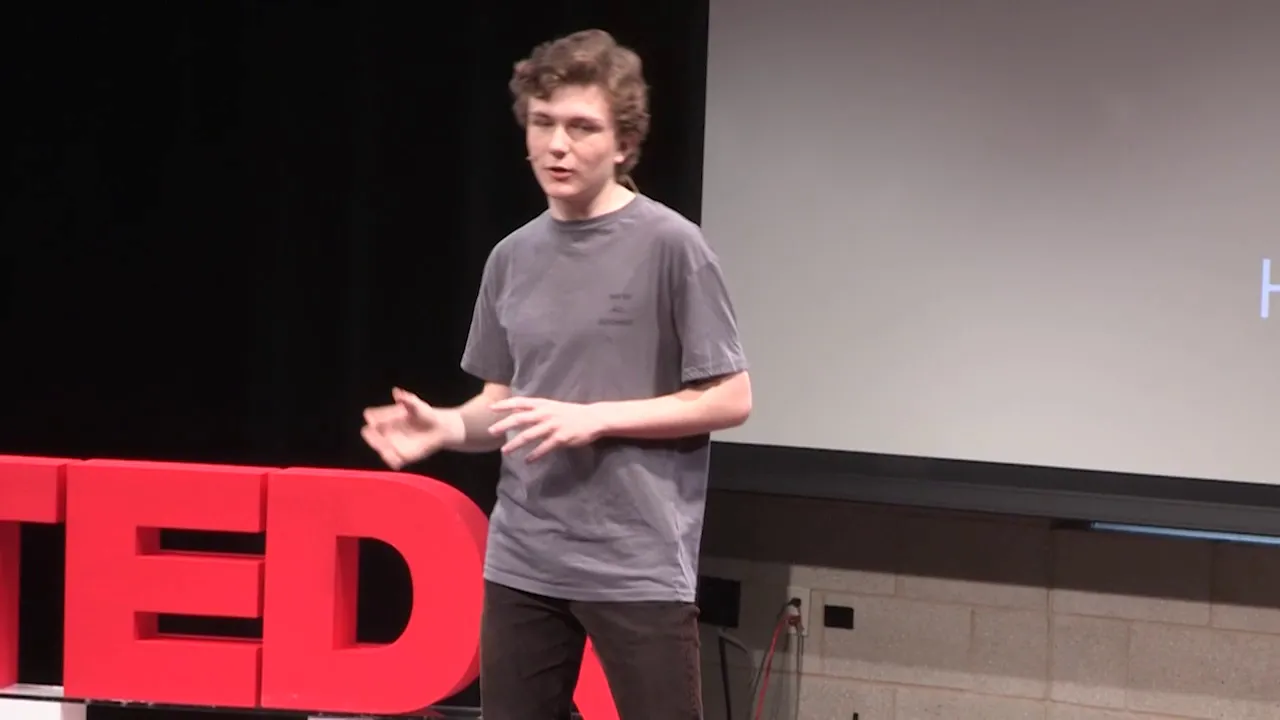


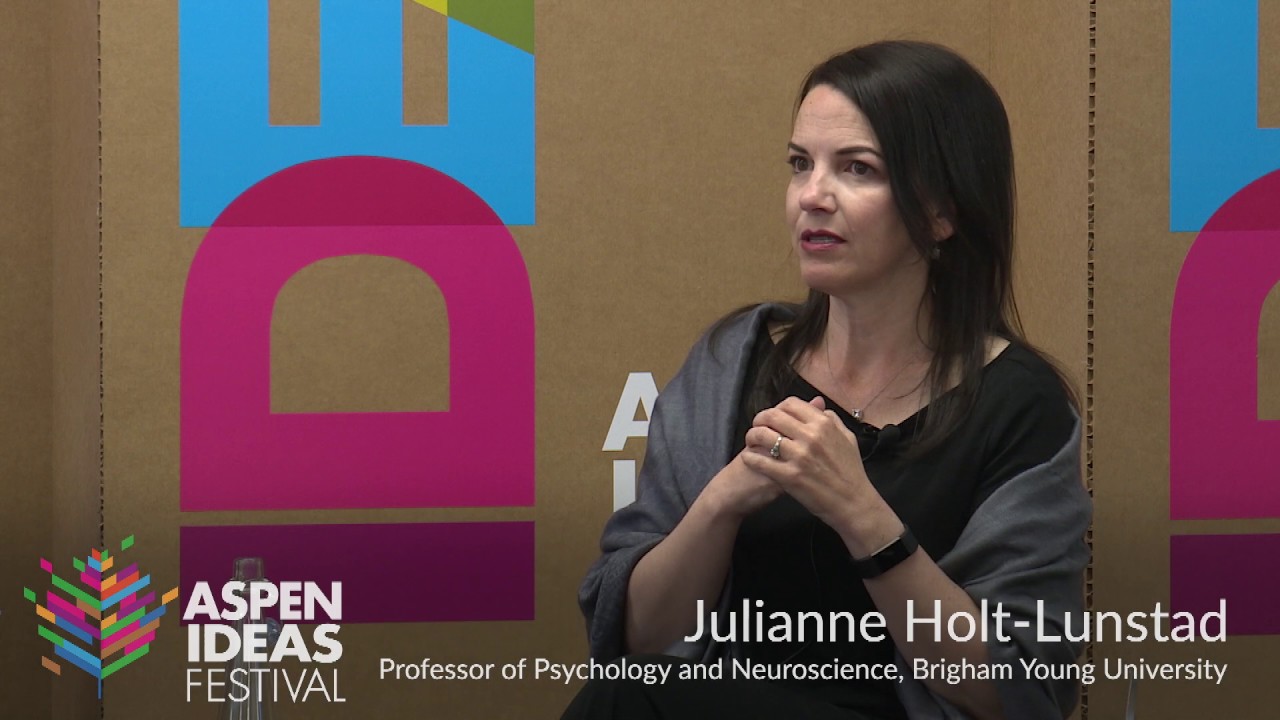


Hikikomori is a severe form of social withdrawal characterized by prolonged isolation from society, often stemming from excessive reliance on external validation and cultural pressures; however, this condition is not uniquely Japanese but rather a universal human experience that can serve as a necessary period of self-reflection and regeneration, ultimately requiring reconnection with others through courage and understanding to overcome shame and loneliness.
Hikikomori: The Psychology of Extreme Social Withdrawal and the Self | BBC Reel
Added:An understanding of collectivistic versus individualistic cultural frameworks, particularly Japanese societal expectations regarding academic and professional success.
Basic concepts in developmental psychology, specifically Erikson's psychosocial stages of 'Identity vs. Role Confusion' and 'Intimacy vs. Isolation'.
An introductory grasp of clinical psychological conditions such as social anxiety disorder, agoraphobia, and major depressive disorder.
The psychological definition of 'the self' and how self-concept, self-efficacy, and identity are constructed through social interaction.
Advanced therapeutic approaches for extreme withdrawal, including systemic family therapy and Japan's unique 'rental partners' (reintegration assistants) programs.
Comparative cross-cultural psychiatry, exploring how extreme social withdrawal manifests globally under different names (e.g., NEETs, Hikikomori-like syndromes in the West).
The role of digital technologies, online communities, and virtual worlds in both facilitating and mitigating prolonged physical isolation.
Public health and sociological strategies for addressing modern loneliness epidemics and restructuring community-level support systems.
17.9K views337likes7:48Original Release: 2022-12-28
it's very easy to leave life from the outside in [Music] especially when you've been doing that most of your life when you have gotten used to getting validation from outside of yourself you've gotten used to live in for approval foreign is a form of social isolation or social withdrawal it was described first in Japan by a Japanese psychiatrist it tends to be a more severe form of social withdrawal [Music] isolation withdrawing from people is a defense mechanism [Music] when someone is faced with some sort of stress or series of stresses we have to react and respond to that [Music] and one of the ways is to get away from it [Music] to literally move away from the source of stress [Music] it can be really hard to reintegrate and come back out foreign [Laughter] [Music] so you can't call somebody you have to be looking for you before you remember your mother okay it's not right hiki komori is gonna vary across country and community and culture and that speaks to the powerful influence of our families of our Social Circles of our social structures foreign whether it's a pressure or a reaction from those around us that will affect how each person lives through the experience of hiki komori lately I've become accustomed to the way the ground opens up and envelopes me each time I go out to walk the dog oh the broad edged silly music the wind makes when I run for the bus thank you things have come to that [Music] what if it doesn't work out [Music] it's almost that needing that validation [Music] it's needed it from someone outside of themselves if I don't have it from here then do I really have permission to go ahead and pursue what it is that I want one of the benefits of taking the time to reconnect to yourself is you're going Within and you're asking yourself questions that only you have to answer because it's coming from you it is your truth and it's very hard to hear that when you're around a lot of the noise and now each night I count the Stars and each night I get the same number and when they will not come to be counted I can't goals they leave [Music] nobody sings anymore [Music] and then last night [Music] I tiptoed up to my daughter's room and heard her talking to someone and when I opened the door there was no one there only she on her knees peeking into her own floss and get up [Music] for individuals that don't feel like they're following the socially approved trajectory it can be incredibly stressful talking with the family members there's this incredible reluctance and shame that is often there and as time passes loneliness builds the antidote to shame is connection we are wired for connection Community is such a massive pillar for human flourishing that is where your support network comes from shouldn't have to come from to people having the same experiences it comes from someone being able to enter another person's reality connect from that place it's very easy to get caught up almost molding yourself to fit into spaces that you might not necessarily belonging loneliness acts as a signal to the body to reconnect with people it takes courage to step forward and say I need help [Music] foreign it's great to develop regular practices whereby you're cultivating that relationship to yourself going within and then going outside but still being connected to self [Music] foreign [Music]
Up Next

42:43
William James: The Stream of Consciousness Explained
@Footnotes2Plato
5.5K views•2020-08-13

57:36
Sex Differences in Fear: Brain Structure and Behavior | Neuro Science
@NortheasternAlumni
437 views•2020-09-22

9:55
Thinking, Fast and Slow: Daniel Kahneman Animated Book Summary
@FightMediocrity
2.3M views•2015-06-05

6:40
The Nocebo Effect: How Beliefs Can Cause Real Harm
@CGPGrey
10.4M views•2013-12-23
Related Study Plans & Knowledge Roadmaps
Structured learning paths in Psychology
psychology
Parasocial Relationships (Psychology & CBT)
01Foundations of Parasocial Interaction
02Attachment Theory and Media Identification
03The Illusion of Intimacy in Modern Digital Spaces
+ 2 more learning modules
14h5 modules
Explore Roadmap
psychology
Neuroscience of Creativity: Networks & Training
01Foundations of Creative Cognition
02The Cognitive Neuroscience of Insight & Fixation
03The Triple Network Model of Creativity
+ 1 more learning modules
15h4 modules
Explore Roadmap
psychology
Imposter Syndrome: Etiology & CBT Framework
01Defining the Imposter Phenomenon
02Socio-Developmental Etiologies
03CBT Fundamentals & Thought Distortions
+ 2 more learning modules
15h5 modules
Explore Roadmap
psychology
Adult ADHD: Executive Dysfunction & Scaffolding
01Neurobiology of the ADHD Brain
02The Core Triad of Executive Deficits
03Executive Dysfunction and Emotional Regulation
+ 2 more learning modules
12h5 modules
Explore Roadmap