





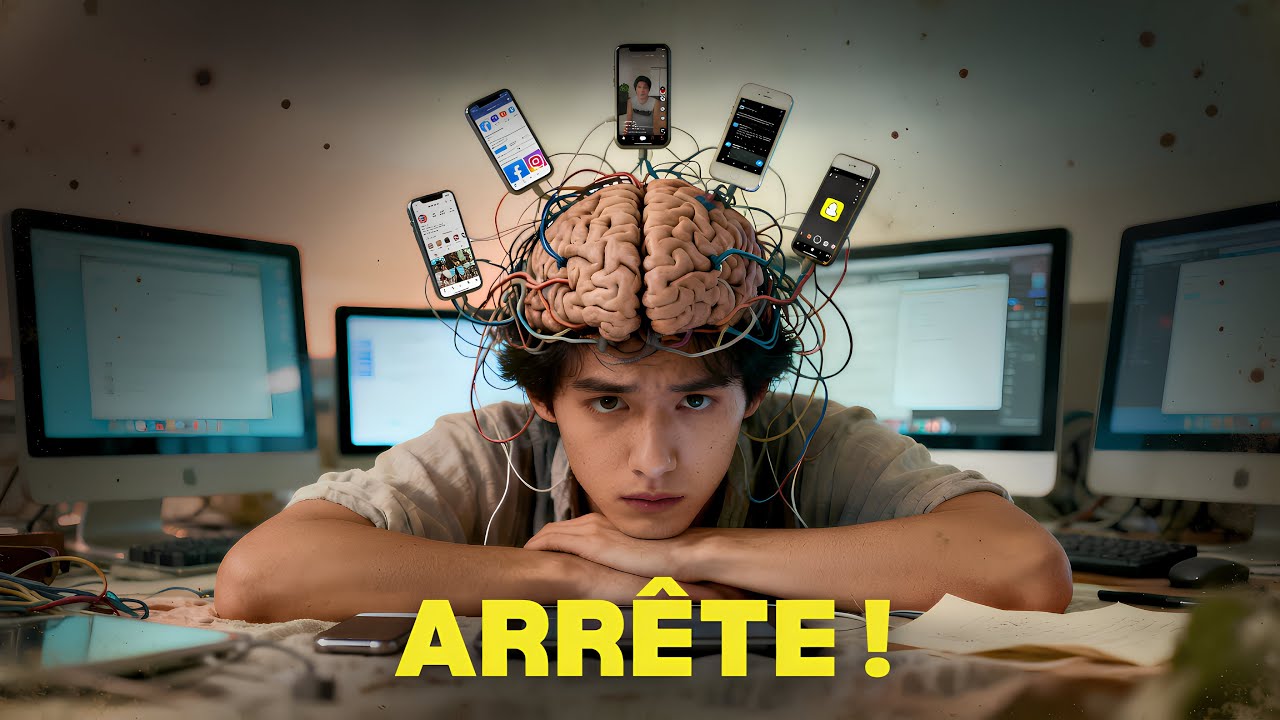









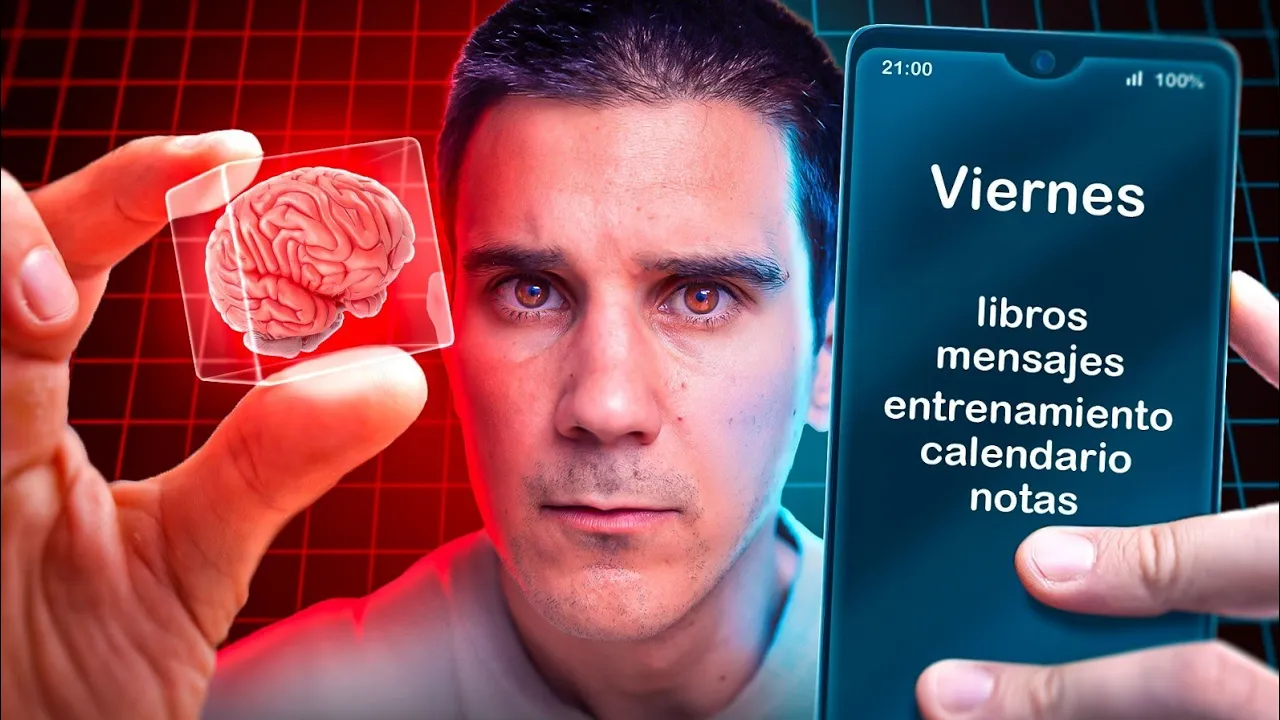










Smartphones have replaced the natural pauses and boredom that previously existed in daily life, which served important cognitive functions including self-reflection, problem-solving, and identity formation; these moments of disconnection allowed the brain to process information, make connections, and develop identity through real-world interactions that are now largely replaced by constant digital stimulation.
The Psychology of Phone Addiction: Boredom, Attention, and Lost Social Rituals
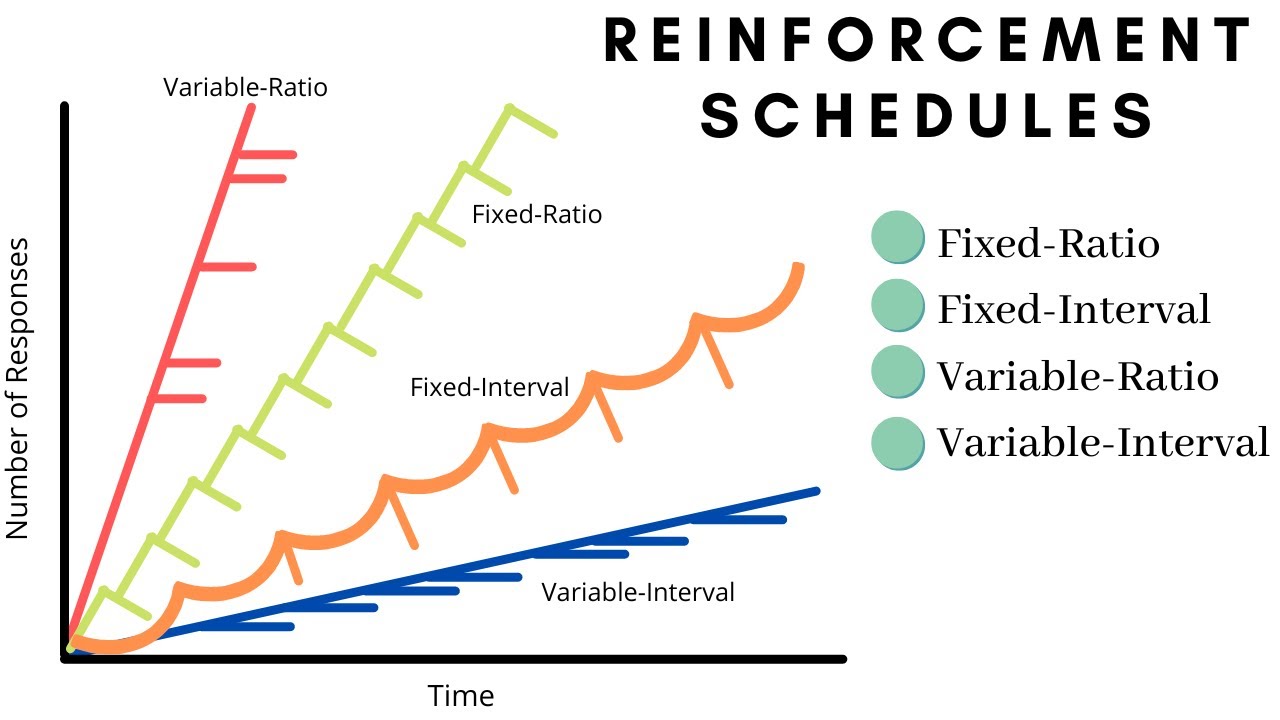
Added:Basic principles of operant conditioning, specifically variable ratio reinforcement schedules and how they drive compulsive behaviors.
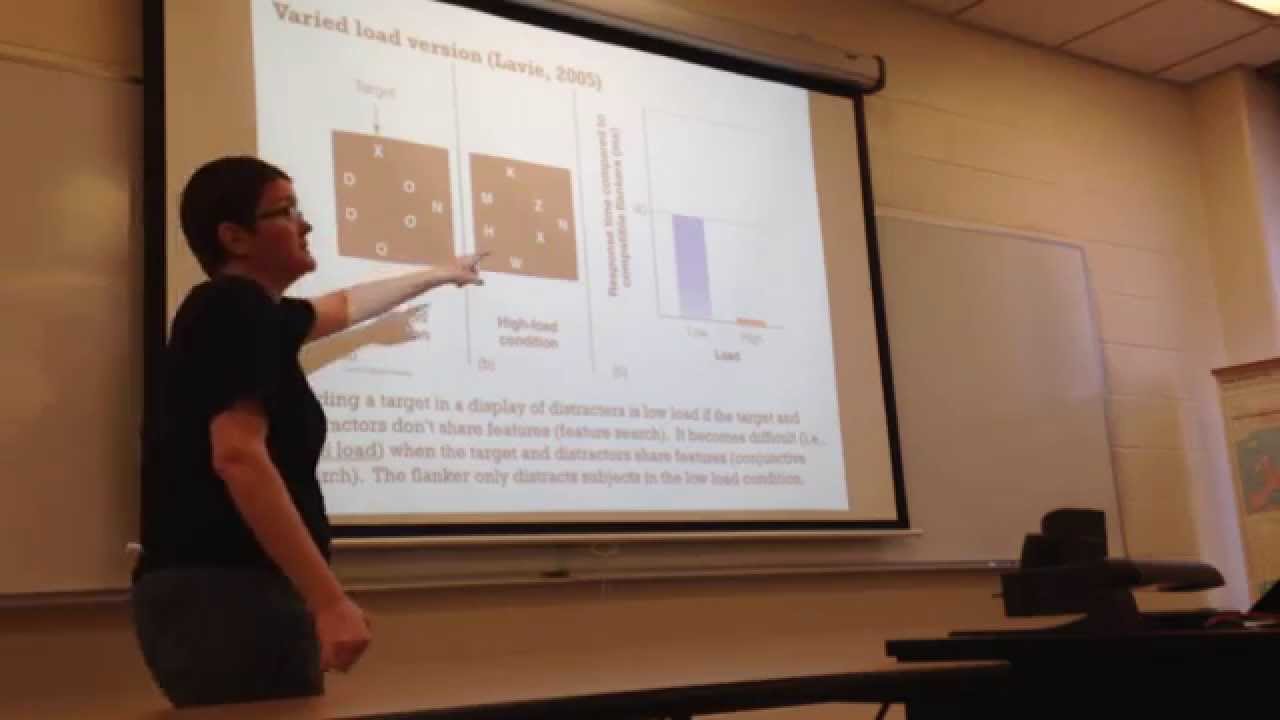
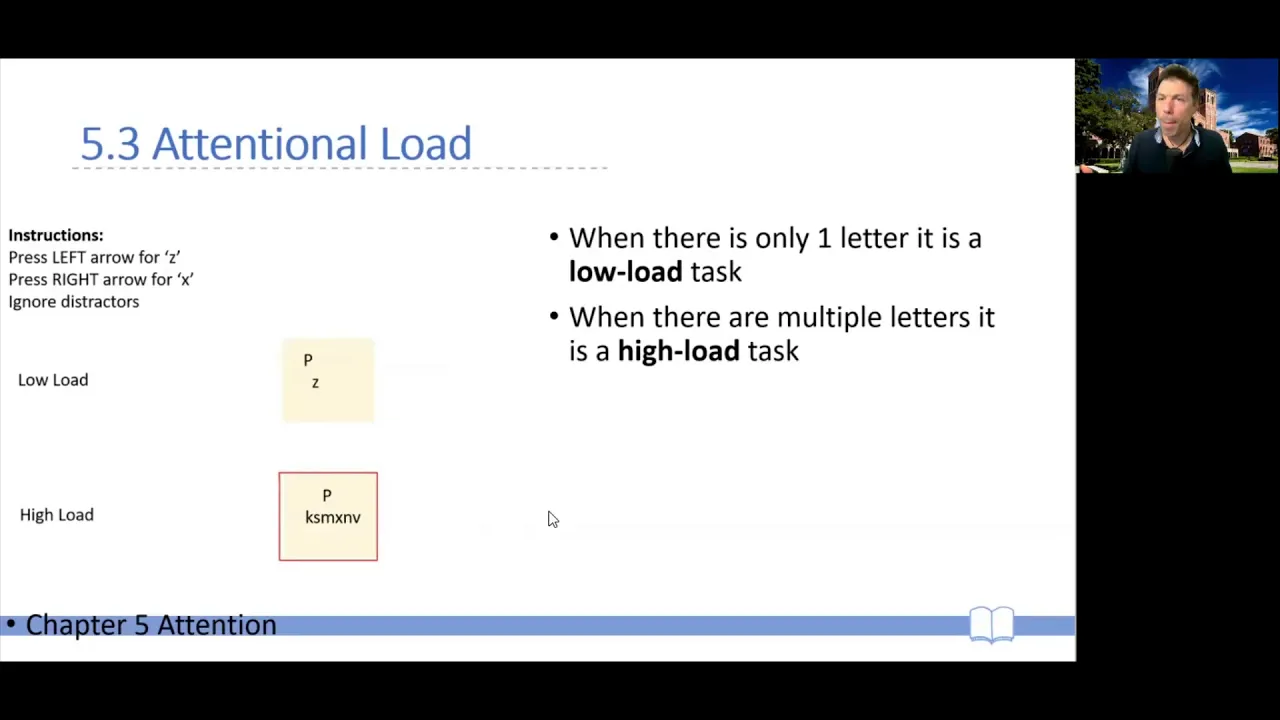
The cognitive science of attention, including concepts like selective attention, task-switching costs, and cognitive load theory.
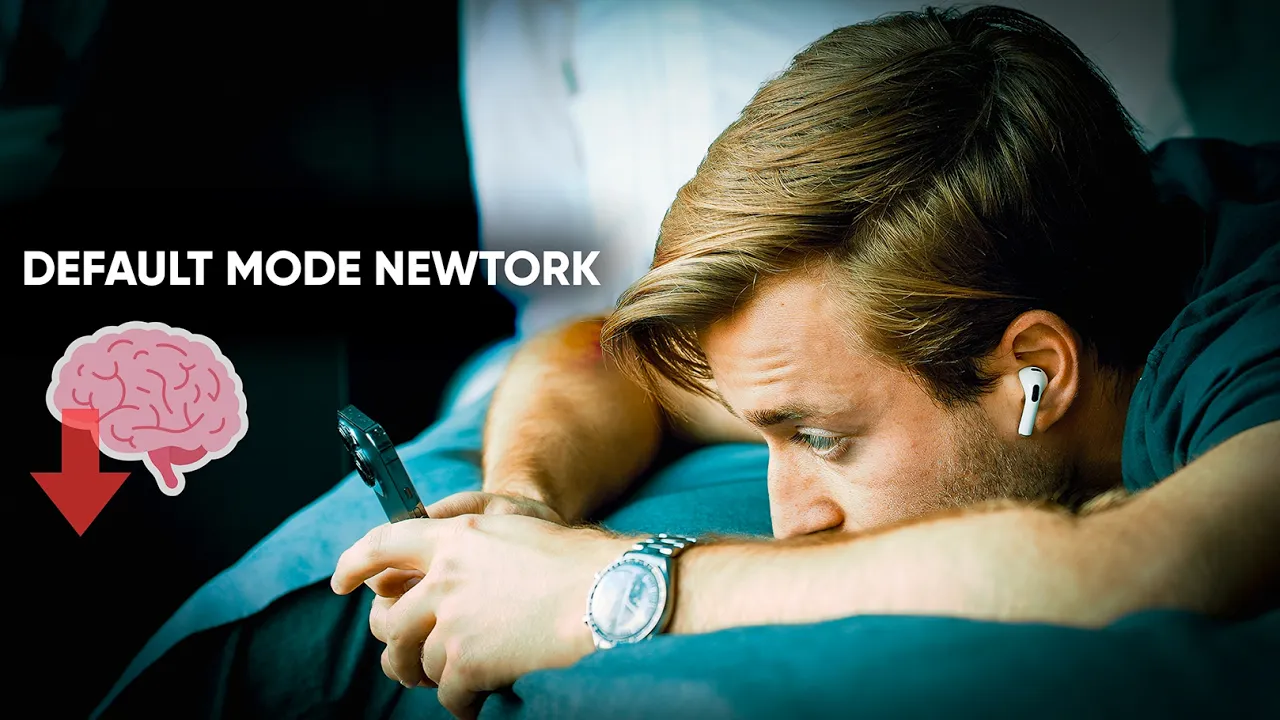
The psychological role of boredom and the 'default mode network' (DMN) of the brain in fostering creativity and self-reflection.
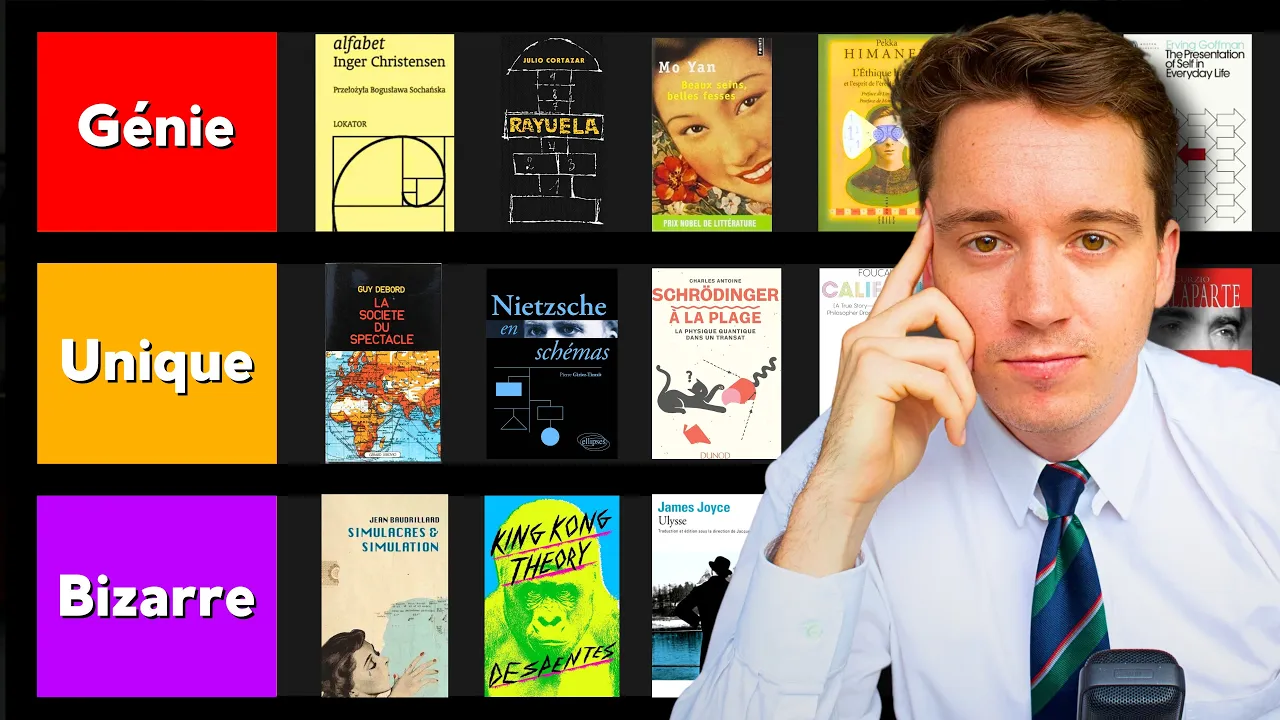
Sociological foundations of micro-interactions and face-to-face socialization, such as Erving Goffman's presentation of self in everyday life.
Persuasive design and 'dark patterns' in Human-Computer Interaction (HCI), focusing on how technology companies leverage behavioral economics to maximize screen time.
Attention Restoration Theory (ART) and clinical interventions for digital wellness, such as cognitive behavioral strategies for screen dependency.
The macro-sociological consequences of losing physical 'third places' and micro-interactions on public empathy and community cohesion.
Neuroplasticity and developmental psychology, specifically investigating how early smartphone adoption alters brain structures associated with memory and emotional regulation.
310 views24likes13:19Original Release: 2026-03-20
Think about the last time you checked your phone for no reason. You probably just did it.
Not for a notification, not a message waiting. You just reached for it.
That impulse might feel modern, like something phones invented, but it isn't.
That urge has been inside you your entire life.
It just used to have somewhere else to go.
Watch these people for a second, just going about their day, waiting, sitting, standing in line, no screens, no earbuds, nothing in their hands.
The new generation has a name for this.
They call it raw dogging. We just called it well, we didn't call it anything. It was just life back then.
For most of history, everyday life was full of small moments that quietly satisfied the same instincts your phone satisfies now.
Waiting in line, talking to strangers, sharing a story with people in the room.
Those moments didn't disappear. You just have this technological marvel sitting in your pocket that connects you to the entire world. So, when you're bored, when you have a question, when you want to connect with someone, when you want to connect with anyone, when you need anything, you reach for your phone.
30 seconds of scrolling and the feeling is gone.
Before phones, boredom sat with you. You thought through a problem. You picked up something you were working on.
Your mind went somewhere on its own.
When you have a question today, your phone answers it in seconds.
Before phones, that question might stay with you for days. You asked someone.
You looked it up.
You waited.
This isn't a video about how back then was better. Some of what phones replaced needed replacing.
Instant answers are genuinely useful.
Being reachable matters. Having the world in your pocket is not nothing, but we lost something. And one of the things it took, most people can't put their finger on it.
It's not a feeling. It's something that was working inside all of it.
Watch till the end and you'll understand not just what you gained, but what quietly left when it arrived. Your phone didn't create these habits. It just replaced the parts of life that were already there.
Picture this.
Back then, you're waiting for someone who's running 15 minutes late.
No phone in your pocket, just a waiting room, fluorescent light, the sound of the room, nobody filling that space for you. That's not nostalgia. That's boredom. And your brain was doing something with it. Think about waiting somewhere today. A line at the store, a few minutes before a meeting starts, a red light. The phone comes out before you've made a conscious decision.
Before smartphones, waiting meant something different. You stared at the wall. You watched strangers. You listened to the hum of the room. Nobody filled those moments. They just sat there. And your brain, with nothing to do, started doing something on its own.
It wandered. It replayed conversations.
It solved problems you hadn't consciously decided to think about.
It made connections between things that had nothing to do with each other.
Boredom was the condition your brain needed to start thinking for itself.
Before phones, boredom lasted long enough for your brain to get somewhere.
Today, it lasts about 3 seconds.
And it wasn't just the waiting. It was everything that happened inside it.
Picture this.
You're next in line at the hardware store.
The man behind the counter has seen you before. He doesn't know your name, but he knows your face. He makes a comment about the weather. You say something back. He laughs.
You pick up your bag and walk out. That exchange took 20 seconds.
You didn't think about it again.
But something in you registered it.
In 20 seconds, someone saw you. You were in the world. You were accounted for.
You walked out knowing you existed.
There's another instinct your phone satisfies constantly.
You probably don't notice it because it happens dozens of times a day.
The quick check. The glance at notifications.
The small pull toward knowing whether anyone reached out.
Before phones, that same instinct played out in the physical world. Neighbors in doorways, coworkers in hallways, the person sitting next to you on the bus.
People talked to strangers constantly, not because they were more social, but because that's where the signal was.
Small conversations were how you knew where you stood. A nod. A smile.
Someone remembering your name.
Humans are wired to monitor social feedback, not occasionally, constantly.
Those micro interactions were how the world delivered that signal every day.
Now, the phone delivers it instead. Your brain still wants to know where it stands. It just stopped looking up to find out.
Think about what it used to take to share a photograph. You took the shot.
You finished the roll. You dropped it off.
You waited a week.
When you picked it up, you sat with those photos alone first, then you called someone and told them all about the pictures and the time you had.
Then maybe on a Sunday, you passed them around a room and people asked questions about what you did and what you saw.
They lean in. They say, "Who's that?"
And you tell the story of each one.
Those people listened to you. They remembered the story.
You see, before social media, people shared moments, too. They just shared them differently. You came home and told the story at dinner. You described it to a friend. You held up a photograph to someone standing in the same room.
The audience was small, and it was real.
You could see their faces. You knew when it landed. That feedback wasn't a number. It was a person. The instinct underneath all of it was the same one that exists today.
I was here.
I saw this.
I want someone to know.
Sharing used to mean a room full of people who knew your name.
Now, it means a number going up.
There's something else the phone quietly replaced, the way people found their people.
Identity didn't used to form online. It formed in rooms.
Record stores where the staff knew what you were looking for before you did.
Garages where four people were figuring out how to play the same three chords.
Diners where the same group showed up every Saturday morning.
Finding your people required proximity.
It required showing up somewhere. And because it was hard, when you found them, they meant something. And they tested you a little, not cruelly, but they needed to know if you were real.
Whether you actually knew the record.
Whether you'd read the book. Whether you'd shown up when it mattered. You had to earn your place. And because you earned it, you knew it was yours.
That's how identity used to get confirmed. Not by an algorithm deciding you fit the profile. By people looking you in the eye and deciding you belonged.
Today, the scale is completely different. You can connect with thousands of people who share the same interest.
People you never would have found in any garage or record store.
That's a real thing. That's genuinely new.
But something changed in the transaction. You don't know who you're actually talking to. You can't see their face. They can't see yours.
And when you can't see someone's face, something loosens. People say things they would never say standing in a room.
Not because they're bad people, but because the screen doesn't show them the effect. There's no flinch, no pause, no moment where they see what their words just did.
The cold blue light doesn't carry emotion in both directions. So, you get more connections and less accountability.
More reach and less consequence. A bigger community and a harder time knowing if any of it is real.
The feed learns what you respond to and starts delivering more of it.
Your identity assembles quietly through content and fandoms and corners of the internet you didn't know existed 6 months ago.
Subcultures used to form in garages and record stores.
Now they form inside an algorithm that knows you better than most people in your life.
If you're watching this and you remember both of those worlds, you didn't need this video to tell you something changed. You felt it happen and somewhere along the way you were told that noticing the difference meant you hadn't kept up.
That's not what it meant. What it really meant was you were paying attention.
Here's the last one.
And it might be the one you feel most.
There used to be silence built into the day.
Not silence you chose, silence that just existed. Driving somewhere alone, walking a few blocks, sitting in a waiting room with nothing to read. Those weren't productive moments. They weren't supposed to be. They were the spaces between things. And in those spaces, without anything to listen to or scroll through, your mind did something it rarely gets to do now.
It settled. It processed the day. It sat with something that was bothering you until it became clearer. It noticed things.
That quiet wasn't empty. It was doing something.
For most of history, the brain had quiet time built into the day whether it wanted it or not.
Now silence lasts about as long as it takes to unlock your phone.
Your phone didn't invent the need to be entertained.
It didn't invent the need to belong or to be seen or to find people who think the way you do.
Those instincts are old.
What changed is where they live now.
For most of human history, those needs were satisfied by the world around you.
The people in the room, the silence on the walk home, the stranger on the bus who caught your eye.
The phone didn't change what you are.
It just removed the resistance that was shaping you. The waiting, the effort, the space between wanting something and getting it.
That space had a function. It was doing something with you the whole time.
If this one stayed with you, there's another one right here that I think you'll want to see next. And if you haven't subscribed yet, do that.
This is the kind of thing I keep coming back to. What we lived inside, what quietly changed, and what it's worth understanding now.
I'll see you in the next one.
Up Next

36:49
From Subculture to Aesthetic: How Internet Trends Evolve
@gremlita
1.1M views•2023-08-07

12:54
Triumph of Orthodoxy Icon: Byzantine Art & History Explained
@BenCallan
2.1K views•2024-08-06

9:49
FastAPI vs Flask vs Django: Choosing the Right Python Web Framework
@TechWithTim
302.5K views•2024-05-26

1:42
Game of Thrones Opening Credits: A Cinematic Analysis
@gameofthrones
46.3M views•2011-04-18
Related Study Plans & Knowledge Roadmaps
Structured learning paths in General & Interdisciplinary Studies
general-studies
Elevator Engineering: History, Physics & Cities
01From Hoists to Safety Brakes: The Dawn of Vertical Lift
02Hydraulic vs. Traction: The Engineering Physics of Elevators
03Modern Speed, Safety, and Algorithms
+ 2 more learning modules
12h5 modules
Explore Roadmap
general-studies
Rubber: Material Science, History & Geopolitics
01Origins of Natural Rubber & Mesoamerican History
02The Chemistry of Natural Rubber & Vulcanization
03The Geopolitics of the Rubber Boom & Colonization
+ 2 more learning modules
12h5 modules
Explore Roadmap
general-studies
Containerization: Evolution, Logistics & Trade
01Ancient Trade & Bulk Cargo: Amphorae to Barrels
02The Industrial Revolution & Cardboard Packaging
03The Containerization Revolution: Malcom McLean
+ 2 more learning modules
12h5 modules
Explore Roadmap
general-studies
Textile Tech: Evolution, Labor & Global Impact
01Pre-Industrial Textiles: Handloom & Cottage Industry
02Mechanization: The Spinning Jenny to the Power Loom
03The Factory System & Global Labor Transformation
+ 2 more learning modules
10h5 modules
Explore Roadmap