




















The proliferation of '-core' aesthetics (like Cottagecore, Dark Academia, and Health Goth) and 'girl' aesthetics (like Tomato Girl, Sad Girl, and Hot Girl) represents a fundamental shift from traditional subcultures to rapidly commodified internet aesthetics, where digital algorithms and corporate interests accelerate the absorption of niche cultural movements into mainstream consumer culture, transforming organic creative expressions into marketable trends that prioritize aesthetic performance over authentic community building.
From Subculture to Aesthetic: How Internet Trends Evolve
Added:The sociological definition of 'subculture' (such as the Birmingham School of Cultural Studies) and how youth subcultures historically resisted mainstream culture.
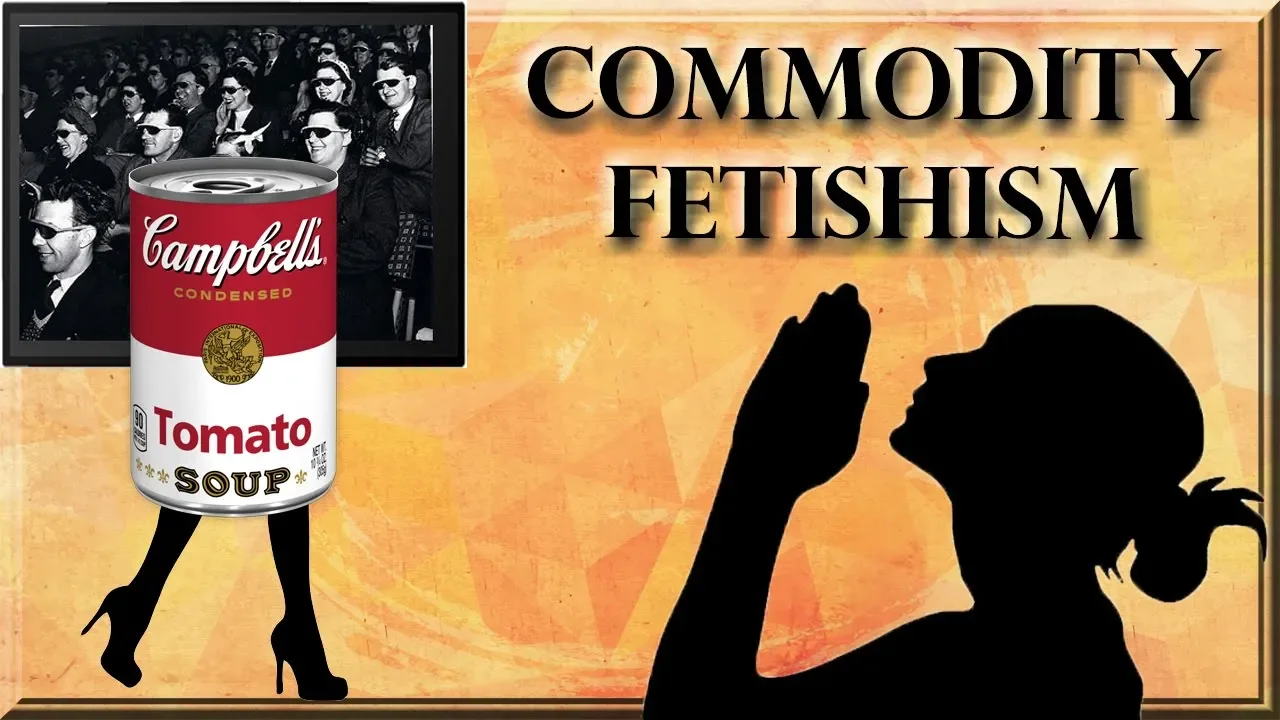
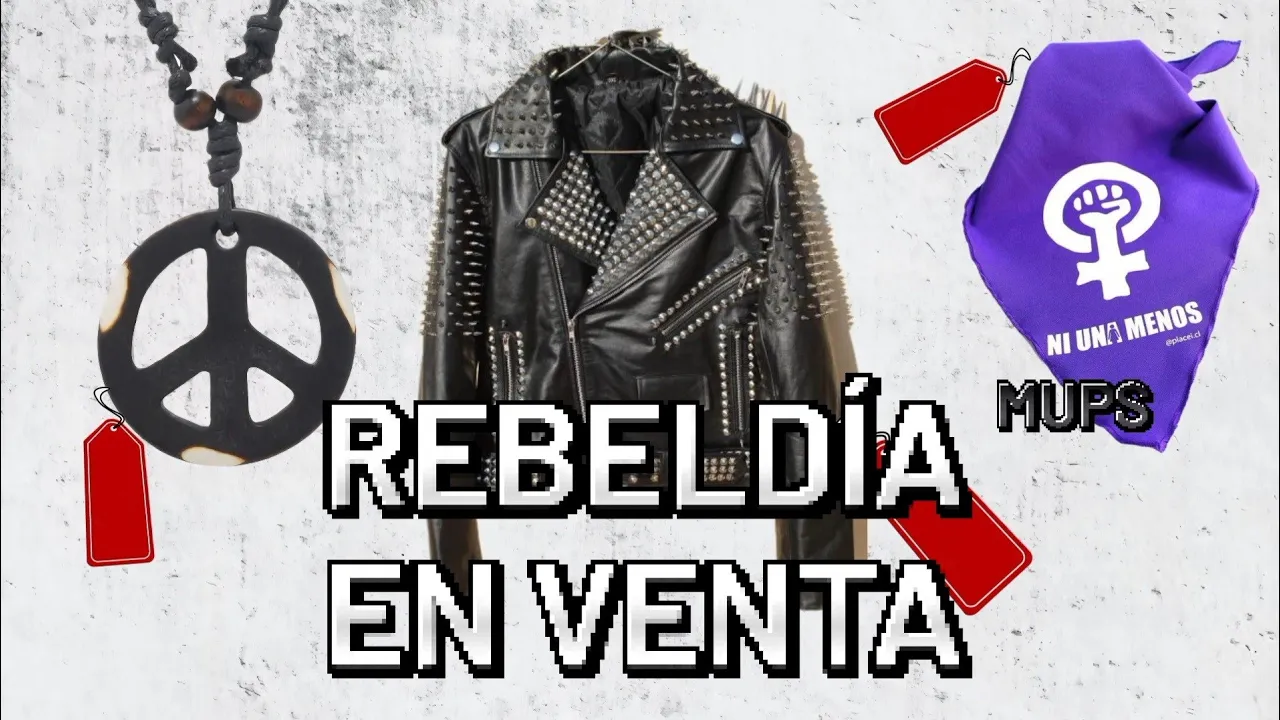
The concept of 'commodification' in cultural studies, specifically how capitalism absorbs, commercializes, and neutralizes niche or rebellious cultural movements.
The historical definition of 'monoculture' and how 20th-century mass media (television, radio, print) created widely shared cultural touchstones.
A basic understanding of platform capitalism and algorithmic curation, specifically how social media feeds (e.g., TikTok, Tumblr, Instagram) personalize and distribute content.
Jean Baudrillard's theory of Simulacra and Simulation to analyze how digital 'aesthetics' exist as copies without originals, divorced from physical reality.
The environmental and economic impacts of accelerated 'micro-trend' lifecycles, focusing on hyper-consumerism, fast fashion, and the waste crisis.
Feminist critiques of gendered digital trends (e.g., 'girl dinner', 'clean girl', 'coquette') and their relationship to performative identity, labor, and domesticity.
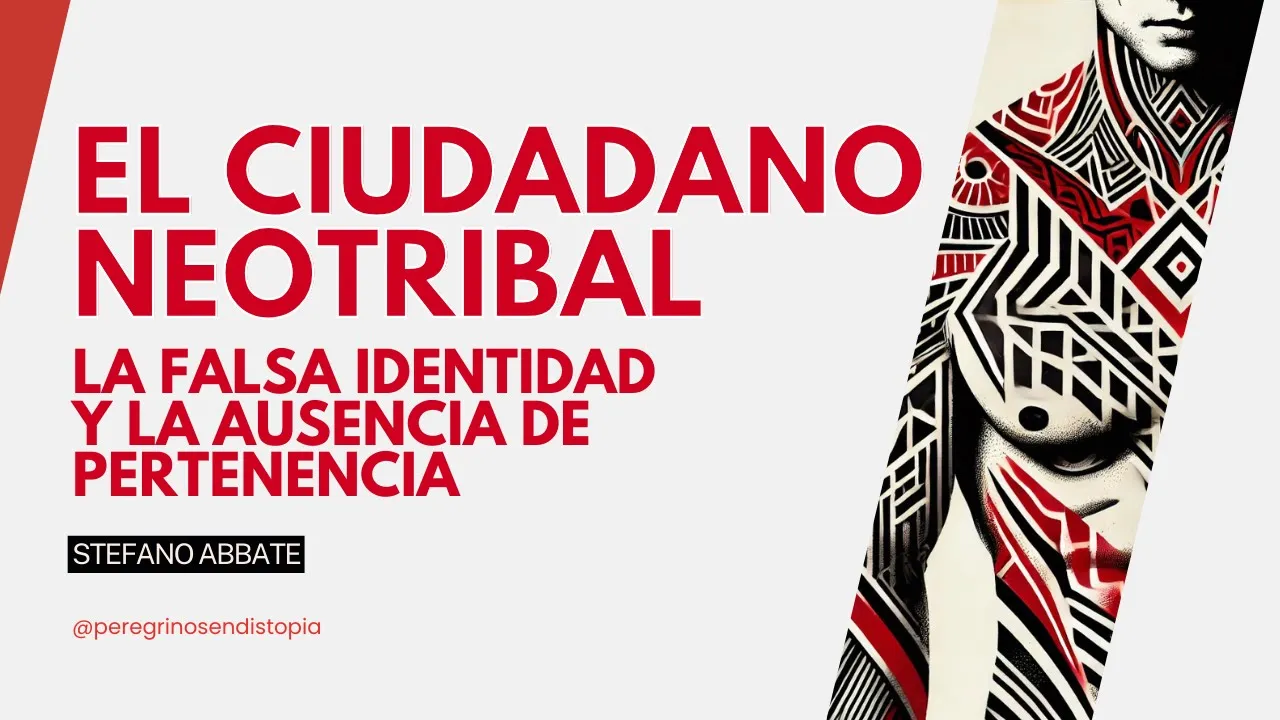
The sociological concept of 'neo-tribalism' to investigate how modern online communities form fleeting, aesthetic-driven alliances rather than permanent subcultural identities.
1.1M views49.2Klikes36:49Original Release: 2023-08-07
- This video is brought to you by Squarespace, an all-in-one platform for building a brand and growing your business online. Hello, my beautiful doves. My name is Mina.
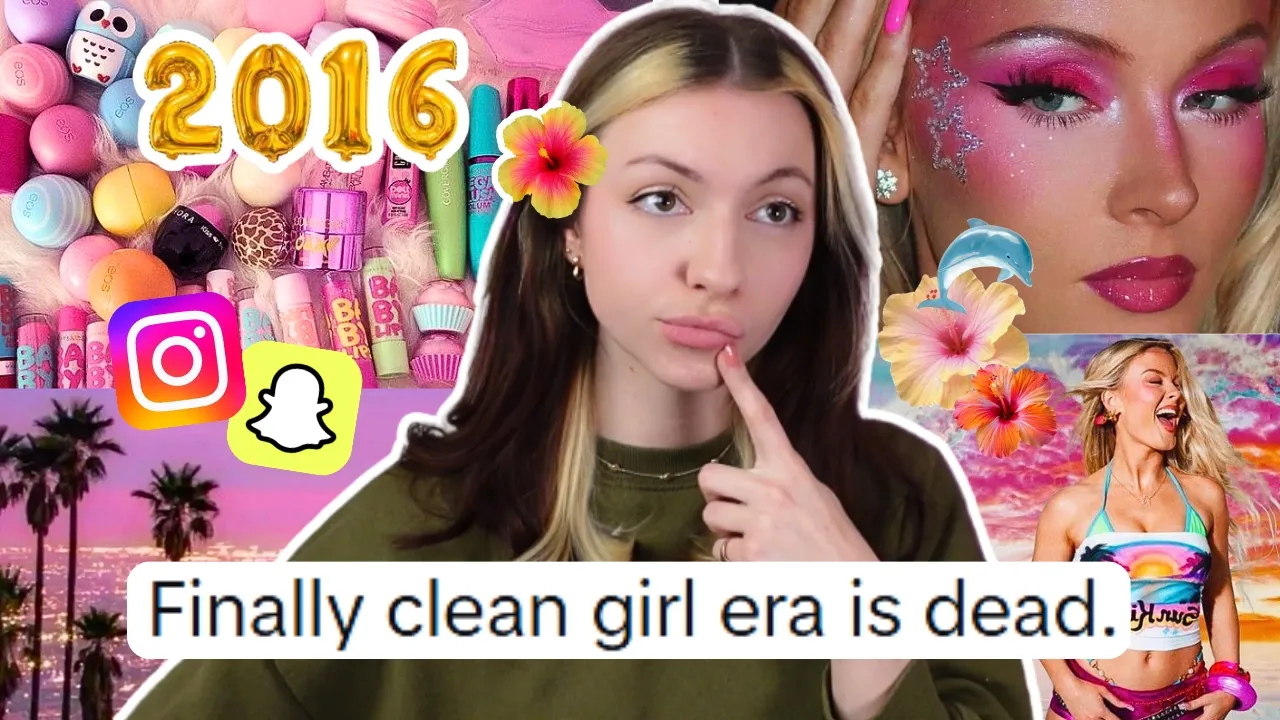
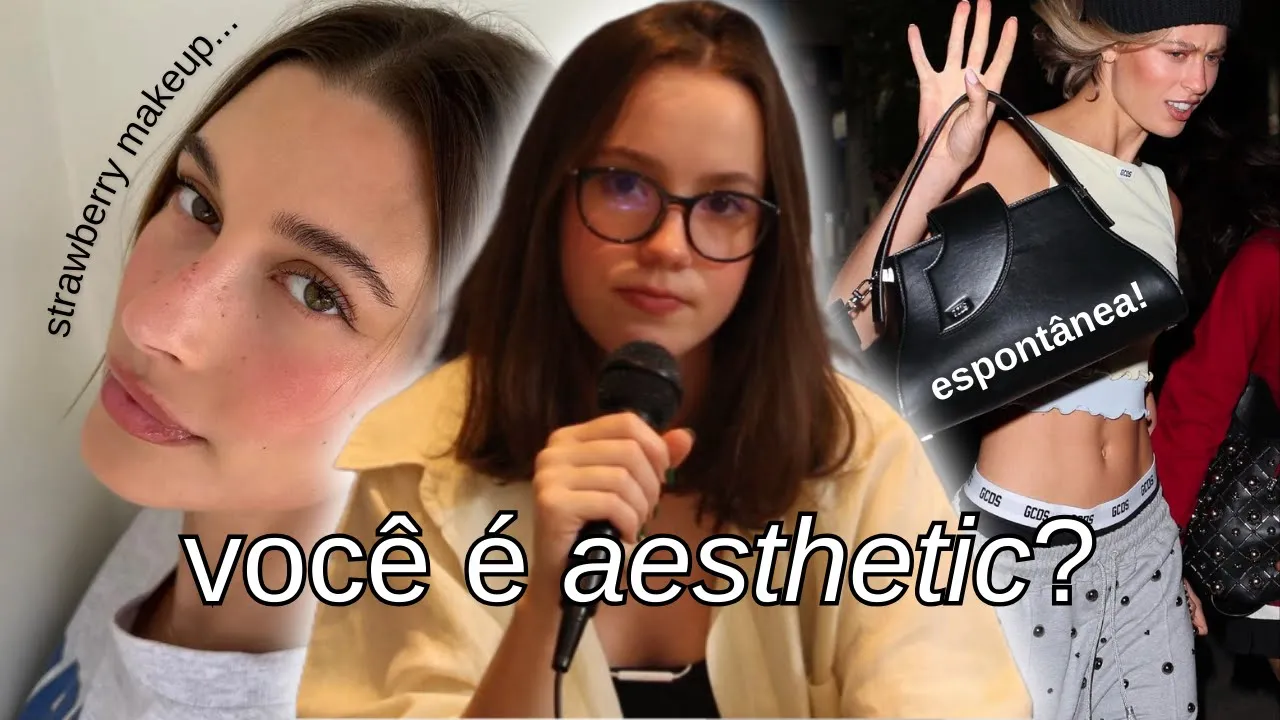
How are you doing? Today's video is gonna be on aesthetics. So I've been wanting to talk about aesthetics for a while because I've made a couple videos in the past talking about certain aesthetics and I think in 2020 when most of the videos that I made came out, 2020 and 2021, we just saw like a boom in different aesthetics. We saw like Cottagecore, dark academia, Clowncore, Goblincore, like Barbiecore, like all these different cores. And then I feel like since 2022, the number of aesthetics that have come out have kind of petered off and we just don't talk about them in the same kind of way. We still see a bunch of publications promoting things like mermaid core and blueberry milk nails. I wanted to talk about that kind of shift between 2020 to now, and even going back beforehand with the idea of subcultures and differentiating subcultures and aesthetics. Yeah, oh my God. So much to talk about today. So let's just get started. Thank you Squarespace for sponsoring this video.
Squarespace is a fantastic platform to help you build the website of your dreams for both desktop and mobile optimization. They have tons of pre-made templates, color palette options, font types, and extra customization to make your website uniquely you. Squarespace also has powerful built-in analytics so you can track who's visiting your site and more with page views, traffic sources, time on site, most read content, audience geography, et cetera. You can also present your work using Squarespace's professional portfolio designs.
Display projects in customizable galleries, and add password protected pages to share private work with clients. Check out squarespace.com for a free trial and when you're ready to launch, go to squarespace.com/minale to get 10% off your first purchase of a website or domain.
First, I wanna address what is a subculture. Merriam-Webster defines it as an ethnic, regional, economic or social group exhibiting characteristic patterns of behavior sufficient to distinguish it from others within an embracing culture or society. In fashion, subcultures evolved organically around a shared interest in a style of music, literature, art or political idea, and usually developed among youth groups. Some 20th century subculture examples include the Bright Young Things from the British interwar period, the 1940s West Coast Hepcat and Chuco subcultures, fifties and sixties beatniks, mods and rockers, teddy boys and hippies, seventies punk rockers, rude boys, new romantics and hip hop, eighties goth and skate punk, nineties emo and grunge, 2000 scene and bohemian bourgeois among so many others. As an academic area, subcultural theory was established in the 1920s by sociology professors of the Chicago School who are interested in investigating the occurrence of delinquency or crime. Thus, their research mostly focused on immigrants, black Americans and the working class. Much of the research was focused on men, no surprise there, but a lot of femme-centric subcultures were not considered threatening or taken seriously enough to be researched by academic and journalistic institutions. Also, the rise of the concept of the teenager coincided with the development and understanding of youth subcultures, and most sources cite the 1920s as the early origin of subcultures as a concept, solidifying and becoming part of cultural conversation in the 1940s through fifties. In the 1940s, the word teenager was used as a marketing term because companies recognized that young people were becoming their own marketing segment that had a lot of spending power. But interests that differentiated them from adults. Then in the mid sixties, the Birmingham School emerged to analyze the new working class youth subcultures such as teddy boys, mods, skinheads and rockers in post World War II Britain. They argued that working class subcultures were evidence of symbolic resistance to the mainstream consumption imperative of capitalism. But you know, despite these radical beliefs, the actual resistance movement was quite fleeting. To the scholars, resistance was merely symbolic because there were no subcultural career paths that these kids could transition into, and so I don't know, it kind of like remained stagnant as this movement.
It didn't alter the lives of any of these working class kids in any kind of like economic way. This might be true for some subculture members, but NYU professor Gregory Snyder has taken issue with the Birmingham school's theory. He spent years studying how skate and graffiti subcultures have become self-sustaining and published a book, "Skateboarding LA: "Inside Professional Street Skateboarding". He likens skate and graffiti culture to being industries and explains how skaters, writers, graffiti artists are able to monetize their alleged deviance while still self-identifying as members of a subculture. A lot of subculture styles are resistance styles in the way that they challenge the mainstream. However, nowadays, the mass media and the rise of fast fashion have limited the ability of young people to use their clothes as the tools of a cultural revolution. As NEHR-EE-UH RIV-RAHL-TUH writes, The ubiquity and accessibility of clothing have made it more difficult to make a statement with what you wear, and it is only becoming increasingly common for growing cultural movements to find themselves absorbed and monetized by mainstream institutions. Peter Watts wrote in a 2017 feature for "Apollo Magazine" that there have been no unique youth tribes since emo and new rave in the mid-2000s. He writes, There's a sense that this ties in with the rise of the internet with a more interconnected society removing that need for intensely localized scenes which often coalesced around a single record or clothes shop or a particular club or band. The wide availability of music allows young people to explore sounds across genres and timeframes, which could also disrupt that need for a tribal identity. Another example of how those digital interconnectedness has led to a mix and match of subcultural elements is through the development of the Internet's unique form of speech, which is actually not that unique because it's very much co-opted from AVE. For example, words like fam were used by inner city black working class youth, and yas originated from America's black drag scene. Because these terms have been subsumed into internet speak, they are no longer indicators of a person's socioeconomic background. You could be a white woman from South Carolina and use ballroom lingo just because you watch "RuPaul's Drag Race", but not because you're actually part of this subculture.
- Yas, Queen, slay.
- Yomi Adegoke talks about this in her article, "Has the Internet Killed Subcultures" for "Vogue".
She writes, As we try harder than ever to differentiate ourselves from each other, elements of subcultures are increasingly coveted because of their connection to the fringes.
Traditional media incorporations are also like always looking for the next cool thing, AKA cool hunting, which usually means mining ideas from the youth and what they're doing. And the reason, youth fetishism has been a thing since like forever. American author Mark Twain noted that, Life would be infinitely happier if we could only be born at the age of 80 and gradually approach 18. Very Benjamin Button. And going back further, William Shakespeare dubbed old age as a hideous winter while Homer called it loathsome. Why do we care so much about being young? Well, for women it's usually because once you surpass the age of 25, you're told you're no longer desirable. But in general, youth as a concept represents freedom, possibility, rebellion, beauty, fitness and potential. It signifies a lack of responsibility and nonchalance towards consequences. It's also a period of innocence yet to be shattered by the brutal realities of having to actually make a living for yourself and paying taxes. Youth fetishism has also become even more prominent, I feel like, because of TikTok. So TikTok is a platform that's very Gen Z dominated, and it's also like very popular on that platform to dunk on Millennials, which has led a lot of members of older generations to either rebel against that and make cringey videos defending their right to wear skinny jeans, or it leads them to try to replicate Zoomers behaviors and fashion choices to maintain their own sense of coolness. Adegoke goes on to say, The cycles of niches eventually being subsumed by the mainstream has happened over generations, but the internet has sped this process up at an unrecognizable rate. These days before subculture has fully formed, it's already been co-opted. Combined with the rise of sample culture, different cultural touchstones are now a dress-up box for Gen Z. This new mix and match approach to fashion and music means we now have trends over tribes. But not everyone believes that subcultures have died off. "The Face" magazine published an article last year analyzing the different niche youth communities on TikTok. TJ Sidhu wrote for it: Rumors of the demise of subcultures are wangingly exaggerated. They're everywhere and you don't even have to look that hard or get off your arse to find them. They're in your very pocket posting stories on Instagram, selling stuff on Depop, shaking up the TikTok algorithms. And out in the real world, today's youth are occupying spaces of their very own, dressed like they belong to something you wouldn't understand. I think Sidhu brings up a really good point about the niche cultures that exist all over the internet, all over social media, but I also think it's interesting that there are people who refuse to call these niche communities subcultures. So let's dive into the reasons behind that.
Okay, there was lint all over my microphone and hopefully none of that got caught in the first part, but it is what it is. Similar to IRL subcultures, some of the earliest entirely internet born aesthetics were also driven by shared passion for music genres, synthwave, nightcore, seapunk, et cetera. If you're wondering about the core suffix, according to Aesthetics Wiki, the use of core as a suffix comes from the phrase hardcore, a word from the 1930s, meaning an irreducible nucleus or residuum, also a stubborn or unyielding minority. In those aesthetics that end in core, the suffix means that the main word is the theme of the entirety of the aesthetic, i.e, all of the images in Lovecore relate to love. Now I just wanna talk about a few of the internet aesthetics that impacted me on my side of the internet growing up. The Health Goth subculture, for starters. This subculture started in 2013 as a Facebook group by Portland based underground pop duo, Magic Fades', Mike Grabarek and Jeremy Scott, alongside artist Chris Cantino. The group posted images of high tech and exotically specialized sportswear with a sparse palette and other aspects of the so-called net art visual style. The creators of stated: We want to create art that references evolution and relate it back to subcultures. Things like bio-enhancement technology, anti-aging medication, and how it all feeds into the idea of pursuing perfection.
However, soon enough, the original philosophy behind the aesthetic was co-opted by the fashion industry, reported on by "The Guardian", "The New York Times" and "Marie Claire". I actually came across a "Cut" article back from 2014, and it was actually kind of mind blowing.
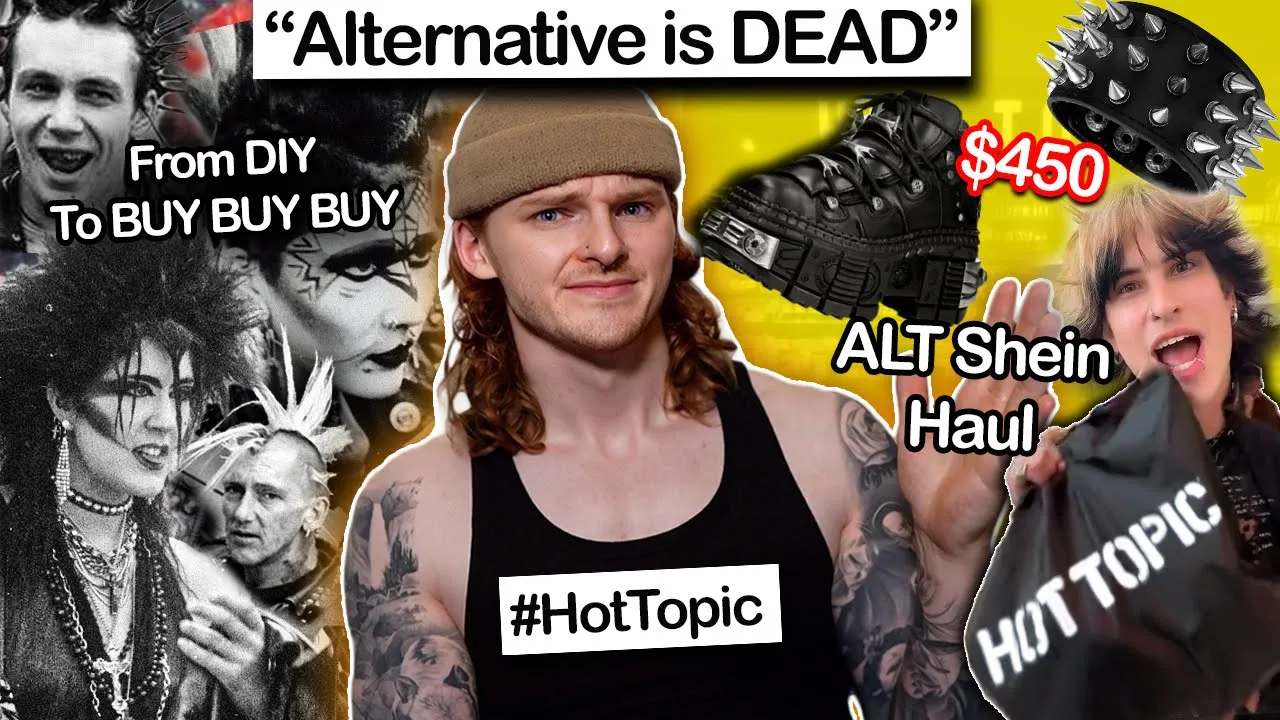
In it, the writer quotes the Portland based artist, Wyatt Schaffner. Schaffner said at the time: Health Goth created a proto narrative of returning to Paradise Lost by embracing mortality as a one world consciousness and devotion as means to deliver us from late capitalism. The "Cut" then proceeds to clarify for its readers: At its essence, wearing black, but also working out and eating right. It's having an appreciation for both Hot Topic and Equinox. And then suggests that to find Health Goths IRL, they're probably waiting in line for the Alexander Wang x H&M clap right now.
To be honest, the Health Goth Manifesto is kind of difficult to understand and I've reread those sections like over and over again and I don't really think I can simplify in a way that rings true to what the creators wanted. But I will say that it's definitely much deeper and more abstract and more political than shopping at Hot Topic and working out at Equinox. And overall it's just like crazy that of movement and aesthetic, if you will, that started as a critique against capitalism was co-opted into being something that promoted capitalism. And this is not something that is unique to Health Goth, like I feel like just in general, a lot of internet aesthetics, they started out as like organic, genuine, creative explorations and then were taken by corporations and disseminated to the masses as trends. Another example is Vaporwave. Vaporwave aesthetics, which include classical sculpture, anime, Fiji bottled water, Arizona Iced Tea, drug use, vintage advertising, and late 20th century computer hardware graphics were introduced through music visuals like the album art for the 2011 release, Floral Shop by Macintosh Plus, or the music video for St. Pepsi's "Enjoy Yourself". The first half of the name comes from the term vaporware, which is a corporate advertising term for products that are advertised for release, but are never actually intended to make it to market. For example, in 1993, Apple announced at the company's Mac World event they were developing a phone with BellSouth called WALT, short for Wizzy Active Lifestyle Telephone. However, only a few prototypes were produced before the concept was abandoned. The second half of Vaporwave comes from Karl Marx. In Marx's Communist manifesto, he states all that is solid melts into air. In this passage, Marx uses a sublimation or a waves of vapor metaphor to describe society's change in response to being subjected to capitalism.
So it's actually quite political. I don't know if you guys know, Karl Marx was very political.
As Scott Busham writes for "Esquire", the genre's name comes from these failed promises and through its music sort of offers up an alternative history of post-Cold War America. However, despite this, there were a lot of people who participated in the Vaporwave aesthetic without having any kind of like political affiliations. Honestly, like when I was on Tumblr in 2014 and when I first discovered Vaporwave, I didn't know that there was any anti-capitalist rhetoric going on. I just remember listening to that St. Pepsi remix thinking the song was like super retro. It was a bop, and I thought the graphics were cool, but I didn't really think that much deeper into it. And I will say that for Vaporwave because it started or like included a lot of music from the beginning, that people kind of were interested in it because they liked the music, not necessarily because they liked everything that was related to the aesthetic.
Yeah, does that make sense? I'm not trying to say that there were like no true Vaporwave artists.
I think that through Tumblr mostly and other kinds of social medias, I guess like Facebook, Pinterest, that the images were kind of muddled and people just sort of fell into liking this aesthetic without really recognizing what it originated as. A more concrete example of an online aesthetic whose political origins got muddled is the Art Hoe aesthetic. Art Ho was an internet born aesthetic from the mid 2010s invented on Tumblr by the users Mars and Jam.
The term Art Hoe was chosen as a form of like a reclamation, taking an offensive term and putting a positive spin on it for people who identify themselves. As such jam elaborated in a Tumblr post stating that the Art Hoe movement is all about true creative freedom for people of color, especially black women. As an aesthetic with a well-documented inception and creators, the visuals which include mustard yellow, stripes, impressionist paintings, plants, overalls and mom jeans, and its message, which was uplifting young women of color through collage style insertion into art made by old white men were clearly outlined from the start, but the look was soon copied and appropriated both online and by major retailers. Mars explained what happened: It was getting co-opted by this little group of skinny, frail white girls. To belong in their group, you had to have a hundred-dollar backpack, a $20 Japanese sketchbook, shit like that. When that came to my attention, we started to fight back and identify as a movement. So a lot of people, I think with these early online internet aesthetics, they might consider them subcultures because they did have like deeper meanings before they were kind of like co-opted by the internet, but what is the difference between a subculture and aesthetic? I think that's something we definitely have to address. And TJ Sidhu seems to imply that they're one and the same, but the difference between a subculture and an aesthetic is that, as Louisa Rogers wrote on her blog, Online aesthetics have little cohesion beyond a loose look and feel. I.e no physical locales to meet up in, no uniform musical taste, no unifying political ideology or worldview. Their power and influence is as fleeting as the content they beam out to us. But ultimately I think the major issue is that a lot of online aesthetics grow in tandem with being commodified. Like if you take a look at punk, which is clearly of subculture, it developed on its own first before it became commodified by corporations. But with a lot of today's internet aesthetics like Mermaidcore and Tomato Girl, they are introduced as they are still being developed because trend reporters are rushing to be the first people to cover them.
And yeah, essentially these aesthetics develop alongside industries, alongside markets which are trying to profit from them. They are sold to us as existing communities even when they're not. As Um, so I want to clarify that I think there are some aesthetic communities that actually function as actual communities, but it's rarer, and especially nowadays, because a lot of companies know that the term "aesthetic" is a buzzword, and is sure to generate some kind of press and attention, it's led to these aesthetics existing that are not actual communities that are just terms to help sell products.
As Terry Wynn writes for Vox, trends of the illusion of a trend benefit the fast fashion companies and direct to consumer brands making products that aesthetically align with such fleeting fancies.
They can also often act as major sponsors and advertisers for content creators and publications.
If you look at any fashion magazine online that is covering a trend, usually there's a section in the article on how to shop the look. Another theory of why subcultures have died is relating to the idea that the monoculture has died. Kyle Chayka wrote for Vox in 2019 about the death of the monoculture that I thought was a really interesting read and I think you should all read it if you have the time.
But monoculture refers to the omnipresent mass entertainment products like Marvel, Game of Thrones, et cetera. Chayka hypothesizes that, rather than having like one large mainstream monoculture in existence, algorithms have fragmented online species into taste communities.
For example, my TikTok algorithm may lead me to believe that everyone's watching the same TV show, everyone's listening to the same music, everyone's wearing the same things, and so I misguidedly except what I see on that platform as being the mainstream. But someone else's TikTok algorithm could show them completely different things that they accept as their mainstream. But my mainstream and their mainstream are two different things and therefore are not the objective mainstream. The results are, as Ana Andjelic, a brand executive who writes about the sociology of business says, You have so many taste communities, but they don't exist in opposition to anything. Culture has decentralized. The center, the mainstream has disappeared. As a result, I don't think that a lot of Zoomers feel the need to be in a subculture in the same way that older generations have had felt the need to before. Adegoke noted: For Gen Z, shaving your head and piercing your eyebrow is probably less rebellious than when your dad did it in the eighties. And as Ayesha Siddiqi wrote in a newsletter post, Gen Z is better able to treat culture as a playground with less self-conscious dissonance because it's not essential to their identity formation as it was for Millennials.
For them, digital is the mainstream and it's disposable. Being alternative doesn't have the same currency since it's an identity accessible to anyone. So as I mentioned, I feel like in the last year or last two years, there's just been a lot less aesthetic communities popping up in the culture, and I feel like a lot of it has to do with the fact there was such a boom in 2020. I mean honestly like 2020 was just like the year of trends. There weren't even just aesthetics that were popping up. There were also these micro trends. Thankfully I haven't seen many micro trends lately since 2020, 2021, but in 2020 we had the strawberry dress and the Hockney dress, and yeah, I just, I don't think there's anything that really rivals that anymore. Thank God because bad for the environment to have micro trends. At the same time, even though there's not a lot of like hype behind specific aesthetics, I don't think our culture has cared less about aesthetics. I think people still like to aestheticize their everyday lives, and I feel like aestheticizing your everyday life is a part of the Zoomer-Millennial motto to romanticize your life and to be the main character of your story. These mottos are probably a response to the turbulent political and social atmosphere of the past few decades or maybe a consequence of being raised by the internet.
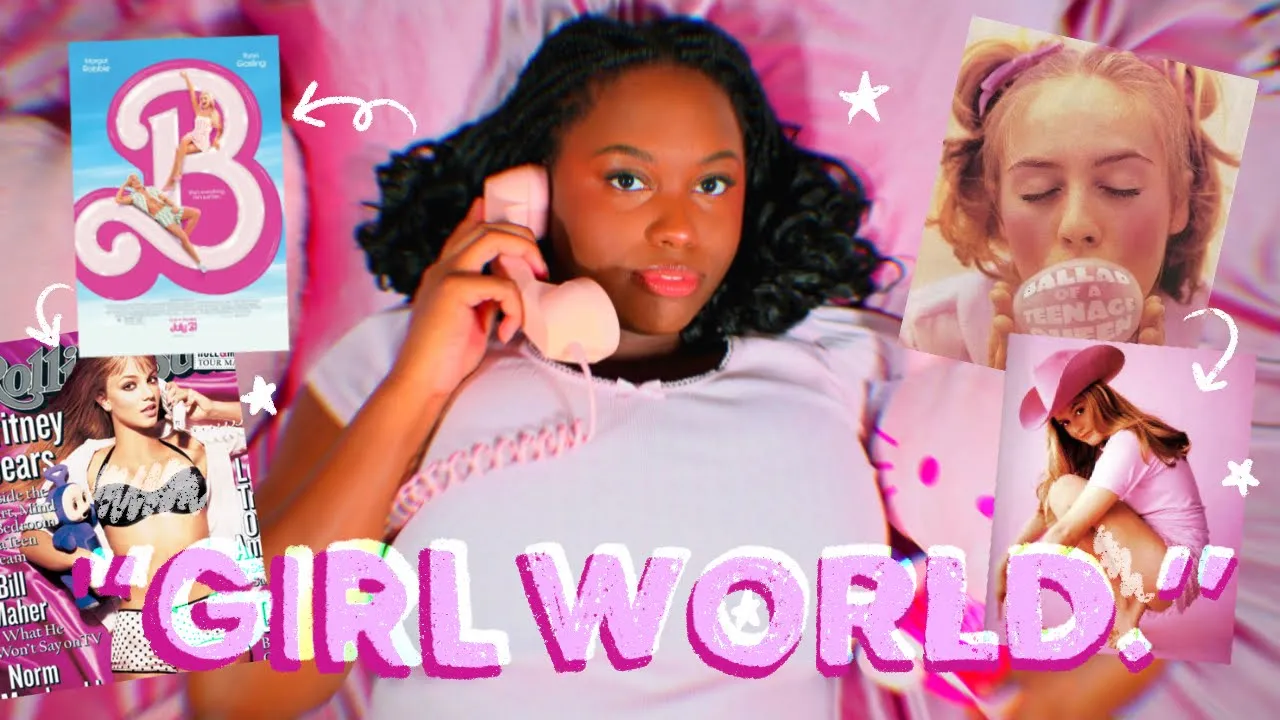
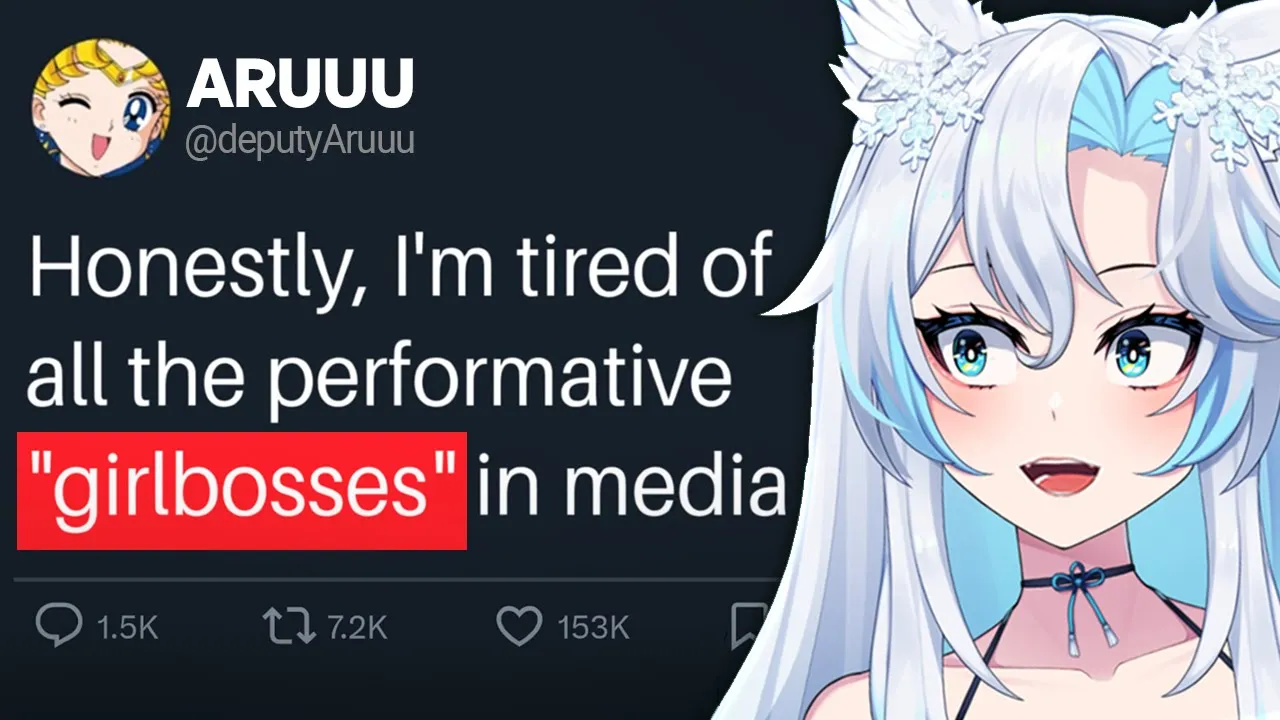
Though also, they're actively encouraged by coming of age films produced by Age 24 and Pinterest mood boards, which are both popular with Gen Z and Millennials. Romanticization is also part of aestheticizing and performing femininity. There are a lot of online aesthetics that partake in this girl naming convention. So for instance, that girl, clean girl, tomato girl, sad girl, is giving one fish, two fish, red fish, blue fish. More recently, the differentiation between types of girls has grown increasingly specific and abstract. On TikTok, there's been a trend of categorizing girls after fruits and vegetables. Blueberry girls, strawberry girls, onion girls, and the most popular tomato girls, as I mentioned. TikTok-er, Becky O'Connor, theorizes the reason is: Young people, predominantly girls, are yearning for identity and yearning for community. We're pushed more and more towards buying things and making buying things our identity. These trends predominantly focus around fashion and beauty standards, which are seen as being a feminine girly thing that you shouldn't describe a time to. I think also the idea that there's like a girl out there for everyone, there's a type of girl for everyone falls under this like personality quiz type of fun that a lot of people like to partake in. When you do a personality quiz just to find out which Disney princess you are, or what type of pizza you are. Buzzfeed created an entire like market for this kind of content back in the 2010s. TikTok-er, Nicollet Laframboi, has spoken of her support for these little labels.
I know there's some controversy about there being too many micro-aesthetics on TikTok.
I love it. I think it's cute. If it makes you feel whimsical and happy to be a tomato girl, then so be it. Beyond just like aesthetic communities, there's also behaviors and concepts that get aestheticized, feminized names like Hot Girl Walks and Girl Dinners. "The Dirt Newsletter" recently released a feature where they bring up the subcultural girl slang origins. They write: Mainstream internet culture funnels its supply of girl slang and irreverent girlhoods from the usual sources, black and queer power users. They're girls that get it and girls that girl refrains are like catnip to grown white women eager to languish in their own girlhoods.
Add to this the Girl Blogger class of meme page admins and internet custodians who have nurtured an ecosystem of hyper-feminine internet-cum-retail trends like eGirl, Coconut Girl and That Girl and recall the social internet's recent history of female domination and you get Girl Internet. Probably the first girl slang to make it mainstream was the Hot Girl Summer, which was coined by Megan Thee Stallion. In 2019, Megan explained what being a hot girl meant to her. She wrote, Being a hot girl is about being unapologetically you, having fun, being confident, living your truth, being the life of the party, et cetera. There have been rifts on Hot Girl Summer, like Feral Girl Summer, Rock Girl Summer, Corporate Girl Summer, all of which describe their own unique set of glamorized behaviors for the summer. Feral Girl Summer, which was coined by TikTok creator, Molly, is described as a season for raging to house music until 7:00 AM surviving off vodka sodas and waking up in the afternoon to have McDonald's for breakfast. Basically, it's living your best life without giving an iota of thought to the notion of propriety or self-care, a way to make up for lost time during the stultifying days of the pandemic and a refreshing perspective in an age where picture perfect green juices and Pilates routines are taking over our FYPs. Hot Girl Walks then rose to prominence on TikTok in 2021. Mia Lind, the TikTok content creator and creator of the Hot Girl Walk explains: The Hot Girl Walk is a four mile outdoor walk where you can only think about three things, things you're grateful for, your goals, and how you want to achieve them, and how hot you are. The mission of the Hot Girl Walk is to continue to unite and empower women through physical and mental wellness that's accessible to all. Getting dressed up and feeling your best is also very much a part of the Hot Girl Walk culture because when you feel great, you stand a little taller. Most recently we've had the concept of girl dinners going viral. The trend started when Olivia Mayer posted a video on TikTok extolling the virtues of a humble, medieval, peasant inspired assemblage that she called girl dinner.
According to the New York Times, a girl dinner is akin to an aesthetically pleasing Lunchable, an artfully arranged pile of snacks that when consumed in high enough volume constitutes a meal, or so the thinking goes. Typical girl dinners may include some kind of fruit, a block of cheddar, sliced salami, a sleeve of fancy crackers, and a dish of olives. Girl dinner is both chaotic and filling, as one TikTok commenter put it, requiring none of the forethought cooking or plating demanded by an actual meal. As another commenter observed, It's a no preparation just vibes.
Mayer explains the origin. I think the concept of girl dinner came to me while I was on a hot girl walk with another female friend of mine. We love eating that way and it feels like such a girl dinner because we do it when our boyfriends aren't around and we don't have to have what's a typical dinner, essentially with a protein and a veggie and a starch. The girl dinner is not without her naysayers, with some people criticizing an not TikTok as being like eating disorder behavior because a lot of the girl dinner photos and videos people have been putting out have kind of like mouse-like, rodent-like portion sizes. However, Seema Rao an art historian in Cleveland, challenges that saying, The idea of cooking dinner was historically women's work in the home. What I like about girl dinner is it takes away the idea that you have to cook anything. You just literally put it together. So you go from the position where the production of the food is what makes it good and makes you a valid woman to the idea that having food is what makes you a valid woman.
As Jessica Roy writes for the New York Times, Implicit in Girl Dinner is the rejection of the picturesque, put together version of femininity championed by aspirational content, combating the rhetoric of hustle culture and suggesting a declining interest in wellness trends that revolve around the labor of self-op optimization. However, in my opinion, like feral girl summer, I think that even though girl dinner is not objectively aesthetic, it's not like a beautiful plate or anything, it's still aestheticizing eating dinner. It's just shifted the standard so that mess is now the aesthetic goal you want to achieve, rather than like a perfectly plated dish. But don't get me wrong, for the most part, I'm probably romanticizing your life. Like I think that sometimes you just need to see the world through rose colored glasses, right? And if having a girl dinner makes you feel like you're charcuterie board of leftover foods, snack foods in the refrigerator and pantry is something cool and fun to have, then so be it. Like do that, enjoy your life. The only thing that I'm a little concerned about is that I think over categorization can sometimes lead to self-surveillance because suddenly you're like hyper aware of what you're making, and I think that removes like the genuine earnestness that existed before when you were just like throwing shit together on a plate. And if you live your life too like in performance, it can be unhelpful and a little stressful. But maybe the concept of girl dinner will die off quickly now that corporations are taking notes. Popeye's started selling its own girl dinner promotion consisting of mashed potatoes, macaroni and cheese, Cajun fries, cole slaw, biscuits, and red beans with rice. Unlike a traditional combo deal, this promotion consists of side dishes that have to be ordered individually. The Special Girl Dinner tab is only available on Popeye's website and the price varies depending on how many sides are ordered.
Usually internet aesthetics and trends kind of enter cringe territory when corporations start getting involved, but there are some trends, most notably on my algorithm, the blueberry milk nail, that got a ton of backlash right from the start. So if you're not in the loop with all of that, in early June, Dua Lipa shared a photo of herself sporting a light blue manicure.
Sabrina Carpenter and Sophia Richie Grange posted shots of themselves wearing similar nail colors as well. Then someone on TikTok coined the term blueberry milk nails to describe these baby blue manicures. This is not the first time talkers have aestheticized a simple beauty trend. Past trends have included glazed donut nails, which is a nude nail with a shimmery coat, and naked nails, which are just unmanicured nails. User, Caitlyn posted a great video unpacking why blueberry milk nails were the ones to spark mass dissatisfaction though. She argues that because people recognize that renaming light blue as blueberry milk is, as she wrote in her TikTok caption, a dumb marketing trick that's too obvious, it's hard to succumb to the trend. One commenter also suggested that the backlash against blueberry milk nails could be because people don't like the illusion of choice shattering and being confronted with the reality that everything is being sold to you in some way or another. But the question I wanna ask now is how many of these trends are like actual trends? Does the regular person outside of TikTok even know what blueberry milk nails are?
- Whoever said orange is the new pink was seriously disturbed.
- It goes back to the idea that the internet exists in fragments dictated by algorithms.
Blueberry milk nails actually never came up on my algorithms until I started reading about it through traditional media outlets who were reporting it. And then once I was reading about it online, suddenly my algorithm put it together that I am interested in blueberry milk nails, and that's when I started seeing it on my For You page. So I think traditional media coverage, overblowing the relevance and virality of certain trends actually leads to those trends becoming more viral and more relevant. And this has consequences because, you know, as I've talked about in like other videos, when there's so many trends going on, people like to trend hop and they'll, you know, they'll buy like a ton of stuff to fit into like the tomato girl trend. And then next month when tomato girls are no longer a thing, they'll drop all their stuff at the thrift store and then buy a bunch of new stuff for whatever next trend is happening. Like even with the whole Barbie consumerism, people have talked about how they're seeing like Barbie merch in thrift stores already, already. Rebecca Jennings wrote In 2021, Virality treats humans like fast fashion, algorithmically generated products to shove onto all of our screens at the same time, on which we then spent enormous sums of money and attention before ending up in the literal and/or figurative landfill. It isn't just TikTok as Shira Ovide points out in the New York Times. Netflix, YouTube, Spotify, Facebook and many other popular sites operate on similar feedback loops that push more whatever is being noticed, which is how you get phenomenal like sales of chess sets rising 125% after the release of "The Queen's Gambit" before interest almost immediately plummeted back down to normal levels. We already live in a world where trends are determined by algorithms, and we will soon live in a world where even the content is created literally by them. That's kind of all I have to talk about today.
But I am interested in how everyone else has like interacted with aesthetics as of late, because again, like I've made so many videos on different like aesthetics that have been cropping up in the culture and sometimes like I look back and I'm like, was I part of the group of people who are like over-hyping this to be more relevant than it actually was? Like maybe this aesthetic really only existed in my corner of the internet, and then because more and more people were talking about it, it became way bigger than it ever was. At the end of the day. I'm gonna read this one quote because I, while I believe that subcultures and I do believe aesthetics do serve a purpose, a positive purpose for a lot of people, the over consumerism part, like that's icky. But I think that there are a lot of like online aesthetics that are not just based around consumerism. Like I think Cottagecore and Dark Academia for example, have like a very rich community online that is detached from just overspending. So I think some online aesthetics can be really positive spaces for people to meet people who have the same style as them or who have the same kind of interests as them. That being said, I probably don't consider myself part of like any aesthetic group because, I don't know, I don't like to be limited in that way. And I think that fashion and style is so fun to play with, and I think if you claim membership in a type of aesthetic, then there's an expectation that you have to dress in a certain way every day, which for me is just not, it's just not for me. I think for a lot of 2020 there was this pressure that you had to participate in some kind of aesthetic. I think that's gone a little bit away. I think people still trend hop, but I think that there was a lot of pressure to belong in some sort of aesthetic community back in 2020 and 2021.
And it goes down to the idea that personal style is not marketable in the same way.
I'm gonna read this one quote from this "Vice" article I read. While it may seem that personal style has gone missing in action, perhaps, it's worth considering that individual style, no matter how great it might be, might be either too boring to resonate on social media or that it might be too personal to be picked up by the algorithm for thousands to see.
That was written by Jose Corrales on. Thank you so much for listening to me talk for this long.
I'll be uploading an expanded version of this on my podcast, so keep your eyes peeled, keep your ears peeled, keep things peeled, keep your fruit peeled, Tomato Girls everywhere, keep your tomatoes peeled for that release on Wednesday. But yeah, other than that, I'll see you next time. I hope you have a lovely rest of your day and bye-bye.
Up Next
35:44
How to Code Qualitative Data in NVivo: Step-by-Step Guide
@drphilipadu
232.6K views•2023-04-20

12:54
Triumph of Orthodoxy Icon: Byzantine Art & History Explained
@BenCallan
2.1K views•2024-08-06

9:49
FastAPI vs Flask vs Django: Choosing the Right Python Web Framework
@TechWithTim
302.5K views•2024-05-26

1:42
Game of Thrones Opening Credits: A Cinematic Analysis
@gameofthrones
46.3M views•2011-04-18
Related Study Plans & Knowledge Roadmaps
Structured learning paths in General & Interdisciplinary Studies
general-studies
Elevator Engineering: History, Physics & Cities
01From Hoists to Safety Brakes: The Dawn of Vertical Lift
02Hydraulic vs. Traction: The Engineering Physics of Elevators
03Modern Speed, Safety, and Algorithms
+ 2 more learning modules
12h5 modules
Explore Roadmap
general-studies
Rubber: Material Science, History & Geopolitics
01Origins of Natural Rubber & Mesoamerican History
02The Chemistry of Natural Rubber & Vulcanization
03The Geopolitics of the Rubber Boom & Colonization
+ 2 more learning modules
12h5 modules
Explore Roadmap
general-studies
Containerization: Evolution, Logistics & Trade
01Ancient Trade & Bulk Cargo: Amphorae to Barrels
02The Industrial Revolution & Cardboard Packaging
03The Containerization Revolution: Malcom McLean
+ 2 more learning modules
12h5 modules
Explore Roadmap
general-studies
Textile Tech: Evolution, Labor & Global Impact
01Pre-Industrial Textiles: Handloom & Cottage Industry
02Mechanization: The Spinning Jenny to the Power Loom
03The Factory System & Global Labor Transformation
+ 2 more learning modules
10h5 modules
Explore Roadmap