




















The cell membrane (plasma membrane) is a phospholipid bilayer composed of phospholipids with hydrophilic heads facing outward and hydrophobic fatty acid tails oriented inward, creating a selective permeability barrier that allows lipid-soluble and small molecules to pass freely while requiring specialized proteins (channels, carriers, receptors, enzymes, and linkers) for larger or charged molecules; the membrane exhibits asymmetry between outer and inner leaflets, contains cholesterol that modulates fluidity, and relies on fluidity for essential processes like exocytosis, endocytosis, and membrane biogenesis.
Cell Membrane Structure, Function & Transport: A Medical Overview
Added:Basic understanding of cell theory and the general organelles of eukaryotic cells.
Chemical polarity, specifically the difference between hydrophilic (water-loving) and hydrophobic (water-fearing) molecules.
The basic structure and classification of biological macromolecules, especially lipids and proteins.
Fundamental physical concepts of diffusion, concentration gradients, and osmotic pressure.
Cell signaling and signal transduction mechanisms, such as G-protein coupled receptors (GPCRs) and second messenger systems.
The physiological generation and propagation of action potentials in excitable tissues like neurons and cardiac muscle cells.
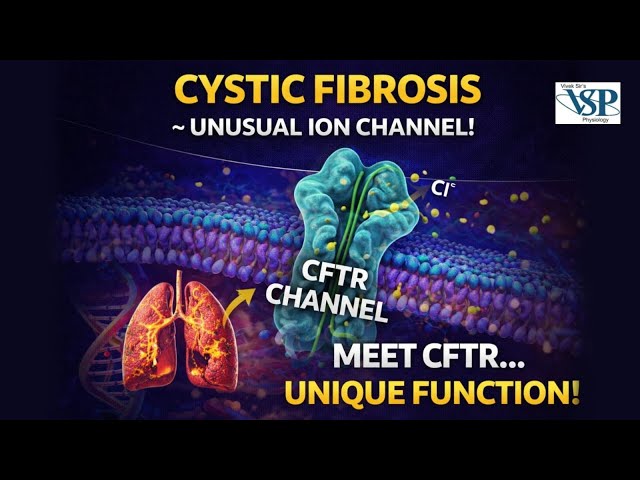
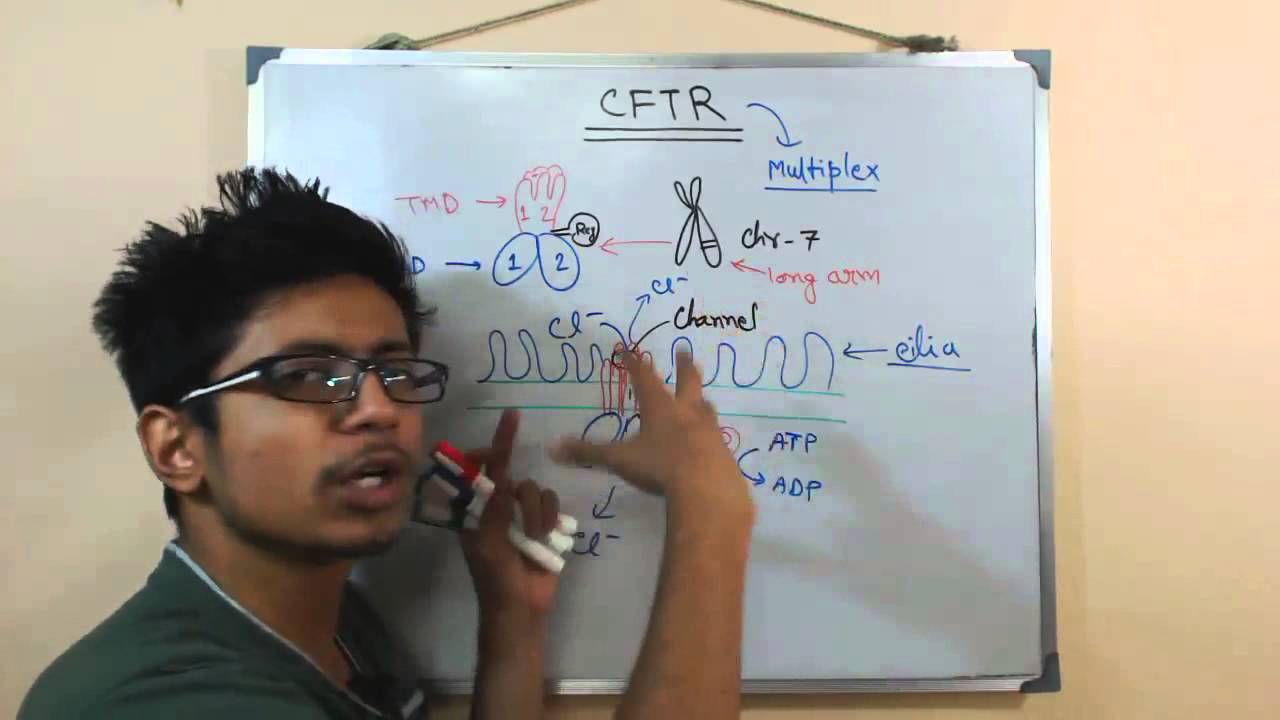
Clinical pathology of channelopathies and genetic membrane disorders, such as Cystic Fibrosis (CFTR channel defect).
Pharmacokinetics and drug delivery principles, focusing on how therapeutic molecules cross biological membranes.
1.1M views16.6Klikes1:07:21Original Release: 2018-05-19
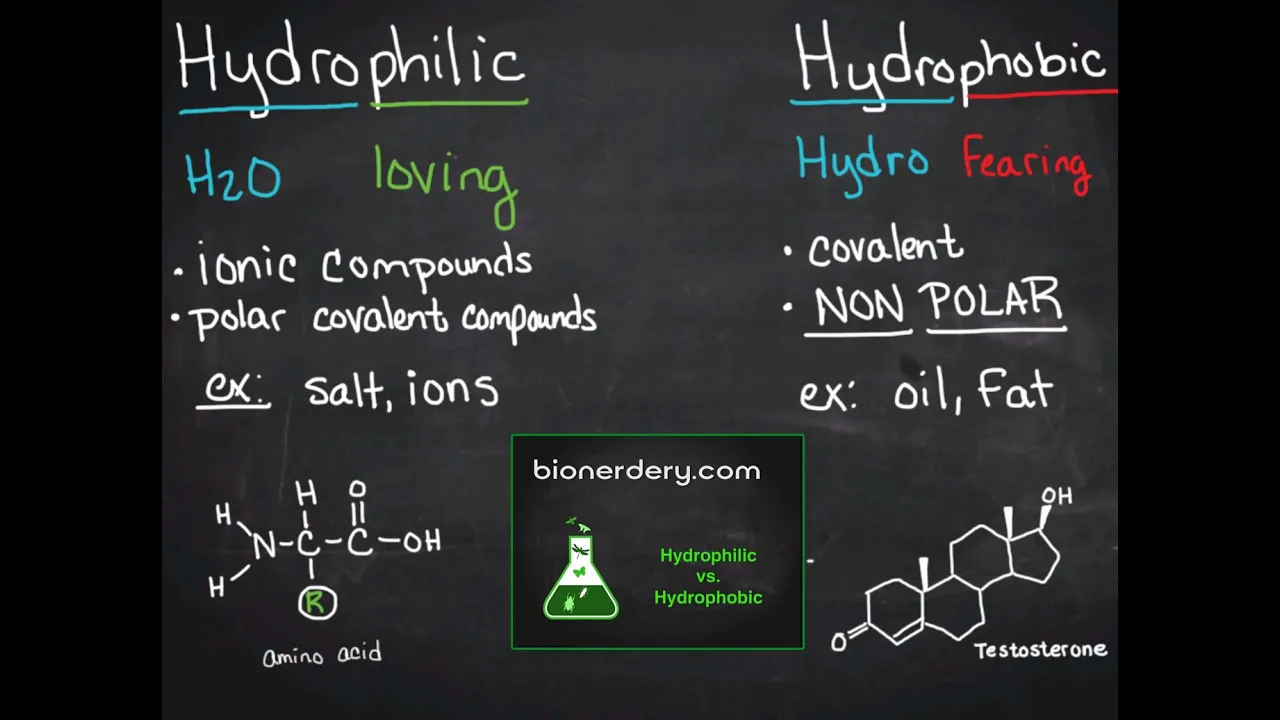
today we are starting a series of lectures on a very very basic Topic in the medical sciences that is the physical structure of a cell right first of all I will discuss about the structure and function of the cell membrane cell membrane is also called plasma membrane of a cell right so let's talk about the structure of a cell membrane let's suppose here is a cell suppose we take a typical cell here right now all of you know that cell has a basic structure it has a nucleus and there is cytoplasm and it is surrounded by the cell membrane right now we'll go into detail of the structure of the cell membrane primarily cell membrane is made of phospholipids and Associated proteins again what are the basic two component of cell membrane this is made of phospho lipids and Associated proteins is that right now let me draw this structure right in detail basically the cell membrane is a double layer of the molecules primarily it is a double layer of molecule because it is double layer of a layer of molecules so it is also called lipid by layer because it has lot of lipid and it's a double layer of the molecule it is also called lipid by by layer now let me draw a component of it suppose this is a cell and I just draw a cell membrane in detail from this point up to this point only right first of all the basic component is phospho lipid now phospholipids are what phoso lipids are having one part which is polar right this is the polar part of the phospholipid here there is phosphate and with that it is having fatty acids what is it fat acid this is the basic molecule which is going to make cell membrane so in the cell membrane there are phospholipid and it has one polar compound polar end and other are fatty acids right now we have to see how lot of these molecules make the cell membrane before we go how these molecules are oriented you must know that extra cellular environment is aquous environment there's a lot of water outside the cell outside the cell membrane and there's lot of water inside the cell membrane so it means extra cellular environment is aquous aquous environment and intracellular environment is also aquous is that right there's water outside the cell and there's a lot of water inside the cell so it means this cell membrane is separating extra cellular aquous environment from the yes intracellular Aquas environment is that right now you must be knowing that polar compounds dissolve into Polar compound right this is polar component of the phospholipid because this is polar it has some charge it is water soluble end of the molecule and these two fatty acid these are not water soluble these fatty acids are not water soluble this component of the molecule which is water soluble it is called hydrophilic what is this component called hydrophilic and this component which does not dissolve in water this is called hydrophobic so we can say f phol lipid molecule have hydrophilic component they have a head which is hydrophilic and they are having Tails which are Hydro phobic is that right now what really happens that in this part of the membrane this water soluble part will be oriented outward towards the external environment right and what are here these are yes please fatty acids and these are hydrob phobic is that right now actually this is one layer other layer will be on this side layer of the molecules now you can see that cell membrane is made of double layer of phospholipids right I have shown you the molecular structure of the cell membrane now question is that why these molecules of phospholipid are oriented in such a fashion answer is very simple you know these component fatty acids they are not going to dissolve into water they avoid water they are hydrophobic so it means there's water outside and water inside so outer layer of the molecule this hydrophobic component will be directed away from the water and in inner layer again these fatty acids will be directed away from the water so they will be directed towards each other is that right so what we can really see that fatty acids right they dissolve into each other they attach with each other they are oriented towards each other just like you put a drop of oil and another drop of oil in the water oil drops will fuse with each other you take a little bit water put two drops of oils when eventually what will happen to those drops of oils oil dissolve into oil is that right in the same way there's water outside water inside and this is something like oil fatty acids so they are oriented towards each other and they make the central portion of the cell membrane but as you know these blue parts right of the phospholipids this is charged part or polar part or hydrophilic part hydrophilic mean water Living Part this component is also water living so fatty acids which are in the outer component they what is this hydrophilic part will be oriented outward and phospholipid which are inside inner side of the membrane their hydrophilic component will be directed towards the inner side so what really happen that cell membranes are are made of double layers of phospho lipids in and phospholipid molecules are oriented in such a way that in each layer fatty acids are directed towards each other and hydrophilic polar components of phospholipids are directed towards the external environment aquous environment or they're oriented towards the internal aquous environment and am I clear this is the very basic structure we have not talked about the associated proteins now another thing you see the core of the cell membrane is having a lot of lipid inside what is this this is all lipid so it means those compounds which are highly charged or those compounds which are very large can they directly enter into cell no because only those things can ENT cross this membrane which are lipid soluble you know core of the membrane is made by the lipid is it right so if there is some substance here which is lipid soluble it can dissolve into membrane and come in or there's any other substance which is lipid soluble inside it can dissolve into membrane and go out right so which substances can cross the cell membrane easily which substances can cross the cell membrane easily substances which are lipid soluble and substances which are very small molecular weight right so we can say that substances which are lipid soluble or substances with very very small yes molecular weight these substances can directly go into the cell or if these substances are inside they can easily go out why because they can dissolve into lipid and pass through that but other substances which are larger molecules or those substances which are highly Polar Polar substances mean which are having charges on them for example this is another substance and this substance or molecule is having okay charges on it it's a PO compound can it dissolve into lipid so can it enter directly into cell can it enter no so it will be repelled away in the same way let's suppose this is another compound and this is very very large compound if it's very large compound can it dissolve into lipid and can it go out no what does it mean then it means that this lipid component of the membrane is providing the permeability barrier for the large compounds and for the highly polar compounds that they cannot pass through membrane it means if some very large sub molecule has to come in or any large molecule or polar or charged molecule has to move through the membrane it has to have some special facility to to pass through the membrane let me repeat it I just said up to now that cell membrane is made of lipid Bayer primarily and Associated proteins right proteins I did not discuss up to now and in lipid Bayer what is happening mainly it is consisting of phospholipids is that right and phospholipids are having the polar heads and and hydrophobic Tails hydrophobic tail tails are or fatty acids are oriented towards each other and polar heads of the molecule are either outside towards extracellular equas environment or oriented inside towards the intracellular Aquas environment so core of the cell membrane is made of primarily lipids right and those substances which are lipid soluble or very small molecular weight they can easily pass through the cell membrane but other substances which are very large molecule or which are having lot of charge on the molecule they cannot pass through the membrane by simple diffusion is that right it means it's for such substances if they have to pass through the membrane we need special Arrangement there should be special windows and there should be doors through which these membrane can slip in or out those special windows or doors within the cell membrane are made of which component prot proteins in the cell membrane there are special type of proteins is that right and those proteins for example let me tell you here that here is a protein and let's suppose okay this is a protein molecule made of multiple peptide chains and these peptide chains for this is one peptide chain this is second this is third this is fourth right and these peptide chains are arranged in such a way that in the center of this molecule right there is a longitudinal tunnel this is a tunnel and this is waterfill tunnel what is it waterfill tunnel we call it aquous Channel what is this channel this channel has a hole which is full of water and then those substances which are water soluble they can pass through this so this is one way one of the function of the proteins that proteins are present in association with the cell membrane phospholipid so that substances are allowed to pass in and out such type of proteins which are present in the cell membrane they are called channels what are these called channels and I will tell you the functions of proteins more functions of proteins later let's come back to this component after that I'll will go into detail of the protein another thing the types of fatty acids and phospholipids which are in outer Leaf flat and which are in the inner Leaf flat they are not identical I will go to the the proteins in detail later again listen you know this is the outer leaflet of the cell membrane and this is the inner leaflet of the cell membrane now these phospholipids which are present in outer leaflet are slightly different than the phospholipids which are present in inner Leaf land it means structure phospholipids of outer leaflet and inner leaflet are not identical so it means outer leaflet phospholipid structure and inner leaflet phospholipid structure is not symmetrical they are having asymmetry what we call this term asymmetry now which are the phospholipids which are present in outer part of the cell membrane number one these are phospho choline okay I will write it before you start crying phospha pile Coline this is a type of phospholipid right phospha Aline this is present abundantly in the outer Leaf FL right with it there's another friend phospholipid which is called Singo miline Singo myin so phospholine and spingo myene are two type of special phospholipids which are abundantly present in the outer leaflet of the cell membrane right these are the two phospholipids which are present in the yes please outer leaflet now we'll talk about what phospholipids which are especially present in inner leafl right again there are two important phospholipids which are abundantly present in the inner Leaf flet of the cell membrane one is phosphor ethanolamine I don't know who was man who was putting the names of these you could put simple name like Carla Joan I don't know he's sick man who put these names right so the inner part of the cell membrane it is having some funny type of you can say phospho lipid phosph ethanolamine phospha okay EA me right this is one and the second type of phospholipid which is abundantly present an inner part of the inner leaflet of the cell membrane that is called phosphor serin phospha C serin right so because phospholipid and outer part are somewhat different and phospholipids which are present in inner part of the membrane they are slightly different so we can say that cell membrane outer Le flet and innerly flet show some degree of as symmetry they are showing some degree of a symmetry right later on we will learn that another component add to the asymmetry that the proteins which are attached to the outer part are slightly different than the proteins which are attached to the inner part so not only difference of phospholipid make the asymmetrical situation later on we'll learn the proteins which are attached to the outer part of the leaflet and the proteins which are attach to the inner part of the leaflet they are slightly different from each other so they also contribute to the asymmetric situation and still later on we'll learn that outer leaflet has lot of carbohydrates attached with it but inner leaflet does not have any significant carbohydrate so it means outer leaflet is having lot of carbohydrate molecules outside inner leaflet does not have carbohydrate molecules again this difference of carbohydrates applied on these leaflet also adds to the asymmetry of the inner and outer leaflet of cell membranes I think I need to recap this I was trying to put a concept in your mind that cell membrane is made of phospholipid bilayer with associated prot proteins is that right and it is making outer Lea flat and innerly flat and outer Leaf flat and innerly flat are not identical if they were if they were identical we could say that they are symmetrical but they are not symmetrical why they are not symmetrical there are there are multiple reason one reason is that phospholipid in outer leaflet are different and phospholipids in inner leaflets are different second reason the proteins associated with outer leaflet are different and protein associated with inner leaflet are different third reason outer leaflet has lot of carbohydrates attached outside but inner leaflet does not have any carbohydrates attached inside so all these reasons make the outer and the inner leaflet of the cell membrane asymmetrical or nonidentical to each other am I really clear anyone who does not understand understand raise your hand I will run away everyone understand that's good we can continue another thing in between in between the legs of these what fatty acids there's a some naughty molecule here it loves to be here I don't know why who knows this naughty molecule yeah anyone please use your own head this is a very special type of lip head okay let me tell you I will draw that structure in a large way right and there are their beautiful legs okay it's a little bit I should say having a dancing tendency now yeah what are these These are polar ends right water soluble ends and these are lipid soluble and there are some molecules which love to be here you know naughty type who will tell me what are these molecules you know it I'm sure you know the name of these molecules we call them cholesterol have you heard of cholesterol so cholesterol is another type of lipid which is present in the cell membrane intercalated in between the legs of the phospholipids is it right and cholesterol molecule have hydroxy this is a hydroxy ends are oriented outward World why hydroxy are hydroxy are polar and so most of the cholesterol molecule is lipid soluble so it is oriented inward but their hydroxy ends which are polar or charge they are oriented outward is that right so we have learned that cell membrane most important lipids are phospholipid but they do have a small percentage of cholesterol molecules inter culated in between the phospho lipids is that right any question up to this there is no another thing very interesting these phospholipid molecules are really not fixed they are not fixed for example this molecule is present here you look around and that may sleep on other side what does it mean all these molecules are mobile phospholipid molecular mobile they keep on moving laterally is that right they are not fixated in their position these phospholipid molecules are not fixated in their position and they display the lateral movement and this concept of lateral movement is called fluidity of the membrane the membrane molecules are like a fluid and in a fluid area they are mobile they are not fixed in a particular specific position is that right so phospholipid molecule along with cholesterol they can sleep laterally right and we say that membrane shows the property of fluidity property of yes fluidity this is an important property fluidity you know why it is so important to know that membranes have some fluidity because later on you will learn right sometimes cell has synthesized some let's suppose cell has synthesized a hormone now hormone is hormone molecules are packed into a membrane membrane bound vesicle this vesicle may come and fuse with the membrane it may fuse with the membrane and these substance es may go out you know many cells secrete substances for example cells in the pancreas beta cell of the pancreas secrete insulin So within if it is a pancreatic cell there will be insulin containing vesicle and these vesicles are membrane bound and when insulin is going to be released this vesicle will F float move towards the membrane and membrane of the vesicle will fuse with the cell membrane and where the fuse a small puncture point is made and Insulin will go out and then due to fluidity it will seal it will be completely closed is that right if this was a fixed membrane can it easily go out no so this process is called exocytosis the cell is showing exocytosis so if fluidity is important so that cell can show exocytosis sometimes cells are in a mood to eat something let's suppose here happen to be a bacteria right this is very sad you know why because cell is going to eat this bacteria if this is a white blood cell now this is a membrane of the white blood cell right and it has produced cat the bacteria and then this membrane will progressively move to each other and then eventually it will fuse and this will go inside this process is called endocytosis what is it called endocytosis again because membranes are fluid so during the endocytosis a piece of membrane has invaginated and then pinched off right still there's no hole in the membrane or will there be any Hole In The Membrane there'll be no hole because as soon as it remove away phospholipid come on the side and seal it is that right in the same way when this membrane from inside going out these phospholipids are added to the membrane so for the process of exocytosis or for the process of endocytosis membranes must have some degree ofu fluidity right and then this type of what is this fluidity is also important for membrane bio Genesis biogenesis mean membrane synthesis you know when cells are initially small when cell divide daughter cell are small with the time cells keep on growing so it means their membranes should also grow how the membranes grow cell synthesize new phospholipids and keep on inserting in the membrane and because membranes are fluid so keep on accommodating the new molecules and en enlarging the surface area so it means fluidity is important for exocytosis it is important for endocytosis it is important for membrane bio Genesis membrane yes bio Genesis and fluid it is also right these are some important reasons why fluidity is important now what are the factor which can alter the fluidity of the membrane for example if phospholipid molecules can more freely move we say membrane is more fluid and if the movement is relatively less free we say membrane is less fluid now do you know any factor which can alter fluidity temperature if temperature goes up membrane will become less fluid or more fluid of course more fluid there's no need to expl exp it all of you must know temperature increase the movement of the molecules and molecules which are already ready to dance they will dance more when temperature of the membrane goes up so this is very easy no need to remember it even that increasing temperature increases the fluidity of the membrane now another thing increasing the cholesterol content in the membrane if we add more and more cholesterol in the membrane fluidity will increase or decrease decrease yes very good how you know that yeah that's right he knows so well that when you are adding the cholesterol actually you know their legs cannot move now you know they they're packed membrane components are more tightly packed when you insert the cholesterol you interpolate the cholesterol molecule in between the phospholipid molecules and membrane become less fluid so you can say adding the cholesterol make the membranes less fluid another thing you know these are the straight fatty acid and this is some what's wrong with this fatty acid yeah what is wrong with this fatty acid it is having a kink in its leg can't you see it you don't need to call I think aist toal to discover this it is not straight it is having a bend in it why it is having a Bend some fracture there or what actually when fatty acids are saturated they are straight when they are unsaturated they have a kink you'll study in Biochemistry one day right that's when fatty acids are fully saturated they are straight relatively straight chains and when fatty acids are unsaturated or relatively unsaturated they have Bend in their structure not in their leg who told you they have legs and shoes no right now what is there they have a kink now what do you think if in the membrane most of the fatty acid are unsaturated it means they're having Bend this will be more fluid or less fluid more yeah it will be more someone moving leg like this and this people tend to move away or move laterally so what really happens when fatty acids are relatively unsaturated membranes are more fluid and when you make the fatty acid more saturated and all fatty acid become straight they become tightly packed membranes are less fluid am I clear no problem up to this right we have just talked about the fatty aets the cell membranes are made of by double layer of phospho lipids is that right and a polar ends of the phos lipids are oriented either outward or Inward and hydrophobic fat fatty ends are oriented to each other is that right then what did we discuss that this membranes are symmetrical or asymmetrical they are asymmetrical because type of fatty acid in outer leaflet are different than the type of fat acids in the inner leaflet plus proteins outside and inside are different thirdly outer side has lot of carbohydrate inner side does not is that right then we talked about fluidity that phospholipid molecules can float around in the membrane so we say membranes show the uh characteristics of fluidity and why fluidity is important because there is pro processes of exocytosis going on there are phenomenon of endocytosis going on in the membranes and then there's membrane biogenesis going on right so due to all these reasons it's very important that membrane should be appropriately fluid is that right so that there are no fractures and punctures in the membrane is that right they should seal off then we talked about that fluidity can be increased by temperature but decreased by adding cholesterol or making the fatty acids more saturated is that right yeah that will make less fluid if uh it become more saturated membrane is less fluid if there's more cholesterol added membranes are less fluid then another thing uh okay let's suppose this is a container with lot of milk there's a lot of milk inside right and there's a butter you know butter float into you know butter right and you imagine here's a frog sitting can you imagine I don't know how to make a frog but anyway this is a frog something like this is also present in the cell membranes you know there's a frog sitting on the butter and using that piece of butter as a personal raft to move and Float on the milk is that right something like that operatus is also present here let me tell you what is that operator of course there's no frog there actually in some part of the cell membrane what really happens that phospholipids are more tightly packed more tightly packed and not only phospho lipids are more tightly packed they fatty acid components are longer the fatty acid components are longer and they are very tightly what is this cholesterol so in some part of the cell membrane there are some specialized structure like butter piece here right and then they become normal structure now in this specialized structure what is happening that fatty acids are more saturated and they're longer and this area is having unusually high concentration of cholesterol right this is like butter piece and this butter piece is moving in the membrane membrane is like milk layer and this butter piece is moving and what is the frog frog are special type of proteins present over there right for example there may be very special protein present over here what is this can you tell me what is this in your medical strategy you will come across something like this again and again these are special type of receptor proteins now let me tell you what is receptor receptors are special macro molecules which will bind with a okay let me make a simple receptor let's suppose this is a protein now listen this is a protein and when this protein bind with a special type of substance when this protein bind with a very special type of substance protein under goes change and this component of protein alter again listen if I'm a receptor if I'm a receptor I have one end outside the membrane I have one end outside the membrane another end inside the membrane is that right if you put some piece of gold in my hand I start telling you yes I have received it what does it mean that I can bind the gold outside and I can give signal of reception inside is that right so what I'm doing I'm a molecule on one side I can bind a specific substance on other side I can give the signals and modify the biological system such molecules which can bind with one specific substance and then produce modification in the biological system such substance such molecules are called receptors so what are receptors receptors are macro molecules to which when a specific substance bind that specific substance may be hormone or that may be neurotransmitter or or that may be a drug so anything specific bind with the receptor receptor will give signal to the biological system and alter the function of the biological system is that right now actually what is this this is also a receptor system this is a protein this black black system is a protein or peptide chain which is acting as a receptor why I say it is acting as a receptor because here it will receive the stimulus whenever this molecule bind here this start moving the tail in and this will give signal into cell for example this is epinephrine or norepinephrine this is the receptor of epinephrine or norepinephrine where when epinephrine bind here The receptors give intracellular signal why because cannot enter into cell epinephrine is highly polar compound it cannot enter into cell so extra cellular stimulus can bring intracellular response due to the presence of receptors in the cell membrane again let me tell you in the cell membrane attention please you know someone comes to visit you if he is decent enough and if he's not allowed to enter your home blindly he should stand outside like a tho gentleman outside your door and then he should push the what doorbell and then there will be TR and inside your house some activity may change and you may rush to the door so what is doorbell doorbell is a receptor doorbell is a receptor that and who was the the person who came and pushed the doorbell he was the neurotransmitter or hormone or drug when he bind with the receptor it gives signal inside the cell is that right so what are receptors receptors are macro molecules usually proteins to which a a specific substance substance binds and bring the intracellular changes or bring the changes in the biological system am I clear now let me tell you something interesting some substances are lipid soluble and they can go into cell if a substance can go into a cell its receptor should be present within the cell let me tell you let's suppose this cell is under the influence of two hormones one hormone is one hormone molecule is thyroxin have you heard of thyroxin thyroxin thyroxin is a very very small molecule and it can EAS easily go into the cell right another hormone is insulin let's suppose another hormone is insulin insulin is a very large molecule with lot of amino acids now thyroxin can go into cell insulin cannot enter into cell so receptor for thyroxin should be present inside the cell and receptor for insulin should be present on the cell membrane am I clear so what I'm really trying to tell you I'm trying to tell you all those substances which cannot enter into cell for those substances receptors should be expressed on the cell membrane what is the function of the receptors membrane receptors that take the extracellular signal and produce intracellular responses is that right am I clear no problem now a of course whenever you see there's a hormone which is very large or highly polar its receptors should be on the surface let's go back to our frog we were talking about that in some specialized area of the cell membrane cell membranes become little thick phospholipids and cholesterol tightly packed and lipid fatty acids are very long and fully saturated ated is that right and they're having special type of proteins attached with them and these proteins which are fixated on this act like a frog they are riding over it and riding through it what are these These are receptors and there may be some receptor Associated proteins also maybe this is receptor Associated proteins now whole this signal mechanism all the signaling proteins along with this structure are called lipid rafts what are they called lipid raft you know rafting is it right so we say receptors and their Associated proteins are rafting on the what in the membrane in specialized area am I clear no problem up to this right so what we have learned up to now that we have talked about the phospholipid nature of the cell membrane and we have talked about that the lipid RS present we have talked about the fluidity and the factors which affect the fluidity is that right we have a break now then we'll talk about the proteins associated with the cell membrane right in the very beginning of the lecture we said that cell membranes are made of fos phospholipids cholesterol and Associated proteins let's discuss Associated proteins in little little bit detail actually all the proteins which are associated with the cell membranes can be primarily divided into two types of protein one type of the proteins which pass through and through the membrane for example this is a protein which is passing through throughout the membrane right and there may be some proteins which are just uh you can say attached outside the membrane or they are attached inside the membrane or these proteins may be hooked with the now look this red color prot protein is a protein which is passing throughout the through and through the membrane and these green proteins are either present on internal side side of the membrane or attached on the external side of the membrane right those proteins which pass throughout the membrane those protein which pass throughout the membrane these proteins are called integral proteins what are they called integral [Music] proteins so membranes have special type of integral proteins which are passing through the membrane and these in integral proteins are also called transmembrane proteins what are they called trans membrane proteins so integral protein the transmembrane proteins are those proteins which pass through and through the membrane and they do have an extracellular domain as well as they have an INT cellular domain m is that right so naturally and what what about these proteins the green proteins they they are not passing through and through the membrane they are expressed either on external side of the membrane or they're expressed to the internal side of the membrane and these proteins are called simply peripheral proteins because they are on the peripheral sides of the membrane so they are called yes please peripheral proteins so peripheral proteins are Loosely attached with the membrane they are Loosely attached with the membrane and they may be attached on external side of the membrane or internal side of the membrane and these peripheral proteins are attached with the membrane in a noncovalent ways they are not covalently attached because if they are attached covalently then they will be strongly attached but they are non-covalent attach to the membrane and they can be easily shaken away from the membrane they can be easily removed from the membrane just changing in the ionic composition or changing the pH changing the pH you can uh remove the peripheral proteins but integral proteins are really the part of the membrane integral proteins because they pass through and through the membrane so if you really want to remove the integral protein you need to disrupt the membrane am I clear yes no problem now I will go into detail of integral proteins first of all before I move forward the total proteins associated with the membranes make about 50% of the membrane component so you can say that cell membranes are 50% proteins and remaining 50% has about 47% lipids and 3% carbohydrates are you understanding me you don't understand me okay a cell membrane has proteins how much 50% right and lipids are how much about 47% mostly phospholipid with some cholesterol and other lepides and then there is carbohydrate carbohydrate are only 3% with the membrane right we have discussed about the lipids in detail now we are going to talk about proteins and then we'll talk about carbohydrates about the proteins I'm saying there are two types of proteins there are integral proteins and there are peripheral proteins is that right now I will go into detail of integral proteins right what are the functions of integral proteins why integral proteins have to be there in the membrane they're a very very important function number one as I told you in the beginning that those substances which are highly polar or very large sub for example there's a polar compound even if it is small you know sodium it is a charge or calcium it is having charge or chloride it is having charge these substances cannot defuse through the membrane or can they diffuse through the membrane or even potassium it is having a charge on it it is not lipid soluble can it diffuse out through membrane no but when we need to move such substances which are not lipid soluble but we need to move through the membrane then we need to take a help of a protein how the proteins can help us to move the substances through the membrane there are two ways one way is that proteins make channels as I told you previously that let's suppose this is one peptide chain okay let's suppose here is this is one peptide chain then I make here another peptide chain then there is here another peptide chain and in the end another peptide chain let's suppose how many peptide chains have made here 1 2 3 4 five these are five amino acid chains or peptide chains if you put them together they will make a channel they will make a channel and such channels are present in the cell membranes these channels are made of what carbohydrate proteins or lipids yes please these channels are made of proteins amino acids and in this channel this Central Area is full of what water this is having water filled Central tunnel we call it aquous tunnel the water can move through and through from this so many water soluble substances can pass through the channels is that right so what did did I tell you the one type of integral protein is work a whole group of integral protein is working as channels and these channels can help the substances to move across the membrane this is one type of integral one function of integral protein then another integral protein I don't know how to make bird but some proteins are this is another integral protein which is present through and through what membrane what it is doing it can catch a substance here it will catch that substance here and as soon as it a substance bind with it it moves through that and release the substance in let me show then what it will do so what has happened to this protein this protein has altered its structure such alteration in protein structure is called it is called transformation that some proteins undergo some transformation when they bind with a substance right and it the mouth of this protein will take the substance carry the substance inside such proteins are not having the central water channel so these are not channels these are simply called as a group these proteins are called carrier protein they carry a substance undergo some change and shift the substance across the membrane is that right but they are very specific some carriers are only for one substance the other carriers which are only for other substances the specific what they will transfer so this is second type of integral protein so some integral proteins are working as channels the other integral proteins which are working as carrier proteins they're working as yes please carrier proteins you understand why these proteins must be present in the membrane because cell has to take lot of substances inside or whatever it has synthesized it may need to release them out is that right so these are carriers carrier proteins right then there is another group of of course this beautiful design should be there also okay so these are channels these are carrier proteins then there are some other proteins also which are present throughout the membrane right and these proteins even though they are through and through the membrane they can get a substance bind a substance a plus b with them and then release them as C+ D what is this protein enzyme you know this is the metabolic function of enzyme they can take one substance and convert into another substance or enzymes facilitate or what biochemical reaction so there are some enzymes which are present within the within the cell membranes right of course some enzymes are attached outside or inside if enzymes are attached on the external aspect of the membrane or internal aspect of the membrane then enzymes are there as peripheral protein but some enzymes are present through and through the membrane and then they are considered as component of integral proteins so what we are talking about membranes are not just simple simple biological barriers they're Dynamic functionally right they are having channels they are having transporter carriers carrier proteins they're having enzymes as integral proteins right what else membranes can have anyone who can tell me they are having special Linker proteins look at this monkey this is another integral protein it hands are dangling out and legs are dangling in and what it is doing there outside maybe this this protein is holding some special type of suppose collagen you know collagen collagen is a protein which is present outside the cells and inside there may be actens it is sticky to some flams called etin so what it is doing it is attaching this part of the cell with extra cellular environment but it is just structurally fixating it you're understanding it what is the advantage of this that this is a molecule which is molecule of a protein which is transmembrane and it bind the internal cytoskeleton with extra cellular component and help the cell for its structural stability are you understanding different cells and different tissues need to be structurally attached right and different cells have different shape now this is intracellular proteins which are also called cytoskeleton as you have bones you know you are having bones I think you are sure bones help you in many things including giving you a shape and strength is that right in the same way as you have skeleton cells also have skeleton these these are skeleton protein skeletal proteins of the cells as a group these proteins are called cyto skeleton so cell membrane inside has cytoskeleton there are many many cytoskeleton proteins and outside there are extra cellular collagen and other proteins right to stabilize the internal cytoskeleton with external extra cellular Matrix we use the term for this extracellular Matrix we need some types of proteins which are what trans membrane integral on one side they can hold the extracellular components in other side they should be able to hold the intracellular cyto skeleton and these proteins are also example of what type of proteins yes what type of proteins integral proteins is that right so how many functions of integral proteins you have seen they integral proteins may be acting as channels they may be acting as carrier proteins they may be acting as enzymes they may be acting as enzymes and of course they may be acting as what is this Linker protein they are link they are producing a link between intracellular protein and extracellular proteins Linker proteins right linkers protein then integral proteins have one very important function one more and what is that okay let's suppose this is a protein which is ex present throughout the membrane and this protein has extracellular component it has transmembrane component and intracellular component is that right let us suppose this protein can bind the insulin when insulin come insulin binds over here when insulin binds over here right it start giving signals inside so this protein is working asor receptor so receptors in the membranes are also integral proteins so today onward remember cell membranes are made of phospholipids and Associated proteins Associated proteins may be integral proteins or peripheral proteins integral proteins are transmembrane protein or through and through proteins integral proteins have many functions they may may be functioning as channels they may be functioning as carrier proteins they may be functioning as enzymes they may be function as Linker proteins they may be functioning as receptors is that right broadly broad main categories of functional categories of integral proteins and about peripheral proteins peripheral proteins as I told you they are attached to the external aspect of the cell membrane or internal aspect of the cell membrane and peripheral proteins are Loosely attached or non-covalently attached and they are held with the membrane only with the weak very weak electrostatic forces so they can be disrupted very easily away from the membrane the peripheral proteins right and peripheral proteins are basically acting as functionally acting as cytoskeleton sometimes what happen look here inside the cell at this point some proteins are attached like this right or here are some proteins and they are stabilizing the structures of the cell now these protein filaments are attached with the internal aspect of the cell right so they are transmembrane or they are integral or they are peripheral proteins they peripheral proteins so many of the peripheral proteins which are attached to the inner as of the membrane they are component of the cytoskeleton they are the component of the cytok skeleton even though I told you cytoskeleton protein which a peripheral protein may be associated with Linker protein they may be associated with Linker protein which may link the cytoskeletal peripheral protein with extracellular Matrix am I clear then another important relationship or function of the peripheral protein is listen some of the peripheral protein are working with the receptor let me tell you how let's suppose here is a receptor and this receptor proteins passes seven Ty through seven times through the membrane such receptor which peptide chain passes seven time they are called seven pass receptors now seven pass receptor is integral protein you are understanding it but it may be associated with some other proteins which are attached with it inside you understanding this is a receptor receptor is a integral protein but when receptor is activated it gives signal to some protein which is associated inside this protein which is associated inside what is this this is a example of peripheral protein so integral proteins may be associated with peripheral protein and this protein May produce let's suppose this protein may give signals further into cell right and activate second messenger system messenger system actually let me tell you suppose the hormone which come here that is the first Messenger right when hormone come to a cell that is first messenger first messenger work with the receptor receptor activate some other intracellular protein and intracellular protein produce second messenger so in some books they say proteins related with second messenger system are also peripheral proteins the point which I wanted to tell you that proteins which are associated with the second messenger system they are not integral proteins they are peripheral protein but receptors are receptors are integral proteins that's right any question up to this okay we'll discuss further detail tomorrow
Up Next
4:23
The Origins of Genes: Mutation and Duplication Explained
@TEDEd
1M views•2014-09-22

41:46
Venom Biochemistry: Therapeutics from Nature's Toxins | Expert Interview
@TheSheekeyScienceShow
1.3K views•2024-08-31
89:06
Cell Membrane Transport Mechanisms Explained | Cell Biology
@DoctorNajeeb
393.7K views•2021-03-18
7:08
Bacteriophages: Earth's Deadliest Killers and Future Antibiotics
@kurzgesagt
34.6M views•2018-05-13
Related Study Plans & Knowledge Roadmaps
Structured learning paths in Biology
biology
Analyzing Animal Venoms: Genetics & Pharma
01Molecular Biology & Physiology Foundations
02Venom Evolution & Toxin Gene Recruitment
03Neurotoxins & Ion Channel Pharmacology
+ 2 more learning modules
18h5 modules
Explore Roadmap
biology
RNAi: Biogenesis, RISC & Gene Silencing
01Molecular Biology Foundations: DNA to Protein
02Introduction to RNA Interference (RNAi)
03Molecular Biogenesis of miRNA and siRNA
+ 2 more learning modules
10h5 modules
Explore Roadmap
biology
Mycorrhizae: Signaling, Biophysics & Ecology
01Foundations of Mycorrhizal Symbiosis
02Molecular Signaling and Root Colonization
03Biophysics and Bioenergetics of Nutrient Exchange
+ 1 more learning modules
11h4 modules
Explore Roadmap
biology
Circadian Clocks: TTFL, SCN & Periphery
01Foundations of Molecular Biology & Gene Expression
02Introduction to Chronobiology and Actograms
03The Core TTFL: Molecular Architecture of the Clock
+ 3 more learning modules
14h6 modules
Explore Roadmap