

















Authors can use classic literary frameworks like Charles Dickens's Great Expectations as launching points to explore contemporary social issues, such as navigating repressive social conditions, racial injustice, and personal identity formation in specific historical contexts like the American South during the 1960s and 1970s; this approach allows writers to examine how characters grapple with systemic challenges while maintaining creative freedom to subvert expectations and develop transformative narratives that offer hope and complexity beyond traditional tragic outcomes.
Furnace Creek Novel Discussion | National Humanities Center
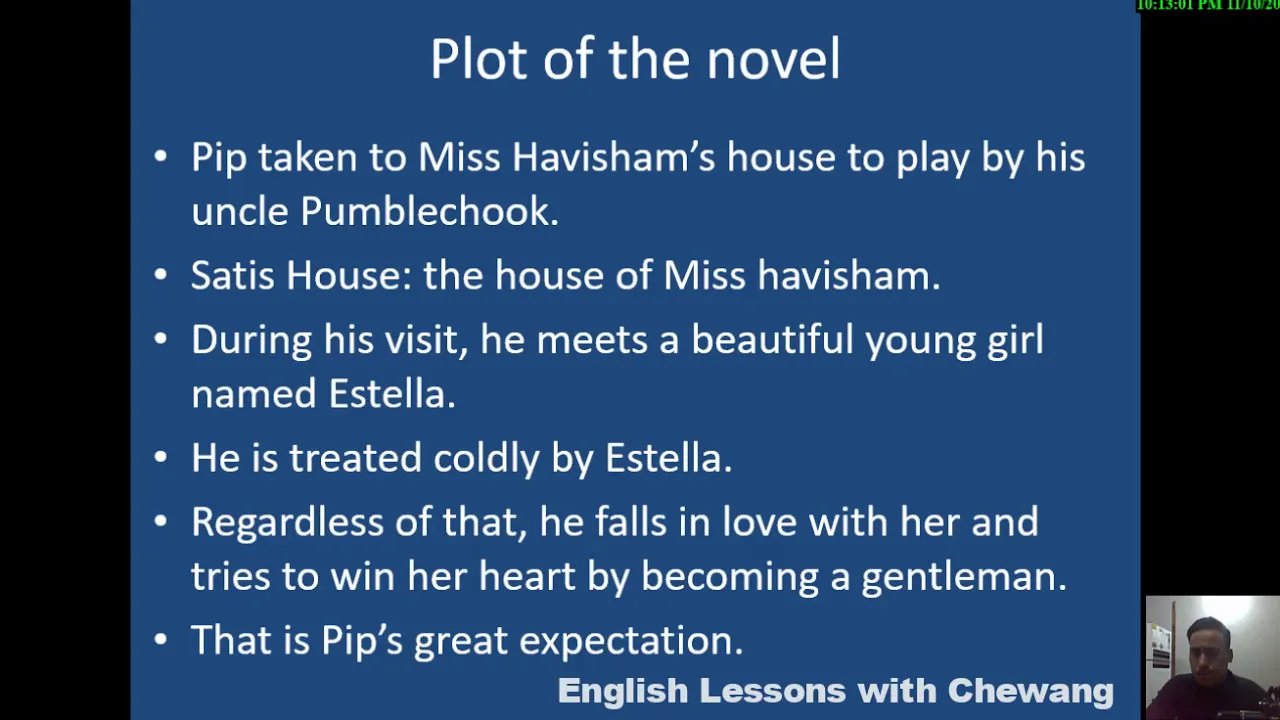
Added:Familiarity with Charles Dickens' classic novel 'Great Expectations', including its plot, main characters (Pip, Estella, Miss Havisham), and core themes of social class, ambition, and redemption.
Understanding of the historical and social landscape of the 1960s American South, particularly regarding the Civil Rights Movement, Jim Crow laws, and regional class dynamics.
Basic knowledge of literary adaptation theory, specifically how classic canonical texts are transposed to different temporal and cultural settings to subvert or enrich the original themes.
An introduction to Southern Gothic literary conventions, such as eccentric characters, decayed settings, and underlying moral or social anxieties.
Conducting a comparative textual analysis mapping specific narrative arcs and character transformations from 'Great Expectations' to their counterparts in 'Furnace Creek'.
Exploring queer theory and gender studies within contemporary adaptations of Victorian literature, examining how modern writers address repressed themes in the originals.
Investigating other neo-Victorian novels and global reimagining of Dickensian works to see how different cultures adapt 19th-century British narratives.
Studying the broader academic scholarship of author Joseph Allen Boone, particularly his work on narrative theory, sexuality, and modern fiction.
320 views14likes1:02:25Original Release: 2022-05-18
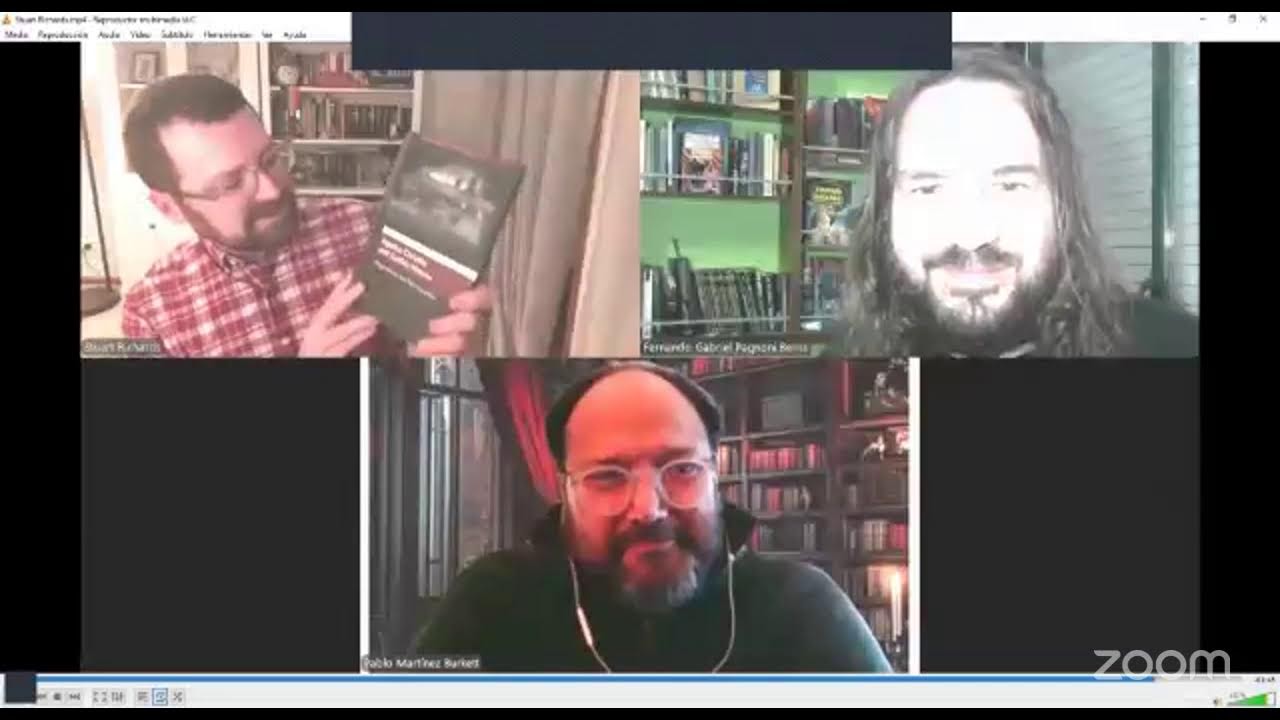
hello everyone and welcome to our final fresh off the press book talk of the spring i'm matthew booker vice president for scholarly programs at the national humanities center and it's my pleasure to serve as your host as we talk with another nhc fellow about their recently published work this evening where jones were joined rather by joseph allen boone who grew up about two hours due west of the center in statesville north carolina and went to college nearby at duke university before pursuing his phd at the university of wisconsin-madison he began his scholarly career at harvard and then relocated to los angeles to join the faculty at the university of southern california where he is currently gender studies professor in media and gender and professor of english comparative literature and gender studies joe's scholarly work exploring the novel as genre gender and queer studies narrative theory and modernism has earned him fellowships from the guggenheim foundation the stanford humanities center the rockefeller bellagio center the bogliasco foundation the american council of learned societies and the huntington library and he was a fellow at the center in 2009 and 10 when he was researching and writing his third monograph the homoerotics of orientalism in addition to his success as a literary scholar joe has also branched out into other endeavors including adapting melville's riverboat novel the confidence man into a musical with jazz musician and composer benjamin boone one of joe's four brothers a collection of joe's short stories entitled conditions of precarity is forthcoming soon and this past march he published his first novel furnace creek a coming-of-age story that takes its inspiration from charles dickens's great expectations however unlike dickens pip who confronted life in 19th century britain as an orphaned longing to claim a place in the greater world joe's young hero newt must navigate the repressive social and cultural conditions of life in the south in the 1960s and 70s while struggling to come to terms with his sexuality like award-winning novelist viet nguyen i was seduced by joe's delightful novel and i can see why another pulitzer prize winner michael cunningham has praised him as a natural novelist we are delighted to have joe with us this evening to discuss furnace creek and his own multi-faceted sojourn as a scholar and writer please join me in welcoming author joe boone joe this in fact is a seductive book it's a book that sucked me in from the very beginning with this extraordinary kind of coming-of-age story about this young man who is secretive he's finding his way into the world he has his own secrets and they become much richer and darker right off the bat in your story and we are just enmeshed in this remarkable story about this person and his milieu his world which becomes truly the world he travels all over the world he gains all of these remarkable skills he's an astonishing character why that why this set of experiences for this young boy this adolescent boy in this particular place in the rural south in the small town south great question and i'm happy to answer that matt uh first of all i'd just like to thank you for having me um this is it's it's a wonderful deja vu blast to see well when joel was on screen the white brick walls of the center i could tell the skylights overhead i knew exactly you know where he was in the building uh because i remember my uh year there so vividly as i'm sure many of our listeners who are past fellows do too and i must say one of the best things about the center uh aside from all the library aid that we got uh which we all use to the accent to the absolute maximum uh was the bonds that we formed and this is one of those wonderful things about the center and i wasn't paid to say this all you guys out there listening but there's a group of us i'd say about seven of us were always in touch we had our own zoom meetings during the pandemic we get together at different places just i had to honor about a month ago of being the escort for one of your other uh book speakers mia bay to the los angeles festival of books awards ceremony because she was up for one of if she was a finalist for the history prize for her wonderful book on uh uh uh black movement uh and um so anyway the center has been a a great home for me they also allow me to work on that con man script a little bit on the side while i was finishing homoerotics orientalism at the center uh so you're also responsible for some of my creative pursuits now what led to my sort of uh coming up with the character and the events that you described uh it's an interesting origin question indeed and i would like to just read my epigraph to the novel which is from charles dickens as i explain a bit the origin story of this novel dickens writes what i think is one of the unite the most lyricals of many sentences and great expectations the novel i've talked many times uh this pause you who read this and think for a moment of the long chain of iron or gold of thorns or flour that would have never bound you but for the formation of the first link on one memorable day now my novel like dickens will begin with a memorable day but this novel too has its origins in a set of memorable days um we were celebrating my parents 50th anniversary ah they met in roanoke virginia uh we did this several years ago and during that celebration we traveled to the little town of rocky mount virginia in the mountains a little bit below roanoke ah and that's where i was born spent this first seven years of my life before we moved to state so let's remove my father grew up and where he and mom had their first home and while there we went to visit this site called furnace creek down in the woods uh several blocks behind my cousin's house ran this real this creek that was named after a civil war bullet refinery that had been built on its face back in the 1860s now as a kid growing up in virginia we would run through the woods scamper over two lawns behind my cousin's house to reach the creek and we would play there we would play on this heap of stones we had no idea if it's historicity uh and what a dark history in the that is we were just there out of nature doing our thing uh well i saw that again as an adult uh visiting with my parents uh during their 50th anniversary and i said this like oh my god this is just like right for a scene in some novels something pivotal should happen here and in the back of my mind i've been thinking you know i've jumped all the academic hoops i want to go back to my first love which is writing fiction so i've been burning with the desire to come up with a kind of novel length idea so i go back to usc uh in one you know two days later after the anniversary celebration in one class i'm teaching zadie smith on beauty uh which is her rewrite of howard cnn the forester novel of 1910 where she transposes his plot which is about class and gender to new england where it becomes a plot very much about among other things race and academics and inter racial relations uh in my other class two hours later i was teaching uh great expectations and when we were beginning with chapter one uh which begins memorably as some of you may know with the youngster pip at six years old an orphan boy on a christmas eve a dreary christmas eve feeling unfriended not really loved by his his older sister with whom he's living in the graveyard of the local church looking at the grace of his parents and all of his siblings who have passed away and he's really pondering this big question of identity who am i uh and that who am i comes with a vengeance when the convict mag which appears behind the grave stone turn picks the boy up by his leg shakes him like this to get anything out of his pockets literally pip's world turns upside down and he is born into being his pep a frightened young boy who realizes there's a vicious world out there and so all three of these things sort of came together for me where i thought wow furnace creek could be my cemetery scene for some pivotal moment in a character's coming into terms with himself and his relationship with the world as a youngster moving into a new phrase they excuse me of identity uh and so almost to me me immediately my mind started thinking about what would be a more contemporary version of the pip story and of course i went to my own southern past and roots to create the manual you know your background uh for telling this novel uh so that was the sort of moment where everything came together to then uh use dickens frame at least as the launching point to look at those issues that pervaded the 60s and 70s for all of us growing up then if we were southerners in particular questions of race and belonging and the desire to escape from home uh the uh sexual revolution that was on the verizons uh the that's our hippie culture revolution the protest against the vietnam war uh this was a time of in our eyes real revolution uh you know the shake-up of the system we thought and i just thought what a perfect time to try to capture a young person who's struggling for his to find his place in the world his identity um yet comes into quote unquote expectations uh it seemed to bolster his innermost dreams to happen uh so those are those are the origins that that's you know the first links that started this whole story go away um would this be an appropriate point to maybe read from the opening scene matthew please do please do joseph i'll wet my throat here one thing i want to say about the novel for anyone out there who's suddenly thinking i don't want to read a pseudo-victorian novel written you know now i did consider well if i do it better is i think that this novel stands on its own two feet if you happen to know dickens great but it's its own story um nevertheless uh for those of you in the know i would say that paul pip in his graveyard he's maybe six years old we're talking about 1820s 1830s when the criminal mag which happens upon him on a christmas eve my character newt is 13 and unlike rather innocent hip is filled with hormonal turbulence shall we say as he seeks out his private tryst in the woods by furnace creek on july the 4th i started another pivotal our american holiday of note uh in 1965.
first person chapter one bad day at furnace creek and i'll just read an abbreviated version of about four pages for years i didn't realize why it was called furnace creek even though i've been uncovering bullets in the vicinity ever since i was old enough to explore the creek on my own the bullets in question were misshapen slugs of confederate vintage buried in the floodies swell scattered in the underbrush and sometimes wedged between the rough-hewn slabs that made up the sides of that rocky mound built on the steep embankment overlooking the greek that was the furnace a towering outdoor stone oven in which molten lead had once been shaped into the slugs we kids showed off whenever we unearthed them from their recesses 100 years later it was one of countless civil war relics that haunted the mountains and hills of franklin county reminders of a cause that long since it vanquished stubbornly refused to vanish but to my young fancy that blackened furnace hidden in the woods on the edge of town looked more egyptian than confederate it loomed in my childish imagination as a four-sided pyramid whose top had been whacked off 12 feet above ground and whacking off was the fine art i learned there the summer of 1965 lying prone on those grimstones furnace creek taking its name from this landmark churned and chortled through the forested landscape surrounding my perch in that initial onslaught of adolescence as i was coming into my first and most vivid impressions of a wider world lying and wait just beyond the horizons of my vision i found a hate bit for my solitary vice so recently earned and so eagerly cultivated on top of that old relic stretched out on its summit and hidden by a shroud of greenery visible only to the unquiet jays hopping from branch to ranch overhead i found a refuge from the domestic surveillance that attended every creaky bed springer locked bathroom door in my parents well regulated house something i bet some of y'all remember uh uh oh my god did i lock the bathroom door or not up here dabbled in the sunlight that purified the act this pleasure even then was obscurely related to the guilty suspicion that i ought not to be doing what i so obviously wanted to do i learned to bring myself to delirium with strokes as sinuous as those summer days of twilight or long how vividly i still remember the day i first came into a sense of my place in the world my place that is as something more culpable than a 13 year old boy his greatest misdeed to date had been neglecting his nightly prayers i was lying atop the furnace that particularly blazing and human july afternoon shirtless and the elastic waistband of my shorts pushed to my knees my vision had gone white from staring into the sun overhead and just as my pent-up labors verged on completion a darkness poured down on my chest harassing voice demand give me your name boy quick and my world turned upside down i levitated in shock the very instant a loop of liquid unspooled from deep in my gut and splattered the hand that clamped down so fiercely on my chest before i had time to react to the strong thinker's opinion be in place the interloper i climbed higher up the mound tell sheen i now saw was a she a powerfully built woman sweating even more mightily than myself loomed over me eclipsing the overhead sun so intent was she on fixing me with her stare that she didn't notice or at least notice enough to care the milky ribbon clouding her walnut brown fingers spectacularly shaped for million painted nails at the instant she identified me i recognized her zithra jackson brown the next door made of last year well i'll be by the jesus she said and i don't think i was imagining the gloating sound in her voice broken by wheezing gas which she dropped here i am looking for a place to squirrel away and what do i find newt seaworth the deacon's void abusing himself like ain't never heard tell the wages of sin it'd be a pity lord save your soul if word got out and how you've been wasting your seed at which point she registered the inopportune moment in which he had interrupted my raptures by wiping her soiled hand on the shapeless blue slot she wore i was too terrified to reply as a freehand brown my shoulder blade into the sharp rock surface sit through jackson brown smiled gold gold-capped smile that was anything but friendly and easily i watched the [Music] lighter noise and it would be a crying shame of folks was to hear how you forced poor old zither to partake of your bad habits wouldn't it now you daren't oh yes i dare say i would and you don't ain't the only shameful thing zipper knows about you oh yes mr goody two shoes i done seen into your bedroom window when you and your friends wear a punchy lean forward and hissed into my ear her version of the despicable act should have spy from our observation post post on our neighbor's second floor on an afternoon i'd conveniently erase from memory i swear to god the world is about to learn all the evils you've been up to unless you do exactly as i tell you the fruits of your surveillance terrified petrified me all i can do is blurt out what do you want from me i want you to pull your pants up over your butt cracking high gel at home like the devil is right in your back i know all your white folks is leaving for the fireworks soon remember it's the fourth of july and when your family takes off you gotta find a reason to stay behind or else it'll be your life today i forgot that this memorable day of my darling awareness of my beleaguered place in the universe was the fourth of july within the hour the whole neighborhood would be loaded picnic campers lawn chairs and swim gear into their station wagons and head to bonner lake for our town's independence day festivities i realized with a jolt of dismay how late i was was in return i lost track of department service to my solitary vices but the trouble i was going to be in for being late was nothing but accidents there's a trouble progressively looming over my head in the form of zipper jackson brown naturally strong hands until she had finished relaying the criminal deeds i must execute when i was alone at home at which point cynthia spells on the laundry list of things he needs to steal from his house and from the judge's house where she used to work next year that it's going to provide her with the black male material that will get her out of virginia indeed out of the country but she she goes through a few more threats newt's a little more terrified when she winds up i'll be waiting right here mr seaward the deacon sun and i gave you to sunset to get back here you figure out how to do what i told you by then or my spies will let me know if you let me down just watch me scream bloody murder to the world whereupon she wheezed a diabolical lap whose low register seemed destined to call the high heavens into doubt don't i know something about that mr nude things you never want to know she laughed again get raspy for breath lord of mercy what a day hardly agree more as i took my departure scrambling down the mound and tearing my way to a failed cause not too soon the sound of her heavy breathing was lost in the slurps and trills of furnace creek as of course down its rocky bed singing the same re song which my four bears had cast unfriendly bullets in another world another time so that's the first segment i wanted to read to you uh matthew while you're thinking if there's anything you want to pick up on right now before i go on i'm going to share the screen for just a second and show you guys but the actual furnace looks looks like i went back again like three weekends ago uh and what's amazing usually in our childhood things that seem impossibly large around to be very diminutive and small and re-encountering them in this case the furnace turned out to be even larger than i remember uh i think i you know have it been about 12 feet high here uh take a gander let me bring this up okay screen chair here we go uh this is now the woods have all been cleared out this is sort of like a little park now uh so it was nothing like this growing up but you see the furnace and you can see a bit of the opening to the uh the arched opening to the um left of the structure but you see it's a good like i would say 18 20 feet there and the second shot shows how from the rear you do have uh room to access it you're not going to fall from 20 feet just from 10 feet or so if you try to crawl up it um but it's still remarkable to me to think about is that it was that contrast of you know playing one-on-one innocently on something like this it's so evocative of history but unmarked as such and i was being used when i started reading some of the first endorsements to the novel or first reviews about the degree to which people were calling the southern gothic uh because in my mind as somebody studying the novel genre for me gothic is the grand british tradition and haunted castles and maidens locked away and villainous henchmen and things like that uh mysteries of udolpho to wuthering heights to whatever uh to frankenstein uh but of course then what you know just took me a second but of course there is a southern gothic tradition that's that i mean you could trace it back to harriet beecher stowe but it certainly is there in faulkner it's there in flannery o'connor uh carson mccullers uh it's there in the the the panoply of grotesque i would say that sort of inhabits some of the southern fiction on one level uh eccentrics oddities the things that don't fit us are normative um sort of realistic frame uh coupled with that storytelling loquacious element of southern fiction which always veers on the not quite truthful so you know our storytelling is not exactly it's always stretching the truth the boundaries of truth which of course gothic does but more importantly uh we who have grown up in the south bear our own ghosts we're haunted by a history that for many generations refused to let go that sort of sense of the defeated well you know the the the the unfairly defeated south yeah for some people and beyond that of course even darker ghosts of the legacy of slavery uh all that epitomized for me in the furnace which was actually casting the bullets that kept this war going on uh and in succession of course being linked to the the the the evils of the institution of slavery and the way that has dominated the race racism relations that have come down through the gym to this day joe you don't let your characters flinch from that legacy and as an historian myself and someone who's taught southern history i was i admired the way that your characters grapple with the very real ways that racism transforms their lives guides their lives limits their opportunities or gives them opportunities perhaps that they don't deserve and i'm thinking of you know two of your your characters in particular samson and newt and their relationship and the ways that their lives go in part in large part because of the color of their skin and not because of their innate talents on the other hand you do something that i found deeply moving in this book which is that you you have these twists you have these these moments where things are turned on their head for example zethra brown is um i won't give away your your endings i promise but she turns out to have many interesting developments in her life she's not a cartoon she ends up becoming a remarkably different person who travels the world i don't think that's given away much and you have a kind of optimism in your story in which this lonely onanistic young boy this young man who loves himself and is sort of self-pleasuring ends up creating this beautiful loving family being a part of accepting that he is a part of this beautiful family where you end this novel so you know how did you decide to do that to move from i would almost say the easy story which is tragedy and despair which there is plenty of in american history in southern history to this story about it's not redemption it's more than that it's more like grappling with and acceptance and attempting to transcend how did you decide to make this a story about joy as well as sadness i loved your interpretation and your insights there i i'm i'm being overly optimistic and if anything i would you know my fear would be that that interferes with the more realistic gritty assessment of things but you make me feel that i have also attacked uh tackle that grittiness and so it's not a falsely earned uh sentiment uh then if anyone if there is hope among this or soberness of the novel i throughout i mean once i created say zithra um and then many other characters that had an origin in the dickens plot i mean it's ironic history has a great expectation and of course he's undermining expectations when they're based on uh prideful or false values and stuff but i wanted to keep pulling expectations out from my readers who might knowing dickens expect certain developments and what i try to do with all characters and to my mind zithra most spectacularly is make their lives transformative where they go unexpected places uh and in doing so they defy you know societal expectations but in a way that still seems i think plausible uh and i won't say much more about zithra except that she does make a spectacular re-entrance in the novel in some ways i would say she's the closest to an author figure in her ability to conjure up possibilities out of any situation she she creates her reality where she goes she makes it happens she keeps rewriting the plot um but it happens in minor ways to my newt's mother uh initially seems rather like mrs joe in great expectations she's the sir harriet housewife has seems to be at odds with newt she goes on rampages uh and seems a bit of a shrew but i make that you know i try then to back up and give that a story we've learned belatedly that catapults are into the closest to i guess sort of like a breto feminist figure in the novel by the end where she becomes mayor of the town and things like that so uh nobody quite conforms to the template of what we might expect but i guess that's rooted a bit in my sense of one how life really is and uh a a truth that sometimes is not recognized about the south i have my own mixed feelings about the south and growing up there and i you know the title of the last thomas wolfe novel you can't go home again could be my i guess kind of motto although i make my character new go home again which i find very interesting uh but um i guess what i was going to say is that and this is something that has so pleasantly surprised me each time i return to statesville as i realize in some in its own way how race relationships there have just moved on and i'm sure there's still problems i know there's bigotry and others you know we know that about but everywhere in the nation in the world but there are ways in which amelioration i see happening on the micro level amongst people in that town that it's almost more it's almost like we're all small towns we've chosen a way of life it's us black and white and brown against the larger metro world out there that thinks they know better so it's a different division than the ones sometimes people impose where they would expect a certain kind of dynamic still dominated by race where i would venture it's probably dominated more but sometimes by class and by a you know city country kind of thing uh and so i try to you know whatever i'm writing about give credit to the possibilities for depth of relations that could develop and uh psychological complexity that breaks stereotypes um i don't know if that's a good answer satisfactory ads or not you're making me really think about something well your your comments and and the novel itself do make me wonder about this you know you made a decision to work from dickens's great expectations and that could be freeing um it could also become a limitation or a difficulty to contend with and i wonder if you want to speak to that did you did you find at moments that this was a template or a pattern that would keep you going or did you ever run into moments where it just didn't work at all what were the the structure the dickens adopted just didn't work for you great great question um for me in search of the motivation to get started it was the perfect instance of here's a way to get going and allow my imagination create new to character and the initial situation of being beset feeling guilt and shame a couple of years later coming into a certain kind of expectations uh and then the story takes off uh but that said you know once i had the template i did have to find how to earn it one and then make it my own and i think there was a point probably a third of the way in the novel where that became more of you know something i was thinking about how to deal with this and part of it was that the novel simply began to grow on its own and characters began to have their own interactions aside from any roots with those interactions and dickens and my imagination just followed them and um while it's true that on some level parts of the dickensian template last till the end uh you could even say that newt's adventures in europe which you know about because you've read the novel have a vague analog in that's in the latter part of the novel that newt in shouldering others burns um he comes into his own agency rather than being someone acted upon which is very much what pip has to learn to do these are the mag which there is still the template there but it's by now it's i think it's a totally different novel with its own subplots uh that are what's rising from the past to dictate the action and all um i think the biggest one of the most interesting things in terms of breaking from the template was learning how to do a first person voice because i wanted to have that first person retrospection that dickens is the fame is for uh where pip every now and then will realize he's narrated from a point way in the distant future looking back we sort of somber sadness and this but then we'll get right into it where you feel like you're with the kid you know back up i wanted that accordion effect but i think in my first draft that was over [Music] it was over i don't know if the words over it was distracting from a kind of involvement that contemporary events and novels generally claim and this is where actually it was uh who you mentioned earlier who gave me my most trenchant advice he really loved the first draft respective voice at exactly those moments and scenes where a contemporary narrative would engage him right now and i realized that most of those moments were about sex so i narrate sex from a retrospective looking back on it rather but then the writing from inside the scene because i was still embarrassed to do that i guess that was the victorian part of me that i had to break away from uh and just say okay i'm gonna do it you know whatever kind of whatever is happening here i gotta be there and i've gotta imagine it and i've gotta make it real i can't just have it as you know afterthoughts well that experience happened and it left me feeling so and so which a pip would have done because in victorian you know neurotology you just you can't be explicit about those moments uh and so that was a very freeing moment to realize yes you can still use retrospection but you got to be careful about how you're doing it i think the other thing that i really got is a gift from dickens is getting to write a novel that moves at a kind of storytelling pace um many people said it's a quick read but it's also kind of leisurely read because it's anecdotal at times it goes numerous moments uh to uh introspective ones from huge crowd scenes to quieter moments in a very kind of dickensian way of including trying to include a panorama of the whole world this little south of this one county uh and [Music] [Applause] there's something i think about that similarity between southern vernacular and waves and sort of episodic serialized way of letting the story go on and on hooking your interest not letting you go but making you want more uh that ties you know 20th century southern writing and dickens write together or their reflections in some ways of each other in terms of how they use narratives strategically uh in a way that allows you a kind of s eve even against the grain of a lot of contemporary writing which is the terse you know 200 page novel um so gains and limitations i think come with using a model like this and really be interesting for some critics some digital lineup all of us who have tried to do this and sort of measure the the the uh the moments of you know success because you i think success comes when you break through obviously the formula and make people forget even if they knew about pip forget that all together and just think about newt what's going to happen to him why is he doing this kind of thing joe we are graced with a question from don solomon who is a of course a ringer in that he knows your work very well and he's asking a question that i had also thought about you and i had thought about a little bit beforehand which is about the relationship between scholarly writing and fiction so don's question is he says that you have explored the interplay between traditions of representation and subversive realities in your scholarship too can you talk a little bit about fiction about how fiction offers ways to examine disruption differently so you've done this work in your scholarly work he's observing and and also in your fiction but these are different different forms yeah well don thank you for the question uh and for the fact that you didn't even remember what my scholarship was about uh and it is true about my first book about tradition counter tradition and since that's what i'm doing with this i guess tradition dickens and encounter tradition yet by queering it and making it you know this plot of uh youth you know exploring his sexuality and the 1960s and 70s in a way that opens in two kinds of subversion of form as well as reality that would go back to robert newman's question about the building's vermont tradition where it is kind of building drum on but it isn't just a coming-of-age uh story it subverts it by uncertain other genres along the way and like you said matthew i think ending up with like you said this kind of reformulated family at the end that to me is the most subversive part of the novel if anything subversive the joy is subversive that there is this sort of mitigated regaining of something that people can just come together for a moment but how does fiction offer waste examine disruption differently don um i guess it's through the filter i mean what can i say of the imagination um and um the immediacy with which representation of creating a world allows us to feel the effects of subversions that we might not even realize are our subversions because we're following the the the experience of the character with identified with perhaps that brings us to a place where we realize because we're still with the care we ourselves are beginning to see the world a little bit differently uh scholarship moves argumentatively um and i mean a lot of people ask me well joe how did you ever get from scholarship to fiction there's such a different beast one is proving a point the other is creating a world that people buy into whatever kind of world whether it's sci-fi or realism that you're creating for me that's never been so much of a problem because i spent the first well up to the time i started the third grade i started writing novels dawn so i got this really early experience uh it was part of my nerdy uh i guess boys southern self where i would sit in the bedroom and i would just start writing novels and i did it all the way up to going to college and then i took several creative writing classes i studied with reynolds bryce that do uh and of course someone said come to jesus moment of like what i do with the rest of my life and realize all this stuff is crap they're going to find a profession and since i like literature well i like studying it so i'd go to grad school and but i had that deep rootedness and experience of narrative not just just something to study but it's something i lived through quite literally as a kid it was my life blood to sit there if not reading writing fiction uh i'd like to think that some of that narrative flow entered into us scholarships was a little less dry than some scholars work but still uh i would say fiction overall in our all my peers and aca gimmicks will groan at this but i think you know i think our scholarly work is all well and good and i'm glad we do it and it's often brilliant mind-shattering uh does create paradigms that help us rethink the future and i doubt if they have very much effect whereas or at least immediate effect whereas a novel a good novel can blow a lot of people's into you know minds apart and really put them in another place a good point i've seen uh you know say the iraq the way it's filtered down into popular culture and can really you know it's still like we're still fighting the battles of what a term means whereas the music out there is sort of doing the work uh often and so i'm not casting my allegiance with one over the other i'm still gonna finish the scholarly project uh but maybe part of my what you call hopefulness matthew comes from my i've always felt that fiction and some people think this is a naive point of view but it's sort of my bactenian sense of how how the novelization works that it demands the participation in a multi-mediated world of words perspectives clashing realities that gives us gives us that living quality that places us in life in a situation of dialogue where whatever's getting thrown out there's getting thrown back at us if we're even a decent reader or a listener or auditor in a play say uh so that participatory element that creative writing enacts within the participant's mind that extends the work creative work it has to be extended into the minds of the others it's a very wolfy and kind of thing that you know all published everything is an unwritten novel until the readers write it and i'm not sure that same dynamic works with those who read scholarship i wish it did i guess but i'm not sure it does i mean to your point this is not a book that i could skim i was absolutely in there and and you know um i worried about newt i feared for him i feared for him in the world he lived in i i sensed an impending tragedy in his life i could sense that loss was going to be a part of his life over and over i feared that he would never be honest and acknowledge who he really was and you allowed him to get what he thought he wanted which turned out not to be what he wanted at all and then to blunder and to bravely make his way into a really wonderful life and i found that um i found that beautiful so i guess you for me that was wonderful you've got marvelous reviews on the back of this book i'll put that you're so you so epitomize what you know i would want one to feel with newt uh and fear for nude because he ha i mean he harbors a lot of trauma and shame a sense of criminality a sense of like everybody you know what's my worth in the world particularly when you're surrounded by people who seem to have everything within the reach of their fingertips like marky and mary jo the two characters he falls in love with um and um there is it's not untragic but within you know some of his more somber realizations and his sense and acceptance of loss he comes to the place that i guess all of us strive to come to which is not just a acceptance of it but a way of moving on and picking up the pieces and actually finding joy not in the moment and like without giving away things he unexpectedly comes into a profession that means something profoundly to him uh that he wouldn't have gotten to without his experiences yeah he grows up and he grows into uh a person who is freer than he was it's it's quite it's quite wonderful um joe do you have anything else you want to read to us from the book i'm looking at our clock and thinking we have 12 minutes which is just you know ticking away i know um [Music] let's see well yeah i'll just read maybe i'm gonna cut a four page section down to maybe two pages just to introduce to other characters um when in a small town which vastly appeals to him of arranging the library collection of this eccentric old bachelor um who lives in a crumbling mansion talking about southern gothic on the edge of town someone is someone whose family made its fortune making furniture uh uh have ran a small mill on furnace creek as a matter of fact and this man is right out of truman capote if you want a stereotype woman away uh as a sort of queer mentor to our 16 year old newt uh who both loves them and is manipulating them uh kind of my version of a miss havisham with a sort of queer truman capote s twist i guess um who means less ill than miss avisham but it so happens that uh mr armistead has two wards not just one ward as stella and great expectation but twins marky and mary jo kids who have been and boarding school abroad are beautiful snobbish worldly and appeal to everything that wet news desires and ambitions and makes them feel inferior at the same time um yeah i think i'll read yeah i'm going to read the scene where just a little bit missing where they're getting stoned for the first time they're oh what happened to nothing but all my 12 minutes hear here summarizing the plot yeah what happens is that the uh mr mr julian armistead the old man has not not only hired newt to organize the library but when he sees how he and the twins are more or less getting along he hires them to come and play with entertain the twins uh they spend all their days at the pool the cover of the book is a great visual sort of representation of that if they're not at the pool they're out at the waterfall in the country always around water in the evenings they spend it on the third floor of this old mansion which is where all the junk furniture goes everything is falling apart that's their eerie it's sort of like his area the first of the novel is on top of the rocks all alone now it's an area he shares with two and this is the moment when the twins first get them stoned very 60s it was in this attic area listening to music late one june afternoon evening that the twins got me stoned for the first time the two of them delighted in facilitating my corruption instructing me to lie down on the pillows i piled on the floor and rod the waves of music we rolled on and off the cushions and laughed because everything we said seemed hysterically funny as we passed the j back and forth and each time their salava moistened fingertips brushed against mine i felt my nerve endings on the verge of exploding in sensual ecstasy we were buzzed the evening and learned about the accident that killed their parents we were listening to an old elvis presley album when mark he remarked out of nowhere i wonder if that was a deliberate fun when marky remarked out of nowhere that this phone good luck charm had been playing on the car radio that afternoon mr sumner driving the family car to their summer home on the cape slammed the brakes to avoid a jeep that had charged through an approaching intersection the surfboard resting on the top of the luggage and the nearest station had shot forward with the ferocity of an olympian's javelin hitting mr sunder the smaller the neck and snapping his spinal cord instantly eleven-year-old marky had been seated had just lowered his head to mary joe's lap to doze instead of lodging in his father's nape the car careened into a telephone pole and mrs sanders body had sailed through the shattered windshield like a frightened pigeon taking flight unlike her husband who died instantly she lingered three weeks a glash her heart heavy pierced her frontal lobe before she gave up the ghost and left the twins orphans the world that hitherto known ended in a second i said with the virgin pothead's acuity happens marky replied who's to say any of us are long for this world he had healed another toke live for the moment dudes mary jo reached across me to hug her brother which soon became a group hug relapsed to the silence listening to the music a few evenings later long after the lights on the first two floors had dimmed the twins again spoke of their parents we lay on the unbraiding oval rug propped against cushions and each other i reclined against a battered ottoman foot rest opposite mary jo lazily gazing on as she slipped her arms up the back of markie's polo shirt and massaged his shoulders i imagined him purring content as a cat under mary feathery touch light against dark she murmured looking across his shoulders and pointing at my darkly tanned outstretched bare legs covered with fine curly blonde hair that shimmered in the golden candle light turning our new to a manichaean allegory mark he asked he rolled up his trouser leg and without ceremony draped his bare left knee against my allegorical limb the warmth of his bare calf against mine was palpable eventually the twins change positions so that now she lay on her side in front of him it was his turn to reach under her darkly shimmery hair and caress his neck i continued to watch uh and the episode goes on with um newt finding out more about ways in which mr sumner the father has failed the twins and particularly mary jo in a way that's left her scarred for life a really traumatic event uh that then is followed by the trip to the cape that where both parents die in the car wreck and the chapter ends the cape cod vacation was a last-ditch effort by their parents to put a good face on their rotten marriage the twins are so happy to be together that they temporarily forgave both parents their trespasses then mark you'd be brother eleven at this point marky had grown sleeping in the back seat put his head in mary jo's lap and it's elvis saying his charmed heart to pieces luck ran out for the sumner parents in an instant i forgave them their snobberies their pride their ability to make me feel unworthy my heart flowed out toward the twins in a wave of compassion and a wave of compassion and like the banks of the nile when the spring floods recede love blossomed in the fertile loam that filled the space between and i feel like this moment paired with the first in that they're both these sort of like uppermost on top of the rocks and top of the attic newt alone newt alone learning about both self-pleasure and terror at the external world and in this scene being with the two twins who make him feel unworthy who make him feel and other in many ways but at this instance he reaches with love he connects uh he feels this bond that uh takes home into sort of a community however temporarily are there any more questions from our audience out there there are not but i would make a comment about that remarkable selection you just chose which is that you you move from masturbation and drug use to decapitation by surfboards to humor and tragedy in that same scene and the whole book is like that joe it's just wonderfully entertaining while at the same time it strives for that connection that empathy that you just had newt achieve in that moment that newt achieves empathy from from listening to and and really appreciating these two people that's a that's i think in many ways a great contribution in this book is that we we have empathy for people well thank you thank you i think it one hates to you know sound preachy but if there's anything the world needs more of right now empathy and lifting and not judging too quickly in advance newt is guilty many times of that of judging but uh his lesson is i think to allow his world to increase by accepting accepting all the differences and disparities that exist out there and taking the you know the bad with the good the good the bad but i i'm i'm glad that you see that as a good example of what i tried to do and this is very dickensian but i hope it's joe boonian too is to be really have the two emotions always going yeah i think you i think you succeeded and i say that as as a as a reader and i hope people i hope people will will rush out and pick up this book if they haven't already and it is a it's a truly a wonderful contribution and and i'd like to say thank you joe and thank you for joining us tonight and sharing this work with us and thanks and thanks especially for sharing this mixture that you have given the center of both scholarly work and also your fiction work so thank you thank you very much for having me and uh people out there if anyone listen is listening to this now or in the future and has questions to ask absolutely let me know i've been lately getting invited to book club group things so where people want to read great expectations and this so like i i'll zoom in i'm happy to join any conversation uh and continue all of this so thank you matthew for this opportunity well well thank you joe and thanks to all of you who've been watching and participating in the discussion this evening's event has been recorded and will be available on the national humanities center's youtube channel please click the subscribe button and the notify bell to learn about future live streamed events from the center you may also visit nationalhumanitiescenter.org to discover more about the center's work and the opportunities it offers to explore the humanities good evening everyone and stay well you
Up Next

4:11
Flannery O'Connor: Master of the Southern Gothic Grotesque
@TEDEd
424.9K views•2019-01-29

13:43
Formalism in Literary Criticism: An Academic Lecture Overview
@mattalberhasky9952
39.1K views•2015-08-05

6:08
Point of View in Fiction: First Person vs. Third Person
@magicalthriftyteacher
153.8K views•2014-03-31

15:25
1984: Orwell's Dystopian World and the Mechanisms of Totalitarianism
@AlternateHistoryHub
7M views•2017-03-04
Related Study Plans & Knowledge Roadmaps
Structured learning paths in Literature
literature
Graphic Memoirs: Visual Art, Trauma & History
01Foundations of Sequential Art and Visual Language
02Autographics and Processing Historical Trauma
03Visualizing Personal Trauma, Grief, and Graphic Medicine
+ 2 more learning modules
14h5 modules
Explore Roadmap
literature
Campus Novels: Evolution, Themes & Critique
01Introduction to the Campus Novel Genre
02Mid-Century Satire and the Post-War Academy
03Dark Academia and the Critique of Privilege
+ 2 more learning modules
14h5 modules
Explore Roadmap
literature
Theater of the Absurd: Philosophy & Plays
01Postwar Existentialism & Historical Roots
02Dismantling Narrative: Esslin & Absurdist Conventions
03Samuel Beckett and Tragicomic Existentialism
+ 2 more learning modules
12h5 modules
Explore Roadmap
literature
Revenge Tragedy: Justice, Madness & State
01Foundations of Early Modern English Theatre
02Anatomy of Revenge: Structural Conventions
03Psychological Complexity: Madness and Melancholy
+ 2 more learning modules
15h5 modules
Explore Roadmap