






![Objectifs, obstacles, tactiques et enjeux [Conseils au jeu d'acteur]](https://i.ytimg.com/vi/3aIi7NfU9gQ/maxresdefault.jpg)




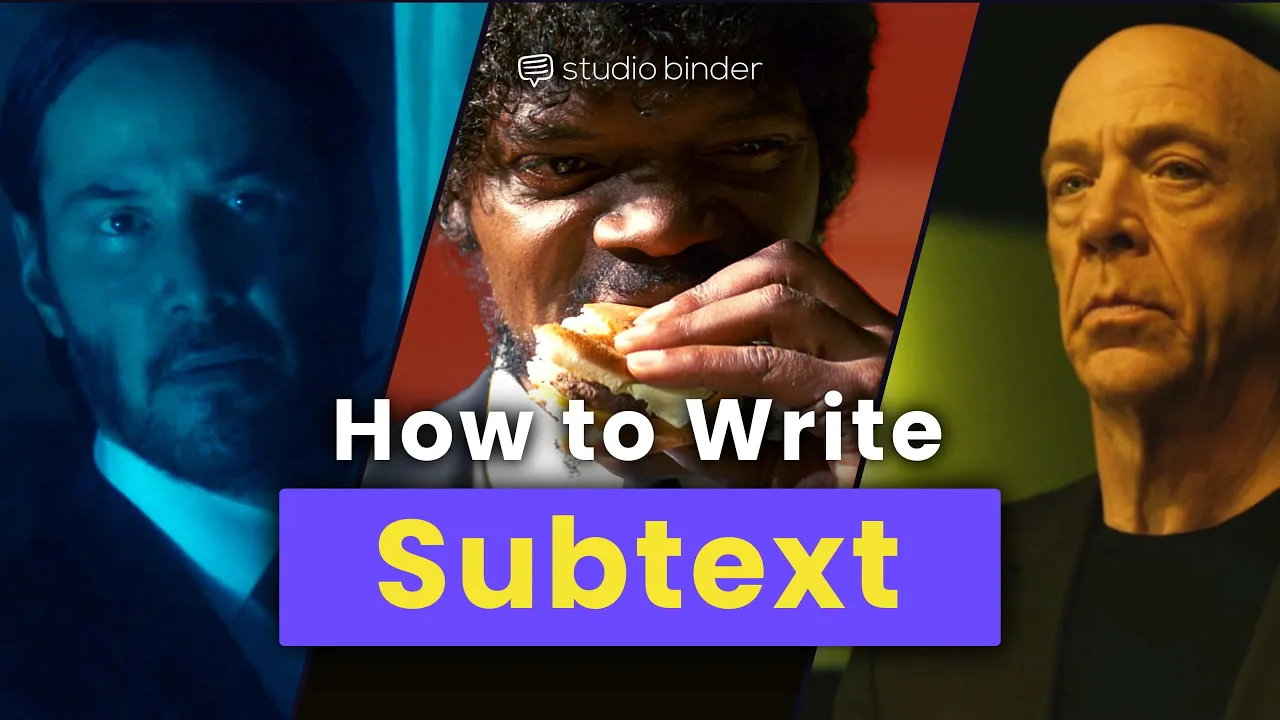
![On Writing: Subtext (and how to use it)! [ Tarantino | Thrones | Gatsby ]](https://i.ytimg.com/vi/58FyvzttlIg/maxresdefault.jpg)
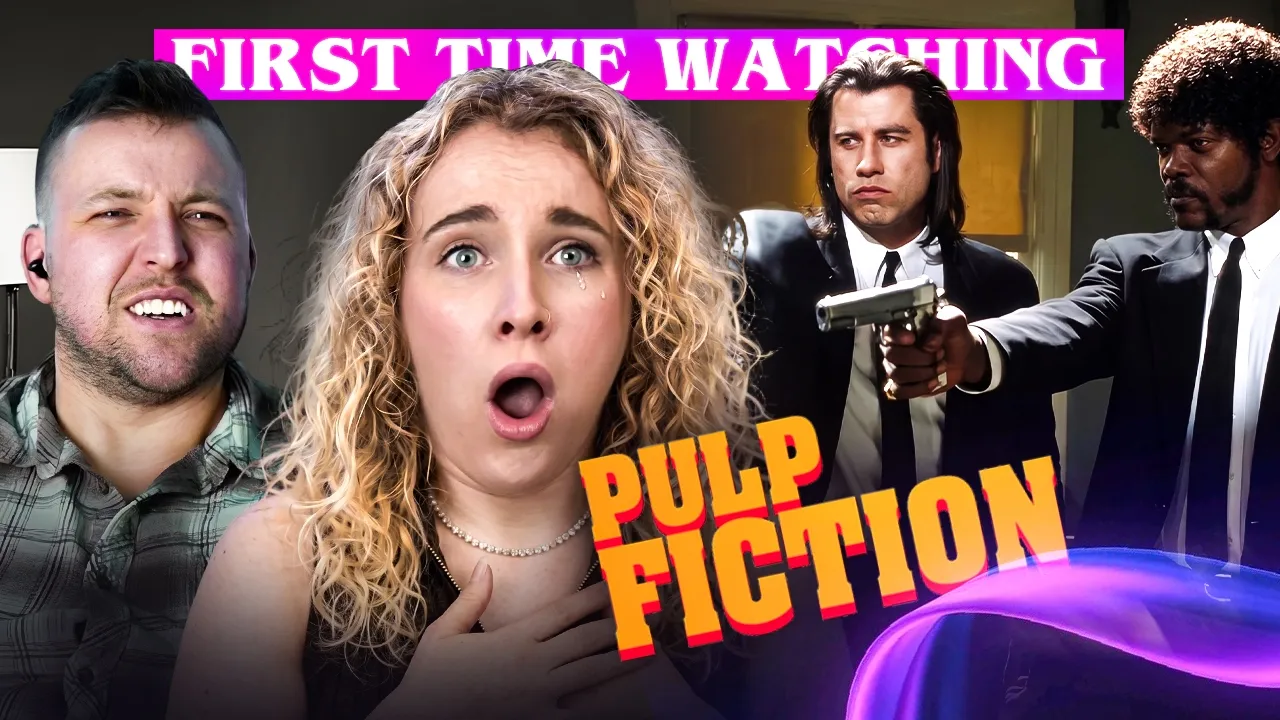




Quentin Tarantino creates memorable dialogue by deliberately slowing down scenes to build tension through the 'rubber band' technique, where mundane conversations about topics like hamburgers or foot massages contrast with deadly stakes, using subtext, tangents, and silence to reveal character power dynamics rather than simply advancing the plot.
Why Quentin Tarantino's Dialogue Feels So Natural
Added:Understanding the literary concept of subtext—the underlying theme or meaning that is not openly stated by the characters.
Basic screenwriting terminology and structure, specifically how dialogue functions to advance plot or reveal character.
The distinction between realistic, everyday speech (which is often repetitive and unstructured) and stylized, cinematic dialogue.
The concept of dramatic stakes (what characters stand to lose or gain) and how they generate tension in a scene.
Comparative analysis of other dialogue-heavy screenwriters, such as Aaron Sorkin's fast-paced banter or David Mamet's rhythmic staccato.
Practical exercises in writing subtext-driven scenes where characters communicate their true intentions indirectly.
Studying the psychological use of 'mundane dialogue' to establish power dynamics and character relationships in tense situations.
Analyzing how sound design, actor delivery, and editing rhythm complement and elevate written dialogue on screen.
84.1K views2.9Klikes16:13Original Release: 2026-03-04
What is it that makes a Tarantino script? Because the dialogue is so riveting. I mean, you just you're compelled forward by the way people talk to each other. How do you create that?
>> When it comes to writing great dialogue, nobody comes close to Quenton Tarantino.
>> Oo, that's a bingo.
>> From his iconic lines in Pulp Fiction, Royale with cheese. Royale with cheese.
That's right.
>> To his masterclass in writing in Englorious Bastards. You're sheltering enemies of the state, are you not?
>> Yes.
>> The paradoxical thing about Tarantino's dialogue is that his characters sound natural, but in reality, no one actually talks like that. His dialogue feels almost poetic.
>> And you will know my name is THE LORD WHEN I LAY MY VENGEANCE UPON THEE.
>> I just get the characters talking to each other. me the writer is writing it and yeah I'm kind of controlling it for a while but the idea is the conversation catches fire amongst the characters and then they take it and run with it. There is a rhythm to it there is a musicality to it. There is a bit of rhyme between some of the words and some of the phrases and so it's not poetry but it's not completely divorced from poetry. His characters can be talking about foot massages in one scene.
>> I'm the foot [ __ ] master >> and next thing you know they stick a gun in your face and somehow his dialogues feel more genuine than a lot of other films. So today I want to find out how Tarantino creates dialogue so memorable and why nobody else writes it like Quenton Tarantino.
>> I want you to go in that bag and find my wallet.
>> Which one is it? It's the one that says bad [ __ ] Also, if you want to get yourself or your fellow movie lovers some cinema merch, check out our gift shop with the link down below. Now, let's get into the video. The first unique thing about Tarantino's dialogue is that his characters don't talk like regular people. There are very few interruptions, mistakes, or ums and a not like how you and I would talk on a daily basis. The great skill that a writer like Tarantino has is that he is able to write dialogue that feels so real to the audience that they believe it is an authentic conversation even though there is very little real about it.
>> You're a smart mother. That's right.
>> Now dialogue and conversation are not exactly the same thing and many people often confuse the two. Conversation is everyday natural talk. No big meaning, no agenda, just humans talking.
Dialogue, however, in film and theater is shaped, sharpened, and designed to reveal character, tension, or power. And so, great dialogue doesn't feel like dialogue. It feels like a natural conversation, but sharper, cleaner, and more intentional. That's why real conversations are boring on screen. But great dialogue feels realer than real.
And that is where a great writer like Tarantino comes in. One of the most important elements that separates Tarantino's writing is that he is not in a hurry. Most screenwriting advice tells you to cut the fat, get to the point, or that every line must push the story forward. But Tarantino does quite the opposite. He slows the pace down and lets the conversations linger.
>> This is Ben.
>> For example, in Pulp Fiction, when Pumpkin counts to three before he lets go of his gun.
>> One, two, three.
>> Okay, Ringo, you win. Or in The Hateful Aid, how Mayor Maris makes Joe Gage blink if he understands.
>> Blink if you're going to remain calm.
Hey Blake, take his pistol.
>> It slows the scene down when the situation is at its most tense. A more famous example is, of course, the big kahuna burger scene. Jules and Vincent arrive in an apartment to kill two guys who betrayed their boss. But instead of Jules going into the room and pulling the trigger, he does the complete opposite and starts talking about a hamburger.
>> Hamburgers, the cornerstone of any nutritious breakfast.
>> Stretching the moment out until the violence becomes unbearable.
>> You mind if I try one of yours?
This is yours here, right?
>> Underneath it, it's like the suspense is a rubber band. And I'm just stretching it and stretching it and stretching and see how far it can stretch.
>> We're thinking, is he really going to shoot them? And if so, when is it going to happen?
>> What country are you from?
>> WHAT? WHAT?
>> WHAT? AIN'T NO COUNTRY I EVER HEARD OF.
They speak English and what?
>> What?
>> English, mother. Do you speak it?
>> Tarantino lets the tension build and makes the audience wait from the moment the character enters the room and releases it at maximum impact. That's why it's incredibly hard to pause a Tarantino film. He is constantly building anticipation in his dialogue to the next line. And we of course want to know what happens next. For example, in the Hateful Eight, we want to know how Samuel L. Jackson escaped from prison and got a bounty on his head.
>> Does he does he know how famous she once was?
>> I don't think so.
>> Now, does this mean characters can simply talk about anything for as long as they want and still keep the audience engaged? Well, as you might guess, probably not. Tarantino's films have been accused by some of being too talky, making them feel quite slow.
>> Movies, it's tricky. movies can start to feel slow, right? You got to play it just right.
>> Well, you know, hopefully the idea is, at least in my case, you're creating a rhythm and you're sailing on that rhythm and you're going with that rhythm and you can break up the rhythms and everything, but that's what's stopping it from just being a talky drag.
>> In reality, it is less about what is being said, but more about the emotional pressure in the room. Once that tension is set, Jules could talk about almost anything, and we would still be on the edge of our seat. The fact that he's casually discussing a hamburger while he is moments away from popping this dude only makes the scene more unsettling.
The reason Tarantino is able to keep us engaged is because he knows incredibly well how to raise the stakes. There's always something at stake in a Tarantino scene. Whether it's someone trying not to say the wrong thing or a character being uncovered as a spy or simply not trying to get shot, Tarantino masterfully raises the stakes with very little words. In the opening scene of Pulp Fiction, Pumpkin says, >> "Forget it. It's too risky." which instantly has us hooked, wondering why and what he is up to. And right before the famous big kahuna burger scene, Jules and Vincent are standing in the elevator where the stakes are set.
>> Then what Marcel did?
>> Sent a couple of cats over to his place.
They took him out on his patio, threw his ass over the balcony. [ __ ] fell false stories.
>> From this very short moment, we understand that they got to get these guys otherwise they're cooked. This contrast is Tarantino's biggest trick to create more tension. The dialogue can be about foot massages, but the situation and stakes are deadly.
>> Foot massages don't mean [ __ ] >> Have you ever given a foot massage?
>> Don't be telling me about foot massages.
I'm the foot [ __ ] master.
>> The most masterful example of this is probably the opening scene of Englorious Bastards. Hans Landa is hunting down a group of Jews and is interrogating a farmer to see if he is hiding them.
>> That's a scene that's built around both dialogue, but dialogue as a mechanism for suspense. It is important to know that Hans is a linguistic genius.
>> He speaks German, French, Italian, and English. One of the reasons he is so terrifying is his ability to control language like a weapon.
At first glance, you wonder why you would switch from French to English because he is talking to a French man after all. But later on, we realize there are Jews hiding underneath the floorboards. And so this is his tactic to prevent the Jews from understanding him because whoever controls the conversation controls the room.
>> Now a great dialogue between two people is not a one-way street. It has tangents, open endings, unanswered questions, and changes of topics. A great writer can make these seemingly pointless tangents, come back to the conversation, and move the story forward. In the middle of the scene, Hans stops talking about the war and tells a random story about rats, completely unrelated to his visit. If a rat were to walk in here right now, as I'm talking, would you greet it with a source of your delicious milk?
>> Until the conversation flows further and it turns out he is likening rats to Jews. He tells the farmer that rats hide beneath the floorboards, which is the moment we realize Hans knew about the juice from the moment he stepped into the barn. You shall bring them underneath your floorboards, aren't you?
>> Yes. And so, a seemingly pointless tangent in a Tarantino scene turns out to be incredibly relevant. These tangents make the exchange feel real because those kind of segways happen in real life as well. The genius is that these detours aren't distractions. They always come back around and hit the core of the scene and that is where Tarantino shows his mastery. The scene goes on for nearly 20 minutes. But Tarantino uses time as a weapon because the tension doesn't come from what is happening. It comes from what hasn't happened yet.
Going to switch back to French now. I want you to follow my mascaras. Clear this.
Now, normally in a situation when you do a movie, you tried to make your scenes as compact as possible so there's not air and you don't wear out your welcome with the audience. But in this method, as long as that rubber band can stretch, the longer the scene can hold, >> the more suspenseful it is. You want to just stretch it until the rubber band breaks.
Another aspect of Tarantino's dialogue is how he writes subtext. Take the Italian scene of Englorious Bastards.
Hans Landa already knows exactly that these three guys are not Italian, but American intruders.
>> And so he's starting to test their Italian by making them repeat their names.
Gorami come >> subtext is the underlying unspoken intention beneath the dialogue in the story. In this case, it's Hanslana's intention to make a fool out of them, knowing he has all the power.
>> Antonio Margaret, >> in most movies, dialogue exists to explain things. In Tarantino's movies, it's not about providing information.
It's about power.
>> Dominic the Coco, >> come here.
>> Dominic the Coco.
>> Bravo. Bravo.
>> But sometimes silence can be just as important as the lines. Tarantino also knows when not to speak. Look at the basement bar scene in Eng Glorious Bastards where a British spy and a German officer are sitting at a table and the German officer is suspicious of his German accent. After a long sea of words, the dialogue slows down and people watch each other more than they talk. When the British spy orders three glasses of beer, he raises his hand and says, glazer.
>> From the facial expression of the German officer, we see that this is when he realizes he is a spy. Suddenly, we hear a sharp click of a gun and you know things are about to go down.
>> We break out of this trans of dialogue and snap back into reality.
This is something Tarantino learned from old cinema, especially westerns and noirs, where silence wasn't empty, it was loaded.
>> See, feed us into your Nazi boss.
>> It is only in the next scene that we get to know what actually happened.
>> Why don't you try telling us what the happened?
>> We ordered three glasses.
We ordered three glasses. That's the German three. On a second viewing, that expression now has a totally different meaning. Tarantino's dialogue often has a symbolic meaning. In the opening scene of Reservoir Dogs, the conversation jumps from character to character.
Tarantino's character is making some grandiose theory about a random song, an allegory to his dialogue style. Mr. Pink not wanting to tip isn't about money. It is about not obeying the rules.
>> Throw in a bug.
>> Uh-uh. I don't tip.
>> You don't tip.
>> No, I don't believe in it.
>> And Mr. White's reaction isn't about generosity. It is about authority.
>> It's the one job basically any woman can get and make a living on. The reason is because of their tips.
>> All that.
>> What's really happening here is a power struggle. It's about who controls the table, who sets the moral tone, and who refuses to conform. And by the time the robbery happens, we already know who these people are. Not because of the backstory, but because of how they talk.
>> You want to with me? I'll show you who you [ __ ] with. You want to shoot me, you little piece of [ __ ] This shows how Tarantino doesn't explain characters, he lets them expose themselves through dialogue. Now, lastly, great dialogue is nothing without great actors. Tarantino once called himself a so-called method writer. He lives inside the character's heads for months on end while he is writing and most of the time already has the actor in mind who is supposed to play the role, which is a big reason why his dialogue works so well. There isn't a lot of aspect when it comes to writing that relates to acting. The way like two actors would improvise or something like that, but there's not that showoffy. Uma has a great line about it. She goes, "Look, if an actor is improvising and they're not using curse words, that's not improvisation. That's writing." All right? That's why you never see it. All right? If they're going to improvise, you're going to cuss.
>> Well, it's safe to say Samuel L. Jackson did a lot of improvising.
>> We're not going to store that mother.
>> I'm on the mother. I'm a mushroom cloud laying [ __ ] As you can see, Tarantino's words are sculpted for performance. That's why his scripts feel so alive on screen. They are meant to be inhabited, not simply recited, which is a big reason why he doesn't let all of his actors change their lines or improvise.
>> Do they have to stick to the script or does some of these guys try to add limb?
>> No, no, no. They No. I'm paying them to say my dialogue. Make no mistake.
>> Tarantino writes his scenes almost like short films. The tavern scene in Englorious Bastards could exist on its own. So does the big kahuna burger scene or the opening of In Glorious Bastards.
The car ride in Jackie Brown and the scene at the ranch in Once Upon a Time in Hollywood. Each one has its own arc, its own tension, and its own release.
That's why people keep quoting Tarantino scenes. His scenes don't feel like fragments. They feel complete. What truly sets Tarantino apart is that he doesn't treat dialogue as filler between action. Dialogue for him is as much as a stylistic decision as which camera you use, which lighting, or which music.
Tarantino's dialogue style has changed from movie to movie with Pulp Fiction being the most heavily stylized, but throughout the years, he got rid of it more and more. Tarantino shows that it's not always about what is said, but about how you say it.
>> I just get the characters talking to each other, and what you're trying to do is create an environment as you're writing that Quinton isn't doing it.
They're doing it. Quinton starts it off.
Quinton knows the direction it's supposed to go, but then the characters take it over.
>> For Tarantino, dialogue is not decoration. It is cinema. He just starts it off and then the characters take over and the words start living their own life and that's why you remember his lines long after the story ends.
>> God damn Jimmy, this some serious gourmet [ __ ] Me and Vincent would have been satisfied with some freeze-dried tasters choice, right? And he brings this serious gourmet [ __ ] on. Now, if you want to watch another movie with iconic lines, check out The Wolf of Wall Street by Martin Scorsesei or Intermission, starring Killian Murphy, which are currently streaming on Movie, not only in my country, the Netherlands, but in many other countries. Movie is a curated streaming service dedicated to elevating great cinema from all around the globe. From iconic directors to emerging actors, there's always something new to discover. You can now also browse the latest and greatest collection showcasing some of the most inspiring and compelling new films fresh from cinemas. And the best thing is that they are all carefully handpicked by movie curators. You can try Movie Free for 30 days at movie.com/ducinema.
That's mubi.com/ducinema for an entire month of great cinema for
Up Next
2:23
No Country for Old Men: The Ruthless Yet Principled Hitman
@Marcher-u8w
27.2K views•2025-12-25

12:54
Triumph of Orthodoxy Icon: Byzantine Art & History Explained
@BenCallan
2.1K views•2024-08-06

9:49
FastAPI vs Flask vs Django: Choosing the Right Python Web Framework
@TechWithTim
302.5K views•2024-05-26

1:42
Game of Thrones Opening Credits: A Cinematic Analysis
@gameofthrones
46.3M views•2011-04-18
Related Study Plans & Knowledge Roadmaps
Structured learning paths in General & Interdisciplinary Studies
general-studies
Elevator Engineering: History, Physics & Cities
01From Hoists to Safety Brakes: The Dawn of Vertical Lift
02Hydraulic vs. Traction: The Engineering Physics of Elevators
03Modern Speed, Safety, and Algorithms
+ 2 more learning modules
12h5 modules
Explore Roadmap
general-studies
Rubber: Material Science, History & Geopolitics
01Origins of Natural Rubber & Mesoamerican History
02The Chemistry of Natural Rubber & Vulcanization
03The Geopolitics of the Rubber Boom & Colonization
+ 2 more learning modules
12h5 modules
Explore Roadmap
general-studies
Containerization: Evolution, Logistics & Trade
01Ancient Trade & Bulk Cargo: Amphorae to Barrels
02The Industrial Revolution & Cardboard Packaging
03The Containerization Revolution: Malcom McLean
+ 2 more learning modules
12h5 modules
Explore Roadmap
general-studies
Textile Tech: Evolution, Labor & Global Impact
01Pre-Industrial Textiles: Handloom & Cottage Industry
02Mechanization: The Spinning Jenny to the Power Loom
03The Factory System & Global Labor Transformation
+ 2 more learning modules
10h5 modules
Explore Roadmap