


















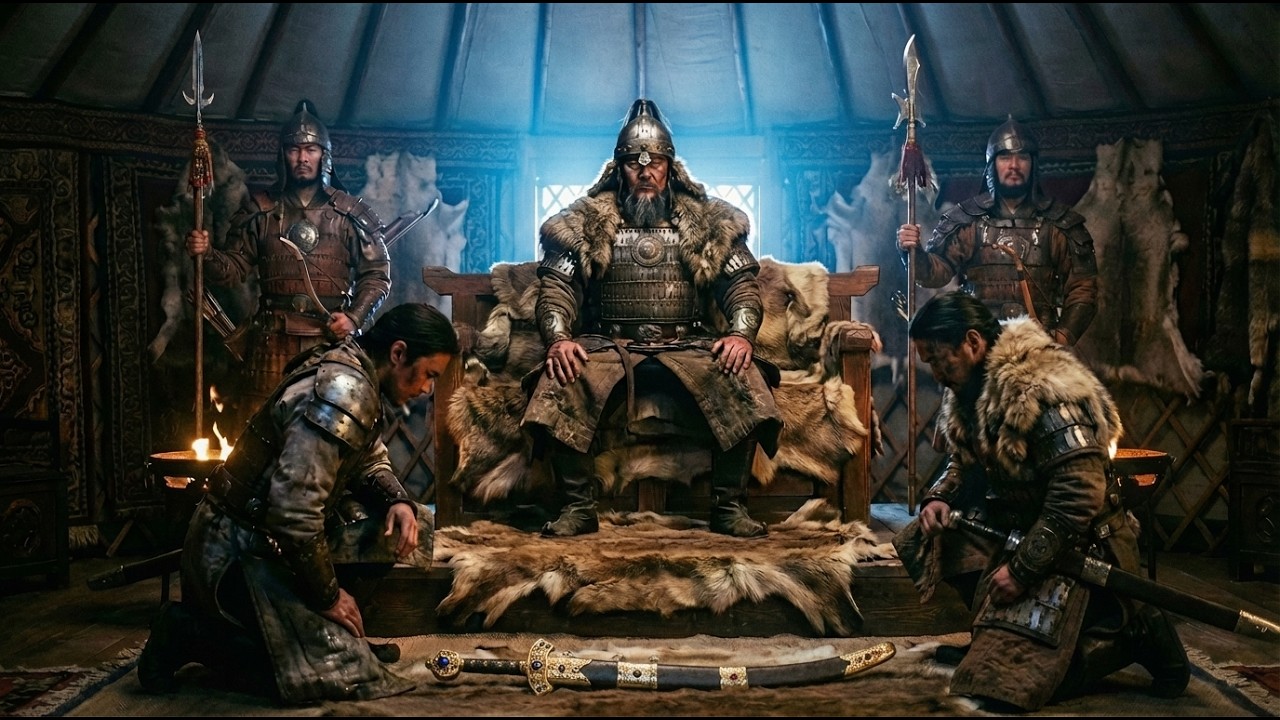




Beyond these political divisions, several factors accelerated the Empire's fragmentation. The first was ecological—the late 13th and early 14th centuries saw the beginning of climatic cooling that would later be called the Little Ice Age. This climate shift reduced grass production on the Eurasian steppes, undermining the pastoral economy that had sustained the original Imperial expansion. Drought and harsh winters reduced the massive horse herds that had formed the foundation of military power, gradually eroding the advantage that step warriors had maintained over sedentary societies. Disease provided another catastrophic blow—the unprecedented connectivity established during the Pax Mongolica had created ideal conditions for pandemic spread. The Black Death, likely originating in the grasslands of Central Asia, traveled rapidly along trade routes in the 1340s, eventually killing between 30% and 50% of the population across much of Eurasia. Beyond its devastating human toll, this demographic collapse disrupted economic systems particularly in China and the Middle East, further weakening Imperial authority. Military factors also contributed to decline—as Imperial forces settled into administrative roles, they gradually lost the extraordinary martial skills that had made the initial conquests possible. Children of the ruling elite raised in palaces rather than on horseback never developed the horsemanship, archery, and hardiness that had given their ancestors such decisive advantages on the battlefield, while their opponents adapted, incorporating step tactics and technology into their own military systems.
Genghis Khan: Rise, Conquest, and Legacy of the Mongol Empire
Added:as night falls Journey with me across mongolia's vast steps where History's Greatest land Empire once stretched from the Pacific to Eastern Europe the Mongol Saga transcends Conquest revealing cultural exchange Innovation and trade networks that connected east with West centuries before our modern era close your eyes and travel to the Windswept grasslands where tamuin a boy Bor born clutching a blood clot Rose from poverty to become genis Khan the universal ruler breathe deeply as we witness the birth of an Empire that would forever alter human history in the harsh Wilderness of the Mongolian Plateau around the year 1162 a child was born to yesugay a minor Chieftain of the borjigin clan and his wife hoelun they named him tamuin after a Tatar Chieftain his father had captured the Mongolia of ujin's birth was no unified Nation but a patchwork of nomadic tribes tatars merkit nyons Kites and dozens more locked in constant cycles of raiding Alliance and betrayal life on the steps was brutally difficult Winters brought temperatures plunging to 40° below zero while summer droughts could decimate the herds upon which survival depended in this unforgiving landscape only the strongest and most adaptable survived from his earliest days ujin learned the skills of the nomadic Warrior riding at full Gallop before he could walk shooting a bow from horseback with deadly accuracy and enduring days without food or shelter but even by the harsh standards of Step life the boy's childhood would prove exceptionally difficult when he was just 9 years old his father took him to the family of his betrothed Berta to arrange their marriage and left him there to be raised by his future in-laws as was Mongolian custom on his journey home the chieftain accepted food from Tatar who recognized him as an enemy and poisoned him as he Lay Dying he sent a trusted companion to bring his son back to the family upon his father's death the members of the clan abandoned ujin's family refusing to be led by a child the deepest water dries up the brightest Stone crumbles they told his mother taking even the ancestral herds that were the family's only source of sustenance left without protection or resources the Widow and her children were forced to survive on Roots berries and small game living as outcasts on the margins of tribal society when the master dies the servants scatter like drifting smoke when the mother tree falls the saplings cannot stand alone goes an old Mongolian proverb and so it seemed for this abandoned family this period of devastating poverty forged ujin's character with his mother and siblings he learned to hunt marmots and fish to make clothes from the skins of field mice sewn together and to find strength in family loyalty when all external support had vanished his resilient mother taught her children that their only hope of survival lay in perfect Unity together you can withstand any enemy but a single arrow is easily broken yet tragedy continued to stalk the young boy when he was around 12 years old he killed his half brother becta in a dispute over hunting spoils establishing his dominance within the family but living with the grave consequences of fraternal Bloodshed one of the most serious crimes in Mongol Society shortly after this incident disaster struck again the tude Clan once followers of his father captured tamuin and kept him in a wooden collar designed for slaves for days he was displayed from yurt to yurt as an object of curiosity and derision but one night seeing his guards distracted during a celebration the captive smashed his wooden collar against a rock and fled Into the Night a tude pursuer spotted him hiding in the shallows of a river but inexplicably chose not to reveal his location this mysterious Act of Mercy would long be remembered by tamuin who later rewarded the man named soran Shira when he rose to power even in these darkest moments the future ruler was learning which acts of kindness and cruelty would shape his own leadership after escaping from captivity he reunited with his family and soon sought out his betrothed their marriage created an alliance with her tribe the concat giving him his first political connection and the beginnings of a power base as a wedding gift he received a magnificent black Sable coat a treasure he would soon put to strategic use understanding that in the steps a man without allies was a man awaiting death tamuin journeyed to find togrul the KH of the Kites and a blood brother to his late father presenting the valuable Sable coat as a gift the young leader secured tog ru's promise of support famously declaring I will be your right hand and together we will unite the felt tent dwelling people this Alliance proved timely shortly after his marriage Warriors from the merket tribe enemies of his father who had once kidnapped his mother raided his camp and captured his new wife in Revenge with the kite Khan's support and the assistance of his childhood friends and future rival jamuka tamuin launched his first military campaign successfully rescuing her after several months of captivity the woman's return was joyous but complicated she was pregnant and the child Joi would always carry the stigma of Uncertain paternity yet ujin claimed the boy as his own demonstrating a pragmatism about family and loyalty that would later extend to his Empire Building throughout his life competence and loyalty would matter more to him than birth or background a revolutionary Concept in the deeply hierarchical tribal Society following the campaign against the merkit ujin's reputation grew he demonstrated an unprecedented ability to attract followers not through tribal connections but through personal loyalty breaking with tradition he promoted men based on Merit rather than Family Ties offering advancement to anyone who proved their worth even former enemies this radical meritocracy drew the talented and ambitious To His Banner particularly from less prestigious Clans who saw opportunity in his Rising power his expanding influence eventually strained the relationship with his blood brother and Ally the two men represented competing models of leadership his friend followed the traditional aristocratic approach while ujin created a new system based on personal loyalty and Merit when their paths diverged around 1182 their followers chose sides beginning a protracted struggle for Supremacy this conflict would last nearly two decades punctuated by battles betrayals and shifting alliances that gradually Consolidated Mongol tribes under ujin's Banner in 1186 his Rivals supporters proclaimed their leader Gan an act that clarified the stakes only one man could ultimately rule the Mongol tribes throughout this period tamuin displayed the Strategic genius that would later reshape continents after a significant defeat at 13 sides he retreated to regroup rather than making a desperate stand he systematically formed alliances with his opponent's enemies including the powerful kries under their KH his father's old Ally when these relationships became strained as they did with togrul around 1203 tamuin proved ruthless in eliminating former supporters who had become obstacles by 1206 after Decades of warfare Alliance building and political maneuvering he had achieved what no one before for him had accomplished the unification of all Mongol and turkic tribes of the step at a great assembly called a kurul Thai held near the sacred mountain of Buran calun the assembled tribal leaders raised him on a felt carpet and proclaimed him chingis Khan the oceanic ruler the supreme leader of a unified Mongol Nation the man who had once been abandoned to starve on the steps now stood as the unchallenged ruler of the largest Confederation of nomadic peoples in history his former blood brother finally captured after years of conflict refused ujin's offer of reconciliation requesting instead a noble death without Bloodshed honoring this request the new khah had him executed by having his back broken a death fitting a prince and buried his remains with honor a final respect to the man who had been both his greatest friend and most dangerous rival at the kural Thai Genghis Khan immediately set about transforming this tribal Confederation into a disciplined State he instituted the yasa a legal code that established standard laws across all tribes he created a decimal military system organized in units of 10 100 thousand and 10,000 tuman overriding traditional tribal groupings he established a rudimentary bureaucracy and a core of Messengers Arrow bearers who could rapidly transmit his commands across the vast territories now under his control perhaps most significantly he dismantled the old tribal aristocracy replacing it with a new Elite based on loyalty and service to him the sons of defeated chiefs were executed or marginalized while loyal followers regardless of background received positions of authority he even created a personal Guard unit the keshig whose members would go on to become his most trusted generals and administrators at 44 years of age Genghis Khan had completed the first phase of his remarkable Journey from Outcast to Emperor but he was not content to rule only the Mongols standing before the assembled leaders at the kural Thai he declared I have risen from the brown Earth to the throne of gold I intend to bring the entire world under my hoof beats the assembled Warriors seasoned by Decades of intertribal warfare now looked beyond the step to the settled civilizations that surrounded them the wealthy but fractured Middle Kingdom of China to the South the Muslim empires to the west and further still the distant kingdoms of Europe with a unified people behind him and a military machine honed through years of conflict the Khan prepared to launch the greatest series of conquests the world had ever seen The Nomad had become an emperor and the world was about to discover the terrible efficiency of the Mongol War Machine as Genghis Khan looked toward the horizon the vast Empires beyond the steps had no conception of the storm that was gathering a storm that would forever alter the course of human history as the dust settled on the great kurai of 1206 genis Khan stood at the threshold of a new era the unification of the Mongol tribes was not an end but merely a beginning with the steps now United under his Banner the newly proclaimed khah turned turned his gaze outward toward the sedentary civilizations that had for centuries looked down upon the nomadic peoples as barbarians little did these kingdoms know that from The Crucible of tribal Warfare had emerged the most devastating military force the Medieval World would ever encounter the army that genis Khan Unleashed upon the world was not merely a collection of skilled Warriors it was a revolutionary military system designed for Conquest on an unprecedented scale every aspect of this force was crafted through a combination of Step Traditions refined to Perfection and innovations that would transform Warfare Forever at its heart the step military was built around the horse Archer perhaps the most formidable Warrior of the premodern era born to the saddle these children learned to ride before they could walk and began training with the bow from Early Childhood by adulthood a warrior could hit a Target while Galloping at full speed release multiple arrows in Rapid succession and maneuver with a Precision that infantry focused armies could scarcely comprehend the composite bow they wielded was a technological Marvel a laminated construction of wood horn and senu that could outrange most contemporary weapons with a draw weight of over 100 60 lb and an effective range of 300 yards or more these archers could strike enemy formations long before those enemies could respond each fighter carried two or three bows and up to 300 arrows of various types including specialized armor piercing arrows for heavily armored opponents Genghis Khan organized this lethal Force into a decimal system that overrode traditional tribal affiliations warriors were grouped in units of 10 100 thousand and 10,000 this organization facilitated precise control and communication across vast distances and complex battlefields perhaps most crucially it created a meritocracy where leadership was based on skill and loyalty rather than birth a revolutionary concept that allowed the most talented fighters to rise through the ranks regardless of their Origins discipline was absolute the penalty for desertion failing to retrieve a fallen comrade or not sharing plunder correctly was death yet this harsh discipline was balanced by generous rewards these Warriors received a greater share of plunder than soldiers in almost any contemporary Army creating intense loyalty and motivation as one Persian chronicler noted each man is worth more than 10 of their enemies for they all profit when they win and all die when they lose while the step Army's tactical Brilliance was unparalleled Genghis Khan understood that wars were won as much in the mind as on the battlefield he elevated psychological warfare to an art form using Terror as a strategic weapon with a chilling Precision before attacking major kingdoms his forces would systematically annihilate smaller settlements that resisted while sparing those that surrendered immediately survivors were often incorporated into his army as auxiliaries or sent ahead to spread Tales of Devastation creating a wave of fear that preceded the main Force as word spread of entire cities being raised and populations massacred many subsequent targets ch surrender over resistance these conquerors cultivated their fearsome reputation with calculated public displays of brutality after capturing the tangut city of wahi in 129 they executed the defending General by pouring molten silver into his eyes and ears a gruesome spectacle designed not merely as punishment but as a message that would travel faster than any army yet this Terror was applied with strategic restraint cities that surrendered without resistance were generally spared their skilled Artisans and Craftsmen conscripted rather than killed their existing governance structures often left intact under the Khan's overside this created a powerful incentive for submission rather than resistance allowing his forces to absorb vast territories without fighting for every inch as one adviser reportedly told genis Khan the greatest joy a man can know is to conquer his enemies and drive them before him to ride their horses and take away their possessions to see the faces of those who were dear to them bedewed with tears and to clasp their wives and daughters in his arms what truly distinguished the step military from its contemporaries was its unmatched operational mobility and flexibility while other medieval armies typically moved at 10 to 12 mil per day these Horsemen could cover 60 to 100 miles when necessary each Warrior maintained a string of three to five horses switching mounts regularly to prevent exhaustion without the need for slow moving Supply trains the Khan's armies could appear seemingly out of nowhere striking before Defenders could prepare rather than relying on static formations these nomadic Warriors mastered the art of fluid Battlefield tactics their signature maneuver was the feigned Retreat drawing enemy forces into a disorganized Pursuit before turning to envelope and Destroy them at the Battle of the Cala River in 1223 Russian forces pursued what they thought was a beaten Detachment for 9 days becoming strung out and vulnerable before the St Fighters turned and annihilated them completely Genghis Khan's generals were masters of the envelopment using carefully coordinated movements to surround enemy forces from multiple directions at the Battle of yuling in 1211 against the Jinn Dynasty his forces split into three divisions attacked from unexpected directions and trapped the numerically Superior Jin Army in a devastating encirclement unlike many contemporary Powers these nomadic conquerors proved remarkably adaptable to New Challenges when confronting the walled Cities of China obstacles the step Warriors had little experience with they quickly absorbed Chinese Siege expertise they recruited Engineers from conquered territories learned to construct and operate catapults trebuchets and other Siege engines and developed Innovative tactics like diverting rivers to undermine City walls this adaptability extended to Naval Warfare as well despite coming from a landlocked step environment the forces under Genghis Khan's successors would eventually build fleets to attack Japan and Java though with less success than their land campaigns the first settled civilization to face the full might of Genghis Khan's Unified Army was the Western Shia a sophisticated Buddhist Kingdom controlling valuable trade routes between China and Central Asia in 1205 just before the kural Thai that proclaimed him genis Khan tamuin began raiding tangut territory testing their defenses and response the full invasion began in 127 and it revealed the pattern that would characterize many future campaigns initial resistance was met with overwhelming Force when the tanguts rejected the Khan's demands for submission and tribute his forces systematically reduced their fortified cities diverting rivers to flood defenses and employing Chinese Siege engines against major fortifications by 1210 the Western xar ruler submitted accepting vassel status and providing troops for future campaigns with this first Conquest secured genis Khan immediately turned his attention to a far greater prize the Jinn Dynasty which ruled Northern China the Jinn campaign began in 1211 with a three pronged Invasion that caught the Jin defenses unprepared despite commanding a vastly larger population and resources including a standing army of over a million Soldiers the Jin proved unable to counter the mobility and tactical Brilliance of the step Warriors at the Battle of yuling a gin Army of over 500,000 faced approximately 100,000 of genis Khan's Warriors through a series of feigned Retreats and flanking Maneuvers the nomadic forces split the Gin armies and destroyed them peac meal killing an estimated 60,000 Jinn soldiers while suffering minimal losses following this devastating Victory the Khan's troops systematically reduced Jinn cities over the next several years the Jin capital of Jong du fell in 1215 after a brutal Siege when the starving residents finally surrendered the conquerors executed all officials and Military Officers before thoroughly looting the city refugees reported that the streets were slippery with fat from the massive Slaughter that followed while the final conquest of the Jinn would wait until after genis Khan's death the Empire had been fatally weakened by his campaigns one of the most remarkable aspects of genis Khan's generalship was his ability to coordinate military operations across multiple distant fronts simultaneously even while Prosecuting the Jinn campaign he dispatched forces Westward to subdue the karakai empire that controlled much of Central Asia led by His Brilliant General jabe the arrow the Khan's forces invaded karakai territory in 1216 rather than relying solely on military force jebe exploited internal divisions forming alliances with discontented vassel rulers and religious minorities oppressed under kakai rule this combination of military pressure and political manipulation led to the rapid collapse of the Empire by 1218 adding vast territories to the growing domain of the step conquerors the conquest of karakai had profound strategic implications it extended Genghis Khan's control to the borders of the powerful quasianalytic [Music] giving his realm control over the lucrative eastwest Commerce that had flowed for centuries Merchants who had previously paid taxes to multiple Powers now dealt with a single Authority preaging the Pax mongolica that would later connect distant parts of Eurasia behind the dramatic battles and sieges lay perhaps the greatest military innovation of these nomadic conquerors a logistical system far ahead of its time while contemporary armies relied on slow moving Supply trains vulnerable to interdiction the step forces lived off the land with remarkable efficiency each Warrior carried dried meat paste yogurt and other preserved foods that could sustain him for days without resupply they drank blood from their horses veins in emergencies carefully making small incisions that would not permanently harm their most valuable military asset their felt tents provided Shel in any weather conditions and their ability to travel with minimal equipment allowed for operational speeds that confounded enemies intelligence gathering formed another crucial component of the khn's military success before major campaigns Genghis Khan would dispatch Merchants spies and diplomatic missions to collect detailed information about potential targets these reconnaissance efforts map Terrain identifi IED key fortifications assessed political divisions that could be exploited and even cataloged the personalities of enemy leaders to predict their reactions during campaigns his forces maintained a sophisticated communication system using horses signal fires and arrow Messengers that could transmit commands over vast distances at unprecedented speeds this allowed Genghis Khan to coordinate multiple Army groups separated by hundreds of miles converging them with timing that repeatedly caught enemies by surprise the military Brilliance of these conquests came at a staggering human cost contemporary chroniclers claimed that the campaigns in northern China reduced the population by tens of millions while modern historians consider these figures exaggerated archaeological evidence confirms widespread abandon M of previously populated areas and significant demographic decline Beyond direct casualties from combat these invasions triggered famine and disease as agricultural systems collapsed in parts of northern China farmlands reverted to pasture or Forest as peasant populations were killed or fled similar patterns would later emerge in Central Asia and the Middle East where sophisticated irrigation systems built over centuries so fell into disrepair following the conquests yet there was a cold strategic logic to this Devastation for Genghis Khan depopulated regions became grazing lands for his horses converting agricultural land back to pasture that sustained the nomadic lifestyle and military power of his people as one scholar observed in a very real sense they were not conquering land but harvesting it by 1219 just 13 years after unifying the tribes Genghis Khan ruled an Empire stretching from the Pacific Ocean to the borders of the Islamic world the Western Shia had been subjugated the Jinn dynasty was crumbling and the karakai had been absorbed into his growing realm yet the greatest challenges and the most devastating campaigns still lay ahead as the great Khan gathered his forces on the border of the quarian Empire he sent a message to sha Muhammad that revealed both his confidence and his worldview I am the master of the lands of the Rising Sun while you rule those of the Setting Sun let us conclude a firm Treaty of friendship and peace the Sha's response would trigger one of history's most devastating military campaigns as the step War Machine prepared to descend upon the Islamic world with unprecedented Fury the nomads who had once been dismissed as barbarians by their civilized neighbors had proven themselves masters of Warfare on a scale that would reshape continents as you drift towards sleep consider how this military Revolution built on Horseback archery psychological warfare and Brilliant leadership would continue to transform the world in ways that echoed down to our present day in the year 1218 as Genghis Khan Consolidated his power over the conquered lands of northern China and Central Asia his attention turned Westward toward a New Horizon the vast quism Empire stretched before him a powerful Muslim realm encompassing modern-day Iran Afghanistan and much of Central Asia ruled by Sha Muhammad II it was a civilization at its peak wealthy from control of the Silk Road defended by hundreds of thousands of Warriors and adorned with great cities that were jewels of Islamic culture and learning what happened next would become one of history's most consequential encounters a collision between the nomadic War Machine of the steps and an established Islamic empire that would forever alter the course of civilization in the Middle East but unlike many of Genghis Khan's campaigns this catastrophic War Began not with territorial ambition but with a diplomatic incident that escalated into one of history's most devastating acts of Retribution seeking to establish peaceful trade relations genis Khan dispatched a caravan of 450 Merchants to quism in 1218 with them he sent a message to sha Muhammad I am Master of the lands of the Rising Sun and you rule those of the Setting Sun let us conclude a firm Treaty of friendship and peace the Sha initially received this Overture with caution but apparent interest sending gifts in return shortly afterward Genghis Khan sent a formal diplomatic Mission led by Muslim ambassadors to reinforce his peaceful intentions but at the quarian Border City of atra disaster struck the governor known as in aluk or giaan accused the merchants of being spies seized their valuable goods and executed the entire Caravan when the following diplomatic Mission arrived to investigate the Sha had all but one of the ambassadors executed their beards were burned off a profound insult in Mongol culture to the Mongols ambassadors were sacred and inviolable their execution represented not merely an insult but a transgression against the order of Heaven itself upon hearing the news genis Khan reportedly retreated alone to a Mountaintop for three days and nights communing with the Eternal blue sky before returning with cold purpose according to Persian chroniclers he declared the sovereignty of the urban people of these territories I will give to the youngest of my sons but first I must reduce them to such a state that the fos of my horses might Frolic in their palaces the Mongol response would be measured not in anger but in meticulous preparation throughout 1219 genis Khan assembled what might have been the largest nomadic army ever created possibly 200,000 Warriors drawn from all corners of his growing Empire the great Khan took personal command bringing along his sons Joi chagatai OG and toui to learn the Arts of war and Conquest against this Force sha Muhammad could field a much larger Army perhaps 400,000 strong but rather than concentrating his Superior numbers for decisive battles the Sha made a fatal strategic error fearing the Mongols reputation for mobile Warfare he dispersed his forces in Garrison cities across his vast Empire allowing the Invaders to defeat his army in detail The Invasion began in early 1220 with the Mongol forces dividing into multiple columns to overwhelm the Sha's defenses the city of otra where the initial offense had occurred fell after a f Monon Siege true to his reputation for precise Vengeance genas Khan reserved special punishment for inel chuk the governor responsible for the merchant Massacre the man was executed by having molon silver poured into his eyes and ears a death that symbolized his greed but the fall of otra was merely the beginning the great cities of transoxiana bukara samakan uren lay in the invader's path each a center of Islamic learning and culture each defended by formidable walls and numerous Soldiers the fate of these cities would reveal the full terrible efficiency of Mongol Warfare bukara one of the most important cultural centers in the Islamic world was the first great City to face the Mongol Onslaught its outer defenses fell quickly in March 1220 The Garrison attempted a breakout but was hunted down and slaughtered by Mongol light Cavalry when the City surrendered genis Khan rode his horse into the main mosque declared himself the flail of God and ordered the city's notables to bring forth their Hidden Treasures after thoroughly looting bukara the Mongols employed a tactic they would repeat throughout the campaign they used the City's population as human shields for the assault on their next Target samand watching their neighbors driven before the Mongol Army forced to fill the boats with their bodies or charged the walls ahead of Mongol troops had a profound psychological impact on each subsequent City Samaran with its massive walls and Garrison of 100,000 soldiers was thought impregnable yet it fell within days the city's Turkish mercenaries attempted to surrender separately but Genghis Khan had them executed reinforcing his message that resistance and betrayal were equally futile the city's Artisans some 30,000 skilled Craftsmen were deported to Mongolia to serve the growing Empire while many remaining inhabitants were massacred as these great cities fell sha Muhammad fled Westward rather than facing the Invaders a decision that demoralized his forces and civilian population alike pursued relentlessly by a special Mongol Detachment led by the generals ja and subai the once Mighty ruler was eventually cornered on a small island in the Caspian Sea where he died in isolation and despair in early 1221 the death of the Sha did not slow the Mongol Advance if anything the campaign grew more methodical and devastating the city of oen capital of quism resisted fiercely fighting Street by Street against the Invaders infuriated by this unexpected challenge the Mongols diverted the amudarya river to flood the city when it finally fell after a six-month Siege the Vengeance was terrible contemporary accounts claim that each Mongol Warrior was assigned 24 civilians to execute personally while such numbers are likely exaggerated archaeological evidence confirms a massive population decline the great cultural centers of Eastern Persia suffered similar Fates MV nishapur and herat cities renowned throughout the Islamic world for their libraries observatories and universities were systematically destroyed in 1221 at myv the population was ordered to evacuate and then methodically massacred in groups outside the city Modern historians estimate that hundreds of thousands died after the city of nishapur revolted and killed a Mongol General who was Genghis Khan's son-in-law the retribution was particularly severe the city was entirely raised with separate piles reportedly made of men women and children even cats and dogs were killed the level of Destruction inflicted upon the quism empire was unprecedented even by the harsh standards of medieval warfare historians estimate that the population of Persia may have declined by as much as 75% in the regions directly affected by the Mongol invasion sophisticated irrigation systems that had maintained Persian agriculture for centuries were destroyed turning once fertile Farmland into Desert Cities that had been intellectual centers for hundreds of years were abandoned entirely or reduced to small towns Persian chroniclers captured the psychological impact of this catastrophe in Stark terms one wrote they came they destroyed they burned they killed they plundered they departed another observed if in a thousand years from now the world should bring forth a monster it will still be less monstrous than genis Khan the invasion was so traumatic that Persian historians termed it the disaster and saw it as a Divine punishment for the Muslim world's sins yet amidst this Devastation glimpses of the future Mongol Empire's more constructive aspects emerged cities that surrendered without resistance like balk were generally spared genas Khan showed respect to Islamic religious leaders who approached him peacefully ordering their religious buildings protected and despite his fearsome reputation he maintained absolute control over his forces with looting and violence following precise strategic objectives rather than descending into chaos by 1222 most of the Persian campaign was complete rather than appointing Governors and establishing direct rule immediately Genghis Khan initially left much of the conquered territory devastated and leaderless as he withdrew the bulk of his forces only gradually would Mongol administrators move in to begin rebuilding and governing a process that would accelerate under his successors as the main Mongol Army returned Eastward a smaller force of approximately 20,000 Warriors under the command of generals JBE and subutai continued Westward on what was intended as a reconnaissance mission this seemingly modest Detachment would go on to defeat the kingdoms of the Caucasus annihilate a combined Russian army at the Battle of the Cala River and raid through Crimea before rejoining the main Mongol force a three-year 5,500 mile circular campaign that demonstrated the extraordinary operational range of Mongol armies the destruction of the quism Empire marked a turning point in world history it opened Central Asia and Persia to direct Mongol rule created a power vacuum in the Islamic world that would not be fully resolved for generations and sent refugees fleeing in all directions spreading tales of the Invincible Horsemen from the East among those who fled the Mongol Advance was a young scholar who would eventually become known as Nasir Alin alusi one of the greatest scientists of the medieval Islamic World initially kidnapped by the Assassin sect he would later serve the Mongols themselves establishing the famous maragay Observatory under their patronage a small example of how chaos and destruction eventually gave way to a new cultural synthesis for Genghis Khan himself the quesan campaign represented both the height of his conquests and a demonstration of his strategic vision despite being in his 60s elderly by the standards of his time he had personally LED his armies on a campaign covering thousands of miles across some of the most challenging Terrain in Asia he had destroyed one of the most powerful empires in the Islamic World in less than two years and he had sent an unmistakable message to all rulers who might oppose him submit or face Annihilation as he returned from from the Persian campaign the great Khan's attention turned once more to China where unfinished business remained with both the Jin Dynasty and the Western Sia but the template for Mongol conquest had been established a combination of overwhelming military force calculated Terror and political pragmatism that would guide his successes as they expanded the Empire even further the quarian campaign also revealed something fundamental about the nature of the Mongol empire under Genghis Khan unlike many conquerors who sought merely to rule existing States and extract tribute the Mongols under his leadership were willing to fundamentally transform the societies they conquered destroying old Power structures and rebuilding them in forms that served nomadic Imperial interests cities could be sacrificed if necessary populations could be relocated entire Landscapes could be converted from agriculture to pasture this willingness to remake the world to view Conquest not merely as occupation but as transformation helps explain both the extraordinary destructiveness of Mongol invasions and their ultimately revolutionary impact on Eurasian civilization as the survivors began to rebuild their shattered World they did so in a new real ity one where the Dynamics of power trade and culture had been fundamentally altered by the passage of the horse Lords from the steps as you continue to drift towards sleep imagine the aftermath of this great storm that swept across Persia picture the ruined cities slowly coming back to life the tentative resumption of trade along the ancient Silk Road now under Mongol protection and con consider how even as the physical wounds began to heal the psychological impact of the Mongol conquest would shape Persian literature art and historical consciousness for centuries to come a testimony to how thoroughly genis Khan had fulfilled his terrible promise of Vengeance but the story of Mongol conquest was far from complete even as Persia struggled to recover the shadow of Mongol expansion was falling across new lands to the west across the Russian principalities into Eastern Europe and toward the heartlands of medieval Christendom the next great collision between the nomadic Empire and the settled world would unfold on the plains of Russia and Hungary as genis Khan's successors carried his vision of world Conquest into the European continent itself while genis Khan himself never LED campaigns into Europe the groundwork for the invasion of the West was laid during his lifetime the reconnaissance expedition of generals jabe and subai that had swept through the Caucasus and into the Russian steps had returned with valuable intelligence about the Lands Beyond the Western Horizon as you drift deeper into Slumber imagine yourself in Eastern Europe in the year 1236 14 years after after genis Khan's death as rumors spread of a terrible Army gathering in the east by this time the empire was ruled by oade Khan genis Khan's thirdd son and chosen successor under his Direction the expansion continued inexorably the campaign against Europe was entrusted to Batuan son of Joi and Grandson of genis Khan along with the brilliant General subutai now in in his 60s but still the masterful military strategist who had helped Forge the Empire the force assembled for the European campaign was not the largest army ever fielded but it was perhaps the most experienced and disciplined numbering around 130,000 Warriors it included veterans from campaigns across Asia and the Middle East many of its commanders had been personally trained by Genghis Khan himself in the intricate tactics of Step Warfare this was not merely a raiding party but a full invasion Force tasked with bringing the European kingdoms under the rule of the great khah the invasion of Europe began with an attack on the vulgar bulgar in 1236 swiftly conquering this wealthy trading state that controlled the vital River roots of the region from there the forces divided into multiple columns to systematically reduce the principalities of what would later become Russia the once powerful Kevan Rose a loose Federation of East Slavic principalities centered on Kiev was by this time already weakened by internal divisions Prince after Prince made the fatal error of facing the Invaders independently rather than combining their forces the great cities of the Roose fell one after another razar after a 5-day Siege in December 1237 then Vladimir susal and scores of smaller settlements contemporary chroniclers wrote that no I remained to weep for the dead as entire populations were massacred or dispersed into the forests the city of Novgorod in the north was spared only because the spring thorw turned the ground to Mud making it impossible for Cavalry this General mud would prove one of the few reliable allies against the Eastern Invasion as campaigns were typically timed around the seasons to ensure firm ground for horses Kiev the jewel of Russian cities fell in December 1240 after a fierce Siege the attackers employed their full range of Siege techniques catapults mining operations and psychological War Warfare when the city finally fell it was so thoroughly destroyed that visitors in subsequent years reported seeing huge mounds of skulls and bones where the Magnificent City had once stood The Metropolitan of the Orthodox Church fled rather than submit to the new rulers a pattern that would repeat across Eastern Europe with the Roose principalities shattered the advance continued Westward at an Al alarming Pace by early 1241 the Eastern forces were poised to strike at the heart of Central Europe once again they employed their signature strategy of multiple coordinated advances one force under Batu Khan moved through Poland while another under subutai targeted Hungary the timing was precise both armies were to converge on the Hungarian plane an ideal for step Cavalry operations the kingdoms of Europe unlike China or the Islamic world had no experience with nomadic armies of this sophistication European heavy Cavalry the dominant military force of medieval Christendom was trained to deliver powerful shock charges but lack the mobility and adaptability of Step horse archers European infantrymen primarily peasant levies were even less prepared for the speed and ferocity of the Eastern warriors on April 9th 1241 a Polish Army supported by German tonic Knights met the northern Force at legnica leading the European forces was Duke Henry II of celesia who had assembled a formidable army of Polish German and Moravian troops but like so many commanders before him Henry was unprepared for the battlefield tactics he was about to face the Battle of leiker began with a disciplined polish charge that initially pushed back the light Cavalry but this was a deliberate feigned Retreat one of the signature tactics of the step Warriors as the Polish Knights pursued what they believed to be a retreating enemy they became strung out and disordered behind the Polish lines the Invaders deployed a psychological weapon that had never been seen in Europe smoke bombs that created thick disorienting clouds on the battlefield when the Eastern forces suddenly wheeled and counterattacked they caught the Polish knights in perfect position for their composite bows the heavy European armor provided some protection but the attackers targeted the knights horses dismounting these Elite Warriors and rendering them vulnerable once the night were separated and immobilized the Warriors closed in with lances and Sabers for the kill the defeat was catastrophic Duke Henry was killed his head displayed on a spear before the walls of legnica so thorough was the destruction of his army that the victors reportedly collected nine large sacks of ears from Fallen European Warriors a mab recounting system used to tally their vict victories just two days after the battle at legnar the main Force Under subai confronted the Hungarian Army of King Baylor IV at mohi near the Saro River the Hungarian kingdom was one of the most powerful in Europe and bayor had assembled a massive force of perhaps 80,000 men the largest European Army to face the Eastern threat subai demonstrating the Tactical Brilliance that had made him Genghis Khan's most trusted General set an elaborate trap under cover of night he secretly constructed a pontoon Bridge across the sajo river while launching a noisy diversionary attack at the main bridge when Hungarian forces concentrated to defend the obvious Crossing Point Warriors poured across the improvised bridge and outflanked the European Army the hungarians had established a defensive wagon Fortress a circular logger where their forces could Retreat and regroup but this defensive position became a death trap when archers surrounded it raining arrows on the densely packed troops within when the hungarians attempted to break out they discovered that subutai had deliberately left an apparent Gap in the encirclement to the west but it was merely a Killing Zone where hidden heavy Cavalry waited to annihilate the fleeing troops the Battle of mohi was perhaps the most complete victory in Europe an estimated 70,000 hungarians died essentially destroying hungary's military capacity in a single day King Balor himself barely escaped with his life fleeing to a small fortress on the Adriatic Sea as Pursuit detachments hunted him relentlessly across his shattered Kingdom in the aftermath of these twin victories the conquerors systematically occupied Hungary and raided into Austria Croatia Bulgaria and Romania contemporary European sources described their Advance with apocalyptic Terror they came swarming like locusts over the face of the Earth bringing terrible devastation to the Eastern Parts laying waste with fire and Carnage by the end of 1241 the armies from the e East had reached the gates of Vienna and the shores of the Adriatic Scouts were reportedly seen on the borders of the Holy Roman Empire near the cities of Vena noat and cluster Newberg Europe seemed poised to fall to the same devastating Conquest that had already engulfed much of Asia and then in perhaps one of history's most consequential contingencies the advance suddenly halted on December 11th 1241 Grand Khan Ade died in Mongolia necessitating the return of princes and Generals to the Homeland for the kuril Thai that would select his successor in the spring of 1242 batuk Khan ordered his forces to withdraw from Central Europe retreating back to the Russian steps this withdrawal has been the subject of historical debate for centuries while the death of Ade and the subsequent succession crisis certainly played a major role some historians suggest that ecological factors may have been equally important the Hungarian plane while superficially similar to the step homeand may not have provided adequate pasturage for the massive herds of horses that sustained the Army each Warrior required up to five mounts for a campaign others argued that the Strategic objectives had already been achieved having destroyed the military capacity of Eastern Europe and established a clear demonstration of power whatever the combination of reasons the sudden withdrawal gave Europe a reprieve that may have altered the course of world history the Eastern conquerors would never again advance so deeply into Central Europe with comparable Force though the threat of their return would would hang over European politics for Generations the campaigns in Europe had lasting consequences in the East most of the Russian principalities would remain under domination known as the Mongol yoke or the rule of the golden horde for more than two centuries this long period of suzerainty would profoundly influence Russian political development contributing to the centralization of power in Moscow and the emergence of autocratic governments that distinguished Russia from Western European Traditions Hungary never fully recovered from the devastation of the invasion before 1241 the kingdom of Hungary had been one of the most powerful and populous states in Europe in the aftermath its population may have declined by up to 25% with entire regions left depopulated archaeological evidence shows abandon Villages and mass Graves dating to this period this demographic collapse created a power vacuum in Central Europe that would be filled by the rising Habsburg Empire for Western Europe The Invasion served as a distant but terrifying warning Pope Gregory V 9th and his successor innocent IV attempted to organize resistance even sending emissaries to the Eastern Court to negotiate or convert the inv Vaders to Christianity these diplomatic missions while failing in their immediate objectives opened the first sustained contact between Western Europe and the far reaches of Asia bringing back valuable intelligence about the Lands Beyond the step one of the most significant but often overlooked consequences of the incursion into Europe was biological the armies moving across the entirety of Eurasia served as vectors for disease exchange some historians believe that the devastating Black Death that would ravage Europe in the following Century originated in the conquered territories and moved along the trade routes they had secured and expanded despite withdrawing from Central Europe the conquerors remained a potent military force in Eastern Europe under batuk Khan and his successors the golden horde established its capital at Sarai on the lower vulgar River controlling the vast territories of what is now Russia Ukraine kazakstan and the Caucasus from this base they launched punitive raids into Poland Lithuania and the balans throughout the 13th and early 14th centuries the Eastern threat profoundly altered European military thinking the heavy cavalry charge long the dominant Battlefield tactic of medieval Europe Europe had proven woefully inadequate against the mobile Warfare of the steps in subsequent Generations European armies would gradually adapt developing more flexible tactics and incorporating more missile troops the military reforms of rulers like Mathias corvinus of Hungary were directly influenced by The Bitter Lessons Learned against the Steep Warriors perhaps most fundamentally the invasions shattered the isolation of medieval Europe through the Pax mongolica that followed these conquests Europe would gain unprecedented access to the Technologies goods and ideas of distant Asia Marco Polo's famous Journey to the court of kublan would have been impossible without the relative stability and openness of rule across Eurasia as you drift toward deeper sleep imagine the profound relief that must have swept through Europe as news spread that the Eastern armies were withdrawing in 1242 church bells that had been silent rang out across cities and Villages prayers of Thanksgiving replaced desperate pleas for divine intervention for a brief moment the peoples of Central Europe had glimpsed what so many in Asia had already experienced the overwhelming might of the step War Machine and the radical transformation that followed in its wake yet even as Europe celebrated this unexpected Deliverance the great Empire was entering its period of greatest expansion and prosperity with the death of Ade khah and the subsequent selection of guyuk Khan as his successor the Empire continued to grow under the leadership of Genghis Khan's Descendants the devastation of Conquest would gradually give way to the remarkable phenomen phenon known as the Pax mongolica the Mongol peace that would create the largest zone of free trade and cultural exchange the premodern world had ever known as the middle of the 13th century approached the vast Empire stretching from Korea to Eastern Europe entered its golden age a remarkable period of stability prosperity and cultural exchange known as the Pax mongolica or Mongol peace the violent storm of Conquest that had reshaped much of the Known World gradually gave way to an Era of relative Tranquility under the rule of genis Khan's successors following the death of Ade Khan in 1241 a brief succession crisis ensued after several years of Regency under OG's Widow turag the kurul Tha of 1246 selected guuk Khan OG's son son as the third great khah his Reign would be brief lasting only 2 years before his death in 1248 leading to another succession struggle that ultimately brought Mona Khan grandson of genis Khan through his son toi to power in 1251 under Mona's capable leadership the Empire reached its territorial Zenith military campaigns continued on multiple fronts his brother hulagu LED forces into the Middle East conquering Baghdad in 1258 and destroying the Abbasid caliphate while another brother Kublai pressed the conquest of southern China yet increasingly the focus shifted from Pure Conquest to consolidation and administration of the vast territories already under Imperial control what emerged during this period was the most extensive system of free trade and cultural exchange the premodern world had ever seen for the first time in history one could travel from the shores of the Yellow Sea to the steps of Hungary under the protection of a single Authority the famous Silk Road which had functioned intermittently for centuries now operated with unprecedented efficiency and security Caravan zeris way stations for merchants were established at regular intervals along major trade routes providing food shelter fresh mounts and protection for travelers this new commercial network was built upon an Innovative infrastructure designed to facilitate movement across vast distances the Imperial authorities established the yam system a network of post stations placed approximately a day ride apart throughout the realm each station maintained Fresh Horses supplies and accommodations for official Messengers and authorized Travelers with a special pza a tablet of authority issued by the KH a messenger could requisition horses and supplies at any station traveling up to 250 m per day in Urgent circumstances this communication system bound together territories separated by thousands of miles allowing for the rapid transmission of information borders and intelligence across the breadth of Eurasia the stability of this system rested upon the ruthless elimination of banditry and local Warfare within Imperial territories Merchants who had once faced dangers at every political boundary now traveled under the protection of Imperial law according to contemporary accounts it was said that a maiden bearing a nugget of gold on her head head could wander safely throughout the realm while undoubtedly exaggerated this description captures the remarkable security established across vast stretches that had previously been among the most dangerous trade routes in the world taxation was systematized replacing the arbitrary plunder of the conquest era census officials carefully counted households livestock and agricultural output to establish regular tax OB obligations while these taxes were often heavy their predictability allowed Commerce and agriculture to recover from the devastation of the initial invasions in many regions tax exemptions were granted to religious institutions and to Artisans practicing valuable crafts encouraging the Revival of cultural and economic life perhaps most remarkably the Empire practiced a level of religious tolerance unprecedented for its time while the ruling Elite initially followed traditional shamanic beliefs they adopted a pragmatic approach to the diverse faiths of their subjects genis Khan himself had declared I do not distinguish the Merit of one religion above another I enforce respect for all religions and favor no one in particular this policy continued under his successors who Exempted clergy of all faiths Buddhist monks Muslim imams Christian priests and others from Taxation and conscription this religious tolerance fostered intellectual exchange across previously impermeable boundaries in the great cities under Imperial rule karakorum samarcand tabri Beijing Scholars and clergy from across Ur Asia encountered one another often for the first time debate and dial dialog between these Traditions flourished particularly at the Imperial courts where KHS would often arrange formal discussions between representatives of different faiths the administrative structure of the Empire at its height represented a remarkable Fusion of nomadic Traditions with bureaucratic systems borrowed from conquered civilizations at the Apex stood the great khah whose authority derived from the Mandate of tangri theor Al Blue Sky of steep tradition below him the empire was divided into four great canes the Yuan dynasty in China under Kublai Khan the chagatai canate in Central Asia the ilti in Persia and the golden horde in Russia and the Western steps each canate maintained considerable autonomy while acknowledging the theoretical supremacy of the great Khan this flexible arrangement allowed for diverse administrative approaches suited to different regions in China the Yuan Dynasty adopted much of the pre-existing Confucian bureaucracy governing through traditional institutions with Imperial oversight in the Islamic world the Ilan initially ruled through military Governors but gradually Incorporated local Elites and Islamic administrative practices into their governance the court at karakorum the imperial capital established by Og Khan in Mongolia became a microcosm of this Multicultural Empire European visitors like William of rubak a Franciscan frier who visited in 1254 marveled at the diversity they encountered rub described a city when historian Christians Buddhists Muslims and traditional shamans all practiced their faiths openly where Chinese architects had designed the grand Imperial Palace and where Craftsmen from as far away as France created elaborate works for the Khan's pleasure within this Palace stood perhaps the most famous example of cross-cultural technological exchange a silver Fountain designed by guom bue a Parisian Goldsmith captured during campaigns in Hungary this remarkable device dispensed fermented May's milk rice wine Mead and other beverages from Silver spouts shaped like lions entertaining guests at Imperial feasts with its Ingenuity it symbolized the Empire's ability to collect Talent from across the world and put it to service at the center of power this period of relative peace enabled unprecedented technological diffusion across Eurasia innovations that had previously remained isolated within specific cultural spheres now traveled rapidly along Imperial trade routes paper money first developed in China was adopted throughout the realm gunpowder another Chinese invention moved Westward to revolutionize Warfare in the Middle Eastern Europe printing techniques astronomical instruments mathematical Concepts and agricultural methods similarly spread across previously insurmountable cultural boundaries the grand eastwest exchange fostered by Imperial rule permanently altered the trajectory of human civilization crops that would transform Regional diets such as rhubarb lemons carrots and new varieties of wheat moved along the protected trade networks medical Knowledge from the Islamic World reached China while Chinese medical techniques traveled Westward even fashion was transformed formed as textiles designs and techniques from across Eurasia Blended to create new Styles at the economic heart of this system lay an innovation that would transform Global Commerce paper currency backed by the full authority of the Empire first introduced in China paper money was initially viewed with suspicion by Merchants accustomed to metal coinage yet the convenience of paper for large trans actions combined with severe punishments for counterfeiting or refusing to accept it eventually established its use throughout much of the realm Marco Polo the famous Venetian traveler marveled at this system noting that the great khah had mastered the Alchemy of turning mulbury bark into money through the power of His seal the commercial networks established during this era extended far beyond the for noral boundaries of Imperial control trade goods from the Empire reached as far as subsaharan Africa Scandinavia and Southeast Asia through secondary networks Venetian and genoise Merchants established trading posts on the Black Sea to access these Eastern trade routes becoming middlemen in a Commerce that would eventually transform European economic life perhaps no figure better symbolizes the unique opportunities of this era than Marco Polo whose famous travels began in 1271 together with his father and Uncle who were experienced Merchants the young Venetian traversed the breadth of Asia to reach the court of kubl KH in China according to his account he spent 17 years in Imperial Service witnessing firsthand the wealth diversity and sophistication of the Eastern real s while modern historians debate the accuracy of many elements in his narrative the very possibility of such a journey testifies to the remarkable interconnection of the Medieval World under Imperial protection for all its achievements however the Pax mongolica contained inherent contradictions that would eventually contribute to its unraveling the very success of the imperial system in facilitating movement across vast distances created new vulnerabilities along with Merchants diplomats and ideas disease also traveled the protected trade routes with unprecedented ease the Black Death likely originating in Central Asia or China would spread along these routs in the mid-4th century eventually killing perhaps a third of Europe's population and causing similar Devastation across much of Asia another contradiction lay in the tension between nomadic traditions and sedentary governance the original success of the Imperial armies had rested on the martial skills developed through the nomadic lifestyle of the steps yet as the ruling Elite increasingly settled in cities adopted the customs of conquered peoples and integrated into sedentary administrative systems their military advantages gradually eroded future generations of Imperial princes raised in palaces rather than on Horseback would struggle to maintain the fierce discipline and hardiness that had characterized their ancestors religious tensions also grew despite the official policy of Tolerance in the ilate Hulu's destruction of Baghdad and execution of the last Abbasid califf in 1258 created deep resentment among Muslim subjects although later Ilan converted to Islam beginning with gazan Khan in 1295 the wounds of the conquest era healed slowly similar tensions emerged in China as the Yuan Dynasty under Kublai Khan privileged foreign administrators over native Chinese officials creating resentment that would eventually contribute to the Dynasty's downfall political Unity too proved difficult to maintain across such vast and diverse territories the death of Mona Khan in 1259 triggered a civil war between his brothers Kublai and arik Boker essentially splitting the Empire although Kublai emerged Victorious subsequent decades saw the gradual fragmentation of Imperial Unity by the end of the 13th century the four major Ates functioned as essentially independent states Bound by Family Ties and cultural connections but increasingly pursuing Divergent policies yet even as political fragmentation accelerated the commercial and cultural networks established during the Imperial era continued to function the decline of central Authority was a gradual process not a sudden collapse trade routes remained active ideas continued to circulate and many administrative Innovations survived the political disintegration of the United Empire the legacy of this remarkable period would endure long after the political structures that created it had faded the vision of Eurasian Unity first realized under Imperial rule would Inspire later conquerors from timour to the Russian Zars the vast commercial networks established in this era would provide the foundation for the emerging global economy of the early modern period and the unprecedented exchange of ideas Technologies and cultures would permanently alter the trajectory of human civilization ending the isolation of regional knowledge systems and creating the preconditions for the scientific and Commercial revolutions that would later transform the world as you drift deeper into sleep imagine yourself as a traveler on the Silk Road during this remarkable era picture the Caravans of two humped ban camels Laden with silk spices and Porcelain making their way across the Windswept expanses of Central Asia Envision the bustling markets of samakan and bukara where Merchants from India China Persia and Europe haggled in a dozen languages consider the scholars in b dad and to breze pouring over astronomical texts from China alongside medical treatises from Greece synthesizing Knowledge from distant Traditions into new insights this world connected yet diverse brutal in its Origins yet remarkably open in its mature form represented a unique moment in human history when the barriers between civilizations temporarily fell away though it would ultimately prove prove impossible to maintain the political Unity of such vast territories across such diverse cultures the dream of a connected Eurasia first realized in this period would continue to resonate through the centuries that followed but even at the height of its power and prosperity signs of future challenges were emerging the Suns and grandsons of Genghis Khan raised in palaces rather than on the steps began to lose the fierce qualities that had enabled the initial conquests succession disputes grew more common and more destructive and in the diverse territories under Imperial rule new forces were gathering strength that would eventually challenge the authority of the descendants of the great khah the story now turns toward decline the gradual fragmentation of the United empire into separate Kates the challenges they faced from internal rebellions and external enemies and the eventual disappearance of the world system first established by genis Khan and his immediate successors yet this decline like the rise that preceded it would reshape the map of Eurasia and leave an indelible mark on human civilization all great Empires eventually face Decline and the vast realm established by genis Khan proved no exception to this historical pattern as you continue drifting towards sleep let us explore how the largest contiguous land Empire in history gradually fragmented and dissolved transforming from a unified Global power into separate kingdoms with diverging Destinies the seeds of division were planted even during the height of Imperial expansion when Mona Kan died in 12 59 during a campaign against the southern Song Dynasty in China no clear succession process was in place his brothers Kublai and arq Boke both claimed the throne leading to the first major Civil War within the ruling family though Kublai eventually prevailed in 1264 this conflict fundamentally altered the nature of Imperial Unity Kublai Khan upon securing ing his position as great Khan made a momentous decision that symbolized a growing divide within the Empire he moved the capital from karakorum in the Mongolian Homeland to KH balik modern Beijing establishing the Yuan dynasty in China while this strategic Choice allowed him to better administer the wealthy Chinese territories it alienated the traditional step aristocracy who saw it as abandonment of of ancestral ways many Nobles in the Mongolian Heartland refused to recognize kublai's Authority viewing him as too Cici too influenced by Chinese culture and governance models this ideological split between traditionalists who sought to preserve nomadic customs and pragmatists who adapted to sedentary civilization would repeatedly undermine Imperial unity in the decades to follow the Empire now effectively fragmented into four major Kates each evolving along increasingly independent trajectories the yoan dynasty in China under Kublai Khan represented the most dramatic adaptation to sedentary civilization ruling over the world's most populous and sophisticated Society Kublai and his successors adopted many aspects of Chinese governance while maintaining their distinct identity as conquerors they established a multi-ethnic Administration that classified subjects into a hierarchy with themselves at the top followed by other Central Asian peoples then Northern Chinese and finally Southern Chinese this system while initially effective created deep resentments among the native population that would eventually fuel Rebellion despite these tensions the Yan period saw remarkable cultural and technological achievements the drama and literature of the era flourished producing Classics like the Romance of the western chamber mathematical Innovations Advanced under Scholars like guo Jing who reformed the calendar and improved irrigation systems the famous blue and white porcelain that would later become China's Signature ceramic style developed during this period often Incorporated designs from across the Empire yet the UN rulers faced persistent challenges governing China major flooding along the Yellow River in the 1340s devastated the northern Heartland while paper currency initially a strength of the administration suffered catastrophic inflation as successive KHS printed money to cover budget shortfalls by the mid-4th century widespread unrest manifested in movements like the red turbans a millenarian Buddhist sect that launched large scale rebellions against un Authority the ilate in Persia and the Middle East followed a different evolutionary path initially established by hulagu Khan after his devastating campaign against the Islamic world this Kate gradually integrated into the cultural sphere it had conquered the watershed moment came when gazan KH converted to Islam in 1295 accelerating the process of assimilation under his Rule and that of his successors particularly alju and Abu Saed Persian administrative systems were largely restored and a cultural Renaissance emerged this period saw the construction of magnificent buildings like the sultania Dome stunning Islamic architecture that incorporated elements from across the realm Persian historical writing flourished under Scholars like Rasheed Aline whose Universal history represented the first attempt to compile a comprehensive account of world history incorporating European Chinese Indian and Middle Eastern sources a work that would have been impossible without the unprecedented information exchange facilitated by Imperial rule despite these cultural achievements the ilate struggled with economic challenges and succession disputes following Abu Sid's death without an air in 1335 the canate disintegrated into competing Regional dynasties effectively ending direct rule by genis Khan's descendants in the region though local rulers would continue to claim connection to the Imperial lineage to legitimize their Authority the golden horde controlling Russia and the Western step maintained its nomadic character more successfully than the other Kates perhaps because its territories included the vast grasslands suitable for the traditional pastoral lifestyle from their Capital at Sarai on the lower vulga the KH ruled over a diverse realm including Russian principalities finic peoples and various turkic tribes under burka Khan who ruled from 1257 to 1266 the golden horde converted to Islam aligning culturally with the Muslim World rather than with the Buddhist and shamanistic traditions increasingly prevalent in the Eastern parts of the Empire this religious shift created a lasting division within the broader Imperial sphere the golden hordes relationship with its Russian subject States established patterns that would influence Russian political development for centuries Russian princes were required to travel to Sarai to receive authorization to rule their territories a practice that reinforced centralized Authority even as it created resentment the preferential treatment given to the princes of Moscow particularly their authorization to collect tribute on behalf of the KH inadvertently strengthened what would eventually become the dominant Russian state the chagatai Kate in Central Asia named after Genghis Khan's Second Son experienced perhaps the most dramatic internal division by the early 14th century it had split into two distinct entities the Western chagatai realm which gradually islamized and embraced sedentary civilization and molisan in the East which maintained traditional nomadic ways and resisted Islamic influence this division reflected broader tensions within the Imperial tradition the pull between ancestral step practices and the administrative necessities of governing agricultural societies it also demonstrated how geography shaped Divergent paths as territories with extensive grasslands could sustain nomadic Traditions while regions dominated by farmland and cities required different governance approaches Beyond these political divisions several factors accelerated the Empire's fragmentation the first was ecological the late 13th and early 14th centuries saw the beginning of climatic cooling that would later be called the little Ice Age this climate shift reduced grass production on the Eurasian step undermining the Pastoral economy that had sustained the original Imperial expansion drought and harsh Winters reduced the massive horse herds that had formed the foundation of military power gradually eroding the advantage that step Warriors had maintained over sedentary societies disease provided another catastrophic blow the unprecedented connectivity established during the PA mongolica had created ideal conditions for pandemic spread the Black Death likely originating in the grasslands of Central Asia traveled rapidly along trade routes in the 1340s eventually killing between 30% and 50% of the population across much of Eurasia Beyond its devastating human toll this demographic collapse disrupted economic systems particularly in China and the Middle East further weakening Imperial Authority military factors also contributed to decline as Imperial forces settled into administrative roles they gradually lost the extraordinary martial skills that had made the initial conquests possible Children of the ruling Elite raised in palaces rather than on Horseback never developed the horsemanship archery and hardiness that had given their ancestors such decisive advantages on the battlefield meanwhile their opponents adapted incorporating step tactics and Technology into their own military systems this mil military decline became evident in a series of failed campaigns the UN Dynasty launched disastrous Naval Expeditions against Japan in 1274 and 1281 both ending in catastrophic failure when typhoons the famous Divine winds or kamakazi destroyed their fleets similar defeats occurred in Southeast Asia where campaigns against Vietnam and Java encountered Fierce resistance and unfamiliar terrain these failures damaged the aura of invincibility that had facilitated earlier conquests perhaps the most significant factor in the Empire's fragmentation was the dilution of the ideological Foundation established by Genghis Khan his original Vision had balanced traditional step values with remarkable pragmatism incorporating useful elements from conquered civiliz ations while maintaining core nomadic virtues of loyalty discipline and meritocracy as Generations past this balanced approach gave way to either excessive conservatism rejecting all outside influence in favor of rigid adherence to step Traditions or excessive assimilation as rulers adopted the Customs religions and governance models of the peoples they had conquered either extreme undermined the adaptable synthesis that had made the initial expansion so remarkably successful the UN dasty in China exemplifies the challenges that emerged from these contradictions kubl KH attempted to rule China through a complex administrative system that balanced traditional Chinese bureaucracy with a multiethnic elite drawn from across the Empire while Innovative this approach satisfied neither the tradition Mongol nobility who saw it as abandoning ancestral ways nor the Chinese Elite who resented their subordinate status within the new hierarchy by the 1340s these tensions combined with natural disasters currency collapse and finally the devastation of the Black Death created conditions for successful Rebellion zuu Yan Jang a peasant of humble Origins who had joined a red turban Uprising gradually Consolidated Rebel forces and marched on the Yuan capital in 1368 the last Yuan Emperor fled North to the Mongolian step ending the Dynasty's rule over China proper and establishing the native Ming Dynasty that would govern China for the next three centuries the retreat from China didn't end the Imperial Legacy in East Asia the Yuan rulers established estblished the northern Yuan Dynasty in the Mongolian Homeland maintaining their claims to China for generations and occasionally launching campaigns to recapture their lost territories meanwhile their cousins in the western Kates continued to rule significant portions of Central Asia Russia and the Middle East though with increasingly tenuous connections to one another perhaps the most remarkable aspect of the Imperial decline was its unevenness while political Unity fragmented relatively quickly the commercial networks cultural exchanges and technological diffusion established during the Imperial era continued long after Central Authority had faded Caravans still moved along the Silk Road ideas still circulated across previously impermeable boundaries and the dream of Eurasian Unity remained a powerful inspiration for later conquerors even as the direct rule of genis Khan's descendants receded their impact remained visible in linguistic cultural and genetic patterns across Eurasia turkic languages spread widely often displacing earlier Indo-European tongues in Central Asia cultural practices from Cuisine to clothing styles showed clear evidence of cross fertilization and genetic studies of modern populations revealed the significant demographic impact of Imperial conquest and the population movements it facilitated the decline of Imperial Authority took different forms in different regions in Russia it manifested as a gradual weakening of golden horde control particularly after the battle of kulikovo in 1380 when moscow's Prince Dimitri defeated a horde Army under Mamay though The Horde would temporarily reassert control under tokish this Victory marked the beginning of Russian resistance to step domination in the Middle East the vacuum left by the IL canuts disintegration eventually gave rise to new powers Timur Taman a turo Mongol conqueror claiming descent from genis Khan Through marriage established a vast but short-lived Empire in the late 14th century his campaigns briefly revived the terror that had accompanied the original Imperial expansion particularly in his Devastation of Delhi Damascus and Baghdad yet timur's Empire fragmented rapidly after his death in 1405 highlighting the difficulty of maintaining political Unity across such vast territories without the organizational Genius of Genghis Khan and his immediate successes in Central Asia the chagatai Kan gradually transformed into a series of competing tur Mongol States one branch of these descendants would eventually move South into India under Baba establishing the mugal empire in the early 16th century a state whose very name preserved linguistic memory of their Imperial Origins even in East Asia where the UN Retreat from China seemed most definitive Imperial influence persisted the Ming Dynasty that replaced Yuan rule adopted many administrative Innovations from the previous era from aspects of the postal system to paper currency meanwhile continued interaction with the northern un through both trade and warfare shaped Ming military and diplomatic practices for Generations by the early 15th century the political structures established by Genghis Khan had largely dissolved replaced by Regional successor Estates with increasingly tenuous connections to the original Imperial Vision yet the world these successors inhabited had been permanently transformed by the unprecedented unification briefly achieved under Imperial rule the memory of this Unity of a single Authority spanning from Korea to Hungary would influence political imagination for centuries to come as you continue drifting toward deeper sleep imagine the last descendants of the once Mighty conquerors still living in the grass lands of Mongolia gazing at the same Eternal blue sky that had inspired their ancestor though their political power had waned the Echoes of their impact continued to resonate across Eurasia in trade routes in diplomatic practices in the movement of peoples and in The Exchange of ideas the decline of the largest contiguous land Empire in history was not a simple story of collapse but rather a complex process of transformation as the structures of Imperial rule gradually gave way to new political formations that nevertheless carried forward many elements of the remarkable synthesis first forged in The Crucible of conquest and even as direct rule faded the vision of Eurasian Unity first realized under the protection of Imperial power would continue to inspire later conquerors from the Russian Zars to the mugal of India yet the final dissolution of the imperial system was still to come the last remnants of the golden horde in Russia the scattered successor states of Central Asia and the northern UN in Mongolia would face new new challenges in the coming centuries from the rise of gunpowder Empires to the expansion of Russian power across Northern Eurasia their final fate and the ultimate Legacy of genas Khan's extraordinary creation would unfold across territories stretching from Eastern Europe to the Pacific Ocean a story of adaptation resistance and ultimately transformation in the face of a changing world as The Echoes of Imperial Glory faded across Eurasia the fragmented remains of the once Mighty realm entered their final chapter the last days of the great step Empire unfolded gradually over centuries rather than in a single dramatic collapse as you drift toward the deepest Realms of sleep let us Trace how the last remnants of this extraordinary historical phenomenon gradually disappeared from the world stage leaving behind an indelible Legacy that continues to shape our world today the fate of each successor State followed its own distinct path influenced by geography local conditions and the emergence of new Regional powers in the easternmost territories the northern Yuan Dynasty established by the royal family after their expulsion from China maintained the closest connection to the original Imperial Imperial Homeland retreating to the Mongolian Plateau these descendants of kubl Khan preserved traditional step culture while nursing dreams of reconquering China their Ambitions were not entirely unrealistic under togon tamur the last Yuan Emperor to rule China and his successors the northern un maintained significant military power and repeatedly raided Ming territory for decades the Ming Dynasty devoted enormous resources to campaigns against this persistent threat building elaborate defensive networks that eventually evolved into sections of the Great Wall that tourists visit today the decisive blow to Northern Yuan power came in 1388 when Ming forces under General Lan Yu defeated them at the Battle of buer Lake this catastrophic defeat killed much of the remaining Imperial IAL nobility and Scattered the survivors though the northern un continued to exist nominally until the 1600s they never again posed a serious threat to China increasingly confined to the Mongolian Homeland and gradually losing territory to the rising oat Confederation of Western Mongolia the slow disintegration accelerated in the late 16th century when Altan Khan a powerful Mongol leader converted to Tibetan Buddhism and established a close relationship with the gug school conferring the title of Dal Lama on its leader this religious transformation fundamentally altered step culture as monasteries became centers of power and large numbers of men entered monastic life rather than becoming Warriors the martial Traditions that had enabled the original conquests gradually atrophied as Buddhist values of nonviolence replaced the fierce ethos of the step by the 17th century the once unified Mongolia had splintered into numerous competing Kates this fragmentation left them vulnerable when a new nomadic power the Manchu Rose to prominence in 1636 the southern Mongols submitted to Manu Authority and by 1691 MO most of inner Mongolia had been incorporated into the Ching Dynasty outer Mongolia maintained greater Independence until 1755 when it too came under Ching control effectively ending the last direct political connection to the Imperial Legacy in its Homeland in Central Asia the fate of the chagatai kanate followed an equally complex path of fragmentation and transformation by the mid 14th century Cy it had already split between the western region increasingly integrated into the Islamic world and the Eastern territory of molisan which maintained stronger connections to traditional step culture this division widened over subsequent Generations as different political and cultural forces shaped each region the western chagatai territories gradually evolved into the timid Empire following timour conquests in the late 14th century though timour claimed connection to the Imperial lineage through marriage rather than direct descent he consciously modeled aspects of his rule on the Imperial precedent combining step military tactics with Islamic governance principles the Magnificent buildings he constructed in his capital of samakan Still Standing today blend architectural influences from across his conquered territories from Persia to India after timur's death in 1405 his Empire fragmented among competing Hees one branch of his descendants under babur would eventually establish the mugal empire in India in 1526 preserving elements of Step tradition within an increasingly persianate and later Indian cultural context the very name mugal derives from Mongol preserving linguistic memory of Origins even as cultural connections grew increasingly tenuous Eastern chagatai territories followed a different trajectory gradually being absorbed into the expanding zunga canate a powerful Confederation of Western Mongol tribes that briefly established the last great nomadic Empire in the 17th and early 18th centuries at its height the zunar State controlled vast territories from the alai mountains to Eastern Kazakhstan before being completely destroyed by Ching expansion in the 1750s the ilkan in Persia had already collapsed by the mid-4th century dissolving into competing Regional dynasties the plague economic disruption and succession disputes had fatally undermined Central Authority yet even as political structures fragmented cultural synthesis continued the gelid and timid dynasties that emerged from this dissolution preserved and developed the remarkable artistic and intellectual Traditions established during the Imperial period Persian painting reached new heights of sophistication blending Chinese influenced landscape techniques with Islamic artistic Traditions historical writing flourished preserving crucial records of the Imperial era and Persian administrative systems themselves partly adapted and reformed during IL kenid rule spread to neighboring regions influencing governance from Anatolia to India by the 16th century the rise of the safavid Dynasty in Persia established a new Regional order centered on Shia Islam largely erasing the political Legacy of Step rule while absorbing many of its cultural and administrative Innovations further west the Ottoman Empire similarly Incorporated elements of step military tactics and administrative practices into a state increasingly rooted in Islamic and Byzantine Traditions perhaps the most dramatic and consequential transformation occurred in the territories of the golden horde in Russia and the Western steps from the late 14th century this once powerful Kate underwent a process of fragmentation splitting into several competing hordes the great horde controlling the core territories around the vulgar the Crimean canate on the Black Sea Coast the kazak canate in the Eastern steps the astrian canate at the mouth of the vulgar and the seber canate in Western Siberia this fragmentation coincided with the rising power of the grand duche of Moscow which had initially grown strong as a privileged tribute collector for the KHS under leaders like Ivan III Moscow began to assert Independence refusing tribute payments and gradually expanding its territory the symbolic moment of Liberation came in 1480 when Grand Prince Ivan III refused to pay homage to Cara M of the great horde effectively ending musite submission to step authority over the following centuries the rising Russian State methodically absorbed the territories of the former golden horde in 1552 Ivan IV the terrible conquered the Kate of Kazan and in 1556 the canate of asrian these conquests gave Russia control of the entire vulgar River Valley cutting off the remaining step powers from one another the siir canate fell to CAC adventurers in the 1580s opening Siberia to Russian colonization the Crimean canate maintained Independence longer by accepting ottoman protection launching devastating raids into Russian territory as late as 1571 when they burned Moscow yet even this last powerful successor State eventually succumbed annexed by Katherine the Great's Russian Empire in 1783 the last politically significant Remnant the kazak kanate maintained Independence until the 18th century when Russian expansion gradually reduced their territory and autonomy by the 1820s the remaining kazak lands had been incorporated into the Russian Empire marking the final disappear an of independent political entities descended from the original Imperial structure the process by which these successor states were absorbed into expanding agricultural Empires Russian Chinese and others reveals a profound historical irony the unprecedented success of the Imperial conquests had inadvertently created conditions for the ultimate Triumph of the sedentary civilizations they had once dominated by connecting distant regions through protected trade routes the imperial system had facilitated technological diffusion that gradually eroded the military advantages of Step Warriors gunpowder weapons first introduced to Europe partly through the connected trading world of the Pax mongolica eventually neutralized the decisive advantage of the composite bow the organizational techniques pioneered by Imperial armies were studied and adapted by by their former subjects creating military systems that could match step Mobility while Fielding vastly larger forces climate change further undermined the traditional step Advantage the little ice age that began in the late medieval period reduced the productivity of the Eurasian grasslands limiting the size of horse herds that could be maintain and consequently reducing the military potential of nomadic societies as pastures became less reliable the economic Foundation of Step power gradually eroded religious and cultural Transformations also played a crucial role in this historical denimal the conversion of many step peoples to universalizing religions Islam in the west Buddhism in the East gradually replaced the spiritual framework that had motivated the original conquests the warrior ethos that genis Khan had harnessed gave way to different value systems often emphasizing stability and religious piety over expansion and Conquest yet even as the political structures established by the Imperial Conquest disappeared their legacy persisted in profound and often unexpected ways linguistic patterns across Eurasia still reflect the massive population movements triggered by Imperial expansion and collapse the the turkic languages spoken today from Turkey to shinjang largely spread during this period often displacing earlier Indo-European tongues genetic studies of modern populations reveal the biological impact of these historical events research has identified a y chromosomal lineage present in approximately 8% of men across a vast region of Asia likely connected to the Imperial expans and the reproductive opportunities it created for the Conquering Elite this means that today an estimated 16 million men may carry genes directly descended from the Imperial ruling Clan what researchers have called the genis Khan effect cultural and institutional legacies proved equally enduring Russian political development was profoundly shaped by centuries of interaction with step powers from govern practices to diplomatic protocols Chinese administrative Systems Incorporated numerous Innovations from the UN period And across Central Asia social structures still partly reflect the tribal reorganizations implemented under Imperial rule even the geography of the modern world Bears the imprint of this historical Epoch many contemporary National borders in Central Asia approximately follow the divisions between Imperial administrative units or successor canes the distribution of ethnic and linguistic groups across Eurasia still partly reflects population movements from this period and the modern Mongolian Nation though occupying only a fraction of the original Imperial territory preserves cultural continuity with the homeland of gangis Khan perhaps the most profound Legacy lies in the realm of historical memory and national identity for modern Mongolians the Imperial period represents a golden age of global significance a source of national pride and identity in the Contemporary World streets airports and businesses in anulan Batar bear the name of genis Khan and His Image appears on everything from vodka bottles to hotels in other regions once under Imperial rule historical memory is more complex and often contested in Russia the historical relationship with the golden horde remains a sensitive topic alternatively interpreted as a yoke that delayed Russian development or as a formative influence that shaped Russian uniqueness in China official historiography has vacillated between viewing the UN Dynasty as foreign oppressors or as legitimate rulers who contributed to Chinese his historical development and territorial expansion in Central Asia the legacy is equally multifaceted the Region's modern Nations Trace complex lineages to this period the very name Kazakhstan preserves memory of the kipchak step peoples who formed a major component of the golden horde yet these National histories must also grapple with the devastation wrought by the original Conquest creating narratives that acknowledge both destruction and the new synthesis that emerged from it as the first light of dawn approaches in our narrative Journey we can reflect on the extraordinary historical Arc we have traced from the birth of a minor chieftain's son on the Mongolian step to the creation of the largest contiguous land Empire in human history followed by its gradual transformation and imate disappearance few historical phenomena have so dramatically altered the course of human civilization or left such diverse and enduring legacies across so vast a portion of the globe The Disappearance of the great step empire did not occur in a single cataclysmic event but through a gradual process of adaptation absorption and transformation the conquerors were gradually conquered the rulers eventually ruled yet in this process they permanently altered the societies they encountered leaving an indelible mark on human history as you drift into the deepest Realms of sleep imagine once more the endless Horizons of the Mongolian Plateau where this remarkable story began picture the felt tents against the vast Sky the horses grazing on the Windswept grass the simp origins of a force that would reshape the world consider how from such humble beginnings emerged an Empire that though politically extinct for centuries continues to influence our world in countless subtle ways from the genes we carry to the borders on our maps from the languages we speak to the historical memories that shape National identities the physical Empire created by genas KH and his successors has vanished like mourning mist from the step yet the world it helped create connected transformed and forever altered by this extraordinary historical phenomenon remains our inheritance as you finally succumb to Slumber carry with you the echo of hoof beats across the centuries the rise and fall of the greatest land Empire the world has ever known and the enduring Legacy of the man who who started it all genis Khan the universal ruler whose Vision briefly United the Eurasian world and permanently changed the course of human history
Up Next

Börte: Genghis Khan's Empress and Mongol Empire Builder
@LindsayHoliday
131.9K views•2025-01-07

The Great Schism of 1054: Causes and Consequences
@SacredCathedrals
113.5K views•2026-02-19

The Geopolitics of the Ukraine War and the Rise of Global Autocracy
@JordanHarbingerShow
468K views•2025-04-19

Understanding the Cold War: Superpower Conflicts and the Road to Détente
@OverSimplified
46.1M views•2019-01-24
Related Study Plans & Knowledge Roadmaps
Structured learning paths in History