









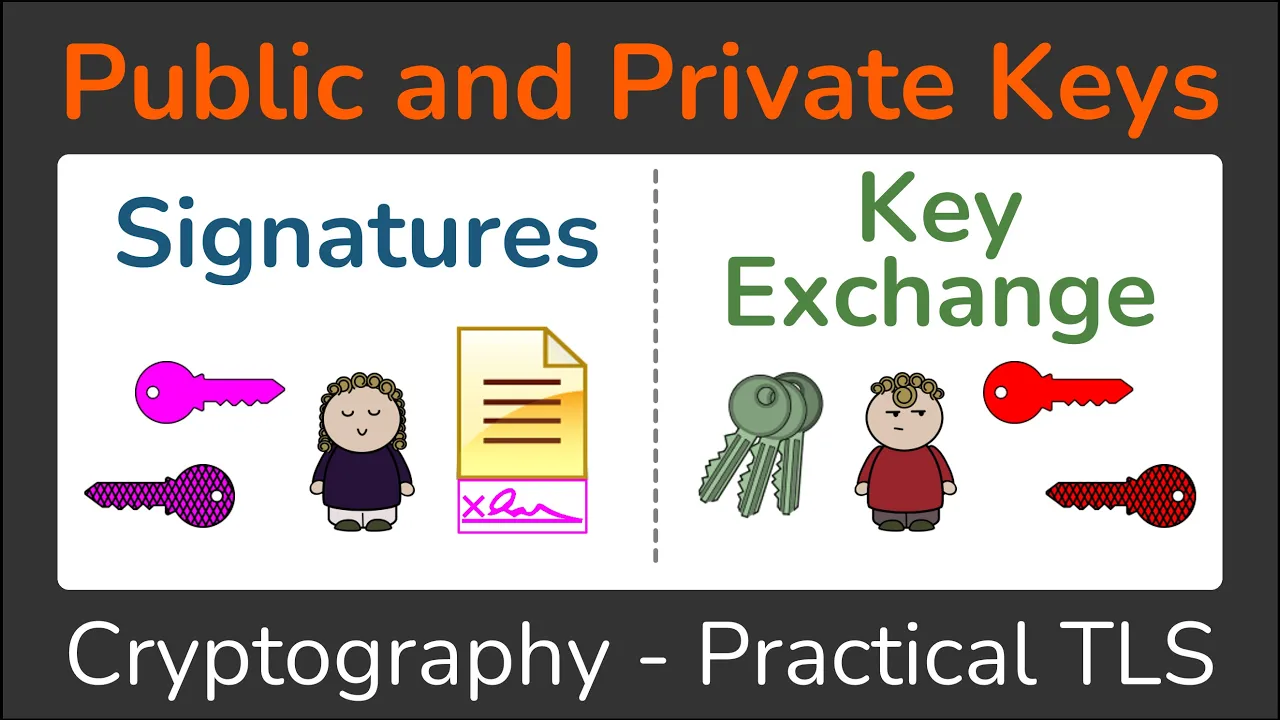










Public key cryptography solves the key distribution problem by using a pair of mathematically linked keys—a public key for encryption and a private key for decryption—allowing secure communication without pre-shared secrets; anyone can encrypt messages using the recipient's public key, and only the recipient can decrypt them with their private key, while encrypting with one's own private key provides authentication and message integrity.
Public Key Cryptography Explained: Asymmetric Encryption
Added:Understanding of symmetric encryption, where a single shared secret key is used for both encryption and decryption, and the associated key distribution challenges.
Basic concepts of modular arithmetic and prime numbers, which form the mathematical foundation of many asymmetric cryptographic algorithms.
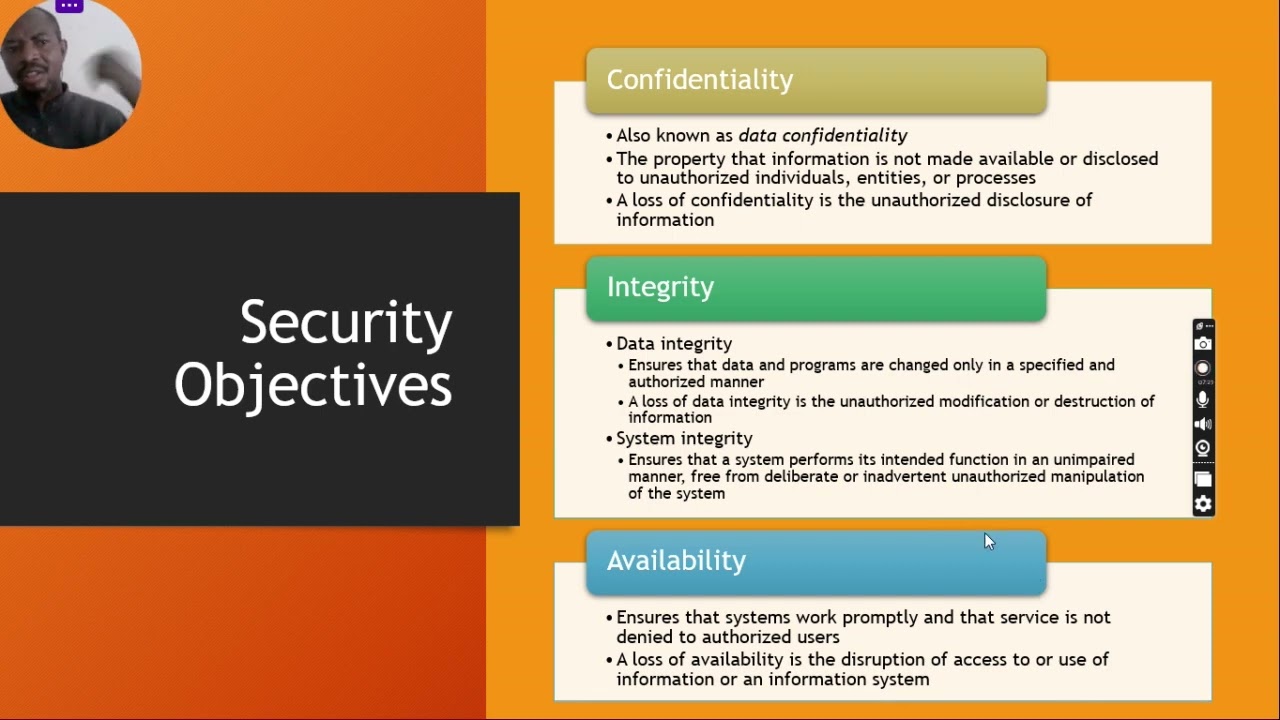
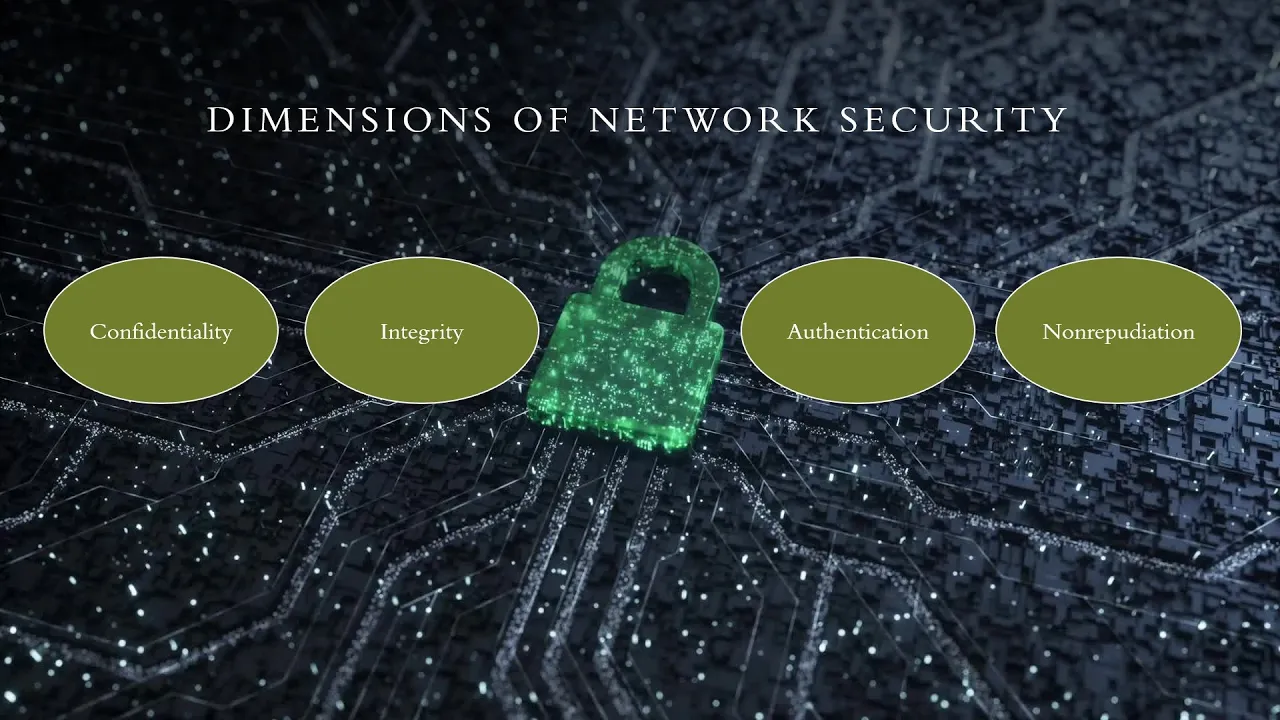
Familiarity with fundamental network security objectives, specifically confidentiality, integrity, authentication, and non-repudiation.
The concept of 'one-way functions'—mathematical operations that are easy to perform in one direction but computationally difficult to reverse without a specific key (trapdoor).
Exploration of hybrid cryptosystems, which combine the speed of symmetric encryption with the secure key-sharing capabilities of asymmetric encryption.
Study of Digital Signatures and Public Key Infrastructure (PKI), including how Certificate Authorities (CAs) verify and manage the ownership of public keys.
In-depth mathematical analysis of specific asymmetric algorithms, such as RSA, Diffie-Hellman key exchange, and Elliptic Curve Cryptography (ECC).
How public-key cryptography is implemented in modern secure communication protocols, such as TLS/SSL (for HTTPS), SSH, and PGP for email encryption.
Introduction to Post-Quantum Cryptography and the search for new cryptographic standards resistant to quantum computing attacks.
962.2K views27.7Klikes6:20Original Release: 2014-07-22
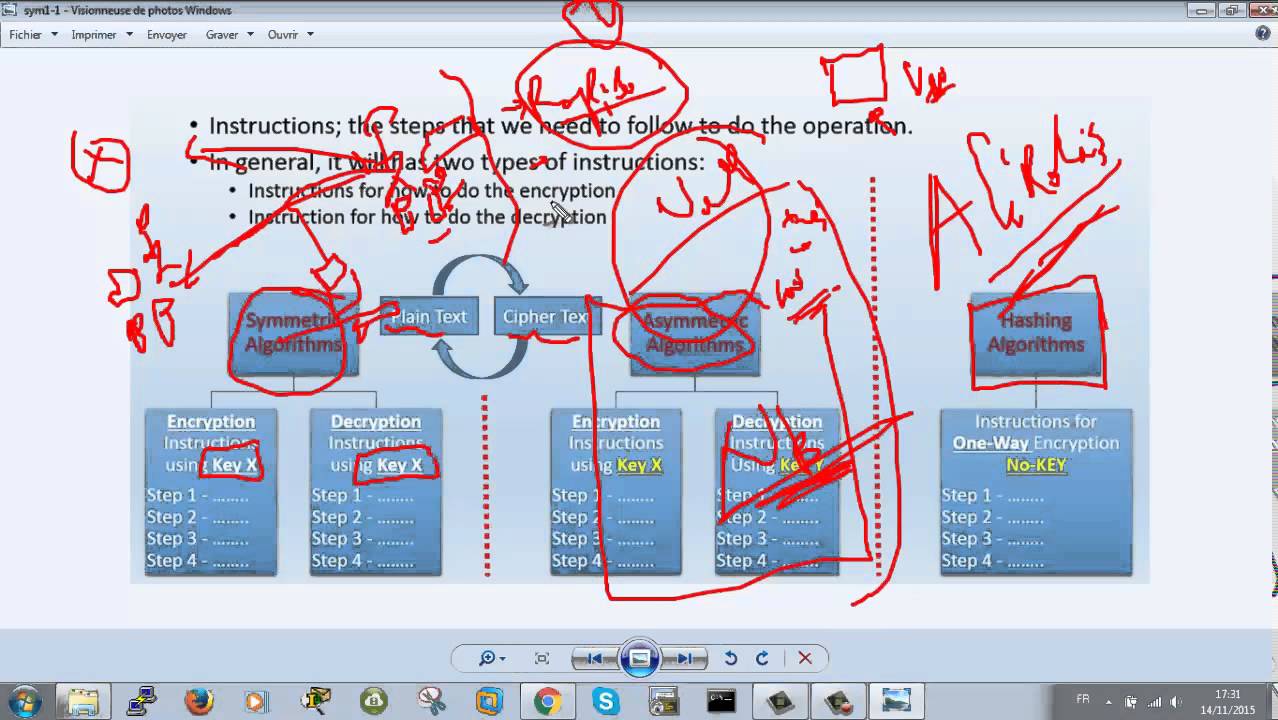
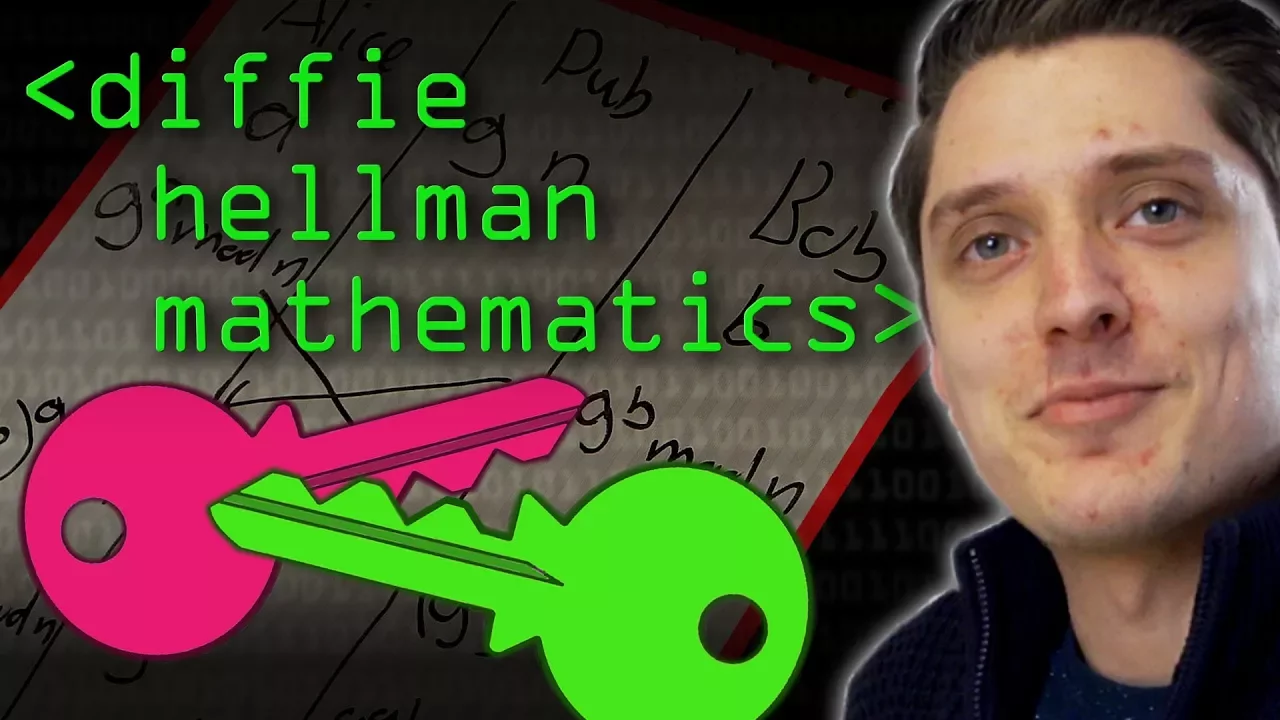
The thing I wanted to talk about today, um... One of the things is a.. the coolness that is public-private key cryptography The basic idea of how it works I think is uh... is just cool and such clever idea that I want to explain it So everyone is familiar with the basic idea of crypto, where you umm You have a secret key You used that to encode some information which converts it from a readable format to garr garbage effectively ah.. it looks like a random noise You then transfer it to somebody else and they then able to decrypt it and get the message out and anyone who is listening here on your communication um... isn't able to find out anything about the information that you are communicating the way you intuitively think about, especially if you doing these simple codes, something like caesar cypher that you might do when you are a kid there's one there's one secret that you both have, right, this...this is a symmetric system so you have got your message saying HELLO and then you do some process to it to convert it using a key that some secret piece of information which then converts this into nonsense and then you send this to the other person and they decrypt it with the process that kind of same process in reverse using the same key and then again HELLO backout at the other end and that's nice and simple it works um... and it was once sort of only way people did this but it has a problem which is you both need to know what this key is so if it is you and me. And we want to communicate with one another privately we have to agree on a key that's nobody else gonna guess and we have to share it with one anther um so we might meet in the park in secret and exchange envelopes or whatever this is the kind of things spy used to do, right and the problem with that is first its very inconvinient second, you sometimes can't do it, might be physically separated or we want to do something over internet and we never met the problem is that how do I send this key to you without just sending the key in the clear, as it were unencrypted inorder for us to share the key safely we need a secure encrypted connection but we can't establish a secure encrypted connection without a key there's a way of solving this problem which is asymmetric encryption um...where what you do is generate two keys key a and key b let's just call then and i m drawing a line asymmetric system you have two keys and then basically it's same as before you have got your message says hello you encrypt it with key a to say whatever it was that I decided it was and then back out you get HELLO again and decryption in this case uses key b you can't guess one key from other but they are linked in such a way that anything you encrypt with key a can only be decrypted with key b and anything you encrypt with key b can only be decrypted with key a so there's two and what you do is you generate a pair of these keys, which is called key pair and you just pick one of them and say this is my public key right and your public key is public you publish it everywhere you put it you put it at the end of emails your forum posts you...you upload it to keyserver just specialized serve system designed for storing, securely storing people public keys basic idea is it's everywhere out there in the world with your name on it the private key is the other key of this pair that one you keep absolutely secret you can do some cool things with this once you have system setup i have a key pair you have a key pair we both have one another public key so now if you want to send me a message i don't have to share anything with you you just know my public key encrypt something with my public key send it to me you know i can decrypt it because i have my private key and then there's another thing you can do with this which is if i encrypt something with my private key and then publish it now on the surface you may think what is the point of encrypting it with your private key because your public key is out there and anything can decrypt it so why bother encrypting but the fact that it can be decrypted with your public key means it must have been encrypted with your private key which it must have been you who made the message because only you have your private key cryptographically you can be certain that it's an authentic message really from that person so the best thing is that when I do both where i encrypt something from my private key and then your public key and then send it to you and if we communicate like this i know that no body else gonna read the message you know that no body else can read the message you know that message is come from me, not an impostor you also know that the message hasn't been modified because any modification to the message also require the keys that's a great secure system and we didn't have to meet up in the park in a secret way and exchange any information or anything we never have met i need to make clear here that I have oversimplified in various ways people who understands cryptography will be quiet upset probably by now but guys this is this is why people don't use crypto because we make it to complicated core concept is simple and basic stuff isn't it difficult to use and everyone should when you put envelope in the post you kind of assume you lick the things to seal it and if it's been open people will know it's been open and there is laws about this and we have to know these stuffs when you communicate in the clear you know anyone and his dog can know exactly what you're sending to everyone and there's no reason to allow that
Up Next

16:59
TLS Handshake Explained: How HTTPS Encryption Works
@Computerphile
627K views•2020-11-06
87:26
Introduction to Secure Multiparty Computation with Yehuda Lindell
@fhe_org
7.7K views•2021-02-04

24:22
Rust RAII Memory Management Explained | Computerphile
@Computerphile
271.2K views•2023-02-23
19:25
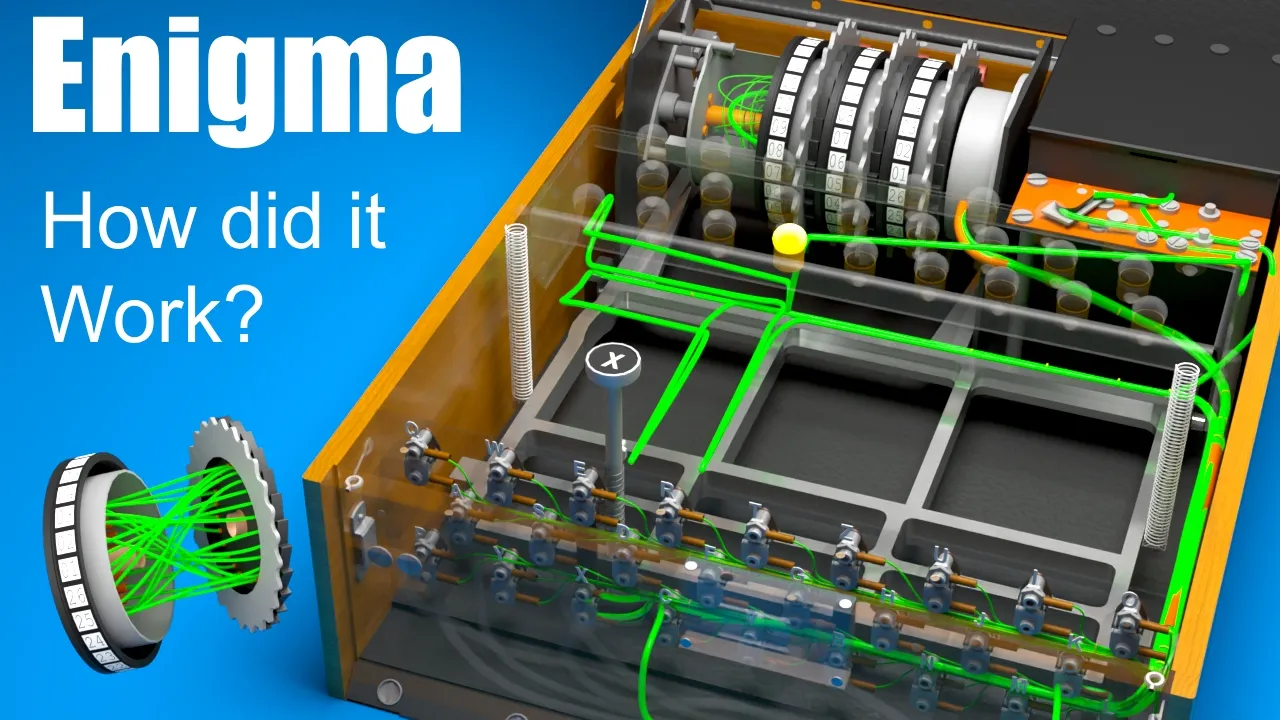
Enigma Machine Mechanics: WWII Encryption Explained
@JaredOwen
13.2M views•2021-12-11
Related Study Plans & Knowledge Roadmaps
Structured learning paths in Computer Science
computer-science
Container Runtimes: Namespaces, Cgroups & Go
01Linux Systems & Go Programming Foundations
02The Core of Isolation: Chroot and Filesystems
03Linux Namespaces: Process Isolation
+ 3 more learning modules
32h6 modules
Explore Roadmap
computer-science
Building a CHIP-8 Emulator: Rust & CPU Basics
01Computer Architecture Foundations (Bits & Bytes)
02Rust Programming for Systems Development
03CHIP-8 Virtual Hardware Specifications
+ 2 more learning modules
32h5 modules
Explore Roadmap
computer-science
Building BitTorrent: Go, P2P & Concurrency
01Go Fundamentals & Concurrency
02Networking Foundations & P2P Architecture
03Bencode Parsing & Torrent Metadata
+ 3 more learning modules
26h6 modules
Explore Roadmap
computer-science
Actor Models (C++ Concurrency & Lock-Free)
01C++ Multi-Threading Foundations
02Thread Pools and Task Scheduling
03Atomics and Lock-Free Queue Design
+ 3 more learning modules
45h6 modules
Explore Roadmap