

![English Consonants _ Plosives: [p], [b]; [t], [d]; [k], [g]](https://i.ytimg.com/vi/HFHU0A39c7s/maxresdefault.jpg)
![Английские согласные звуки: [p] [b]](https://i.ytimg.com/vi/1sRAfPKsvso/maxresdefault.jpg)












![Praat & Scripting, Part A, Chap01, [01], 윤규철 교수](https://i.ytimg.com/vi/0LQSzxu47wU/sddefault.jpg)
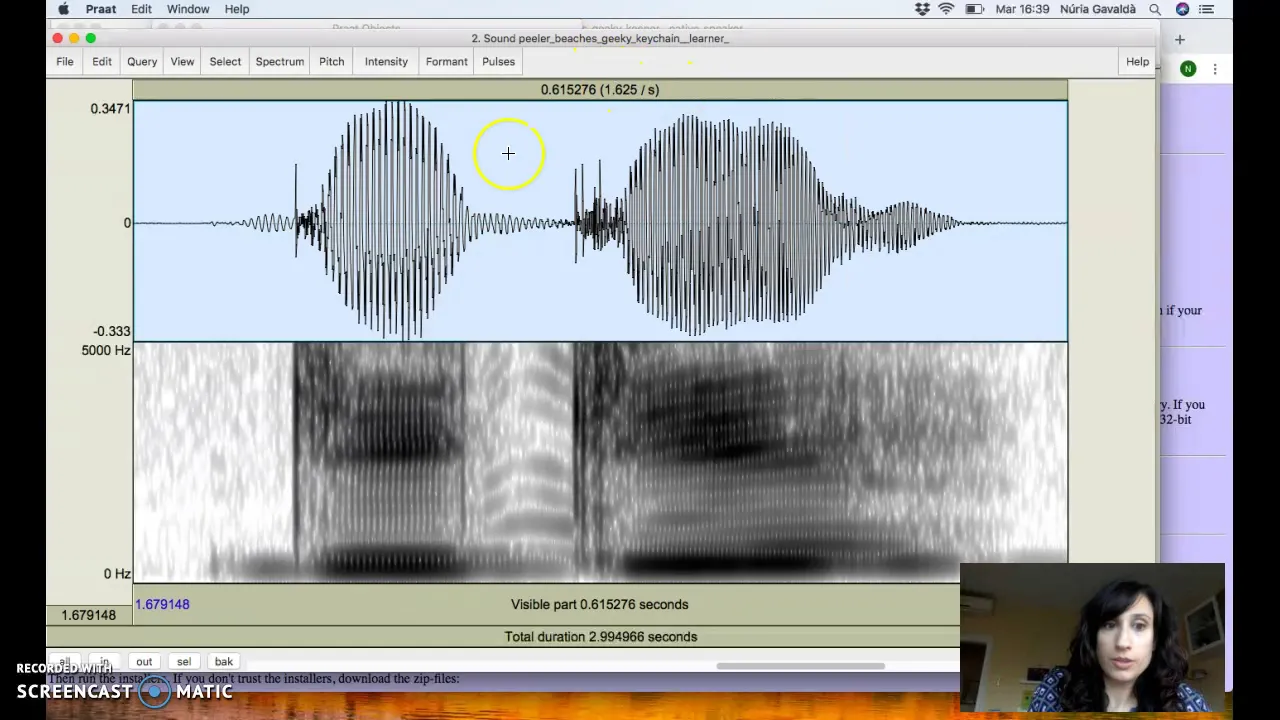
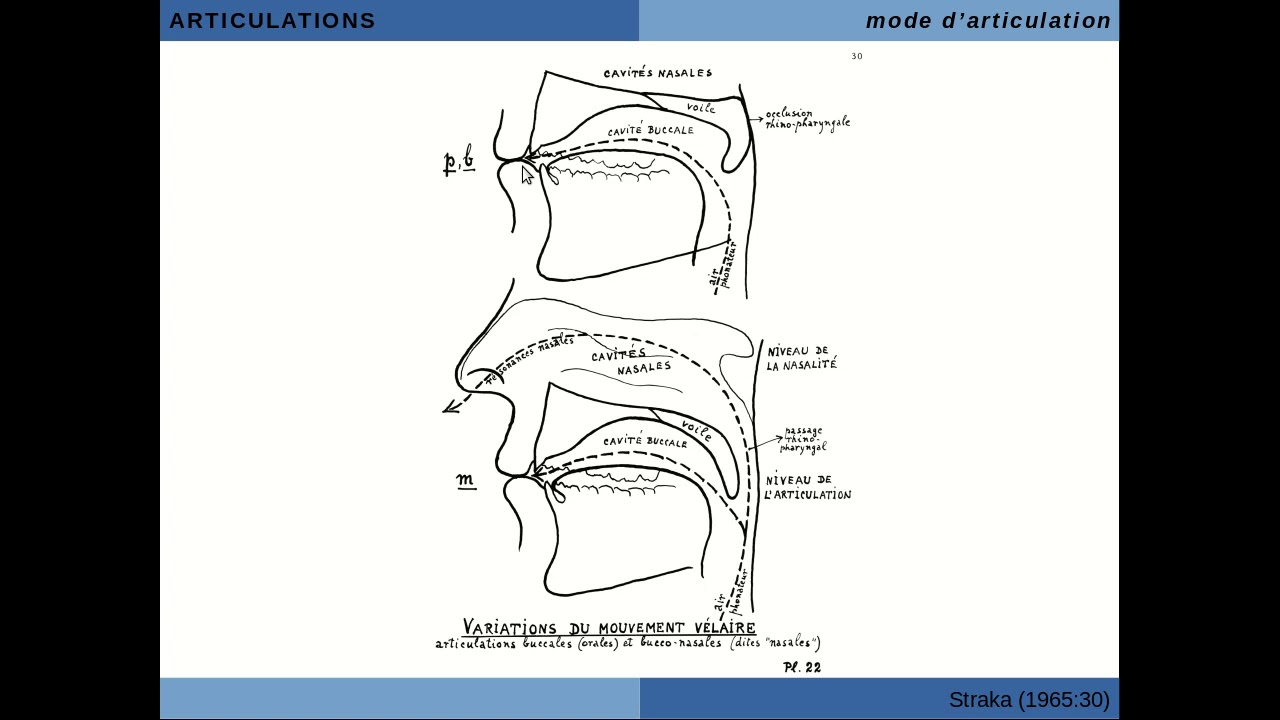
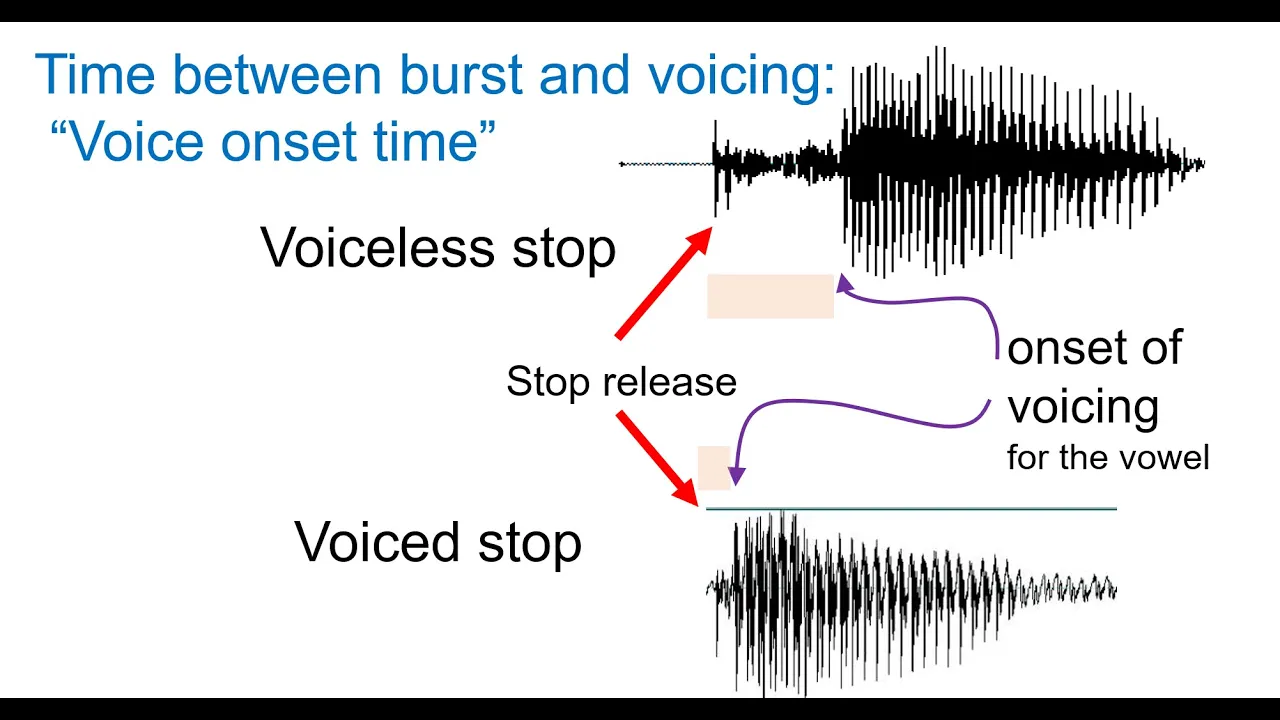
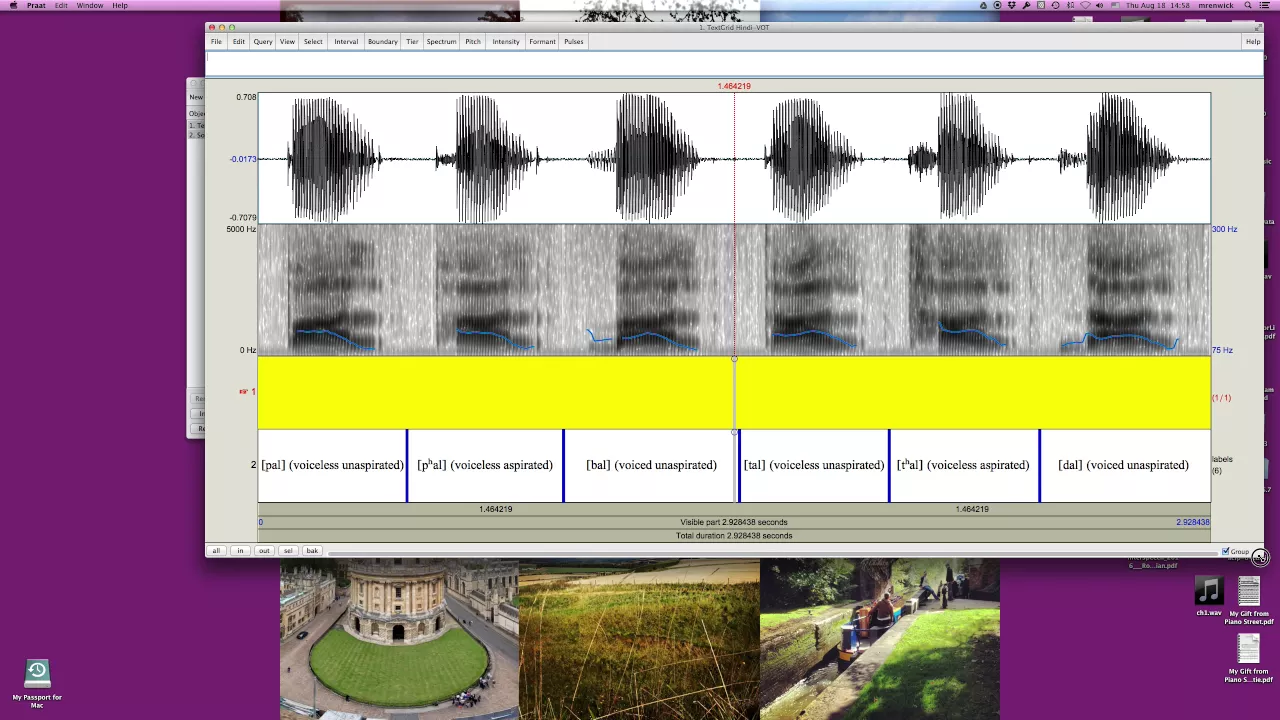
Voice onset time (VOT) measures the interval between the release of a stop consonant burst and the onset of vocal fold vibration; in English, voiceless stops like /p/ show longer VOTs (approximately 61 milliseconds) while voiced stops like /b/ show shorter VOTs (approximately 15 milliseconds), which can be measured using PRAAT software by identifying the burst onset and voicing onset points in the waveform and spectrogram.
Measuring Voice Onset Time (VOT) in English Stops with Praat
Added:Basic understanding of articulatory phonetics, specifically the phases of stop consonant (plosive) production, such as closure, release, and aspiration.
The conceptual distinction between voiced and voiceless obstruents in English phonology (e.g., /p/ vs. /b/).
Familiarity with acoustic representations of speech, specifically how to identify silence, periodic voicing, and aperiodic noise on a waveform and spectrogram.
Basic navigation of the Praat software interface, including how to open audio files, zoom in on selections, and view spectral displays.
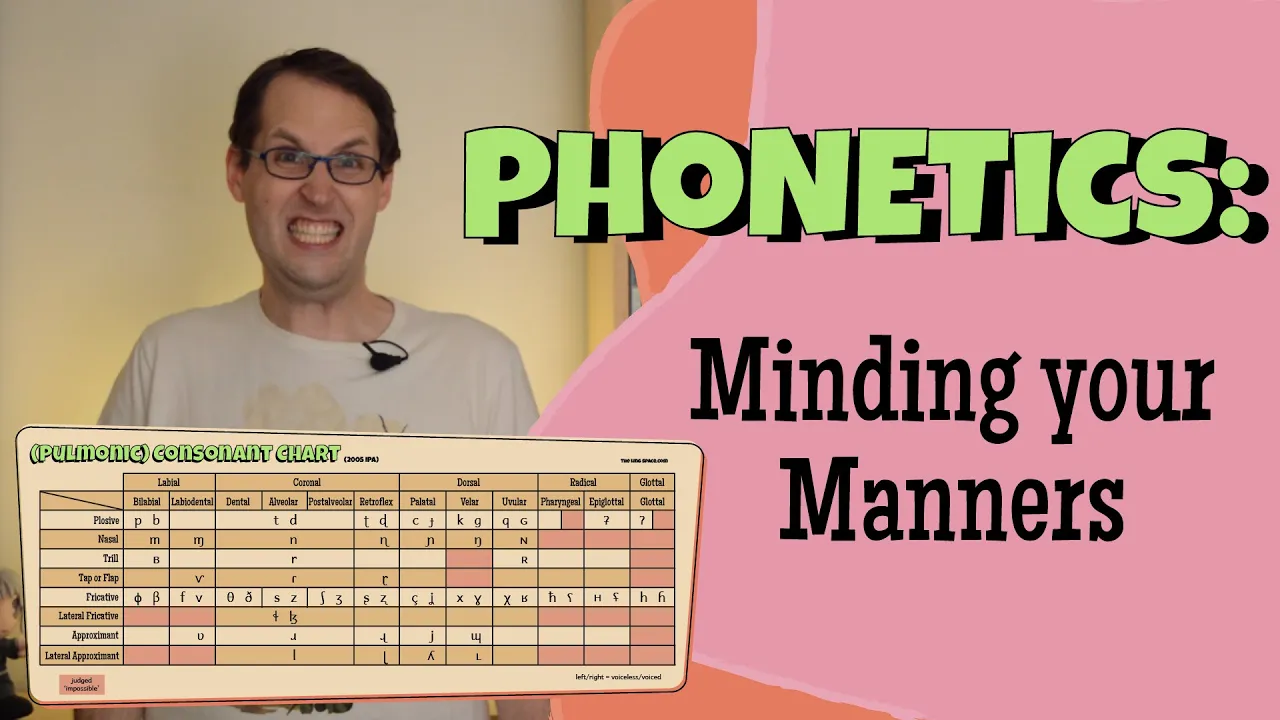
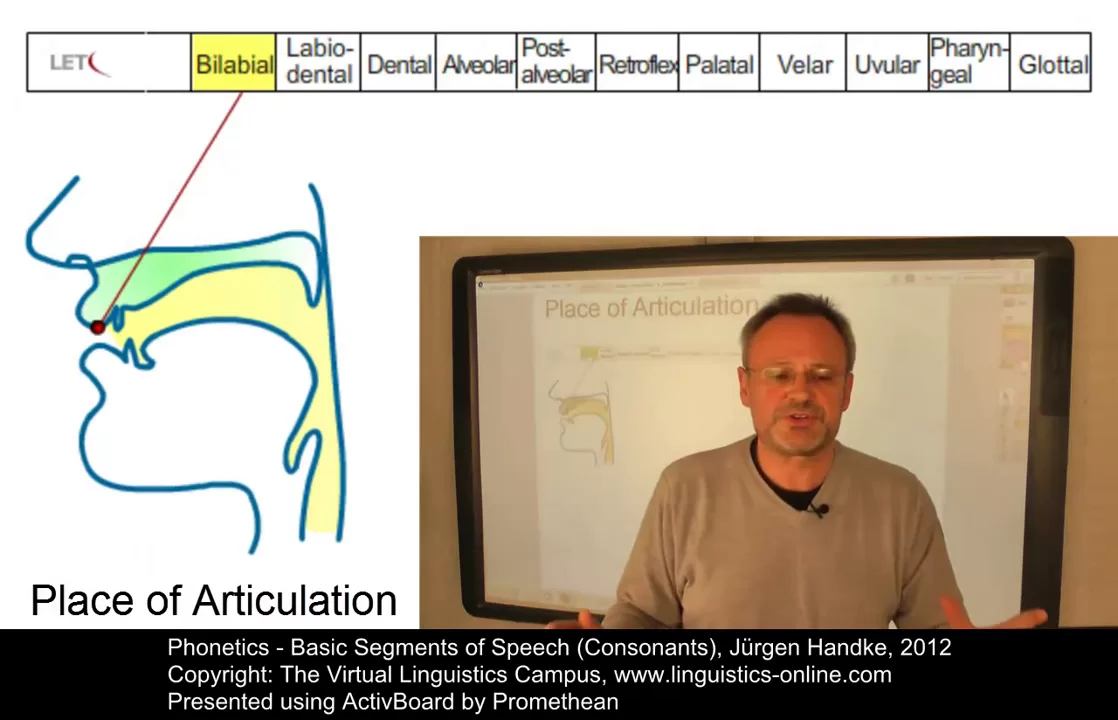
Investigating how place of articulation (bilabial, alveolar, velar) systematically influences Voice Onset Time values.
Comparing VOT patterns cross-linguistically to examine phonetic differences between languages, such as Spanish pre-voicing versus English short-lag voicing.
Applying VOT measurements to the study of speech disorders, child language development, or second language (L2) acquisition.
Learning Praat scripting to automate the extraction of VOT and other acoustic markers across large phonetic datasets.
73.8K views329likes4:06Original Release: 2012-07-04
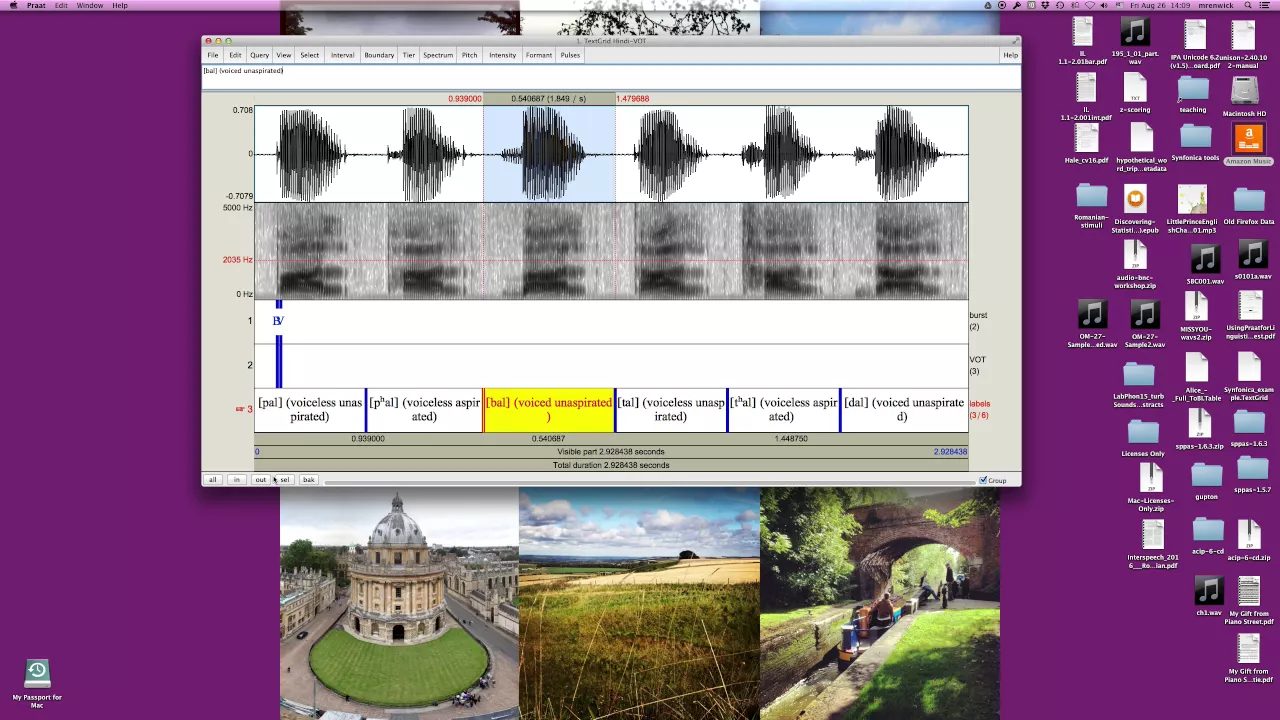
okay I'm going to show you how to do voice onset time measurements for two words a voiceless and a voiced Okay click on your audio in Pratt and then click edit you'll get an image of it here and I know uh the word list I start with um pi and by so I'm going to play that here just to check it out and show you P by okay now I'm going to take that word you can see at the beginning here there's some noise I'm uh let's listen okay just some clicks and pops from hitting the microphone so it's actually when you look closer it's find out that can be a problem but it turns out that it's not if you look closer at the audio so let's go select both of those words and click selection okay now we see pi and by pi by okay and first I'm going to measure the voice onset time of Pi I don't care about the stuff at the end I'm interested in the beginning so that's here so I'm going to click selection Pi by in fact I'm going to I'm gonna click it click it again okay here you can see the burst of the p and it actually looks like you see these voicing Starts Here 1 2 3 4 5 6 um those are the vibrations they begin right here I think so if we play that we should hear voicing and if we play this half we should hear no voicing and just to check you can check on both sides of the division to see if you hear voicing there's a little bit of voicing there H uh and this side should just be a and if you add if you do both you should hear a little voicing at the end okay so I'm going to say this is the beginning of voicing right here it's close to see this is the computer's guess starts here on the blue line where the Blue Line begins I'm going to start a little earlier and I'm going to go to the very beginning of where the puff starts let's play that okay that's a good puff for the p and we can see here that the voice onset time let me just go out again in selection so that shows you the whole thing it's 61 061 seconds which is 61 milliseconds okay so that's our measurement so you want to take a note write that down okay then we're going to go out again we're going to get to the buy okay here's the buy the next word and I'm going to go to selection select that out um and again just Mark the beginning because you only want to see the beginning of it selection okay so I'd say the voicing starts right there it's actually a little different from the computer the computer says down here that's just the guess but uh I can see that the voicing is actually started here so if you play it you can hear and if you play the beginning you're have real short pop if beginning before the voicing begins so here again is the full length you have 015 uh seconds which is 15 milliseconds and and I'll hit selection again so you can see that in detail um yeah from here to here I get that exact again yeah about 15 milliseconds so you can write down 15 for this one and then you want to do for all the voice stops that we wrote in the list
Up Next
13:41
Speech Perception: Acoustic Cues and Theories of Perception
@oer-vlc
43.2K views•2013-08-28
36:52
Constraint Interaction in Optimality Theory: Epenthesis & Deletion
@Vidyamitra
180 views•2018-08-20

8:59
Forensic Linguistics: How Language Solves Crimes | PBS
@pbsstoried
1M views•2024-01-25

21:32
Accent Expert Explains U.S. Regional Dialects | Part 1
@WIRED
9.3M views•2021-01-21
Related Study Plans & Knowledge Roadmaps
Structured learning paths in Linguistics
linguistics
Optimality Theory: Tableaux & Constraints
01Phonological Basics: Sounds, Syllables & Rules
02Foundations of Optimality Theory: GEN, CON, and EVAL
03The Constraint Inventory: Markedness vs. Faithfulness
+ 2 more learning modules
15h5 modules
Explore Roadmap
linguistics
Morphosyntactic Alignment: S, A & P Systems
01Foundations of Syntax: Transitivity and Arguments
02The Linguistic Variables: Mapping S, A, and P
03Nominative-Accusative Alignment
+ 3 more learning modules
12h6 modules
Explore Roadmap
linguistics
Analyzing Sign Language: Phonology & Syntax
01Foundations of Sign Language Linguistics
02Phonology: The Five Parameters of a Sign
03Morphology: Word Formation and Classifiers
+ 2 more learning modules
14h5 modules
Explore Roadmap
linguistics
Pragmatics: Speech Acts, Grice & Politeness
01Introduction to Pragmatics: Meaning in Context
02Grice’s Cooperative Principle & Implicature
03Speech Act Theory
+ 2 more learning modules
14h5 modules
Explore Roadmap