





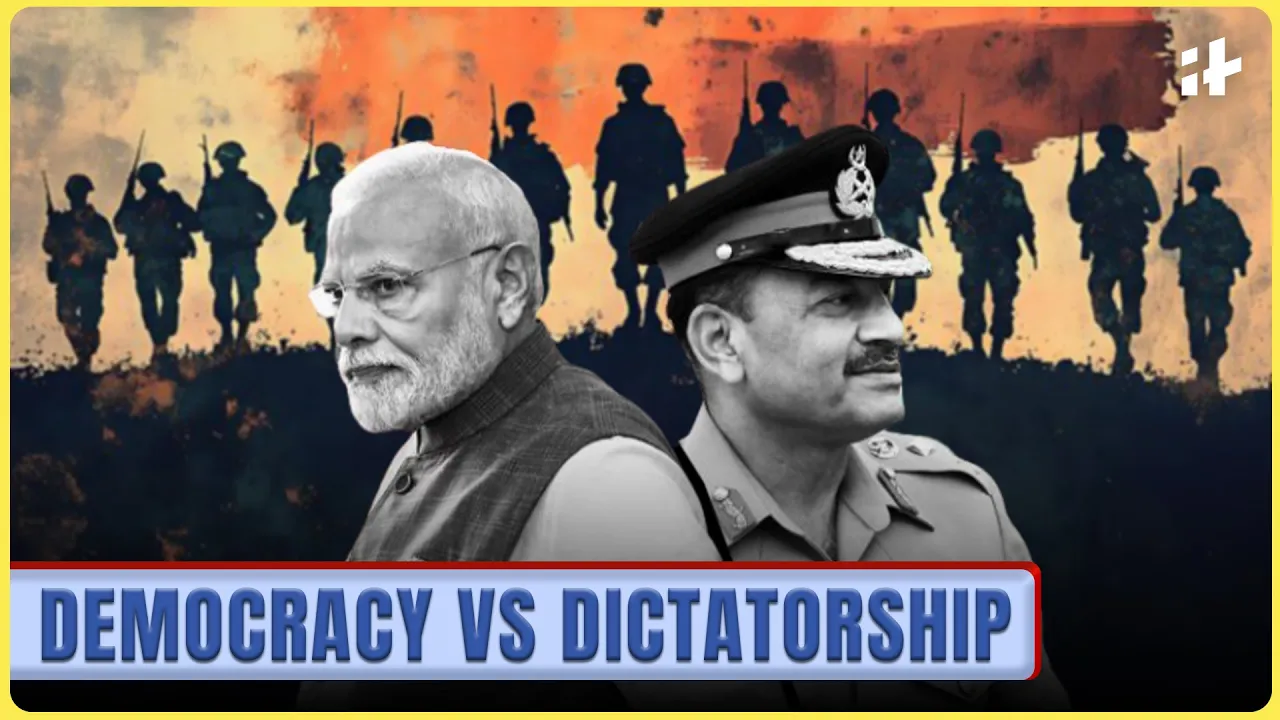
![Military Coup [India vs Pakistan] 4 proven Facts why Pakistan has seen 3 military coups. India none](https://i.ytimg.com/vi/KznT3JQ6O44/maxresdefault.jpg)

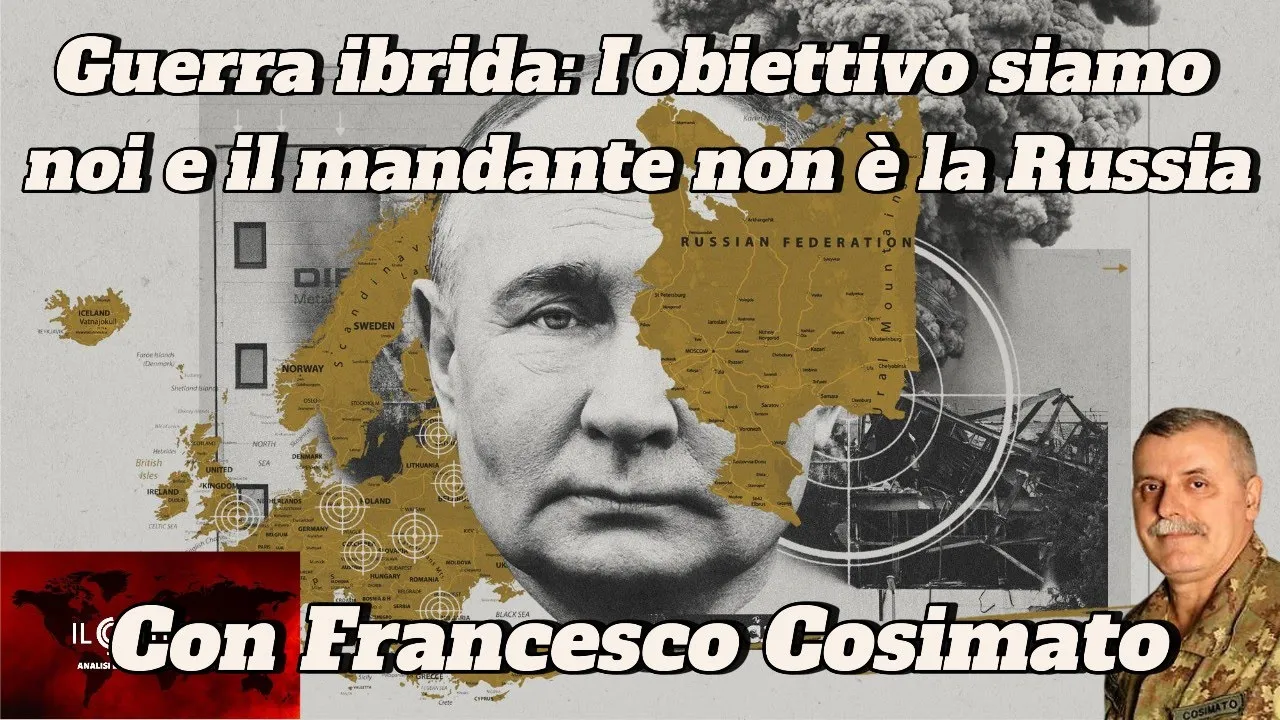

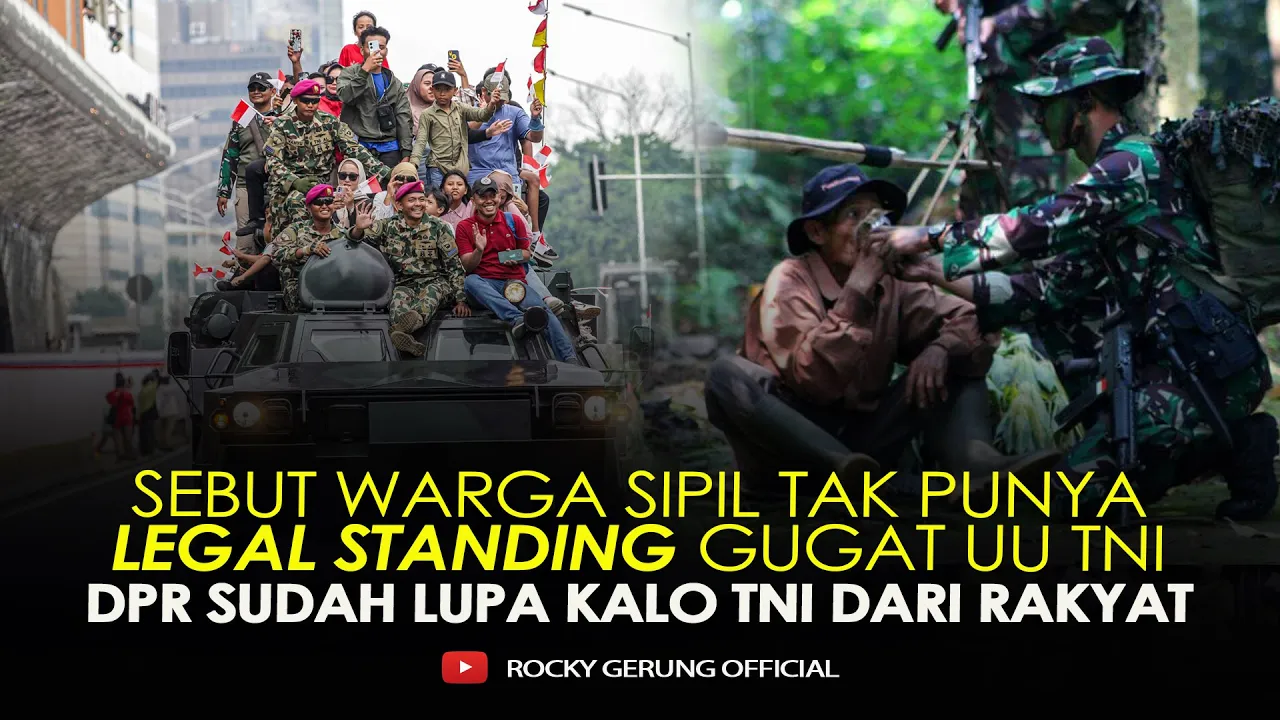







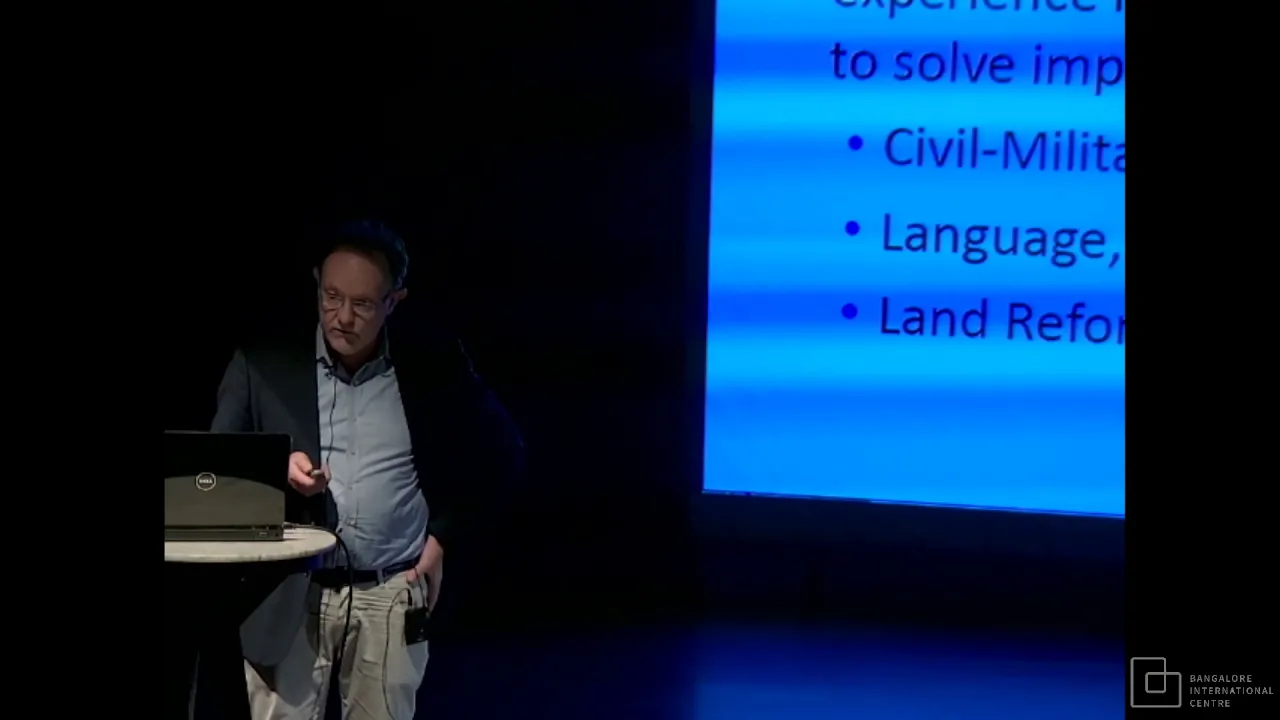
Civil-military relations involve the relationship between the elected representatives of the people (politicians/ministers) and the mandated representatives of the people (armed forces officers), who are commissioned by the head of state; effective civil-military relations require objective civilian control where the military thrives independently of politics, rather than subjective civilian control which civilizes the military and undermines its professionalism, and this relationship is further strengthened by active civil society engagement and understanding of the military's role in national security.
Civil-Military Relations: The Soldier and State in India
Added:Samuel Huntington's theory of objective vs. subjective civilian control and military professionalism as outlined in his seminal work 'The Soldier and the State'.
The constitutional and institutional framework of India's democracy, specifically how the military is legally positioned under elected civilian authority.
The historical context of India's post-independence era, including the deliberate political decisions made to insulate the military from domestic politics.
Fundamental concepts of Civil-Military Relations (CMR), including the democratic paradox of managing a military strong enough to protect the nation but subordinate enough not to threaten its rulers.
The establishment and impact of the Chief of Defence Staff (CDS) and the Department of Military Affairs (DMA) on contemporary Indian civil-military dynamics.
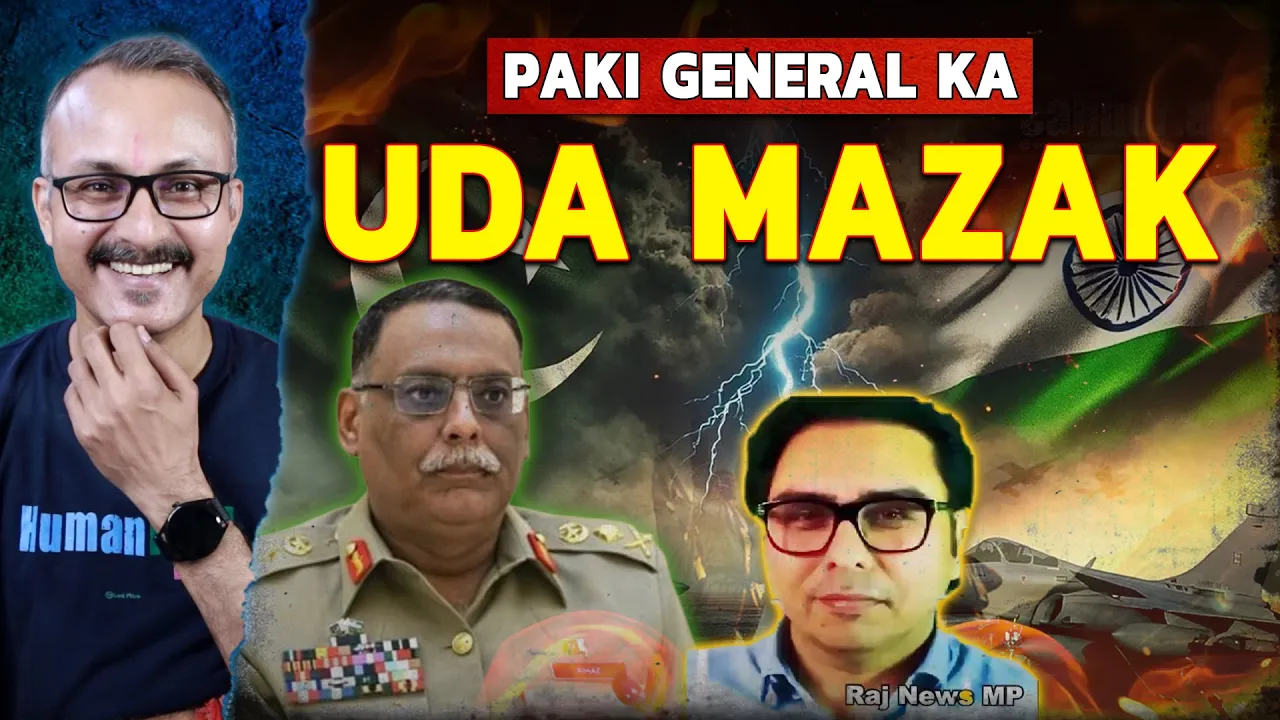
Comparative analysis of civil-military relations in South Asia, particularly contrasting India's democratic model with Pakistan's history of military regimes.
The ongoing structural reforms toward 'jointness' and the creation of integrated theater commands within the Indian Armed Forces.
The evolution of modern warfare (including cyber, space, and hybrid domains) and how it challenges traditional boundaries of military professionalism and state control.
995 views51likes1:32:15Original Release: 2024-04-01
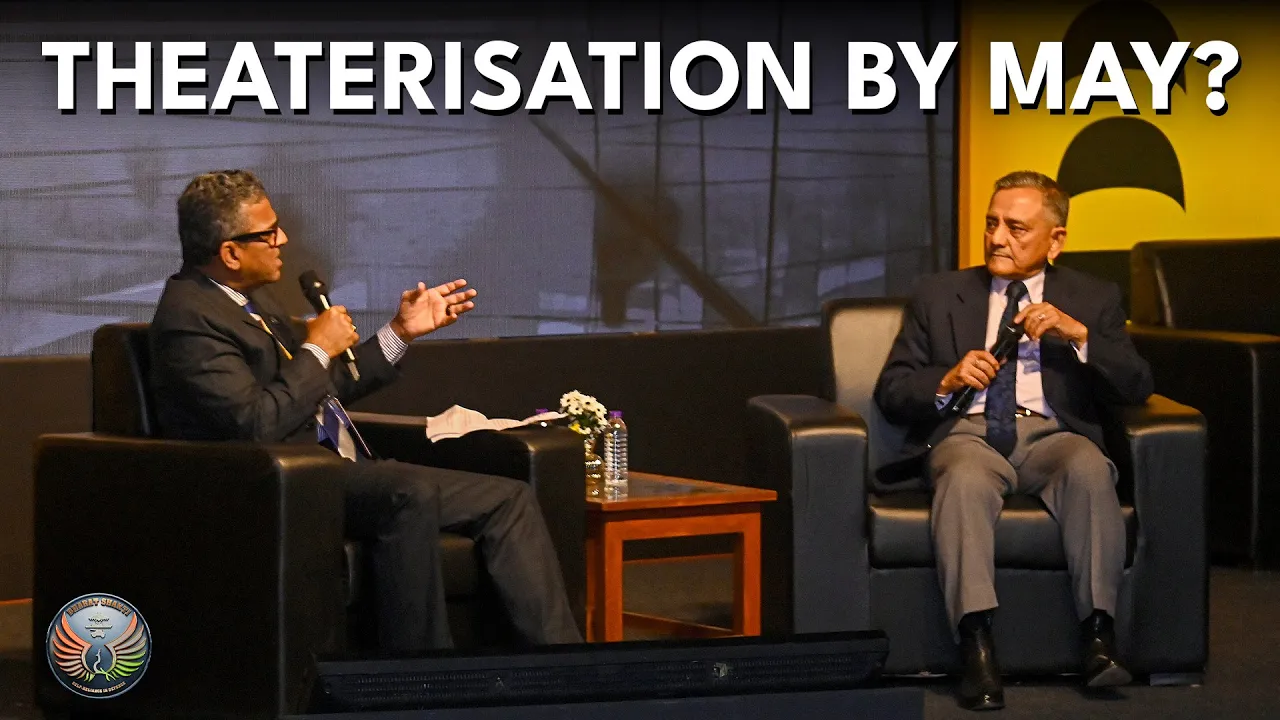
if you think I'm good evening and welcome to G gam jind and srial today we're going to talk about the soldier and the state a perspective on civil military relations which is probably a very important thing in current times when societal rules are changing the militaries are changing and India is on the rise right and to talk on this subject I have with me Admiral sures bangara first let me welcome him sir good evening and welcome to ganot and it's an honor that you are here with us today I can't match your mustache oh sir that's fine no problem so you you you match more than that in many other things and what I'd like to tell everyone and today we're going to speak in English because uh you know Admiral bangara is easier in English so you'll have the Hindi uh you know translation I'll put it up immediately after this okay now Admiral bangara is has had an illustrious career right one of the I was just going through his biodata U one of the topnotch naval officers who's retired he's retired long back and he's a very very senior officer uh age wise he's pushing 78 and that's a lot of wisdom we're going to have in front of us uh he's done all the professional courses he's risen through the ranks right right from suant to vice admiral uh he's aluminous of Howard not many people in uniform can claim to be that he's done professional courses in Russia and UK he he's been on Naval attachi in Islamabad when 8588 last century right he gets that wisdom perspective of Pakistan so once he finishes with this talk if you people have any questions about Pakistan and its history please put it up I'm sure he will be able to give the perspective of Pakistan which he saw in 8588 at that point of time mind you there were Troublesome years when Insurgency was just started then of course he's been in the integrated defense staff he's been comant NDA where he's trained a lot of cets Army Navy and Air Force who today are senior officers so many of the senior officers of his time uh I mean many of the cadets of his time are senior officers at the helm of Affairs today and he retired as a CNC of the Sou sou Naval Command right that much but why is he talking to us today about soldier in the State uh Admiral should be talking about maritime operations he's talking to us about soldier in the state because he's done a lot of research on it and he SP speaks of leadership and what's more he's had a one toone talk on this subject with none other than Samuel Huntington right and who Samuel Huntington we all know Samuel Huntington was a person who wrote this famous book called The Clash of civilizations and remaking of the world order and he's very well known for this sub uh you know book but he's not so well known by another classic ofice called the soldier in the state and it's the theory and politics of civil military relations which actually was probably one of the first times in anyone intellectually approach this topic of civil military relations so with your permission I'll give a slight backround all this before we start and here in this uh book He's Samuel Huntington he talks he says about the officers the officers have specialized knowledge in the management of violence important they maintain a monopoly on education and advancement in their field and have an overarching responsibility to the society they serve that's why the soldier and the state and thus they do not compete in the open market no officer competes in the open market for what he's supposed to do or not do each step up in the hierarchy within the military profession demands more responsibility and skill because they are authorized to make more strategic decisions in the case of the officer Corp officers are interested it with evaluating the security of the state providing expert advice to its leaders and Society in turn must afford a measure of deference to their professional expertise and institutions but why am I talking of offices Samuel Huntington says the principal focus of civil military relations is the relation of the officer core to the state hence the concept of civilian Ro of the military in a democracy has never been satisfactory defined because it's a relationship between an officer and the state it should be the relationship between the elected representative of the people who are our politicians who are our ministers and who hel the government and the mandated representative of the people who are the Armed Forces why the Armed Forces officers and how are they mandated they mandated by the commission which the president of India gives to each of us it the the relationship between the between the elected representative of the people who comes through the ballot and the mandated representative of the people the officer who's commissioned but in India we have a dichotomy it is invariably the unelected and unmated bureaucrat stepson to form some kind of a triangle but that's what Admiral bangara is going to address today okay Samuel Huntington talks of two things which I'll read out I'm sure during the course of the talk Admiral bangara will talk about this in detail he talks of something called subjective civilian control and objective civilian control what is subjective civilian control the main focus is where military professionalism is reduced due to coop of the military by civilian political groups and civilizing the military this is found in history in many places right it is a denial of an independent military sphere when the civilian sphere encroaches and overrides a military sphere it means also civilian as civilian control decreases as the military becomes progressively involved in institutional class and constitutional politics that is div dilution of the military ethos when the military participation in politics could eventually lead to subjective control so the trend line of the Armed Force people joining politics would invariably go towards subjective control or lend itself towards subjective control that's a danger in the relationship between the soldier and the state and then there's this demand for subjective control from multifarious civilian groups anxious to maximize their power in military Affairs this is a trend line which we have seen throughout our history on the other hand objective civilian control is what is necessary this is where military professional thrives as it is far removed by politics the Indian armed forces have thrived because of this to a large extent but we've had patches when we objective civilian control right objective civilian control is happens when by militarizing the military and making them the tool of the state and not by civilizing it and making it tool or the political system right and this is where I have stopped I'm going to stop my talk and my introduction it's a rather long one but it the stage forward admiral bangara has to talk so all yours please carry on good evening viewers um shanka has given uh such an introduction that I can easily cut 10 minutes off my talk and he's done it brilliantly um so first thing I need to tell you all is couple of conf professions uh before I tell you why I'm speaking to you today am I really qualified to speak to you I don't know but I need to get it off my chest the I am neither a scholar or a domain expert um by that I mean that the scholars and domain experts tend to change roles very often and as one of my old friends Professor sen who Gotham s used to run the defense department here in puny he used to say there a very thin dividing line between a scholar and a domain expert and very often you see them masquerading one for the other so I don't want to be accused of that in any case I want you to know that if you want to be a domain expert as indeed I would today assume that role then I realized that you cannot in this particular particular subject which is not really taught in any military institution seriously and that I will explain is so essential and how it impinges on National Security as a whole so after all these years I realized that a domain expert who does not have the experience or not exposed to senior ranks of the military would be it is unlikely that he would address the Civil military relations correctly and in its entirety at best you can have opinions but not your facts and the facts emerge when like Shankar and I we' have done long tenures at senior ranks then you're actually dealing with the with the government theod Etc all other I I'll come to that a little later so I hope to convince you of my assertions by C uring my own Journey on the subject spread over two decades to authenticate or dis theoretical constructs in the book titled the soldier and the state by Samuel Huntington now how did I come across this book there was an system in the old days uh which doesn't happen in the three services because of the pressure the work now that when a young officer came on board the commanding officer for example on a ship took charge of his training and so very often we had these qu competition Etc and one of the commanding officers when I was a young liutenant gave this book to me uh fat book called the soldier and the State written by Samuel Huntington that he wrote it in 57 by the time it came to India you know we didn't have these little camera camera than machines that you hold in your hand to gain knowledge immediate instant answers so we had to go to a library basically or go and buy a book which was expensive our salaries were so little but when this price was given as a leftenant I didn't understand most of it the theory part the the good thing about it is the title of the book was the soldier and the state the theory and politics of civil military relations and as a young officer I didn't understand why politics why not practice of civil military relations as I for whatever reason I kept this book by the side bedside table almost like a Bible or a Gita to every now and then I would refer to it as and when I had a question so this is this book came into my hand when I was a young left tenant it took me years after that uh to understand part by part the theory part of Huntington's seminal work and with which was historical and contemporary analysis of the fusion or lack of it in CMR in various forms of governments although it was controversial after release it turned out to be very relevant for many years to follow thereafter so in a way I'm going to tell you the events that happened in my life which I could not have planned nor could the the Personnel department plan it so well because it happens as we grow grow so there was no no method in this Madness but I want to tell you just as I was exposed to certain experiences how I interpreted the book at every stage I didn't talk about it I wasn't competent to talk about it but I interpreted and I'll tell you um uh I'll tell you what happened in my career um this book is all about first let me try to Define what is civil military relations right many people are many interpretation simply put it's all about exercising control over the one great asset called the military which cannot be left loose in any country so the it started with all the um militaries around the world and particularly in the Western countries who who wrote All these Publications um were under the control of the Monarch the crown and so the the king King the Queen the Monarch the crown they always had total control of the military so later coming back to coming from the 11th century to 20th century there was a moment on to change the system and to bring a parliamentary democracy at various stages starting from Spain so before the parliamentary system and or constitutional monarchies Etc evoled uh the word the Monarch or the king that had to be renamed as civil military because the Parliamentary Arians were civilians and they they didn't have a lineage of the of the princely states so the civilian elected head head of the state would or head of the government rather would take care of the the Armed Forces so the concept of parliamentary democracy began and it got accepted and the Civil the word civil military relations started as I understand now as Shankar said when you say civil who's civil which is that civil category of people I'll come to it a little later on why the government of India decided to do what it did in 1947 up to 50 to streamline our basically structures so I'll come to that a little later but uh wide spectrum of civilan organizations would like to control the military and paradoxically that debate still rages around the world and there is not a single country including the oldest democracy the United States has resolved this conflict between the head of the state or the head of the government and the Congress for example so which aspect and how does it impact in the functioning of the mil the military is one of the issu that will address right now the officer core of the military is the functional or operational and active element of the military structure they are responsible for the military security of the society the society Civil Society is an important issue that I'll come to at the end state is the the state is the active directing element of society and is responsible for alloc allocating resources to all including the military hence we need to define the nature of the officer core before we examine the responsibilities of the state I first start with the soldier then I'll come to the state and then I'll get a concluding part where I'll talk about how Civil Society plays a role so the ideology of the society and consequently the state plays a vital role in aiming to achieve an equilibrium in this important relationship for ease of understanding Samuel broadly categorized ideologies of various governments he looked at the ideologies of the governments who are running the country to see how it impacts the military it's an interesting part to observe he basically categorized most of the government under conservatism Marxism leninism and fism and liberalism under these categories and he found there was a link between the fact whether they were military friendly with that ideology for instant conservative or ma Marxism and lism where they military friendly organization and if they military friendly are they pro-military anti-military do they give High powers to the military they give low powers to the Min to the to the uh military these are issues were Interlink and therefore um basically what it implied is that as he said if you have the subjective control and you civilize the military then you you are not allowed to be professional and that goes against um the military EOS the military is not meant to be sharing power chasing popularity chasing status and wealth they're there for a specific purpose and the minute they diverted from that then you have a situation when the military is politicized so I'll come back to it later again it took me years to Hoist the content of this book I might may be a little dumb but it took me years to and why I it took me years is I had to see as I progressed in life what I saw and what I read so let's the one full year in the Soviet Union rest while Soviet Union in a remote place called VTO for East and that opened our eyes we were the first Democratic nation which went for training to the Soviet Union and that's because the West refused to give us we in the non-aligned segment and pro Russia Etc they pre they refused to give us arms and equipment that we wanted so we were forced to go to the Soviet Union and but the Soviets had only trained water so packed countries and maybe Cuba but we were the first so when we landed there we put on an island uh and isolated from blaso which was a close City because it housed their nuclear submarines Etc and there was hardly any contact with the people in the city we were not allowed to go ashore as you say in the Navy Because unless there was a boat given to you from the island you couldn't go to V now in that way they kept a track because they too realize that West these people are highly westernized all the education patterns are Western they have armed and equipped and trained in the western mode and therefore they may not easily accept our methods and what is more they were they worried that their confidential aspects May leak to the Western world because we didn't belong to a Communist Regime genuine worries but but we were exposed to the rigid rigid regimentation and the oversight of the military the way they did it to a commisar etc but although I was a liutenant I was able to say what happens in a democracy and what happens in a autocracy or in a communist state so that helped me to go back to samel three years I spent in Pakistan under General Zia what did I see I saw how he militarized every single institution in the government in in Pakistan and therefore we are not trained to do that and we certainly that's not the way to run a country so they pay paid the price forever thereafter and it gave me a lot of lessons going back to sample just before that I had gone to Staff College in uh Royal Naval Staff College in London which coincided with an important looking back I wouldn't have thought thought so at that time but I'm connecting the dots looking back The Iron Lady Maggie thater came to power and in my own courts I saw celebrations because they expected the Civil military relations to be ex you know to improve substantially from the previous government so there there were there were real celebrations among the military men quietly we are supposed to be a political but Maggi thatan how she changed the entire equation came to frusion when the first SE Lord Sir Henry leech can I have that slide one please of the Admiral yes this is Sir Henry Lee the first Sea Lord uh who fought the Faulkland War 8,000 nautically miles away from British Waters and nobody in the right sense would have thought that they would go under the nose of Argentina and then fight a war there in their airspace with what they had they only had jump Jets harriers carrier and frigates and destroyers and the entire supply chain was planned and it was his pushing which want which made the prime minister to say yes we can send the fleet as therefore there was something in the man that I wanted to meet and understand and uh guess what um soon thereafter 1982 Sir Henry Lee came on a visit to India and those days ad Pera Chief said this chap has just come back to the staff college and he's just become a commander let him be the chief Le officer to Sir Henry Lee and G late wife would be the you know Le for uh for his wife lady leech but what what is surprising is that we had this AO aircraft that they would give us to travel with VIPs and the Chiefs it would it was nothing less than S and half hours flight from Delhi to the South if you want to go to Bangalore or south of Bangalore with a fing halt now this seven hours in the air was my time with Sir Henry Le so I focused on he didn't know the background why I asked these questions I focused on how he tackled a powerful iron lady called magacha and got her to agree to looking after the Civil military relations of that that era and he gave me his views and what he had to do it went down in my notes I'm just telling you the opportunities I got and still I wasn't very clear so s this was Henry Lee you can take the slide off please now I had a long I had of course long tenur in in the naval headquarters in direct contact with the ministry of defense and therefore I know exactly how it operates from the time I was a commander at every rank there are after handling the budget and the plans of the Navy we have both under one head there and the vice Chief handles it unlike the Army on the Air Force and so staff Branch one I was also the director naal plants the na to the chief Admiral shakawat and came back assistant chief of Naval plan and uh after I went back to Sea came back and did a three-fold years as assistant chief of Naval operations IW Ops we had IW as early 1993 in our name so all this gave me more and more access to theod and that is the time the Navy decided to get some delegated powers at least for the revenue budget since it was a small service and a beautiful service the government felt comfortable saying all right we can experiment with you you can have full control over your Revenue budget that was the first time in 19 uh yes early mid 90s mid 90s that we got control of Revenue budget then later on as you know we have a little of the capital now and the other two Services have come on board now at that was the state when we had zero resources delegated powers to the chiefs of the three services now I also had excellent shall I say uh View of how the CCS worked during Carill I was head of the joint planning committee so I had to report the CC joint operations and many of you may not know that all three services had mobilized during car it was war for us even without government saying you know it would be a war we had moved for example the Eastern Fleet to the West we had started our IW operations and and we helped the Army to actually through a dgps system to locate the guns both us for the accuracy we provided the ew doners for operations there and so with dgmo Nal wi and I were also NDC cours and it was a pleasure sitting and watching them work and I I had to make uh presentations to the CCS the Prime Minister and his team and that gave me insights into how decisions are made and how they allow you to fight the war without interfering in it but the broad guidelines for what you can do cannot do outlined by the government I thought it was a good example to watch um I also got involved in the uh with the uh Mr Jan Singh you know he was the next army officer he handled defense for a short while when he handled defense for a short while when uh the defense minister then defense minister had to step down for a coffin scan uh you know investigation George Fernandez uh he stepped in and I saw being an ex-military officer what he did was he carried a two star with him whenever he traveled the capacity of RM and he gave the two star uh a role to play during the visit for instance he asked me to accompany him to Russia on one-on-one conversation with the Russian Prime Minister later president only me an outsider present and I didn't know what the hell I was doing there so at the end of it I asked him was I supposed to record the conversation there or minutes of the meeting he said of course not so I said what was I doing he gave me a task later but he said grooming son grooming you must know how just not the military mind works you must know how we think of the geopolitical system and geoeconomics and then we come to the area of interest South Asia Etc Russia this is a Broadband discussion and with two mature leaders gave me insight into how they think too now after that um I had to work with the Mr Arun Singh on the on the committee of Defense Management in the sense since I was JPC I had to take that to the chief of staff and there I saw um how 148 recommendations to refine the ministry of Defense alone was made by the Arun sing committee and of course again it could be it was serend deput out of the I got kicked up to First Deputy Chief of integrated defense headquarters operations and so I had to formalize and I quickly finish that the recommendations had to be progressed and I had a very very competent cap who worked in carrying files to the government and back but the group of ministers monitored it so carefully that a whole range of things were changed for example delegated Financial powers to all three services the quantum crossposting both in the ministry and in the headquarters we had Air Force guys in our war room NY guys in their war room and all this had actually been implemented one of the recommendations that you have to have prepare for integration the anderman nikar command came up the sfc was in the pipeline and there was no sfc when I was deputy chief I was told to proceed with the organization and command and control aspects of SF what do I see the only book and I recommend this to all of you written by Peter Douglas fever guarding the Guardians if you ever get old of your if you want to work with the nuclear command and control systems you better read that because I ran to a scholar and said give me something to read before I can apply my mind and I had to get this book from the US so Peter Douglas fever Cornell University please read the book called guarding the Guardians now all this was what was it doing it was giving me opportunities and then as he said in Harvard where I met Samuel Huntington and uh he was uh and he sat me down and explained things that gaps in my mind well uh after retirement I had four years with the international institute for strategic studies WS in London and I saw the hypocrisy of the West and how they deal with us particularly although I had to do some uh discussion both at Geneva and in the dialogue in Singapore uh you get to know how their minds work as far as India is concerned and that was a good understanding and therefore by now the young people in the audience must be saying come on get on with it old man why are you telling me about this I merely want to tell you that it takes a long time to claim to be a domain expert of some standing it took me over two and a half decades to say okay now I can open my mouth on on civil military relations WEA with the theory so I before I launch into the issues raised by Samuel for the for the record I'm tot I'm not totally in agreement with another author called Maes Janovich and so I'm not quoting moris Janovich and also because I lacked the brand bandwidth to do a comparative valuation with all the jobs that I was doing so I did it only when I had breaks and I focused on one book to see are we on the right track so now let's come to the hardcore issues soldiers now when we say soldiers for those civilians who maybe listening to me it means really the all three services we call him a soldier I am happy to be called a soldier but the officer Court in the soldier officer Court are you a professional or not I asked this question wherever I address the military young officers and there is always a murmur yes yes no maybe and then I tell them it took very nearly 70 80 years of fighting in Europe to say a profession the soldier is a professional F why because technology has come in and then more and more complexity of warfare you had to put through the uh the officer through training in the old days the Monarch just nominated some members to as officers of his troops so there were no training selection and and so on therefore next the question is are you a professional if yes what is your profession and I can tell you other than one young sublant in all my presentations nobody could answer this question and Shankar HED on to this particular paragraph and flashed it so you have the answer management or containment of violence because you have a profession what is that profession management of violence therefore what is what should you aim for successful armed combat that is your function and hence we have to have the induction pattern that you have you know univers first exam competitive exam upsc then you go to SSB and then you medical and then you come to NDA or wherever on that particular day is is outline so you have to have an induction process there is no shortcuts then you have professional training you have rank oriented responsibilities um throughout your color service and and the employment is planned now if all that happens you forget one thing and that is a lawyer a doctor and engineer is also a professional but someone asked me this question when I first in my early days when I spoke about it he said you know they all have a license what's my license so I said hang on that's a good question I not applied my mind and I went back and I kept thinking can we have the pman next slide please yes sir the president of India gives this parment to all officers when they are commissioned and I'll just read it for those of you can't you can you can keep going up if you wish to Shankar because there are I will read it I'll read it out right President says I comma reposing special trust and confidence in your Fidelity many of you will run to the dictionary to say why did he use the word Fidelity courage and Good Conduct do by these present constitute and appoint you to be so and so rank I mean a force and and the year then he says I therefore charge and command you to discharge your duty carefully and diligently in that rank or in any higher rank to which you may from time to time Hereafter be promoted or appointed of which a notification will be made in The Gazette of India and to obey such directions as from time to time you shall receive from me or any of your Superior officers and to observe and execute the rules regulations and orders for the governance of the Indian army navy whatever and then he says and comma I do hereby charge and command the officers and Men subordinate to you to conduct themselves with all due respect and obedience to you as their Superior officer given at Delhi this day signed by the president of India all of us get this what do we do we frame it and place it on a wall or we pack it and put it in now because nobody has told us the value of this this in my view is the license to practice your profession now I may be totally wrong but I couldn't find another answer so maybe Shankar has some answer but but I let me so let me interject here there is no other answer because you are mandated the Indian army I mean the Indian Armed Forces officer is mandated by this commission to manage violence for the security of the nation Absolut this the only way I can put it yes so now I'll quickly run through a few that you need to take oh I might I already overrun a little time no no problem sir please carry on so once you're in in this environment you understand and it's not a it's not it's a no-brainer the military can only be used for socially approved purposes State always enjoys Monopoly over the military other ranks and application of right now we say if there are many another the ticks that I will come to but I have to say a word about the other ranks most people cannot answer this question particularly when you had induction of artificers who came directly into the Navy I don't know about the army of the Air Force they were highly qualified compared to their counterparts in real terms of Education because those days the only graduation also was not common in the it was you know people went went to 10 plus two Etc so these these guys became cocky and said we seem to be more qualified than the officers why should we salute them now they were there was no answer because nobody had given this a thought and it became worse when they came back from Soviet Union because there was a few of these uh brainwashing sessions done behind our backs too uh but they learned as we learned there's nothing called uh you know community that is privileged under privilege you know of equal status because free free people are not equal equal people are not free so this is something I learned when I was there so now when they asked this question we said look Jam you have been inducted in the other ranks you are not in the in the manage management of violence bureaucracy you are a trade so you are are application of violence you may operate a gun you may operate this or that an engine you are an application of violence not a profession but a trade this important question could not be answered because people hadn't thought through it but the fact is that there therefore there is no a single hierarchy which goes from a sailor to a general no we are very selective in making the sailors into officers the special entry as you know call it at different names in the three services they are their mid-30s maybe but they they come in for a definite role and therefore their induction training training runs into threee alone in the first part of your training that doesn't happen at that level because they don't have to do management it is application and therefore there's a big difference you might be from the same Village uh neighbors but he went through professional military training which lasted three plus one plus one before he got out and you only did everything under one year so because it was the requirement and therefore no single hierarchy is known we cannot be mercenaries that also is known we are governed by rules laws traditions and strict discipline because you break any of this you don't have a soldier thereafter but interesting part is you are irreplaceable now what is that let's take um a fighter pilot he he does our the flying to S to command a squadron he has to be a certain Rank and then at that rank let's say a group Captain uh he has already got enough flying experience but supposing he were to step out and you want to replace group Captain Gupta with somebody from the Civil commercial fllying you can't because commercial pilot may have 10,000 hours but he doesn't have anything talk to him on combat and that two steps how to fight from from the basics to that Squad level so he cannot come and replace you but you after leaving the service provided you pass all the mandatory examination in the Civil field can become a commercial pilot so you then you'll ask me then why am I not promoter if I'm irreplaceable yes to to replace group Captain Gupta it will take that many years to replace him really but that's a different issue so we will not talk about the paramedical structure of the promotion part so there are restriction on your fundamental rights and all my work of duties of soldier leads to a conclusion fundamental rights you came as a volunteer we didn't cers you to join but by then you know what are the fundamental rights of right to travel right to speak meeting the media Etc but and that is to be understood quite clearly so all this came brought me to the conclusion that in a democracy people elect governments military serves the government of the day you can have strong political leanings while voting by all means but to remain a political whil in uniform is a must and so you have to avoid discussion within and without particularly on the social media and WhatsApp groups on issues which are political the moment you do that you have sacrificed one of the orders given by the president to you the only option you have if you have social political differences resign your commission and go home this if you have serious disagreements you volunteer to sell therefore this is one thing that you have to understand the same breath I have to say on the contrary a veteran is free to discuss politics he's a citizen after he shed his uniform so it does not apply to just a false thing to say oh veteran cannot be make statements of this no a veteran is free to join politics too we know we need more experienced veterans in the parliament that's another matter we'll come to that but the we uh it is therefore they once you shed your uniform you have all the rights as a citizen to do whatever you want to do now uh we'll come to what I have written as political dilemma I want you to I'll just make one quote from Samuel's book before we enter the political dilemma I quote the real world is one of Blends irrationalities and in congruities actual personalities institutions and beliefs do not fit into neat logical categories this is unquote this is something we have to bear in mind when we look at the civilian organization we are trying to see everything in Black and White right and wrong we cannot afford to be ambiguous or ambivalent in our duties while Leading Men into battle for example the theory of CMR originating from the largest democracy this is Samuel's words and I quote that in the US the theory of CMR in the US I quote is a confused and unsystematic set of assumptions set and beliefs derived from the premises of American liberalism unquote that is to say that the interpretation of the Constitution cannot be only an academic exercise which forms the basis for Legal Eagles to come out out of similar reputed academic cradles hence the clash between liberalism which underpins the society at large and conservatism which is the basis of the Constitution has to be resolved so if you look outside and say what is so different the UK has no written Constitution I don't know how many of you know that it's a set of documented Traditions practices legislatures put in a man there is no fixed Constitution so it gave them the resilience and freedom when globally deployed for occupation and Wars is India unique in its practice of CMR now we come to India for decades we practiced the most lops sited Apex level structure and why partly because neither the military nor the bureaucracy knew the structural models of CMR it was not documented came much later even us didn't have a book like I dare say ideological beliefs at the political level were taken to be the most expedient Solutions and isolating the Armed Forces by making them attached offices of mod reducing their status and pay and alarms partly this was needed as the power wested in the C and seas those days who headed their services were derived from the wartime needs what had just got over even the American the British everybody had to struggle with this to say now got to you got to downsize we need don't need that sort of a number and then we have to also see whether the pay parities Etc so that was one of the compulsions now this was equally applicable to other countries as well uh in 1947 and up to 1950 was significantly different in many ways the the victors of World War II were downsizing their own militaries to adere to demands of Peace time the vanquished in Europe and Japan were occupied and administered by using military personnel rapid decolonization witnessed a panoply of military CES around India the threat of a coup was one of the threats that the civilian bureaucracy used very liberally to scare the politicians who did not understand the basic ethics of the military so what happened was even as latest Sam man Time Mrs gandi had actually called him and said I believe you're planning to take over so this thing remained at the back of their mind because everyone had a COR around us so that was a genuine fear the military was dealing with Partition war with Pakistan the structural reorganization of M mod along with allocation of transaction and business rules which created the Ministries which was duly authorized by the president not much consultation of the military was considered necessary after all military proposals had to be wed by the defense secretary alone and his team because we were attached officers to the ministry of Defense the Chiefs had no delegated purpose in many of the decision making involved with running of their service every file went to the table of of a joint secretary or below deputy secretary and the only person who had continuity in the ministry was that Babu who was from the armed for forces headquarters carer or Babu who served their 20 years who knew which other the files to be taken out but imagine the load of the three services and their plans and their demands for equipment files piled up Sky High but we ran with the system for decades and decades and after all uh you know I also recall that there was nobody competent in the ministry of Defense to make a brief to their Minister when the Commander's conference was coming around so we were told to make briefs send the reply of The Minister's statement you know give us a draft we gave a draft and heard our own speech sitting to and listening to the Prime Minister because they came from various Ministries they didn't have an understanding of the defense as evolved over time of course they become much more experienced now but I saw people even at the Joint secretary level who came in and he could not understand ranks of people and one day I I asked him why you looking so confused he said oh you guys have stries like zebras in Winter then you wear something in summer how the hell am I supposed to say whether you're a junior officer or senior officer so I said how do you then make up your mind P died in chair in the chair but he he said said you know I look at the way he knocks at the door and said may I come in if he say may I come in some Junior guy he walks in and say hello how are you then he's a senior guy before I can read his rank no even that was a major issue at one time so what was meant to be reorganized completely in retrospect it would have been wiser not to place the three services headquarters as attached offices of M mod stripped from any delegated Financial Powers decision making Powers Services were left to fend for themselves was it a way of cutting the military to the bones isolating military institutions from society and reducing military influence to negligible proportions it was as late as mid 1990s that the Navy got I told you delegated house it took Carill subaman committee and the many subcommittees in including Arun Singh's very interesting report yeah I don't know how many of you could read it because there is a classified and unclassified version on defense management to correct all the flaws and infirmities that existed in the system so these 120 reforms that was given were strictly monitored by the group of ministers and then what happened the government fell and the incoming government as always had no time for any of this so all these recommendations that were being processed by the group of ministers checked and were all stopped by by the time I had even left the idea so I I can't even talk about it so if what all did happen as I told you earlier they were when we started doing the sfc uh we had op parakram we had to militarize the we systems so then I had to go and ask Dr chadam Who was a scientist at the pokran one as you know and two as well chadam who was also the principal military principal scientific adviser to the Prime Minister he hated that committee because the issue of drdo the civilian control of the weapons Etc so all that had to be done till sfc came and they' taken over the so one issue that remained in 2002 was the decision on the cdsc got cleared sfc got cleared ideas got cleared even without the CDs and the term CIS was invented on the run so that at least idas will have the experience till the actual decision is taken it took 20 years more for CDs to be created but there was a master stroke DM dma I can't can't recall in any of the recommendation and dma being brought in there were all military Affairs other than budgeting Etc very much a civili so that has happened now for any such system whether it was the American Gold Water nles Act and 1986 foring integration all that takes about 10 years minimum to settle down so don't expect magic in any of the new systems it's now let it be said but let it be said in the absence of a clear authority responsibility accountability matrix at the Apex level we may pay a very heavy price when tested next so theorization all of which is in the CDM the committee of Defense management reporting right I'll come to the last part is the part on the Civil Society we dealt with the bureaucracy so the bureaucracy see uh was the advisor the only advisor to the prime to the Raa montry and now you have direct taxes the CDs is a one point advisor which is excellent and then um things will happen the way they were designed in the in the report now the Civil Society the role of Civil Society in my opinion is more important than anything else and here we have a role to play the success ESS depends on quality of civil sociey civil societies are also uneducated you know people who are they they elected you and I come from the same Civil Society we know how the election takes place there are people who don't understand anything about defense but we will evolve all democracies went through it we are only 75 years old so we have to be patient in this Evolution which is happening but we have very qualified and respectable ministers who are their old domain experts as well so in all other spheres things are settling down now it is a civil society which is supposed to push the government to look after the soldier not the soldier pleading going around saying give me this and give me that the war memorial is that the duty of a soldier to create a war memorial you damn it you fought somebody else has to do who's that Civil Society if the Civil Society takes the lead the election part of it will get taken care of if defense is one of the issues where the Civil Society is well equipped with aspects of Defense then they will make sure that when they select their candidates they would also look at people who have some knowledge so the Civil Society is also evolving and this is all contained in the arastra when you you know the advice given to the king to say how to raise an army maintain an army and look after the Army after retirement all this is there so we had this knowledge but it was not put into practice now how do we awaken the Civil Society uh the role of the Armed Forces in my view was better known to the citizens of this country during World War II than it is today I realized when I was com on NDA that not nobody nobody but nobody understood what's happening inside the walls of NDA they were just told you appear in exam we had shut everything all the gates not open to public as they ought to be and knowledge in Pune might have been there because they proud of IND here but if you went to Northeast and talked about NDA nobody knew so we had to make a movie on the NDA professional one and send it to every school in India whether it was Central or not and say please we invite you for the next passing out bre why do we have passing out parades generals and Admirals and all set they don't need to come for your parades who do you need you want people you're targeting of the younger variety to come and attend these parades they're taken around by a CET to the NDA proudly tell them what happens now therefore the knowledge of the military is almost zil now how was it so good after World War II 2.3 million Indian soldiers fought some of the bloodiest battles and 90,000 people lost their lives in World War Indians about 400,000 Americans died about 388,000 British died but they started the war it was not our war basically those that returned to India after seeing this horrible conditions told their stories to a total population at that time of 30 cres so it is well drawing water Fireside Chats whatever you want to call them it traveled by word of mouth as if social media existed this is the fastest social media in a village that you could have met when people gather around the well or various places where matters are discussed so the knowledge of an average Indian are recall even a teacher in a school would talk about what a difficult line the soldier what a war means to a soldier because they all heard it from firsthand from people who fought therefore there is much to be done even by by us because the Civil Society memories are shortl Carill was brought to their drawing rooms television we made a lot of mistakes in allowing journalists to go where they ought not to be but we learned it and we had a daily briefing it reached drawing rooms there are some solutions I'll stop there use of electronic media which you're doing very well very nice little Clips are coming out on all the three services and now it's available on a cell phone smartphone so it's it's reaching every part of India uh compulsory military training through NCC I'm one of those NCC products too and we learned so much about the rank structure and what the you know each service does it helped us a lot so maybe uh induct esm of repute into politics we need Jan sing kandu and Shankar Roy Chri in the Parliament and then the Civil Society will sit up and take notice when the World War II stopped I last B the deinduction was so heavy in the United States for example people who were de inducted went into various walks of life including politics some married to president of United States all your famous electronic companies that came up were headed by ex servicemen we have the short Service Commission officers now getting into management jobs after their you know shortterm and IMS and so on we need more of that to spread their knowledge because they then understand the value of a soldier so finally I hope it wasn't like Harry Balon if those of you know he had that famous song in which said it was clear as much but it cover the ground but the confusion made my brain go round so I grabbed a boat and went abroad and asked so and so in Bat Germany sigment fraud we don't have a sigment fraud you got an old Admiral who is all set to go up so now you can shoot your questions send me give them my email and I'll be happy to tell you what little I've gathered thank you very much shanka thanks a lot sir I thought that was a fascinating tale you said about the Civil military relations you didn't talk to us you told us a story and I thought let me pick some important things which you said and it's not going to come chronologically to all our viewers and I'll put it as I noted it yeah he said the first thing which I I will not forget is Free People are not equal and equal people are not free yes I Lear we are free people India is a free people we might not be equal to each other but you look at a communist country which is where people are supposed to be equal but they're not equalitarian society never so never so there is a problem in that Society now the next part the continuation of this is what the Admiral said the soldier is not replaceable the leader is not replaceable and that that's what's happening in the pla with so many sackings taking place and so many things going so you look at both these the connect between equal people not being free and free people not being equal and Soldier is not replaceable and you now see fit this into the pla now you will understand why I say the pla leadership is poor and if the leadership of the of the system is poor how it will manifest in everything else the next thing is he in the beginning he said there four types of government the Communist the conservatives the liberal and the dictatorial form and all that the strongest of this from a military security point of view through history has been the something between the liberal and the conservative form of government right absolutely where there's a distance maintained by Between the military and the civilian setup and that is where the the the conservative government of Margaret thater comes into play the way uh the Faulkland war was handled by Britain 8,000 kilometers away it's no joke today China can't cross 200 kilometers of the Taiwan Straits remember that okay then of course the issue of being a political violence service and you could be political after you quit service and for a large part of your life if you've been apolitical and it is mandated to be a political and it is necessary to be a political because you can then judge the military situation leaving the politics of that's my own experience Beyond uniformed life very few of us can become political it goes against our fundamental EOS and that is why there's not enough participation of the Armed Forces officers in the Indian political scene and of course the Indian political scene has its own characteristics which I don't want to criminalization and Corruption and things like that with which the armed forces off officer is completely uh at odds and he doesn't write then of course there's always when you talk of the Civil military equation and relationship there's always this worry through history it's not pecular to India of the fear of the soldier turned dictator it has happened all over the countries all over I'll not go into this thing so that is something which we have to always overcome and today as our democracy is strengthening this Spar is also going away and slowly layer by layer the Civil military relationship is getting stronger that is why you see the change which has happened over the past 70 years where now the government is reaching out to the military on a onetoone basis and the bureaucrat is at there's a biging where the bureaucrat is being uh kept in his place I wouldn't say sideline a bureaucrat is necessary for the Civil military equation to function because the civil and the military can give orders but the bureaucrat has the one who's to execute it the execution comes from there he's needed but he's being kept in place but more is required to be done if we have to rise as a nation then the very major issue of the connect between the military and the Civil Society till probably Carill we didn't know what the the government I wouldn't say the Civil Society did not know what the government Army was armed forces were doing and for a long period after Carill again we forgot now with China sitting on top of us the way it is and the way it is threatening us on all spheres of our society in a multi-dimensional form we talk of multi-dimensional warfare and XY Z and as India raises it poses a threat to our rise and this is where now the military is coming back into focus and today let me put it very uh emphatically that the Civil Society has started wanting to understand the armed forces and what I have done this very channel is the effort to bridge the Civil Society and armed forces and I keep telling that the idea is to democratize strategy to democratize defense so that the people of India or the defense of India and then push the politicians to defend India better and then the politicians enable and empower the military people to defend India better and enable the officer and his cers to manage violence for the security of the state right and last but not the least my own thinking is that it takes a war or conflict situation to actually sort out civil military relations because at that point of time and with this I will with your permission sir I'll take a few questions I thought it was a fantastic talk it's a little overtime but that doesn't matter because in this kind no no no sir in this kind of a dialogue time is not of essence and because such a dialogue transcends time and may it goes to the Next Generation also and that is why my folks please give it to all your friends because it's invaluable we'll always understand Pakistan we'll always understand China but this is a subject which we will very it takes some intellect to come and tell you about this kind of a story or I will put it okay wow the first question sir uh the training curriculum of the bureaucracy has not been updated to the changed administrative requirements of the present resulting in dysfunctionality on occasion your views about it well I cannot really comment because I didn't know what the original curriculum or what the modified one is unless you go to that institution and study it yourself like as you know I did a tenure after retirement as adviser to the cabinet secretary at training and that's when I got to know the weaknesses in training now and similarly unless you go and see the institution it's very difficult to say by just looking at the product I was also advisor to upsc where the you know the interviews are done so and I was very very disappointed in the manner we do that and looking at what sort of administration administrators we need in the years ahead particularly with a lot of knowledge and technology and so on but once you are in the system you can see but then you sign a document saying I'll not talk about it so I can't say much about it but in this uh I would like some of us to go and really have a look at it because I don't know if the gentleman himself has gone and seen the institution maybe he knows more about it so I'll stop there because I don't have the so I have uh uh uh let me put it across Akash um I have been to the L bahadur shastri Academy and I've spoken to them and just about three months back and after that I've compared notes with others who have gone things are changing there uh we had we had a time when this interaction was not there now things are changing I find bureaucrats are also uh you know getting trained in certain courses like the National Defense college and all that where they come and attend Theses and they're getting exposed to uh you know the military So to that extent there is an effort but if one looked at the past there was a huge gap right the good thing is it's happening the problem is that it's not happening fast enough we'll leave it at that okay now prati has another question sir to what entry does the uh what extent does the entry of retired generals into politics affect the Public's trust in both the military institution and the political process okay good question pratik was one of my cadetes if I recognize the name and he was a rider also so I've done riding with this guy I know he's somewhere in the north but um good question um it's not whether you're a general or a colonel that matters um what doesn't come out in my CV and regularly I mention it but it never finds is that for four years I spent nurturing a political party after I retired it was called the professionals party of India only professionals and we we realize what a big mistake it is because only get professionals there nobody to listen to you because that's not what matters when you go for votes and then the money power and the muscle power Etc so we withdrew the we our candidates just before the 2014 elections so I had a good understanding going and meeting people and seeing the ground level organization so all you need is an officer who's capable of organizing things and organizing support the fin financial support is the biggest thing in an election getting into you can get elected to the rajas SAA and still contribute and we have had people like I think Shankar Ro the general he went to the Raj SAA and no so getting into politics is not easy but you can you can advise the politician my job as a vice president of the party was to write uh a Manifesto on how we should address the administrative reforms the police reforms the judicial reforms those are the ones which are really affecting people and so we have the knowledge of it we can do that in that manner you can be advising you can be participating and if you can organize the finances why not contest too that's a very tough order and I've gone through it so I can tell you not easy but we have to find a way of getting more and more people in all walks of life not only in politics into companies into you know uh technical organizations like shanka is doing such a wonderful job in IIT and and he knows how much he can contribute so we have to enter all fields not just politics all right so uh right this comment is you said 78 he looks like 60 plus cuos to him all yours uh this is for you oh who's that what did he say I can't read he said you when I said your age is 78 they say yeah that's uh then yeah now I'll take this question also arunachal is from one of the iats we hear only English experts and book writers surely there are other contributors to court look arunachal the Admiral did mention about arastra I think the arastra is one of the finest treaties or treates of the Civil military relationship the relationship between the king and the people the people and the military and the mil senapati he calls him the senapati and thing so I think there it's only that many people have not read it because the arastra is you know you have to read it in it's right thing uh those who have read it can't forget it and may I dare say even in the English you know world or the angiz world not many people have written about the subject you'll agree with me sir they they it it is probably only this follow Samuel Huntington who's really written written something about it otherwise others have to Jano and it's not been so easily written and because arastra is ancient people have not read it I think there's a lot in in written by sunu also on this affair to read right if I may add know this doubt is a genuine one the committee of Defense management report written by Arun Singh and his committee uh chapter one start with ar and he talks about chaka's advice if I remember many years since I saw it but I was I was quite amazed to see that so that is making an entry only thing is all our education patterns did not have books and lectures on our own systems in college your schools in our days it's it's getting better now history is also being examined very critically now we knew only one part of history now there are say there are people who are saying we have to look at many other aspects of of the Indian greatness and the last point I want to make to this gentleman is that it takes a generation say the Americans about what 300 years old 250 years old it is taking them that long to understand we are 75 we are puppies just give more expertise comes with more experience and you'll start getting Indian authors writing in the next decade definitely yeah you'll have it's a matter of time uh everything happened slowly uh in my own experience like what he said when I joined IIT Madras everyone looked at me as if I was some fool today I have a place there and after that I have inducted three more uh two Admirals and one more General today we are a force of four as a result we the IIT Madras has started contributing meaningfully to the defense of this country and I'm sure this is happening all over and I hope it's happening much more over and even in I am some of my colleagues are profess of practice so things are changing it's only that people are hesitant to enter politics because politics today yes Demands a lot of money and it demands lot of erosion of values unless you have a political background it's very difficult to get in right vishwanathan sir is a doctor and he says he's an excellent presentation we need to rewind again and again to arrive at a fair understanding I completely agree with you vishan what I would request all of you is to give this to all your friends because this I think is more important for every civilian to see what is and hear what has been said today and mull over it because things which have been said doesn't won't sink in in one day it takes time you know it takes lot of time for things to uh settling because today we've gone over above the transactional level we've gone into some other historic level where we have we have to use our gracial to see yeah okay now okay JB JP asks what what did our military leaders from three service have written on tonight's topic since or before 1947 like what the Admiral said you know it's too early for us to start writing about it because it's only now that you started understanding the subject as a whole it is only now that even the uh the Civil bureaucracy has started understanding it is only now that our civil society has started understanding this topic and I'm sure like he said people will will write uh okay in times to come uh then he says like us does Indian generalist needed need to be blended with ifs IAS ifs babos in general government structure your views sir in the general yeah he's talking about because okay the presidential form of us has got the White House led by the head the president he can hire anybody wants with an expert outside as secretary defense secretary Finance secretary they don't go through the other route so there of course the confirmation may be through the Senate Etc but he has the freedom to select a retired General and making secet defense secretary or secretary means minister in their terminology we not talking about bureaucrat Minister uh secretary so the ministers so-called ministers with the president can be hired directly by the president by whatever means so we have a revolving door there an academic sitting in Harvard can be in White House tomorrow that is the advantage so when he writes he's not just writing because he was an academic he's gone and served for example Huntington himself was in the National Security advisor team with General Carter so these people have a revolving door we don't have that system firstly I don't think we can appoint anybody other than the is officers as secretaries right we don't have we have lateral entry now domain Specialists are coming in we will see the effect of it but uh otherwise he he can't pick a g and say he is my defense secretary defense minister sir that has changed a bit now sir that's changed now a bit with the dma coming in because the dma is now the secretary to the government and the and the uh the CIS I think is the addition additional secretary in the thing Vice equalent yes VC so he is now the uh you know the additional Secretary of the dma no sir the secret the CDs is a secretary yes the guy next to him the his Deputy is additional secretary he's a three star he additional secretary anyway I'll will not go get into it because relative RS what you're saying is off there they're there who are appointed yes the shift is happening I suppose it's a matter of evolution it'll happen yes DMS itself is a great thing yeah yeah it is Sir then he says general PRS your efforts to provide Army leadership a platform to interact with ignorant people like us is vital no Indian is ignorant every Indian is very wise okay we are only trying to open a window okay because every Indian knows how to get put a person in power or take him out so I give a lot of value to all our my brothers and sisters and fathers and mothers and children who are outside who going to vote on 19th of April and thereafter so we should not ever underestimate ourselves of being ignorant right that is my view uh this is it sir the question next he says is there a trust deficit or just cultural difference unbrided between bureaucracy and the Army when he says Army the Arm Forces yeah well in even in the United States it happens every single day so it is not that it is unique to India this difference of opinion is expressed in many ways and then there are generals who sidestep and and resign and so on with because of either the bureaucratic you know interfer or what the you know presidents have sacked like Makara was sacked and he was the most popular General in the US Army ever when he arrived after he was sacked he was received by 50 60,000 people admirers of Makara but he had to accept that he was sacked and he faded away quietly so uh there is this uh this difference will exist that has to be bridged by crossr cross appointments and I think they'll have slowly they'll gain confidence we had a joint secretary from mea appointed to IDs and I was very much there as Deputy ising she worked with us but then neither the the ideas knew how to handle her nor the Foreign Service knew how what to do with her finally she had to leave and the minute the government changed that policy was was not executed so it died naturally it takes about 10 10 15 20 years to settle an organization doesn't happen overnight so this is Commander V retired but not yet tired do you think with the the commands coming up would the bureaucrats look to the defense officers with more respect what is the theater command got to do with the respect to the defense I haven't understood theat commands is an integrated command where you will also have a lot of civilians coming in there so it's the respect for the Armed Forces doesn't depend on the type of commands that we have respect to the armed forces in India by and large is there it exists amongst the common man um we haven't s our names yet so much that they hate us because we have remained apolitical by large and we have had our you know ups and downs so there nothing to do with theater command but theater command in my view personal view you raise that question I will say is a must and nobody both in us and UK and Europe militaries have never voluntarily reorganized themselves it was thrust on them by the political head and said you have to integrate so if you're looking for consensus consensus you'll have 20 more committees you have to take a decision it'll fall into place it'll evolve itself I know when the andan nicobar command was started I was ideas I had to get getting complaints constantly from the CNC there saying this is not happening the Air Force is not listening you know the Army is not doing that it took a while little patience everybody is quite integrated and now it's running very smoothly so that is nothing to do with the commands well right the last question I'm veteran Commander Raj data the bat should have exposure to with attachments to armed forces units during their training curriculum at the initial stage your views Admiral Sir I'm saying compulsory military training schools in colleges in our days uh we had to be in NCC it was compulsory but there were issues that the Armed Forces could not spare enough officers and many of them who got spared were found to be corrupt and so on so it slowly dead a natural death if you have compulsory military training and only two days a week I can tell you having done that myself both in the junior Division and the senior division in college I can tell you that two days in a week was sufficient to catch up with much of what we are doing in regular training so it does a lot so if you really want this to happen then this compulsory military training in all schools and colleges has to be brought in as Step One automatically a lot of people will get disciplined and trained yeah I I'll just add to what you said sir uh let me clarify it to the commander uh the bureaucrats especially IAS ifs all these people they go for attachment with arm forces units they go to a for and they do in their initial thing they are fine the problem comes in their mid service and later day service there's no upgrade of this process yes I'm of the opinion that more of the IAS and ifs and IPS officers must go on attachment to armed forces units and formations in their mid service thing and do more courses with the Armed Forces especially courses like the higher command and the NDC and you know and if that happens NC already yeah NDC is already there sir like long defense the higher defense management course and things yes Staff College will start Staff College so some people do go for staff college but I think the numbers have to increase yeah so that is something I think is a work in progress uh so the last question and this has to be this is from Habib gilani he's from Pakistan on all talks which I do with on Pakistan China and all that he gives his own comments but today he the the only comment he's made he says I appre appreciate military and civil relationships in India so tomorrow you give it they can put it on and you can show it to everyone else uh sir AB I I appreciate Pakistani participating it it's a very nice thing to do and I appreciate what you have asked uh thanks a lot sir for this fantastic sorry Shankar I must tell you that I do a lot of interaction with regular audience not a podcast I never expected so many questions it's a very good sign that means you're doing a damn good job oh thanks a lot sir I have a I have a set of excellent a audience who ask me tough questions who not only ask me tough questions we I they ask anyone who comes on ghot very difficult questions and which is only then that you know the best of all of us comes out with each other and we start uh you know understanding each other better uh at the end sir I would really like to thank you for this outstanding presentation and your uh exposure which you gave us on uh civil military relations and the relationship between the soldier and the state today we spoke at a different level we've taken a little longer time but it doesn't matter and I'm my apologies that I kept you so long pleasure you enjoyed I I hope you enjoyed this experience and for all the uh listeners I wanted to tell you it took me a lot of coaxing to get him here and I promised him that he'll have fun on this show I hope you yes I did yes I did right sir thanks a lot once again sir good evening to you and good evening to everyone good and Jin and W come to everyone else yes thank you just hold on Sir oh
Up Next

57:30
Civil-Military Relations in the U.S.: A Critical History
@bulwarkmedia
123.4K views•2026-02-09

12:54
Triumph of Orthodoxy Icon: Byzantine Art & History Explained
@BenCallan
2.1K views•2024-08-06

9:49
FastAPI vs Flask vs Django: Choosing the Right Python Web Framework
@TechWithTim
302.5K views•2024-05-26

1:42
Game of Thrones Opening Credits: A Cinematic Analysis
@gameofthrones
46.3M views•2011-04-18
Related Study Plans & Knowledge Roadmaps
Structured learning paths in General & Interdisciplinary Studies
general-studies
Elevator Engineering: History, Physics & Cities
01From Hoists to Safety Brakes: The Dawn of Vertical Lift
02Hydraulic vs. Traction: The Engineering Physics of Elevators
03Modern Speed, Safety, and Algorithms
+ 2 more learning modules
12h5 modules
Explore Roadmap
general-studies
Rubber: Material Science, History & Geopolitics
01Origins of Natural Rubber & Mesoamerican History
02The Chemistry of Natural Rubber & Vulcanization
03The Geopolitics of the Rubber Boom & Colonization
+ 2 more learning modules
12h5 modules
Explore Roadmap
general-studies
Containerization: Evolution, Logistics & Trade
01Ancient Trade & Bulk Cargo: Amphorae to Barrels
02The Industrial Revolution & Cardboard Packaging
03The Containerization Revolution: Malcom McLean
+ 2 more learning modules
12h5 modules
Explore Roadmap
general-studies
Textile Tech: Evolution, Labor & Global Impact
01Pre-Industrial Textiles: Handloom & Cottage Industry
02Mechanization: The Spinning Jenny to the Power Loom
03The Factory System & Global Labor Transformation
+ 2 more learning modules
10h5 modules
Explore Roadmap