





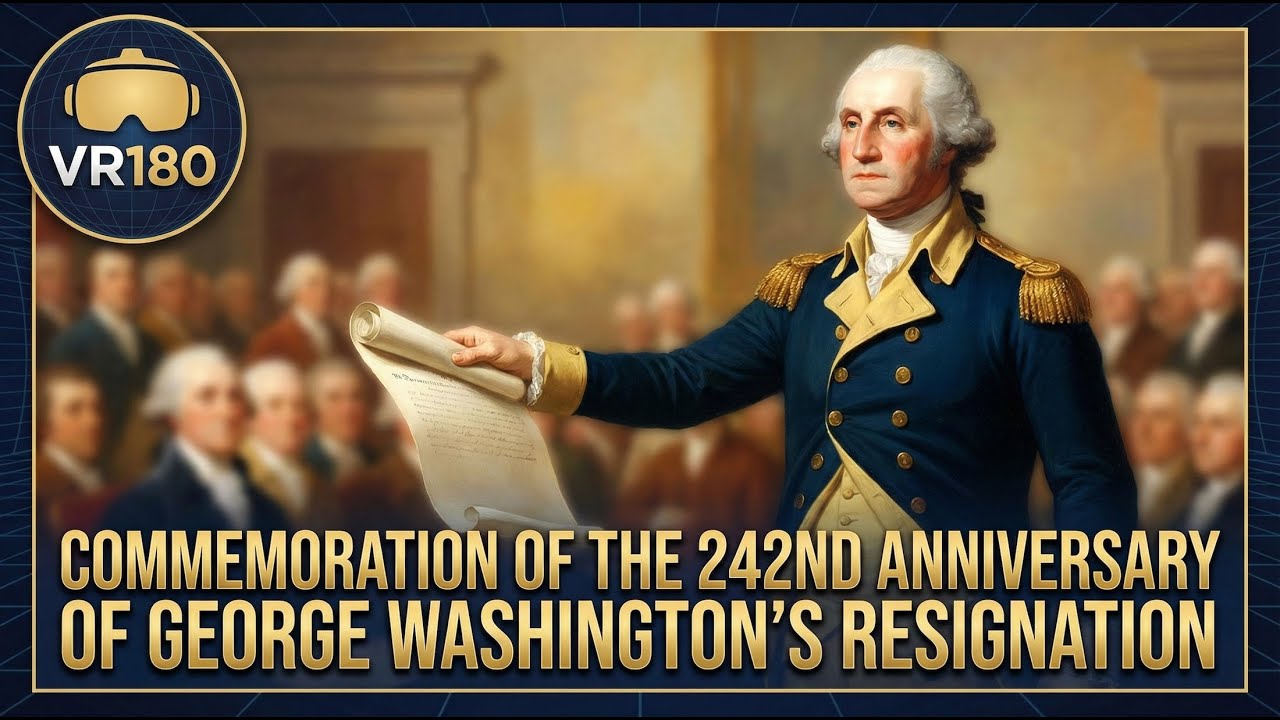
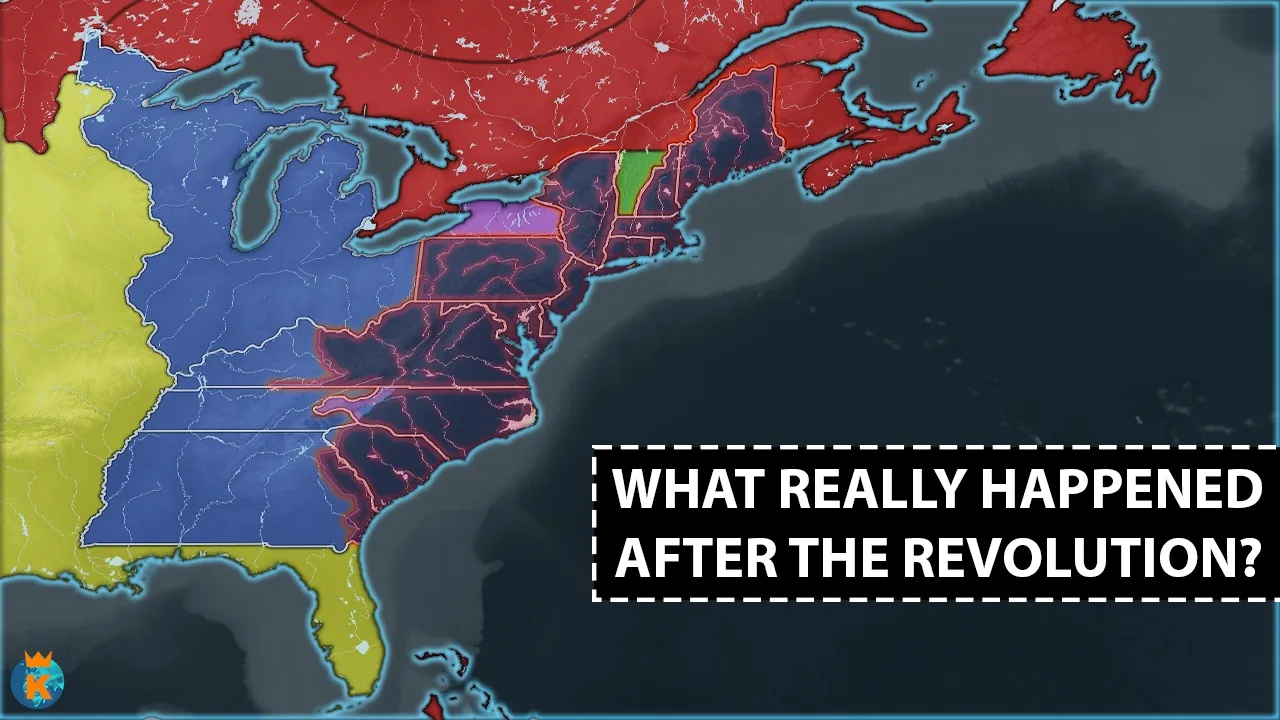











The United States has developed a unique civil-military relationship where the military maintains unquestionable subordination to civilian authority, primarily established through George Washington's deliberate surrender of his commission in 1783. This normative foundation, reinforced by historical examples like the Newburgh Conspiracy where Washington refused to lead a mutiny against Congress, has created a system where the military accepts civilian leadership even when that leadership performs poorly. However, this system faces contemporary challenges including the politicization of military leadership, the difficulty of balancing military expertise with democratic accountability, and the tension between professional military judgment and civilian political control. The key tests of healthy civil-military relations are whether the president can fire military leaders without consequence and whether the military will carry out policies they disagree with, though there is ongoing debate about whether the military can be trusted to refuse clearly illegal orders that threaten democratic institutions.
Civil-Military Relations in the U.S.: A Critical History
Added:There has not been this much politicized pressure on the military since the constitutional crisis of 1866 and67.
Welcome to Shield of the Republic, a podcast sponsored by the Bullwark and the Miller Center of Public Affairs at the University of Virginia. I'm Eric Edelman, counselor at the Center for Strategic and Budgetary Assessments, non-resident fellow at the Miller Center, and a Bullwark contributor. And I'm joined by my partner in all things strategery, Elliot Cohen, professor emeritus of strategy at the John's Hopkins School of Advanced International Studies and a contributing writer to The Atlantic. Elliot, how are you? Uh, I'm good, Eric. I'm uh bracing myself for what is supposed to be weather that will feel as though it's well below zero once the wind chills uh kick up. But I've got my nice warm Norwegian sweater. I see that you you're advertising a a school. Can you just tell our listeners what what's going on?
>> I just want to you know it's a shout out to the reach of Shield of the Republic that of course our co-sponsor is the Miller Center at the University of Virginia. I was just down there for for two days of uh events and uh it turns out that it's not just the Miller Center at UVA that listens to Shielded Republic. We have many devoted listeners at the Baton School of Leadership and Public Policy. And so uh because I know some people in low places, I was gifted with this lovely Batton uh hoodie, which uh I'm using to keep me warm against the snow flurries that are I'm observing outside the window as we as we speak. I want to we need to get through the Jackasserie uh because we want to welcome our special guest this week, a friend of the show who's been on multiple times but now has a new book that we're going to interrogate. Um I have to say I thought the president really distinguished himself yesterday at the National Prayer Breakfast by going to the prayer breakfast and making fun of prayer. Um you know it's it's really hard to you know to to top that.
I mean, I thought Nancy Mace a few years ago had sort of outdone herself at the National Prayer Breakfast when she came in and started talking about her sex life, but I think the president may have outdone that. Yeah. Um, so first just about your sweatshirt. I'll say I'm wearing this lovely Norwegian uh sweater. If any of the Irish or Scottish listeners to uh Shield of the Republic feel that they would like to give me it's a extra large in American size and I'd be I'd be more than happy to wear it on a future future episode. Um >> it can be bought easily.
>> Yeah, we are as as in keeping with the spirit of the times the uh we are totally venal. Um my uh candidate for the jackasserie of of the week is uh Vice President Vance speaking at on Holocaust Memorial Day. Now he spoke at Dhaka which was a camp that was created immediately after the uh Nazi takeover for political prisoners. People died there but was not actually but it wasn't a a death camp in the sense of a a camp for extermination. And so therefore really technically it's not part of the Holocaust. What was striking and and uh somewhat sickmaking about his speech was he he managed to give a speech on Holocaust Memorial Day that mentions neither Jews nor Nazis.
And um I have to think that that's not accidental. I think he didn't want to disturb that part of the his base that uh doesn't have kindly feelings towards Jews and may think that the Nazis got a raw deal. But maybe that's just my dark views. Talking about dark things though, I mean there there's one thing that's even that's much worse, I think. Uh and that is this uh video clip that uh our president posted which got taken down in about 12 hours of um I guess it's an AI video with President and Mrs. Obama as monkeys and you know they I mean the racism of it is loathome obviously.
I mean one additional thought I had is this guy is mentally ill. I really do believe that and I don't think it's going to get any better and I think this is something that the country will have to confront. You know, we have a desperate desire to think that at some level he's normal and probably at some level he is. But increasingly you have these things which are just not not slips, not uh exaggerations, not you know unfortunate ways of putting things but things that are really nutty and uh as well as as being kind of contemptable. But you have a view on that?
>> Yes. I mean the racism of it is contemptable. And what's disturbing is the degree to which the White House actually defended it for quite a while before finally taking it down and then blaming a subordinate.
>> Um, okay. Well, if it's a subordinate who did this, have they been fired?
>> You know, who who is it and have they been fired? And and I think we're never going to get that from them. But, >> um, we need to move on to our our guest, however, and she needs no introduction because she has been on Shield of the Republic multiple times, >> but she'll still get one.
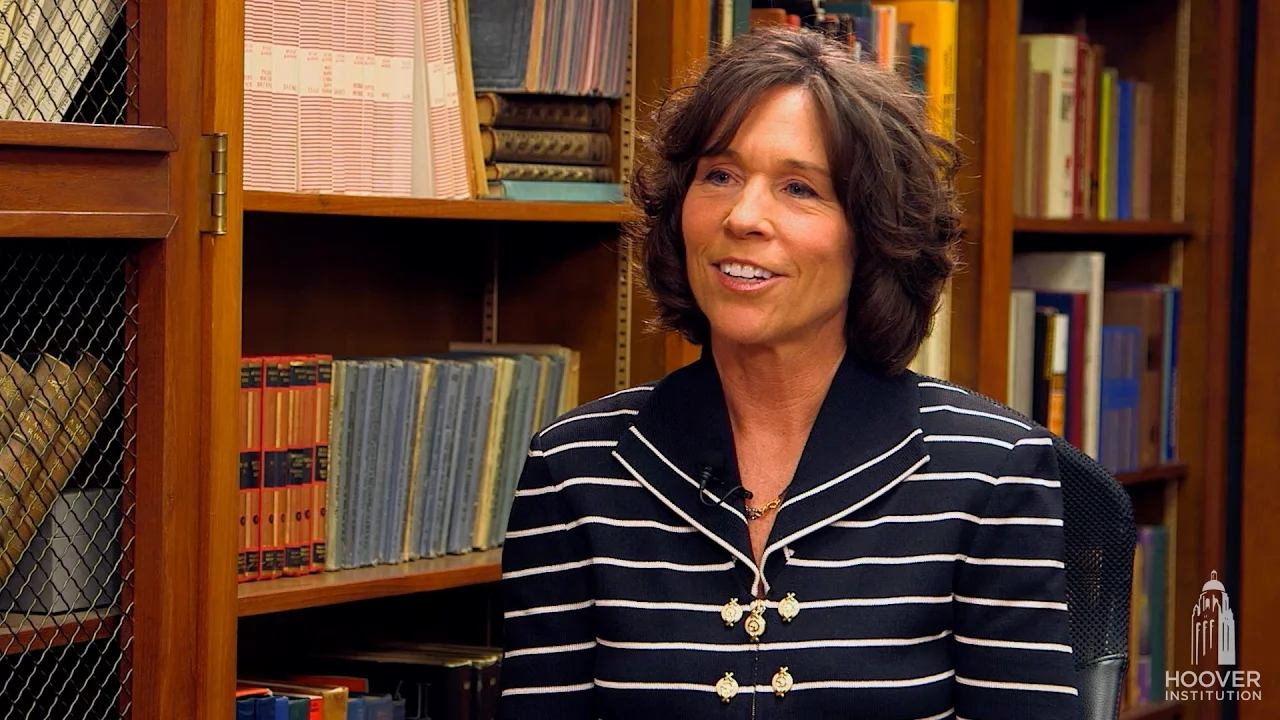
Corey Shaki, who is the director of national security programs at the American Enterprise Institute, distinguished career in and out of government, uh my colleague in the White House back in a universe long ago and far far away. Um and the author of the state and the soldier, uh published by Polity Press, a a history of civil military relations in the United States.
Corey, welcome back to Shield of the Republic. It is such a great joy to argue about this with you two sparklers >> Elliot. Uh because uh you are the genuine, you know, expert on civil military relations uh you know in in this pair of you and me, I'm going to let you take the lead in in u questioning Corey.
>> Okay. So maybe uh uh thanks for that compliment. Uh Corey, could you could you just to get us started uh say something first about the title of the book for for those of our listeners who are not devotees of the literature on civil military relations?
Um and then just if you would give us the argument of the book.
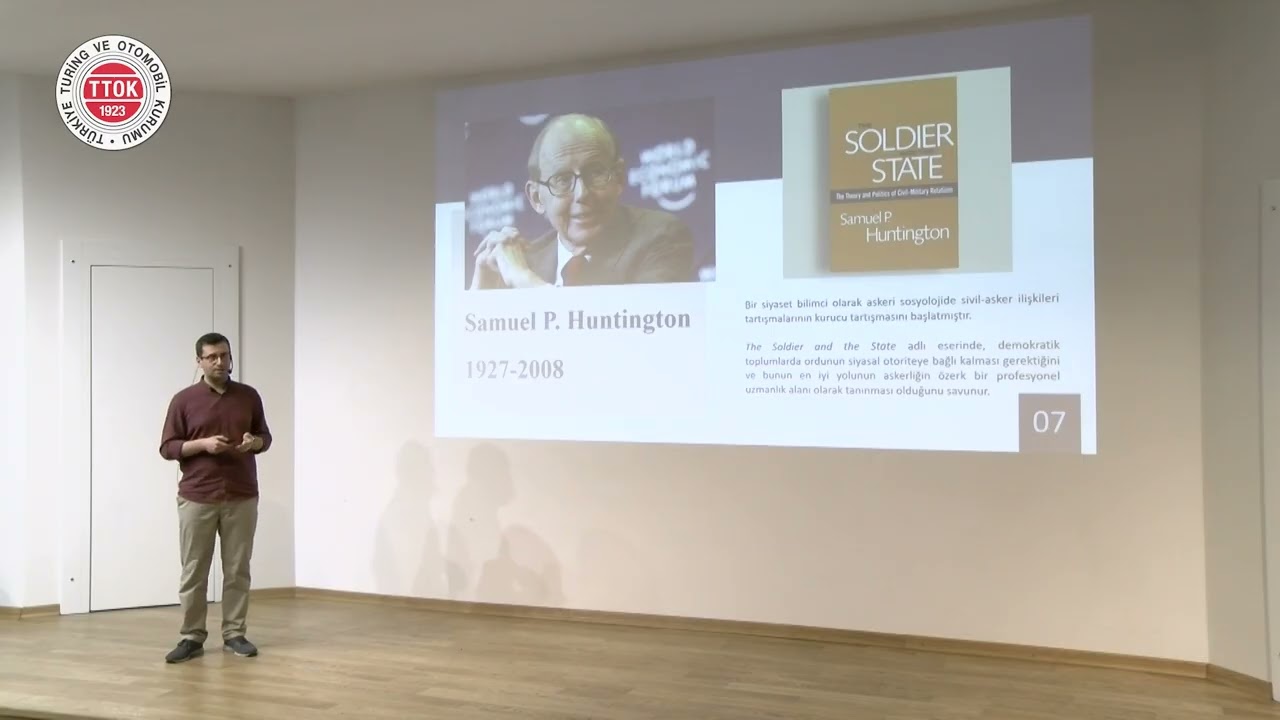
>> Sure. So the title is a reference to Samuel Huntington's The Soldier and the State, which is widely and I think rightly seen as the first serious book, academic book on civil military relations in the United States and we still teach it as the foundation of the field. And I hate this book. And I think we should actually stop treating it as the foundation of the canon because it's a good teaching book because he's wrong about almost everything. And let me just give you my top four.
First, in a book of 400ome pages, at no point does he address what is the most important question about civil military relations, which is ptorianism.
Under what conditions does a military become a threat to civilian elected civilian governments? He never even addresses that when who creates coups is the most important question in civil military relations.
Second reason I hate this book.
Huntington believes that an effective military is incompatible fundamentally with democracy in America and democracy in America needs to change.
Um, I feel like the arrow should go the other direction on that in a free society. Third reason I hate this book is because Huntington lived through World War II and believes that civil military relations were in crisis in World War II because the military accepted President Franklin Roosevelt's decision not to turn and fight the Soviet Union after the Nazis surrendered.
as though that should have been a military and not a political choice. Um, I'll stop with three at the reasons I grind my teeth. I think the reason it remains such an important part of the field is twofold. First, he was he has the first mover advantage. But the second reason is that his idea of how this system should work in the United States is one that the military wishes it could have which is that there is such difference to their specialized expertise that there should be objective control only. That is the politician should only be able to make limited choices at the very top. and what I think most modern uh civil military scholars, including the good and great Elliot Cohen, but in good company of Lorie Freriedman and lots of the other smart people working in this area, think is that you can't get good strategy if the military doesn't understand the political constraints on the problem.
And the way Hunt Huntington would set up the system, you would produce military plans that are not responsive to the political direction and you would have politicians who don't understand what the military can and cannot achieve for them. Um, so I hate Huntington soldier in the state.
And what I posit um as an alternative approach to this is simply trying to explore how is it that a country that was founded in fear of a standing army has come to think of its military as a major bull work of democracy.
And so I tell the story in historic progression starting with George Washington because I believe you would have a very different American system if you don't have George Washington as the Marvel Comics origin story of it. He really is seinal to why the system is the way it is and why the American military thinks of itself as unquestionably subordinate to their political leadership. So could I I I I feel I've got to stand up a little bit for Sam who was my uh my mentor as you know even even though I wrote a book which was critical of of the soldier in the state and I I mean I think there are a lot of important criticisms to be made of it. First I would just say he was 30 years old when he wrote the book. So you know it's for anybody to write a book when they're 30 which is still being taught 75 years later is pretty pretty impressive. Secondly, and I think more importantly here, we what what Huntington was doing was drawing on the literature of on of on of professions, which was uh that was a very powerful um and central topic in social science at the time. And he was arguing that the military is a profession that that nature of that profession is the management of violence. Um and that the key to maintaining civilian control which he believed in absolutely was maximizing the professionalism of uh of the military. Now where I think he went astray was you know his his conception of how uh control should be exercised would be you know is indeed the model the military prefers. There's right lanes and left lanes. I'm going to give you some broad objectives and then I'm going to get out of the way and let you get on with business and and I think you know we all agree that it it can't work that way. The one other thing I want to say just in a word of defense of of Huntington. What what he says and this I think is a deeper issue uh which is worth debating is that the military uh the military mind is he says is a conservative mind.
um that the values and code of the military are of necessity somewhat different from those of civilian society and that they will always be intention.
Now he says you know it would be nice if uh you know if we had a little bit more of some of that ethos because he was a somewhat conservative socially conservative guy but but I don't think he thinks that it's incompatible. he thinks it's necessary, but but he also thought that part of the solution, and here I think he was wrong, was keeping the military apart from society. Um, and there's some actually historical misjudgments in there, too. So, I, you know, while I take much of the critique, I think it it just pushes it a little bit that pushes a bit further than uh I could, but this may just be my devotion to my old my old mentors. Eric, you want to chime in on this?
>> All three of us have scars uh from not just, you know, thinking about this and and writing about it. Uh I just in occasional pieces when issues have come up that have um kind of tripped on civil military relations like the appointment of Lloyd Austin as the second consecutive fourstar general to be uh appointed secretary of defense despite the fact that the National Security Act of 1947 has a specific uh injunction against doing that within uh originally 10 years now 7 years of the end of their active service. Uh but we all have uh scars from actually all three of us have wrestled with this in our government lives. And one of the things that I always found uh problematic I would say in Huntington is that the notion that somehow there is a very strict line between what the military concerns itself with and what policy makers concern themselves with. And in reality, what I have found is that the line is always much more permeable on both sides of it. I mean, my own experience was that my military colleagues when I was under secretary of defense for policy would really get their backs up if they thought I was straying into an area which they thought was strictly speaking military. However, that didn't keep them from having all kinds of views about policy that they wanted to express sometimes, you know, quite quite publicly, you know, as Corey documents in her book in in the case of Michael Dugan, that was I was not in directly involved in that, but I was in the Pentagon at the time that that happened. And then um and and when Admiral Fallon was uh relieved uh for having expressed a bunch of political opinions in a interview with a journalist who he took along with him while he was traveling throughout his area of responsibility.
So I've always thought of this as in a way akin to what um the great constitutional expert Edward Corwin said uh about the constitution being a um a uh you know excuse for struggle >> struggle >> uh between the executive and the legislative branch for supremacy and foreign policy. I've thought that you know the constitution and the national security act of 1947 car an invitation to struggle between the military and civilians over the direction of both military and national security policy. I mean, I was very struck by, you know, Corey, you just adverted to it, the role of the example of Washington, um, which was very deliberate on his part, surrendering his commission at the end. I believe at Annapolis there is a huge mural of his, uh, you know, handing over his sword and surrendering his commission. A lot of what you write about are sort of the um the violations of that norm that routinely occur in our history throughout the 19th and even into the 20th centuries. And I wonder if you might talk about a few of those instances just as illustrative for the audience.
>> Oh, sure. I'd love to. Um I agree with you on Washington being so consequential. I mean, from 1790, his birthday was celebrated as a national holiday.
Um, and the language, not only does he go to Annapolis where the Congress is meeting, but he very explicitly in his language says he surrenders unto the Congress the responsibilities they had entrusted him with. Um, I think it's really important and it's one of several examples about Washington that I cite in the book. My favorite of which is uh what we call the Newberg conspiracy. So 1793, two years after um Cornwallis has surrendered at Yorktown, the British are still in possession of Manhattan while the peace talks are going on. So Washington's army is encamped upstream the Hudson at Newberg and Alexander Hamilton then in the Continental Congress in conjunction with Robert Morris who is functioning as what we would now think of as the Treasury Secretary are trying to get Congress to give itself revenue raising authority because the only the only funding of the federal government at that time was tariffs and so they wanted revenue. They want a taxing authority essentially. And Hamilton tries to persuade Washington to march his army on Philadelphia and refuse to disband until the Congress paid them pensions and back pay.
Washington had had to hang a couple of soldiers for mutinying over rations in New Jersey. So this was a very close run thing. Hamilton and Morris are are incredibly aggressive. Washington beautifully responds that an army is a very dangerous instrument to play with.
And he goes back to gather his officers.
He stationed 6'6, 240 pound Major General Henry Knox at the door to take into custody for court marshalling anybody who won't sign an oath of allegiance to the Continental Congress.
And then my favorite part, Washington flat out acknowledges Congress is terrible at their job, but really importantly says that is not the basis for our subordination.
So the civilians don't have to be any good at the civilian side of the equation to merit the subordination of the American military. And that's Washington's most important legacy. It's about who the military is, as Elliott said, as a profession that they are not a threat to civilian authority. Exactly as you point out, Eric, there are a whole bunch of bad examples. I mean, as early as the John Adams administration, um, you know, Hamilton and the new army are a challenge to the president's authority. Um, uh, President Jefferson cashiers all of Washington's young, uh, all of Washington's heirs apparent because they're all federalists, and appoints as a senior general in the army, James Wilkinson, who was involved in the Aaron Burr plot, who was court marshal twice, um, and who was a Spanish agent. agent the entire 12 years he was the senior officer in the army very played a very sharp political game. Um there is um Admiral William Sims one of I think the few examples after the United States has a standing army. Uh during World War I, Sims subordinates the United States Navy to British control in the area of operations he was responsible for in direct um insubordination to President Wilson's instruction. And of course, there's MacArthur. Um but but there are also examples even Sherman and Grant in the circumstance Elliott mentioned. So after World War, excuse me, after the civil war, when the civilians began to reassert their authority over operations that the military had previously during the war had greater latitude on. So Sherman's terms of surrender get refused by the cabinet as too generous and too political.
uh Grant wanting to send arms to the rebels in Mexico over Secretary of State Seward's objections.
It's not easy to get the balance straight to keep your equipoise on civil military relations, but what's so interesting about the American case is how strong the magnetic force of Washington's example and standards are.
because you have these bad examples, but you also have the reversion to Washington's standards.
>> Yeah. You know, let me um I think that I think that point is very powerful and it's it's absolutely right. I mean, we the more you read about Washington, the more you realize how much the country u owes him right down to the current day.
Can I can I take you back to the in a way the kind the core proposition of the book and then there's more history to go into and particular individuals I think we'd like to talk to you about. So you say at the very outset of the book there are basically only two essential tests of the health of civil military relations in the United States. One, can the president fire military leaders with impunity?
and will the military carry out policies they don't agree with?
Now, I mean, both of those strike me as very important questions and uh although to the first one, I I would say it's very rare that a president can fire people with impunity because particularly in wartime and if it's a political if it's somebody who has some political salience like Colin Powell, it's very hard to fire them. Uh and and there's there isn't impunity in the political sense. or maybe impunity in some legal sense. But but let's set that aside for a moment although I would like to come back to it. Isn't there a third question uh which particularly now and which I I will confess I never would have expected to have to think about and that is um can you trust the military not to obey orders that are clearly illegal which would do damage to the institutions of uh free government. So, for example, um if the president were to order the United States Army to take over the administration of elections in uh swing states, would they refuse to do that?
And we haven't had that test yet, thank goodness. Uh but I think alas I'm not certain that that's that's an unimaginable circumstance. I don't know unless you I know maybe you you feel that that's could never arise but um and if so I' I'd like to hear why.
>> No, I agree with you that that's a very important challenge. I don't think of it so much as a civil military challenge as a professional challenge and actually a civilian problem.
Because um you know the American system of military subordination relies on the belief that orders received are legal. Right? Pauline Shanks Corin the military ethicist raises the challenge of the unprincipled principle. And that's actually where we are. That's where we are on the the circumstance you described, Elliot. I think it's where we are on some of the um on the Venezuela issue and the boat strikes issue as well. And you guys know this, but not every Shield of the Republic listener might. The system is structured under the belief that orders received are legal. So, it's true that every commander has a judge advocate general at their elbow and but first of all, legal rulings aren't typically so strictly black and white, right? You get a lot of lawyers saying, "Okay, but I have some worries about these three things." So the legal opinion of the judge advocate general in no way removes the authority of the commander for the decision that the commander makes. Moreover, the um the military judge advocate general gets trumped by the secretar's judge advocate general who gets trumped by the justice department's ruling on these things. And so, and for a a soldier to refuse an order, particularly in operations, they're going to get court marshaled.
And the burden of proof is on the service member that the order they received is illegal. And so the point I'm trying to belabor is that if we get to the point where actual Navy commanders or Army lieutenant colonels are having to make a judgment about whether the order they are receiving is illegal. We have already failed at several important echelons. And I worry that we have a tendency as has been demonstrated in the in the boat strikes cases of telescoping immediately down to whether the military should or should not have done this and exculpating should the president be giving this order? Should the secretary be conveying this order? I I would like to see more of the responsibility resting on the civilian leadership. Although I agree with your point about military culpability, I just worry that we shift very quickly into military accountability when the superior accountability should be on the political leaders issuing the orders.
>> You know, I I agree with that um as is so often, but but only up to a point.
You know the one thing that happened after World War II is I think general acceptance of the Nerburgg standard. Um and the Nermberg standard is to say well orders are orders is not an excuse.
And uh I mean I don't think we can have a variation of that which says well um you can always assume that an order is legal and therefore you can do whatever you're told to do. That that doesn't feel right to me. And like I said, we we have not been tested >> that's not that way.
>> We we haven't been tested that way, but but alas, I think we could be. Eric, you're you want to jump?
>> I just wanted to drill down on one specific case on Venezuela because I think it it illustrates the points both of you are making. So the double tap strike, you know, back in September.
Um so certain I mean first of all in terms of presidential and uh secretarial accountability you know um uh absolutely right and um the president of course has like you know has basically said well I gave the orders it's all on my orders but then you know when the specific case is raised he said I didn't have I didn't have anything to do with that that's Pete you know so there's a lot of you know uh kind of blameshifting going on here. Um, Secretary Hegsth, you know, allegedly gave an order that there should be no survivors of these strikes and then said, well, it wasn't a no quarter order. I mean, you know, there's like, you know, logic chopping and and, you know, um, hairsplitting going on about about all this. you know, in in the end of the day, we have a Southcom commander who resigned.
I think we don't know exactly why he resigned yet, but it does seem primapaccia that he had he was troubled by the orders he was receiving in the campaign that is being carried out. Um, and then the specifics on the double tap strike.
Um, you know, this goes to your point, Corey, about um orders are never completely black or white.
Uh, you know, I if if the order says, you know, you have the authority to, you know, continue to strike as long as something is a ongoing threat, you could maybe see, you know, how someone might work their way around to say, "Hey, these guys survived. they still have potentially the ability to damage us. But in this particular instance, based on the descriptions we've had in the press, hard to see how that could possibly stand up if it were ever adjudicated, you know, in objectively.
Um, and what I worry about is, you know, essentially we're watching officers being told to execute orders that um seem primapaccia to be under the I mean, I'm not a lawyer, but under the law of armed conflict look to be war crimes.
Um, and that the public's becoming inure to that because of the sort of steady drip drip. And I you know I I'm just wondering how you see that in the context of the civil military kind of tensions that you describe in the book.
>> Yeah. So I share your concern about both the activity and the public becoming conditioned to accept that kind of behavior. I think though this and I agree with you that neither the president nor the secretary of defense have been held to account and they should be. I mean the secretary couldn't even be troubled to go up to Capitol Hill with the commander and the chairman of the joint chiefs of staff to explain their behavior. I think, you know, congressional oversight, it is the solution to these problems.
And Congress grilled the military folks, but had nothing to say about the civilian leadership. And so again, I'm worried that that the people who we are holding accountable, we should be holding accountable, but we're not holding the originators of the problem accountable. So, I agree with you. I I noticed that um I suspect that all of the leaks about what the Secretary of Defense did or did not order and a lot of the concern about the choices that the military commander made.
Like we're hearing that from the military itself, which is a very positive sign about their professionalism and about the concern the institution has about the challenges you guys raise because they don't want to be Nazis in Nerburgg. They want to be exactly what what we have long expected them to be, which is people who originated the laws of war in the labor code and are proud to hold themselves accountable to it because they're professionals.
>> So, um, I want to pull this because this is very interesting. Of course, one of the ways that they let us know about all that is because um they're leaking stuff to the press, right? Which at that's not professional behavior. Uh by the way, I I mean also I'm I'm maybe as I take a somewhat darker view, you know, Libra code. Okay, Francis Liieber, he's a law professor and I think it's Stanton who uh the the secretary of war who wants him to write up a code. But even setting that aside, are there behaviors which are at some level not professional but which are desirable for this reason? Leaking is one of them. I mean another one and this I I am really and and I I don't like the idea of military people leaking to the press. Another one which I always was opposed to um and I now find myself thinking more about his resignation. So, you know, I've there were a number of occasions, including in the the first Trump term, when I had senior military officers ask my opinion about what they should do if they got certain kinds of orders. And my response then was uh and you know, they would begin talking about, you know, well, under those circumstances, I would resign. And I, you know, I said, well, as a fourstar, I think you have an obligation to be fired uh and an obligation not to resign. That is to say, you you know, you should be out there saying exactly what you think in private to the to the president who is the commander-in-chief. Uh, and if he fires you, so be it. And you can you can embrace that. But you don't have a right to simply to resign.
And I think that's still right, but I'm not entirely sure. And I'd be curious to know what you what you think about that.
>> Yeah, I agree. We are in incredibly uncomfortable space that there has not been this much politicized pressure on the military since the constitutional crisis of 1866 and '67.
Um, and there's not an easy answer to that. I think there's there's not an answer we should feel comfortable with.
So, it's right that we're agonizing about uh I too believe that resignation is a political act.
And so, it does serve to make a political statement and that to some degree politicizes the military, makes the military a political actor.
But if you're receiving an illegal order, um, I'm a lot more comfortable with resignation rather than carrying out an illegal order or an order that's so shocking to your conscience, right? I I mean, it is politicizing the military and it is also probably appropriate in those circumstances.
There's a reason we try not to get close to the line on a lot of this kind of stuff. Uh the other one I think of is sherking, right? Peter Fever's notion about taking your time to carry out an order. I myself am uh slightly suspicious that when the Marine Corps got the order to send active duty troops into Los Angeles, they saw the need for an extended period of training before they could be deployed.
Um, and I think that could be an interesting case of sherking where they were buying time for the political and legal um solutions to this problem, which are the appropriate civilian responses to have time to act. When an administration, an unprincipled principle, is pushing executive authority out ahead of what governors, Congress, or the courts could counter.
So, I'm not comfortable with it, but I think we are in an uncomfortable period.
>> Yeah. I I mean, just thinking about this conversation, I completely agree with that. You you know you raised the issue of sherking which our friend Peter Fever has written about and I think that's that actually captures not just some of the stuff at the moment uh but the norm by the way I think another case may very well turn out to be whatever military advice the president got about invading Greenland I wouldn't be at all surprised if uh the president said well sir we can do it but you know enough stuff to make >> or taking action in Iran. Well, yeah.
So, there now the now the problem is you know that that that's and I think the three of us had this experience in government. Uh you know, we may like it when it comes to the invasion of Greenland. We may not like it when there's something that you know, civilian authority having thought the matter through nonetheless wants to have some real options before it and you're being you're being pushed and shoved.
And this this actually leads to a larger question and and I'm sure Eric has views on this. You know, on the one hand, look, one of the great things about the United States is we don't worry about a coup d'eta. There's some fantasy novels like that, but really it it's not seven days in May, you know, all that sort of stuff. No, but isn't isn't it the case that um throughout our history there is a lot of pushing and pulling? There's some stuff which is some like downright scary. So, for example, the non-involvement of civilians in nuclear war planning, uh, which is something Eric knows a great deal about for decades after World War II. Or I mean, and I think he and I have a darker view of, um, your mentor, I mean, not that you bashed my mentor, uh, will bash yours, uh, Colin Powell, um, who I, my view is this was a very manipulative figure in many ways. Is isn't that the norm? And is it is it something we should be troubled about or just say, "Okay, that's the way the game is played and it's up to the civilians who ultimately have the upper hand in this hopefully uh to just beat it down." I don't know.
Eric, do you want to add anything to that?
>> No, I agree with that. I mean, you know, sharking is in the eye of the beholder.
First of all, we should we should also, I think, stipulate that it's not behavior uh unique to the, you know, to the military profession, profession of arms.
>> Uh, you know, it's it's a classic bureaucratic response in democratic systems to leaders who are going to be there for four or maybe eight years, but will then go away, >> you know, uh, or deans. Um, so it's not I mean it's it's a perfectly human, you know, response to things and a lot of whether you think it's sherking or deliberateness is in the eye of the beholder. I think that's right. I mean, the entirety of the American political system is designed for as a push me pull you, right? Because it's ambition set against ambition.
One of the things, one of the ways in which I think Huntington's concept of objective control is problematic is that leaders of institutions are political actors, right? They they set the vision of the organization. They set standards. They make resource decisions.
They establish priorities.
Um the challenge for our military is to have the political savvy to be able to be effective in a policymaking environment where others don't have the expertise they have without becoming partisan or without engaging in state capture.
Right.
um the the notion that you know you have to defer to me because I know better than you do about this. The person whose judgment on this I like best is George Marshall who said after World War II that there wasn't a single decision he made during the course of the war that wasn't a political decision.
And I think there's a lot of truth to that, right? like the the military leadership wanted an Asia first strategy even before the dustups with Churchill about um North Africa and yet that's not what the president wanted. So that's not what happened. And Marshall be and even Nest King um and and Hap Arnold understood and actually I give Admiral Ley an enormous amount of credit for helping them understand the political environment and the political constraints that the president was operating under. If those three, four guys hadn't had an enormous amount of political judgment, you would have had a lot more friction in the most second most important war the United States has ever fought in. So I do think we we objure political actions, but what we mean is we don't like schemers and we don't like partisans.
>> Cy, can I take us in just a slightly different direction? um which I think is worth maybe talking about a little bit.
Um, you know, you you have a great uh portrait of Smemedley Butler in the book um that you which I think >> which I think is worth talking about because it's a you know it's a it's a a very minor I would say streak that runs through this history of civil military relations but not unimportant which is to say we've had some generals who are pretty nutty you know um uh I think there's a popular perception of Curtis Lame which is a little bit of a caricature that way but I I'm thinking more in terms of Butler maybe General Edward uh Walker who in the 1950s and60s was you know part of the John Burch society and um you know arguing that that Eisenhower and Kennedy were communists um and of course more recently Michael Flynn I mean you I think rightly point out that Michael Flynn is kind of the you know sort of historical legote if you will of Smemedley Butler but could you talk about that tradition and how should we think about that?
>> Tell people the story of Smemedley Butler because I think I suspect that most of our listeners don't know who he was.
>> So Smemedley Butler was a marine officer uh in the early 20th century. He was a twotime Medal of Honor recipient. So really good at what the Marine Corps does for the country.
Um his father was a an elected politician, the chairman of I think it was the Navy committee in the House of Representatives. And so, as is so often the case with these charismatic military leaders who are good at the profession, the the circumstances keep excusing his bad behavior. As so he wrote a book called War is a racket, arguing that every war he had ever fought in was the United States government, you know, kneeling to evil capitalist forces.
He uh became an advocate and and claimed to be a central actor in a plot to kidnap Franklin Roosevelt. Um and claimed that not only were senior Roosevelt appointees involved in it, but that banking leaders were involved. Like such crazy stuff.
most of this happens after he has completed his military service but not all of it. Um, and so I think he is actually both trying to run for the Senate. So he has political ambitions that this behavior is serving, but I also think it's crazy unhinged stuff.
And exactly as you point out, you know, there are people, Mike Flynn among them, who can be very good at what the military needs from them and still be dangerous lunatics.
Before I was worried about authoritarianism in America, I used to think it was funny to say that, you know, I think Mike Flynn's great for civil military relations because he helps my mom understand that not all these guys are heroes and deserving of.
It's not funny at the moment, though, given how dangerous Mike Flynn's behavior is and how much political support he's getting from it for it from President Trump and the people around him.
>> Yeah, that's a very I think that's a that's a really powerful uh point. And of course, the thing is there aren't that many Smmedley Butlers or Mike Flynn, but when they come along, they get a lot of attention. What one phenomenon we were discussing a little bit in the green room which I would wonder if we could draw you out on is it it seems to me that uh these times of real civil military friction where the military goes beyond where it should be.
It's usually after a big war uh where the military is very very high prestige um and norms need to be reestablished particularly obviously wars in which the military's been uh has been very successful. I think you can even say that about the revolution or the war of 1812 by the way which we tend not to >> Yeah. I was thinking of Andrew Jackson as the example as you were talking.
>> Yeah. I mean, so there there's this tremendous admiration of military heroes. You know, as you point out, we were very fortunate to have George Washington, also Henry Knox, my my favorite overweight book seller who becomes a uh artillery gene. Uh but you know, the same thing is uh it's absolutely true of the Civil War in some of the ways that you talk about immediately after. I think it's it's true of World War II after, you know, in our own time after Vietnam because it wasn't a success. I don't think the military had the the same kind of prestige. And what would what's interesting there is that the military and and by the way, Huntington would say that this confirms his view of things turned more in on itself and on professional improvement.
And that's how you get the military that fights Desert Storm. But but I think what I would you I would then argue is it's no accident that some of the more egregious forms of sherking come about after Desert Storm, but before the second Iraq war when the military just looks, you know, sublimely capable, you get totally over-the-top praise, which is, you know, had pays no attention to what the context of the Iraq war was. uh and so we do have a period in which actually the military pushes the edges of the envelope. I think you see that saw that the Yugoslav civil wars and and I do think alas you know Colum Powell is is part of that following Iraq and Af second Iraq war in Afghanistan. I think you're kind of more back at the norm.
>> Yeah, I think that's right. Um fair amount of sherking and egregious behavior in the Carter administration.
Didn't the chief of staff of the army nail the door shut so that the secretary of the army couldn't have access to him?
Um uh but but I think there are a couple of things that happen in in the in the aftermath of the Vietnam War. The first is the end of conscription. So it's not so much that the military chooses to turn inward is that with the end of conscription, there's a real crisis about whether the military is actually going to be able to recruit people proficient enough to carry out the the tasks of the organization. Um and at the same time you begin to have the tailing off of public trust in institutions because I think a lot of the contemporary friction from 90 forward is that the military remains a respected institution but the courts do not, elected officials do not, journalists do not. And so that's a big part I think of the everybody's a hero. You know, we let the able-bodied soldiers board airplanes ahead of families with twoyear-olds.
And a lot of that kind of stuff, I think, comes out of a public deference to the military that is unhealthy.
>> Yeah. Yeah. I I have to say it drives me crazy whenever I see some 85year-old grandmother having to wait leaning on her cane while some, you know, 22year-old who works in a missile silo gets to board first. I mean, it just it's absurd. But we're running a little short on time. I I do want to um I do want to touch on one part of the uh second Iraq war. Cory, you have you talk a bit about the civil mil military challenges there, including in the surge, and I I don't think we'll have time to get to that, but um so your indictment of Secretary Rumsfeld um you know uh that he runs rough shot over a number of the general officers in including the director of operations in the joint staff who ultimately resigns.
Um he he involves himself as you point out in the timephase deployment uh uh schedule of um military units arriving in the theater and in the fight constantly reducing them and therefore leaves us after the initial major combat operations ill illequipped.
um and not sufficiently manned to deal with the counterinsurgency challenge that you know arises in the war.
And I wonder if there's another kind of way to look at it, which is that what he was doing with Tommy Frank's in the, you know, runup to the war when they were kind of going iterating 1003 Victor, the military plan for the war, whether what that was was in essence Elliot's unequal dialogue between, you know, political authorities and commanders, which as you yourself acknowledge in in your book was very successful in the initial phase. I mean the initial phase of the war is you know really given the length of time the long windup and buildup of forces US still maintains both tactical and strategic surprise which is you know pretty significant achievement. I certainly take the point on on u not being sufficiently manned for counterinsurgency, but is that because he ran roughshot over the general officers or because he paid too much attention to them or relied on them too much and they were not actually interested in fighting for the most part a counterinsurgency fight?
So, um, my recollection of it from my time on the NSC was that Secretary Rumsfeld refused to allow phase 4 planning. And I remember our mutual friend Frank Miller um, challenging General um, challenging the Sentcom Commander to produce Yeah. Yeah. Yeah. Tommy Franks.
Um to you know, are you guys doing the phase four planning and General Franks saying yes, they were when in fact they were not. So I don't want to relieve General Franks of responsibility, but he wasn't the only military actor. I mean, when when Rick Shinseki, the chief of staff of the army, saw the three brigade rolling start plan, his eyes popped out of his head and he sent General McCieran to Sentcom to help General Franks understand the nature of the next phases of the war. But I do think the so I'm not saying that military folks bore no responsibility for this, but I think the fundamental decision was the Secretary of Defense's decision that we're not going to do that job.
>> Yeah. Well, Rumsfeld certainly had in mind uh a uh more Afghanistan type operation than what we ended up doing in Iraq. and that's certainly what he had in mind. We could go on for hours about all of this.
Um uh and we're going to have to I'm sure have you back because civil military relations are going to continue to be uh as you put it in in a very difficult space right now. So I I hope you'll come back and join us again. But thank you so much for being with us on Shield the Republic today. Corey, it's great to have you. I'm so grateful to have had this conversation with you two, Smarties. Thank you, my friends. I appreciate you taking my work so seriously.
Up Next

Coup-Proofing: How to Prevent Coups d'État | Dr. Erica DeBruin
@modernwarinstitute2736
667 views•2020-12-11

Triumph of Orthodoxy Icon: Byzantine Art & History Explained
@BenCallan
2.1K views•2024-08-06

FastAPI vs Flask vs Django: Choosing the Right Python Web Framework
@TechWithTim
302.5K views•2024-05-26

Game of Thrones Opening Credits: A Cinematic Analysis
@gameofthrones
46.3M views•2011-04-18
Related Study Plans & Knowledge Roadmaps
Structured learning paths in General & Interdisciplinary Studies