
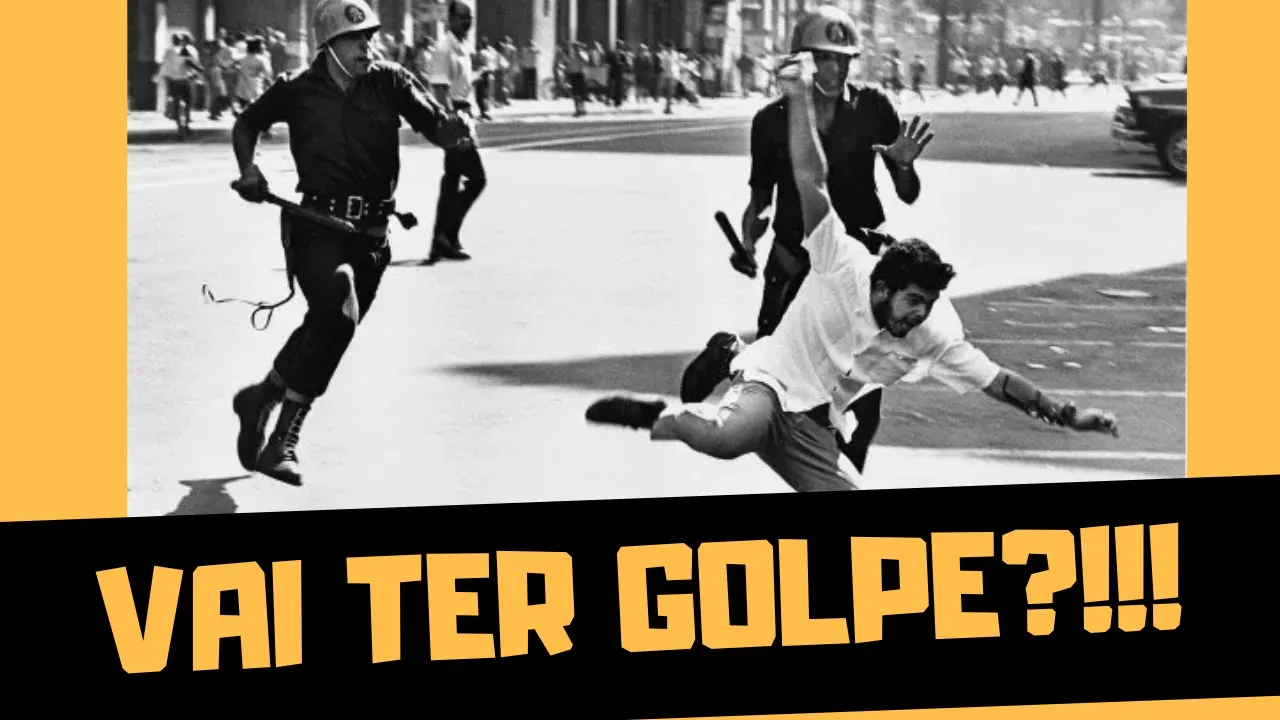

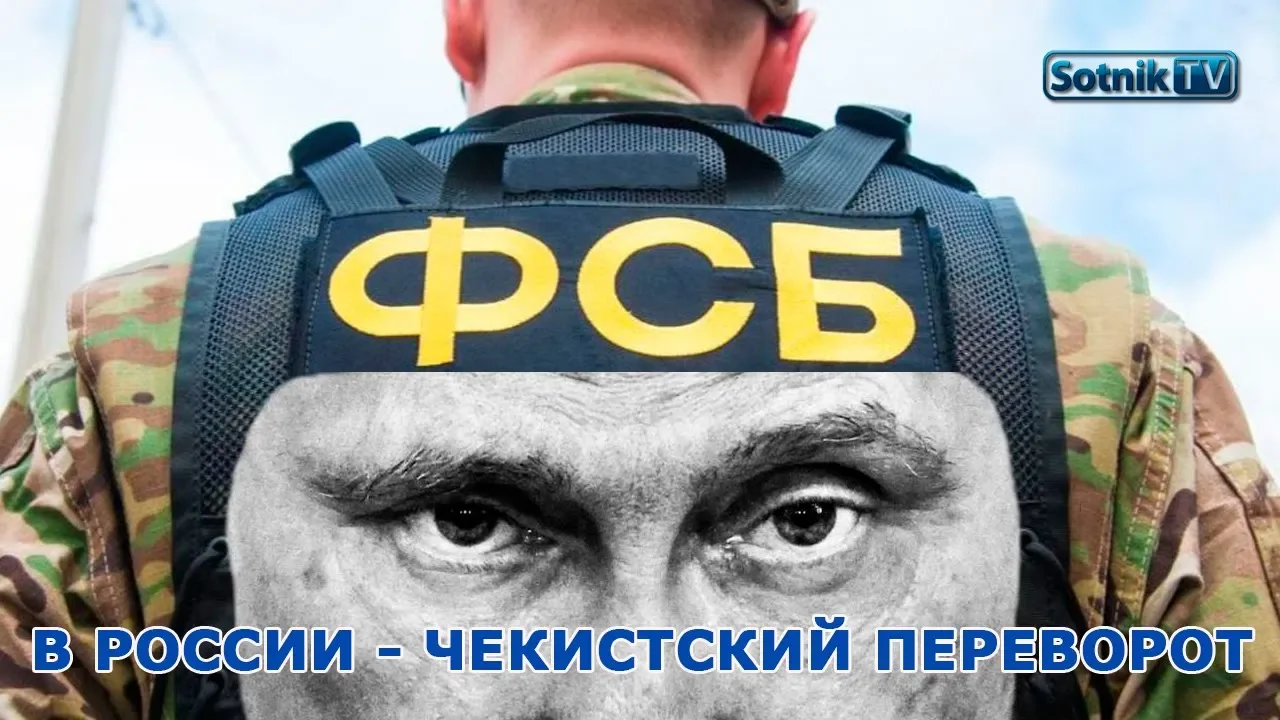




















Counterbalancing—creating independent security forces like presidential guards or militarized police that report through civilian chains of command and have access to political power centers—increases the likelihood that coup attempts will fail by creating uncertainty and raising the costs of violence for potential plotters; however, this strategy does not reduce the overall rate of coup attempts and can actually provoke new coup attempts while increasing the risk that coups escalate to civil war.
Coup-Proofing: How to Prevent Coups d'État | Dr. Erica DeBruin
Added:Understanding the definition and dynamics of a coup d'état, specifically how it differs from popular revolutions, insurgencies, or civil wars.
Fundamentals of civil-military relations, including the concepts of civilian control over the military and the inherent tension between state security and military power.
Basic theories of authoritarian regime survival, particularly how leaders identify and mitigate internal threats to their power.
The typical organizational structure of national security forces, including the traditional roles of the regular armed forces, police, and internal security agencies.
In-depth analysis of historical case studies where counterbalancing was used, such as Iraq under Saddam Hussein or Venezuela under Hugo Chávez, and its impact on regime stability.
The relationship between coup-proofing strategies and the escalation of civil wars, exploring how fragmented security forces affect a state's cohesive fighting capacity.
Security Sector Reform (SSR) in post-authoritarian or post-conflict states, focusing on how to integrate parallel military structures back into a unified command.
Advanced quantitative methodologies used in political science to measure coup risk and evaluate the statistical effectiveness of various coup-proofing mechanisms.
667 views10likes1:06:04Original Release: 2020-12-11
everyone so first of all thank you all for coming out this is a huge turnout um and uh our guest speaker deserves it so um just really briefly you you saw the flyer we have dr erica de bruyne who is an assistant professor of government at hamilton college and a non-resident fellow at the modern war institute here at west point uh she is one of the leading scholars on civil wars and coos right now she's also you know for those of you thinking about doing research right now or graduate school at some point she developed um one of the first if not the first data set on different kinds of security forces that states use that is um really getting a lot of attention right now personally i've also known her since i was early in grad school and i think she is one of the kindest and most generous scholars i know so i'm really happy to be able to to host her here and have this conversation about her really awesome research with you guys and so thank you all for coming out and with that i will turn it over to dr de bruyne all right well thank you so much for that very kind introduction i am really excited to be here today to talk to you guys about my new book my book was published on sunday so this is you are the first audience that i'm talking to about the finished product and i'm really excited to talk to you about it so i'm gonna go ahead and i prepared a couple slides to show you guys i'm gonna um share those right now all right can you see the can everybody see these okay yeah yes all right thank you so much okay so uh the book that i'm going to talk to you about today is called how to prevent kuzdeta counterbalancing and regime survival and the reason why uh i thought it worth writing a whole book about how to prevent coups is that military coups remain incredibly common across the globe they're common in dictatorships and in weekly institutionalized democracies between 2000 and 2019 there were more than 50 coup attempts in 31 countries around the globe so coup attempts are not as common as they once were the kind of heyday of course abroad is um was in the 1970s but they still remain very common and the strategies that rulers use to try and prevent coups have a whole series of sort of detrimental side effects so they can undermine military effectiveness which is a pretty crucial issue um and some of the strategies also end up in creating incentives for additional repression against um against citizens within a country and so coups are very common um and they can have the efforts that leaders take to prevent them can can be detrimental in a number of ways now there's a couple different strategies that rulers might take to try and prevent military coups to try and remain uh to keep the military under civilian control one sort of distinction that's commonly made this comes from samuel huntington is this distinction between objective strategies of control and subjective strategy of control so in objective control the idea is that there's a clear division of labor or authority between military and civilian spheres in this concept the military is supposed to be isolated from politics and has autonomy in its own uh area so military leaders are supposed to decide when to use force our civilian leaders decide when to use force and military leaders are the ones that plan and execute it and there's this kind of mutual respect for these different spheres and the military doesn't get involved because it's um subordinate to civilian authority more broadly this is in contrast to subjective strategies of control which try to subordinate the military to a particular ruler particular political party or some segments of the population so it's not that um officers have internalized any sort of norm of civilian control but that they're loyal to an individual leader political party or part of the population and countries that have not uh in which they don't have um long-standing sort of traditions of civilian control end up having to adopt all of these sort of subjective measures and so some of the tactics that go under this kind of broader strategy of subjective control address motives for intervention they might involve effort bribe military officers to artificially inflate salaries or to give the military control over economic enterprises this is an incredibly common tactic um it's you know you can think of examples in which the military is very involved in the economy uh egypt is an example that comes to mind where uh the military in egypt has control over a whole number of economic enterprises and this is a form of you know sort of subtle bribery to keep the military from intervening more overtly in politics when i presented my research um uh in bangladesh and i ended up there speaking to several military officers that had been involved in coup attempts in bangladesh in the past they always told me that this was their favorite strategy uh our tactic of coop prevention was was this form of trying to sort of address potential motives by offering uh carrots rather than than sticks so that's very very common another common tactic here involves stacking the military with loyalists so in ethnically divided states this typically takes the form of ethnic stacking trying to fill the military with people that aren't going to have a motive to overthrow the regime so that's one sort of comment that the other uh group of tactics that fall under this broader category of subjective control try to restrict the ability the ability of officers and soldiers to intervene and so some countries might limit access to arms like you can only have weapons if you're you know there's some sort of rotation in which people have access to it um or they uh they're gonna artificially constrain the ability of um the military to have access to the weapons that the state owns um that's you know that happens in some cases it's not among the most common the other tactic here that uh we see a lot of is called counterbalancing this is the strategy that i'm going to focus on today so counterbalancing involves creating security forces that are independent from the military so they report to the regime through some other chain of command so typically this is through an interior or home ministry sometimes a minister justice department or justice ministry sometimes directly to the executive himmer typically himself um but they are not under the defense department they're not under the control of the military and these forces that we i refer to as counterweights to be effective they all they have to not only be independent from the military but also have access to the centers of political power that end up being the targets for coup attempts so during a coup attempt um which is a sort of illegal overt efforts to oust a sitting executive uh though usually what happens is military officers uh leading the coup attempt to capture symbolic centers of political power so a presidential palace a legislature they usually also try and attack um radio and television stations to be able to broadcast what they've done and so counter balancing which involves creating these additional security forces um the way that it works is that uh the regime creates additional security forces and deploys them with access to the centers of political power so if a coup is underway they might be able to interpose themselves in between the coup plotters and their targets or try and uh retake targets that have been taken so this is an incredibly common tactic of coup prevention counterbalancing is used around the globe i as max noted i've collected data on how states organize and use their security forces i collected this for 110 countries from 1960 to 2010 and i'm currently extending that up to 2020 and uh what i've shown you in this map is the highest number of uh potential counterweights that a regime employs in any period or any time between 1960 and 2010 and so this is the kind of highest level of counterbalancing that we see during this period and you can see here there's a lot of uh geographic variation um the darkest countries here are the ones that are you know the ones that are shaded in the most are the ones that have had the most counterweights and so this scale ranges here from 0 to five or more and some of these countries uh you can see india here and um russia the former soviet union uh are among the darkest uh these two countries have had uh more than 13 forces so india's had 13 and i think 17 and uh 16 was the maximum in russia and these uh the kind of fragmentation of security forces here security forces that are independent from the military and have access to centers of political power was a deliberate effort in most cases to try and prevent a military coup so in india just to give you an example um uh early post-independence leaders were very concerned about the prospect of a military coup they watched what happened in pakistan uh which had early and sort of the persistent military intervention and they wanted to prevent that from happening there as well and so they started to build up internal security forces which they call in their terminology paramilitary forces uh the central reserve police force is a big one there's a special protection group that does um just protects the regime in power and there's a whole series of other paramilitary forces that uh the the government in india has created so this strategy or this tactic is very very common around the globe and it's become more common over time so i tracked its use from 1960 up through 2010 you can see here that this is uh the use of counterbalancing has increased this graph shows the average number of counterweights that a country has which goes from 1960 in 1960 about 0.8 to 1.3 a little over that in 2010 and the biggest period of increase for the 1960s and early 1970s where a kind of wave of coup attempts swept across many newly independent states and then there's again a bit of an increase in the early 1990s as you had a whole bunch of states um uh the soviet union fall apart and you had a couple other states democratized and then you had regimes that were trying to protect uh their uh new institutions from uh being overthrown uh through a military coup so it's become incredibly common the big question that my book tries to answer is just does this work like is it possible to prevent coups by counterbalancing the military with other security forces and what i find is that counterbalancing increases the likelihood that coup attempts fail so if you have a counterweight if you've got a militarized police force or a militia a republican guard a presidential guard it's independent from the military and deployed typically in the capital where the centers of political power are um coup attempts that happen uh in those circumstances are more likely to fail than uh in places where they do not have counterweights and the reason this is so is because counterbalancing creates incentives for there to be some resistance to a coup attempt the way this happens is as follows so when aku attempt to start so there's very little like there's very little recruitment in advance of a coup typically because uh this is a league who attempt uh and if the conspiracy is found out in advance then the plotters are usually imprisoned um or at least dismissed from their posts and so there's very little recruitment in advance and instead most officers are faced with the decision once a coup is underway about what they're going to do they haven't made a decision uh in advance because they typically did not know that this attempt was going to occur and so i argue that in deciding whether or not to resist a coup to actually use force to try and prevent coup plotters from seizing power officers take into account the likelihood the coup is going to succeed the cost that they will incur if the coup fails and how complete violence is going to be uh if they try and use violence to stop the coup so whose can be very costly even for those who don't participate in them the military as a whole can face a loss of resources of prestige there could be widespread purges that happen in the wake of a failed coup um and there's uh if the acoustic seeds and they haven't supported it then they can also be purged and there's sort of individual level consequences that can happen there's cost to using violence during a coup attempt um most of the dynamics of coups happen within uh typically within the army this is the uh the force that you know there's some exceptions to that there's some air force crews there's a couple examples of of cases where police forces have tried to stage a coup but it's typically happening within within the army of a state um and there's real concern about inter-military violence and how this is going to divide the armed forces and um is gonna undermine cohesion and have all sorts of sort of negative effects so the way that counter balancing works is by changing uh people's estimation of these three different factors when you've got a bunch of counterweights it increases uncertainty about the outcome right because you need to think then about okay how are the riot police gonna this can the presidential guard actually defend the regime uh what is this other sort of interior troop going to do uh and so that it becomes a much more complex calculation and it becomes much harder to estimate whether or not the the coup is going to succeed or fail for those officers um that are in soldiers in counterbalancing forces the ones that are in these kind of militarized police or republican guards or militia um there can be real costs uh to the coup failing or succeeding and so if the coup is coming from within the army uh what often happens in the wake of successful coups is that the military ends up abolishing other security forces or bringing them under military control and so police forces in particular often feel the sort of loss of autonomy um they may lose resources and uh they may just entirely be disbanded if it's particularly militia forces end up getting disbanded and other forces that are more personally tied to the regime and so there may be some real concerns about those costs when you have different security forces that are present um it also may lower perceptions about costs of violence because uh there might be fewer sort of psychological barriers to using violence against a member of a different security force than a member of your own that's not to say that there's going to be no cost that the potential coup participants are perceiving but that those costs might be lower right and so all of this suggests that when you counterbalance the military um there's gonna be there's increases the likelihood that the coup that any coup that is staged is gonna face some resistance and that increases the chances that the coup will fail so i do in the book all sorts of like you know complicated statistical work uh but i think that the basic story that i want to tell is actually pretty well conveyed conveyed by just giving you this table what this shows is that um is the number of counterweights a country has ranging here from zero two i just stopped at three i do three or more um and then the number of coup attempts that i see in this period in this 110 countries between 1960 and 2010 the first row shows the number of coup attempts the number of the second shows the number that is successful and the third just shows the success rate and what you can see here is that when you don't have any counterweights who succeed and fail half the time right half the time they're successful half the time they fail it's kind of a you know there's really 50 50 here uh when you have one or two counterweights the rate of success starts to decline and when you have three or more counterweights uh the rate of success drops to 28 here and so counter balancing is associated with less successful coup attempts i see that in this quantitative data and then a bunch of case studies that i actually look at in the book in more detail however i think it's very important to note here that counterbalancing doesn't deter soldiers or officers from staging with towns we still see coup attempts from uh higher ranks within the military and we still see them um from uh lower ranked officers and enlisted men this table shows you um the rate of coup attempts or the first the percentage of years in which a coup attempt occurs across all countries in the data set uh and here i've just broken it out by whether or not the country has at least one counterweight so that are they counter balancing no or yes um and what this suggests is that there's actually very little difference between the percentage of coup attempts that are occurring when you don't have counterweights and when you do have them and so it doesn't seem to be associated with any reduction in the rate of coup attempts furthermore uh when you create a new counterweight when you as a leader establish a new presidential guard that's independent a new militia force or a new militarized police force um that is actually associated with an increase in the incidence of coup attempts this is showing two attempts in the year following the establishment of a counterweight and so uh in that uh year following the establishment of a new counterweight the risk of a coup goes from 5 on average to 14 which is a huge increase so creating new counterweights risks actually provoking co-attempts so in some respects counter-balancing works it works to make it much harder for ku plotters to succeed but it doesn't work in that it doesn't prevent people from trying right and it can even actually provoke who attempts that a new coup attempts to occur so this is because while counterbalancing reduces the likelihood of success it can also generate new grievances among military officers that provoke the very coos it was intended to prevent this is very common when you start reading accounts from coup potters in a number of cases some of them specifically mention uh resentment that they feel or anger and frustration that they feel about uh the creation of these new forces this is uh considered to be a pretty hostile strategy of coup prevention um there are some incidents or or some examples in which creating new counterweights doesn't uh anger the military um that's often when you're pumping just like vast sums of money into the security sector so at the same time you're creating a new counterweight you're also pumping a lot of money into the regular military to expand its ranks uh upgrade its weaponry to there's all sorts of new defense acquisitions if you're sort of flooding the defense sector with money uh you might be able to avoid this um or if you're having your new counterweight take on uh internal security tasks that the military doesn't want to do uh then you can also typically avoid this kind of um provoking of a nuku attempt but on average uh counterbalancing seems to create these grievances and be associated with this kind of uptick in coups one example that i just wanted to show you um i'll talk to you about was uh one of the most well-known examples of counterbalancing failure and this is um during the 1966 coup in ghana and what you see in this case is you had a leader kwame nakuma in ghana who was really attempting to build up a presidential guard unit called the president's own guard regiment which had been a kind of ceremonial force prior to independence in ghana um he provided it with new resources separated it formally from the military they had to report directly to him built their new residences there's all sorts of uh sort of perks that ended up going to this force and expanded them and expanded their size and this created a lot of resentment within uh the regular military and so abund the interviews with coup plotters following the 1966 coup suggested this was a really driving force for the coup attempt one of them said uh all of the emphasis was on the this is the pogr the president's own guard regiment the presidential guard well the rest of the forces suffered so there's this real sense that they were getting the short end of the stick here like that they were not um constant resources that the presidential guard unit was as another coup plotter said the following and all this plan to build a second army uh referring to the expansion of the presidential guard unit uh one thing stood out prominently and that was a plan to gradually strangle the regular army to death so this was really seen as a threat to the regular army uh this was the building up of a competing force that was going to be loyal to the president rather than to uh you know the country as a whole and there was a real concern that the military itself was going to end up being uh the resources it was being starved of resources that might end up actually being disbanded and just replaced with this kind of private force right there's a real concern here about uh the place um the status that is accorded to the military and this provoked uh that has ended up provoking the 1966 crew attempt so one thing that i also showed an additional potential cost of counter balancing is that it increases the risk that coups escalate to civil war so this is because the way in which counterbalancing works is creating this sort of resistance from counterbalancing forces uh and when you have resistance to a coup account it can quickly spiral into a sort of broader conflict um we tend to think about scholars of civil war tend to think about civil wars involving a higher level of violence than coup attempts normally do some scholars put the threshold for civil war kind of minimal threshold at 25 deaths others put it at a thousand deaths um and what i've found looking at this data is that coup attempts that occur when you have counterweights are more likely to end up escalating to that level of violence that's over a thousand deaths this is still pretty rare this isn't something that happens all that often frankly um but it's more likely to occur uh in cases in which there's counter balancing so i look in particular in the book of these cases of coup attempts in the dominican republic one in 1962 and one in 1965 and in between these two coup attempts there was a creation of a new counterweight a new riot squad um called the white helmets that was actually trained by us forces um and uh in the first few attempts it was bloodlust and the second coup attempt uh the riot police ended up resisting and they quickly sort of the situation quickly spiraled out of control involving a whole bunch of civilians and political parties and um there was uh you know several thousand fatalities within the first couple weeks and then there was a u.s intervention which ended up ending the conflict before it went any farther uh but so that's a case in which the counterweight played a really pivotal role in kind of expanding this from a kind of intra a dispute between within the regime between the military and civilian leaders to something that had the potential to to be much broader i also find that counterweights can help escalate coups to civil war in another way and that's what they can provide a sort of ready-made rebel army for rulers that have been ousted by a coup to try and challenge a coup installed regime and so the case i look at here is the coup attempt in yemen in 1962 which escalated into a civil war that lasted several years and ended up dividing the country into north and south yemen um and in this case the coup attempt succeeded uh they ousted this new imam who had come to power only it was like a little over a week before the coup attempt um but he escaped and he was able to use these um tribal forces that had been serving as counterweights along with parts of his presidential guard that had escaped with him uh to basically serve as a rebel army to try and come back and then challenge the coup appointed regime or who installed a regime and so normally we think about insurgencies as involving huge organizational challenges uh where you have to you know potential rebels have to recruit and train and get money to equip and house uh insurgents that are gonna then challenge the regime but in the case of a civil war escalating from a coup attempt uh you can actually have parts of the security forces break off um and they often break along these lines where it's the sort of counter-balancing forces that that that might break off and so they can counterbalancing can provide this sort of ready-made army that you can use to then challenge the coo installed machine and so these are two kind of paths through which counterbalancing can make coup attempts escalate so i find that uh on the whole it's associated with more failed cues but doesn't deter who attempts and can increase the risk of civil war uh so in short uh i think we can say in some respects counterbalancing works but it's a very risky strategy for regimes to pursue um there's a lot of costs that come with it uh it can provoke coup attempts coup attempts that do happen can escalate uh there's a bunch of other costs that other scholars have identified that i mentioned at the outset such as that it can impede military effectiveness because it's hard for like different forces to work together the battlefields that they have not been training together um and it also uh there's other work that suggests that it can increase um the increase incentives for domestic repression so there's a lot of risks or costs involved in this strategy uh and i think taken together it suggests that it's one that might weaken regimes in the long run this is not a strategy that fosters objective control uh civilian control of the military and does not foster professionalism it can help perpetuate further entrenched political involvement from military and security forces and so in that way it's a sort of temporary uh way of addressing uh the risks of military intervention and politics it's not a strategy that i would recommend for those that are concerned about trying to prevent coups abroad all right thank you very much um that was a great overview of your research and the argument in your book um i am going to take the the moderators privilege to ask the first question and potentially a follow-up but i do want to invite all the any other guests in the room to please ask any questions at all that come to mind i'm not sure how many of the cadets in the room read the monkey cage regularly but or um i i know that uh they they probably have been seeing a lot of the uh news about um the president's um all the kind of turmoil with the personnel turnover at the um at the pentagon um and you had a really uh powerful and persuasive um persuasive argument uh kind of pushing back in a lot of journalists that were calling this a coup and you said no this isn't a coup and importantly why that distinction the election's been results have been dragged out for a little bit and also because there have been some sort of high-level staffing changes that have been happening at the pentagon that people are concerned about and not really sure what's happening um the administration has not yet officially conceded the election and there's um many republican elites that have been uh supportive of this possession sort of insisting that we we don't we don't yet know the outcome and so uh i saw several journalists start to to suggest that actually we've moved from like worry about a coup to a situation in which a coup is actually occurring right before our eyes and as someone who studies kus i took some offense at this part because we have a pretty well a commonly like understood definition of a coup uh in political science among people who who study these um uh these internationally and that's uh coups are illegal over attempts to unseat a sitting executive and they occur with uh they're backed by force or the threat of force so many of them are bloodless they don't necessarily involve any violence actually the ideal coup i think from many coup potter's perspective doesn't include any any violence whatsoever but it has to include the threat of it and so there's several things about the current situation united states that don't fit this right so nothing that's happened thus far as far as anyone can tell is illegal uh there's we're you know the the president has the ability to make staffing changes um he so this is not something that he's doing sort of outside of the parameters of his authority um he is in charge until uh the inauguration of the new president and so he's not overstayed his term at any at any point um and i think that none of the steps that uh the current administration or democratic challengers have have been taken involved the threat of force right this is something that uh this is the reason why uh i i often use coups in military coups interchangeably and that's because uh civilian elites can start coups but they can't actually carry out the threat of them unless they've got the backing of typically the regular military there are some rare cases where other security forces can be used but you would actually need to have the military involved and there seemed to be absolutely no evidence whatsoever that that is the case right now it seemed incredibly impossible to me and i don't think that anybody that studies civil military relations in the united states is like actually concerned about this being the case um and so i tried to write this piece explaining uh what we think a coup is and it has to involve this threat of force and that what's happening in the united states does not fit that uh doesn't fit those criteria and is incredibly unlikely to and the reason why i thought this was important to try and clarify for people right now is that the way in which um you stop a coup uh we have a set of strategies that we know of for how how you can stop coups uh those are different than how you would stop an attempt of a sitting executive to try and overstay his time in office um and in particular right now all of the action that's happening the things that when journalists are saying they're scared of a coup what they're talking about is like statements by typically republican elites about uh you know in support of being like well we know there might be fraudulent ballots or we need to recount or things like that and that if that's what they're concerned about then like the pressure then would need to be on civilian elites and talking about a coup in to my mind really distracts from that sort of pressure like if that's what you if that's the problem that means that it's a civilian solution it's not like you don't need to speak to anyone anymore you want to convince military officers not to get involved like they're not the the issue and so to me it just felt like the we need to understand the difference between a coup and whatever concerns people currently have because those are not you wouldn't address those you would address those in very different ways so that was the thought makes a lot of sense to me though well i got a lot of pushback on it so i got a lot of people who are yelling at me about how i don't see that there's a coup happening and i uh i feel like i need to just continue to put my foot down that like this is it seems incredibly implausible to me that there would be a coup backed by military force in the united states that seems really outside the realm of of the possible from from my observer's perspective so well i know a lot of people that very much appreciated your uh your clear application of the definition and the policy implications of the difference too in terms of of how to affect change um i'll ask one more question in the american context erica could you say a little bit about how to um um you know i know that you you had you did find evidence of counterbalancing forces in the united states and uh which i think might be a new concept to a lot of people so could you give a couple examples of what some of those forces are and maybe how they compare to uh the counter-balancing forces in authoritarian countries oh great question the us is always such an interesting and tricky case i think so what i would say is that i i think there are security forces in the united states context that have the potential to serve as counterweights uh for the most part they were not created with that intention and that's because for a long time after this country's founding right we didn't have a standing army uh and we had a very decentralized um and fragmented a system of military and police power and that has really persisted over time and so you know you have police forces at the local level you have uh uh every state has the ability to call the national guard you have got a whole series of federal police forces um i was just looking through a sort of centralized list of these before this talk because everyone does i always get asked about the us and just the number of federal police versus local police is like uncountable in my opinion in the united states and we're really an outlier internationally in that like most other countries their policing systems are and their security forces are a little bit more centralized so they'll be like one national police force rather than police forces at every at every local level when i think about how to classify forces as potential counterweights or not i'm thinking specifically about forces that are organized at the federal level so that the president um himself or herself could direct those forces i'm excluding all of the kind of fragmented like you know the like national guard and like oregon uh is that something uh that i'm counting here or local police forces in milwaukee where i'm from like those are ones i would exclude and then the forces have to be independent from the military so it wouldn't uh exclude anything else under the defense department um and i would think about excluding also forces that have these kind of really specialized uh roles like you know we have police and that deal with fisheries we have highway police we have all sorts of different things they really like they have access to weapons but they're not um you know they're not concentrated around centers of political power and they are not like what if they're we're in the realm in which we'd be talking about like the us military like the army in particular trying to seize control of the capital like they're not in a position to do anything about that and so i think the closest that we have in the us case are the secret service uh the marshall service and uh potentially the fbi none of these are equipped on par with the us military right these are not forces that would be uh we would think about as having that same kind of coercive power uh but they do have access to arms and they do have access to centers of political power and if were there we in some sort of unthinkable situation in which military power had been politicized to such an extent that there was an attempt at a coup those are forces that could potentially be brought to bear so i think about the us case as one in which like you started the sort of historical development of military and police power in the united states was purposefully fragmented in order to make it harder for any one uh force to become very powerful or powerful enough that it would exert undue influence over politics and so you've ended up in a situation where there's a bunch of different forces but i don't think that they're specifically what's preventing a coup attempt from happening right in the united states like i think it's plausible that they uh were someone to attempt a coup that though oh there's a whole series of forces that could kind of come in to come into that but in general we are kind of in that objective strategy from huntington right of like having this kind of division of responsibility in this this recognition among both civilian and military elites that there is a sort of division of responsibility and that they're the military's supposed to be under civilian control like that's something that seems to have widespread acceptance um such that that seems to me to be primarily with preventing coups rather than this kind of like worry that somehow like the secret service is gonna like prevent prevent you from staging a coup and so i think that it looks like counterbalancing in some ways but that's it's not the sort of central driver of civil military relations in in the u.s context great thanks that was super thorough i can tell that you've gotten that question um niara do you have a i'm sure you have a more creative question than the one i gave so that was actually one of the questions that i was running myself but my other question was um so you mentioned that what's going on in in the us right now is not a cue because the policy actions are very different so i was wondering what um are the difference between the policy actions that you think would be taken here if the situation were to escalate and the policy actions taken um in the case of the queue oh that's a good question so this is a situation in which if we're to sort of spin out the worst fears that i'm seeing journalists propose and some sort of some political leaders but the trump administration will find some way to try and stay in power and what this comes closer to is what scholars think of as are called self coups or auto golpes from the spanish because this is the examples of this tend to be um have said it to be in latin america um and the idea here is that there's some democratically elected executive who comes to power through legal means and who primarily uses legal means to try to remain in power past whatever initial term limits were in place or overthrows the results of some sort of election that uh was legitimate and typically that's through pressures on the court system sometimes there's public referendums that can happen where uh a president will say like well we had this election but it was the set by fraud so let's have another election and then somehow magically the results of that election have been massaged such that there's some sort of mandate for this executive to stay in power and so those are i think that situation is like slightly more plausible right um where there's these legal challenges that you see the administration making right now um to uh counting of absentee ballots and counting of military ballots that are coming in i mean this is kind of it's like it's very weird to be thinking about a situation of anything resembling a coup when you're antagonizing the military by not counting uh ballots that it's casting um it's members are casting but that's they're sort of trying to there's some efforts to be mounting some legal challenges but you need to have um a judiciary that's going to go along with that and i think thus far we haven't seen evidence of that some of the lawsuits have already sort of fallen apart and we just had like the election just went very smoothly right like we had international elections observers that said that we had parker's at every place with better republican and democratic there's not concerns about widespread fraud and so i think that some of these kind of maneuvers um aren't really going to work and i think that there's a lot of discussion now you see coming out of the administration where it it seems clear that many of the people within the administration understand that are like admitting that there's going to be a sort of there's going to be a transition and so i don't like i guess i've just become to a much more optimistic place about where we're at and i think that the closest that what could be attempting this circumstance is this kind of self-coup situation but all of the historical examples of those like i'm not an expert on those in particular but there's cases in peru and guatemala and russia that that people point to all of those also require this kind of backing of the military they also require the threat of force and people have been very concerned in recent decades that the military united states is becoming more politicized that civilian elites in particular are always trying to pull in and you know get to say that they've got the backing of all these retired generals or that you know they like they they like to because the military is popular and so they they want to like benefit from that and so there's been that kind of concern but i just do not think we're at the place where you would have um top military officials being willing to back these kind of irregular like like legal challenges like you still have to have that and i just don't see that we're we're there so i think there's like a coup possibility a self coup or auto gulpe possibility and then there's just this kind of like like shenanigans like legal shenanigans that aren't that's not succeeding and so i think that it's yeah i mean i think that like yeah i think that their risks are are pretty low and i think if anything what is it what has been i think concerning to me as civilian elites that have been willing to indulge kind of this discussion of like well we don't know was this a fair election like i don't know if these ballots should count and that's concerning because i think all the from like we don't have any evidence that there was widespread fraud and so to have political elites publicly challenging that and publicly questioning that can undermine people's trust in these institutions and could have a kind of a long-term corrosive effect and so that concerns me but i still don't think we're going to be at that point of like it becoming even a what we call a self coup i didn't realize i'd be like the optimist that would be my role in this last week but i've come around there thank you ma'am thank you for the question who's next dang go for it yes uh thank you um first uh thank you so much uh ma'am for taking your time to come here and speak to us uh this is a really interesting topic um and i'm cadetri um i'm also international cadet from cambodia so this topic is really interesting and didn't interest me and i want to bring it a little bit uh outside united states i have a question of like when when i think of a successful coup i think i know i often associate it with a total military control region i want to ask is there any historical evidence of a successful coup turned into like a excellent question thank you this has been a big debate among scholars uh in the last couple years about whether or not kuz can be a force for good like a force for democratization some people have come to argue that they could might be the only way actually to get entrenched dictators out of power um and i think there are some historical cases of that but what i have seen the research about this is that on the whole countries that uh authoritarian regimes that have coups don't tend to democratize they end to they tend to five years ten years down the line end up being in the sort of same place that they were prior to the coup attempt so there are people not me but other people who uh study they try to quantify you know the extent of democracy that you have in a case there's all sorts of indicators of how we measure democracy that uh gets uh there's a lot of different ways of kind of measuring what's a democracy and how democratic and and not a country is but no matter which of these kind of measures you use you you very rarely see real changes after a coup attempt the most common outcome is that a cousin dictatorship results in more dictatorships what you have seen uh in the last two decades is that um there tend to be following coup attempts more pressure for elections uh this is because the international community in some respects has come to think that this is we we shun kuz now in a way that we did not during the cold war um so there's more kind of international condemnation and there's often international organizations that will get involved and try and push for elections to be held and so what you have now often is a coup attempt that will displace an authoritarian regime and the interim government that will come to power will say okay we're going to have elections in six months or something uh and so you do see an increase in instance of elections following coup attempts often uh but they don't tend to result they're not typically not free in fair elections and they don't usually result in any sort of lasting changes and so on the whole it um uh this is something that i've uh i've spent a lot of time thinking about um and i've really come to feel that there's while in some respects you may need the military to remove its support from a dictatorship in order for that dictatorship to fall if the military is the one doing the ousting the military is the one uh taking over and then governing that doesn't bode well for the sort of uh next regime and so i think on the whole it's not a very potent tool for democratization um but i think that military officers have a real role to play in the context of ongoing protests if there's a movement against authoritarian regime the military can play the role of saying okay we're not going to repress this movement like that's a movement that's the kind of political involvement that i mean it is political involvement in some ways it is less than ideal but it's also not the military stepping in as directly to say that we're gonna actually remove this person from office or we're going to take charge ourselves and so the military can play that kind of role and i think that's potentially more constructive role in these contacts but it makes me very nervous to think about allowing or encouraging military intervention as the sort of way to get to democratization because i think once you have that once you take on that role it's really hard to give that up right like we see a lot of countries in which you just have like just military keep doing that this has been the case in turkey for example for a long time where like you know these are coups for democracy in some respects uh but like they somehow the military never really leaves um so yeah so i think they're they're not as i'm not as optimistic about that as a potential positive role thank you so much ma'am thanks for the question hello ma'am thank you for being here tonight um bringing it back to the united states um you know i was wondering outside of our current moment um in time and looking ahead to the future um when you have kind of u.s senators saying that democracy isn't the objective of our system um and kind of you know this contingent of i would say the united states populist that um seems kind of like this kind of populist rhetoric and kind of populist leaders i'm wondering what your thoughts are on the long-term health of united states democracy well thank you for that question which is a is a big one um i think i think those type of statements are very concerning and very corrosive um we have in some respects i think american democracy is not as old as we think it is in that it's really only been the last couple decades that there has been widespread ability to vote and to fully participate in political life um and so that in some respects i'm i can think of american democracies as i'm hopeful about it because i think it's actually younger than than we think it is and so for a country that hasn't had uh you know widespread political participation for that long we're doing a very good job um i think it's really dangerous when political parties start to feel like the only way in which they can remain in power is by subverting or you know restricting access to voting or kind of using sort of legal maneuvering or gerrymandering or redistricting things like this to try and um corral the vote in a way that enables them like that's the only way that they the passwords uh remaining in power and it's in those moments then you see people really start to say like oh well we're not a democracy we're a republic or like where you know it's actually about minority rule is very important the rights of minority parties are very are very important and that kind of rhetoric then allows you to have capture by um parties and political ideologies that are more extreme um so you i think the most healthy functioning democracies tend to have um more political parties than the united states has uh they tend to have more center-right and center-left parties in addition to far-right and far-left parties and that allows for this sort of broader governing coalitions and for things to feel so high in a situation in which in a country in which you only have two political parties and political institutions that are really rewarding it's like a winner take all system it you can end up having um parties start to embrace their more fringe elements and that are not committed to the sort of free and fair competition and so really influential for me this year has been this book um well i think i have it i think i have it right here uh it's called how democracies die i have a copy of this book but not yet my own book which is supposed to arrive later this week um but this book is by steve libitsky and danielle ziblat and they are scholars who've studied um one of the studies latin american politics the other one has started to has started um uh right leaning parties um in a whole bunch of circumstances and they really find that what when democracies erode or die as they call they call it in their more dramatic terms than i would use probably uh it's because you have this sort of situation where um one party it's typically the more right-wing party ends up uh coming to feel like it can't win through the sort of normal electoral process and starts embracing more far-right extremist ideologies and so i do have i think we're in a very concerning moment but i think that we are having kind of more widespread awareness that our political institutions right now are not very well matched with how polarized the society is and there have been real movements for reform things like you know reworking uh you know letting new states in the union or vote passing kind of comprehensive voting rights acts that would allow it's becoming a situation in which uh republican elites can make the choice to try and appeal to a broader range of the electorate or they can make the choice to try and go down a path of actually preventing people from voting or trying to you know jury rig things um it's only been since about uh the year 2000 that our institutions have come to be such that the republican party has uh in two elections in my lifetime like lost the popular vote but then one won the presidency and that's a situation that it's not long-standing like that's very new and so to me that suggests that there can be that people are aware of kind of those that there is real pressure to try and address these issues and head them off and partly in writing this piece for the washington post about like the way to focus on civilian elites like this is part of my thought really the problem in this situation are civilian elites who are trying to figure out how to remain in power and the incentives in front of them are such that like they're concerned that they're not able to do that within the normal sort of bounds of our political institutions and so what i think you know i think we're all human like we all you know republicans and democrats alike would like to win elections and so you have to try and structure incentives for people so that they all they align for like everyone remaining within this kind of political competition in our institutions and i think that the way to do that is there's some reforms to be undertaken that i think would allow uh would sort of would head off the temptation to be sort of veering off into more anti-democratic um and to democratic things so i'd recommend how democracies die you haven't read it already is a good sort of a book about this comparatively and i would just say like we just you know i think there's enough people that haven't really been mobilized in the last couple years uh around this that i think that there's um there's gonna be real pushes for institutional reform in the next couple years so we'll see how that goes um i'm i'm i'm hopeful that um that that we're not sort of veering too far off course yet thank you ma'am thank you for the question i'm just gonna go ahead and echo that how democracies die is a fantastic book uh and you all read a book review of it for 307 or 357 so i'd encourage the full read uh amir go ahead man thank you so much for coming in uh well virtually and speaking to us about this topic um so in our american politics class we talk a lot about uh the institutional norms that prevent coups in america um like the objective control um and so in terms of um efficacy in preventing cues is it institutions like counterweights um or institutional norms like objective control that uh play more like a stronger part and in terms of nation building um where when we're focusing on preventing cues um where should we kind of layer focus in in developing forms or those institutions oh that's a great question so i would say that norms are more effective but we don't know how to build them elsewhere like they're very hard to export norms um where it's whereas we know how to help a country build their own national guard right like we know how to help them build up militarized police units we've been doing that for a really long time and so um i think ideally uh we would be focusing on trying to create institutions that will help protect uh denmark like the the ability of a political system to hold elections and have an alternation of power long enough that you can have those kind of norms develop but i think it takes a really long time and so it's not a sort of short-term solution for iraq or afghanistan for example right now countries that have been beset by coups for for decades and that we have spent we've poured an immense amount of resources into trying to to help them build political institutions and build up um the security forces as well and i can see the reasons why leaders in those countries have the temptation to try to try and counter balance this is something that uh is a sort of short term way to address the problem um and you can understand why individual leaders are really tempted to do it right that the cost for a coup for an individual leader is really really high whereas the sort of downsides of counterbalancing for them might be more amorphous like so they're kind of undermining their ability to fight isis like that's a problem uh but it's maybe less immediate of a problem than being thrown out of office right um and so the percentage of leaders falling crews who get killed is very very high so just on a personal level they have that kind of incentive so they're going to keep trying to do it i think um and in this sort of short term i think that there are tactics that the um international actors could take including the united states uh where you know if there were strong vocal condemnations of coup attempts and a like immediate you know cutting off of aid those types of tactics those types of pressure could uh be an effective coup deterrent right now i think that there's been a temptation under you know all of the previous administrations that i have studied the obama administration uh the bush administration before that the clinton administration to not to condemn coups particularly where they're overthrowing leaders that we that we think are maybe not aligned with american interests and so you get into a situation where there is some sort of the united states has a lot of like diplomatic power and they have like coercive power economically like we have a lot of tools other than uh just um uh you know the trying to i mean we have a lot of tools to influence um the sort of incentives that facing actors and other in other places and so those i think those things could be used more effectively to try and dissuade potential coup plotters um we you know as i'm sure you're aware look we have there's a lot of efforts the united states um puts into training foreign militaries and some of that training does include training on norms of democratic and civilian control right there's those modules that they get about that um but some of that does not seem to be particularly effective um yeah so i think we don't have we haven't kind of cracked how to export norms of civilian control the best we can do is try to uh strongly publicly repeatedly condemn uh military intervention and politics in other countries and that that can um i think over time help foster that those kind of norms so that's i think the best we've got right now which is not great um but it's not it's also not not nothing thank you so much ma'am thanks for the question so uh i do have a copy of your book and i finished it uh yesterday and kind of the second to last page uh actually amir and your conversation just kind of trickled it um so i want to throw this out there as kind of the transition to uh the military side so you talk about policy uh recommendations uh right at the end in your conclusion you discuss uh the amount of money the u.s spends on developing norms uh to include bringing officers uh here to the u.s to study and try and export that as well um from my experience in afghanistan one of the things that i found interesting and i was reflecting on as i read the book was that the tension between the afghan national police and the afghan national army was something i didn't really understand at the time as a young officer but now in hindsight it's clear that a lot of the mechanisms you discuss in the book from stacking groups ethnically and trying to build solidarity that way competition between army and resources is prevalent so um what what recommendations would you make to officers who are going to be in this position not as the policy makers making policy and trying to learn how to export norms but for those individuals who are actually going to be on the ground trying to deal with these issues of counterbalancing forces what could you offer to to these future officers we're ending here with a tough question huh i mean i guess the the main thing i would say is or that i would hope would come out of the work i was trying to do in this book and our conversation today is an understanding of what incentives the like difficult situation that leaders in uh other countries countries that haven't internalized these sort of norms of democratic and civilian control are in the difficulties faced by police officers by military officers um in these contexts uh like there they can we could it's easy to look i think from here to say that this is you know this we can blame individual leaders we can blame individual police officers for military officers for the sort of tensions between their forces or not cooperating effectively or trying to you know getting engaged in these like budget fights or um you know it's very easy to blame um leaders for ethnically stacking their forces or trying to turn them into their sort of personal armies but i think that the risk of a coup is very real um in a lot of places and it feels very very immediate and the sort of when you're in a situation of in which you're dealing with active insurgency or you're in a situation in which there's very few resources to go around um these are also incredibly like incredible incredibly important fights at the sort of individual level for the members of all of these different uh organizations and so i guess just having some sort of understanding of the difficult constraints that they are under and to not sort of vilify people for the choices they're making and what are admittedly very very bad circumstances like it's very easy for me to say like well you should just you know internalize this norm of civilian control and why would you know don't jealous civilian leaders of your country um but like that's not something that might not be the most appropriate response in in in that sort of context and so i think that what i when i started to write this book back in 2014 i was in a situation uh where isis was this was where they were taking over large tracks of northern iraq uh things were looking really grim and there was a real blame being placed on iraqi leaders and i think that some of that was much of that was warranted they there was you know there could have been making better decisions in some in some respect but i saw this sort of tendency among american policy makers at least to kind of be like just be suggesting like well if we just had better you know they have we had better quality leaders or something in this country and like are they just you know they don't they don't understand what they're doing too they're destroying the effectiveness of their own military and and i think they do understand like i think that they are making choices in a sort of different context and so i think just going in with an understanding that this threat of a coup really remains present in a lot of other contexts and that affects everybody's behavior in ways that might be not optimal from from from the from the outside and so i'm hoping that if anything this book is just sort of shedding light on the sort of difficult situation that uh that we're in and to and giving hopefully just giving us the sense of what possibly the limits of our own ability to sort of affect change on the grounds i mean i guess that's not a very inspiring uh message to be left with but i think that this is really this is a tough problem like how to prevent crews and how to keep the military out of politics in a situation where civilian elites are really trying to pull it in all the time is not something that is very easy for any outside actors no matter how involved we are in helping them restructure their security forces and rebuild their institutions like that's not something that we have power over and in some ways it just takes time like it takes it's gonna take decades of having peaceful trans uh you know transitions of power and like that's it's we don't we don't have the power to like create that um so yes i guess it's just leaving with this sense of um like the lack of uh agency we might have in this situation and understanding of the sort of constraints other people are under that's the only thing i would say um i wish i had like a better i feel like this book is in some ways unsatisfying which i wish i wish i could come up with like a list of like well here are the five things to do to just prevent cues and we can uh we can do it but i think i mainly am concluding that it's really hard to do and there's some benefits to this approach of counterbalancing and some real costs and at least maybe we can go in with our eyes open to what those benefits and costs might be thank you so much um max will turn back over to you i think that's a really great way to wrap it up um so i know we're we're basically out of time um i would like to give you a big round of applause but i don't know if that's gonna sound good uh here but uh thank you so much for for coming out virtually especially uh so late on a week night and yeah i'm looking forward to future engagements between you and west point and mwi and hopefully we can get you out here in person sometime congratulations on the book thank you well thank you so much for having me this was such a treat to get to talk to all of you and i yes i hope at some point we can uh this pandemic become comes to a place where we could do something in person it would be really nice really nice to do that in the years to years ahead if possible um in the meantime thank you so much for inviting me to uh do this i i really uh really had a wonderful time and really appreciated all of your thoughtful questions thank you from all of the folks here at the modern war institute we would like to thank you for watching our videos and invites you to explore our podcasts and our webpage linked below
Up Next

2:36
Caesar Cipher Explained: History, Encryption & Frequency Analysis
@khanacademy
815.7K views•2012-03-28

12:54
Triumph of Orthodoxy Icon: Byzantine Art & History Explained
@BenCallan
2.1K views•2024-08-06

9:49
FastAPI vs Flask vs Django: Choosing the Right Python Web Framework
@TechWithTim
302.5K views•2024-05-26

1:42
Game of Thrones Opening Credits: A Cinematic Analysis
@gameofthrones
46.3M views•2011-04-18
Related Study Plans & Knowledge Roadmaps
Structured learning paths in General & Interdisciplinary Studies
general-studies
Elevator Engineering: History, Physics & Cities
01From Hoists to Safety Brakes: The Dawn of Vertical Lift
02Hydraulic vs. Traction: The Engineering Physics of Elevators
03Modern Speed, Safety, and Algorithms
+ 2 more learning modules
12h5 modules
Explore Roadmap
general-studies
Rubber: Material Science, History & Geopolitics
01Origins of Natural Rubber & Mesoamerican History
02The Chemistry of Natural Rubber & Vulcanization
03The Geopolitics of the Rubber Boom & Colonization
+ 2 more learning modules
12h5 modules
Explore Roadmap
general-studies
Containerization: Evolution, Logistics & Trade
01Ancient Trade & Bulk Cargo: Amphorae to Barrels
02The Industrial Revolution & Cardboard Packaging
03The Containerization Revolution: Malcom McLean
+ 2 more learning modules
12h5 modules
Explore Roadmap
general-studies
Textile Tech: Evolution, Labor & Global Impact
01Pre-Industrial Textiles: Handloom & Cottage Industry
02Mechanization: The Spinning Jenny to the Power Loom
03The Factory System & Global Labor Transformation
+ 2 more learning modules
10h5 modules
Explore Roadmap