



![特朗普追殺民主黨到軍方將領 用美國國內城市為軍方訓練場?[智慧如水 – 高B哥 GBG]](https://i.ytimg.com/vi/6yZANsJmVz0/maxresdefault.jpg)















Counterbalancing—creating independent security forces outside the regular military chain of command—is an effective coup prevention strategy that reduces the success rate of coup attempts by enabling counterweights to actively resist military coups, though it does not deter coup attempts and may increase the likelihood of coup escalation into civil wars.
Dr. Erica De Bruin: Preventing Coups d'Etat | Security Studies
Added:Definition and dynamics of a coup d'état, including how it differs from popular revolutions, civil wars, and riots.
Fundamental concepts of civil-military relations, particularly how civilian leaders attempt to assert control over armed forces.
The concept of the state's monopoly on the legitimate use of physical force (Weberian state theory).
Basic mechanisms of authoritarian regime survival and the internal threats leaders face from their own security apparatus.
The 'Dictator's Dilemma' regarding military effectiveness: how counterbalancing prevents coups but degrades performance in interstate wars.
In-depth analysis of counterbalancing institutions, such as presidential guards, militarized police forces, and parallel intelligence agencies.
Security Sector Reform (SSR) in post-conflict or transitioning states to establish democratic civilian control.
Case studies of coup-proofing strategies in practice, such as in Ba'athist Iraq, Cold War-era Latin America, or modern West Africa.
1K views27likes1:26:28Original Release: 2022-01-19
[Music] all right we'll get started i am obviously not taylor um not nearly as dapperly dressed as my distinguished colleague but but super excited to to be able to introduce our wednesday seminar speaker dr erica bruin who is an associate professor at hamilton college many of you might know her work uh a great cornell university press book that just came out on how to prevent coups along with a wide variety of other really exciting research on civil military relations coups and policing that's appeared in all the great places so jpr jcr and also foreign affairs among others so excited to turn the floor over to you and really excited thanks thank you thank you so much for the introduction and for having me i'm very excited to be here um and i'm going to talk to you today about my book manuscript that just came out this past year with cornell university press um the book is about how to prevent kuzdeta and i think that when i first started thinking about this book project i got a lot of pushback from people who suggested that coup attempts are a thing of the past that this is something that happened in the 1970s or happened in the 1980s and that are not really a concern today and so i think i wanted to start this talk um by just emphasizing that the motivation for it um is largely that coups do still happen we're down from the sort of peak of coup attempts that was happening in the 1970s and 80s but coups are still incredibly common uh this map shows uh this is from kucast this project that's been tracking coup attempts across the globe um and this is from uh 2019 and this shows the countries that have had coup attempts uh since 1990. in the past two decades alone there have been more than 50 coup attempts in over 30 different countries uh this year we've had six so far and the euro is not uh the not over yet coup attempts are destabilizing events they're not as violent as civil wars but they do result often in a lot of repression following the coup attempt and they themselves can escalate to higher rates of violence they can undermine efforts of democratization they can derail peace agreements they can result in a lot of sort of negative consequences both for the regime and for the people uh sort of living in living in countries that are experiencing coups and i should note here at the outset that when i say coup what i mean is an illegal overt effort to oust a sitting executive from power who attempts usually uh come from within the military the military is the sort of actor within the state that has the coercive capacity to oust the executive from power and so uh sometimes coup attempts come from non-state actors um but they have to involve some um some component of the the current regime to count as a coup attempt so cool attempts uh remain frequent and destabilizing uh uh events for leaders across the globe um in efforts in an effort to undermine or try and prevent coup attempts from happening leaders adopt a whole range of strategies or tactics that we refer to as coup prevention tactics or coop-proofing tactics and there's been a whole uh raft of research documenting how costly these efforts are so you're probably familiar with the books that are that are up here um this existing work has suggested that leaders efforts to try and prevent coups where they have reshuffled military officers where they have stacked the military with co-ethnics where they have limited military access to arms um limited military budgets or conversely tried to bribe the military by giving um inflating military budgets these efforts have a lot of negative consequences for military effectiveness they can undermine the military's ability to carry out a sort of central task these coup-proofing strategies can also create incentives for repression uh sheena greitens's book focuses on how fragmenting and politicizing the security forces in dictatorships can end up creating incentives for more repression against civilians so there are real costs to these strategies phil rossler also shows that where leaders use ethnic exclusion as their strategy of crew proofing this can uh end up creating a situation where there are fewer coups in a country but more civil more civil wars that that risk has increased so there's a lot of downsides to the strategies and the tactics that leaders are adopting to try and prevent coups but i think that what when i was going into this project um it did not seem apparent to me that we had a good sense of whether or not these co-proofing strategies actually did what they were intended to do which was prevent coups there has been um in a scholarship on civil military relations since the 1960s a lot of work documenting the use of coup prevention strategies um a lot of this work is descriptive or focuses on uh situations in which leaders successfully prevented coups against themselves and so um they will talk about uh leaders that have remained in power for a long time despite a potential coup threat and all the different things that the leaders did to remain in power however focusing only on cases that were successful doesn't give us a good sense of like which of the strategies that the leader was using is actually essentially responsible for them staying in power or if any of them are actually doing anything and maybe it's something else entirely and so what i was trying to do with this book is uh take a more systematic approach and trying to understand whether or not one of the central cool proofing strategies that leaders use actually works and i focus in particular on counter balancing this is a strategy that's widespread that comes up in accounts of civil and control of the military over and over again there's one famous article um that sort of started off kicked off this recent wave of research resurgence of research that we've had on strategies of food prevention as an international security piece from 1999 by uh james quinlivan called crew proofing and uh he describes one of the strategies that leaders use is the creation of what he calls parallel militaries so he says regimes create parallel militaries to counterweight the regular armed forces forces that can be used against the regime in a coup this the strategy also comes up in accounts a number of accounts of how dictatorships in particular work so this is a more recent uh book um by getting us right in france about how dictatorships work where they know how common it is for leaders to create a separate security force to serve as a parallel military or sort of counterweight to the regular armed forces and so they know many dictators some 63 percent in their accounting try to meet the challenge of a possibly untrustworthy military by creating presidential guards or other types of paramilitary forces outside the regular uh chain of military command and so i tried to uh come up with a definition of counterbalancing uh drawing on all of these sort of previous uh gestures and and attempts to document this that could travel across uh different countries and within them over time to try and actually measure and count counter weights um and what i came down to is the sort of central features of counterweights as being uh security forces that are independent from the military in some respect and deployed with access to the capital and i'll explain the reasoning for that so in order to be effective in stopping a coup attempt a security force needs to be able to receive orders from someone that's not staging the coup uh and so in the context of a coup attempt coup plotters typically take advantage of the military chain of command by trying to order troops to move from one location to another to seize a target sometimes they mislead the people under their control in an effort to uh make the coup go off without a hitch and so having a security force that is independent in some respect from the regular military whether it's supervised directly by the executive or under the ministry of interior or another sort of government body um means that it's much harder for potential coup plotters to be intercepting uh all of the relevant security forces during a coup and so they have this uh independent chain of command that can receive orders more easily to try and subvert the coup attack i also count um as a sort of central feature of a security force that might be able to counterbalance the military as those that have access to the capital so the vast majority of coup attempts uh target the capital in a country this is where there's symbolic seats of political power so if you've watched two attempts unfold on television you can see that often their troops take over the legislature the presidential palace they may take over media broadcasting stations sometimes they arrest the executive himself or herself and so all of these things are typically happening within the country's capital there are rare occasions where they're what they're not but for the most part what's happening is uh in the capital and so while i can't identify security forces well i can't identify what the intent of a leader is in establishing a specific security force i can identify uh system more systematically um whether or not a security force has the potential to impede a coup attempt that's in progress whether or not it has the potential to counter balance the military so i focus on those two indicators some of security some of the security forces that our leader might have are tied to the regime additionally through ethnic stacking filling it with poe ethnics of the regime through requiring party membership um or having party commissars within the military that are uh or and security forces that are kind of enforcing a sort of ideology or there might be personal connections that a leader is drawing upon so he's staffing the presidential guard with people from his hometown those are very common but i think they're not a necessary requirement for counterbalancing to work there's a whole range of different security forces that can serve as counterweights to the military and when we read historical accounts of leaders that are trying to counterbalance the military the different forces that they use include presidential guards interior troops militarized police state-run militia and sometimes components of the regular military itself if they pull it out from the religious military chain of command so this picture shows i think one of the most well-known examples of counterbalancing this is iraqi president saddam hussein talking with republican guard officers in baghdad right before the u.s invasion um saddam hussein during his tenure in uh in office um faced a number of coup attempts against him and a military that he ended up trying to counterbalance in a number of ways he created a republican guard uh this was filled with elite uh soldiers that he was uh that he would had a direct uh chain of command with so they reported directly to him sort of pulled out of the the regular military chain of command for many years of their existence he created then a special republican guard um that controlled in a similar way and also the feray in saddam a militia force and so he counterbalanced the regular military with a bunch of different additional military and security forces that he hoped would defend him in the event of a coup attempt another really well-known example of counter-balancing is shown here this is the bolivarian national militia in venezuela in 2018.
this force was created by hugo chavez following a failed of coup attempt against him he mobilized this force he made it on par with the regular military like made it official part of the state's security sector um and it was largely trying to recruit people who were um supportive of his regime and then he marched this force through the capital on the anniversary of the failed coup attempt and this was a clear indication that if the military was going to try and stage another coup to oust him from power they were going to have to then um face this face this counterweight these are two very different types of counterweights so one is comprised of elite troops that were taken off from the regular military and one is civilians that are recruited for this purpose and so i hope this illustrates that there's a large array of different types of security forces that leaders try and press into filling this role right they try and counterbalance in a bunch of ways okay so i uh create these indicators of of counter balancing and try and measure it in take a look at 110 different countries across time um and so this map shows the highest number of security forces with the potential uh to counterbalance the military according to my coding from 1960 to 2010 um what i think this map shows is that it's not just the most cool-prone countries that are creating these counterweights if you think about where we see coup attempts we had during the cold war a ton of coup attempts in latin america today it's most common uh in sub-saharan africa and west africa in particular and those are not the regions that have the most uh counterweights but there are some sort of regional trends so security forces security sectors in latin america tend to be a little bit more consolidated often regimes in latin america will have one potential counterweight in a sort of militarized police or gendarmery force sometimes during coup attempts those forces do uh do do resist a coup um and so that's not to say that one security force can't be uh can't be effective but they're not engaging this kind of fragmenting into a bunch of different um a bunch of different security forces you can see some of the countries here that have the highest number of security forces that have the potential to counterbalance the military uh including um yemen russia and india um the united states is on the higher end we have a very fragmented source um uh fragmented set of military and policing institutions in the united states and what i'm doing here is counting again only those that are um deployed with access to the capital and that are independent from the sort of military chain of command so in russia you have a high number of security forces for example particularly following the end of the cold war when the kgb and the ministry of interior are broken up into a bunch of different security forces at some point um in the 1990s the border guard is actually brought into moscow as well right to also serve as a sort of hedge against the regular military in india you have an investment in a bunch of different internal security forces to combat insurgencies but also to avoid dragging the military into politics and so there's a central reserve police force that's built up there's a special protection group and there's a couple other um a couple of other forces that that are built up there so there's a lot of variation across countries in the use of security forces outside the military and particularly ones that have the the potential to serve as a counterweight and this doesn't follow i think super predictable patterns of of something like it's just the most cool-prone countries that are that are doing this okay so i've documented a little bit of the use of counterweights and how it varies across across countries what um i try and do the in the book is answer a couple different research questions um i think the first and most basic one is just does counter balancing work is this a strategy that actually helps leaders stay in power and if so how does it work and i think this is a question that is uh worth answering in part because it's not actually obvious that a republican guard is going to be any more loyal than the regular military or that a militia force has the capability to deter the regular military from intervening it's not obvious how smaller or more lightly armed forces could actually um prevent the military from seizing seizing power and in general it's not obvious that you wouldn't just have the same problem with these security forces that they might also seek to seize power and so i try to think through the sort of causal mechanisms that might be working here and in particular how counterbalancing might be um related to the incidence of coup attempts the outcomes of coup attempts and the violence that is associated with that i also investigated in the book why some leaders are able to establish counterweights and other leaders are not this is a sort of crucial question if you're trying to understand whether or not counter-balancing is effective in addressing these questions um i use a multi-method approach that combines analysis of kind of general patterns of what we see in counterbalancing who attempts and coup outcomes using this data that i showed you in the previous uh the previous page with um case studies of coup attempts that go into much more detail um and try and actually understand what counterweights are doing when a coup attempt is underway like are they actually mobilizing and resisting um are they causing coordination problems like what is it that's happening when the two attempts um unfold and so um i establish basic patterns with this large end data and then i look at the actual causal mechanisms in the case studies and i also use those to probe um develop and probably plausibility of new hypotheses that i leave for uh future testing and i just want to flag that the so the data set that i i previewed on on the previous slide this is something that um i published in a standalone article uh it's based on a uh wide array of sources um i think in the end this is all hand coded uh by me in the end i think i put together 2400 different academic sources newspaper sources um some archival materials government documents and what i tried to do for each country is understand the sort of political context in which the security forces were being created um and to try and identify over time which forces had these specific characteristics that i noted of being independent from the military and able to uh actually access the centers of political power i also code a bunch of other things about these security forces whether they're affiliated with regime in any way if they're heavily armed or lightly armed um what their sort of central mission is if they're supposed to be doing internal defense external defense um whether you're being deployed for current certainty purposes um and i categorize them uh in terms of the type of security force uh type of security first they are um okay so uh what do i do with all this um the first thing um i'm gonna not talk through my answers to like every one of these questions because that would be a very long talk um but i'm gonna focus on a couple of the sort of central findings that i think come out of the book um and so the first one is that counterbalancing is associated with a lower rate of success for coups so where leaders have presidential guards militarized police forces um state-run militia things like this coup attempts against them are more likely to fail in the book i do a lot more complex statistical analysis i control for a lot of factors that are uh thought to influence the outcome of coup attempts and the use of counterweights i model selection effects explicitly selection into coup attempts i use different coup data sets i do a lot of different things but i think that the basic story here is actually well told by a crosstab and so um that's what i'm illustrating for you today um so what this table shows is the success rate of coup attempts um broken down by the number of counterweights that a regime has and you can see that for leaders that don't power balance the military leaders that just have one security force in the military or they have multiple security forces but they're all under military control who attempts fail about half the time half the time and succeed half the time they fail um coup plotters often misjudge right if they're not if whether whether they're gonna actually succeed um and so if that's possibly a partly they have to plan in secrets it's hard to know how people are going to respond to a coup attempt and so um even coup attempts without counterweights have a decently high failure rate however when um leaders start counterbalancing when they have start having particularly multiple security forces that are independent from the military coup attempts don't succeed as much and by the time that you have three or more counterweights two attempts are succeeding less than a third of the time and i will just note that this is a sort of large change for something that is at least partly within the control of the regime a lot of what we know about the outcomes of coup attempts suggests that they are often driven by chance uh or by the rank of coup plotters um and what we know about who attempts is just that like it's very difficult to prevent those from happening and um some of the stuff that we know that makes countries makes it much harder to have a successful coup are these like long-run structural features of states like how wealthy they are like how long have they had democratic institutions what do they have an important international allies that are like helping prop up their regime those things are very hard for leaders to change themselves um counterbalancing can also be hard to establish as i'll talk a little bit more later about in this talk but it is something that leaders have much more control over so this is a big shift for something that a leader themselves might be able to might be able to do okay so that's just the sort of general pattern that we see that these are are failing more often where you counter balance however there could be a lot of explanations for this association it could be uh there's a sort of range of ways that you could think about counterbalancing workings there's a bunch of different sort of causal mechanisms that could be at play or it could be that counterweights are having no causal effect whatsoever and so um to suss that out i go into a series of of coup attempts i first try and theorize about the different causal mechanisms at work and then i examine um 16 different cases of cous and try and identify what what's going on so just to walk you through the the logic um the causal logic here um i think there's basically two categories of explanations about how counterbalancing will work these two logics operate can operate prior to the coup attempts itself or during the coup uh once it's underway and when i was starting to read and think about counterbalancing what i would come across all the time in the literature was this assumption or this kind of depiction of counterbalancing that suggested that it was prob primarily creating a coordination problem it seems obvious that when you have multiple security forces uh multiple armed actors that could participate in a coup that could stop a coup that it would just be difficult to kind of get them all on the same page to stage a coup attempt right and um that this would be then uh the way that counterbalancing is increasing the risk of coup failure is by creating problems of coordination i try to actually think through what is that when we just say coordination what do we mean by that and i understood the four distinct potential things could be happening so prior to the coup attempt um if counterbalancing might make it more difficult to do the recruitment that you as a coop plotter trying to seize power might need to do um if you're a senior officer trying to stage a coup the way that you usually do it is through face-to-face meetings with other senior officers like you try and get everybody powerful on board and then you can stage a coup by just announcing it like you can basically just get on television and say well we have taken control of the country um and uh you are doing this recruitment um uh in these kind of face-to-face uh meetings if there are multiple security forces deployed in the capital and you need to get them all on board to be able to ensure that you're having a successful coup um it's much harder to have these type of face-to-face meetings because typically the leaders of these different security forces are not having regular in-person meetings without uh other exec without the executive and without other members of the government and so it's going to look suspicious if you are meeting with them and so it may be that uh counter-balancing is associated with coup failure just because it's much harder to like actually just talk to the people that you need to talk to if you're coming from a high rank within the military um if you're not coming from the sort of tippy top of the military then often the way that you're staging a coup is by actually trying to seize control of symbolic seats of political power you're moving troops around and trying to demonstrate like that you have control the kind of levers of state power where leaders counter balance and they have multiple security forces typically one is charged with monitoring the other forces right this is typical of an internal intelligence agency and uh it looks suspicious right like the kgb knows if the uh the interior troops are like moving somewhere um and so that kind of more intense monitoring that can happen when you've got multiple security forces may also just prevent recruitment these kind of things happening prior to the coup uh might make it so that you haven't recruited enough people when the coup starts and the coup fails as a result during the coup itself i think there's two different stories that you can tell one about coordination and one about what i've called resistance so during the coup itself you could imagine multiple security forces um having uh creating coordination problems by either um one reporting when there's like a movement of troops so not reporting on recruitment but reporting actually on the movement of troops or it could be that if you actually got to the point where you've recruited multiple security forces that they have trouble working together and this is um this comes up always when i talk about the um the one two that we've that we had in the very end of the soviet union where you had um officers from the kgb the interior um their interior troops involved in the regular military and they appeared to have some tactical challenges like working together to actually just move the troops where they needed to go so that's the kind of coordination story that i think had been dominant in in the thinking about how counterbalancing might work you might note that this story has says nothing about the like political preferences of anybody in these uh forces or what um there's no assumptions about what it is that they might like it's a pure sort of uh issue of that like fragmentation makes things harder um however i think that there are actual reasons why members of security forces outside the military might be more willing to resist a coup by the military um and in particular it's often the case that other security forces see a decline in their own status after a coup attempt by the military is carried out this often happens because there's competition within the security sector over resources arms recruits often militaries when they seize power they move the militarized police forces of the military ministry of interior forces under their own control this happened a ton during coup attempts in uh latin america where the zhendar marie would just be pulled under um the power of the military regime this is a decline in status and the military um sometimes it just abolishes these other forces right even if there's not like an explicit rivalry between them uh the military office doesn't want to share force of power within the regime so you're in a situation where these other security forces might be very concerned that if the military is successful in staging power things are not going to look as good for them right there's kind of competition there and finally one sort of central reason why a lot of coup attempts are unopposed by even members of the military that may not have wanted a coup attempt is that military officers are often very concerned about preventing intra-military violence so um people that have interviewed potential coup plotters um people that actually did participate in coos um one thing that comes out in a lot of those interviews and the statements that they're making is this concern about inter-military violence undermining morale undermining cohesion and being really detrimental to the institution and so there's a real fear um about using violence in the in the execution of a coup i have other work that's documented the violent documents of the violence associated with two attempts and it suggests that more than half of coups involved absolutely no fatalities despite the force that the fact that the threat of force is a sort of central element of coup attempts and despite the fact that this is like the military doing something um and so there's a real concern about using force and that that so the lag last way that counterbalancing might be working here is that it might be decreasing or changing perceptions about how costly violence appears so it might be that if you are a member of um the you know riot unit within the national police you're a member of the presidential guard you're the member of a militia so you're going to have less concerns about firing on somebody in the regular military than you would about somebody that you have lived and trained and worked with uh and is a member of your current institution okay so there's a lot of different potential causal mechanisms that might be at work here and what i try and do in the case studies is understand um to sort of think through the causal uh the observable implications of each of these different mechanisms and see whether or not we see any evidence of them in the cases in the book i don't focus on what's happening prior to the coup attempt because it's very difficult to very able to observe that and also it's difficult to know what the kind of broader universe of cases is and what there's a lot of people who might think about staging a coup that kind of don't get to that point so i focus instead on what's happening during the coup attempt and um i select 16 cases to look at in the book uh to answer this to focus on the coup on coup outcomes um and these cases are chosen on a most likely basis so these are cases in which i was thought it was most likely that i would see any causal mechanism happening so they're all cases in which leaders counterbalance right there is a counterweight so i'm trying to understand what the counterweight is doing i selected them to ensure some regional and temporal variation representative the larger unifor universe of cases but without any prior knowledge or understanding of what causal mechanism might be at work and the basic idea here is that like it actually took a lot of work to try and reconstruct these coup attempts and so i had no idea going in whether or not either of these mechanisms were were were at work i looked at 12 coup attempts that failed as predicted so sort of on the line cases where if there's any causal effects i should see it in those cases and four that succeeded so for their offline cases um that succeeded despite counterbalancing to try and understand what was going on there and i'll just show you a summary of the case evidence from the successful uh sorry the failed coup attempts so um this is the set of coup attempts that uh uh that i selected from the sort of broader universe of cases that i identified and what i found in looking at these cases is a lot more evidence of that would be consistent with a resistance sort of logic than a coordination logic i mentioned earlier on the coup attempt in russia in 1991 and this is one in which uh there do appear to have been some coordination problems but there's also been people who are disputing this account and i think uh if you think about why the coup attempt failed um the actions of civilian actors in that case appear to be more um appear to carry more weight than the probably sort of tactical problems of these forces coordinating with one another i saw almost no evidence in other keith says of coordination problems either where troops were getting intercepted as they were moving places or recruitment was started but couldn't be completed um i didn't see uh those problems sort of coming out even in places where you have just really detailed kind of play-by-play attempts of like who's moving where and who's recruited who and who's talking to who got memoirs of cooper test events all sorts of information i'm drawing on here and i just don't see a lot of evidence of that what i do see over and over again is that in these cases uh counterweights are often the first ones mobilizing to actually defend the regime and so this isn't in every case that i examine but it it happens a lot and often they're the ones moving before anybody in the regular military moves and so in some cases coup attempts fall apart you have it's a pretty common dynamic where uh you have coup plotters who announce the coup or they will seize control of a building or seize you know arrest the executive everybody sits still for like two hours uh then often the ministry of interior force says a presidential guard or a military's police force will attempt to retake one of these uh uh one of these targets that have been captured or to free the executive and at that point then you see an opening up and other members of the military will start getting involved as well and so it's not that the counterweights are the only people ever resisting but they're often the ones who are like willing to get off the sidelines um and so in some cases they're the only ones in other cases they're they're the military is also resisting but it's usually after and so just to give you one example of this and how this sort of plays out um one of the two attempts that i look at is this 1971 coup attempt in morocco and this is an incredibly violent coup attempt uh this happened during a birthday party that the king had saw the second was staging for himself um where it was the commander of this military academy um another high-ranking general that recruited cadets at this military academy some of whom it's not clear whether or not they knew what was happening their participation or just following orders um but they stormed the presidential palace in the midst of a giant sort of birthday celebration it was incredibly violent attack they were able to uh actually arrest and hold the king and when this happened most military officers the officers adopted what was described by some observers at the time as a wait-and-see approach they just sort of sat there and were trying to see what was going to end up happening the coup ended up failing when the interior minister decided to rally the troops that he had under his command to uh try and retake coup targets and so there's a series of security forces that were organized under the ministry of interior uh uh nacional gendarmerie and a mobile intervention force and these are the forces that went and tried to retake targets that were captured by coup plotters and um to seize control in particular the the summer palace after the coup attempt failed in a radio address the the day after the coup attempt the king himself noted that um it was these forces that played a really instrumental role so he notes during this radio address that rebels had taken over the ministry of interior by which he means the actual like they took over the building like they were aware the ministry of interior forces were going to be a problem but they had not actually cut off the specific individual security forces and so um that's that was the sort of central misstep that he's pointing to so in some cases in many cases these forces are actually actively resisting and defending the regime okay so um there's a bunch of alternative arguments that i try to consider in in the book alternative explanations for the association that we see between uh counterbalancing and coup failure um and i've just highlighted the sort of most the two that i think are most plausible here and why that i think in the end they're not actually as good of an explanation as the idea that counterbalancing itself might be doing something and so the first um uh counter argument um is that there's no that like there's going to be some resistance to a coup no matter what that there's not really going to be any difference between what counterweights are doing and what the military is doing this view of a coup attempt suggests that um it's clear pretty quickly whether or not the ku's gonna succeed or fail and everyone's gonna kind of bandwagon on the side that's succeeding um and so this uh i think this case is made more forcefully in this great piece by holder albrecht and for non-evil in their recent sort of piece about the dynamics of coups um this is just not this is not what i saw in the cases that i examined either in the failed cases or the successful cases so i will just note um back here i'm just showing you the ones where the coup attempt failed as predicted i also as i said looked at four where the coup attempt succeeded um and in those cases there was some resistance um by counterweights in other cases there were the basically the coup potters did a good job of cutting off communication between the regime and the counterweights or physically blocking their access so there's a coup for example in bangladesh where they just like surround the militia headquarters and there's no they can't do anything they've been sort of they've been head off in any event this is just to say um it that's not what i see in the actual case evidence i don't think that's consistent with the findings um more a sort of bigger concern here is that it might be that some other factor is explaining both the use of counterweights and the outcomes of coups and i think the most obvious um potential explanation here is something about the strength or weakness of the military in relation to the regime itself right and so it might be that the only situation in which a regime can create counterweights is where the military is too weak to resist it i noted that often militaries don't like these forces this is a very like hostile form of crew prevention uh often there's rivalries often leaders are actually siphoning force uh money off from the regular military to give it to these other forces sometimes they're channeling the best recruits to them they're giving them better weaponry better barracks etc so it might be that that can leaders can only do that kind of stuff when the military is already too weak to to try and stop them and then that same weakness then explains why the coup is failing right and so there's the responses that i have to this is just that there's no there's a bunch of different ways that you could think about actually measuring military uh strength or weakness uh in relation to the regime and none of the things that i can think through anyone i've talked to can think through as potential sort of um indicators here have any correlation with either the use of counterweights or the outcomes of coups themselves it's not the case that like larger about a resourced militaries or ones that have a bunch of political power like they have a bunch of um military officers in positions in government like that does not there's no correlation between any of those potential indicators and uh the uh the outcomes of coup attempts there's a lot of chance in the outcomes of coup attempts part of it is about who is uh who's actually staging the coup um but i don't i just see little to no correlation there so there's there's no relationship that i can see and also as i uh i noted from the uh on the slide that has the map like there's not a lot of um evidence that um there's a strong relationship between the kind of how powerful the military seems to be and whether or not there are there are uh counterweights and so i just don't see evidence of that i also do some work in the book to model selection into coup attempts explicitly because you would assume that a military that is weak also would not stage as many two attempts and so when you try to explicitly model that um the results the association i see between counter balancing and coup outcomes is still there okay so that brings us to the question of coup attempts and here i think this is where i have findings that uh are tend to be pretty surprising to people which is that even though counterweights are associated with a higher rate of coup failure they do not appear to deter coup attempts the assumption in much of the work about how leaders stay in power uh points to this idea that coup plotters are taking into account their likelihood of success that seems like a pretty safe assumption uh when deciding whether to say jakku and so it seems logical that if counterbalancing is associated with a higher rate of failure that militaries would start to be concerned about staging coups and might refrain from staging foo attempts i don't see any evidence that there's a decline in the two attempts that are staged um there this table breaks down um the sort of total number these are country observations and the coup attempts that are happening and so the percent of country year observations with coup attempts um when you have no counterweight versus yes some counterweights i do that you can do this again with the kind of different measures of one two three three plus counterweights um and there's basically no difference here right between five and six percent um if anything there's slightly more this is not a statistically significant difference where i do see a difference is in regimes that are trying to create new counterweights and so some many leaders come to power with an existing set of security institutions that they are not trying to do anything with some at independence a lot of countries inherited militarized gender armory forces that have the potential to counterbalance the military other leaders did not inherit those some leaders just take over from regimes that had a very beefed up presidential guard force or a militia force and they're able to sort of just take those over and continue those other leaders try to create their create new counterweights um and what i see is in the year following counterweight creation there's a higher incidence of coup attacks so you go from um across all countries your observations about five percent of them that uh have a have a coup when there's no counterweight creation and when you have a counterweight creation then in the following year there's some 14 of uh of of those observations have uh have a coup attempt so if anything here um it appears that counter balancing is associated the creation of a new counterweight is associated with a higher incidence of coup attempts it does not appear to be having a deterrent effect and i will note um that in the case of evidence i came across a lot of examples of coup plotters specifically talking about how angry they were by efforts to create new counterweights and they talk about this as a sort of central motivation of some of the coups that they are staging this is one example this comes from the 1966 coup attempt in ghana that ousted kwame nikuma he had created a presidential guard force and was also trying to agree that well so there was a presidential guard force that existed it's called the president's own guard regiment but it was a largely ceremonial ceremonial force he expanded the force he beefed it up he gave them uh much like all they gave them higher salaries they had better weaponry they had better equipment and he tried to create it into like a powerful counterweight to the military he was also talking but not had not really done this about creating a new militia force that would eventually replace the military he was thinking about this and talking about it hadn't actually done it yet and so what you get is a lot of grumbling from within the military the military is incensed about this idea that the presidential guard is gonna be taken away from them there's a whole series of meetings that nukuma has with uh senior military officers where they keep insisting like well okay the presidential guard is still under our command and he's like no it's not no actually i am the one that has operational control of it um so you uh you're getting very frustrated by this happening um and there's also this concerns about the militia and so uh the police the military actually ends up being able to recruit among the police who are also feeling sidelined by the creation of these counterweights and um they uh they stage this coup attempt uh that succeeds in ousting a new kuma from power and they give there's a bunch of speeches that are given radio addresses and public speeches about why the coup is being staged this is by the sort of central coup plotters this is um the u.s embassy sending back a report on listening to uh john harley who's the commissioner of police and who's deputy chairman of the new coup appointed regime um where he's giving a sort of public address about why he staged this coup or why they staged this coup and then the first point here is that kuma's trying to centralize power under his attire into centralizing powers under his own hands the second point here and what is a multi-point agenda uh is that uh he's saying nakuma raised a private army in flagrant flagrant violation of the constitution he armed this army with most modern and lethal weapons although the national army was neglected he later decided to secretly disband the army and replace it with a militia um formed by uh fanatics and so they're expressing absolute anger about this expressing fear about their own um their own position uh once uh these other security forces are created they're worried in particular if there's gonna even not just that the army is going to be neglected but that it might be disbanded um okay so there's a couple other there's many other the coup plotters in this case they talked a lot about what they were doing um and uh other coup plotters you know also pointed to this saying there's a plan to build a second army this plan involves gradually strangling the regular army to death another coup platter said all this emphasis was on there this is the poger the president's own guard regime while the rest of the forces suffered so a lot of like public complaining and one thing i will note is that like there's not really incentives for coop plotters to be talking about these forces and their complaints with like these this looks very self-serving for them to be doing this right they're not saying like he's leading the country into economic ruin like he's undermining national defense they're saying um all this like the other forces are suffering we're suffering uh when you were putting all this uh all these resources on so i don't think they have incentives to be blaming the counterbalancing when that's not actually uh what's happening okay um i will obviously note that like like with coup attempts uh there's potential uh other arguments about who or like with two outcomes there's alternative arguments related to coup attempts um and uh the two of them in particular that i try to address in the book are whether or not counterweight creation is just indicating that coo risk is high and whether military strength can explain both counter-mounting and coup attempts and so i will note that um you know it's uh possible right that you're only gonna if you're a leader and you're thinking about counterbalancing the military you're gonna do this when you face a coup threat this seems pretty obvious but the risks of counterbalancing that the military might stage a coup to then oust you from power because they're so angry about this is in the forefront of a lot of leaders minds and so there's been other work including by june of coco um this 2017 piece that finds that actually higher rates of crew risk leaders are less likely to try to do this and so a lot of the counterweights that we see are kind of historical legacies from prior regimes and they're not uh it's like pretty rare that leaders are actually trying to establish these new uh new forces the analysis of the coup attempts in the book um i'm not gonna go into detail on those in this talk today other than the one in ghana um but the analysis of the coup attempts that are happening in those in those circumstances do suggest that coup plotters at least talking about this as a central reason that they're intervening they might be disassembling a little bit like they might be blaming this if there might be something else going on behind the scenes but like this is what they're talking about is that they're actually angry about this and i don't think that these fears are unfounded right given how frequently counterweights are being demobilized or just uh um uh or even um disbanded following aku attempts they're talking a lot about about this and then um another potential sort of counter argument here is about whether or not military strength vis-a-vis the regime can explain uh both why um why we have counterweights and why we have coup attempts um but again this is the kind of inverse of the last relationship um and the the last sort of kind of argument about the strength or weakness of the the military again we don't see uh many correlations between indicators of military strength and the incidence of coup attempts or the incidence of counter balancing um these are you know there's a lot of reasons why people stage coups and there's a lot of reasons why regimes have counterweights and it does not seem to be at least a very direct explanation that would uh i think explain the the other findings that i have okay so there's many other findings in this book i mentioned that i was trying to understand why some leaders can establish new counterweights when others cannot um and i find in response to that question that embedding counter balancing in a broader cooperation strategy that involves um compensating the military if you're rather than taking funds away from them uh that involves ethically stacking uh the military or purging people that are disloyal basically if you're trying to do a whole bunch of things at once you can often get this through whereas if you just try to create a counterweight on your own you are often going to get a coup attempt to try and disband that just ban that force and this is a look at a structured focused comparison between leaders that were successful and at establishing counterweights and leaders that tried and that failed that are operating in similar kind of political and economic circumstances i also find that establishing militarized police forces is less likely to provoke this kind of backlash from the regular military and in part i think the explanation here is just that it's very easy to look at the military and say like we're establishing this military's police force it's not a counterweight we're doing this because we have an insurgency and or are we doing this because we're talking about terrorism or we have sexual money that's coming from the united states this is a big uh yes this is a big funder of these like militarized police forces and so uh establishing militarized police doesn't provoke the same sort of reaction but these forces do often resist during during coups and then finally one implication that the book explores um in a couple of cases is that because counterbalancing works primarily through the mechanism of resistance at least in the the cases that i've looked at um this suggests that coup attempts that happen in where there's counterweights are going to be more violent and they there's also um reasons to suspect that the coups are going to be dragged out um and this can create a situation where you get uh coup attempts to actually escalate into things that look like civil wars to us counterweights can serve as a kind of pre-organized source of resistance for an ousted ruler um this happens in the 1962 civil war in yemen where uh the ousted imam is able to draw on all these tribal forces and members of his presidential guard that defect and then he's got this like ready-made rebel rebel group um but it could also just make the actual coup itself uh devolve into something that we are counting as a civil war because it starts including civilians it starts getting really violent so i look at some coup attempts um one that did not escalate and one that did escalate in the dominican republic in the in the early 1960s okay so what can we say i think taking this all together about whether or not and how counter balancing works um i find evidence that counter balancing does impede successful coups like it does make it harder uh for you to seize power successfully but it's a risky strategy for leaders to pursue creating new counterweights can provoke this backlash from the military and it can risk increase the risk that coup attempts that do happen escalate to civil war um more broadly uh this type of coup prevention tactic does not do anything to sort of change norms about military intervention and politics right this is a kind of hostile strategy of crew prevention um that doesn't actually uh change any of the thinking within um among military officers about what their role is and so i don't think it's a sort of long-term solution uh to try and prevent preventing coups however given the sort of decline that we see in the rate of success when you have counterweights um its ability to impede coups means that it's understandable i think why leaders continue to do this despite all of those costs that i mentioned at the beginning of the talk right despite the fact that it undermines military effectiveness creates incentives for repression a lot of negative consequences but um if you as a leader are looking at a situation and thinking about consolidating your security sector or keeping it fragmented um fragmentation here has obvious benefits to you as a leader so i think it's understandable why leaders continue to try and do this okay um i'm thinking about the sort of broader implications about this um on the one sense of this is a kind of nerd this is a study of like one specific coop-proofing tactic and whether or not it is effective in preventing uh preventing coup attempts um but i think that more broadly this is interesting because it highlights a way in which rulers themselves can affect the likelihood of regime survival this is something that is in some respects within their control um and or within the control of the predecessors who created uh created counterweights it identifies as an alternate causal pathway to civil war some 25 ish of civil wars do not start by like rural insurgency but split off from um splits within the military itself or coup attempts that like escalate right and so this is a kind of decently large category of civil wars uh and the book gives us some explanation of how those or when those crews are likely to escalate in that way and finally it just emphasizes that there's a lot of variation within state security sectors we have had such an amazing sort of resurgence of work on armed actors outside of the military uh outside of the state security forces we know a ton about rebels and militias and their militaries and how they relate to one another and how they govern and there's been a tendency i think lump together state security forces and not think about the relationships between them but they're very complex there's rivalries and the relationships between those forces can affect um the outcomes of challenges to regimes um looking ahead i think one thing that i did not did not think about when i was starting this project was they would be coming that this book would be coming out in a moment in which people were wondering about whether or not there's a coup attempt happening in the united states and um the book does not talk about the united states uh the book is about countries in which more traditional coup attempts are happening that look more like the military trying to stage power but what living through this past year has suggested to me is the real limitations that we have had between scholars of civil military relations who focus on the us versus focus on the comparative uh politics of siv mil and between um those of us that study coups and those of us that study democratic backsliding and that we have been pretty siloed in our research and not thought a lot about how we might talk to one another and so one thing that i think is important to to think about is the extent to which the causes and dynamics of traditional foods which is what i've been focusing on might differ from uh the dynamics of self coups where and uh where a leader tries to perpetuate themselves in power and in particular to think about whether or not counter balancing and other cooperating tactics um might also impede other anti-democratic actions and i'm more than i'm like very excited to talk about this in the q a if anyone is interested but i my sense is that counter balancing um helps leaders stay in power uh by preventing traditional coups but it actually undermines their efforts to stay in power through a self code um finally i noted that uh military's police might be the kind of like line that you could walk here as a leader that you could establish a militarized police force and there's gonna be less resistance but they actually do to their establishment but they actually seem to work um and so in my current project what i'm focusing on is trying to understand the spread of militarized policing around the globe this is new data that i've collected about um militarized riot and tactical units that in 170 different countries and when they were established and i'm trying to understand why their establishment in some place uh some instances encourage or why the military is supportive of their establishment in some instances but violently resist it another so i'm sort of digging into that question and now i know i've talked too long so i'm just gonna say thank you so much and i really look forward to your questions so why did we open up the florida questions both from the zoom zoom world and also from the ring here so you don't just want to stick your hands up and i will jump down the winds i mean this was a really great talk obviously i'm very interested in this perfection um so i take your finding that resistance is the key mechanism and not coordination but i recognize that a lot of your cases are cold war faces except for the libya and the child faith i think i've called the russian 1991 like the last breath of the world war um and so the next question for you is are things organized differently in the 21st century in the groups organizing them in the military can use different coordination mechanisms through communications technology but also the counterweights of their on parliament's agencies have access to more like signals intelligence equipment to be able to use them answer your questions so thank you so with the much that we've seen in the past year um and i think that there are certain things that they dynamics these are definitely important i think it's less possible to say today that the genetics are entirely within the military that are internal to the the sort of military because even military officers that are in sort of restrictive circumstances like they're barracks they don't have access to social media they're like prohibited from accessing these things um they are getting a little bit more information um and it's not just like what information is coming to them from the military chain of command um they're out on the streets interacting with people who are showing them social media and things like that and so i think that there's more of a chance in coups today for civilians to affect the outcomes both for civilians to affect the outcomes of coups and i should say also to um create circumstances in which twos are more likely so coups today are happening often in the context of mass protests in which there is some signal this is like serving as a signal of frustration with the regime and things like that um that said um it still typically is the case that it's armed actors that are determining the sort of outcome of the coup attack so the military can decide to listen to civilians who are calling on it to oust the president or can refrain from doing that military can decide to our members of the military or security forces can decide to use force to try and um stop a coup or they can decide not to and so it's typically i still think that the sort of general idea of how coup attempts succeed or fail is still a decision that's being it's like largely being made on the basis of who within the military or street forces is going to be willing to resist and so i think that there's more of a role for civilians today and that that is a sort of distinction that you could have information that's getting to soldiers that's not just through the military chain of command um but i still think that they the kind of general incentives for them of like is the situation gonna be better for me if this coup succeeds like that is a calculation that like they're looking at what they think the military is gonna do um and we're still in a situation where there's a ton of competition between these security forces and so for example in guinea this year there's a coup where like there's a ton of rivalry between the special forces and the regular military and other security forces in that situation and that rivalry is causing uh some uh members of the military to support coups and members outside the military to like oppose that and so i still see those dynamics happening today despite the fact that there's like less of an information bubble does that make sense examples oh i thanks it very much right a question for you something you sort of mentioned but didn't spend much time on which was us intervention and covert action in the forum and i wonder if you could say a bit about uh about that as a category in the universe of cases you examined how important was it and and i wonder if you can just think aloud speculate with us about whether or not um the proliferation of counter counter balancing forces of security forces would play into the hands of a malicious foreign power to great thank you so much for these questions yeah so especially when we're talking about this you know the data is like involves a lot of cold work who's right and so you have both the united states and the soviet union who are actively trying to format regime change and sometimes through coups sometimes through other mechanisms what i largely see in the cases that i've looked at is that external involvement is not typically shaping the outcome of the coup itself because it's usually not like u.s forces are on the ground and they're going to like help or soviet forces are on the ground but they're subtly or not so subtly encouraging or discouraging particular actors within the military who are approaching them about staging a coup and so i have one chapter where i look at the two attempts in 1962 and 1965 in the dominican republic it's clearly very invested in what's happening in the dominican parliament but they are very concerned about the direction of the government is it going too far to the left they're very supportive of coup attempts in those in those circumstances and then in 1965 when a coup attempt happens it the militarized riot squad defends the regime it devolves into a ton of violence and the u.s ends up intervening to basically stop that stop that situation um what i don't so what i see in those circumstances is like the united states uh being willing to signal that they're not gonna oppose a coup attempt by local actors and sometimes providing some material support right like if you hear we're channeling some money or some funds or something like that to this to the situation but not actually doing a lot to guide the outcome the 1965 like us intervention in the dominican republic isn't an exception in which they were i think partly concerned it was just devolving into a civil war um it's usually a much more subtle sort of intervention and so i actually don't see these as like a separate category of coup attempts um because so much of what's happening during the cold war in particular is very internal to the politics of these militaries and the sort of other security sector actors and so they're often like happy to take support from abroad um but they're not uh there's it's like very difficult for them just on the basis of external support alone to be able to have like a credible account and so um i think that i know i feel like i am very interested in what the united states is doing and i they're pouring a ton of money uh particularly during the cold war into building up militarized police forces and i think that they're doing that without any understanding of how that's actually going to affect the dynamics of coups because in some cases they are both invested in counterbalancing or they don't think about it as that they just invest in building a militarized police but also invested in particular regime and power or a particular type of coup and they don't like they're surprised when then the like militarized police will try and undermine the coup attacks and so i feel like in the end like they're putting a lot of money on the table um and they're often sending signals to people about how the coup is going to be received but they seem to be doing less actual they their involvement seems less relevant for the outcomes of the the coos during this period than i think i would have expected kind of going into this um and then is the proliferation of counterweights actually uh you know available then to like a malicious foreign power that wants to do something i mean my so i have i've spent some time in the sort of u.s archives and thinking about u.s trading and equipping of foreign security forces and or support for them i do not see a lot of recognition of like the complex politics of like relationships between the security forces and then often the u.s has been like we have had separate like police training programs and then they're separate all the rest of the money is like going to the military and there's not a lot of sense of like that these aims might be in uh tension with one another um and that like there's not i think a lot of sense of how particularly training up militarized police forces is going to affect civil military relations and so i don't see a situation often where the us is like building up a sort of riot unit or a militia or something and then trying to manipulate that force we often see that they're like building up these units or providing um money to these other security forces because they think they're going to solve a different problem which is like they're going to control riots or they're going to control uh they're going to combat an insurgency and they're not they don't appear to be in at least on paper thinking through as much the implications for civil military relations in control of the military so this is kind of you know a nefarious idea like i think that there is there would be room here for this but um at least during the cold war period i don't see a lot of like actual efforts to leverage these other security forces by foreign powers does that make sense yes it does thank you thank you for your job i really enjoyed it my question is about the context during which crews occur and whether you see any difference um includes that occur when counter balancing forces are already mobilized let's say against like a civilian protest versus when they occur in an environment where they aren't already prior and mobilized on the streets and then whether that would make this difference and like whether they're not ah this is a really good question and it's not something i've tried to look at systematically i do we do know that coup attempts that are happening in the context of ongoing opposition tend to be more likely to succeed because there's like a clear signal that um there is popular support for outstanding regime or you know at least reforming a current regime and so it's my what i would assume is happening in those cases is that there is actually tension between the counterbalancing forces and the protesters and then the military decides to take the side of the protesters and so you have it's often these counter-balancing forces are the ones carrying out day-to-day repression and so they often have a worse relationship with civilians than uh the regular military does we did see however i'm thinking about like the you know the what happened in venice um what happened in bolivia in 2019 with morales and there was a basically a ton of repression of protests happening by the police forces the police start to defect and just like walk away they're like some of them join us as the protesters some of them just like walk away particularly walk away from the presidential palace and at that point there's a lot of pressure on the military to be doing something and so it's the police do sometimes defect but in general i think they have a worse relationship with civilians and so if anything in those cases i think it allows the military to like blame the other forces and to be like we're acting on behalf of the people and so i would love i think a good next step for this resource is to actually to try and look at uh to actually look at this more systematically and see do we see what's happening or do we see that counterweights are going to stand down more in the context of ongoing protests and i totally i suspect that you that that is corrupt i suspect that they are less effective in that context um because everybody already seems so many civilians already seem on board with outstanding regime and also that it's typically they're the target of a lot of popular anger is typically against those forces and so they have their own reputation also to be like concerned about so i suspect that it does it is different and i'd be really curious to take a look at that sure uh thank you very much for the talk the question that i have is actually on the relationship between the us military militaries and other countries particularly post-cold war we have lots and lots and lots of close ties training programs all kinds of associations and an element of that and i talk to my friends in the military is commonly an effort to export american culture on these issues to the militaries with which we interact do you have any advice based on your studies on how our work and us work in that area might be altered or improved looking to turkey looking to the school of the americas and latin america uh and in other cases um there are some cases where it doesn't apply very well myanmar would be one but for those where there are close associations yeah advice to uh to us department of defense activities yeah that's a great question and it is something that i've been thinking a lot about um because like the us just is so invested in training foreign militaries and partnering with them and a lot of what u.s is trying to do is not just improve material capabilities but actually change norms and in particular impart norms of democratic civilian control of the military this is something that um i was just reading the work of renanna joyce who uh who's a scholar who's studied a lot about like what's actually happening during those training sessions and one thing that she's pointed out is that often the norms of the united states the cultural shifts of the united states is trying to put forward our intention with one another and so one aspect of this treating is like democratic control of the military so you are you you shouldn't be uh you know intercepted like you shouldn't be you should be following orders right you shouldn't be starting deciding to stage a coup or disobeying uh orders that are coming uh to you from from civilian authorities but at the same time there's also uh training on human rights practices and that you shouldn't be doing this repression and a lot of the militaries that are getting this training then are in a situation where they're getting these two these are often conflicting right because civilian authorities might be directing the military to do some repression or uh do things that aren't seem to be human rights violations and so one thing that she shows is just that like that's what you get like the united states is actually in the end not all that effective at helping change cultures or change norms in part because um those that the things that we're saying can be contradictory and so that's a sort of big challenge in those circumstances and i don't think that we've got really good guidance about um you know this training programs for foreign militaries are not telling them like okay well then you're asked to repress the protesters this is what like you should do that would be in line with democratic civilian control of the military but also not repress it like we're not walking through those specific scenarios and so i think that like my advice partly just drawing on renata's work would be like thinking a little bit like understanding that basically what we're telling them to do might be that we're telling them to do two different things and that those things might be in tension with one another and to actually be trying to think through uh what would be the best course of action in those situations and i think this is complicated also by the fact that often the united states has got competing aims in training foreign militaries and in dealing with other countries and that the united states to this day continues to be uh supportive of coup attempts that oust leaders that we don't like right that allows leaders that are um uh adopting foreign policies that are appear to be contrary to american interests and so i had an um i had a project a while back where i was just documenting statements by us leaders by secretaries of state and uh the president across multiple administrations in response to different coup attempts and you just see over and over again coups that are fought to be favorable are not described as coups they're like oh well the military's helping the military is like helping usher in democracy in this country uh which is very contradictory so we are not set in our like the united states does not have a consistent anti-coup stance and then the actual training of military forces is giving them sort of competing things and so i feel like my only advice here is would be for people that are involved in in training of foreign militaries and security forces would be to uh to be acknowledging that we're giving them contradictory directions in some senses um and to uh think about the circumstances under which um we are prioritizing one of those versus the other um and to unders have a uh more of an acknowledgement of how investments in the security sector which we are also doing through different means are affecting the military as a whole i often see surprise among um u.s policymakers comes out in some of the archival materials about us efforts to train police forces abroad where like the us often has this what i think of as a pretty false distinction between military and police forces we tend in the united states not to want to use the military domestically we think police are for uh domestic disputes and this is historically actually the united states not been as clear of a division as it should have been and indefinitely in a lot of other countries that the united states is engaging with um there's uh you know the military is growing out of a domestic police force of the sometimes these police forces have been siphoned off from military sometimes they're under military control this is just not as much of a distinction as you think and so funneling resources to building up militarized police forces whether for counter-terrorism aims or for um fighting insurgencies which like we've spent a lot of time and money doing uh affects the uh standing of the military the resources available to them how what their role conception is in ways that i think u.s policy makers funneling this money did not quite understand and so i feel like this advice is like not the but like this advice is basically just like recognize that this is that we are we have competing aims both in our training of the regular military and that when we are funneling money to these other security forces that this is going to create you can create competition and tension within the armed forces that might uh undermine our sort of broader goals and so to like just know to like recognize that those are it's a complex situation and relationships between these forces are often wonderful competition so erica are we in fact indulging in conceit when we say the net effect or engagement resources support the training is in a sense pro-civilian control and democratic so um possibly so i do you know it's hard to have a sort of overall assessment of what the net effect has been i will say on this that at this point we have trained so many different militaries that like almost anybody who stages a coup has received either us training or training from another uh even if you're speaking on peacekeeping operations they've been trained by french forces or they've been like there's at this point it's so ubiquitous that i can't be like well us training is actually like enabling coups because everybody's getting training and so i think it's not that strong of an explanatory factor um and so that's not what i would essentially go to when i'm trying to explain the sort of when we're seeing who attempts specifically today i am pretty pessimistic about like our ability to actually improve military capacity anywhere and our ability to change norms about civilian control like i don't think we know how to do it um and so i don't i don't know what the implication of that is other than to like be less ambitious with their aims or uh recognize the sort of the limitations that are going on there perfect so we've got we've got 15 minutes and about five or six questions so i'm actually gonna group questions so we'll turn to uh julian first and then nina miller i'll take those two ones hi um thanks for the talk it was very interesting um i wonder if you might clarify so you you know you've done a great job of isolating this uh this mechanism of resistance um but even within that right i can think of a couple of different stories as to why that prevents coup success so is it that these forces are like themselves winning the battle are they like physically stopping these crews from happening uh or is it that they break the momentum right we know that momentum is important for coups that's why they you know do everything at once in the capital um so is it just that they sort of like break the momentum for long enough for other forces to get in and then they win the fight uh or does do these people actually have to be able to win combat encounters uh thank you so much this has been so interesting um so i was hoping you could uh discuss sort of discipline conditions for this a little bit more is this just a story about a bartending machine i sort of think it isn't probably um and so in that case like how do you expect the genotype to affect um decisions about kind of balancing options available to leaders um the actual incidents or outcomes of foods um if this is really just the legitimacy like that you could expect to be related to virginia thank you give me an answer okay okay great these are these are really awesome questions so um the first question from julian so i this is you're exactly right that there are a there are multiple mechanisms that could relate to resistance and i would say that like in most cases they're breaking the momentum of the coup in some cases they are actually winning and so in cases where there's multiple forces under the ministry of interior those forces are actually often militarily capable enough to stop the um the coup that's in progress and that was the case in the 1971 coup in morocco that i was mentioning um in other cases like the 1965 coup in the dominican republic we have a situation where this white helmets riot squad is just they are they put up the first resistance they eventually get kind of crushed uh they go home and then the air force decides to like bomb the presidential palace like all of a sudden all these other military officers are in place and so i think that like i've seen both in the cases that i've looked at and i wouldn't uh i feel like i don't with the research design that i used i couldn't tell you which of these mechanisms is more prevalent right and i also cannot tell you to be clear whether or not uh coordination is happening prior to the footsteps because i'm only looking at stuff that's happening during the coup and so i think that would be like a good step for um future researchers to be sort of thinking through uh what are the conditions when we would expect um uh the stuff happening prior to the coupe but then also thinking about like how could we tell apart these different potential resistance mechanisms and so um yeah i have examples of i have examples of of both thus far i will note that like very poorly armed or not poorly armed but like very small presidential guards are often capable of stopping the foo in part because sometimes when coup waters get any resistance they just like give up they might be very concerned about violence might be very concerned um just think that this was any easier than it was going to be um and so sometimes it doesn't like you don't have to have these counterweights have the military capabilities like defeat the regular military um it's usually that either the coup plotters like fold very quickly or they just break this break some momentum and then you have something else that's the other forces that are getting involved um okay in terms of scope conditions uh yeah so i definitely think of something this is something that um is uh also helpful for leaders in democratizing regimes so in the book the scope conditions are i limit it to cases of countries that haven't been like long-standing democracies so countries that um have been democratic for less than 50 years at the time of when i started this project so in 2010 um a little while ago uh so that includes a ton of countries that are at this point have been democratic for a long time i include india for example where this was a deliberate strategy of rulers post-independence they were looking at what happened in pakistan and rulers in india were very concerned about preventing the military from becoming a dominant force and so this massive expansion this is all so this is my administration adviser steve wilkinson has written a book about this army and nation where he focuses on uh how deliberately uh rulers in india post independence were building up the central reserve police force um there's a couple other security forces that they're building up as well specifically to try and keep the military out of politics so it's definitely something that can happen in democratic regimes as well in terms of patterns across um a regime type i find that that democracies do it as much as many other authoritarian regimes where i see a real difference is it's military regimes that do not do this and this is partly because military regimes come to power they centralize everything underneath them or they disband the other security forces military regimes don't last for a very long time um though and so uh this doesn't usually end up having long-standing implications but part of the reason why we saw latin america on the whole being i think involving fewer counterweights is that um they were all starting with like a gender armory force under a military regime that gendermarie was taken under the um military control and then at post at the end of military regimes they were typically separated out again but it was often a long enough period of time that nobody else in power was trying to like counterbalance more so there is a variation across regimes but i see the biggest difference between military regimes and everybody else some democracies do use this so in the last nine minutes we're gonna group three questions uh so start with lieutenant colonel mark hamilton then we'll go to mina and then last but not least right thanks a lot for your discussion david's really interesting talked a lot of valentine's military leadership specifically talking about military general officers um but did any of your data sets look at a military that was comprised uh together via conscription versus an all-volunteer force were there any correlations thank you for a really great talk i liked how you looked at the political preferences and i wonder if you could talk more about loyalty and if you think they're more inherently loyal or is it a very self-serving loyalty and so like if those conflicts like saying that hypothetically like lead or conceited to the crew plotters do they keep standing out of their own self-interest or could they stand down because they're like interesting okay um thank you so much i was going to ask if there are particular attributes of counselor balancers that are successful versus charter balancers that are unsuccessful a little bit so if there's more than others but um the other thing i'll ask is is it possible for some regimes to essentially use inter-service rivalries as the under balancing tool yeah and there's like this i'm thinking about it i think in japan where there's an organization thank you guys for all these fantastic questions i'm gonna go and reverse order i think here which is to start the inner service rivalries and to say yes you can definitely counter rounds through inner service rivalries i think it's less likely to be less effective because the cost it's not going to change the cost of um violence i think as much as uh violence between forces that are actually distinct um and typically coups are staged and stopped by ground forces and so it's um sometimes you have a situation where there's there's like additional ground services that are created um but it's it's i think i can count on one hand the number of times that like an air force has been involved in it maybe it's two hands but it's not that many uh where like air forces and navies have been involved um so it's just not as common and i think it's likely not as effective because um other services that are still in the military chain of command right like there's still like a joint chiefs position or there's like something where they're like supposedly in this uh in this sort of setup and so creating a totally separate like ministry of interior home affairs um creating a security forces loyal to the or supervised directly by the president of executive um i think creates a different set of institutional interests um related to that force that makes it more likely that those would be the most effective ones i will note however that like much of the quantitative work so before i did this book before i like looked at the data the security forces all of the quantitative work on counterbalancing was using data from the military balance which counts as counterweights inter-service rivalries they're constructing these indicators using that and a lot of the kind of most counterbalanced states that they were thinking of were ones that have these sort of figure service rivalries i just don't see that as a pattern that you have different services frequently like defeating a coup by another like it just does not seem to be something that comes up in kubernetes there's these two great projects right now that are creating coup narratives so we now have like 500 clues in the post world war ii period we have two totally separate data sets that have created two narratives and so you can go through and see who it is that's like actually resisting which is really cool this is the coldest data set um that's um who's doing this john chin and i can't remember his co-authors um and then uh jonathan powell and clayton tyne who did the um data set that i use in in the paper and so they have separately this sort of set of key narratives you can go through and see who is resisting attributes of successful counterweights so um one thing that i thought was gonna happen was that counterweights that were tied to the regime through personal party or ethnic loyalties were going to be more likely to uh we're gonna like those types of counterweights are gonna be more effective that they would be associated with a lower success rate for coups and i did not find that and what i think is probably happening is that anecdotally i think those types of counterweights are more likely to resist but they're less effect they they often resist but they're less effective because um in those cases the leader has typically uh tried to ethnically stack the entire military in addition to security forces they're typically using ethnic exclusion or they're in a party regime in which like there's only one political party that is the sort of primary one it's creating a situation where like people have might have personal ties to that leader but it's clear that leader is being ousted then like there isn't going to be support for um uh sort of defeating this food that like things can happen really quickly and so you might get resistance but then people basically just like go home like they abandon their weapons and take off their uniforms and like if they're part of the leaders militia personal militia from his hometown like they just abandon what appears to be a sinking shot so i don't find that those are more successful um i do find uh when i disaggregate by like the type of security force that like presidential guards are pretty if like presidential guards will defend you they're pretty effective in doing that military's police are pretty effective um and uh secret police are pretty effective and so like when i just desegregate those the ones that are significantly associated with um a coup failure um okay um i'm gonna jump i guess around to conscription so uh this is a great question and i have not looked at it and i know um i have a friend that's collected great data um on conscription cross nationally that i i should talk to him about this and we should see i feel like my instinct is that like counter balancing is going to be that like counterbalancing is probably more likely in places where there is conscription because it prevents you from trying to actually ethnically stack the regular military and so you might then just have to do it with these other security forces um but that is just an intuition and i would love to look at the actual data on that so thanks for i'm like i'm writing this down for future work um and then the question about loyalty like are they actually loyal like what are they doing um and so you do see circumstances in which um the counterweights like they have developed institutional interests as distinct from the military but they're not tied to the specific leader in any way and like they don't want a coup to succeed but they're also not like going to they're not going to risk their lives in the end for it you have when leaders are tying security forces to them through um critically personal ties they're recruiting people from their hometown or their clan or their ethnic group those ethnic size and personal ties like those forces like coups that are happening where those counterweights are exist they tend to be bloodier i don't think again that they're more successful um i did not see that in vendetta but i do see that basically they're more willing to in riskier situations like the just using violence um to try and prevent the coup from succeeding um what i don't have a great sense of is like what i would like to be doing so i'm talking to kristen hartness who's collected a bunch of data on ethnic stacking practices within the military and she's used my data and has coded it now for a bunch of security forces and one thing we would like to do is sort of put things together and to think about the specific type of loyalty that's cultivated when you're ethnically stacking the military and how this change incentives changes uh incentives to resist during resist or not resist during uh during coup attempts and whether or not for example counterbalancing is more effective when you have ethnically stacked the military like do these from the perspective of a leader do all these like good things go together or are they they sort of um is counterbalancing actually undermining those sort of ethnic stacking or loyalty mechanisms that you might be happening we do not have the answers yet um but i think these are great directions for for future work and i think more broadly one thing um that we're thinking a lot about is that i and several other scholars have been working in this area have tended to view cooperating tactics as this like interchangeable menu of tactics that you could be like a leader being like well should i ethically stack or should i counterbalance or should i deprive the military of weapons and i think there are kind of broader patterns of like what goes together and the kind of broader strategy that um leaders are taking towards their security sectors as a whole and this is a critique that risa brooks pointed out she did a recent annual review of political science piece on some of those relations where she was like guys you are all this was too disaggregated uh they're like you should think about kind of broader strategies that leaders have relationships with their with their militaries and security sectors as a whole so partly what we're doing i think me and other people working in this area are trying to do have a broader put our work together and think about uh more broadly how is the leader approaching what is their approach to trying to stay in power and what kind of combination of tactics are they kind of putting together to try and get better well thanks so much for a really exciting talk and please join me in thanking [Applause] join us next week i think audrey cronin is our guest speaker
Up Next

87:47
US Strategy for Democracy in Venezuela After Maduro
@AtlanticCouncilUS
1.5K views•2025-11-14

24:30
BRICS Pay and de-dollarization: A New Financial Order Emerges? | 55 chars
@DannyHaiphongYT
164.6K views•2024-10-22
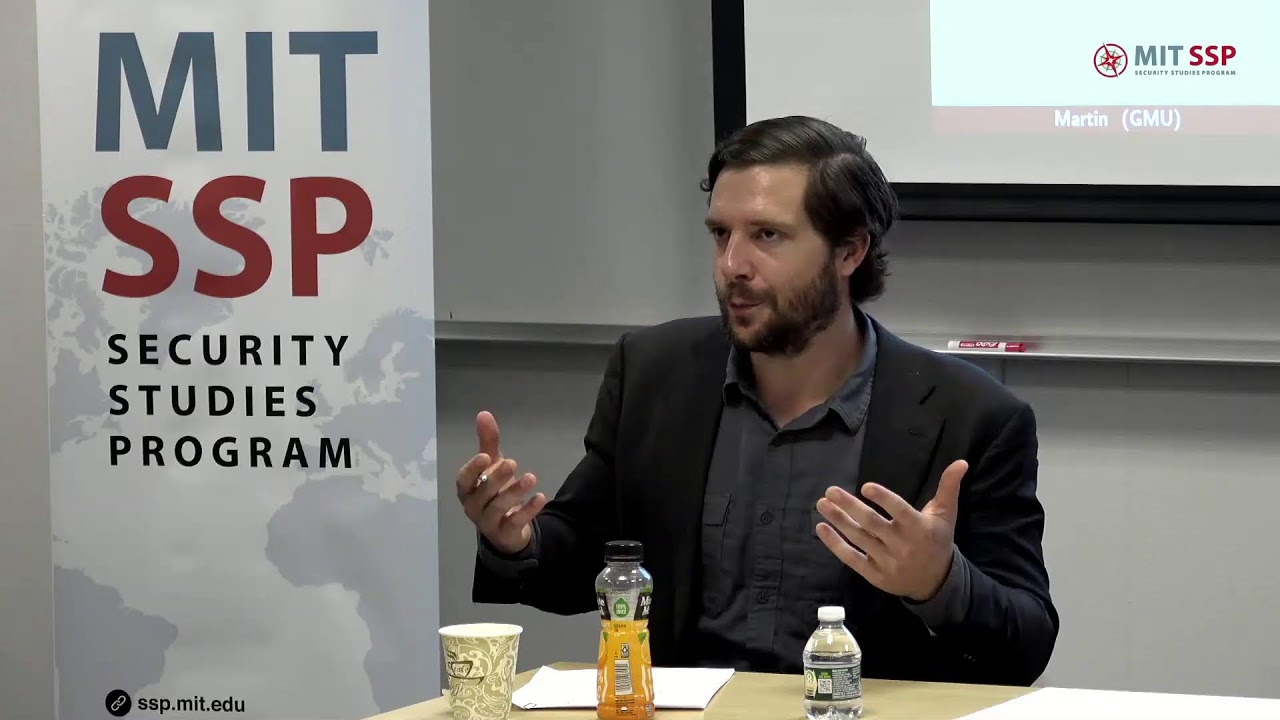
92:35
Why Rebel Governance Hinders State-Building After Civil War
@mitsecuritystudiesprogram5272
881 views•2023-10-05
10:19
Explaining the Saudi-Iranian Proxy Conflict in the Middle East
@Vox
18.2M views•2017-07-17
Related Study Plans & Knowledge Roadmaps
Structured learning paths in Political Science
political-science
Economic Statecraft: Sanctions & Chokepoints
01Foundations of Geoeconomics and Economic Statecraft
02The Mechanics of Weaponized Interdependence
03International Sanctions: Types, Implementation, and Efficacy
+ 2 more learning modules
12h5 modules
Explore Roadmap
political-science
Central Bank Independence: Politics & Policy
01Foundations of Central Banking and Monetary Policy
02The Time Inconsistency Problem & Inflation Bias
03The Delegation Model and Designing Independence
+ 2 more learning modules
12h5 modules
Explore Roadmap
political-science
Consociationalism: Power-Sharing & Stability
01Democratic Dilemmas in Divided Societies
02Introduction to Consociational Democracy
03The Four Pillars of Consociational Design
+ 2 more learning modules
12h5 modules
Explore Roadmap
political-science
Rebel Governance: Legitimacy, Economy & State
01Foundations of Rebel Governance and Statehood
02Establishing Political Legitimacy and the Rebel Social Contract
03Wartime Economies and Rebel Resource Management
+ 2 more learning modules
14h5 modules
Explore Roadmap