



![🔴[LIVE] Ahli Soroti Gejala Repolitisasi Militer di Era Demokrasi Indonesia](https://i.ytimg.com/vi/vkyORWemPM8/maxresdefault.jpg)




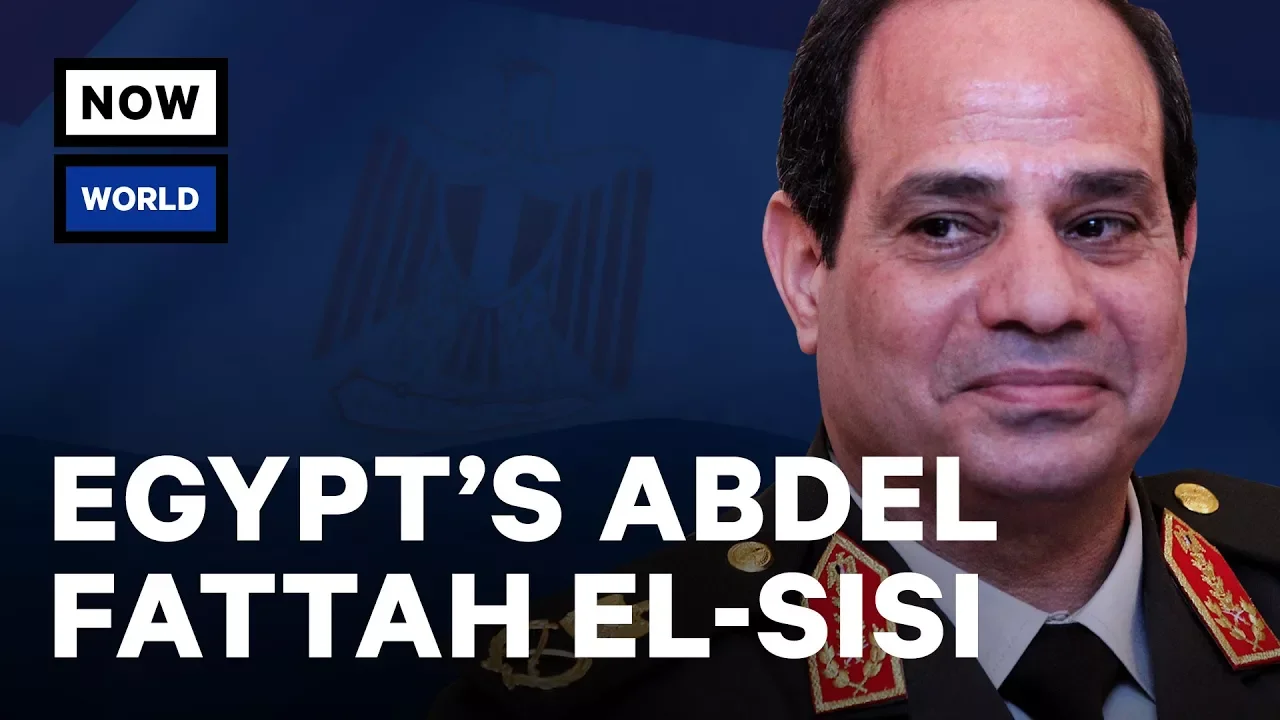






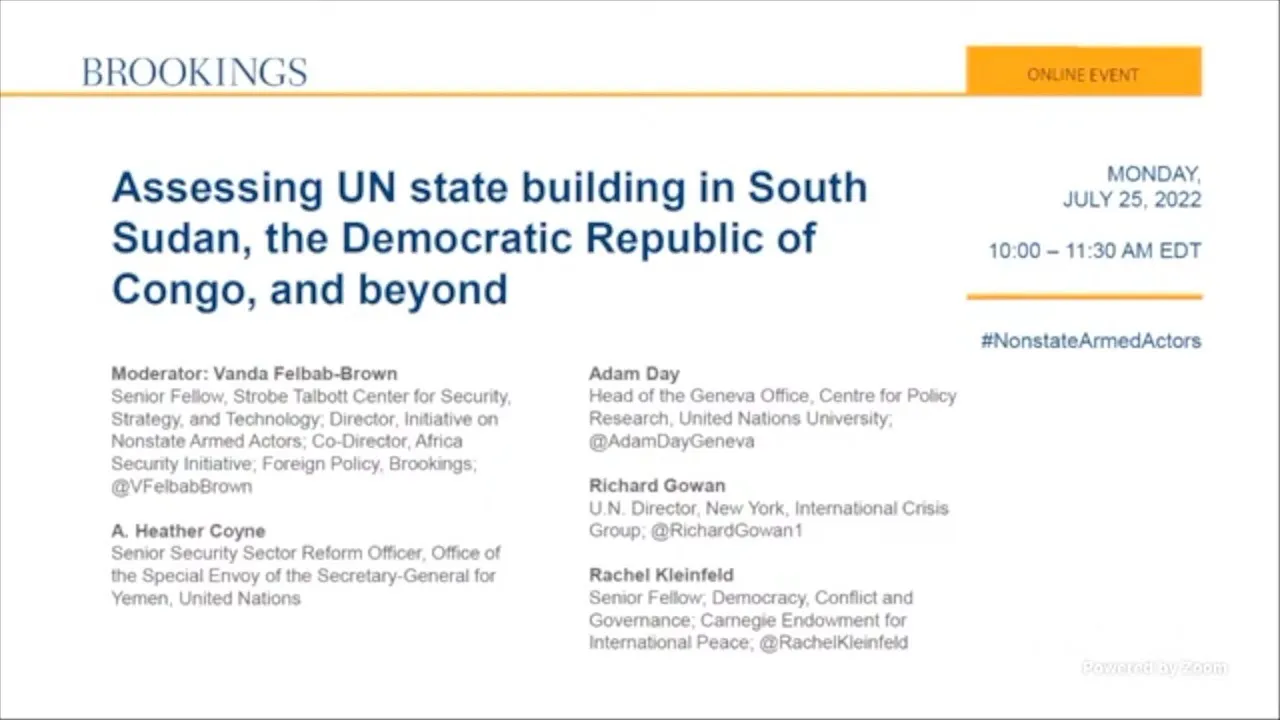




Security Sector Reform (SSR) is a complex, long-term process that emerged in the 1990s to address dysfunctional security institutions in post-conflict and transitioning states, involving the transformation of military, police, and intelligence agencies from repressive tools of authoritarian rule into professional, accountable services operating under the rule of law; however, SSR faces significant challenges in regions like the Middle East due to chronic instability, existential conflicts, and the absence of civilian leadership capable of negotiating with powerful military institutions, as demonstrated by the contrasting cases of Egypt (where the military remained intact and influential) and Libya (where the military collapsed entirely with the regime).
Civil-Military Relations & Security Sector Reform in Political Transitions
Added:good afternoon my name is D Rel [Music] the thank you um uh I studed last spring in Paris and I worked at the Pentagon and advanced systems cost analysis division with t active system col um at TS I dance in TVC play classical violin and Liv in a French Culture House currently I working and developing a good a good government survey looking to the future I will be conducting research for epic this spring examining the mor with monarchy most recent normalizing undenting Ev today I will moderating our panel on CLE military relations and security SEC and political transitions I will introduce each speaker who will have about 10 to 15 minutes to speak on the topic then we will hear two presentations from epic students Sarah Isabelle and Jackie after this I will open the panel up for a few moments to allow panelists to briefly respond to each other finally I will open up the panel to questions from the audience now i' just like to give a very brief background to the importance of this panel the state's economic and political successes are contingent upon the security conditions of that state without stability social justice Economic Development and a working political system are difficult to attain in countries where Civil War civilian uprisings and international intervention have radically changed the St CL citizens and Military are now being challenged to create order out of chaos and establish political legitimacy Libya and Egypt are two prominent examples of this phenomenon in North Africa in Libya the removal of theop power has toled all order in Egypt a military that is understood by some as repressive and by others as restoring order has proved to be a common and player in the future of the country the Democratic as democ transitions transpire questions of security sector's legitimacy relationship with government and access to power are Central leading us the following questions among many others as these volatile circumstances in lib and Egypt are they permanent or will they yield to a stable transition drawing from their own unique backgrounds educations and experiences our p will tackle the subject speaking on the roles of civilians and Military in times of transition now I'd like to introduce our first panelist Dr schz um Dr Schultz is a professor of international politics Atcher at the futcher school where he teaches graduate level courses in various aspects of International Security Affairs internal transnational conflict War studies and intelligence and arm groups he is also the director of culture school's International Security program studies program in Washington he has served as director of research at the national strategy information center where in 2010 he completed a major study focusing on adapting America's security Paradigm security agenda for the 21st Century Security challenges he also recently completed with the assistance of the US Marine Corps and in-depth study analyzing the US Marine cor 20042 2008 counterinsurgency campaign in alanar province in Iraq Dr Schultz's most recent research is focused on developing a US blueprint for security sect reform in the 21st century the project Works to first develop a framework for the US that attempts that adopts SSR theory and practice for addressing dysfunctional security sectors of States secondly examines the state of capabilities across the US government by addressing these challenges and thirdly identifies gaps in these capabilities that need to be filled with the US to employ ssr's effective policy tool since the mid 1980s Dr Schultz has served as a security consultant for various US government departments and agencies concerned with National Security Affairs currently he is a consultant to the US Special Operations Command in the US Marine Corp with that I'd like to open the floor to Dr thank you what I thought I do is um is set the the context for what um security sector reform is and um and some of the challenges it faces and uh and and then um we'll talk about Egypt and and and Libya first first thing I would say is that the concept of security sector reform is a very New Concept uh it um it emerged uh in the 1990s and I'll I'll say why uh and um and and when we think about security sector reform uh we are we are um talking about something that's much more than the military so we're talk about the military which is an important institution that needs reformed in uh in postc conflict and transition States for sure but the security sector um the the the the statutory security sector includes military police intelligence agencies and um and other um statuto organizations security organizations depending on the country now what they all have in common is that um they provide security and they have a mandate from State authority to use Force so we call this the legitimate use Force um but uh the security sector is more than these statutory um uh surfaces it also includes um uh governmental agencies and the executive Authority that supervises and has authority over the the security sector so we we're talking about a very big part of a of a of a government here we'll concentrate on on Military now where did this uh this concept come from um the if you will uh those who who gave birth to it include the United Nations um it includes um the oecd and the oecd has developed um a handbook on security sector reform that I just uh showed there um and and there were a couple of governments that uh very much got involved in this IDE idea of developing a theory uh for security sector reform and the most important one was was the United kingom uh and and they were really in the Forefront of this now when what was driving this uh the need or the their their belief that they needed this Theory um was the patterns of conflict in the 1990s and so in the 1990s um the the pattern of conflict uh uh was no longer and it had been for a while but uh it was certainly not Wars between states um but what was shaping the the conflict environment what we were called inate conflicts or or conflicts between states and uh non-state actors and and conflicts between states and their people and and so um conflict began to be examined as a people Center environment and uh and at this time because these internal conflicts were quite awful in terms of the human cost um the United Nations and other intern actors began to um get heavily involved in peacekeeping and peace operations and if you remember the 1990s had a great wave of Peace operations much different than earlier earlier the Cold War period now of course bringing uh uh conflict to an end is only the beginning and so uh the the United Nations and the oecd and others began to focus on um the postconflict situation postc conflict reconstruction and development and and and and began to Define security as human security protecting individuals uh and uh and and and guaranteeing their security Now the concept of human security helped the International Community to better understand both the the conditions that that were causing this inate conflict and the security development integration that needed to take place uh in the the postc conflict period and this led uh to um to the concept of security sector reform so the shift to human security fostered an approach to SSR as it's called based on on the belief that in a post conflict environment security and development are interrelated and you've got to get the security Concepts right uh if you're going to have sustainable and that was the theory and this was developed especially um by the oecd uh the British labor government uh and uh and and then um thing tanks and so now in thinking about um security sector form in the late 1990s um the the idea was that um that this would take place in two context and we have both of them actually represented when we think about Libya and uh and Egypt so the first context is a postconflict state that is experienced extensive and violent disruption and that would be Libya that's the that uh cont that's one context the other context is is a a state that has undergone a rather quick political transition following a short but um uh uh powerful um uh civil resistance movement and and that would be Egypt and and I'm looking way in the back we have one of the people who played a big role in that in dal is going to talk to us later um so security sector reform I I think of it as taking place in the gry zone uh between the end of authoritarian R whether that authoritarian rule was was forced out by uh armed uh opposition that would be liia or by civil resistance um the this in this graa this gray zone is the end of authoritarian Rule and the transition to rule of law based system democratic system now the political circumstances and conditions in this gray whether it's Egypt or Libya as the two examples we have here the the the political circumstances there will shap the ental Poss in security sector reform um but so security sector reform in either place um addresses some common problems and and those common problems of course is that the security institutions in the old regime were repressive institutions uh that um that kept the the old political leadership in power whether they were uh whe the the key institutions were police or military or special this or special that these authoritarian regimes um uh create a lot of special you know special Police Special paramilitary Forces and so on many of those by the way in security sector reform have to go um we can talk about that in the discussion now um what what's going to replace that well the idea of security sector for is that they will be replaced by effective professional and accountable uh Security Services that operate under the rule of law now this is a big change because the security institutions under the old regime didn't operate within the rule of law they were the law and and they they enforced their Authority um not in uh in in a rule of law context the way way we think about it so that's that's sort of the the big picture now the challenge of military re so um the military is really uh as I think about it one of the three key uh statutory uh security institutions that lie at the heart of the reform process and they also these three institutions military police and in Ence they lie at the heart of the reform process and they also were at the heart of the deep State okay so you see the challenge here these were key institutions in the Deep State and and with all that that entails and now you want them as I had said before and just defined it you want them to be uh under rule of law accountable Etc um huge challenge because now in the case of the military the military often constituted a key part of powerful security institutions that um that help keep authoritarian regimes in power for decades in in North Africa in the Middle East the military was and in some cases still is one of the forces of political power and and this SE of course in Syria today and and and some other places in the Years leading up to the Arab Spring militaries in the region um were involved in politics um and and this was true uh s egpt true in tunia and and and and elsewhere as for these other institutions now see depending on the the the State um some of these institutions were involved more than others um uh but they all were involved and uh and some of them in addition to being involved in politics are heavily involved in economy so the they they also maintain the military can maintain major corporate interests within the economy and that's true for example in Egypt military as I'm sure Korean says that they have a a big um U place in the economy so um the the reform of military forces to to change this dynamic as a key part of of the transformation of the political system um uh is uh is at the heart of uh of the SSR process now what is it that SSR wants to achieve I'm going to just say something about some of the basics and uh and then and then um and then I'll I'll stop but um Democratic control of of the military is based on a legal set of norms and standards that regulate civil military relationship and and how does it regulate it it it makes the milit subordinate to elected Authority and oversight so just think about what a c change this is in uh in in uh in in authoritarian regimes in in Democrat we call this the Democratic control model in the Democratic control model of civil military relations the armed services have to come to accept and to agree to a position of political neutrality that makes them accountable to civil Authority and and and and so civilians uh who have legal Authority will determine military expenditures well in in authoritarian States the military budget is generally not known to civilians so look at that we want the the we want military expenditures the capabilities to be under civilian control we want the civilians uh to formulate defense policy and even to maintain oversight of military activities and operations so I see the I see West poter and naal Academy Cadet sitting out there this is a given for them this is what they they're they're they're educated right from the beginning to uh to embrace but militaries and authoritarian regimes this is all new territory so and and and the civilians are going to derive their authority to uh to exercise control through a a framework of laws policies and regulations now these laws policies and regulations also have to constrain the civilian leadership so civilian leadership can't think of military as a tool for them to use this structure uh protects each civilians have authority over the military gives them control of the military but the military can't willy-nilly be used by uh by civilians the law delineates the duties and protects the rights of arm Services also so in this Democratic control model the military serves the interests of the state and of the and the society and not the interests of a particular political CLE or individual to make this kind of change is demanding It's Tricky and I think it's really when I think about the two types of um of context that we're going to talk about you know in in in in the case of of Egypt It's tricky because the military um still exists and they have they have power and influence so how do you you change that that military to one that that uh accepts this SSR theory in the case of what jean L is going to talk about um the the the Libyan military is gone but there are a whole bunch of militias there that now are uh nominally U make up the military in police and that creates a whole other set of challenges so achieving Democratic control in such circumstances is demanding It's Tricky especially in situations where military institutions remain intact therefore when I think about this process I I think of this is a political process you know when you read these manuals like this oecd handbook on security sector reform my goodness they tell you everything that that that you have to do and and what it's supposed to look like when you get to the end and it sounds all really good but we're in a political process and so the first step I think in this and and all this make one other remark but the way I think about this is a negotiation and and mediation and a conciliation in which um political leaders uh even and even as they have authority and they're elected and so on they have to undergo a negotiations and there is a a political process and an evolution here that is not easy and one of the things about the security sector reform literature and and the the history of security sector reform as a process since the late '90s is that there are very few cases of real success and and so um when we talk about this we have to understand that we are in new territory now the final thing I I want to say is that um I see a real role for third parties in this and um and as was mentioned one of the things I'm doing with um one of my former doctoral students who's um uh at the US Institute pece is thinking about what kind of capabilities the US should have um for uh for playing a third party role in security sector reform and uh and and and what the US currently has in this area is really disorganized and disar and so we're trying to think through that and but I do think that third parties are very important in this process so I'll stop thank you very much next we will hear from Korean hagad Mr hagag is a career Egyptian Diplomat currently serving as deputy director of the policy planning division at the Egyptian foreign Ministry in Ciro throughout his 20e career as part of Egypt's Foreign Service he has served in numerous capacities focusing on us Egyptian relations midle east of regional security arms control and non Liberation and a diplomacy before assuming his current position Mr was a visiting professor at the near East and South Asian Center for strategic studies in Washington DC where he focused on the politics of the Arab Revolution security implications of post-revolutionary transitions from 2007 to 2011 Mr agog served as the Director of the Egyptian press in information office in Washington DC in 2002 to 2007 he served in the office of the presidency in Ciro responsible for us Egyptian relations and economic policy coordination prior to that he was assigned to the political section of Egypt's Embassy in Washington where he was responsible for political military Affairs in the Middle East peace process on behalf of eepic and and the a I'd like to thank Mr God for aging our students who have traveled to Egypt this past winter and for his contributions to the copium thank you um it's a pleasure to be here I want to thank um Sherman especially for his kind invitation to include me uh in the colloquium and on this very important panel um so I think dick did a all us all of us a huge favor by unpacking what is a very complex um discipline the the the discipline of security sector reform as it emerged uh after the Cold War um what what I thought I'd like to do is see how it looks from the receiving end so from the regional point of view the key question I would like to ask is why is it when we begin to apply the concepts and principles that that di uh laid out for us in the regional context why is SSR so challenging I probably be it continue to be so challenging I think the the main point I take away way from his presentation is this is an exceedingly difficult Endeavor um it is hard it is complex it takes time if we look at the historical context of security sector reform and I think he's absolutely right in pointing out there are very few success stories uh that we can look to and those few success stories that we have take time take the better part of 10 years or more whether we look in the Latin American context Central and Eastern Europe East Asia or elsewhere so I if we look at at the region why is security sector reform such a challenge first of all as dick mentioned the security sector has been an integral component of the power structure in the region many most of the regimes uh in the region have been built on very powerful security institutions however this manifests itself in different ways and I think dick alluded to this and I think our our next speakers will also touch upon this in Egypt and Tunisia for example you had security institutions that developed a very high level of institutional identity and the key here is it was an Institutional identity that was actually separate from the regime whereas in countries like Libya for example you had these two things fused together the security sector in this case the military and the regime were actually one and the same thing this is why when you have the collapse of an authoritarian regime in Libya the military collapses with it and so you have a situation in Egypt for example where there is a popular Uprising the military can actually make a decis decision not only to not fire on protesters in t square but also eventually move to depose the existing regime it's inconceivable that something like that would happen in Libya precisely because of the reality that the regime and the security sector are fused together and in other instances where you see this you find that the security sector becomes sectarianization [Music] as we've seen in y so we have very different context when we talk about the security sector in the region the political context is also very challenging I mean the key attribute as many of you would appreciate of the Arab Revolutions in general is that they emerged without any distinctive leadership and if we go back and and try and Trace the evolution of the uprisings in Egypt that tun eia we find that precisely because there was no space for formal politics politics began to emerge or migrate into informal channels in the media in cyers space and eventually on the street so what we ended up with was a mass of people in t square but no leadership no political parties no Nelson mandelas no Lenas now where that presents a challenge for security sector reform is it leaves us with a situation in which the military becomes the only credible organized Force to actually oversee the transition but more importantly there is no civilian leadership to actually negotiate with the military on the basics of the transition or even before we get to the issue of security sector reform so when Dick says that security sector reform is all about negotiations there really is nobody to negotiate with at at present at least there is no Elite in the region that's been exposed to the concepts and the practice of security sector reform uh that that dig way out so the political context is also quite challenging the regional context is probably more challenging than all of the other issues uh I mentioned now especially in the Middle East because we have a situation or a regional security context that is characterized by chronic instability based on existential conflict now the region the Middle East of course is not unique in this sense we've had conflict settings as I'm sure our speakers uh will outline in other regions but the Middle East seems to be particularly Pro to this type of chronic conflict and what we seen in the course of the Arab uprisings is that the revolutions themselves have been regionalized and we see this for example in Syria so what happens in Syria is not just about Syria it's about the broader Sun shiat conflict and overlaid on top of that is the broader Saudi Iranian competition for geopolitical influence which is an extension of the competition in the Gulf now you contrast that for example with other Regional or International settings of security sector reform experiences so Eastern and Central Europe for example you had a much more conducive or enabling environment for one of the few success stories we've had in successful uh security sector uh reform we had the context of NATO or at least the aspirations of these countries to join NATO and eventually beyond that the European Union very different from the regional context we see pril uh in the region now given that I want to talk a little bit uh about uh Egypt because Egypt uh I think is a special case given the background uh I've laid out so obviously the military has been a key player in the revolution in Egypt as it has unfolded over the last 3 years and now we're seeing of course the prospect of one of the officer core assuming or putting forward his candidacy for the Office of the President in the person of the defense minister now people see this and I think jump to the conventional wisdom that Egypt is reverting back to some form of military dictatorship either some variation of the free officers regime when we had a a a military man as president in the form of gal ABD Naser or some form of semi-authoritarian system as it has existed over the course of the last 30 years under former President W I would argue that the challenge in Egypt is different the challenge in Egypt is not one of defining the role of the military in civilian Politics the challenge really is one of defining the role of Civilian politics in the military sphere and here I think what we're seeing is a much more complex picture that is evolving and I think will evolve over the course uh of the next few years so very quickly to recap the last 3 years have been difficult ones for the military or challenging ones for the military egyp I think the military came away from this experience with two key assumptions that were reinforced by their intervention in Egyptian Politics on the one hand if you recall the Supreme Council of the Armed Forces or the scaff which is the highest leadership body in the Egyptian Military assumed Direct Control of the transition in the postmar phase so president Mubarak former presal bar resigned handed power to the scaff and the scaff was in charge of the course of the transition over the next 18 months that was a very difficult transition for the military to oversee and I think by all objective accounts it did not go well the military saw its popularity that peaked because of their intervention in t Square not to fire on the protesters that gained the military enormous popularity but the military went from The High Point at the beginning of 2011 to in 18 months time because of the twists and turns of the postmar transition to facing very angry protesters coming back to T Square calling for the downfall of military rule now this was unprecedented for the Egyptian Military as a National Institution that claims a role or Prides itself in its popularity uh amongst Egyptian public opinion so on the one hand it re that whole experience that Syrian experience reinforced the reluctance of the military to become involved in uh civilian Politics on the other hand the military's decision to hand over power to former president morsy in the summer of 2013 was a historic Watership I mean this was the first time that an elected civilian president assumes office uh in Egypt uh through free and fair elections it was also the first time that a member of the Muslim Brotherhood assumes power through free elections in any Arab country so this was a historic moment now the Assumption or the expectation on the part of the military and for the the broad majority of Egyptians was that this would set the stage for a stable situation ation of Civilian politics that morsey and the Brotherhood would act as responsible actors now obviously the situation proved to be very different and it forced the military to intervene again after a year followed by Massive protesters that dwarfed anything we've seen in 2011 so the military came away from that experience realizing or reinforcing its mistrust of civilian politics especially in the realm of National Security it didn't change their reluctance to get involved in civilian politics but it reinforced their inclination to carve out a space for them to protect their autonomy and their decision making away from civilian politics now if we see what happened over the course uh of the post morsy transition we find that very interesting Dynamic the military handed over power to a civilian authority to manage the second transition the post morsy transition in the person of the head of the Supreme constitutional Court the highest judicial body in Egypt and so it set the stage for what I think will be a very interesting evolution in civil military relations in Egypt so back to the original question what can we expect in the future course of how the military and civilian leadership will interact in Egypt will we return to some form of military dictatorship I argue not and for three reasons the political context 3 years two revolutions two presidents that have been ousted both of whom face criminal prosecution the change over of no less than six governments over the course of the last 3 years a new generation the new youth demographic in Egypt 60% of Egyptians are under the age of 40 years this is a generation that is extremely politicized and increasingly globalized given all that I think it will be extremely difficult for the military to even attempt to go back to the status quo anti now when we talk about the political context a lot of a lot will depend on the ability of civilians to ensure that they form a stable system of Civilian politics and civilian leadership that can eventually negotiate with the military for a new equilibrium in civil military relations in Egypt so that's the first point the politics in Egypt has changed I think the military as an institution has also changed since the Arab Israeli Wars we've seen two Trends in the Egyptian Military we've seen the depoliticization of the military this is a military that has intervened in politics but has done so extremely reluctantly only during times of National Emergency and we've seen the demilitarization of the regime so there is no precedent over the course of the last 30 years for direct military rule uh in Egypt in 1952 when the free officers uh took power overthrowing the mon in Egypt the free officers constituted what was a secret Hint it was a secret Moon within the Armed Forces since then we've seen the professionalization of the Egyptian Military as a much more institutionalized cohesive body and we've seen the emergence of a new generation of the officer core which is much more professional much more globally exposed we have Egyptian officers transitioning through institu s affiliated with the US military all the time and I think that constitutes a critical mass of the officer core that will shape the Outlook of the military as we move forward now the third point and last point I want to talk about is the Constitutional framework for civil military relations uh in Egypt now people point to very specific Clauses in the new Constitution that was ratified early this year in Egypt that Shield the military from civilian oversight this is true but it's only partly true we see for example that the president of the Republic is the supreme commander of the Armed Forces the budget of the military is not made public that that is certainly correct however it is discussed within specialized committees with the president presiding and with the attendance of members of parliament responsible for the budget and for national uh defense issues and we've seen a very elaborate system of checks and balances for issues like or very critical decisions like the declaration of war neither the civilian leadership nor the military on its own have the prerogative of declaring war or even declaring a state of emergency now the military introduced or insisted on these Clauses precisely because they recognized that they would have to hand over power to the civilian leadership sooner or later and in this case it turned out to be sooner but precisely because they knew that civilians were eventually going to be in charge that they wanted to carve out this Enclave to protect uh their autonomy in terms of budgets and decision making but as I said that autonomy is not absolute and it's not complete we seen in the debate over the Constitution a certain amount of very significant push back by civilians uh when negotiating with the military so there was in that sense a negotiation there for example the Clause that states that it is the military's prerogative to select the defense minister now the push back came when the civilians insisted that that only be for two presidential terms so there was an implicit recognition that this situation would not be enduring and that it would only be temporary going back to a new model of civil military relationship that would have to be negotia finally when looking at the Constitution there's one very important thing you don't see you don't see what I call a protection of the nation cause so if you look at the Turkish Constitution the Algerian Constitution or the Pakistani Constitution there is a clause that guarantees for the military some role in the political sphere we don't have that in Egypt the Mandate of the Armed Forces is very specifically tied to the issue of defense and I think it goes back and reinforces the reluctance or reflects the reluctance of the military to get involved in civilian politics uh once again so as a result of this what will we see I think we will see a situation that is evolving in terms of the Rel relationship between the civilian authorities and the military it will depend on the changing political context the changing security context but I think there's a basis to renegotiate what will be an evolving civilian military relationship as we move forward thank you all right uh next we'll hear from Mr jeanu um Mr is a do researcher at the fer School of diplomacy his core focus is the role of civil society and local governance in democratic transition before undertaking his doctoral studies J was an Air Force pilot and instructor in the Italian Air Force he has conducted research and humanitarian work in several African countries including guina uh the Democratic Republican Congo and Mali additionally Jean has conducted research and worked in Libya from from November 2011 until December 2013 his activities focused on civil society governance and security he has been leading such work for acted usip Global Integrity UNICEF and UNP most recently J was part of a research team focusing on security sector reform and disarmament demobilization reintegration in liya their task was to provide recommendations to the US state department about aves to support peace and bil inia Mr H is currently lecturing a course in liia TS University additionally on behalf of myself and my classmates I'd like to personally thank sh for including us in this doctoral work on this govern survey with you thank [Applause] you thank you for this very nice introduction I'm delighted to have the opportunity talk to you and uh invite you in Journey to try and uh build into a case study um for SEC and particular one perfect okay first of all I'd like to give you a picture uh of video just a few facts and uh also to give you uh a sense of why should we care uh first of all uh happens to be very well endowed with natural resources it's the first the largest cuan oil Reserve in Africa it's also the fourth largest country territory in Africa um and it has borders land borders of 2,500 miles same as Mexico um it has U probably the largest concentration of more weapons per capita population of 6 million people so I think they the United States that um he also was one of the most corrupt countries in the world uh it was ranking 168 out of 182 countries for the perception of corruption byy International in 2011 U things changed slowly in terms of corruption and uh it also um worries a lot of security analysts uh to put in a light onone uh if a condas traveler had a section for terrorists it would be probably the next best travel destination for opes uh it economy is largely based on oil reserves on exporting oil 90% of the economy is based on that almost uh 10% of the national budget uh goes to uh militias paid by the state over 60% of the national budget only pays state salaries and subsidies and as a matter of fact uh 80% 70 to 80% of the population Perce a salary uh from the state of the exitation currently the O production has pleted from 1.8 million barrels per day about 300,000 barrels per day and you can imagine what effect that has on the economy currently the prime minister is struggling to get a budget only for 6 months fast for 2014 and he hasn't succeeded yet uh 25 um actually half of the population is 25 years uh old or younger so a a very very young population uh there is about an employment of 20% um but U to be fair before the Revolution there was 1.5 million foreign workers in media and the unemployment rate was still as high just because don't do jobs now as truth pointed out um security sector reform and civilian military relations and goal is to have civilian oversight over uh the security forces uh civilian oversight not just San authorities but in a broader sense also having uh an oversight of the entire body uh of the the nation um and another aspect is to have no military intervention on political Affairs now let me tell you a short uh prediction of the story of and where what were the security forces leading up to the revolution uh the G regime was not State Building Endeavor it was a sultanistic regime as we call it in technical terms it was basically centered around the figure of K uh the security structure uh were two tier there was one tier that was uh um the nominal uh classical Army if you will um Counting about 75,000 uh people and um they had not really clear role inally they were supposed to defend the country from external aggression and Par to this the real um Power was in the hands of revolutionary forces all those special re point to there was a variety of them uh the most U brutal and uh uh the strongest was the Revolutionary committees uh which were providing internal security they were very well equipped much better equipped than the Army uh they didn't really have any legislation um that established them um and they were uh Solly created for the protection of the regime and of the person of G and this uh force was pretty much the same size as the actual Army and uh not only that but there were contingents that were actually revolutionary guards inside all the arms uh armed forces overseeing and indoctrinating and Reporting on any so um on the um Road uh depiction of the military in Libya until was opposed you could say that there was no r no former rules um there was no military no Ministry of Defense by the way in India uh rank didn't necessarily equate with the real influence of an officer a captain could be much more influent than uh depending on his ties there was no horizontal relationship between uh different arms um border guards couldn't interact with the Air Force the Army and of course to prevent a coup to prevent any sort of young officer like that to uh there was also a large use of foreign forces G actually had a battalion uh of foreign Fighters and that he used foreign Fighters also During the Revolution and another important trait is that um G forces especially revolutionary forces were willing to use maximum Force against the population and they did in terms of Civilian leadership uh the same reality existed uh maybe even more hypocritical because it was supposed to be a direct democracy true socialism the Jamia rule of people in reality uh Power was behind the scenes in the hands of very small Elite uh surrounding Gaddafi made up of his family and close relatives and trusted people and um they were making all the decisions but in reality uh that was hidden behind a structure that was uh just the facade uh revolutionary um people's committees and people congresses uh that were supposed to actually uh make decisions so this is just a picture of Lian the revolution um if you uh look uh at uh the traes of milary instruments and security forces uh and the likelihood that they would defend or attack the population during the revolution um better for me have actually found a correlation Direct coration on the degree to which these security forces were institutionalized uh the degree to which they had set rules um and the meritocratic principles for advancement and the likelihood that they would actually use Force against the people and if you think about it it makes sense because if my promotion and my career depends on my ties to the regime um I have all interest in defending the regime but if the rules are written and there is mocracy uh I have certain degree of autonomy uh in my prospects and careers and I can shift my uh Allegiance and I can shift cult I mean cognitively um my role defending the people rather than defending the regime uh that I'm serving uh the other aspect is the relationship between the uh civilians and Military uh and by this I mean either um conried uh conscription represents conscription or professionalized Army um and the proximity of soldiers to the population in which they operate of course the closer they are the less likely they are use weapons against people that could be their cousin so can we do security sector reform and dbr because also this aration and reintegration is large requirement to possibly do security sector reform in India let learned there's no possibility to do traditional security sector reform nor DDR right now and I said that the state department whoever asking um we have to think outside of the box now why um the military right now um has about 100,000 members um by the way 20% of those are uh officers half of which are either generals or Colonels imagine a company large company and one of the five is CEO or director it hasn't quite work par to this uh there are series of militias that have been given some sort of legitimacy to operate who call them Quai State milias and they opera on behalf of the ministry of defense they're called Libya shield and there are 12 brigades although some of them have been kicked out the shield three in the gazi uh has been kicked out out by the population not by the state because they were committing abuse uh this uh lovely group of militias operating under the name of Shield um vary in the degree of U legitimacy and the role that they play uh but let me just say that they have been repressing minorities in the South Libya the tuus or the T so they have been used instrument by some uh powers in the state and some tribes for their own personal interests uh and another the role that they play they uh advocated for the political isolation law basically kick out all politicians that were working one way or another under GIC and uh that was used as a political Weapon by the parties to cut the leadership of the party and again this The Shield were used uh against the Ministries getting Siege and uh trying to force a decision that was favorable to them they actually succeeded activists were confronting that again the state was powerless on the other side there is the police uh again about 100,000 people um and uh if you count uh it's probably the highest per capita concentration of police uh in the world uh but in reality they're not in the street they on payroll but they're not working par to this an equal number of militias again given a mandate to operate under the name of security sector committee uh Supreme security committee sorry um and they also uh committed abuses they were present during destruction of Sufi shrines by islamists and U th just to give you an idea of how reliable and how much they follow uh government orders so um I will uh go on a link and try to answer uh the question what we can do um and what we can do to help and what they can do to solve this uh this big problem well I think that there should be two uh processes one at the national level and one at the local level the one at the local level in the immediate future the most important now to succeed the security sector reform uh you need to have political will and you need to have the ability to deliver likes both he likes the political will and there is no intent yet at the political level the elites to actually build the Army build the security forces um so there must be a national dialogue that potentially will lead uh to broker agreement uh and and that would have to um I would be brief and that would have to come first we have to agree on the degree of centralization or decentralization on the role of religion on the role of minorities and rights of minorities and the management of O resources until they agree on that no political agreement with no political agreement no State Building endeavor at the local level that's where I think the action should take place right now um and uh we should try and help um frame a process that is already ongo the facto militias are playing a role they are the ones that are providing security either on behalf of the state or individually or connected to some uh tribal leaders uh we need to try and harness that and at the same time build the presence of the state of the level first of all we should sustain uh the efforts of Municipal Administration and support Municipal councils which have just been elected almost all over the country uh we should see a development of local uh communication platforms for the council to be able to communicate with the constituency and vice versa to be more responsive responsive to them but also to create a platform for communication and dialogue at the local level we should Empower civil society and and in a way that Civil Society will extend the ability to deliver of the local councils because they're experienced and it's going to be very hard at the beginning Civil Society can play a big role in for and dialogue because they are the brothers and sisters and fathers of the actual militia members and finally uh we need to accept to create some uh hybrid Arrangements hybrid security Arrangements by creating some operation room possibly under civan oversight of local councils uh for these militias uh to provide security uh it's not ideal it's very dangerous uh but at least to harness a process that is already ongoing and try to provide a framework and also try to give them some legal uh oversight and legal uh procedures by putting in the loop judges and prosecutors so I think over time the [Applause] now I'd like to introduce our last speaker before the student presentations Dr Ibrahim alaz um it is honor to introduce him uh Dr alali was born in Egypt in July 1964 graduated EGP police College in 1985 he has undertaken specialized studies in public lawal law system upon conus his academic studies he is appointed as an instructor to police cets since 1988 he has been a course lecturer to police CET in the field ofal law in 2007 he completed his PhD in international law at IR University inago Writing the rights of the child international law in 2010 he obtained the US Army war college peacekeeping peacekeeping and stability operations Institute pksoi Fellowship on Ro of law in July 2012 he voluntarily left official government work to focus on professional training in Egypt and abro over his 25 years of Public Service expertise Dr alazawi work covered legal studies human rights the rule of law lay on duties with political and tribal Powers conflict analysis resolution among many other focuses he has also served over 15 years as an instructor and evaluator and peacekeeping police and legal reforms civility operations and planning and planning and has served as an evaluation specialist in the field of crime fighting and Justice Management in addition to being a pksi fellow he is currently a homefree fellow and lecturer of Human Rights and international law I'd like to open the floor to [Applause] Dr well Dr andaz that caused me a lot of problems in the last few days and the last few days I have to be some time you know entering the Boston airport the officer was suspicious because in my passport it says I'm colon and the invitation says doctor so he said which person you are from the I told I'm both of them and it took me like like 20 minutes to convince him that I am both of them then he asked a few questions to make sure that I was really police officer and I thank God because he didn't know much about International otherwise have been t um well I I I I I start with this U with this uh uh statement of of famous economist I mean telling that a legal system efficient legal system is not a luxury it's a um a must gate for any Community who would like to get developed and get moved forward um then I will um I will go through few um Circles of of influence trying to be more a little bit more than just telling exactly what what the security seor reforms is because my ex speakers were so eloquently covering this issue so I'll be a little bit more keen to make um you know make you easier trying to fit these Concepts into The Wider frames of stability of transition of threats that could hit any community and what are the limits what could happen when this circles are not working together in harmony I will start with this power Monopoly and this is U any stable community should have power Monopoly over military and police if this power Monopoly is not there then you don't have States then you could have Bosnia you have Somalia and Iraq and Libya because state will not be able to impose its orders of course power Monopoly is very much linked to stability and human rights if the country is not in in in control of the power then you cannot talk much about human rights and that reminds me of what K said once in one of his speeches that uh human rights is the first victim of armed conflicts the rule of law of course Very Much link to the and the power monoply will enable the state to impose the rule of law for everyone and every group in the society um the interest conflict is just a humanitarian um trade I mean always there is conflict interesting every moment but the idea is the country is is the official body of the state able to resolve this conflict in a good way if it is yes then it means there is Po monob and there is rule of law if they cannot manage to resolve this conflict peacefully and legally and in a fa way then they plunge immediately into armed conflicts and then we will talk about armed conflicts covering Major Crimes like human trafficing drug trafficking organized crimes and etc etc so uh when I talk about conflict of interest what if they didn't don't come along if the partners in the community are not able to reach Solutions we have a country like Bosnia and I worked in Bosnia for some time time in previous even some long years before BOS I was in South Africa in Namibia and as part of the UN peacekeeping Mission controlling the transitional period there in Bosnia was was very dramatic exactly uh embodying what what you could ever say about uh what what happen when human beings lose their mind um what sometimes as as you say in English uh brother sometimes picture speaks much louder than words or or is it more than thousand word Professor sh okay this is mustar Bridge one of the famous places uh in Islamic Turkish actually Turkish places in Bosnia and mustar that was before the war and that's what happened when the war started in in this area in um of course I I I was very much enthusiastic to bring a picture which is not so much aggressive but okay I tried my best I'm sorry this picture will hit some feelings for the audience but it's okay I mean you have to understand that the rule of low circles when when they are mismanaged they could drive the whole country into disastrous situation where they could spend more more than years and years TR to get out in vade this pictures was 6 years after the Bosnia war ended and I took it myself this one and this one but this one of course I didn't take it and it says exactly what happened I mean I mean yes when the when the Army conflict starts there is no law and you cannot talk about human human rights you canot talk about economy or or development or anything else um one of the major things that happen when when armed conflict start is human trafficking and I don't want to go a lot of spend a lot of time because time is already limited but then I'll go to the revolution in Egypt I will try to make like Snap or quick shots from different scenes of of of this issues so that you know trying to cover as much as possible from the topics in this limited time in Egypt the police is really was before the Revolution one one of the major reasons for this reolution and I was part of the police as as I was introduced at the beginning so I knew exactly that we had a lot of things to talk about in terms of the police professionalism and attitude in Egypt in the time before the Revolution and still so far so uh yes there is a real need for the police to to be reformed but I have to say also that one of the the positive things that I could talk about about the police in Egypt and is that the police is not weak the police is very strong and the police is United it's unified it's not fragmented into small groups or malicious or whatever this is what K said at the beginning what makes Egypt very characteristics in terms of you know the the institutions of the rule of law yes there is a real need for reforms but they are still very strong and very United and well structural um that oh actually um if you get back a little bit to uh to the time of the Revolution only it happened in two days in 28th and 29th of January when the police was totally disappearing from from the scene in Egypt only for 48 hours after it was heavily attacked and 600 police stations were burnt down in over 2,500 police vehicles were built down and 150 Court buildings also were totally demolished and that was actually a a very revealing message about who is doing that is it a a real Revolution or is it somebody would like to turn or to demolish this country because if you target the police and Justice what else would be left so uh I move one one stop forward okay this this is uh I'm talking about transition now transition period I I don't know there was supposed the previous one before this it's still there not miss okay it's here okay this one is indicative about the the relative size of you know minies or or the official players in the scene the government in normal times where you have military we have health you have economy um they have the parliament you have Judiciary police education etc etc the the sizes are very much related to each other without you know huge size given to particular entity or another but during transition the situation is totally or diametrically different because you will see in reality this is happening and uh this happens in Egypt it happens in Iraq it happens in South Africa in B every country in transition there is um an imperative need to focus more on the roow circles in in this picture we will find the military in a very large Circle we'll find police also very large Circle and sometimes jary which is very positive because jary if it is like in Egypt case if it is large like that it means that the the represent the the the professional representative or representation of Justice still functioning in other countries it wasn't the the case because in many other countries like emergency were declared or martial laws and then there were no normal laws controlling and even in Egypt fortunately uh nobody listened to this calls at at particular stage after the evolution a lot of people were calling for emergency for martial laws for for you know just sitting aside the normal uh uh laws in result to more strict or more stringent laws but it's still luckily Egypt J dist is fully functioning according to the normal civilian laws um well back to the police when I talk about security sector reforms because this it has something to do with what happened to some extent in 25th in Egypt when people uh a lot of the demonstrations uh targeted the police and uh well yes of course probably the police had a lot of things you know and the relation between the police and the community but it doesn't mean that if you are angry with the police to go and destroy the buildings and burn and ins Ste the weapons and and turn everything upside down so this is the demolition for building theory that we destroy everything and and build from scratch and this is it's it's very awkward and very wrong theory if you apply this in in Ru of L circles it means that you are destroying the community uh talking about the military and its relation with the police in in transition times it's really critic and sensitive in imperative it's not a choice actually they must work together in in most of the cases the police is faced with huge challenges and that that they cannot cover themselves in terms of the tools in terms of equipments weapons in terms of even the personnel and their structure and in terms of also of being efficient in different geographical areas where it could be harsher than the the places that the police could normally function in so the relation between the police and military was the master at this particular phase and luckily it went in a very good shape and let me tell you honestly even before the Revolution 25th the first revolution in 25th the police relation with the military was not so that warm you officially it was very warm but interally I know that it wasn't that good now it's really very good and and and they are joining hands together but the the issue of the military with the police is when you talk about reforms you are more or less talking about the same main lines the challenges are the same but they are different in terms of the scope and the depth of such lines okay for being politicized or corruption or rule of law or draining or etc etc so I I will get back to what what um um our speakers covered quickly or touch it gently on about the accountability because this is really exactly what should happen after probably few few years from now and as Karim said and Professor s this the process takes long time when you talk about security sector reforms you are talking about a time span of at least 5 years in in Indonesia they they started their police reforms from 1998 and still the project is is going until now we are in 2014 it means that there is shortterm steps that has be has to be taken and medium-term pl and also longterm land but it has to stop um after uh after 30 June's Revolution and this picture I would like to comment about because a lot of people in Egypt saw this as a positive sign of the police returning to the community while we uh probably Professor schz also will agree with me we see this as not professional scene of a police officer because police officers should not work in in a way that give impression that that they are with or against particular groups of people in the community just apply the law with blind eyes but we also we have to say and this is It's good to say before I conclude my my presentation that police in Egypt with military they are facing huge challenges of irresponsible behaviors from a lot of people in the streets and all of a sudden most of the Egyptian uh accumulated history historically problems came out all of sudden in the streets in a huge aalan of violations of law every moment in the streets of Egypt and the police found themselves have to face everything from early morning until late in the night which is c a great challenge in front of them also the the the fingers of terrorist activities start to jump in the scene by destroying some military and police stations again and killing officers and soldiers in the last couple of mon more than 12 or 13 terrorism activities have taken place so I will conclude with with uh this one the the the the uh the the partners of change in Egypt or anywhere in the country in the world where we would like to make security sector reforms it's it should not only focus on security in itself it should be go a little bit further and Upp of of the security operators and work as a kind of social orchestrated and covering a lot of you know threats of the equation at the very same time talking about the state itself and Parliament society and civil society and Min of interior is is one factor of of the form process and it has to go on a parall lines together as I said on on through three levels of plant short medium and long plant and it has to be also very careful not to mess around with the the the constant basis of the police or Judiciary or military because this is not a time to mess around with such sens sensitive bodies of of the state during transitional period I will conclude with few words to tell that the there is real need for uh police reforms and and security sector reforms in every country in the world whether it's from the first L countries or or third world countries is always there but during transitional period even the need is more sensitive and and had to be done in a much more articulated and planned envisioned way uh not to risk the stability of the community and not to add a new member of the cas and violence Club in the Middle East like Iraq and Libya and Syria thank you so much [Applause] thank you um next we'll be hearing from our student presenters we have about half an hour left for this panel so we'll try to make them as quick as possible so we can get some questions justly I the there go um let me just quickly introduce the producers or presenters um first we have Sarah Butterfield she is a senior from Connecticut majoring in international relations with the concentration and International Security having developed a strong interest in the minor region at a young age she spent her junior year studying abroad at the American University in Ciro focusing on political Islamic movements developing her Arabic skills she hopes to return to Egypt in the future to pursue her interest in the ever evolving world of egypti politics this winter break there research the evolving world religion and governance in Egypt and how perceptions of their relationship were affected by the summer 2013 uprisings and presenter is Isabel Wier who is a senior majoring in international relations and Arabic she studed in Alexandria Egypt last spring moved to Kyo for the summer to inter research Public Health in Egypt this past winter Isel research civil society and popular perceptions after events of June and July 2013 and I'd like um to give a warm welcome to our Representatives Isabelle and [Applause] Sarah in um so as David mentioned we both studied last year so we were there when we start to winess developing oppositional forces against Mor um so um there was a a large part of the oppositional forces with petition which basically aims to gather 15 million signatures eventually 22 million um for all those who opposed Marcy and wish the basic people um and Sarah and I were there when we saw General UMC remove Mory from Power with a large backing of popular support Froman people so we were fortunate enough to return throughout that this past witer break to conduct research on the post Mory environment um I focus specifically on the evolution of Civil Society through the lens of tar and the popular perceptions of the events after this summer and I chose to focus on the post Mory environment as well but through a different plan rather through the evolution of the relationship between religion and governance and how that was affected by the downfall of the musen Brotherhood and the Mory regime this past summer so to start off with we would just like to highlight the Western discourse that we experienced before actually going to Ciro this past winter so for me personally I thought that tomor was view as a movement that was goal of democracy that was moving towards Democratic aspirations there and I focused on religion as a key political motivator in the various ships in power from the past few years and how religion has inspired the populations to make certain decisions and to support certain parties and for our research Isabelle and I tried to speak to politicians people who worked on the draft of the new constitution as well as uh leaders of various movements when we got to Egypt uh we found that the situation on the ground was actually quite different from our initial perceptions and these various lenses of democratic reform and religious beliefs only came secondary as political motivations to what was really a desire for basic economic change and economic stability and that was the key political motivator in the shifts and power that have happened over the past few years rather than these other motivations um as I said earlier I specifically focused on religion and how um political Islamic groups and political Islamic thought play their role in Egypt uh religious religion is a very deep rooted part of the infrastructure for example um the institution of alar which is the highest religious Authority in Egypt is still regularly consulted on legal issues and that continues to be a part of the Constitution and I also looked at uh the new Constitution that since 1971 the Constitution has had an article that includes um Sharia as the main source of legislation for the state of Egypt that remains in the Constitution today and one of the people that we spoke to who worked on the new draft of the Constitution actually told us that this article was one of the least controversial in any article that they published which says a lot about the role how deep religion is rooted in the governing structure and how little of an influence the downfall of the Muslim Brotherhood actually had on people's desire for religion to be part of their government that being said we actually weren't able to speak to anyone that was involved with the Muslim Brotherhood so there's certainly a really important perspective that's missing from this so there are people who still believe that the Muslim brother very difference and so when the Muslim Brotherhood and mor fail to deliver on the basic demands of the people we saw the evolution of thetion and as I said I originally thought that Tamar was viewed as a movement towards democracy but once I spoke to people and interviewed them I found out that most people in fact viewed toor as simply a petition that main goal was to ask Marcy and reinstate the initial basic demands of the people that were largely economic um and when it comes to this petition there are many issues of legitimacy surrounding it so when you talk about this petition in the west the Western discourse largely revolves around definitions such as what is an islamist what is a military coup istion in any way and I found that to be a very different type of discourse that went on in Egypt the Egyptian discourse revolved largely around whether the government was effective at all not focusing on these de stions and as I said earlier the Tomar petition aimed to collect 15 million signatures and then reported that they collected 22 million these signatures were never counted by an official legislative body of any kind so I asked why do you believe this number this 22 million because it seems that everyone accepted that that was F number of signatures that were collected and the common response was that Moria departed from the realm of legitimacy long ago so I think that legitimacy is pretty much synonymous with Effectiveness in Egypt right now and that definition may change over time but right now it's important to notice the difference between Egyptian discourse on the ground and the Western discourse we experience here since we've left Egypt the situation even though only a months ago has actually changed dramatically the we left right before the Constitutional referendum and since then the Constitution has passed with a 98% approval rate and the Supreme constitutional Court declared that if um CC runs for president his candidacy is legal so according to most people that we met with that has now become a foregone conclusion that CC will run for presidency and if he does we win and this further um speaks to the that we were talking about earlier that people's main requirements right now are that their basic economic needs and economic stabilities being met rather than moving towards a democratic transition because stability right now for them is the most important and this presentation isn't to say that Egyptians won't strive towards democracy in the future but rather that they're prioritizing these basic economic needs right now over a democratic transition and until these stat are met you will continue to see being a major factor in the power shifts that are taking place project we just wanted to say thank you to everyone who helped us out and to the various people that helped with our research on the ground in Egypt thank you so [Applause] much thank you um our next presenter from the epicop will be Jackie Jackie teso uh Jackie is a freshman at T University studing international relations in Arabic in addition to Epic she's involved in the IG through allies and Amnesty International she's also M of the T Mountain club and enjoy graphic design over winter break She interviewed professors and administrators at the army war college at the car inp post at the National Defense University at Fort McNair in DC the topic of her research was regarding International military Fellowship programs their effects on civil militarys in the region and with that I'd like to open the bo to Jackie [Applause] the title of my uh research was the effective National military education on civil military relations for my research I went to those two institutions army war college and the national EV University and spoke to Educators and administrators there um about their uh role in the International Fellowship program so why is this question important political scientists have theorized there's a relationship between the government the civilian sector and Military that predict whether or not popular uprisings will be successful or not based upon whether the security sector will uh support uh Mass uh super regime or uh the general population during mass uh protests and in addition military to military invasion is increasingly been used as a as a form of foreign policy especially as more traditional ties and diplomatic um connection can't operate to their full capacity for whatever reason so what is international military Education and Training IM is a joint DOD in state program that added for is an instrument of US National Security foreign policy that provides money to uh friendly Nations for mil uh military education training uh with at these institutions professional military uh education institutions in America um for which there are more than just the two that I visited um there are International Fellowship programs which help bring foreign officers and their families to live and work alongside their American counterparts and earning a graduate degree um at a programs um about half of all of im's total budget goes to these programs when you're looking at the effectiveness of anything you have to look at person defin goals which the foreign assistance act States as uh I should be to increase understanding between Allied Nations uh greater self-reliance for foreign uh foreign friendly Nations and uh awareness increase in awareness of internationally recognized human rights uh goals are reached through a variety of ways through formal seminars um and education of the four classes really for about comic strategic language for uh foreign officers and um and American officers to communicate in as well as a field studies program which promotes foreign officers uh their the fellows uh understanding of the American way of life for example um they will go on De trips to the American prison system among many others to really understand the way our country um operates um they have a more broad understanding build relationship that we trust on um what I found from many people I interview to supersede these two first Parts but also work in conjunction with them was the importance of interpersonal relationships um Mr Kevin Bren grer also fler um who works at the army war College as an international military uh student student management office um described relationships as the cheapest form policy we ever have um the reasons why relationships are so important is because 5 10 15 years down the line uh when uh these foreign officers are in Key strategic positions in their own military they able to have connections and NW works with their American counterparts that they met at the institutions um which can create beneficial outcomes for Americans security um in in the future so there are challenges that um to the existing ways that we track the effectiveness of the IM program uh first of all surveys only go so far they're done by the institutions themselves um it's all self-reported there has been an increased um an effort to make a sort of more formal networks uh Beyond just uh informal relationships International Hall of Fame which brings back uh key graduates uh to the institutions um and another issue is that many of the benefits of these programs come come out in very anecdotal ways uh the largest example would be in Pakistan um in 2003 a core uh a core Commander um in Pakistan was an army war college graduate and he let the United States uh set up legis schal bases for efforts in Afghanistan even though the Pakistani government was very much opposed to it um because he had those relationships place for these Ty so is what question I kept asking was is there a long-term return on investment and uh what I kept on hearing was this gut feeling phenomenon I think so so I but I can't prove it uh Dr BOS this uh uh eloquently saying that though there might be a systematic way to prove that these efforts um really play out for American Best strategic interest in our future there's really no systematic way which it's already done and the reason Reon um for this Gap um and tracking Effectiveness is because there's no policy and there therefore no funding and though there might be great ideas to more formally engage um the network of alumni um there the the offices are um officers in these U management officers their hands are tied because there's no policy from Congress and therefore no resources um to do so it's also important to not that's both practically and conceptually difficult to track the effectiveness of an education in general um as well as Al communication networks civil military relations and the discussion of the American or Western normative um presumption of Civilian control of the military are heavily incorporated into if International Fellowship programs um in different PES do it in different ways uh but their entire discussion is devoted entirely to um dis discussing uh the effects of of civil military relations and uh and an educator at the National Defense University explained to me that it's there is interest to show the class of benefits and the drawbacks of the system and really provide an open place for discussion Without Really um uh Without Really um subscribing lease on anybody when you look at uh the effect on the ground of civil military relations from officers experience in these courses um you really you really find that um there is no evident uh shift and that's because um as it was described to me by Dr Larry Goodson who is the department head at the of national security at the uh strategy of the US arm War college is that um the he doesn't he's not sure if that the Democracy model um and therefore the inherent civil military um model that's derived from that is necessarily appropriate or applicable to the Middle East at this time um this was reiterated by Dr mcfate at the National Defense University who brought into the context of a larger uh political Islam question um stting that he thinks it's dogmatic and counterproductive to think that civilian control military is always applicable everywhere at any time um and he he viewed it was his role as an educator to bring up these questions and to provide the um the place for uh discussion and discourse on these issues rather than to promote um one belief over the other that's hard to say that individual officers um have self assess their views or have different views than the institutions and militaries governments where they come from from but in terms of real change in the ground this was the overall um opinions I received from those I interview a perfect case study is Jordan uh the members of the monarchy have a deep relationship with American P institutions and the Affinity has trickled down uh the Jordanian fellows are very in um and pro-american um when they uh at their times in the um institutions but um and and for that reason they might be one of our stronger allies in the region but when you look at the breakdown of civil military relations majority in government though there is a small elected house of parliament um it has no control over the military or Foreign Affairs that's all done by um appointed officials and the monarchy itself so this just goes to show how relationships almost supersede any um uh shifts of or shifts of these countries towards what we view as American values um and just proving how we can have great strategic allies in the region that don't necessarily follow um our our normative civilian military relation um philosophy so my conclusions are twof full one that the existing methods to track effectiveness of the program are largely inadequate um and that there needs to be a policy and funding for a comprehensive study uh people had talked recommended a 10e comprehensive study to really see um really prove that how cost effective this method of sophomore policy really is as well the second conclusion I drew is that relationships are the primary way that the program benefits US foreign policy and that while civil military relations is a huge question to tackle um it's not necessarily um the place of these institutions or these International Fellowship programs to uh to assess or um shift views but rather um to provide a a space for open discourse um in conclusion I'd like to thank habit or Sherman Professor Schultz um our lovely panelist and the undergraduate research fund and the top for um which out them my res possible [Applause] thank you Jackie um appears we have about 10 minutes left I'd like to open directly to questions from the audience um please keep your questions specific to one panelist and one question thank you very much and just line up behind the microphones we alternate them I think we'll have time for about for questions down at the time you supposed to okay can I have the lights up please so my question my name is the University of Israel and I wanted to ask Mr if uh you think that the politically aware youth in Egypt are aware enough that they would want to rise in the rants of the military to all to always have uh kind of political influence that's making it uh ever present in let's that potentially what people do is ask their questions and then they can beated and people can respond some of [Music] okay great thank you right let's go through the question I have a question about the role of civilization perhaps the success that you referring totke deep civiliz for such a long time hi my name is Olivia first year here at of course U my question is from Mr as well and I you reminded a question before mine um you spoke about how the military has perhaps laid the basis for security sector reform via the Constitutional articles but my question is how effective articles are military continues to dominate um the state through the people in it so obviously the most pH example of that would be how effective is an article on civilian presidential control of the military if CC himself runs the secur of presiden thank you and can we take one more question please hello my name is Sheri I'm from the University of Israel and this is a question for coli um you mentioned before that is point to make sssr in every army in the world other country I served in the Israeli Defense Forces from 2008 and 2010 and the Army is very important um part of our lives and we would like to hear your point of view about what changes do you think um should be made in the Israel arm thank you I guess we'll start with um first question the the youth um if I understood the question correctly the youth entering the military uh to change it from within um of course I no longer count myself as among the youth so I will give this my best shot no I I don't think that is a notion that you will hear in Egypt I think the common perception uh amongst the vast majority of Egyptians is that the military is not or should not be a tool for politics the military as an institution does not have the right to vote so officers and soldiers do not vote in elections they have no right to stand for elected office unless they resign from the military which brings us to the second question about the prospects for a a presidential candidacy uh by um field martial fi very good question now in the design of the Constitutional article so there's one thing I did not mention which was not related to cc's candidacy at all which is the balance power between the executive and the legislative branches because of that this constitution was written against the backdrop of the perception of abusive presidencies what we saw in this latest Constitution was a trend to watering down the powers and prerogatives of the presidential office Visa Parliament very good case is very good case in point is the formation of the government which is is now not the sole prerogative of the president but is the shared prerogative of the president and the majority party in Parliament so even with C presidency and this was done before the the prospects for cc presidency became evident even if you did have a member of the officer Corp as president of the Republic he would sit in an office that is now significantly diminished in terms of its prerogatives and balance of power that he would have to contend with um with Parliament thank you I believe a question I'm not um sure how to answer that it is the case that um that if we think about Iran and and Egypt and so these are um these are locations with great histories and cultures what seems to me has happened in in these these states is that um that the the state has been capture and once capturing that state is in the hands of of elite that used these security institutions um to uh to to maintain control and it makes it very difficult uh uh I think to change them and maybe to act uh you know their great traditions and their past one of the things I did want to say though thinking about where security sector before this world um we brought up the East European states there are very it's a very interesting U example of of security sector reform why did it work um it worked in part because there was a third party in this case dat uh that uh that was really able to manage uh the process of transition through a a reform mechanism that uh that they will they part and uh and so and of course the East European countries they all wanted to be in there know um because of of the experience they had especially u in the post World War II period but even in in the period before that so I remember I I had a a student who U was from Poland and he was he was asked this in the 9s what why do you want to be your netive what makes you want to be netive he said there are three reasons why we should be dat World War One World War II and whole and and and so um they wanted to be in NATO but NATO was a good third party that managed that and that's why I said that when I look at some of the places in the Middle East where security sector form is needed I think there's a good for third parties in some ofes thank you resp from thanks for asking this complex question and uh well when when I talked about security sector reforms and I was focusing mainly on on the Army and the police and uh uh yesterday I covered this issue from like just touched on it gently telling that the security sector reform started from just being trying to diminish the violations of the LA to the minimum possible limit moving through um upgrading and enhancing the performance overall performance of the military and police and Judiciary and ending at a more um ambitious stage where where the performance of the security sector as a whole fits more into the national plans of development and education and advancement and progress so back to the the question I would say that uh um yes um any any institution in the world needs this if you speak specifically about the US the Israeli Army I said in terms of some behaviors that has been displayed in the media in some cases where some the Palestinian prayers a m in some days ho days uh there was kind of hot confrontations in in use of of of power sometimes uh that's about the behavior about the Dogma itself it's very um instructive to the Israeli Army and to the Egyptian Army as well and that reminds me of um what Mercy did in just very few days before he left uh he was deposited uh deos from Office uh when he declared the the war jihadist war against Syria without getting back to the military um and that was a colossal mistake that he committed giving an official coverage to to to terrorism activities and and what I want the Israeli Army to do when it comes to the high the high levels of of Comm the key officers when they are ask to give their opinion about National Security issues they should tend to be dis not aggressive in terms of yeah for for military commanders it's very easy to say okay let's go to war because this is the only thing that they are professional in in doing so it's EAS okay have been quiet for some time let's go for walk it shouldn't go like that you know we have to focus more on make make the region more peaceful and I don't I don't blame the Israeli Army by the way for that it's it's the whole responsibility of not only Israel the all surrounding countries we all have the same responsibility thank you thank you very much unfortunately uh we're running on time in the next panel is starting at 2:30 so I'd like to thank you again here are the questions I'll give you more minutes every one of these questions but no more not to just to stand up between the two panels our so just let me he the questions and thank you then rapid fire questions we'll start on the side and go back and for hi my name is VL from Russia Russian first thank you for your and Nations my question is to Mr you mentioned your speech the successful case of cooperation between military and civan Society in Pakistan can this kind of experience can be used in creation of some consultation is here to help those in Egypt to help those in different countries uh to create this uh successful case of cooperation between milary and civili Society thank you my name is pelist refer mainly to lib and Egypt as two different case studies is undergone political transition and Prospect for secur reform in those States what about St that haven't G political transition like Arabia States what measur they should take in order to avoid political transition of political evil their countries just I want to make one remark regarding about Israel advices usually don't take peaceful or aggressive stand trying to take thank you my name is Dave Davidson I'm a grandparent of the tough student uh this is question is from Mr ha how can the civilian authorities negotiate with the Egyptian Military in a security sector reform context when the military owns and or controls 30 to 40% of the economic structure of the entire country uh my name is marwa farak I'm a student from Sanford University and my question is also from Mr H and it's also very similar to the one just asked you said that a problem for Social Security Social Security sector reform in Egypt is that the military has no Partners across negotiating table to talk because of the leaders his nature of the Revolution um would you agree that that may be in part is military's own making I'm from egpt I'm In United States Army War C my question is to Dr Tres uh sir you mentioned during your speech that the Egyptian Armed Forces is involved in economy and political uh some other point of view May argue that this involvement is kind of supporting for the Egyptian people if we take example uh after president H being removed the Egyptian people don't see except the egyp Egyptian arm Force as an organization to take care of the country and as soon as possible they said turn it back to civilian leaders second after the 30s of duun Revolution they didn't take power they turned to civilian leaders also and for the economy involvement uh regarding the question before my question it's type of preventing exploitation for the Egyptian people by any other sector I like to hear your comments thank you last but not least Nara zavi epam uh my question could be for any of you if you want to take it I'm sorry for that chairman um but there's been a very sanitization of the language of security in this panel and I think we need to talk about the torture that's been committed by Security Forces especially in Egypt um the killing of unarmed civilians and protesters and the um random arbitrary arrests of people um so how can there be security reform we can't even have an honest discussion about that VI um can we start with schz we move um let me start with the last one there's no attempt here to sanitize the discussion of security and in fact the point you know I was making maybe I could have been more um normative in my language uh is that uh the the the nature of the regimes in the region were deep States and these deep states were were were maintained and powered by security forces that were unregulated by the rule of law just the off so I I could have said it more normatively but there's no attemp to sanitize this it wasn't necessarily any well towards anyone now um with respect to um to the question um about from about Egyptian Military I mean I I I agree with um with much of um of what Kar has said um the idea however U of electing a general to be president um maybe Egypt has to go through this this time but normally in a in a um civil military structured uh the the person can't just take off the uniform and become presentent there has to be a process for at a time uh that uh that goes before you do that with respect to um to the economy um I I don't know any you probably know the economy better than I do but it seems to me that the military has a big chunk to the economy um and uh and and they're they're of that regulated bys and um uh it it gives them uh great economic um advantage and and frankly in a in a in a civilian in my concept of civil military relations the military budget first of all is is not theirs to determin the civilians and certainly um their their their role in the economy is thank um can we hear from please um Pakistan um what I think many Pakistan observers I'm not one of them I just second hand but I think many Pakistan observers see last year's election as a watershed moment in that it was the first time a civilian elected government transfers power to another civilian elected government um this this points out what I think is something that may come across as a counter to when we talk about militaries and politics in that militaries often initiate or or put the country on the path of democratic transition Pakistan is one example Portugal going back to the 1970s is another example turkey we've talked a lot about Egypt which is um which is has shown the very important presedent of the military action anding overpower to his elected president in an experiment that unfortunately went very very wrong but you do have these precedents of militaries taking power for the most part on the back of or in response to popular protest against authoritarian regimes and then putting a process in place that eventually leads to democratic transition the military and the economy um a lot of people talk about the economic activities of the Egyptian Military I would claim that very few people actually know the extent of these activities me and myself being one I would highly doubt the 30 or 40% figure 40 cents out of each dollar of the Egyptian economy goes to the military um I think it's someone suspect now having said that the this is an important issue I mean the Egyptian Military the Nexus between the military and economic activity take is something that is unique to the Egyptian Military this like a number of issues related to the status of the military in Egypt is something I think that will evolve it will evolve with the changing political context and with the economic context so if you're looking for a quick answer to this question I don't have one all I can say realistically is when we assess this particular issue like all the other issues related to security sector re we have to take the long the absence of a civilian credible civilian negotiating um partner for the military is the military responsible I don't think anybody is blameless in the situation Egypt finds itself I think this points to the broad problem or the broader problem of political in Egypt there there was no real politics inyp for the last 34 years I would say for the last 60 years so expecting the emergence of a credible civilian leadership that can negotiate these very complex issues of security sector reform also and just one last Quick remark by yes about the question about sanitization and actually sanitization wasn't at all part of what I at least tried to say or or to let you know uh because fact that uh I talked in one slide I dedicated to accountability accountability is that everyone should be held responsible for what he does from the police and I say that this is a future of of Reform that we reach a positive um level of accountability where where no one can do anything and and still go with theity from being subject to punishment for for violation of the law but let me add something to this which is very informative and instructive to some people who may not know that police violations all over the world are endless including United States of America if I had signed I could have displayed for you scenes from your own country here from Canada from France from Italy I have them already on my FLH if you have time later I can then you will never forget you will never think that this might happen in your country but it does the only difference here is you have accountability system strong here but still accountability system in Egypt is not that strong that's what we want to have in future we do not say that there's no fure and Egypt is Paradise no one said that we said that we are moving on the issue of e in a very gentle way not to lose this institution because if this institution collapses today then the community will collapse afterwards that's what we try to say thank you so much thank you than [Applause]
Up Next

Why Dictators Fall: Lessons on Authoritarian Breakdown
@TEDx
130.4K views•2014-11-05

BRICS Pay and de-dollarization: A New Financial Order Emerges? | 55 chars
@DannyHaiphongYT
164.6K views•2024-10-22
Government Surveillance Methods: 10 Ways You May Be Watched
@BeAmazed
1.6M views•2017-04-09
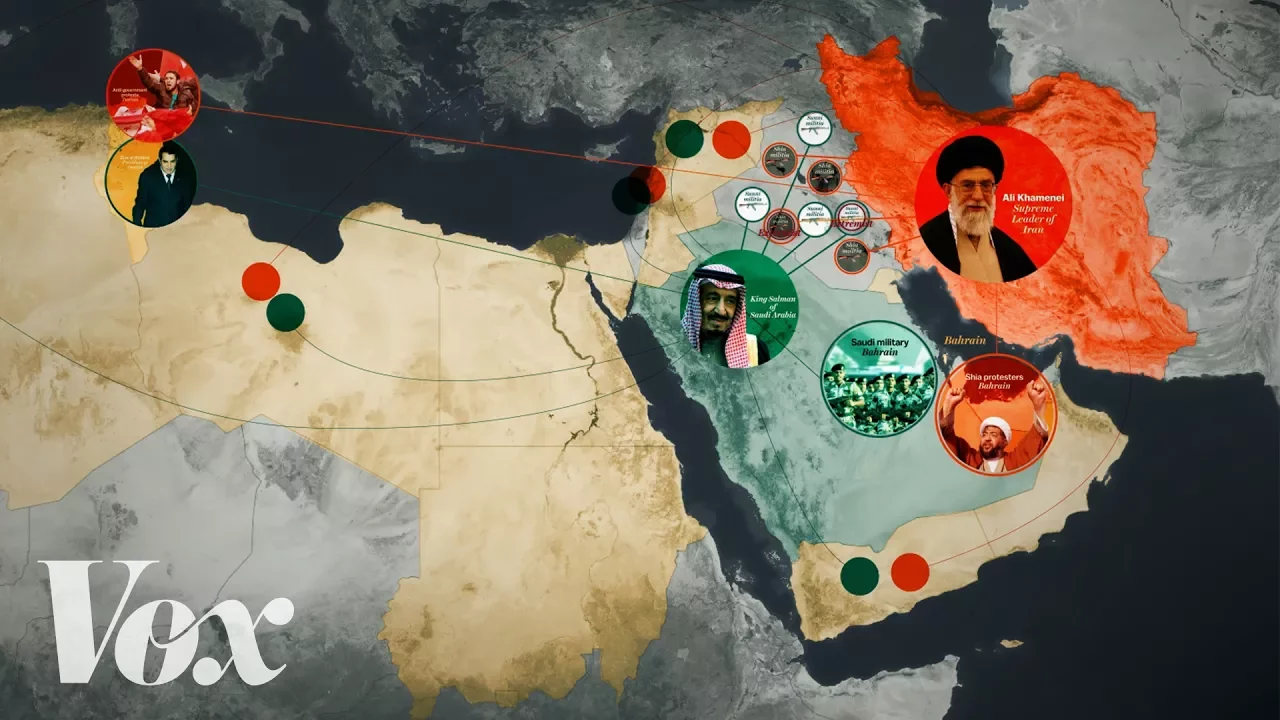
Explaining the Saudi-Iranian Proxy Conflict in the Middle East
@Vox
18.2M views•2017-07-17
Related Study Plans & Knowledge Roadmaps
Structured learning paths in Political Science