![[คลิปเต็ม] เสถียรภาพ-ประสิทธิภาพ รัฐบาลแพทองธาร? เปิดใจ 'พิธา ลิ้มเจริญรัตน์'](https://i.ytimg.com/vi/iYKOj0E8im8/maxresdefault.jpg)








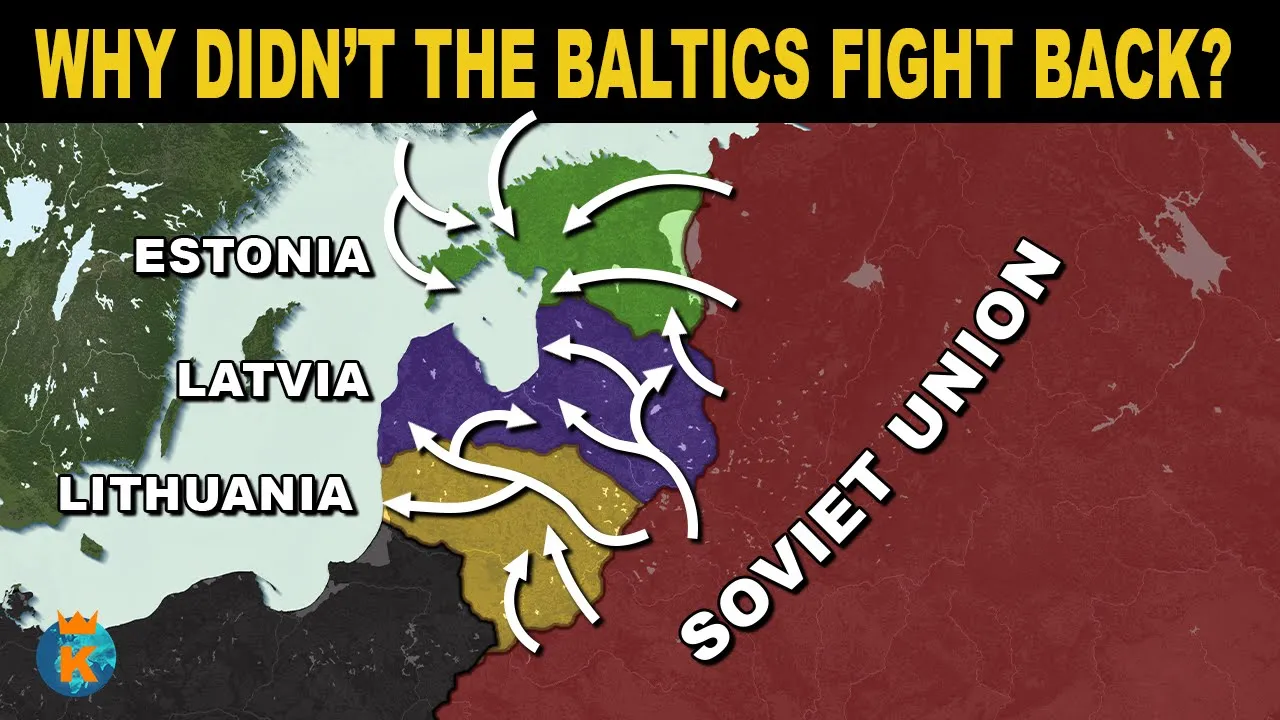

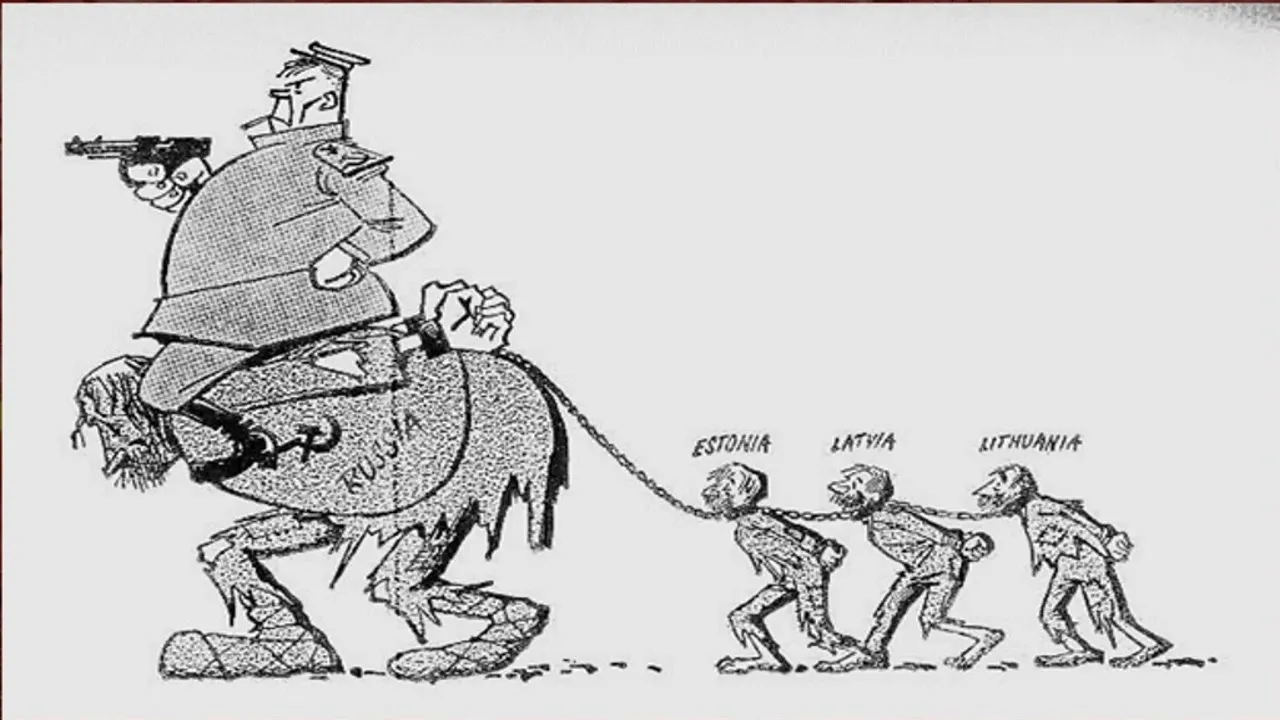





This lecture examines how conservative realism in military thinking, combined with weak democratic institutions and external threats, led to military intervention in Lithuania's interwar period, resulting in the 1926 coup that established authoritarian rule under President Antanas Smetona, which ultimately weakened the military's effectiveness and contributed to Lithuania's vulnerability during the Soviet occupation in 1940.
Civil-Military Relations in Lithuania: Smetona Era 1926-1940 | Academic Lecture
Added:Fundamentals of Civil-Military Relations: Understanding the theories of civilian control of the military, military autonomy, and the risks of military politicization.
Post-WWI Baltic Geopolitics: The establishment of Lithuanian independence in 1918, the Vilnius dispute with Poland, and the challenges faced by its early parliamentary republic.
The Rise of European Authoritarianism: The broader geopolitical context of the 1920s and 1930s, where democratic systems across Europe collapsed into nationalist or authoritarian regimes.
The Anatomy of a Coup d'État: Theoretical frameworks explaining why militaries intervene in domestic politics and the conditions under which they overthrow constitutional governments.
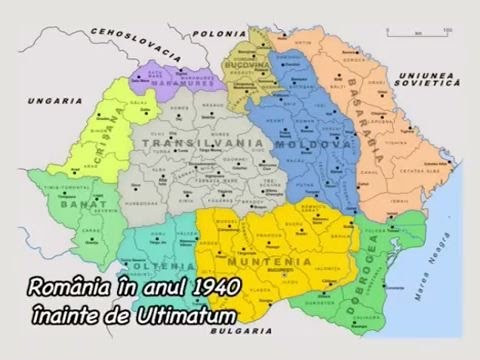
The 1940 Soviet Ultimatum and Occupation: Analyzing how Smetona's authoritarian governance and military policies influenced Lithuania's decision not to armedly resist the Soviet annexation.
Comparative Baltic Authoritarianism: Comparing Smetona's regime in Lithuania with the authoritarian systems of Kārlis Ulmanis in Latvia and Konstantin Päts in Estonia.
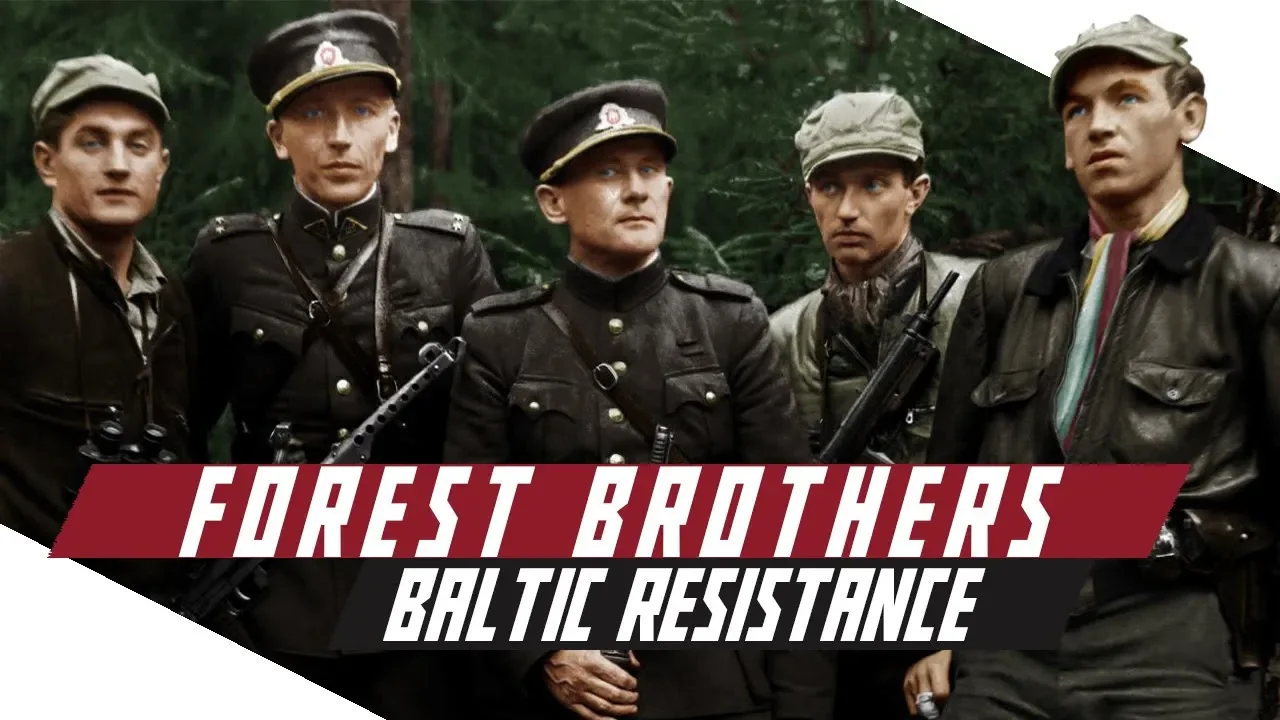
The Forest Brothers and Guerilla Warfare (1944–1953): Studying the transition from formal state defense to asymmetric partisan resistance against Soviet re-occupation.
Modern Lithuanian Defense Policy and NATO Standards: Examining how post-1990 Lithuania structured its democratic civil-military relations and integrated into Euro-Atlantic security frameworks.
157 views6likes1:10:07Original Release: 2024-09-26
so so welcome Mr Robert Robert V us uh and thank you for agreeing to deliver the interesting presentation about civil civil military relations under President Anana matona I believe uh the your insights and uh research will be very interesting material you know not only for leanian audience but also for for other other uh people who lives outside of Lithuania of course so Mr Robert floor is yours thank you votas thank you very much good day everybody it's wonderful to it's wonderful to be here I'm going to share my screen with you and I I hope you can uh you can see it I'll put it on slideshow so my topic today is civil military relations under President Anana matona from 1926 until 1940 my name is robertto vas I'm the chairman of the board of the Lithuanian Research Center in the United States we have uh three facilities in the Chicago area one in the city of Chicago and two in Lamont Illinois uh we are are the largest Lithuanian academic institution outside of Lithuania we're a library an archive a book publisher and we constantly have visitors from Lithuania and other countries coming to our facilities to uh do research for their thesis their dissertations books articles Etc so it's wonderful to be here with you um today and we'll just jump right into jump right into the topic we'll begin with a little bit of history and philosophy on civil military relations and while the field of civil mil military relations was really developed uh in detail in the 20th century we can go back to the origins of Western Civilization to ancient Greece and to the Greek philosopher Plato and in Plato's Republic he notes the utility of military education in serving and guarding the state in a conversation with his friend Glon Socrates States the one who on each occasion is tested and comes through untainted must be appointed ruler of the city and guardian and he must be given honors and must be allotted the greatest prizes in burial and the other memorials and the man who is not of the sort must be rejected so already the ancient Greeks were saying that competence in military leadership um had to be connected to leadership of of the state and those were the only people worthy of leadership of the state those who were able to stand in defense of it later on Edward Gibbon the historian in discussing uh the decline and fall of the Roman Empire um presented a passage that had uh for me kind of an eerie connection to what happened after the coup of December 1926 and please forgive the long quote but I I wanted to share this with you this is in Rome of course the Senate was commanded to assemble after Julian had filled the Senate house with armed soldiers he expatiated on the freedom of his election his own eminent virtues and his full Assurance of the affections of the Senate yet after the crowd of flatterers dispersed and left him to Darkness Solitude and terrible reflection he passed a sleepless night revolving most probably in his mind his own rash Folly the fate of his virtuous predecessor and the doubtful and dangerous tenure of an Empire which had not been acquired by Merith he had reason to tremble on the throne of the world he found himself without a friend and even without an adherent I wouldn't necessarily completely apply uh this this analogy to sma's situation he certainly had friends and he had adherence but he had also made uh enemies um prior to the coup and certainly after the CP coup and then indeed during the the 10 years following the coup with his own behavior and with the behavior of some Military Officers as we will be seeing um a brief discussion of what I call the military mind and the mindset uh of conservative realism that in general um Military Officers have a contempt for politics and disorder they want an orderly Society a society that they feel is being properly run by the state and uh hence a state that is worthy of uh of its respect and being defended um Thomas Hobbs the British uh writer in his book Leviathan discussed the inherent disorder of The Human Condition and human society and how there needed to be what he referred to as a lefi leviathan a powerful leader to be able to essentially dictate um to be able to create order out of disorder and some sometimes to do so through harsh means now Hobs was living through a very disruptive time in English uh history with constant political strife and and warfare and even attempted assassinations of of Kings so he was living in that in the midst of that turbulence and um he felt that the Leviathan a powerful civil and Military figure was the only way to bring order to his his world more in our uh in our era in the 20th century the previous Century uh the sociologist seite Mills um wrote a book called the power elite and he discussed various kinds of Elites um political Elites corporate Elites but he also discussed military Elites and the and the officers Corp and how officers uh inherently like to have good order and discipline and they don't like to see the lack of order and discipline in political in political activity and in Civil Society Sam sarkesian was a um a professor at lyola University in Chicago and I bring him up because indeed he was my professor and my uh dissertation director um and he at length would discuss military professionalism and civil military relations a little bit of his background you see two photographs one when he was already an older gentleman and and he passed away 13 years ago but over on the right you see him in his uh gear uh with his parachute Sam was uh the son of Armenian immigrants to the United States and one of the original Green Berets uh after World War II The Green Berets were actually formed after World War II in Europe um using soldiers who spoke the various languages of Eastern Europe to be able to infiltrate behind what was becoming the Iron Curtain uh into Soviet occupied uh territory to gather intelligence uh to be able to assist any uh local opposition and then to be able to return to uh to Friendly lines and so Dr sarkesian served in the US Army both as an enlisted man and as an officer for um for 22 years so he presents um six aspects of the military profession one is bureaucratic expertise the Military Officers are the experts in everything that is um that is military and those who are outside unless they are retired military officers do not possess that that expertise and so in the military mind there is even though they are serving Society there is somewhat of a wall built up between the officer Corp and uh and the rest of society secondly as we know the aspect of hierarchy a chain of command uh and also Unity of um unity of command also within that that hierarchy um professional Norms are applied for promotion for decorations for discipline for assignments to uh particular particular military units and for particular for particular tasks Military Officers do not like Outsiders uh especially political leaders coming in and telling them how to how to run their business thirdly the military becomes a total social system uh at least on a on a US Army Post from my my experience uh everything that a that a soldier an officer needs and and his family it's it's there on the post you you can get your haircut you can go grocery shopping there are movie theaters and and bowling alleys uh recreational facilities and then a schools for um for for children Department of Defense schools and then certainly that's where the soldier the enlisted uh person or the officer um goes goes to work so you become um immersed uh in in this separate Society known as as the armed forces fourthly your sole client is is the state uh an attorney a physician other professionals may have multiple clients but for the military officer the state is the one and only client and this client also calls on Ultimate liability meaning unlike other other professions uh with the exception of let's say police officers a soldier is called to Ultimate liability namely part of the job could be being injured certainly or also giving his life for for the sole client and then finally a an officer is called to Absolute institutional and professional um uh loyalty to respect his own profession and to respect other other professionals the 20th century also saw the development of two different theories of civil military relations as presented by uh by two Scholars one was Morris janowitz who was a sociologist at the University of Chicago and the other was Samuel Huntington who was a political scientist at Harvard University Morris janowitz wrote a book called The Professional Soldier and Sam Huntington wrote a book called the soldier and the state both Classics in the literature of civil military study and uh and relations they did look upon civil military relations slightly differently janowitz saw an officer not as being a political not as someone who does not possess any um any political opinions but who behaves in a non-political fashion and he wrote that there is a gap between private beliefs and the officer's expressed beliefs he may have his beliefs and his opinions he may not like the existing president prime minister commanderin-chief but certainly must remain loyal um to that individual Huntington uh spoke about objective civilian control um meaning the the absolute professionalization of the officer Corp and the separation of the officer Corp from uh from the political uh from the political sphere whereas janowitz saw a little bit more of a messy and perhaps realistic world of of interconnectedness especially as as an officer um reaches the the rank of lieutenant colonel colonel General officers well they might begin um uh budding up against the the political system and political leaders and they may be called upon to provide their their professional opinions but to do so in a a professional and nonpartisan fashion so you'll see the last bullet point for for janowitz is what it is and for Huntington is what it ought to be Huntington as a as a political scientist was looking at the political system as it ought to be how should it be fashioned and how should it um how should it function whereas janowitz as a sociologist looked at society as it is and uh so two very uh two very different approaches now the concept of military intervention um what are some constants uh relative to military intervention across uh different societies and across different different time periods so first of all in a society that has experienced military intervention there are no universally accepted beliefs about the legitimacy of power what is power um what is political power what is military power what is the dividing line uh between the two and how is that power exercised those haven't been developed yet secondly the military itself has not yet fully developed its profession dimensions and attitudes toward um toward politics you see this in new democracies and you see this in countries that have experimented with democracy but demon democracy keeps failing over and over again thirdly some sort of political crisis whether it is a sudden one or whether the crisis has developed over months or indeed over over years fourthly military intervention takes place when there is a perceived failure in governmental performance regarding the management of internal uh internal disorder I mentioned earlier uh the the the notion of conservative realism is presented by the British writer Thomas Hobbs and the American sociologist cite Mills how Military Officers do not like dispor they don't like disorder uh certainly in their own profession but they also don't like it in so society and uh they will very often equate that with the government's inability to manage Society the military th thus becomes politicized and empowered Military Officers will begin taking sides Military Officers will begin openly espousing uh the uh the the platforms of particular political Powers uh parties and certainly they are empowered to be able to um to take action they have they have arms they have weapons it's it's rather self-evident and then finally military intervention takes place where the prestige of the military and the state are linked or you don't have this notion of separation of politics and the milit and and the officer Corp as presented by the Harvard Professor Samuel Huntington but where officers see that The Prestige of their own that their own Prestige is linked to The Prestige of the state and if the Prestige of the state is tarnished well then their own Prestige is tarnished or at least that's their perception now let's apply some of these uh propositions relative to interwar Lithuania Lithuania between World War I and World War II well first of all despite the fact that Lithuania uh after World War I and after its Wars of Independence established itself as a Democratic Republic the standards of Western liberal democracy uh did not yet apply um you can create the structures of of democracy but if the philosophy of democracy is not present in in the nation if that mindset is not there then those structures uh will either fail or they will function in less than less than Democratic means and it's that that wasn't just the case with lith in general in the 1920s and the 1930s East Central European nations were still developing institutions uh their their own institutions and relationships um among them uh the the benefit let's say that that Western Europe um possesses is that since Magna Carta was signed by uh uh uh the British king and the Nobles in in 1215 um you've had several hundred years of the development of democratic philosophy within the sphere of political and social social philosophy um that did not translate to East Central European uh Nations at the time thirdly the military in Lithuania did not comprehend what its role should be Visa V politics I have stated in in the previous slide how these institutions are created but their dimension what is considered appropriate behavior what are the boundaries uh between institutions those have not yet been developed and that was certainly the case in Lithuania in in the 1920s fourthly civil military relations in Lithuania cannot be understood strictly from a domestic perspective there were legitimate external threats and so when um some Lithuanian Scholars and non- Lithuanian Scholars criticize Lithuania for being a less than Democratic State between the two world wars that they also um forget that there were legitimate external threats to Lithuania during that time period And so Lithuania did need to remain Vigilant the Lithuanian Armed Forces um did need to have a central role in in society because it it truly was a matter of um of survival what happened was though this preeminent role of the military was um diluted by its engagement in the political sphere or I should say all too often political leaders and political actors forcing politics upon uh upon otherwise very professional Military Officers who wanted to do a good uh good job as officers on behalf of of of the state and then finally especially in the year 1926 you had a justos of the military mind of conservative realism and domestic order and the volatile political situation that had developed in Lithuania during that year so Lithuania in 1926 after six years of rule by the Christian Democratic party under President Alexandra stulin you had very contentious elections to the seamos in in May the Christian democrats lost their majority and uh but but nobody had a majority no political party had a majority of the seats in seamos and so a coalition was formed between the social Democrats and the peasant populace that Coalition began instituting Democratic reforms very shortly thereafter the the the country uh especially in the in the provisional capital of Kus uh experienced violent clashes and assaults you had uh radical elements especially members of the Communist Party who took advantage of these new civil liberties so as I as I mentioned a moment ago you can create Democratic institutions but unless they are backed up by Democratic philosophy experience in democracy and a democratic mindset the instit those institutions are either going to crumble or they're just going to present a false face and not truly be Democratic uh institutions and so the social Democrats and the peasant populace felt that the country was ready for democratic reform and that was perhaps the case but democratic reform uh happened a little bit too quickly for a country that wasn't used to democracy had it occurred a little bit more slowly had um political and social controls been um been loosened um gradually then maybe we wouldn't have seen the situation that developed in 1926 um Military Officers were were watching what was happening in the country and they began to equate um not just uh the state's mismanagement with disorder and so social generation but they began to equate democracy itself and Democratic institutions themselves with disorder and social degeneration in other words an officer said okay we're experimenting with democracy here and it's not working out so maybe democracy is not such a very good system after all and this became very fertile ground for the politicization of the um of the military especially when Military Officers themselves uh came under attack in the streets of Kus assaults actually took place against officers and and non-commissioned officers that was completely unacceptable understandably to the officer Corp and to military leaders all of this took place during the uh very brief 7mon administration of President kazis Ginos uh you know as time has has gone on uh people you know criticize Ginos and sometimes even say that he was not a patriotic Lithuania uh actually kazis Ginos who was a a physician by profession was quite the uh political uh Patriot the Lithuanian Patriot um he was a member of the Lithuanian Democratic party which in 1905 was the first political party in Lithuania zaris occupied Lithuania that called for Lithuanian Independence not for autonomy within some sort of a Russian system but for complete Independence for the Lithuanian uh Lithuanian State he was no friend of of Communism he was no friend of the Bolsheviks Bolsheviks murdered his first wife so kiz Ginos was certainly a Lithuanian Patriot as was his prime minister mikolas leichus mikolas leichus several years before had been the first uh the first Prime Minister um who was credited with the creation of lithuania's independent lithuania's Armed Forces when he called for volunteers to defend the country against Invaders uh after the Declaration of uh of Independence uh and so these were two patriotic people but perhaps a little bit misguided they thought that democra that Lithuania was ready for democracy but that was not the case um these radical elements I had mentioned the Communist um certainly benefited almost exclusively by the removal of restraints on assembly The Gatherings of people uh they they benefited almost exclusively from the loosening of restraints on on the Press plus also the amnesty that was given to prisoners who had violated these um these restraints so uh during uh during the administration of president stoinis when censorship still took place when there was greater um control over over Society those that violated these Norms of assembly and and expression in the media were imprisoned the grus and schich administration released those released those prisoners um the Army the police and the Catholic Church became targets and as I mentioned there were actual um physical um physical assaults um um police officers first felt that they um were uh were not given the power um to be able to act against disorder then the police certainly that that functioned under the minist ministry of the interior and so hence under this political administration were um forced into uh into subduing those who protested against what the Communists and other radicals were doing in the country um you saw officers and civil servants who were deemed political enemies uh perhaps loyal to the Christian Democratic party being discharged from military service and also from their service within uh the government there is also a perception the demonstrators were not equally punished that Communists and those on the left were essentially allowed to do what they wanted to do those who opposed them were punished more severely um and that was um that that was seen uh during the student demonstrations of November 21st of that year 1926 when rtist students who opposed um uh communism uh demonstrated in Kus but then the um uh police with their batons uh very violently uh disrupted and dispersed that um that would have been a peaceful demonstration up until that time and so that left a bad taste in the mouths of of those who um opposed what the grus administration was doing and so that led to the kudeta of December 17 1926 so the situation was the 60th birthday celebration of President kazis Gros and so the various military commanders from around the country had gathered in the provisional capital of B us for the official birthday celebrations so the these various commanders were in conas they were in a central location and they were away from their military units and so those who plotted the coup had a much easier time to carry out that uh that coup um that that night uh the president other officials were arrested by um by officers who were involved in in the plot those commanders who were loyal to the um I I won't say loyal to president Gros but who were loyal to the Constitution who may have ordered their units to advance to colonist to try to fight the coup were unable to do so because the plotters of the coup had cut off Communications from Kus to the various provinces and other areas so these commanders who were in colas were not able to communicate with their their Military Officers so they were they were powerless and those in the provinces didn't know what was going on in um in Kus so yes a um a lieutenant walked into the president's bedroom in the presidential residence in in colas and arrested the the president of the of the Republic they established a temporary military government and they asked the first president of Lithuania antana smon to assume the um to assume the presidency um president smon headed the Nationalist Association note that it wasn't referred to as the Nationalist party um the way smon and the leaders of the Nationalist presented their party their political faction was that the nationalists United the entire nation it was not a political party or a faction that just represented a portion of the Lithuanian Nation but it was the Nationalist Association and everybody who was a Lithuanian belonged uh by by birth naturally to the to the Nationalist Association um but it wasn't just the Nationalist who had a vested interest in the coup the Christian democrats who had been in power for six years also had not liked what was uh what they were seeing in the country uh after the elections to the seus in in May of 1926 and so they were also somewhat involved in the coup indeed um there was a gathering of uh political and military leaders opponents of the ginus regime in military headquarters that night one of the participants was former president Alexandra stulin and so he he he had an interest in seeing order return to the country as well not just not just military leaders so smon is now asked to um is now asked to assume the presidency immediately there are fears of a count of a counter coup that may be carried out by the enlisted ranks um uh those who carried out the coup began uh began hearing of grumbling among the enlisted men that they didn't like what the officers had done and indeed the officers now became somewhat fearful of their own troops they were instructed to sleep with their troops in the same Barracks not in separate quarters to be able to keep uh to be able to keep an eye on them even uh the person who was known as the temporary dictator during the coup major poos plavich offered to Stage um offered to Stage a counter coup because he began to uh feel some regret for what he did in the hours and the days um after the coup though later on uh as his life continued in Lithuania and then later on an exile in the United States um he um he reconciled with the notion of um of of the coup and having had a place to and having had a place in it so president Gino saw that he really had no choice but he still wanted to maintain some semblance of of an orderly transition so while Gus was under house arrest he then appointed um augustinus volaras as the prime minister so president Gus appoints vemar as prime minister and then president Gus resigns the presidency two days after the coup on December 19th there's a rump session of the seus not all of the members of the seus participated indeed some of the members of the seamos were in hiding at the time they were fearful of they were fearful of arrest and at that um session president Anana smon was elected the new president of Lithuania and so you now had president smon and you had prime minister augustinos vmar who was also certainly a member of the Nationalist Association um president smon uh and his nationalists reached a compromise with the Christian democrats that the Christian democrats would also have a say in um in how the the government was uh was run however that did not last uh that did not last long because then president SMA on April 12th of 1927 dissolved the seus um ostensibly for the purpose of uh of holding elections but actually those elections did not take place in 1927 indeed those elections only took place 10 years later in 1937 so for one decade the president and his cabinet were the rulers of the country um ironically here is a photograph of President Gus sometime in 1926 um meeting with members of the Lithuanian rifleman's Union not integrated into the Lithuanian military but still uh people in uniform and underarms the Lithuanian rifles riflemen's Union which obviously also a functions in Lithuania today was was and is integrated into the National Security structure and planning of the of the Republic so yes ginus was a was a patriotic um Lithuanian indeed um Gus's son um kazis Jr was a military officer he was not punished he reached the rank of um of Colonel and held several senior level positions uh within the Army and the ministry of of Defense uh so it was a it was a patriotic family some scenes from from the coup you see what you know what they call tanks what we might call armored personnel or some sort of armored vehicles uh that are uh in front of the seamos um in front of the um of in front of the military headquarters and over on the left is um is a declaration uh in in Lithuanian to to society and there you see in capital uh letters that the uh temporary military government like in oakar uh has declared a state of war in the entire country and with and and they have declared a state of Siege within the city of colus uh there's a there's another scene we'll see some pictures uh uh actually from my book on civil military um civil military relations uh you see some soldiers and military vehicles in front of military headquarters in um in col us the morning the morning after the the coup um also the mythology of the the coup that was that that that developed was that the coup took place without a shot being fired that isn't that isn't the case um uh at that time major skira who was the commandant of the um of the military academy he actually roused the um the cadets and armed them and there were some skirmishes between the cadets and uh the the officers and soldiers who were involved in the coup fortunately uh no no fatalities I I also believe there were no injuries during those brief skirmishes I mentioned the the the individual who was asked to be the temporary dictator and his temporary dictatorship lasted a couple of days uh this was at the time major poos plavos um he had had a major role early on in the Republic after the Declaration of Independence and during the wars of Independence he also um had a um a role in let's say law enforcement uh you know at at the time you're looking at 19 19 1920 out in the provinces you you did not have a proper police force you didn't have proper law enforcement and and proper order and so um you had individuals uh known by various names including Bandits who were um terrorizing um small who were terrorizing Villages small towns terrorizing farmers and so pavus led the Army uh into um into those areas in 1919 and 1920 to restore order and very simply they would capture you know the the locals the local residents would identify these Bandits these Bandits would be captured there would be a field court Marshal that was very uh very fast and then those Bandits would be would be executed um some people thought that his measures were harsh you know however looking at the context of innocent civilians being being murdered um perhaps it was the actions that he took um were were necessary but anyway uh he served um uh with distinction in the Lithuanian Army uh he was the the temporary dictator and then afterwards he continued on with his military uh continued on with his military service later on he he fled um uh in 1944 fled the fled the country and uh ended up in Chicago Illinois where he passed away so the consequences of the coupe um officers were split along party lines you you had not an a you did not have an apolitical military nor did you have a non-political military you had now a politicized military especially in 1927 1928 19 1929 a very heavily politicized um officer report also you had a continued Rift between officers and enlisted men which impacted military discipline and training indeed in the 13-year period from 1927 until June of 1940 there were 14 revolts against the smon um Administration uh some of the a couple coup of these revolts were larger in scale others were smaller in scale and and not really uh not really worth noting but still these were officers who tried to um actively oppose the the president either to get the president to change his uh political course or to oust the the president I noted that uh president Gros before resigning appointed augustinus vmar as the Prime Minister he was prime minister from 19 from December of 1926 until 1929 and there's a photograph of him there augustinos valaris was an interesting character a little bit smaller in um in stature um he was a brilliant scholar um he had earned a doctorate and his dissertation had earned a gold medal um and he was a very um fiery hot-tempered person and a very arrogant uh person he was he was in a storian and he um he felt that he was intellectually Superior to pretty much everybody else including including the president so he was at first an ally of president smon but then even for president smon he became um too radical and voldemaras himself began challenging um the smon the smon administration um Iron Wolf uh gin vas in in Lithuanian became a a private paramilitary Force for augustinas voldemaras especially well made up by various people uh including um civil servants Farmers um um students people from various walks of life but this secret uh Iron Wolf paramilitary organization that was loyal to VM maras and also not not so secret um had um uh uh a relatively large contingent of Air Force officers and it was the Air Force um during the voldemaras uh Prime Min Prime ministership uh as well as on into the 1930s it was the they were the Air Force officers who tended to come out in Greater opposition to to the president uh versus uh versus army officers there are some of the uh Air Force officers in um uh in question the gentleman second from uh second from the left uh antanas antanas Mach Macha at that time a captain captain Macha he was a rather also um hot-headed um hot-tempered uh um uh individual who um with time sought the downfall of uh of President smon um he actually headed the officers group that carried out the the coup but then later on he himself would come out in opposition to um uh to uh to the president what's interesting is um I certainly didn't know Captain Macha but I knew his son Benedictus Macha two very different people whereas antanas was a very hot-tempered military officer uh Benedictus his son was an historian uh was a professor and a very quiet and and mild-mannered uh professor um among those 14 revolts that took place between 1927 and 1940 probably the the the the the largest one the greatest threat to Theona Administration was the filed kubalas Revolt of June 1934 that was masterminded by augustinos V demarus who was by then out of power he had been um uh he had been forced out of power by SMA and his allies um also by the Iron Wolf the ginis vas organization and a number of Air Force officers even though it's referred to as uh the kuuna Revolt or in Lithuanian kualono um suas uh the chief of staff General patras kubalas was really not The Mastermind he was the tool of these plotters but because he was the chief of staff he was in a key position to help them carry out what they thought would be a coup against smon uh kbun really did not have an understanding of politics or or economics um he was a a military officer a good military officer but beyond that he really didn't seem to to know that much he sought to um replace um not so much SMA but he sought to replace the Prime Minister he was as Tu balis and the defense minister balis gadus and he thought that by replacing two Bas with augustinos voldemaras that voldemaras would improve relations with Germany the Germany in turn would purchase Lithuanian agricultural products in turn the Lithuanian economy would improve and that would have a positive impact on on military spending so um voldemaras Iron Wolf these Air Force officers um really kind of Hoodwinked kuas um into into being their their tool or their instrument um however uh there were already this the news of this Revolt um had already reached uh had already reached smon I mean the the internal security department uh maintained surveillance they kept their their eyes and ears open and so they got wind of what would be known as the kuuna Revolt so as um kuuna on the night from the 6th to the 7th of June 1934 led a portion of the co kona's Garrison to the presidential U residents including some of those armored vehicles he already found 175 soldiers loyal to president smon surrounding the presidential residence um word is that president smon came out uh of the residence in his robe and told kubalas to return to the barracks and to return all of his soldiers to the barracks and kuel Lunas evidently being the loyal officer that he was said yes sir and uh told his uh told his men and told his vehicles to go back to the to go back to the Garrison but of course those soldiers guarding the president uh certainly had an impact here finally ausus vus was flown to Kus from internal Exile he was flown there by by a Lithuanian Air Force aircraft from his internal Exile in zarasai but the Revolt failed and he was arrested and he was and he was imprisoned this brings up um uh this brings up a phenomenon that repeats itself throughout the smon the smon administration people will refer to smon as a dictator but certainly he was not a he was not a bloody dictator and so typically um let's say there was a revolt against the president that individual would be Tried by a court Marshal and would be found guilty and typically sentenced to death however then the president would commute the sentence to life then after a period of time the sentence would be commuted to perhaps a few years in prison and then finally the sentence would be commuted again to internal Exile internal Exile meant you were sent off to a village somewhere in the provinces far away from from Kus where it was felt you couldn't uh you couldn't cause any trouble to uh for for the administration so it was the same thing with f maras he was never sentenced to death but after he was removed to office he was basically sent off to to zarasai what was considered internal Exile went back and forth a couple of times until he was finally just exiled from the country and uh and deported from the country uh later on um there you see in the lower right there's General patas kubas over in the upper left there's kubalas on Horseback during a a military ceremony you see President SMA speaking before that that large microphone uh I I thought that was an interesting picture um very often when politicized Military Officers are discussed or when military intervention is discussed a reference is made to quote the man on Horseback uh and I thought it was very interesting here's a photograph of General kuuna on Horseback literally the man on Horseback who would one day challenge the president so as we enter the the 1930s the the 10 years from 1930 to the Soviet occupation which began in in June of 1940 we see uh politics and the military becoming increasingly intertwined um unfortunately there was a great deal of instability among senior military leadership every new cabinet uh brought about changes in what were what was referred to as the big three of the defense minister the commander-in-chief and the chief of staff now you would think that the commander-in-chief and the chief of staff would have some sort of an appointment with a term and that there would be stability in those appointments you could certainly see the defense minister changing with each cabinet but that wasn't the case very often all three of them would change with a new with a new cabinet so you had this instability and again you you did not yet have a developed notion of what are the dimensions of these different institutions political and Military institutions what are the boundaries between them what is appropriate behavior and so the the uniformed commander-in chief Chief and uniform Chief of Staff full-time Military Officers were almost seen as as an element of of the cabinet or of the government the nationalists who were in power sought to nationalize the um the military uh they wanted to um promote and to appoint um officers who were loyal to um to them many Reserve officers who are loyal to the nationalists served in the interior Minister Ministry which handled um survey and handled uh law enforcement a state of War kosis continued to exist now I need to to to note the state of War wasn't a political tool the state of War had existed in the country pretty much from the beginning from the wars of Independence and was now specifically in place because of the continued occupation by Poland of the capital of vus and the uh vus territory so there was a state of war between the two Nations a line of demarcation existed between um polish the Polish occupied vus territory and uh Lithuanian controlled um territory the uh the Polish Army patrolled their side of the demarcation line Lithuanian Border Police patrolled its side of the demarcation line so so the state of War existed but it wasn't just a a political tool there there was um a legitimate reason for that state of War you also had District military commandants which would have been fine they would have administered their their units commanded their units but the district military commandants were also given a police function a domestic police function um working with the internal security um department and you also had military tribunals trying violations of um freedom of of of speech of expression in in the media that typically would have been um Tried by civilian courts and so now you had these District military commandants these Military Officers who were involved in um in civil law enforcement and in um in civil and in civil um the Civil Judiciary so on the one hand you had these Military Officers who were carrying out the wishes of the president and the Nationalist Association on the other hand distress began developing and so the internal Security Department which worked with these officers also was essentially spying on Military Officers to make sure that they remained loyal um to the Nationalist Association and to the and to the president um also books uh and Publications during that time would be stamped or printed with kotura or permitted by the military censor so military censorship took place and the censor ship wasn't carried out by civilian civil servants it was carried out by the military Administration and there is um there's an example um on the back cover of a book in the lower right k sanura um permitted by uh by military censorship also what was the relationship between the military and Society well there is in many other countries uh there was conscription that was not a surprise um young men were uh drafted into military military service they were trained and expected to serve for a certain period of time especially for a country that was almost completely surrounded by by enemies that was something that was acceptable and and and and something that would have been uh expected um what was very important was that the military also provided a a means of Education both for officers and for enlisted soldiers um later in in in a few minutes here I'll be discussing um uh General Stace rashik is even though he was an officer he had not completed let's say middle school or as was known then uh gymnasium and so he had the opportunity to do so as a military officer for enlisted soldiers coming in from the provinces um quite often they were illiterate they did not know completely how to read and and write they didn't necessarily know about Lithuanian History Literature Lithuanian Lithuanian culture and so the military provided not just military training for these soldiers but also a more generalized education for these soldiers as well and that was something that was truly beneficial for um um for the country to make it more developed more cultural culturally aware and better educated uh better educated country um visits by school groups and youth groups were uh were arranged to visit military installations and get to know the soldiers and get to know their their equipment the military also participated in civil ceremonies and civil civil assistance when um um the namus river in um in Kus flooded in the 1930s Lithuanian army soldiers um assisted um local law enforcement and local officials in in helping in helping the residents there were also Army Society festivals where military vehicles military equipment artillery was brought out into a public area and people were able to visit talk with the officers talk with the soldiers be able to hold a rifle be able to um hold a machine gun things things of that nature and as I mentioned earlier the Lithuanian rifleman's uh Union SAA um uh uh was very instrument m al they were citizen soldiers and so that was a means of having a greater connection between between society and the Nations and the nation's military uh military forces a couple of photographs from the um army and Society um festivals you see um children being allowed to look into uh into into gun sites and as I mentioned they were allowed to uh not just hold weapons but also fire um fire weapons as well also here you have an instance of a of soldiers preparing to place bird's nests uh in a in a Lithuanian forest and so that's where civil action uh comes into uh comes into play uh you know the these soldiers were drawn from Lithuanian society and so the military wanted to show that Lithuanian soldiers not just defended Society ex from external threats but also assisted Society internally I mentioned General stasis rashes who became um what his biographer called the Persona Prima the first person in military Affairs in Lithuania from um uh from 1934 but especially from 1935 until until 19 uh 1940 uh alexandr medelis who was his biographer who wrote a very substantial um volume on SM on President SM dubbed General rashis as Persona Prima General rashis had a very distinguished distinguished career he um volunteered for military service in 1919 during the wars of Independence during one firefight he was uh wounded um he actually had to he was wounded and bleeding uh in the middle of the battlefield while uh the Bolsheviks and Lithuanian forces exchanged gunfire over him and over other wounded troops who were on the battlefield he was captured and held in various Russian hospitals and prisons until 1921 when a prisoner Exchange took place he remained with the Lithuanian Army uh uh had distinguished service in various uh posts he was appointed the chief of staff of the Army in 1934 following the kuuna revolt and the dismissal of KU kubalas from from the Lithuanian Army and then in 1935 he was appointed commanderin-chief the chief uniformed officer in the country now there was also a family connection he was married to president Met's niece however despite that um rashkis himself said that his relationship with the president was not familial but was a professional relationship he obviously uh respected the president and and the president uh the presidential office and so rashik is as a professional did not use that um that family relationship um for any kind of Advantage however despite that as the years went on he felt that some of the advice that rashis would give either privately or sometimes in public in articles that he had written for publication um were challenges to the president and he and and smon suspected Asik is forming a rival Power Center um not going into details but because of that rashkis was discharged from his duties in uh January of of of 1940 um rashis wrote a four volume set of his Memoirs which is truly a monument in in Lithuanian historiography you could have a series of lectures on rash tius you could have a a series of lectures on on the coup obviously here we're not going into into those details there's a picture of the General in his dress uniform with his decorations immediately upon um uh uh uh becoming commander-in-chief he pre uh presented a plan for military reform first of all he called for a military alliance with ltia and Estonia um the situation with Russia um had um had quieted down but there was still a state of war with um with Poland and he felt that a military alliance with ltia and Estonia would be helpful for National Defense he also tried to clarify the roles of those big three the defense minister the commander-in-chief and the chief of staff so that there would be greater stability and so that each individual would know what his role was he um uh uh called for the creation of and indeed it was created a State Defense board which would be chaired by uh by the president to uh be able to examine defense uh uh defense issues from a a broader perspective including different uh individuals and cabinet officers and not just military people the defense minister would share a military board which also would try to have a more um holistic view of um of Defense bringing in various civilian and Military advisers and then he also certainly called for a substantial increase in defense spending now just as most milary officers with that mindset of conservative realism um rashis also had a disdain for some of the political excesses that were taking place in the country at the time and then what he felt were unethical Pol political disputes he also disliked the state of War not necessarily for external reasons but he didn't like the state of War being applied internally to society domestically uh he didn't like the fact that the milit was carrying out a censorship role he felt that that was not um that that that that was not something that mil Military Officers should be doing he also no longer allowed the Army to carry out civilian death sentences death sentences that had been handed down to criminals and civilian courts he said if if those death sentences are carried out they are to be carried out by the Civil Authorities not by the military authorities there was a an uprising uh among far fers in Salk in 1934 while rashis was on vacation in Palanga the defense minister ordered the Army um into the areas where the farmers were um carrying out their their Uprising and um uh to and ordered the Army to disperse those those farmers and to restore order rashik has heard about this he felt that the Army should not be involved in that that if in fact the Army would begin dispersing and inflicting violence upon the farmers that that would harm um uh that would harm the military relationships between society and the um and the armed forces and that also these soldiers that had come very often from rural backgrounds uh might even revolt and not carry out not carry out their orders so he countermanded those orders by telephone he uh was able to reach the commander who was was leading the forces and said no you're you're not going to do that obviously the defense minister didn't care for that but rashik has felt that that was a decision that had to that had to be made rashis also uh stated that um officers who had been transferred to political duties must return either to regular service must uh must withdraw from those uh from those duties or to retire from uh the active Army and go to go to the Reserve um there had been arguments made that the commander-in-chief should be a member of the prime minister's cabinet and he argued against that he didn't want the commander-in chief's office to become politicized however rashkis did as I mentioned increasingly make what could have what could be construed as political statements perhaps even challenges to political po policy which did not endear him to Ona and to the nationalists now we finally come to the Twilight of Independence in 1940 in general politics weakened the military establishment despite the efforts by General stasis rikus to make the Lithuanian Army more professional and in many ways he certainly succeeded the late 1930s uh truly saw a Renaissance for the Lithuanian um armed forces and a professionalization of the Armed Forces that was also noted by foreign military at who were um assigned to um U to con us but political activity and political intervention into the officer Court had weakened the military established establishment Huntington's subjective civilian control which saw um a a um a very solid wall between politics and the military um was eclipsed by objective um I'm sorry objective civilian control which sees that wall between politics and the military was Eclipse was overshadowed by what he called subjective civilian control and the military's functional imperative and in other words politics began to be injected into the military sphere also in June of 1940 um even the president was surprised when his senior military leadership in the final cabinet meeting of June 15th 1940 in the face of a Soviet ultimatum when the senior military leadership stated no we're not in a position to fight rendering Lithuania essentially defenseless though many in the ranks were willing to fight the senior leadership was um was not and indeed uh General rikus who had actually been invited to that final cabinet meeting um as a Civ ion he was now uh now he was now in the reserve um and other senior officers advised that Lithuania accept all three ultimatums the Polish ultimatum of 1938 the uh German ultimatum of 1939 which uh demanded uh that the kipa region be turned over to to Germany and certainly the Soviet ultimatum of 19 um 40 demanding that an unlimited number of Red Army officer uh Red Army soldiers be admitted into the country and so the Army had been rendered Passive by the Nationalist regime surprising even the president himself there you see uh several of the 150,000 Red Army soldiers who entered the country on June 16th of 1940 there you see a border post with the Lithuanian vtis our national symbol um as the Red Army walks past it and so we saw the ghost of 1926 the coup of 1926 once again in 1940 I would say that the coup was necessary uh that's my final assessment um I'm I'm a supporter of constitutions and of democracy but where democracy is not yet uh taken hold and where disorder has um has spread to the point where the nation's survival itself is in danger um as it was in Lithuania in December of 1926 I think the coup was necessary so it so the the the military in during that coup both saved the nation however also set the stage for um uh political gamesmanship within the military and directed toward the officer Court certainly the ties with Society strengthened um the Armed Forces but Politics the jarm role um the military tribunals military censors ship um uh courts Marshal being applied to civilians weakened um uh weakened its martial Spirit to the point where the nation was defenseless in 1938 1939 and most obviously in 1940 when it required defense the most and so uh thank you thank you very much for my time that concludes my presentation and I'm going to I just press the stop sharing uh button here I'll close that out okay thank you thank thank you Robert for such a interesting uh and detailed overview of that uh volatile historical period and also you provided many details which I even didn't know you know so thank you very much for your interesting and your sharing of your uh nice presentation so maybe WDAS maybe you have some questions uh we can maybe have allocate five minutes for the discussion of course I have questions I have everything don't know Robert As I understood you speak perfectly Lian so shall we continue with this foreign language or we should switch to our native language well I I don't know I is is still reced I I would suggest because we started because I still recording here recording because it will be very inconvenient questions okay okay so you know if if you'd like to ask the question in Lithuanian what I can do is I can translate it into English and then I speak also speak English so we can also ask questions in in English so okay okay let's do this you know uh thank you and I will switch off recording so we will be we will talk uh more openly okay
Up Next

33:52
Parliamentary Oversight of Liberia's Security Sector Reform
@dcafgenevacentreforsecurit2671
17.1K views•2021-08-04

24:30
BRICS Pay and de-dollarization: A New Financial Order Emerges? | 55 chars
@DannyHaiphongYT
164.6K views•2024-10-22
7:33
Government Surveillance Methods: 10 Ways You May Be Watched
@BeAmazed
1.6M views•2017-04-09
10:19
Explaining the Saudi-Iranian Proxy Conflict in the Middle East
@Vox
18.2M views•2017-07-17
Related Study Plans & Knowledge Roadmaps
Structured learning paths in Political Science
political-science
Economic Statecraft: Sanctions & Chokepoints
01Foundations of Geoeconomics and Economic Statecraft
02The Mechanics of Weaponized Interdependence
03International Sanctions: Types, Implementation, and Efficacy
+ 2 more learning modules
12h5 modules
Explore Roadmap
political-science
Central Bank Independence: Politics & Policy
01Foundations of Central Banking and Monetary Policy
02The Time Inconsistency Problem & Inflation Bias
03The Delegation Model and Designing Independence
+ 2 more learning modules
12h5 modules
Explore Roadmap
political-science
Consociationalism: Power-Sharing & Stability
01Democratic Dilemmas in Divided Societies
02Introduction to Consociational Democracy
03The Four Pillars of Consociational Design
+ 2 more learning modules
12h5 modules
Explore Roadmap
political-science
Rebel Governance: Legitimacy, Economy & State
01Foundations of Rebel Governance and Statehood
02Establishing Political Legitimacy and the Rebel Social Contract
03Wartime Economies and Rebel Resource Management
+ 2 more learning modules
14h5 modules
Explore Roadmap