
















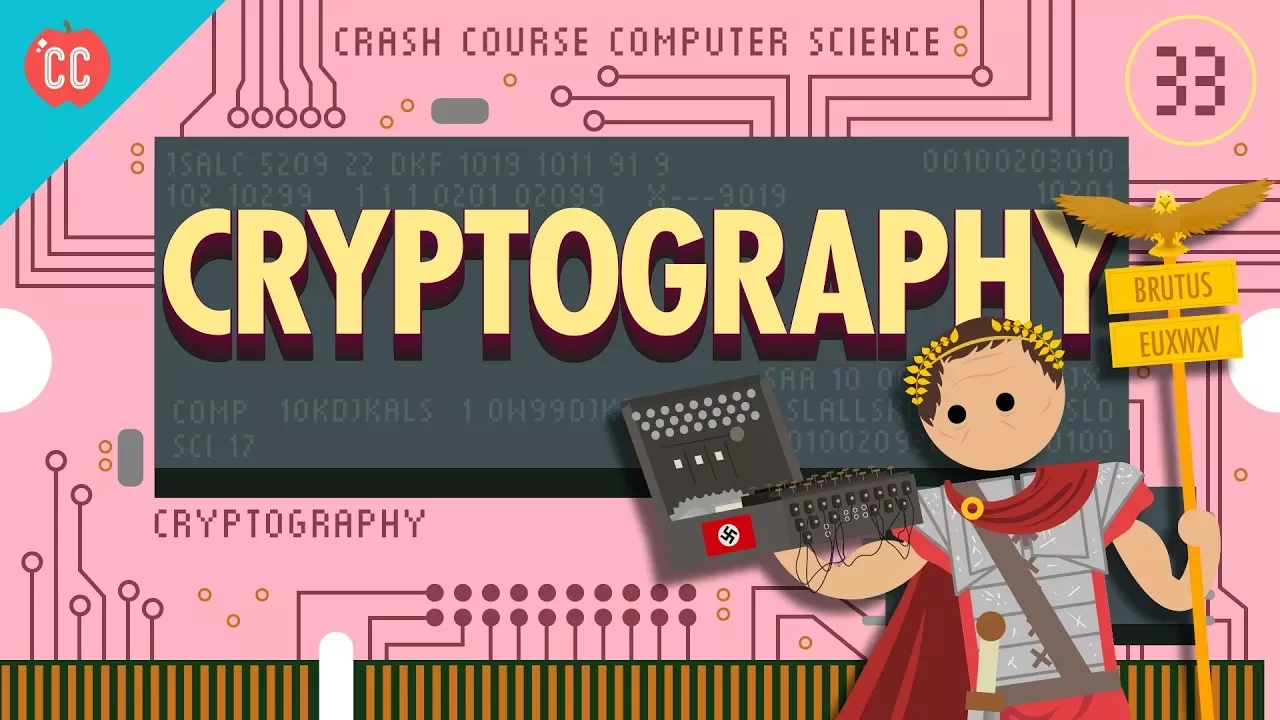


The Caesar cipher, invented by Julius Caesar around 58 BC, is a substitution cipher that shifts each letter in a message by a fixed number of positions in the alphabet; however, this cipher can be easily broken using frequency analysis, which exploits the fact that different languages have characteristic letter frequency patterns that remain consistent even after encryption, allowing attackers to determine the shift by comparing the frequency distribution of encrypted letters to the known frequency distribution of the original language.
Caesar Cipher Explained: History, Encryption & Frequency Analysis
Added:Basic understanding of fundamental cryptography terms, such as plaintext, ciphertext, key, encryption, and decryption.
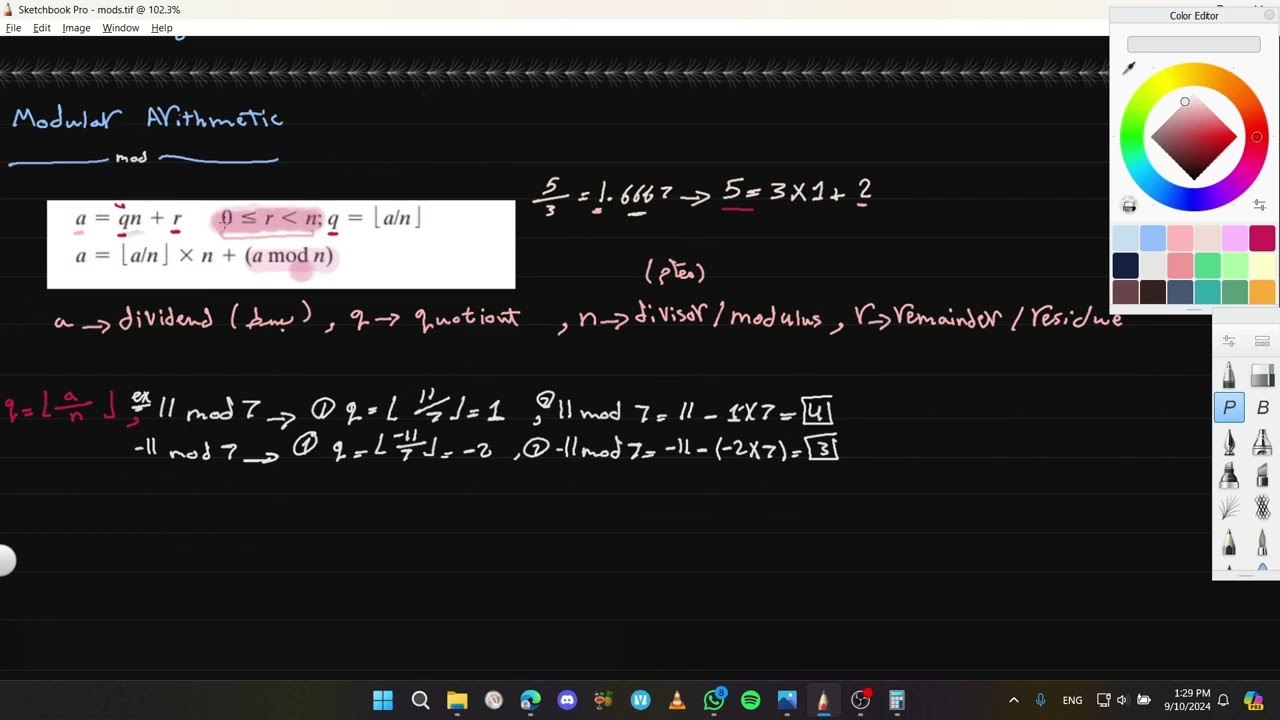
Familiarity with the concept of modular arithmetic (specifically modulo 26) to understand how the alphabet wraps around from Z to A.
An elementary grasp of probability and statistics, particularly the idea that letters in a given language do not appear with equal frequency.
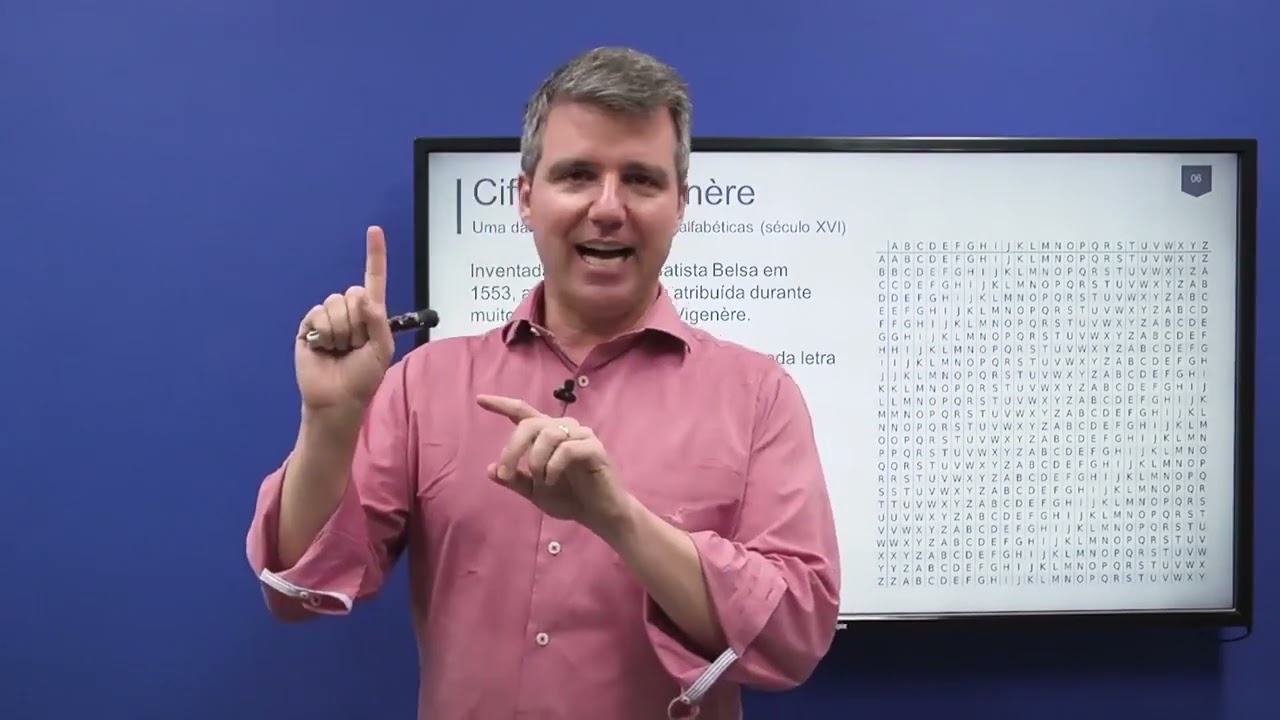
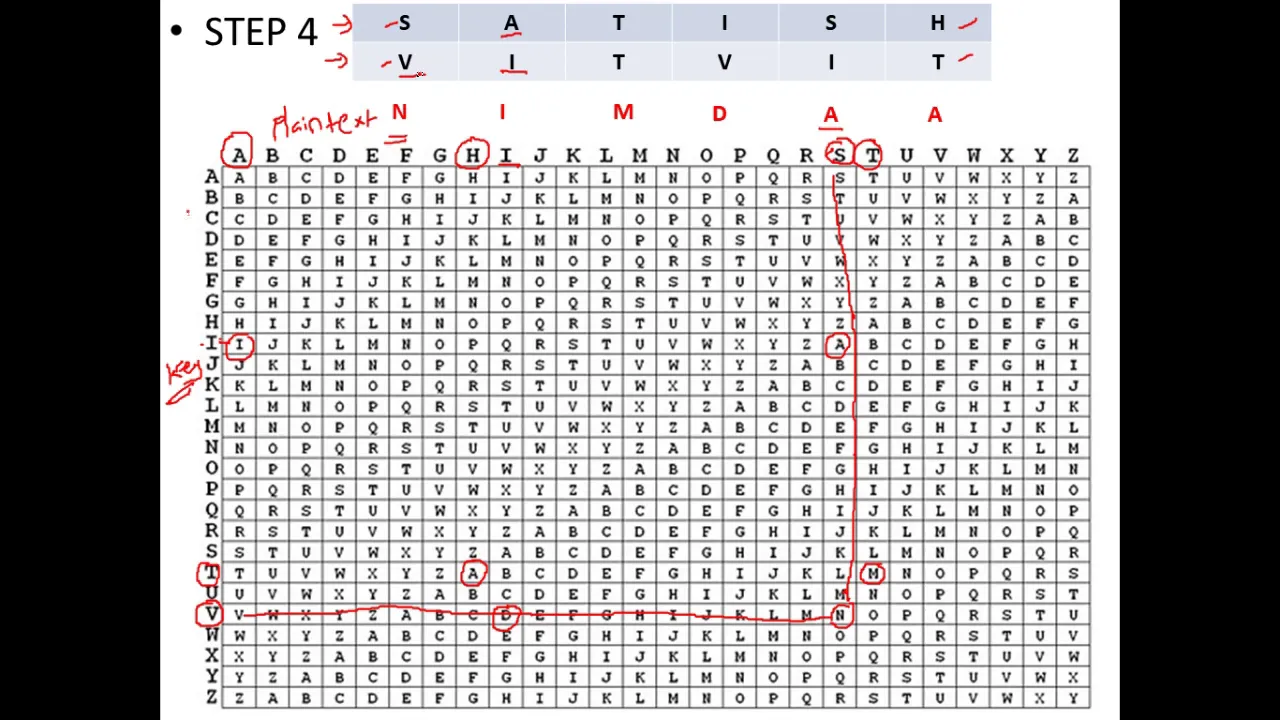
Exploring polyalphabetic substitution ciphers, such as the Vigenère Cipher, which were developed to defeat simple frequency analysis.
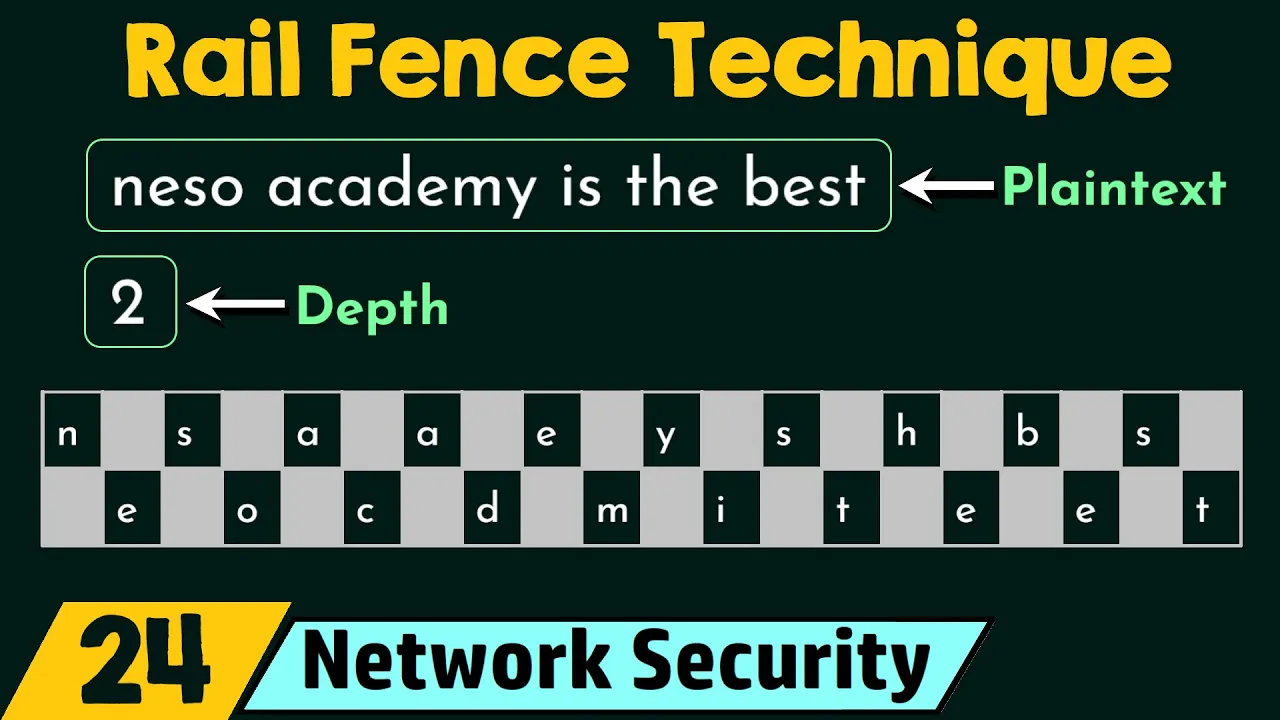
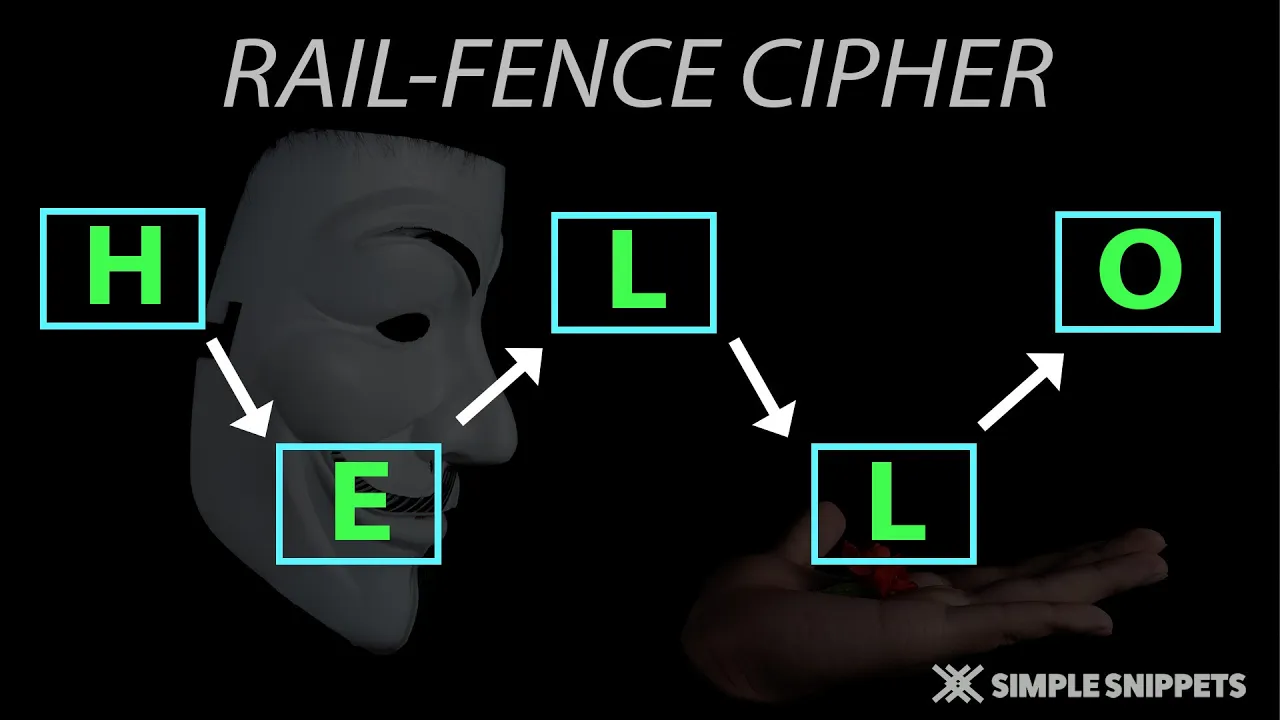
Studying transposition ciphers (e.g., the Rail Fence cipher) and how they differ fundamentally from substitution ciphers.
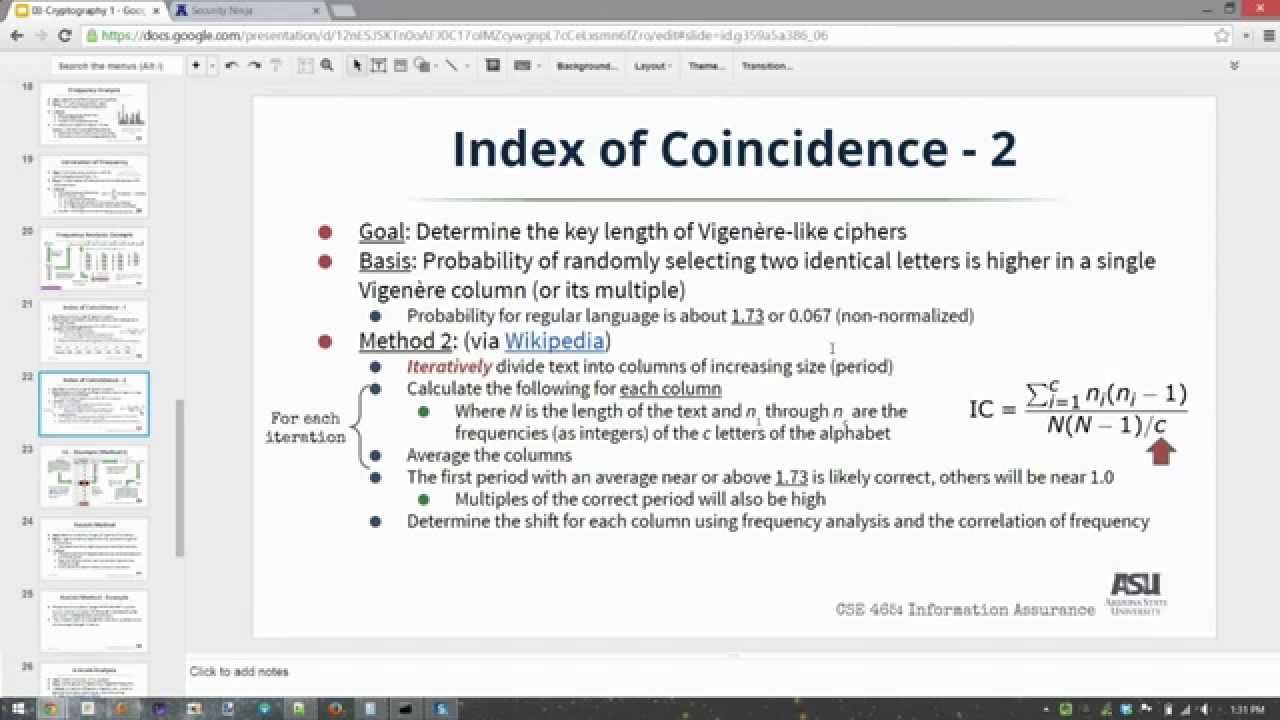
Learning advanced cryptanalysis techniques, including digram/trigram frequency analysis and the Index of Coincidence.
Understanding the transition from classical pen-and-paper ciphers to modern, computer-based symmetric cryptography standards like DES and AES.
815.7K views3.2Klikes2:36Original Release: 2012-03-28
SPEAKER 1: The first well known cipher, a substitution cipher, was used by Julius Caesar around 58 BC.
It is now referred to as the Caesar Cipher.
Caesar shifted each letter in his military commands in order to make them appear meaningless should the enemy intercept it.
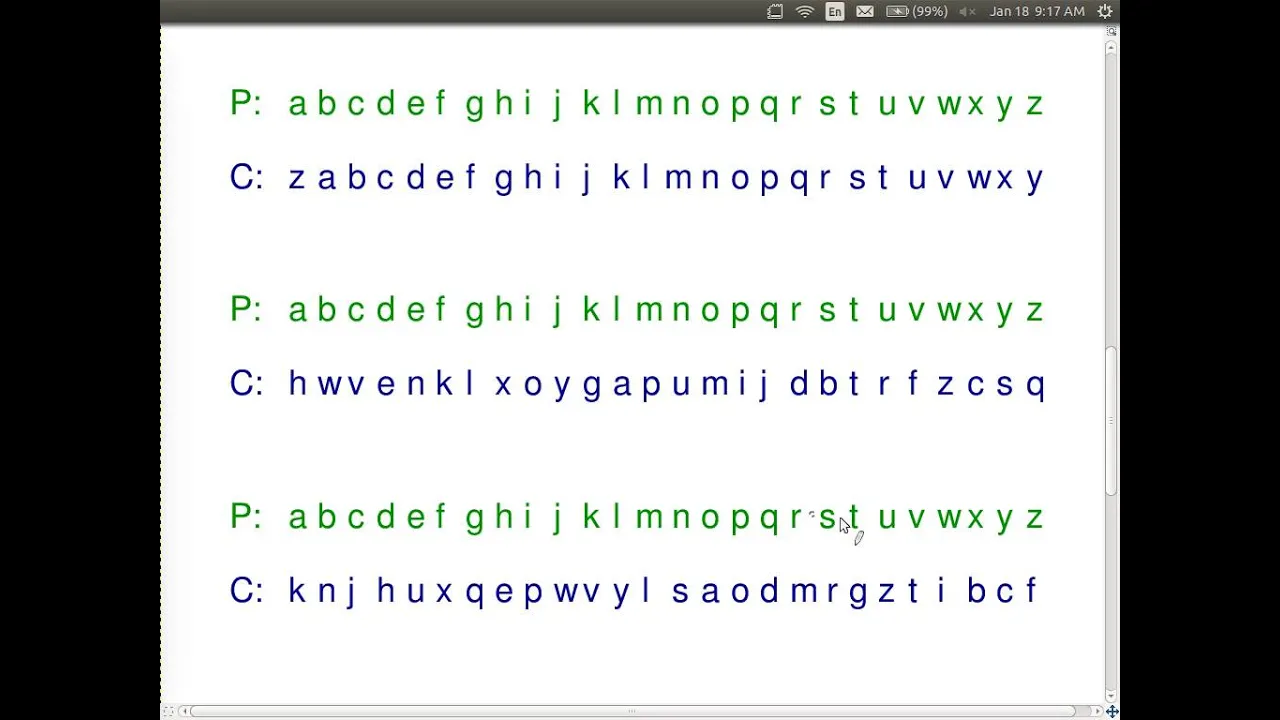
Imagine Alice and Bob decided to communicate using the Caesar Cipher First, they would need to agree in advance on a shift to use-- say, three.
So to encrypt her message, Alice would need to apply a shift of three to each letter in her original message.
So A becomes D, B becomes E, C becomes F, and so on.
This unreadable, or encrypted message, is then sent to Bob openly.
Then Bob simply subtracts the shift of three from each letter in order to read the original message.
Incredibly, this basic cipher was used by military leaders for hundreds of years after Caesar.
JULIUS CAESAR: I have fought and won.
But I haven't conquered over man's spirit, which is indomitable.
SPEAKER 1: However, a lock is only as strong as its weakest point.
A lock breaker may look for mechanical flaws.
Or failing that, extract information in order to narrow down the correct combination.
The process of lock breaking and code breaking are very similar.
The weakness of the Caesar Cipher was published 800 years later by an Arab mathematician named Al-Kindi.
He broke the Caesar Cipher by using a clue based on an important property of the language a message is written in.
If you scan text from any book and count the frequency of each letter, you will find a fairly consistent pattern.
For example, these are the letter frequencies of English.
This can be thought of as a fingerprint of English.
We leave this fingerprint when we communicate without realizing it.
This clue is one of the most valuable tools for a codebreaker.
To break this cipher, they count up the frequencies of each letter in the encrypted text and check how far the fingerprint has shifted.
For example, if H is the most popular letter in the encrypted message instead of E, then the shift was likely three.
So they reverse the shift in order to reveal the original message.
This is called frequency analysis, and it was a blow to the security of the Caesar cipher.
Up Next

9:47
Data Encryption Techniques: CompTIA Security+ SY0-701 1.4
@professormesser
308.9K views•2023-11-02

12:54
Triumph of Orthodoxy Icon: Byzantine Art & History Explained
@BenCallan
2.1K views•2024-08-06

8:21
Cerebral Cortex Structure and Function | MCAT Biology
@khanacademymedicine
752.4K views•2014-04-25

1:42
Game of Thrones Opening Credits: A Cinematic Analysis
@gameofthrones
46.3M views•2011-04-18
Related Study Plans & Knowledge Roadmaps
Structured learning paths in General & Interdisciplinary Studies
general-studies
Elevator Engineering: History, Physics & Cities
01From Hoists to Safety Brakes: The Dawn of Vertical Lift
02Hydraulic vs. Traction: The Engineering Physics of Elevators
03Modern Speed, Safety, and Algorithms
+ 2 more learning modules
12h5 modules
Explore Roadmap
general-studies
Rubber: Material Science, History & Geopolitics
01Origins of Natural Rubber & Mesoamerican History
02The Chemistry of Natural Rubber & Vulcanization
03The Geopolitics of the Rubber Boom & Colonization
+ 2 more learning modules
12h5 modules
Explore Roadmap
general-studies
Containerization: Evolution, Logistics & Trade
01Ancient Trade & Bulk Cargo: Amphorae to Barrels
02The Industrial Revolution & Cardboard Packaging
03The Containerization Revolution: Malcom McLean
+ 2 more learning modules
12h5 modules
Explore Roadmap
general-studies
Textile Tech: Evolution, Labor & Global Impact
01Pre-Industrial Textiles: Handloom & Cottage Industry
02Mechanization: The Spinning Jenny to the Power Loom
03The Factory System & Global Labor Transformation
+ 2 more learning modules
10h5 modules
Explore Roadmap