


















Encryption protects data through various methods: data at rest uses full-disk encryption (BitLocker, FileVault) or file-level encryption (EFS), databases employ transparent or column-level encryption, and transport encryption secures network communications via HTTPS or VPNs; successful encryption requires both parties to use identical algorithms, and security relies on keeping private keys confidential while longer key lengths (128+ bits symmetric, 2048+ bits asymmetric) and key-stretching techniques help prevent brute-force attacks.
Data Encryption Techniques: CompTIA Security+ SY0-701 1.4
Added:Fundamental understanding of the CIA Triad (Confidentiality, Integrity, and Availability), specifically how encryption supports confidentiality.
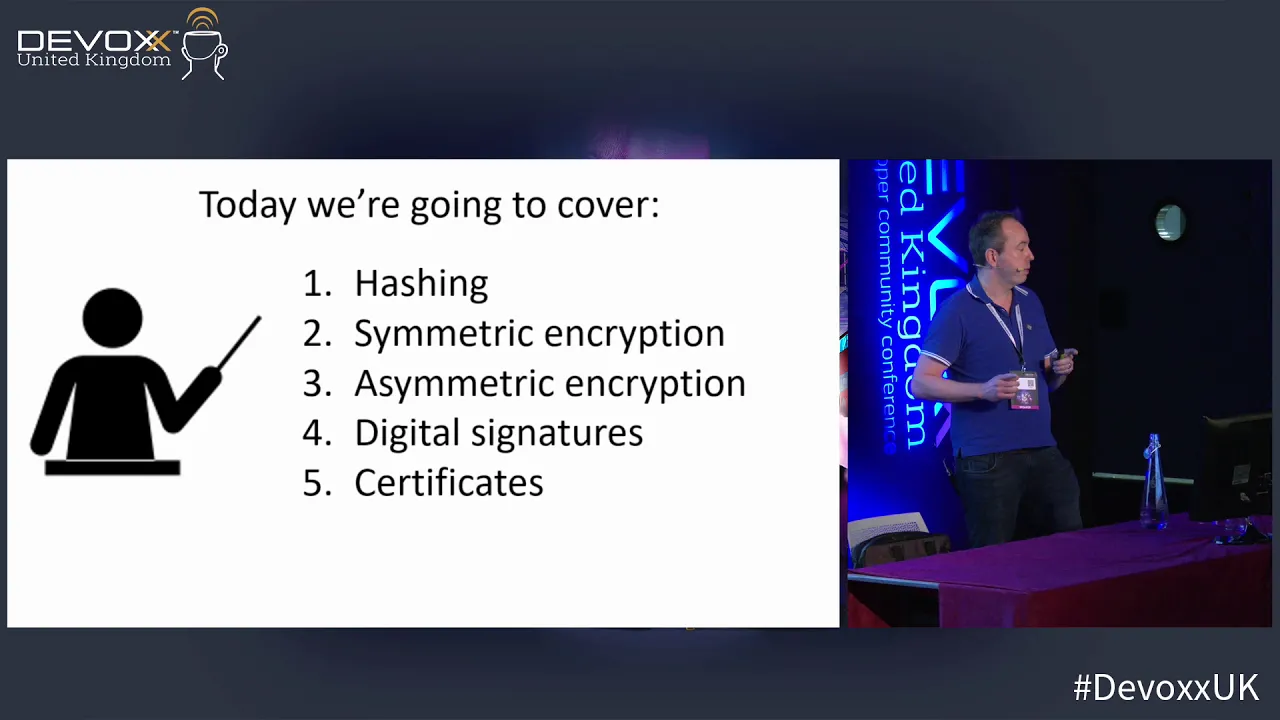
The conceptual difference between symmetric encryption (using a single shared key) and asymmetric encryption (using a public/private key pair).
Basic knowledge of the three states of data: Data at Rest, Data in Transit, and Data in Use.
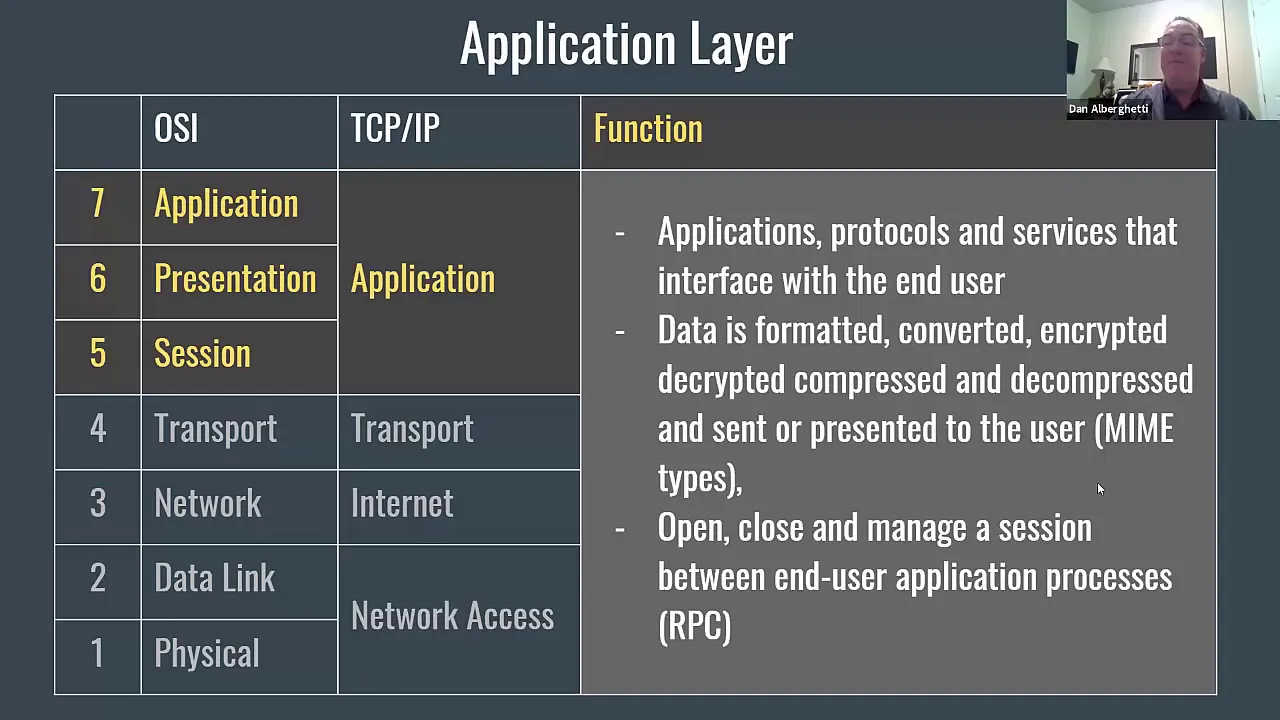
Familiarity with foundational networking concepts, including how data travels across network layers.
Public Key Infrastructure (PKI) and certificate management, including the deployment of Certificate Authorities (CAs) and trust chains.
Implementation of secure transport protocols in enterprise networks, such as configuring TLS, IPsec, and SSH.
Enterprise Key Management Lifecycle, including the secure storage of cryptographic keys using Hardware Security Modules (HSMs) and Trusted Platform Modules (TPMs).
Analysis of cryptographic attack vectors, such as brute-force, birthday attacks, and man-in-the-middle (MitM) attacks.
Exploration of advanced encryption concepts, including Quantum-Resistant Cryptography and Homomorphic Encryption.
308.9K views2.7Klikes9:47Original Release: 2023-11-02
if you need to protect data that you're storing on an SSD a hard drive or any other type of storage device then you'll need to work on encrypting all of this stored data sometimes you'll hear this referred to as encrypting data at rest this includes not just individual files that you might have on these storage devices but in some cases everything that's on the storage devices using full dis or volume level encryption in the Windows operating system you may be using bit Locker to Lish this if you're using Macos you may be using file Vault and other operating systems have other ways for encrypting everything on a single volume you might also need to encrypt a single file that is on a system and not the entire volume in Windows you can use EFS this stands for the encrypting file system it's a file level encryption that's built into the NTFS file system and if you're using Mac OS Linux or even Windows there are many third-party utilities that can perform a a similar function in Windows you would look at the properties of a file or folder and inside the advanced attributes you can select encrypt contents to secure data to enable EFS a lot of the data that we use online is stored in a database and of course there are different techniques to be able to protect the data that's inside of these database files for example you may be able to configure transparent encryption this uses a symmetric key to encrypt everything that might be in that database and you would need to perform an encryption or decryption of that data each time the information is pulled from the database some of the information in your database might not be private or sensitive so you might have some data inside of the database that is protected or encrypted and other data which is still available in plain text here's an example of a table inside of a database this is an employee database that has employee ID numbers first names last names names and Social Security numbers of course you could encrypt the entire database by applying a symmetric key so that all of this data is now encrypted and you can see we have no idea what part of this may have anything to do with an employees name their ID number or their social security number but of course there's overhead involved in being able to view this information and every time we need to search through the entire database we would effectively need to decrypt all of the data Within that single database one way to avoid some of that overhead is to only encrypt a certain type of data in the database in this example we're performing column level encryption where the employee ID the first name and the last name are all displayed in plain text and if you needed to search for a name or search for an ID you can perform this very quickly without having to decrypt any other type of data but if you needed access to a person's social security number you would either need to decrypt the entire column or that single record to be able to gain access to that data another common place to perform this encryption is when we're sending data across the network we want to be sure that everything we're sending between two devices is protected and if someone does tap into this connection and view that data they wouldn't be able to make sense of any of those details for example you're probably using a browser right now to watch this video and all of the communication that's taking place in your browser is most likely using https which means that everything Travers ing the network is encrypted if you need to connect different sites to each other or need to connect individuals for remote access we commonly would use a VPN to provide this encryption this stands for virtual private Network and it effectively creates an encrypted tunnel where you can send all information into the tunnel to the other side and anything within that tunnel is going to be encrypted this is commonly used with client-based vpns using SSL or TLS and if you're connecting two sites together we commonly we use use IPC to provide that VPN connectivity to be able to have a successful encryption and decryption both sides must be using the same encryption algorithms this is the formula that's used to not only provide the encryption process but it also provides you with the way to decrypt that data on the other side generally both sides would agree from the very beginning to use one or more encryption algorithms so that both sides know exactly what to expect when information is received many times the enduser doesn't see the details of the algorithms that are being used but they know that they're using a particular application and they want to be sure the person on the other side is using a similar application so that the encryption and decryption processes will be compatible there are obviously advantages and disadvantages depending on what encryption algorithm you're using some algorithms have a better security level some work faster than others some have a more complex method for implement mation but once both sides agrees on the application that will be used for encryption and decryption everything else generally takes care of itself automatically usually the Security administrator will have a pretty good idea of what the requirements are for the users and they'll make sure that the proper encryption algorithms are used here's a good example of why it's so important that both parties in a conversation are using the same encryption algorithm these are very broad comparisons between the desk encryption algorithm and the AES encryption algorithm these stand for the data encryption standard and the advanced encryption standard you do not need to know the specifics of these block diagrams for the Security Plus exam but you can visually see that there are quite a few differences between both of these algorithms the desk encryption algorithm has five different steps which include breaking up the data into a left plane text and right plain text to finally come up with a 64-bit Cipher text you can see that AES Works a little a little bit differently where you take a plain text and a secret key add it to a cipher and finally get the cipher text there are also different versions of AES that can produce different levels of output you obviously would not be able to encrypt with desks and somehow decrypt with AES you have to be sure that you're using compatible encryption and decryption algorithms on both sides of the conversation here's another interesting part about encryption algorithms is we know exactly how they work the algorithms themselves are usually public you can read the code or look through the math and see exactly the process that occurs the algorithm is usually a very well-known thing in fact it makes the algorithm more trustworthy because we can see the math and the process that's used to create the encryption the one major piece of information that we don't have is the key and although we know how the algorithm works we still are not able to reverse engineer anything unless we have that key this is very similar to the way that a door lock operates we know how door locks work we know how to manufacture door locks we know what happens inside of a door lock when you put a key in but just knowing that information doesn't somehow allow you access through a lock door you have to have the proper key just as you do with encryption and decryption that key helps determine the final output if you're encrypting data or hashing data or creating a digital signature it's all based around that key and even though we have the algorithm and understand everything about the math you still need the key to be able to gain access to the data this is why we always tell you to keep those private Keys private if somebody gains access to your key they're able to use it on your door lock and now they have access to all of your data like anything else your encryption and decryption keys are subject to Brute Force attacks which means that an attacker could go through every possible permeation to be able to determine what a public or private key might be we can effectively prevent these Brute Force attacks from being successful by creating a very very long key in the world of encryption a symmetric key of 128 bits or larger would be very common and today would be very protected as time goes on and our processors become more powerful and we're able to tie many different processors together we may increase the size of our keys to make them that much more difficult to Brute Force this extension of the key links also applies to asymmetric encryption as well even though an asymmetric key involves complex mathematics surrounding very large prime numbers an attacker can still perform a brute force and it's not uncommon to see asymmetric keys that have a key length of 372 bits or even larger this means as time goes on we may have to create larger and larger Keys just to keep up with the changes in technology but there are some other things we can do to make our existing keys that much more secure and and one of the ways to do that is to perform the encryption process multiple times on the single type of data for example you may want to Hash a password then hash the hash of that password then hash the hash of the hash of that password and so on this is referred to as key stretching or key strengthening this means if someone wanted to Brute Force some data that's been encrypted multiple times using this key stretching method that they would need to decrypt multiple times to see if their brute force was successful and this adds an additional overhead and certainly would create more time during the Brute Force process
Up Next
18:00
Encryption Policy, Privacy, and Law Enforcement: The Going Dark Debate
@LastWeekTonight
14.3M views•2016-03-14

12:54
Triumph of Orthodoxy Icon: Byzantine Art & History Explained
@BenCallan
2.1K views•2024-08-06

9:49
FastAPI vs Flask vs Django: Choosing the Right Python Web Framework
@TechWithTim
302.5K views•2024-05-26

1:42
Game of Thrones Opening Credits: A Cinematic Analysis
@gameofthrones
46.3M views•2011-04-18
Related Study Plans & Knowledge Roadmaps
Structured learning paths in General & Interdisciplinary Studies
general-studies
Elevator Engineering: History, Physics & Cities
01From Hoists to Safety Brakes: The Dawn of Vertical Lift
02Hydraulic vs. Traction: The Engineering Physics of Elevators
03Modern Speed, Safety, and Algorithms
+ 2 more learning modules
12h5 modules
Explore Roadmap
general-studies
Rubber: Material Science, History & Geopolitics
01Origins of Natural Rubber & Mesoamerican History
02The Chemistry of Natural Rubber & Vulcanization
03The Geopolitics of the Rubber Boom & Colonization
+ 2 more learning modules
12h5 modules
Explore Roadmap
general-studies
Containerization: Evolution, Logistics & Trade
01Ancient Trade & Bulk Cargo: Amphorae to Barrels
02The Industrial Revolution & Cardboard Packaging
03The Containerization Revolution: Malcom McLean
+ 2 more learning modules
12h5 modules
Explore Roadmap
general-studies
Textile Tech: Evolution, Labor & Global Impact
01Pre-Industrial Textiles: Handloom & Cottage Industry
02Mechanization: The Spinning Jenny to the Power Loom
03The Factory System & Global Labor Transformation
+ 2 more learning modules
10h5 modules
Explore Roadmap