











![尹 대통령측, '공수처 영장' 의혹 '깜짝' 제기...공수처 "중앙지법에 尹 체포·구속영장 청구 안 했다" 반박 - 헬마우스, [권순표의 뉴스하이킥], MBC 250221 방송](https://i.ytimg.com/vi_webp/ZL4Bu-oP2Nw/maxresdefault.webp)


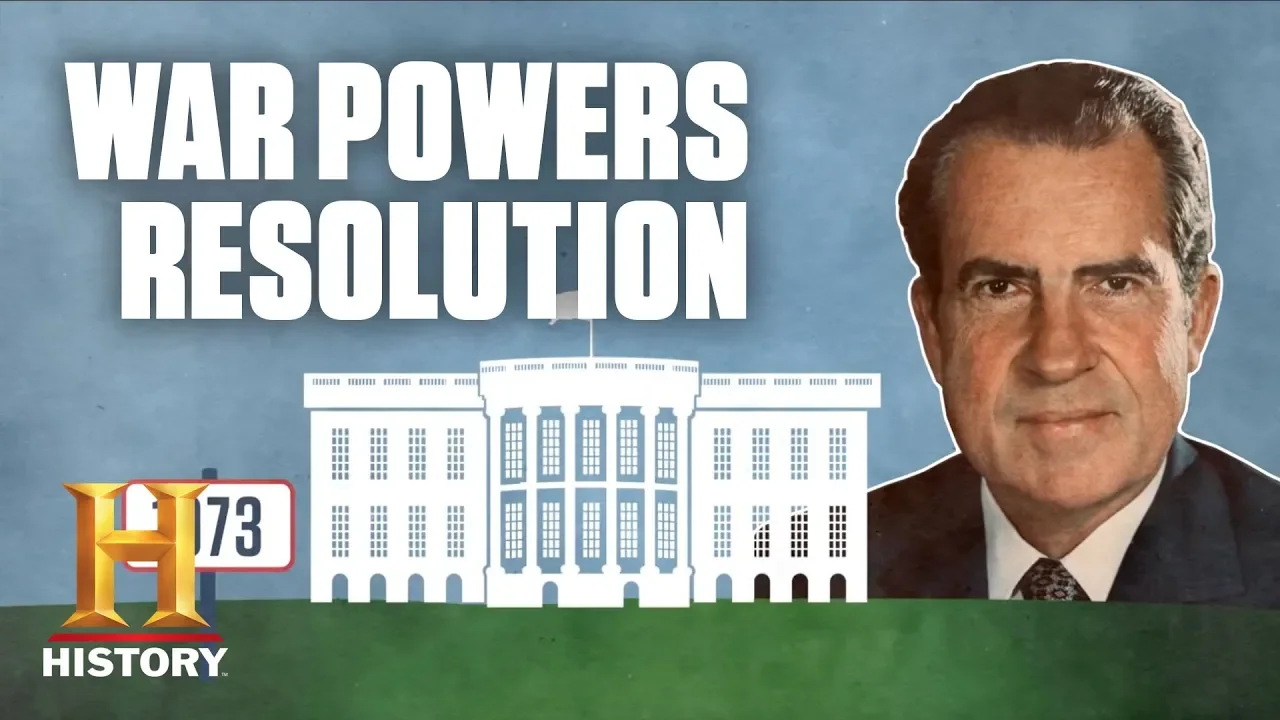


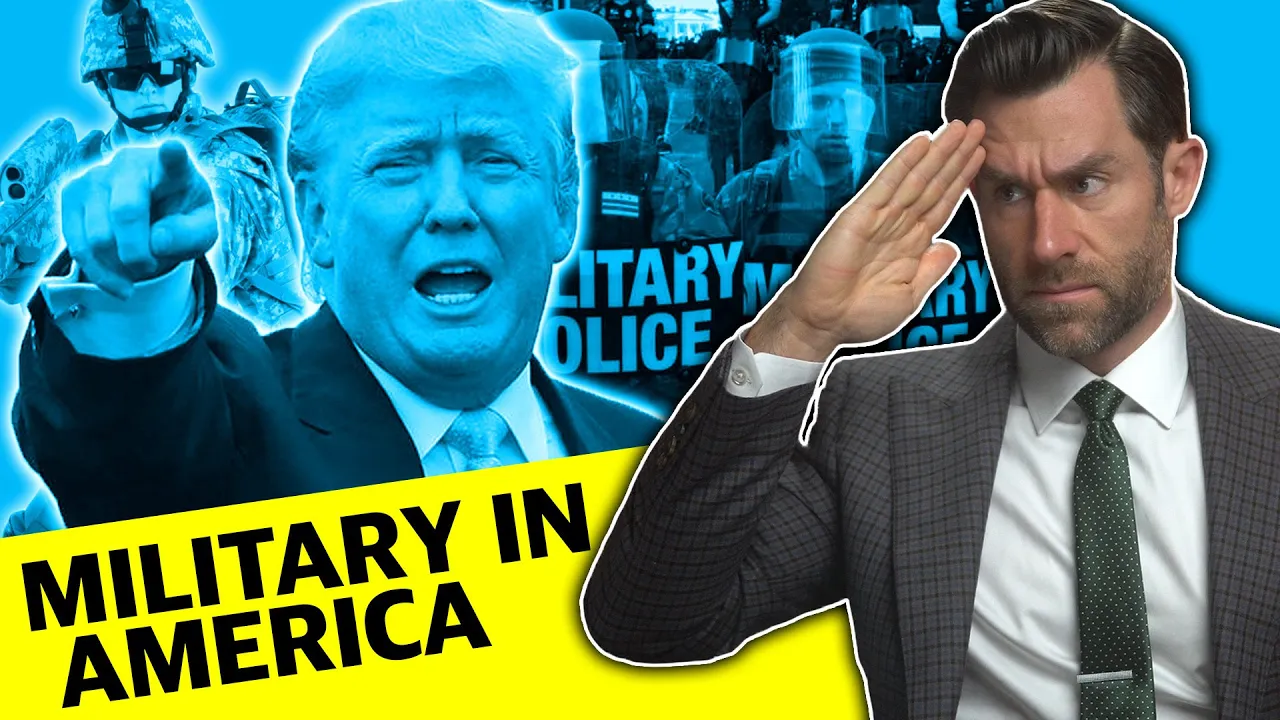
In the US system of government, civil-military relations rely on the rule of law, with military officers required to presume orders are legal but also to question illegal commands; however, when a president systematically removes legal advisors from the Justice Department and Pentagon, fires military lawyers, and uses the National Guard for domestic purposes, this erodes the constitutional checks on presidential power and transforms the military into a personal instrument of political control.
US Generals, Illegal Orders, and Civil-Military Relations
Added:The constitutional principle of civilian control of the military, specifically the President's role as Commander-in-Chief under Article II.
The oath of commission in the US military, which pledges allegiance to the US Constitution rather than to an individual political leader.
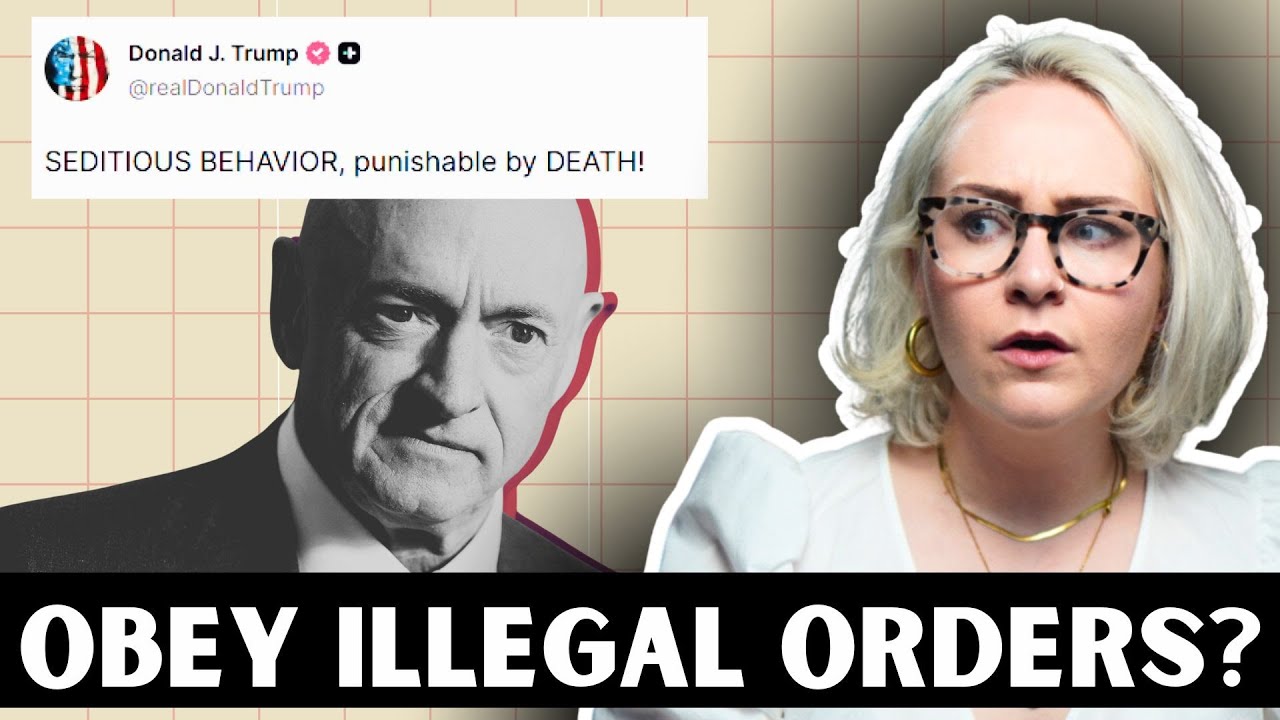
The fundamental legal distinction under the Uniform Code of Military Justice (UCMJ) between lawful orders and unlawful orders, including the duty to disobey the latter.
The basic structure of constitutional checks and balances, particularly how Congress and the Judiciary can limit executive authority during national crises.
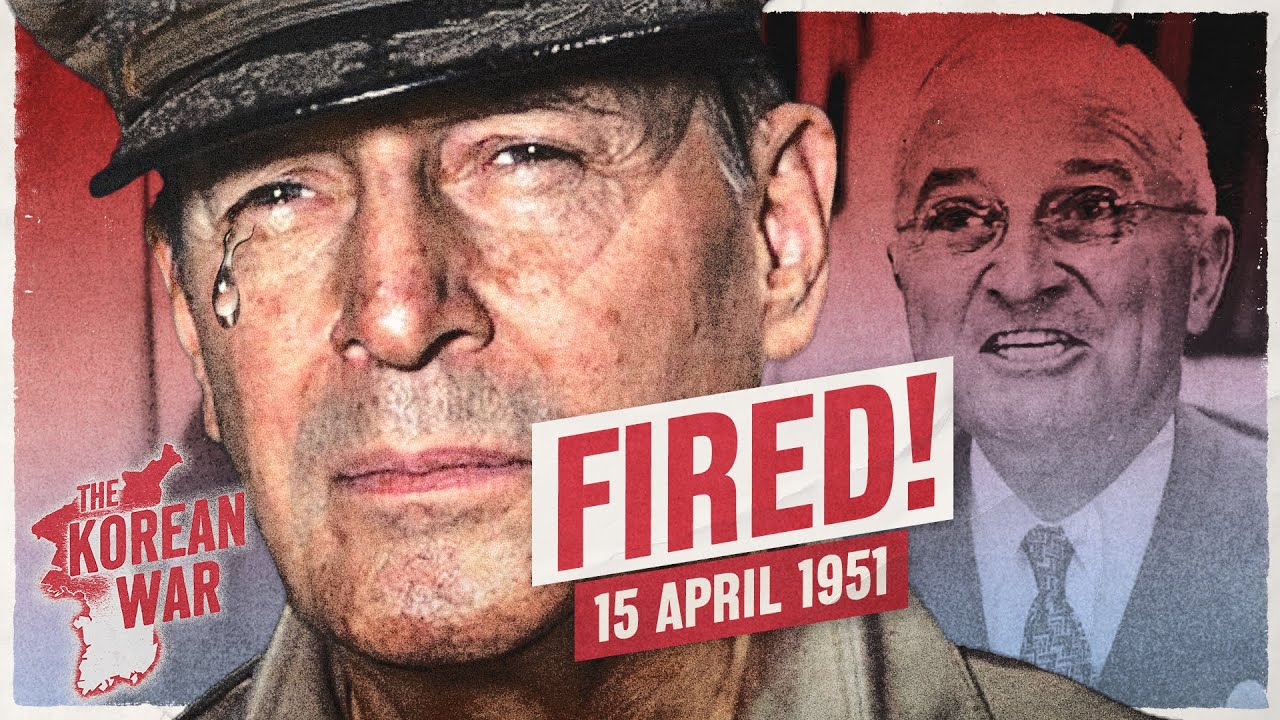
Historical case studies of civil-military crises, such as President Truman's relief of General Douglas MacArthur during the Korean War.
The legal and political boundaries of the Insurrection Act and the Posse Comitatus Act regarding the domestic deployment of military forces.
Advanced ethical frameworks for military leadership navigating 'gray-area' presidential directives that are politically controversial but legally ambiguous.
The evolution of the War Powers Resolution of 1973 and ongoing contemporary debates over executive overreach in military actions.
682K views19.9Klikes1:00:10Original Release: 2025-10-29
[music] [music] Hello and welcome to the David from Show. I'm David from a staff writer at The Atlantic. My guest this week will be my Atlantic colleague Tom Nichols. And we'll be discussing civil military relations in the United States as troops u march in American cities and as the United States appears to be sliding toward a unilateral unapproved by Congress war in the Caribbean.
My book this week will not be a book at all. It will be a play rhinoceros by Eugene Eugene Ionesco. Please stay to the end to hear a discussion of that play. But first, some preliminary thoughts about the week just passed and the week ahead.
There's so many outrages in the Trump years. There's so many abuses that maybe it's petty to fix on minor irritants, but there is a minor irritant that got caught in my craw. And I just want to ventilate a little bit about it. One of the more annoying and more pointless aspects of the Trump era is what I call politicized stupidity.
Politicized stupidity is a kind of aggressive not getting the point by people who are otherwise perfectly well equipped to getting the point. Genuine stupidity is is a misfortune um and is distributed by God. But the politicized stupidity is chosen and it's chosen for reasons. Let me give you an example of what I mean. So, President Trump has just demolished the east wing of the White House. He did this without any form of consultation um as if the White House were his personal property. and in order to build a giant ballroom that there's no demonstration of need for and that again he's treating as a point of personal property. He's choosing the design. There's no process of respect for historical or cultural integrity.
And he's financing this whole project.
We have no idea how much it will cost.
President Trump originally said $200 million. Now he's suggesting $300 million, but who knows what the cost will be. There weren't drawings. There weren't plans. It's being done on a kind of ad hoc basis. and the cost could well climb beyond the the startling figure of 300 to much more. And he is proposing to pay for this project that is chosen entirely by himself with no consultation by ex accepting donations from corporations and wealthy individuals where he he has people who have business before the government who seek favors before the government. Some of them have mergers that they're hoping for approval. Others are in the crypto industry that has received a massive government favor in the form of the genius bill and who are hoping for more favors. others of whom are in business with members of the Trump family. If the country needed a ballroom, then there should have been a a review process, a design process, and Congress should pay for it out of public revenues because it's the people's house, not Donald Trump's house. Okay, you get that. But there are people who insist on not getting it. There are people say, "Well, are you against ballrooms? Don't you think the White House ever needs renovation? Other presidents have renovated the White House in the past."
They don't get the point is not that you are for or against renovations. Of course, the point is and you are for or against um not treating the White House as a person's property, but there's a kind of deliberate refusal to get the point. And you see this in in many places in our public media.
It it it's the same when when um Donald Trump delivers a pardon [clears throat] to um a crypto criminal, a convicted crypto crypto criminal who has helped to enrich his family. Now, there have been other doubtful pardons by presidents in the past, and President Biden apparently used an autopen to sign some of his pardons, and maybe that's not maybe that's not ideal, but no one has ever pardoned people because they gave money to his family, his sons, his his relatives. No one has ever delivered pardons because he just seems to have a general attitude of being pro- white collar criminals. No one has ever said, "I'm pardoning this convicted fraudster congressman because I he always voted for my political party and always supported me." and that is the one and only grounds and basis of my pardon to this figure. But people insist on not getting that point. Biden used an autopen. Isn't that the same? No, it's not. Well, I refuse to understand why it's not. Or most recently, um, other presidents have applied tariffs in the past. And some of those tariffs have been discretionary where the president uses powers delegated by him to delegated to him by Congress to impose tariffs to and sometimes the the motives are are are not great. You know, I when I was in the Bush administration in 2001 and 2002, and one of the reasons I I left when I did was because I knew my next job I wrote economic speeches, my next job was going to have to be to write speeches defending President Bush's imposition of tariffs to protect the steel industry, which he was doing for domestic political reasons. And I I I just couldn't do it. And that's one of the reasons I left when I did, one of the most important reasons why I left when I did. So, presidents have done it before, but no one has made it the basis of his policy. And no one no one has ever said, "I'm imposing tariffs on one of our closest America's closest allies, Canada, because I'm upset that they made a TV ad that implied that Ronald Reagan was a better president than I am." And indeed, Donald Trump is not one one millionth the president that Ronald Reagan was. And so obviously it cuts to the bone. Um, but again, there are people, well, it's foreign countries shouldn't criticize American policy on American TV. They don't get the point. the stupidity is politicized.
Now, where does this come from? Well, part of the um the I think the reason for not getting the point is because the actual point is too big and too scary. Nobody wants to face what Donald Trump is and what he is doing to the United States.
Even those of us who who talk about it all the time, we don't want to face it.
It haunts our nightmares. But even though the point is big and scary, the point has to be faced and not denied through clever evasions. Sometimes people don't get the point because their boss demands they not get the point. I mean, if the boss, if your job depends on writing an editorial saying that the destruction of the East Wing and its replacement by a ballroom financed by favor seekers is just the same as President Obama replacing the wiring and water in the in the main White House with money appropriated by Congress. If your boss says you have to do that or lose your job, there are people who unfortunately will do as told rather than lose their job.
Sometimes the politicized stupidity originates in a kind of purist ultralleftist politics that is engaged in a quarrel with the mainstream Democratic party so overwhelming, so allencompassing to the people involved in it that they can't see anything else.
They're engaged in a petty factional dispute of ultralleft against mainstream and that is the only thing they're aware of or care about. Everything else is just too far away. And sometimes, unfortunately, and this is where it most irks me, the politicized stupidity originates in the need of a writer to seem clever with within some tiny invisible media clique where this is a different thing than all that writer's friends are saying. And so they say it to seem smarter than everybody else, to seem a little not as caught up in the true drama of our times to tell be able to have that kind of superior attitude to everyone else. You all are overreacting. I alone take the true measure of events. As I say, it it irks me. Now, it's just going to be true that in an administration that is doing thousands of things every year, hundreds of things every week, dozens of things every day, no matter how opposed you are to this administration, some of the things they're going to do are going to be things you don't necessarily object to. Um, I I can give you a list of things that this second Trump presidency has done that I don't object to. Some of them I support. I mean, yeah, there were genuine governance problems at America's elite and prestige universities, genuine problems with free speech, genu genuine problems with protecting Jewish students from abuse of action by anti-Israel demonstrators. That does not justify the administration saying, "Okay, we're coming after you using the process of law. We're disrupting funds to cancer research all unless your faculty agree to say the following list of things that we command them to say." I can be concerned by the things that they're doing that the universities that are doing that are bad without having to come up with some clever counter uh counterfactual uh counterinative uh ex justification for things that are obviously outrageous. We're all going to like something. But we have to keep our sense of proportion. We have to understand that the main thing is the ma main thing. And as I said, if if if God inflicted stupidity on you, it's not your fault. But don't choose it. That's just annoying.
And now my dialogue [music] with Tom Nichols.
[music] Tom Nichols is an expert on US military policy who taught first at Dartmouth College, then at the US Navy War College, Naval War College. A lifelong Republican, Tom Nichols has distinguished himself since 2016 as one of the first and truest of the never Trump Republicans. Since his retirement from academia in 2022, he has been a colleague at The Atlantic. You've seen him also on Morning Joe and many other TV shows. Three things you may not have known about Tom Nichols. First, Tom was a five-time Jeopardy champion. Second, he made a guest appearance as a bloiating cable news talking head on the fantastic TV show Succession. And finally, he earned his early living as a disc jockey, an accomplishment that qualifies him as an especially welcome and cherished guest at From Family Karaoke Nights. Tom, welcome to the David from Show.
>> Thank you, David.
>> Um, so you wrote this very important article for The Atlantic about the coming crisis in civil military relations. Um, this is a subject you've devoted so much of your academic life to. I want to ask you to sit on the other side of the table for a moment.
Imagine yourself, I don't know that such a thing could ever happen, but imagine yourself a a a malign and criminally intended president who wanted to remake the US military as a tool of personal power. How would you go about doing it?
>> Uh in this system of government in the United States, uh the first thing I would do is seize the Justice Department. And by seize, I don't mean being elected and nominating an attorney general. I mean, flushing out all of the people committed to the Constitution, the rule of law, uh, you know, the lawyers. Um, it's it's almost a trope now to to do the Merchant of Venice line, but you start with getting rid of the lawyers if you're going to do these kinds of things. Um, [clears throat] and you replace it with your cronies.
Um, you replace it with people that are going to be loyal to you. You basically undo everything that's been done with the Justice Department over 50 years. So the first move at the Pentagon is not at the Pentagon. It's across the river at the Justice Department.
>> Exactly. Because if you're a military officer, the ne the per the people you're going to want an opinion from are lawyers, which is the next step, which is you not only get rid of the lawyers at the Justice Department, you do what Trump's already done. You get rid of the top lawyers at the Pentagon.
Um look, the rule of law requires lawyers and people to interpret the law.
And the first people you have to get rid of are anybody who says, "My loyalty is to the rule of law, the statutes as written, the constitution, and not to Donald Trump."
>> Because our hypothetical military officers will want advice about what is illegal and what is an illegal order.
>> They're already asking.
>> And who do they turn to? If you have a practal or an illegal order, who do you ask?
Well, you would ask the top legal service advisor in your uh branch, but Hex Seth and Trump have fired them all.
So now you've got guys, there are people doing that job, but you and I both know from working in government when people have been when your boss has been canned and you're the acting guy or you've been suddenly elevated because people above you have been fired. That's not that's not a signal to you to be brave and innovative and daring, you know, about uh standing up for the Constitution.
That's that's the sign that's you're sitting in a desk that somebody else had who tried that and got fired. Um, so you might ask them. I can imagine some of these very senior officers are talking to friends or family attorneys or somebody because what's going on, you know, we could we'll be talking about I guess this is the handwave all this, you know, but all of this um I think is not legal. Um, so you you get rid of the you you capture the Justice Department, you fire the military lawyers, you insist on loyalty from the top commanders, which Trump thinks he has apparently with somebody like Dan Kaine. Um, and then you make sure to neuter the intelligence community so that foreign threats or plots or any other things that could interfere with um, elections in your favor are are left undiscovered or or uninvestigated.
>> Yeah. So um you don't have to remake the officer corps from top to bottom. You don't even have to uh replace start looking for sympathetic twostar generals to replace the three stars and sympathetic three stars to replace the four stars. you just cut them off from information and rely on natural bureaucratic inertia to make them obey you >> and and the chain of command because remember that officers are required to begin from the presumption of legality from with an order. um the the the system is designed to to make sure that the chain of command functions effectively. So that if you're a a colonel or a onear or two star, you have to assume that if the order has come down from the president to the secretary um the advice of the chairman, chairman's not actually in chain of command, but he gives advice. And by the time it gets to you, the assumption is well this must be legal because all these other guys wouldn't have ordered me to do it. So, if you get an order to blow up a fishing boat in the Caribbean or the Pacific, um it would be what you're you start with the Well, somebody somebody must have signed off on this. They must have >> somebody signed off. Exactly. And the and the place it should have stopped, of course, is the attorney general, the secretary of defense, um the chairman of the Joint Chiefs should all be standing in the Oval Office saying this, you can't do this. This isn't legal. This is a violation of both American and international law. And if the president says, "Well, go ahead. Just do it."
Well, by the time it gets to that, you know, that lieutenant commander in a helicopter or flying piloting a drone, he or she's already saying, "Well, as you just said, David, you know, somebody must have signed off on this." Well, the president of Colombia has charged that at least one of the destroyed boats uh was a fishing vessel with completely innocent people aboard. Now, the present president of Colombia is is kind of a flaky character. um and uh certainly someone with strong anti-American feelings. So um take that as it may. On the other hand, it's a it's a would be a pretty bold lie to tell that it's a fishing boat because the United States could refute it and President Petro in Colombia is operating in an unsympathetic Colombian political system. He's quite unpopular. Colombia is a country that normally tilts toward the right um that values cooperation with the United States. um where public opinion would be if it would be not inclined to be super nationalistic about the United States killing even Colombian national drug traffickers if they really are. So it would be it would be a bold lie to tell if it if it is a lie. Maybe it's a lie. But if it's true, if the United States has killed at least one innocent boat with these so far eight at least that we know of attacks, what are the legal implications of that? What are the consequences that would follow? I am well this is where I take pains to point out I am not a lawyer um but in international law um [clears throat] if it's proven then you know the normally what would happen is the president of the United States says oops our bad here is an apology and restitution um because that's you know we have had incidents like that and we shot down an Iranian airliner uh in a war zone where um a a ship skipper you know, misread the the >> 198 1980 something >> uh 88 it was the Vincen shooting down a uh and we said uh here's some restitution uh without going too deep into whether we were right or wrong about it. So the international consequences aren't aren't s I mean we're the United States. I mean we defy these things kind of at will and we have I you know >> okay but let I don't want to talk so much about the international implications here the domestic system.
So now um you're the operational commander with responsibility for the Caribbean. Um and you have an idea that at least one of the eight boats you killed was completely innocent and the people aboard were innocent and maybe you you you're not so sure and you don't really have great information on the other seven and now you're asked to kill a ninth with all aboard.
>> That's where I think it gets interesting. Yeah.
>> What what what does that operational who what does that operational commander do?
The problem is that when it gets down to the level of the operational commander once again he says well >> somebody must have figured this out.
Yeah, >> the question is why isn't this being stopped at the three and four star and >> CJ who has that who has who should be the person who is raising is it a fourstar is it the commander of the joint chiefs who's uh uh we know what we know what Trump is and unfortunately we also know what um the secretary of defense Pete Hegath is um and I guess it would be originally Pete Hexath job but if if if the the secretary of defense and the the president and I call him the secretary of defense because that's his title in Yes, thank you.
>> Um, you know, he can call himself what he can call himself the secretary of war. He can call himself the secretary of partying. Um, uh, the latter title equally accurate, but the the statute that Congress laid down in 1949 says that it's the Department of Defense, the Department of Secretary of Defense, you you have a quarrel with that. Go rename it at the congressional level. It's a statute. But the secretary of partying as he as he might be called um if if he decides he uh he's the person who should have this mission but if he fails who is the next person to say I I think we may be killing some innocent people here.
>> The I would think it's the chairman.
It's the chairman of the joint chiefs.
He is the president's top military adviser. That's why he's there. He is supposed to be the most senior military officer in the United States advising the president on these issues. He is not actually in the chain of command anywhere. Um this came up when Mark Millie got everybody together during uh January 6th and said now you know we're all we all understand our jobs right he wasn't ordering anything but he was convening his colleagues to say as the president's top adviser we all understand we're doing here that should be General Kaine now the thing is Donald Trump learned as we painfully know he learned from his first term he's making sure that there wasn't there isn't going to be anybody in that room who's going to say, "Mr. President, it's a bad idea.
What you're doing isn't legal." Um, and my I suppose the other person that should be there given the the branch having to carry this out is the Secretary of the Navy. But as we know, the Secretary of the Navy has never been in the Navy, has no military experience.
Um, the these people were all chosen to say, "Yes, Mr. President, whatever you think is appropriate." And the problem, David, is that what that ch to go back to your point about the domestic environment is that the chain of command rely the it's it's really not supposed to get to some, you know, lieutenant colonel or commander on a ship to say, "Wait a minute, wait a minute. I don't think this is legal. I don't think this is constitutional."
>> How does the National Guard fit into the chain of command? We remember in first term Trump wanted to use the National Guard or other military personnel to shoot um de lawful demonstrators. Um uh he suggested shooting them in the knees.
Um uh now we have National Guard in patrolling the streets of Washington DC.
They were in Los Angeles. I I don't know if they've all been withdrawn from Los Angeles. I think most have. They're in Chicago. Um uh supporting ICE, which is on on a kind of lawless rampage. There's talk of sending them to San Francisco, although that maybe that's off the table. How do they fit into the chain of command? Who's uh who has the mission of saying the National Guard should not be shooting demonstrators?
Once again, I think it's and and we know this again from the first term. In the first term, it was the secretary of defense and the chairman again walking in and saying, "Mr. President, don't do this. This is a bad idea." Um, the the National Guard answers to the governor of the state they're in until the president or orders them federalized.
And of course, that's been the source of multiple court cases, some of which the Trump administration keeps losing or or there keeps running into injunctions because you can't just do it as California has sued.
>> You can't just do it as an act of power.
You have to show some base, >> right? You can't just say today I feel like nationalizing the federal guard um the National Guard, excuse me. Um, however, even in the in the past, back in the 80s, um, [clears throat] Massachusetts, I I used to work on the Massachusetts National Guard issue. So, it's kind of this bit of lost history. U, Massachusetts tried to tell the federal government, no, uh, our guys are not going to go down and do training that could possibly be involved with overthrowing, you know, with the Contras and the Sandinistas and all that stuff.
And they were overruled. They said once, you know, if the president if they're if they're in federal training, the you the governor of Massachusetts can't decide where they train or what they do. The president has huge amounts of latitude here, which is why he's going after the National Guard because obviously when he talks about using the regular military, then he has to talk about I mean that is we've run into posit and the insurrection act. That's why I think he's talking about invoking the ins insurrection act >> because one of the long-standing principles of the United States is the military does not do law enforcement.
>> Right.
>> And u and this was grounded in a series of statutes. The posi commatatus the present law I think I forget when it was passed but it's quite an ancient law right >> civil war era something like that.
>> Yep.
>> Um and it says >> it's a it's a it's an old American tradition. Let's face it, David, going back to the founders. It's an old American tradition not to have a big standing army. That's that's a 20th century innovation. I mean, before World War II, American soldiers were training with sticks because we would mobilize and then demobilize. So, this notion that we have this large standing army is already would already be kind of, you know, making the founders jumpy. But the idea that you just put them into the streets uh at will because you're you're pissed off is completely antithetical.
It's it's complete anathema to the American experience. So, I want to go back who has the mission. So, the um South Carolina or Texas National Guard is is called up, sent to a blue state um and is told something like um we think a lot of the people in this lineup in u in this swing suburb are probably illegal aliens and and we think they should be detained for 12, 14, 16 hours or whenever the polls close. Um so, you have the mission, your order is to go detain these people we believe are illegal aliens. I mean, they're Democrats. They might as well be illegal aliens. um detain them and hold them until the polls close. Who has the mission to say uh that sounds like kind of an illegal order to me?
>> Well, they're but they're being much more clever about it than that. They the mission to detain those people and to disrupt those operations goes to ICE.
And then the president says, this being a federal agency, I'm not using the military to detain any of these people. I'm simply using the military to protect these other federal agencies while they do their job >> of detaining everyone in the voting line.
>> Detaining everybody in line.
>> Yeah, >> it's very clever. It's they said [laughter] I'm we're not doing domestic policing. We're simply securing federal inst um federal installations, protecting federal employees because the state or the local municipality either can't or won't do it.
>> Right. No, I I think a lot of this I I've been arguing this I've written this for the Atlantic and I and now I I hear Democratic politicians talking about it.
The game has always been um to disrupt the 2026 elections. Um because >> uh because Trump is doing stuff that is so illegal and exposes them to so much jeopardy, personal jeopardy. Um you know uh take reaching your hands into the into the till and taking $230 million out and putting it in your own pocket.
um uh tearing down the east wing and then um uh uh taking collecting putting a collection plate around to people who have business before the federal government is who wants to build me a ballroom. The uh the Tik Toks I keep going on about this um I think Tik Tok is being sold for something like 1/3 to one quarter its actual market value to a group 80 the 80% stake in Tik Tok USA it's being sold to insiders at 2/3 3/4 off an instant windfall. um if there is ever an effect of Congress again, uh these things are going to be publicized.
There could be all kinds of jeopardy, including personal legal jeopardy. Um so he can't have that and it's it's a two seat margin in the House of Representatives. Um and so yes, you can gerrymander.
That's limited effort. The real prize is to find some way to disrupt the elections in the places where you're most at risk and and then repeat the 2024 experience of saying or 2020 of saying well there's so much doubt uh we have to well let's seat the Congress people we're sure of who are Congress people and let's put the others in obeyance for weeks or months until we settle all of this. And the last thing and um that as I'm sure you know is there is this um precedent from the 1980s that when all else fails when you have a contested seat in Congress and all else fails the person who ultimately makes the decision whether to seat it is the speaker of the house.
>> Um and the speaker of the house decides because the courts will not interfere.
It's a political question. They will not interfere in whether in the ultimate question of whether this candidate or that candidate is the true winner.
the the house is the judge of its own qualifications says the constitution. So we we have a big sort of illegal project being built and I'm just wondering where in the is is there any check interior to the system that will prevent this um project from being carried out.
>> I you know I I often think that the states and the cities can say with a show of force to say our police have this we're good we don't need you here.
um you know that that are state cops were good because I think part of Trump's project here Yeah. ICE is going to do I mean there and the way they're just draoning people into ICE who have no qualifications really is another tell I think and and creating this kind of paramilitary goon squad out of ICE. I mean, I I always thought of myself as an immigration hawk, and I'm I'm kind of reaching the defund ICE level at this point, but um I I think part of Trump's plan is simply to have these military forces during the election so visible that people just stay home, that they're just intimidated out of the public square, that you don't even have to arrest them, you don't have to have a big display of force. that that the goal of all of this political activity, um the goal of everything Trump is doing is to drive people out of the public square to say, you know what, the Wi-Fi is still working. There's still 150 channels on TV. You know, beer is cheap, gas is affordable. I I just I'm I don't want to deal with this. I I don't want to deal with all of this. And it doesn't really matter because the other thing I think that's that's the undertone of all this is look, it doesn't really matter who's in office.
They're all bad. Everybody's corrupt.
And so rather than use the military to inflict violence to stop the elections, you know, gerrymandering and voter suppression work in marginal elections, not huge turnout elections. And so what they're really trying to avert is a large Democratic turnout in places, you know, where that they they can pull that off. And I think you're right. I think I mean, look at what's going on right now with this representative from Arizona, uh, Grahalva.
I I think, you know, the speaker is just saying I'm if I have to keep Congress closed to not seat this person, that's what I'm going to do. And I I'll just add one more thing, David. I you talked about this kind of orgy of lawlessness here. You know, it's a cliche, but it really is just out of control. I I actually think a huge part of this is about the Epstein files. I really do. I think I think that I think that, you know, when this first became a thing, that's when Trump went into hyperdrive about throwing things against the wall just to see what sticks, what could distract us. And I mean, I hate TO I NEVER THOUGHT the Epstein files were important until Trump started acting like they were important. Then what's what what what could be in these files that that is worse than what we already have?
>> That's that's the only part of this that gave me pause. I figured he's beyond shaming. I mean, the man his shamelessness is his superpower and yet and this is why initially I said, you know, the Epstein files, you know, who cares? Um they're terrible and everybody knows they're terrible and everybody knows these guys were friends. But he's the guy. It's kind of like why did we think Saddam Hussein had WMD? Because he was acting like it, you know? Why do we think the Epstein files are radioactive?
Because Trump's acting like it. Maybe they're not. But I think this along with, you know, the tariffs going wrong, the economy in the wrong direction. I really think, and I think you're right.
I think it he knows that if and this is actually a hopeful sign. He knows that one election in 2026 could be the beginning of the end of all of this.
And for for them, that's an existential threat for Trump and his people. That's existential. And that's why he would say the military is the one institution that has to do what I tell it.
Now, that's not true as we know, but I think in his mind he thinks of the military as toy soldiers. Let's revert to this to this conflict in in um the Caribbean, the Pacific, and and Trump has mused about um taking it to to land.
And Venezuela seems to be target A.
Colombia has also been indicated as a target. Before Trump became president, there was a lot of talk about um from Trump allies, including the vice president. In fact, Trump was kind of a more cautious on this some of his allies of doing strikes inside Mexico. Um and uh so, and it is true there are cartel operations of different kinds in in in all of these these countries. Um how how um how much legal authority would a president need to start carrying out landbased land targeting of cartel operations?
>> More than he has now. Um, you know, I I was never a fan of these AUMFs, right?
The authorizations for the use of military force that guided us through the or that that were the in theory the constraint on the global war on terror.
But at least it was something. It was the president going to Congress and saying, "Here's what I want to do and I would like your authorization for it because now I'm going to spend money to do these things." That's the other part of it. Um and and because you you know you are the article one power and we need to be coordinated as the United States goes to war. Trump is arguing that I can simply determine a threat, point the military at it and say destroy this. That is not what article 2 says.
That is not what the constitution says.
And I I think first of all, can we just step back and say what happened to the guy who said I'm not going to start any more stupid wars like all my predecessors? I mean, we're talking about invading Central America, Latin America. I mean, it's it's it's it's bonkers. But I don't think that he has anything like the legal authority to do this. But that would require a Congress that actually meets and functions as a Congress.
>> You know, I think something people forget about these authorizations to use force um which replaced be before 1945 when the United States used military force on any scale, there was a declaration of war. Although there were a lot of police actions and especially in in Central America. Um and uh uh but usually uh and there are some that continue like the Philippines insurrection was pursuant to the powers that the president got from declaring war in Spain in 1898 and then there was the aftermath which was this long insurrection in the Philippines but he used the powers that were left over.
First President McKinley then president Teddy Roosevelt left over from the initial declaration of war. I think one of the reasons they went out of style after 1945 was declarations of war gave the president too much power and the Congress of the 50s and 60s said look we we these are going to be we're not fighting the Soviet Union we're fighting Soviet proxies we want to yes we want to give you certain military powers but we don't want to give you the power to nationalize the entire civilian economy the way you would have if we did a proper declaration of war whether it was Korea or Vietnam. So here's a much more limited grant of military power that is intended to protect the rights of the citizens from the vast powers the president gets with a declaration of war. Um but now we've that that game has gone into reverse is that the um that we have now a situation where presidents are asserting these or this president is asserting powers with no basis of any kind and congress doesn't want has not been asked even to give them any kind of authorization. Um and and and innocent people may be being killed. Well, in the past, the other way the president that presidents got around this was to say that they could that they were exercising force in accordance with treaty obligations, right? That and that is a legal out, right? I mean, how do you go into Vietnam, for example? You say, well, we are members of CEDO, Southeast Asian Treaty Organization.
This is an, you know, an alliance obligation. Treaties are the law of the land. The president executes the laws.
>> There was also an authorization, the Tonkan Gulf resolution, >> right? There was a there was a resolution, but the president can always say, you know, during World War, god forbid, there had been a World War II, I can send troops in under my obligations as a as America as a signatory to the NATO treaty. There is no treaty. There is no law. There is no I feel like I'm about to go all Al Gore. No controlling legal authority here that tells the president that he can just go kill people because he happens to think they're bad for our country. Um, I mean, why not, you know, why not counterfeits?
Why not bootleggers? Why drug, you know, pretty much anybody who who black marketeteers? Why not just start killing anybody that you happen to think, you know, is doing something bad to the United States? And I think he's doing this. I think the link between what he's doing overseas and the link to domestic politics is very clear. He's trying to establish the president that the military will do what he says, kill the people he wants killed and undertake the operations he wants undertaken no matter where they are.
>> Well, he's als and I think with the drug case, he's also trying to make Americans falsely believe as he often does that their domestic problems are the fault of of foreigners, >> of other people, right?
>> My my one of my favorite drug war stories is a story that is told both by Daniel Patrick Moyahan and by George Schultz in their respective memoirs. The story is that Daniel Patrick Moyahan, you probably know the story was was the the first federal drugs in the Nixon administration. That is there was Nixon created an office in the white house, office of national drug control policy.
Moahan was put in charge and he became known as the drugsar and uh in 1971 the United States executes the largest with in cooperation I think with the French police the largest drug bust in the history of the world to that date. The famous French connection that became the basis of the Gene Hackman movie >> Papey Doyle baby. So Moyahan is very excited when he gets worried and he commands a helicopter to take him to Camp David to brief the president personally about this tremendous victory. And as he gets into the helicopter, there is Secretary of Labor George Schultz with the big helicopter earmuffs reading the Financial Times and the Wall Street Journal and Mohan over the head helicopter communication device just gushes with enthusiasm. We've it we've just completed the biggest drug interception in the history of the world. And Schultz utterly un uninterested says congratulations. Nice job. You don't understand says Mahan.
This is [laughter] this is the biggest drug bust in the history of the world.
Good. Congratulations.
And my has a little hurt, a little crest fallen. And then he remembers before Schultz became went into government, he taught economics at the University of Chicago.
George, I imagine you think that so long as there's a demand for drugs in the United States, there will be a supply from somewhere. And Schultz now looked up interested for the first time and said, "There may be hope for you after all." But >> but I think what um >> I had I actually hadn't heard that story.
>> Oh, it's in both their memoirs.
>> It's a great story.
>> Um and and the point is Americans were dying in very large numbers from fentanyl overdoses in the teens. Um it came to a peak in 2020. Um uh and then thanks to different policies, thanks to the availability of of drugs that interfere with um drug overdoses, those numbers have come down a little bit. But it remains an article of faith uh to Trump and the people around him and especially to Vice President Vance. This is something that bad foreigners have done to Americans, not that Americans are doing to themselves. And if we can only punish the foreigners enough, virtuous Americans will not be lured into drug dependency. But that's of course not how it works. It's the demand that brings forth the supply. It's a domestic problem.
>> There was a great uh quip and I'm trying to remember who said it on um social media where somebody said, "Yes, you know, we're in danger from drug traffickers the way that my um cholesterol levels are in danger from Dairy Queen." Um you know, and I mean it is th this is something that we we seem to learn over and over again. You and I are both old enough to remember the first war on drugs, the French connection, then the war on drugs in the 80s, and then the war on drugs in the n and all it did was drive up the price of drugs and make it profit more profitable. But people in the way that you know that the heroin epidemic of the 70s, you know, you know how that ended.
It ended when a lot of people died from taking heroin and that was and that's what snuffed it out. the war on drugs of the I think we didn't use so much war on drugs analogy was the just the logic of the just say no campaign that was publicized by Nancy Reagan was that was an attempt to address demand like it's a triangle there are three there are three basic remedies or outcomes the drug problem one is you attack supply the other is the second is you attack demand and the third is you learn to live with the drugs and all of them are evil learning to live with the drugs means Americans suffer and die in preventable numbers Um uh dealing with the demand uh means that Americans go to prison um because you punish you punish both the low-level dealers and the users and the supply means that you end up at war with the rest of the planet and trying to put your fingers in infinite numbers of holes in dikes as the drugs flow in. Uh all of them are imperfect and sound policy begins with some kind of balance.
But the Trump policy is to say, look, we are going to blame entirely for suppliers and not only suppliers, but foreign suppliers and we're going to kill them and we are going to imagine this is doing something when of course, as George Schultz would tell us, >> because it's not about drugs. That's I'm convinced that this policy in Central America is not about drugs, David. I think it's about >> training the military to do bad things.
>> Right. It's it's not I don't think I don't think Donald Trump cares a wit about fentinel and drugs committing in the United States. I I think you know I think Donald Trump lives in a world where everything is graded in terms of how does this affect me and help me and help my political fortunes. I think you know he and other people I mean you know JD Vance knows better. I mean he tried to set up a nonprofit about this um and then kind of walked away from it. they these everybody knows that this is not the game and I think it's not just to blame it on foreigners which of course is a classic kind of MAGA world grievance issue right every bad thing that's if you're unemployed it's because of the Chinese if your kid is in the basement you know uh playing video games all day it's because of you know bad evil programmer somewhere if your kids taking drugs it's because of the Mexicans >> yeah or they also like to blame women if your kid's in the basement it's because no girl will marry him and we need to punish women some more to make them marry your feckless son >> to right and and then and then the next step is and the answer to this is always to militarize the problem that is I mean every time Trump seems to run into something he can't solve you you can almost see him saying well maybe the army can do this because again he's f I think there's two reasons for it one is he is he is childlike he is fascinated by displays of military power in the way like an 8-year-old is, but also he's figured out the whole rest of the federal bureaucracy can slow roll him, can can object, can rat him out to Congress. He is really counting on the military to be the people who keep his secrets. Oh, execute his orders, do what they're told. You know, this I [clears throat] would really like to know why this fourstar in charge of Southcom retired early.
you know that if if it was under protest, I think he should tell the nation.
>> Does does the does that person have have some kind of moral duty to be public?
Because the military creed is you go quietly and keep your counsel, maybe talk to your fellow forars. Um does do you think he has he has a duty to to do more?
>> I would say under most circumstances, yes, but not now. We are in, you know, an extreme situation. And if you've resigned because you think that you're killing people illegally, then your duty as an American citizen supersedes, you know, remember what George Washington said when we took up the soldier, we did not lay aside the citizen.
You know, you are first and foremost a citizen of the United States. And if people are getting killed, if if the president is turning the military into a hit squad, you need to say something.
And I'm I've been really upset about the fact that there's been a lot of that there. You know, you've seen it with and I I don't want to call out generals because I have never been a general.
That's a tough job. I wouldn't want to be responsible for hundreds of thousands of human lives. On the other hand, when these people enter the political sphere, I think they have a they have a responsibility to speak up. I I I one of the things that really bothered me and this was a bad sign in civil military relations. Um years ago, Jim Mattis was testifying before Congress and [clears throat] Tim Kaine was pressing him on an on an important issue and Mattis said, "Well, Senator, I'm not a political guy." Well, I'm sorry, but once you're a cabinet secretary and the Secretary of Defense, you're a political guy. You don't you don't get to say, "Well, you don't get to hold up the four-star flag and say,"I, you know, that's that's not me.
I'm just an operator. I'm just a, you know, problem solver." No. If you've if you have gone before the US Senate wearing civilian clothes and been and been confirmed as the Secretary of Defense, you're a political guy after >> or there was a reason why there used to be a law that said former generals could not become Secretary of Defense.
>> It was a good law.
>> Um, and and because of just just this this reason. Um uh if there are air strikes on the Latin American or Mexican main South American or Mex Mexican mainland um people are innocent people are certain to be killed because air strikes are so imprecise even the best um Trump from the beginning of his administration began flying drones over Mexican territory um without notifying the Mexicans. It was this was reported by CNN. and the Mexicans found out from American news media and then because of the enormous pressure on the Mexican government, they hastily gave permission for something that they didn't know about. But the drones they're flying are predators which can be armed and may be armed. Now, so far there have been no strikes and so far the reports are that the drones remain to date not armed, but that may or may not be true. That may or may not be up to date. Um, and sooner or later there may be a a predator drone strike inside Mexico. There may be a a bomber strike inside Colombia, maybe one inside uh Venezuela. At that point, we're into a bigger conflict. Well, when does uh is there anything inside the military that say I need to see some paper here, sir, from from Congress, from somebody?
>> I think we're past that point, David.
>> They're going to do it.
>> I think we passed that.
>> They're going to do it >> eight boats ago, >> you know. But now, I mean, if if [clears throat] he does the the thing is if you strike an unmarked boat in international waters, right? You can you can sort of slip under the kind of like, well, you can handwave away a lot of it's it's piracy. They were bad guys. We thought they were going to shoot at us.
You can you can make up a lot of stuff.
If you attack a sovereign nation and its territory, it's an act of war. I mean, I know, you know, there's a lot lot of divided opinion about whether we should have struck Iran. Um, I mean, I had I I of all the places that I have supported going to war, I I have always been really reticent about, you know, bombing a country of 92 million people that basically many of whom would be on our side given the chance. Same thing here. I mean, you could argue that Iran's a one-off. We did it under again some kind of non-prololiferation regime that gives us a kind of pushed open door in that region. attacking Venezuela or Mexico. There is absolutely nothing no legal cover for that. And I don't I don't know how Americans would respond to a president who said, "I'm going to keep us out of war." I don't know how the military is going to respond to a president said, "I'm going to keep us out of war." And now I'm ordering you into combat as a war of discretion to take out people who are not I'm going to sound like a political science professor here for a minute. people who are not actually state agents. These are attacking non-state actors in some way because they're drug dealers, right?
They're not the Venezuelan military or whatever. But what Trump, I think, will do, and I think there's two things that will come out of this. He'll say, "Well, the Venezuelan military was in our way or they tried to obstruct us when we were because you can make the argument that terrorists," because remember, Trump has declared these people terrorists. So there is this Schultz doctrine that says if they're in a third country and that country can't or won't do anything about them, you have some grounding for going after them, which is why I think he declared them that. But I think going back to the domestic environment, you know, the election will come up next year and Donald Trump's going to say, "How can you dare criticize me or anybody else when this country is at war and our brave boys are overseas, you know, fighting the the drug lords like Arnold Schwarzenegger and Steven Seagal hitting the beaches, you know, in commando." I wrote a dystopian novel a long time ago in which the like the background of the novel is this recur longunning war inside Mexico that no one can quite remember how the United States stumbled into but it can't find any way to get out of. Um and um as as Americans have discovered these these kinds of conflicts are easy to start hard to end. It's hard to define an end state. There's also I think a a real risk that is being read very underplayed which is um the major drug cartels have had a practice I'm no kind of expert but you can obser observe it of not hitting back um and certainly not hitting back on American territory um that it's just more trouble than it's worth and and they try to avoid tangling with Americans. You'll remember um an incident that happened two or three years ago where a group of Americans were um intercepted by a drug gang um at at the border. Um the the drug gang thought they were Haitians who were trying to cut into their drug smuggling business. Um they killed two but two but they they realized the other the survivors and they released them and then created send volunteered a bunch of low-level naros to saying we're so sorry we did it. We turned ourselves into the Mexican authorities.
Um they don't want to tangle with the United States but they have some capabilities if they ever did want to. I mean they could let off car bombs in the streets of Texas and California pretty easily. Um they don't. Um, and maybe they never would, but it's the kind of thing that if you had a process, somebody would be saying, "Have we considered what the other party's counter move to our moves are?" And it doesn't look like that kind of process is happening at all.
>> You know, I was talking with friends who have to um teach this stuff at both military and civilian institutions. You know, it's like, how do you teach the American national security process now?
There isn't one. It's it's whatever Donald Trump it's a it's all vibes, right? whatever Donald Trump feels at any given moment. And and the problem is that he has I mean it's a problem for us. It's it's an advantage to him that he surrounded himself with people who say I am anticipating that he wants to do this. I will always have a plan ready to say you bet, boss. I got a plan for striking Venezuela. And I can I don't think they've thought it through. I don't think they care about thinking it through, David. I think they want to be able to say America's at war. Anybody who opposes the president is a traitor.
>> Last question before I let you go with gratitude for your time. Greenland. The United States um must have a plan for invading Greenland. American troops are deployed to Greenland in in March of 1941 before the United States entered the Second World War um to sec um to secure Greenland against German use as a German hubot base. They operated with the approval of the local Greenland authorities. Denmark was then under Nazi occupation. So the Danish the Danish government was surely not displeased. Um but the uh and during the cold war there were always war games about well what if the Soviets made a move on northern Greenland. Um so there must be these plans and now what hap what what happens if you tell an American officer I want to carry out a military attack on the territory of a NATO ally. Do they raise an eyebrow or do they just do it? I don't think I think you know we you finally gotten to a scenario that is so crystal clear and maybe you know years of teaching military officers has made me too optimistic. I have to think that there are even at lower levels there are going to be officers who are going to say I'm not doing that. I'm not >> understand a treaty a treaty is a law.
>> Well and also they trained with these guys.
>> Yeah.
>> You know as you pointed out look we had plans during the during the cold war.
Yeah. we the the GU gap. Remember the you know the Greenland Iceland UK gap.
This was going to be where the Soviets were going to come pouring through >> or northern northern Norway. That was another >> right. We we were worried about having to secure Iceland Greenland and Norway you know rather than let that fall. In fact, Tom um the Tom Clancy book, Red Storm Rising, right? Big attack on Keelvik, right? Iceland becomes like the pivot, you know, upon which the world turns, you know. Um but but it wasn't it wasn't that dumb an idea because that's a really strategically important place.
But the idea that somehow the government of Denmark would say, "Thank you for your invitation to join Greenland. We have declined it." And the president says, "Size all these cities." And you know, small though they are, seize these bases, put the military, there are going to be military guys. I've had I've had Danes in my class, Danish officers, you know, sitting in my classroom. I mean, you're you're going to tell Americans, "Hey, that that captain that you trained with, you're going to have to blow them out of the water if they approach." I I just think that there I I would I want to believe that that an attack on a NATO ally would spark an internal revolt within the United States and the US military. I want to believe that. Will it happen? Um you know, it depends on how many people are watching TV at any given moment, I guess.
>> Um I'll leave you with this thought.
Secretary Treasury Bessant recently gave an interview, I think, on one of the financial channels. We talked about the American strategy on dealing with China and he said we're going to mobilize our allies to work with us. Mobilize our what our what they're there don't you don't have very there's El Salvador there's maybe Israel. There's maybe Russia. Um everybody else is waiting for the United States to attack them.
>> It's dismal.
>> Well, we're getting to the point, you know, I hate to say that I used to take pride. This is, you know, so much of this has been humbling for an Atlanticist and an American exceptionalist like you, like me. It's it's humbling to say, you know, we used to I I used to take pride in the fact that the Russians had no friends in the world and the Americans had plenty, right? Part of the reason Russia was always in the even after the Soviet Union, Russia was always in the mess it was in because they don't have friends.
They have clients. They have it's all trans. It's all very transactional.
We're becoming that. We're becoming this kind of friendless, powerful state that just has clients rather. I mean, I I I kept the NATO flag in my office because I felt like this was not just an alliance of convenience. I felt like this was a a a fraternity of free and democratic nations committed to an idea that they were willing to die for. And this president, and I still think, David, I want to believe it. I still believe that when this this man leaves office, if he leaves office, um that we can come back to that, we can recover our senses. But right now, uh the president, and this is a problem for civil military relations, the president is saying, "We don't really have any friends. We you have me, I'm the commander, and if I tell you to attack somebody that to whom we are bound by history and treaty, you're going to do it anyway." remember when he was asked about torture and in the first election and he said, "Well, if I tell the generals to do it, they'll do it."
>> Yeah.
>> Well, the military pushed back and said, "We we won't do that." And I think I think to this day, he didn't like that answer.
>> Yeah. Let's continue to believe it.
Let's continue to hope for it. Tom, thank you so much for making time for me today.
>> Thanks for having me, David.
>> Bye-bye.
>> [music] >> Thanks so much to Tom Nichols for joining me this week on the David from show. I am so grateful to him for joining and to you for watching. As I mentioned at the top of the show, my book this week is not a book at all but a play. Rhinoceros by Eugene Ionesco.
Ianesco was a Romanian-B born writer who lived much of his life in France and wrote mostly in French. He lived through the second world war in both Romania and France. The first half of the war in Romania and then in 1942 in France. He witnessed in the 1930s the rise of communism and fascism and Nazism and other extremist ideologies. And then he lived the experience of military uh occupation and dictatorship. In 1959 he wrote a play to make sense of the personality changes he had seen among the people he knew in the terrible era of the 1930s. That play was Rhinoceros.
Um, I'll start with the plot of the play and then tell you a little bit about my encounter with it. Uh, the play is set in a small French town by the sea. One by one and with no more explanation than that, one by one, the people of the town begin transforming into rhinoceroses, thundering, trumpeting, mindless beasts that move in herds that carry out destruction and have no regard for human life or human decency, human values.
Somehow, and for again no explained reason, the town drunkard Behringer is exempted from this transformation. Even as more upstanding citizens become rhinoceros beasts, eventually the human population of the town is reduced to just two people, Behringer and the woman he loves, Daisy. But even Daisy admires the rhinoceroses. She sees them as beautiful and mighty. Um, and she comes to lose respect for Behinger because he alone is is standing against them. They qu the lovers quarrel. Behringer strikes Daisy and with that she abandons him and uh in and in her anger she she too goes off to join the beast. Whether she will actually become a beast or not is left ambiguous but she is with the beast and Behringer is left alone.
I first saw this play as a boy in my mid- teens in 197475.
The play I saw was the movie version. Um you can still see it on on YouTube and other platforms starring um Zero Mustell and Gene Wilder as Behringer.
During the Trump years, I found myself thinking about this play more and more often because it often seemed that long-standing friends of mine were turning into rhinoceroses, mindless trumpeting beasts. And sometimes people were not becoming rhinoceroses, who quite surprised me, like Behringer, the very last person you would think would be a person of integrity and resistance.
I too saw this among some of the people I knew who I I was genuinely surprised.
I did not think it would be them, but it was them. Um, I read the play in text and I I was reading it again just just a little while ago because I had somebody very particular in mind as um in the rhinoceros category. When you read the play in the as opposed to watching the zero mustell Gene Wilder version, there's something very striking. Um, in the zero mustell Gene Wilder version, Behringer gives a final speech in a mood of defiance. He climbs to a tall building. He addresses the world and he shouts his resistance. It's much more ambiguous in the text of the play. And let me read you uh uh the concluding portion of the final monologue.
Behringer is alone. Daisy's abandoned him. And he says, "I've only myself to blame. I should have gone with him while there was still time. Now it's too late.
Now I'm a monster. Just a monster. Now I'll never become a rhinoceros. Never.
Never. I've gone past changing. I want to. I really do. But I can't. I just can't. I can't stand the sight of me.
I'm too ashamed. And he's been looking in the mirror here. He turns his back on himself in the mirror and he says, I'm so ugly. People who try to hang on to their individuality always come to a bad end. And then he gives his final erration. And you can imagine this being delivered in many different ways. Oh well, too bad. I'll take on the whole lot of them. I'll put up a fight against the whole lot of them. The whole lot of them. I'm the last man left and I'm staying that way until the end. I'm not capitulating. Now, you can play that defiantly, as Gene Wilder did. You can play it with resignation. You can play it with cynical humor. I think it's an ending that speaks to all of us in these dark times.
I'll take on the whole lot of them. I'll put up a fight against them to the end.
I'm the last man left. And sorry, I beg you. I I'll put up a fight against a lot of them. The whole lot of them. I'm the last man left. And I'm staying that way until the end. I'm not capitulating.
One of the things that struck me as I reread this monologue just before preparing this talk was there's no action plan here. One of the things that uh we're often asked in the Trump year says okay okay got it what's our plan and what you tell us is before the plan there's the moment of decision and unlikely people are going to have to make that decision but they have to decide I'm not capitulating and once that decision is made only then can the plan appear but again begins as a moral choice and that's a moral choice I'm counting on more and more Americans to make even those who for a time spent some time among the rhinoceros es or as rhinoceroses. Thanks so much for watching or listening to the David from show this week. Um I hope you'll join us again next week uh on whatever platform you choose, video or audio. Uh remember the best way to support the work of this podcast if you're minded to do so is by subscribing to the Atlantic. That supports my work and that of all of my colleagues at the Atlantic. You might also consider signing up for David from Alert on the Atlantic site which will let you know when I post a new article.
Again, thanks so much for being with us this week. Uh whether you're listening or whether you're watching, I'm David from See you next week. Bye-bye.
Up Next
70:07
Civil-Military Relations in Lithuania: Smetona Era 1926-1940 | Academic Lecture
@nationalfoundation7227
157 views•2024-09-26

24:30
BRICS Pay and de-dollarization: A New Financial Order Emerges? | 55 chars
@DannyHaiphongYT
164.6K views•2024-10-22

3:29
Why Third Parties Struggle in American Politics: Explained
@TheAtlantic
261.9K views•2016-06-20
10:19
Explaining the Saudi-Iranian Proxy Conflict in the Middle East
@Vox
18.2M views•2017-07-17
Related Study Plans & Knowledge Roadmaps
Structured learning paths in Political Science
political-science
Economic Statecraft: Sanctions & Chokepoints
01Foundations of Geoeconomics and Economic Statecraft
02The Mechanics of Weaponized Interdependence
03International Sanctions: Types, Implementation, and Efficacy
+ 2 more learning modules
12h5 modules
Explore Roadmap
political-science
Central Bank Independence: Politics & Policy
01Foundations of Central Banking and Monetary Policy
02The Time Inconsistency Problem & Inflation Bias
03The Delegation Model and Designing Independence
+ 2 more learning modules
12h5 modules
Explore Roadmap
political-science
Consociationalism: Power-Sharing & Stability
01Democratic Dilemmas in Divided Societies
02Introduction to Consociational Democracy
03The Four Pillars of Consociational Design
+ 2 more learning modules
12h5 modules
Explore Roadmap
political-science
Rebel Governance: Legitimacy, Economy & State
01Foundations of Rebel Governance and Statehood
02Establishing Political Legitimacy and the Rebel Social Contract
03Wartime Economies and Rebel Resource Management
+ 2 more learning modules
14h5 modules
Explore Roadmap