










![[이춘근의 국제정치 298-2회] 미국 2024년 대선전 개막 불사조 트럼프](https://i.ytimg.com/vi/s5HgBCmorwI/maxresdefault.jpg)




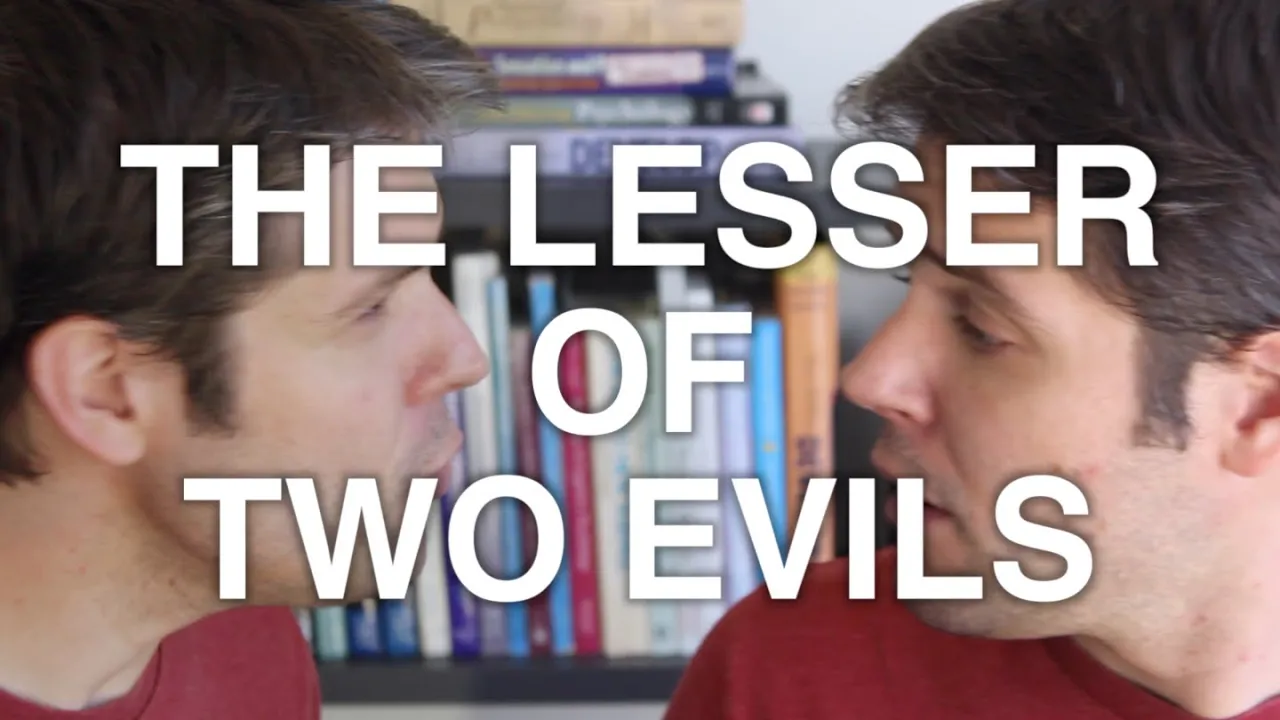


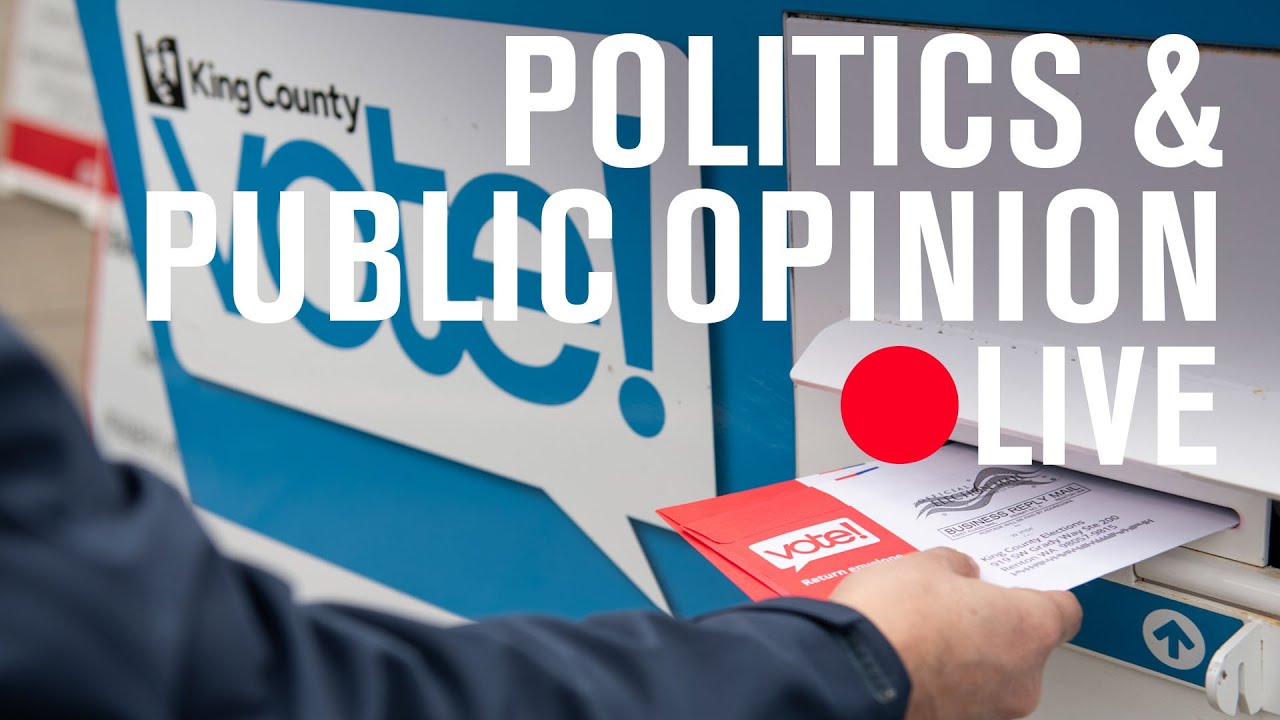


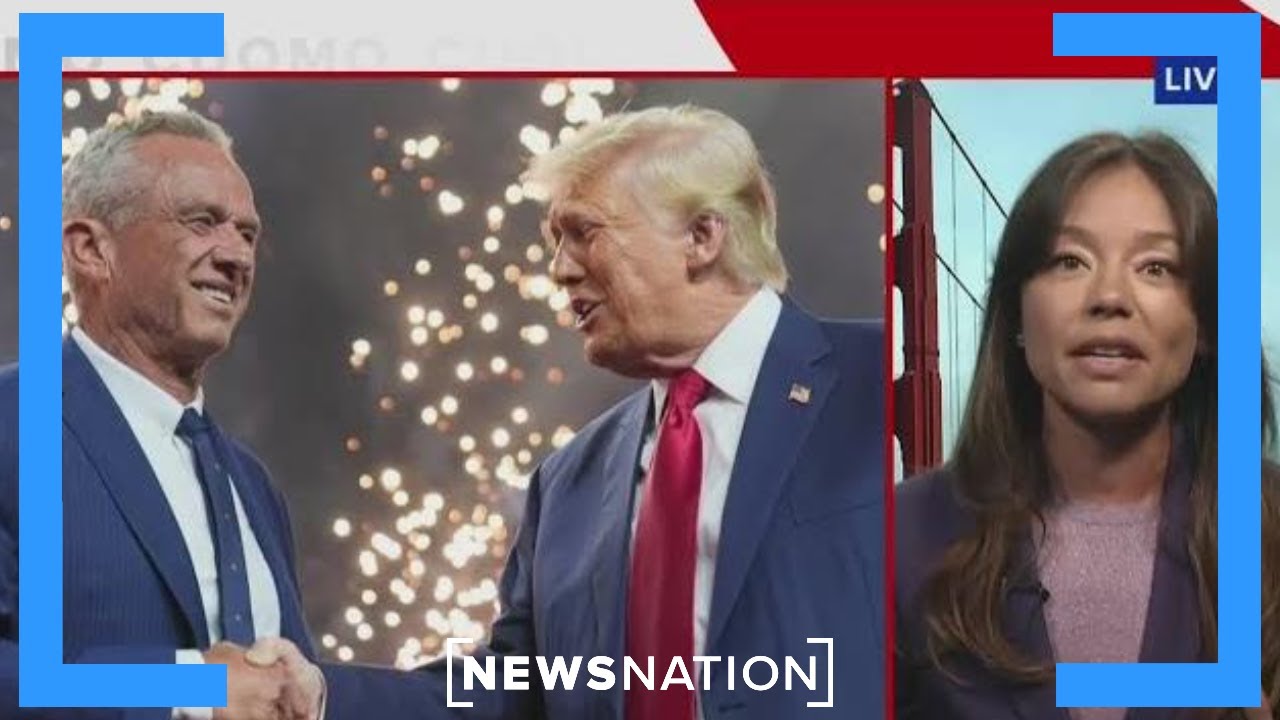



Third parties struggle to gain traction in the United States due to structural barriers including Duverger's Law, which predicts that winner-take-all electoral systems naturally favor two major parties; institutional obstacles such as debate qualification requirements (15% polling threshold) set by the privately controlled Commission on Presidential Debates; and financial constraints, as third parties lack sophisticated fundraising operations and federal funding eligibility until they achieve 5% of the vote, creating a self-reinforcing cycle that makes breakthroughs extremely difficult despite high voter dissatisfaction with major-party candidates.
Why Third Parties Struggle in American Politics: Explained
Added:An understanding of the standard U.S. two-party system dominated by the Democratic and Republican parties.
The concept of 'winner-take-all' (plurality) voting systems versus proportional representation.
How the Electoral College functions in U.S. presidential elections, including state-level delegate allocation.
Basic knowledge of ballot access laws and the decentralized nature of state-run elections in the United States.
Duverger's Law and its mathematical and sociological explanations for why plurality voting favors two-party systems.
Alternative voting methods and electoral reforms, such as Ranked-Choice Voting (RCV) and approval voting, designed to assist alternative parties.
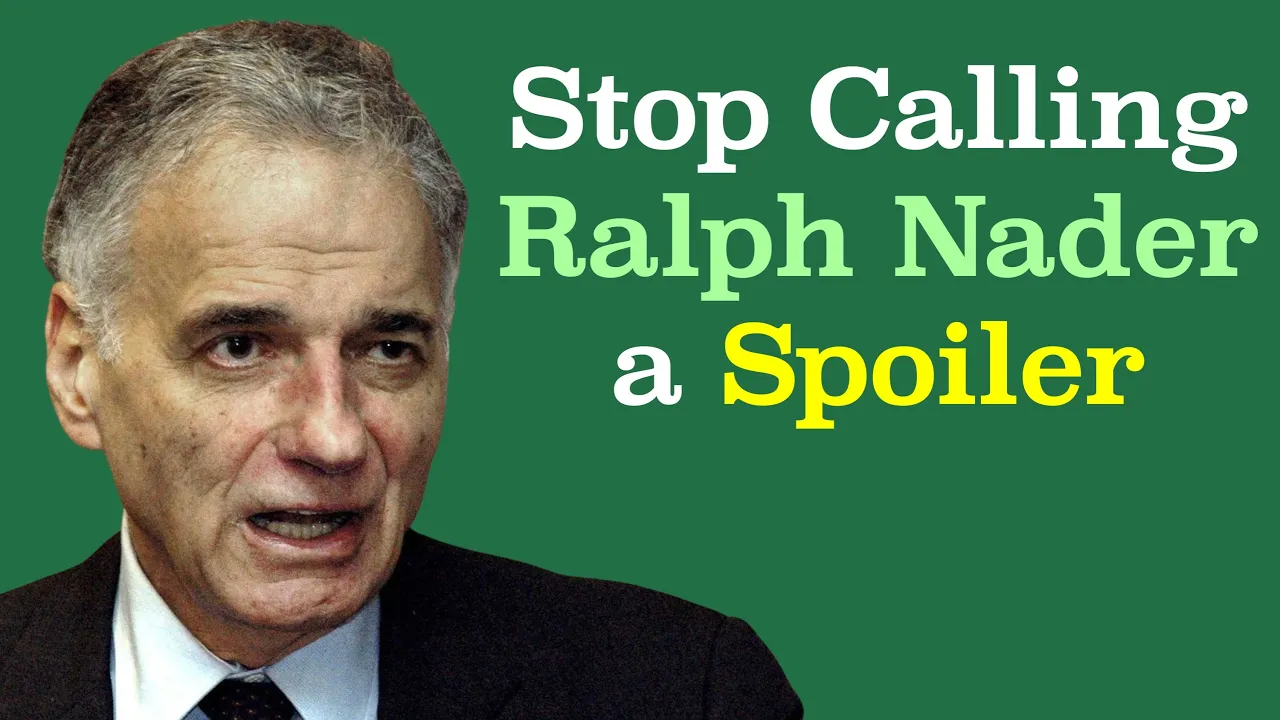
Historical case studies of influential third-party campaigns (e.g., Theodore Roosevelt in 1912, Ross Perot in 1992, Ralph Nader in 2000) and the 'spoiler effect'.
Comparative analysis of multi-party parliamentary systems and coalition government formation in other democracies.
261.9K views3.2Klikes3:29Original Release: 2016-06-20
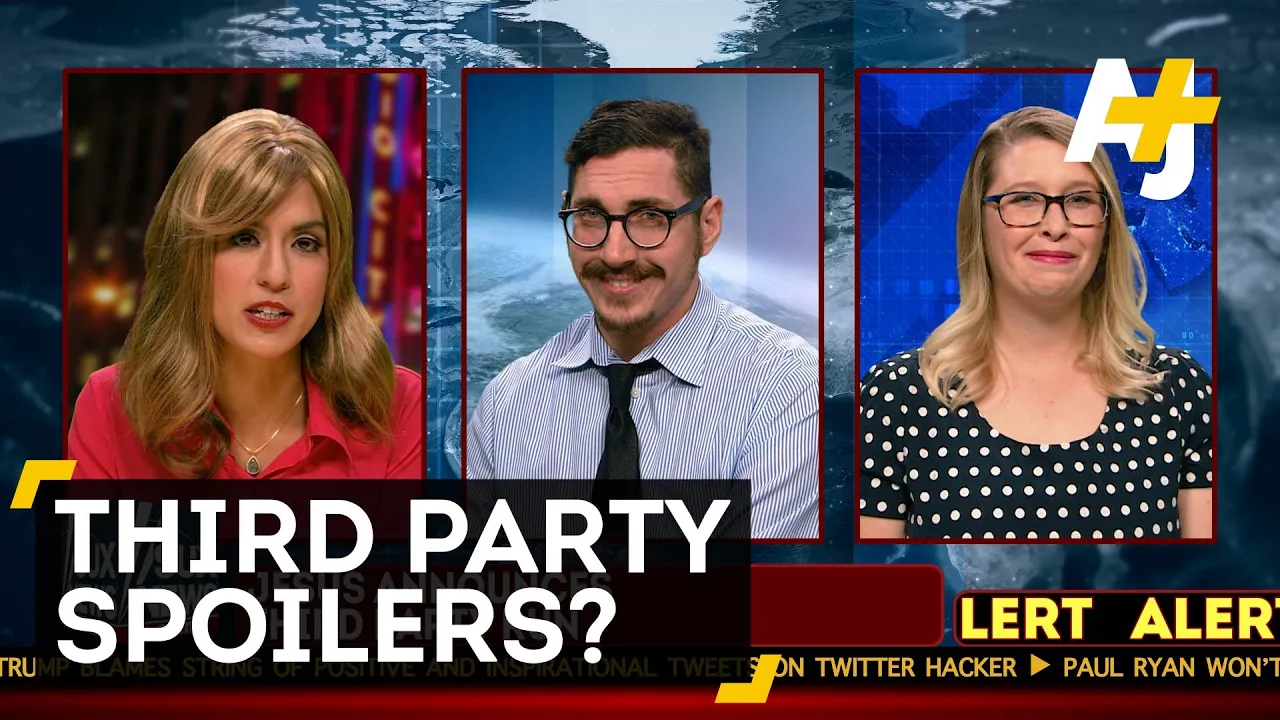
America's third-parties think 2016 could be their year.
And they might be on to something.
After all, in this electoral environment where the major party candidates have seen historically high unfavorability ratings some voters may turn to alternatives, like the Libertarian Party's Gary Johnson or the Green Party's Jill Stein.
But, even if the stars all align for these candidates the chances of a third-party breaking through are slim to none.
So, the question is: Why can't third-parties take off?
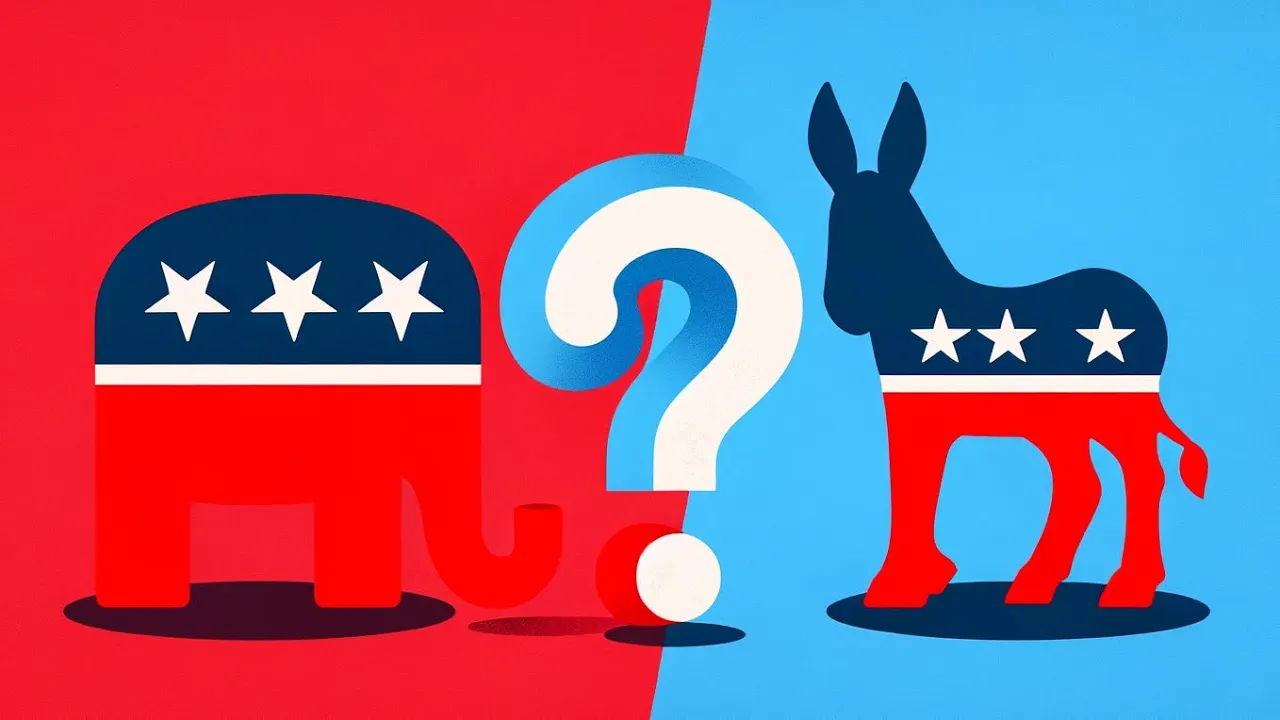
So first of all, why are there only two major parties in the U.S.?
It's been that way for a long time.
According to something called Duverger's Law in a country with winner-take-all elections like the United States, two major parties are bound to develop. Here's why: Imagine a hypothetical winner-take-all election in which a range of parties receive part of the vote.
Here, Party B wins the seat because it received the most votes, even though the majority of voters cast their ballots for other parties, against the winner.
Duverger's Law predicts that voters will see that outcome and behave strategically in subsequent elections, deserting the weakest party for more viable options.
Over time, the weaker parties are squeezed out leaving behind two major parties.
So, in other words: you're not always voting for the candidate you like or the one that really represents all of your views.
You're voting against the candidate you don't like.
Beyond voter behavior, there are institutional barriers in the current election system that make it difficult for third-party candidates to get more attention, and thus votes.
Presidential debates are hugely important for candidates looking to raise their national profiles.
Just look at what Donald Trump has been able to do this year.
But, the only candidates that typically qualify are Democrats and Republicans.
And who sets up the qualifying criteria?
A privately operated group called the Commission on Presidential Debates that's controlled by other Republicans and Democrats.
Among other rules, the CPD says the parties must get 15% support in multiple national polls to qualify.
But, as the third-parties will tell you it's tough to poll well when you don't have a large base, you don't get a lot of media attention, and sometimes you're not even included in the polls at all!
Libertarian nominee Gary Johnson was only just recently included in polls and the Green Party's Jill Stein was arrested in 2012 for trying to attend a debate she didn't qualify for.
There's also the issue of money.
Big surprise, right?
Democrats and Republicans typically fundraise like crazy to fund things like campaign appearances, advertising, you name it.
But, third-parties don't have the same sophisticated fundraising operations.
And just like voters don't want to back a losing candidate, neither do donors.
There is federal funding available, but third parties would have had to reach 5% of the vote in the last election in order to qualify for it.
Which means, even in a year where they could get more support than ever before, they can't do anything about the federal money.
All these challenges mean that third-parties sometimes define winning differently than Democrats or Republicans do.
For them, winning might mean gaining traction in the electorate and giving voice to their party's core principles.
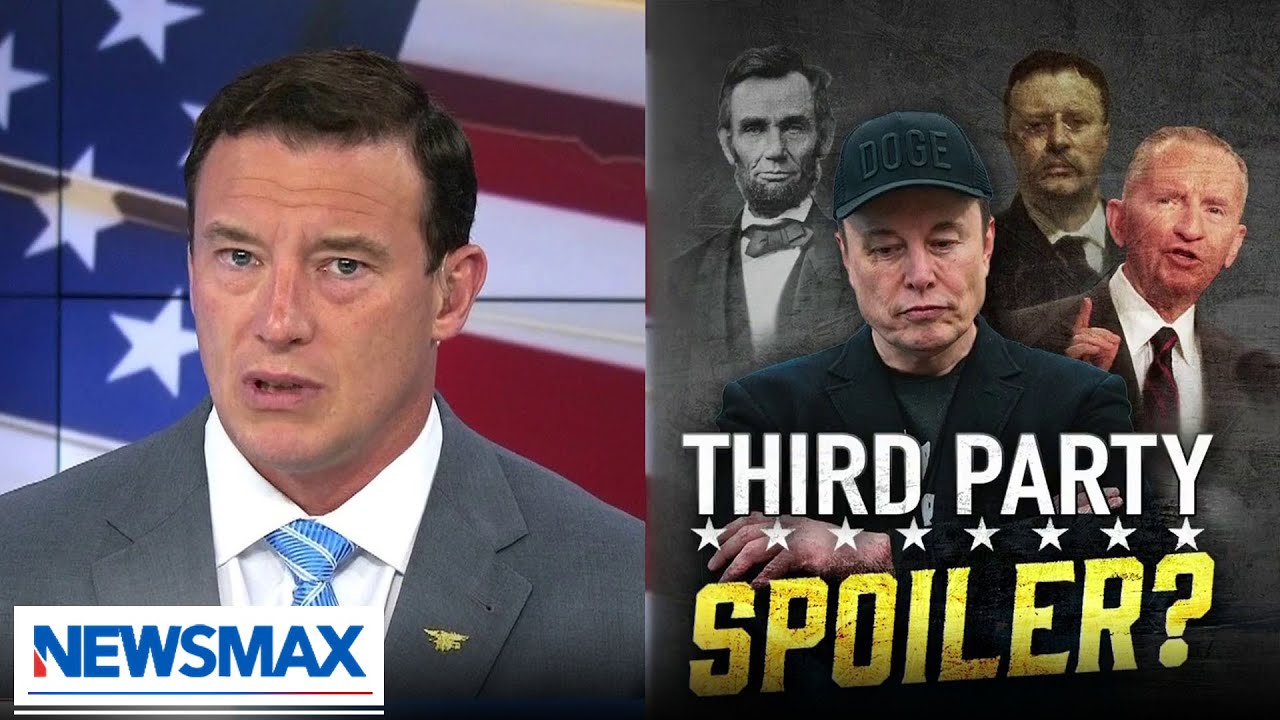
Think of third-party candidates like Teddy Roosevelt and Ross Perot who lost their elections, but were able to influence the national conversation.
Roosevelt with his progressivism and Perot with his concerns about the national debt.
Third-parties have dreams of sitting in the Oval Office.
Who doesn't?
But they'll settle for raising awareness about their candidates and beliefs.
They want voters to know that they're even an option.
So, this year they'll hope to build just a little bit more support before inevitably running again in 2020.
Up Next
6:47
Single Transferable Vote Explained: Fair Multi-Winner Elections
@CGPGrey
7.2M views•2014-10-22

24:30
BRICS Pay and de-dollarization: A New Financial Order Emerges? | 55 chars
@DannyHaiphongYT
164.6K views•2024-10-22

60:10
US Generals, Illegal Orders, and Civil-Military Relations
@TheAtlantic
682K views•2025-10-29
10:19
Explaining the Saudi-Iranian Proxy Conflict in the Middle East
@Vox
18.2M views•2017-07-17
Related Study Plans & Knowledge Roadmaps
Structured learning paths in Political Science
political-science
Economic Statecraft: Sanctions & Chokepoints
01Foundations of Geoeconomics and Economic Statecraft
02The Mechanics of Weaponized Interdependence
03International Sanctions: Types, Implementation, and Efficacy
+ 2 more learning modules
12h5 modules
Explore Roadmap
political-science
Central Bank Independence: Politics & Policy
01Foundations of Central Banking and Monetary Policy
02The Time Inconsistency Problem & Inflation Bias
03The Delegation Model and Designing Independence
+ 2 more learning modules
12h5 modules
Explore Roadmap
political-science
Consociationalism: Power-Sharing & Stability
01Democratic Dilemmas in Divided Societies
02Introduction to Consociational Democracy
03The Four Pillars of Consociational Design
+ 2 more learning modules
12h5 modules
Explore Roadmap
political-science
Rebel Governance: Legitimacy, Economy & State
01Foundations of Rebel Governance and Statehood
02Establishing Political Legitimacy and the Rebel Social Contract
03Wartime Economies and Rebel Resource Management
+ 2 more learning modules
14h5 modules
Explore Roadmap