

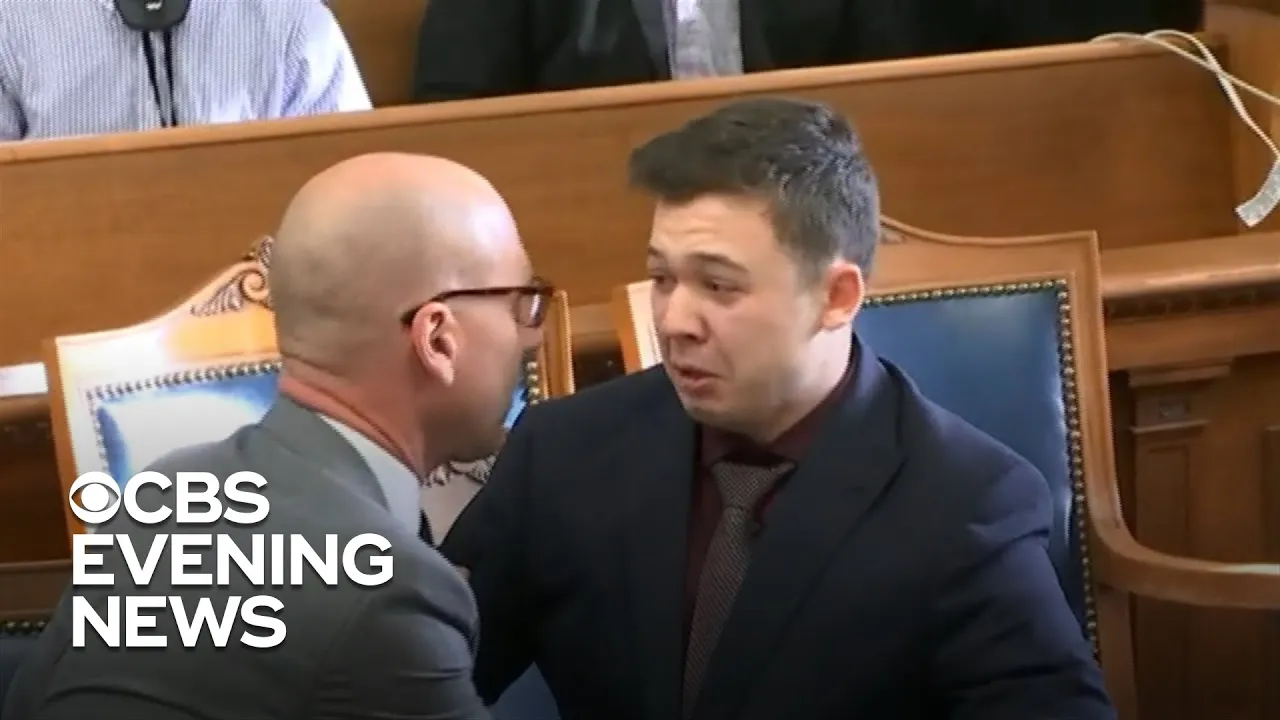








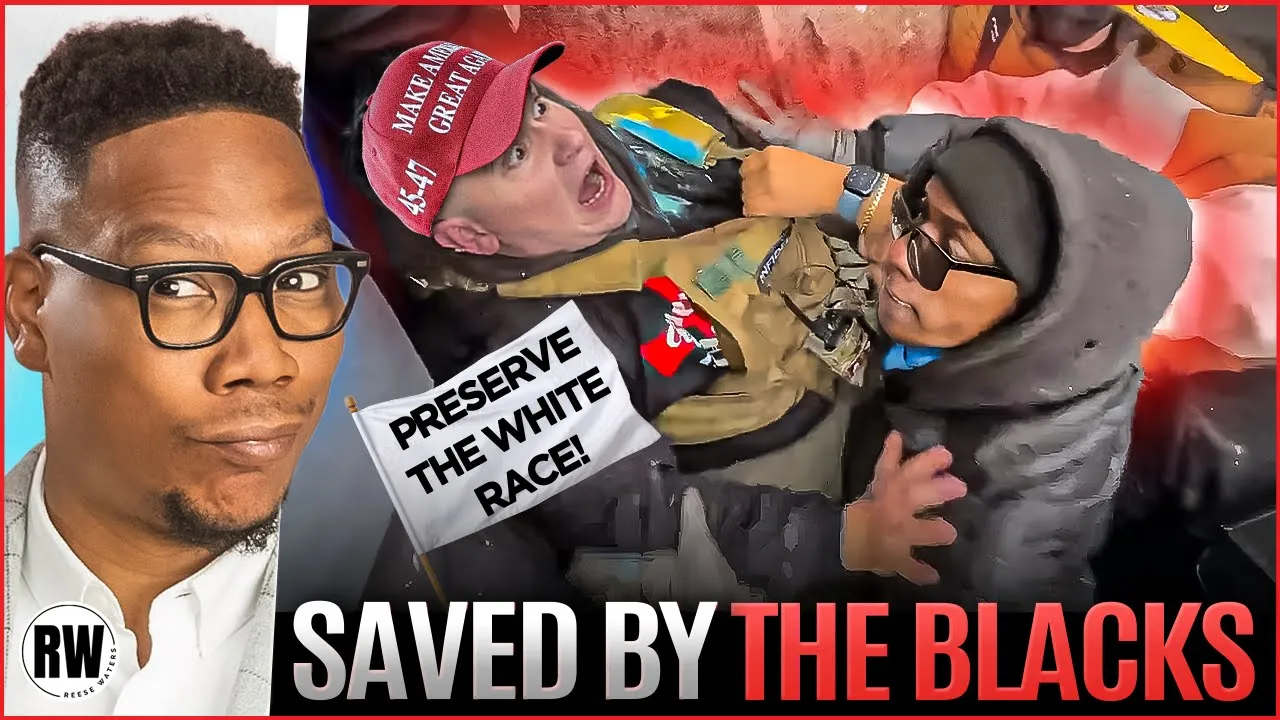


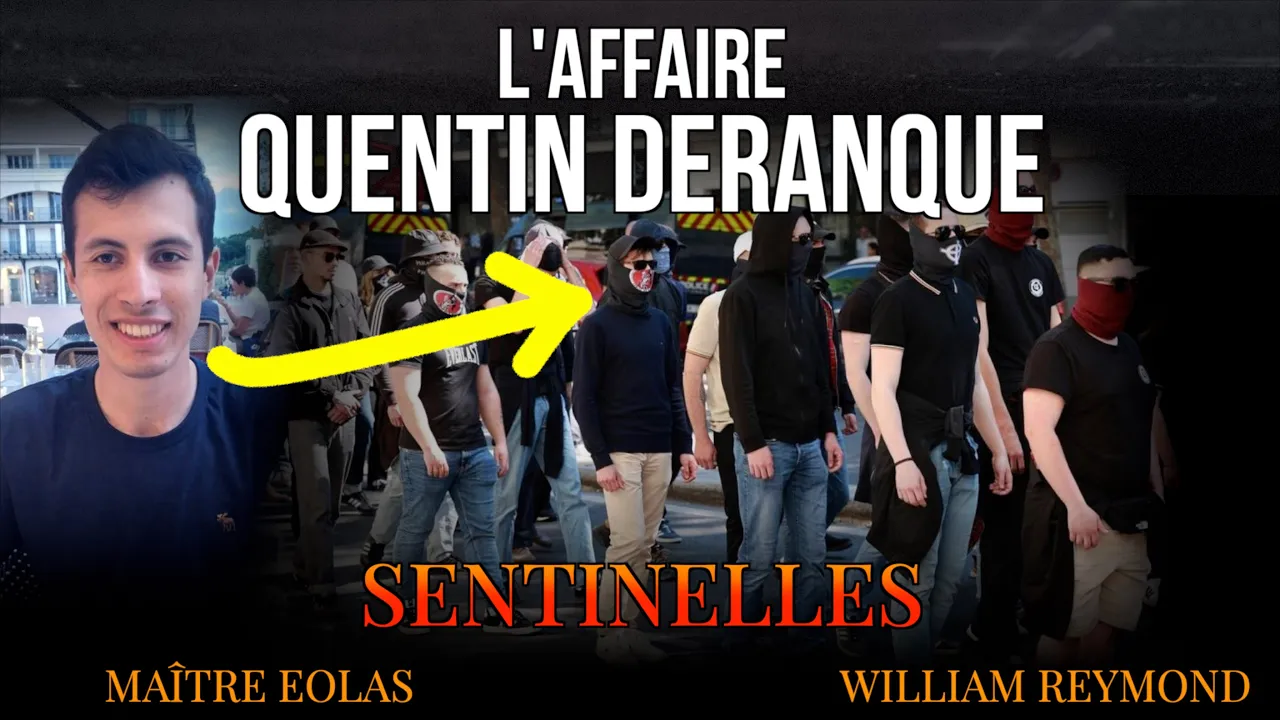
When media outlets consistently omit key details or spread misinformation about events, it can cause individuals to question their political affiliations and seek alternative perspectives, demonstrating how media accuracy directly impacts public trust and political engagement.
Political Polarization and Media Bias: A Debate Analysis
Added:Understanding the types of media bias, such as framing, sensationalism, and bias by omission, and how they influence public perception.
Familiarity with the psychological concepts of confirmation bias and motivated reasoning in political discourse.
Basic knowledge of the 2020 Kenosha unrest and the key factual and legal aspects of the Kyle Rittenhouse trial and self-defense laws.
An introduction to political polarization in the United States, including the role of partisan media and echo chambers.
Advanced study of media literacy techniques, such as lateral reading, to evaluate the credibility of news sources and debunk misinformation.
Exploration of communication theories like the 'Hostile Media Effect' and how individuals process opposing political views.
Analysis of how social media algorithms and business models incentivize outrageous content and accelerate societal polarization.
Examination of the ethical responsibilities of independent commentators, journalists, and media platforms in shaping public opinion during high-profile legal cases.
428.6K views7.1Klikes1:18:58Original Release: 2023-07-06
what a wild thing for a left-leaning person to say who the does this uppity stupid think she is get her into a call yeah I mean I think what she said about Kyle Rittenhouse is pretty stupid we can talk about the lies of Jacob Blake's reporting but I don't think that that matters the reason why people are protesting aren't because black people are being shot by cops they feel like it's because black people are being shot by cops for no reason I think a cop shooting anybody is pretty much without justification do you think the cops were okay to shoot Jacob Blake no so when Jacob Blake uh convicted sex offender was about to drive off with two or three children with a weapon in the car you don't think the cops were on the right to try to stop him with lethal Force you think they should have let him drive off they don't have a car they can't chase them yeah you think it'll be better to do a high speed chase with three children in the back seat with Jacob does it have to be a high-speed chase okay so we're very excited to have this conversation we started talking a little bit before the show oh wait it is a hell time to talking about a lot of things you seem to be going through kind of a political transformation Evolution I don't really know the right word to call it but I'll let you talk about that but first of all people want to know because I I did you did mention in our little chat in DMS that I was wrong about the daily wire thing now I make predictions on the show all the time and I have never been wrong before so I people I I've been making jokes about you might end up at the daily why that's not true no no it's so it's funny because you know I'm going through something very real and very sincere and it's uncomfortable and it has not been an enjoyable process for me it's been difficult and so the internet being what it is all sorts of people ideologies cooldown that's so stupid happening with me right and the main accusation both from the left and the right is that I'm I'm grifting which is hilarious because literally nothing has changed about my work life I'm in the same place I have the same audience um the audience doesn't like some of what I have to say or some of the new conclusions I've I've come to and so I wanted to kind of set the record straight about what I have personally experienced I don't know what my political labels are at this point right because I feel damn it's happening and it's who called it full honesty Destiny said Redtube was dying and it died and Destiny said the progressives will slowly fall off they're falling off don't lie this is probably the point where I'm the most malleable and open to new information because of what I've experienced over the last few years and I can get into details about that um in just a moment but that was a reason why I told Adam that no this isn't like a daily wire thing I I you know have no interest in working at the daily wire I have no interest in leaving tyt if anything I just feel a responsibility to kind of correct what I got wrong in the past to the best of my ability and just do better moving forward and the reason why I've been at tyt as long as I have is despite what any of you might think about Jake he has never once tried to censor me or tell me what I can and can't say that's the reason why you know we get into these fiery debates and there's never any like retaliation for it um and as long as I'm free to speak my mind and genuinely speak my mind the way I have been I plan on staying there and there's absolutely no monetary or financial incentive for me to do anything I'm doing right now well we sitch and I box a lot on this show and I think people you know I think they like that I think they admire that that we are able to fight with one another over the position and still walk away friends so I I'm reading way warning I'm about to read way too much into this and I don't think it means anything about what she's saying but it is it is a little bit interesting that she just gave a qualifier there somebody could say do you think you're ever gonna leave The Young Turks you think the answer would be no I'm never leaving but the qualifier of like as long as I'm able to say what I truly want to say I have no plans of living that's really interesting to phrase it that way like if I was being conspiratorial I'd be like she's giving herself a way out in the future like I feel like I can't really say about one of those networks or I feel like it's hard with I don't I'm I'm reading a lot into that I doubt that's what she's saying she's probably just speaking like off the cuff I don't think she means that but it is an interesting way to phrase it so I spent the last week I was watching a bunch of your most recent videos and I mean you're snapping back at Jake quite often I mean it's uh it's actually quite refreshing there's a couple things and we we have questions on these but uh I'll I'll let sich I don't know do you have anything that you want to ask before we get started so yeah it turns out that Anna is a massive fan of our program every episode just huge fan right well okay so I happen to come across a video you guys did about me it was the stream on um I hate to name names but you guys were covering the leftist mafia and they're the same fast lighting video about me and now you guys were the only ones as far as I could see that actually did a good job in highlighting how badly they were gaslighting me right and so I thank you for doing oh come on I said for Anna all the time I did a homeless how did she not notice to be your friend tells you something you know isn't true but they keep repeating it to you over and over again you start asking yourself like actually no way that's not true she still says some but I completely disagree that's absolutely but you know you guys have put out a ton of videos about me that have not been friendly or nice and it's okay I mean I I wait where's Brianna get me a taco guys ballad points and I just need to be willing to accept where I was wrong and where people are critiquing from good faith like you guys have a little bit of an edgy style so I'll like acknowledge that but I have thick skin so it didn't really bother me that much that's yeah no I mean that's that's commendable um you know it's we're on this kind of like internet environment where everyone's very attacky to each other totally especially when they're not like engaging with them in person so yeah you have to have kind of a thick skin and I know but I mean you know timer earlier and one of the things that we always recommended you on was you know when you publicly came out and you said that you were wrong I mean most people when they make a mistake they just try to hide it or they try to shift blame you know Jimmy dorvery you know famously shift to blame this producer and I thought it was really commendable that you came out and you're like no no I got this wrong and you were trying to trying to show not just do this flake for your sake but to say like listen audience you know you need to understand that this is the story and you know I don't want you guys to have the wrong information yeah there was look I the one I guess through line you'll notice in the various things that we're going to talk about in this conversation is that it just become more it just became abundantly clear to me that where I was getting my information and I'm not just talking about like you know independent Lefty Outlets I'm talking about like Legacy Media outlets right A lot of them it's not that they report misinformation it's that they omit details of the story that would you know maybe the additional details of the story don't change your mind at all right but it's not up to them to decide that like we should know every detail I think the Amy Cooper story is another example you know I it was fairly weirdly I came across oh my God friend we're gonna do this event friend very in-depth investigation into that story and there were so many details what is that story that were intentionally omitted or left out oh we're not doing this Legacy Media reporting of it and that painted a picture in my mind and in the minds of many others that you know there's there's no justification for the way that she was you know panicking when she was on the phone with the 911 dispatcher right but then you get this then you find out based on what Camille Foster had um found out and reported was that like she didn't have good cell reception so the person on the other end of um that conversation couldn't hear her she was panicking because she genuinely thought that she was at risk after here's another thing that was emitted in a lot of the report after she was literally threatened by the bird watcher right oh wait what I'm gonna and he got face with a bird watcher story and then he proceeds to try to lure her dog to him and listen yeah yeah you might spill okay hold on wait am I being am I way too of my high horse I feel like these are stories that I've covered she there must be some like chain here or something no kind of over exaggerating the situation that's actually happening I was just thinking of this one oh you're gonna show the dog they're gonna show the dog you're gonna show the dog video that everybody got mad at because they didn't get the full story on this one either by the way if you saw this video and you thought it was just a crazy white woman being a crazy white one she was being about 40 crazy but what you didn't see in this video was when the black guy posted the video on Facebook he even wrote in the comments I told this white woman I was gonna offer her dogs treats to abduct her own dog like yeah no she was she was nervous in the in the video but none of that got reported on even though the black guy put that part in his original Facebook post oh man yes exactly like sort of implying like I'm in danger everyone do what you do when a white woman is in danger it's it's it's actually so cut do you have the Facebook post with the dog abduction statement um oh this here we go Central Park this morning This Woman's dog is tearing through the plantings in the ramble me ma'am dogs in the ramble have to be Unleashed at all times the sun is right there her the dog runs are closed he needs his exercise me all you have to do is take him to the other side of the drive out to the ramble and you can let him run off leash all you want her it's too dangerous me look if you're gonna do what you want I'm gonna do what I want but you're not gonna like it her what's that me to the dog come here puppy her he won't come to you me we'll see about that I pull out the dog treats I carry just for such an ins uh intransigence I didn't even get a chance to toss any treats to the pooch before Karen scrambled to grab the dog her don't use my dog nobody included this context by the way when this video went viral because once you get this context the woman's reaction is way more reasonable you might still feel that her behavior was uncalled for whatever that's up to you but you should know all those things tales and I will say for my personal opinion if some random I'm alone at a park and some random guy tries to lure my dog away from me I'm gonna freak out you know like I just am and so okay with the Written House story I was gonna cover the trial and I just needed to go back and just like really really look at all of the details and remember all the details so when I do the story I I get the facts right and then as I'm doing that I come across the New York Times video and this was a really really well done video that they posted on YouTube that showed you in slow motion like how everything transpired that night and once you see it for yourself it's really really difficult to argue that in those moments he was not acting in self-defense you do see uh it in the video Someone uh taking a skateboard and hitting a writtenhouse over the head with it as he's on his back and I haven't seen this video yet but it was already uh you know uh it says it's on tape uh there's uh there's someone has not been identified kicking Written House in the face so look these Details Matter because if you're gonna make an argument that you acted in self-defense there needs to be some proof that there was an imminent threat right and in this case the imminent threat is the guy using the skateboard and someone kicking Written House in the face as he's on his back now what really mattered to me was how all of this unfolded what was the thing that sparked it what started all of it and initially I was under the assumption that Rittenhouse was the person who was chasing after Joseph Rosenbaum that that that's how it started but I was wrong about that and this is an area where you know Jake and I disagree because that's why my take on The Rittenhouse stuff was as strong as it was as quick as it was because um because like the very first thing I saw of all the writtenhouse stuff the very first thing I saw was the video I didn't read any reporting I didn't hear any summaries I didn't do any research the first thing I saw was the video and I think I think that was I think I was playing that sponsor game but that company got mad at me but the um the the literal I think I saw it and then I saw it I opened it and then I closed it like in five seconds I was like yeah this is whatever I'm watching this is obviously self-defense it was like I thought it was like the least controversial thing I'd ever said on my entire life it was so obviously self-defense and then I closed it and then if someone's hitting you over the head with bored kill you you know and so you know Jenkins a very he's a strong-minded person and he's not one to back down from a fight so in his mind you know someone confronts you with a skateboard he he doesn't see it as a threat but I I do and written houses 17 year old boy early guy who can like defend himself um against someone who's like hitting him over the head with the skateboard as he's lying on his back so once I saw details first of all I had to convey them to my audience and be that's a lot of her stuff from blocks the other thing was you know what's going on with this is it done about how Kyle Rittenhouse was in possession of an illegal weapon and that he crossed state lines with that phone okay so that was a lie and it's not a lie that I just made up in my mind right that was how it was reported initially which is why I would venture the state lines but not because oh how dare he crossed state lines anyone in this country has the right to cross state lines it was because it was reported that he was in possession of an illegal gun and he traveled across state line with an illegal gun which is a serious charge but it turns out that he did not travel across state lines yeah he didn't do that yeah the weapon was in oh because he picked it up there already yeah exactly he bought it from a friend when he was already in Wisconsin the night of that event I mean maybe a day afterwards sich and I were watching those videos online as they were breaking out and I saw the reporting was basically wrong on CNN the night the viral videos were released Don Lemon was saying you know a white kid shoots into a crowd of black lives matter approach yeah and I'm like what yep that's what Bach said to remember he was literally laying on his ass firing shots at people 20 feet away who weren't even moving towards him hold on can somebody please link the video so that we can watch it have you watched that video uh I I mean I've watched I think that video yeah can somebody link the second video so that we can watch it together because I have no idea what the you are talking about hold on do you think do you okay hold on I'm trying so hard because you're being so dishonest okay just spraying into a crowd or whatever everyone just kind of gets caught up in it yeah and that's how misinformation misinformation spreads and I've just that was the pivotal moment for me because again misinforming the audience is not something I have any interest in and I might give them the facts and they might not like it but I can't withhold information from them because I'm afraid that they might not like it so I'm gonna give them the facts but you know I've learned to be better about first of all the sources I trust I make an effort to just be cognizant of the filter bubbles we all exist in the filter bubbles I existed and I've broken through that bubble a little bit to you know look at other sources that I typically wouldn't have looked at and then the other thing that I do now is I just wait you know I think the story involving the so-called City bike Karen is a good example of that yeah oh my God PYT consists of many different shows right the show that I'm the executive producer and host of is the main Flagship show The Young Turks and prior to that story breaking I had a meeting with my team and I was like listen I don't want you guys pitching stories about random individuals in the country who are caught in an out of context video allegedly behaving badly I I think these stories are divisive I don't think we usually have the full details before we talk about these stories and honestly at the end of the day engaging in these witch hunts is actually detrimental more Division and hate in the country than anything else so like if there's a story that's particularly like jarring and you guys really do want to cover it do I want to join a party I don't think so right is there any pointage running a party like we are not in the business of breaking news I don't give a about being the first uh in reporting the story or whatever no because then my account's not solo anymore we actually report it correctly and we don't have egg on our face later now there are a bunch of other shows on the network that I have no say over that I have no control over who you know inaccurately reported on it and uh had to issue retractions they had to take videos down and all that stuff when I'm presented with evidence that shows well at least contrary to the overall conclusion that somehow she knew she did not have access to their bike well that's not true if the receipts are real she believed she had access to the bike so for that Madam to the woman who was in the middle of this I submit to you my apologies as a man and I just think that was a teachable moment hopefully a teachable moment for everyone in the company but certainly you know this is an ongoing conversation I have with my team and luckily I don't know how I did it I feel like I found unicorn producers because they're really smart super open-minded you know they're less interested in this left versus right or partisan garbage and they're more interested in making sure that if we're going to report Stories We Get It accurate um and so we're moving slowly but surely in a direction that I think is better not just for the show but I think better in terms of like what we add to society like the last thing I want to do is be the other side of right wing disinformation right like if we're going to be critical of disinformation we see happening in various videos and that are produced by other people we should at least look inward a little bit and make sure that we're doing our due diligence yeah it's you know it's interesting you were saying how uh with the media a lot of misinformation comes from like they leave stuff out and that's been my experience too just this intentional leaving out of key information or they'll like the headline or the subsection will kind of frame something in a very specific way so even when you get to like kind of the contradictory information your mind is already like made up by that point so it's better um and so it leads to this kind of effect where like once a person see like once that story hits that like you or me or anyone because I kind of went to the same experience where like once something hits me in a specific way like it's like I'm oh I'm free of the Matrix suddenly I'm starting to see like things a little bit differently all the dominoes kind of start to fall and I say oh wait I start to see like where all the misinformation is coming from was the totally was the writtenhouse thing like was that like the key moment or was there something else that kind of like major shift your shift your thinking so that was one of the pivotal moments but everything for me started when I started getting gas lit on the crime wave and it's it's really interesting the homeless thing about these various political issues in the abstract but then once you personally experience something and once you see something happening in the country with your own two eyes and your political side is incessantly gaslighting you on it it makes you question well can you trust anything they say or what else are you guys gaslighting about and that's what happened so you know during the pandemic there was absolutely a crime wave in the country mostly in like major cities Los Angeles happened to be one of them and you know I I talked about how I you know was assaulted well actually let me give you the details again because there's an element to that story that I've never shared with anyone that also explains where my head's at now so you know as I was walking my dog one day there were these two guys they appeared to be homeless they appeared to be on something they look like they might be without or something because they were kind of acting erratically but you know typically when I come across guys like that if I ignore them they usually up they won't do anything right that wasn't the case this time around you know they're coming toward me and truck my dog Charlie like he does his business and as I bend over to pick up his business one of them grabs me by my hips and just like with an erection and everything just starts like humping me like right there like broad daylight and right it was terrifying because like I didn't have any weapon with me no taser no pepper spray nothing and and luckily the guy he did that and then he and his friend walk away while they're like laughing at me and if I felt so degraded scared and like the first thing I did is I called my husband and he came down and he's like where are they and he started looking for them we couldn't find them um the cops wouldn't come like we actually had an incident in front of our um building like a few weeks prior to that that was really scary we called the police and homeless people sometimes they just don't give a yeah and now I realize the reason why is because there was a shortage wow I think that there was like an unofficial strike considering what happened in 2020 and all the protests so so they just wouldn't show up and I just didn't even think to call the cops because I'm like what's the point these guys have already like left and they're not going to be able to find them but anyway I I opened up about that and I also started opening up about you know just what the statistics were indicating in regard to crime and how it's obviously having a negative impact on all communities but mostly the communities that like BLM minority ones left is claims to care so much about the disadvantaged uh communities you know crime on the Metro System in La has been unbelievable and the majority of people who take the metro who take bus buses and public transportation or they're usually like working class immigrant workers they're usually you know blue collar workers who you know don't have enough money to buy a car for instance and so I was like why are you guys cool with just having these people deal with this kind of violence there was like a phase last year where people were literally being set on fire randomly on buses and that would get no attention no news coverage and it would infuriate me and so when I opened up about what happened to me in my own neighborhood um what I thought was telling was how everyone not everyone but some people accuse me of pushing racist stereotypes but I have never ever disclose the race of these two individuals ever yeah but they just assumed that these two guys were black they weren't black they were two white guys but like I never shared that publicly because I didn't think the race really mattered right what actually happened mattered and I thought the reaction to it by the people who were supposed to allegedly want dignity for everyone reacted to it like that really bothered me so that was the beginning of it I would say that's what started me questioning everything and wanting to like look deeper into everything and then other things happen so uh geez this is almost like oh why I left the left moment for Anna my God what was happening to Asian Americans so there would be all these videos of Asian Americans well Kendo thanks for stopping or hit over the head with you know whatever The Young Turks Anna kasparian took heat online after posting a video of a man assaulting a woman saying quote this is a man who was arrested 41 times after this incident he was released and went on to send a Subway worker to the hospital with a broken collarbone but according to this crime reporter that man committing assault breaking bones is the real victim here's the video it's pretty graphic and the the main narrative on the left was this is anti-asian hey but it but actually if you look at all of those stories individually it usually involve like a repeat criminal or someone who's just been left on the streets with severe mental health issues like people basically carrying out these acts of violence because they don't have their head in the right place they need help whatever it is but like to just brush it off as oh it's just anti-asian hate that's been inspired by the right wing it just wasn't true and you know I just thought it was wrong to frame it that way when in reality there was a real issue with you know repeat offenders and in some cases people with severe mental health issues honestly randomly targeting all sorts of people but you know since a lot of this was happening in areas like San Francisco where there's a sizable Asian population The Narrative on the left became oh it's just anti-asian hate that's been inspired by the right and I just didn't really see much evidence of that then there was the tax on straight news journalists who were doing their jobs for instance when Lee Fong was reporting on the BLM protest uh for he was when he was accurately reporting on the BLM protest and some of the violence that took place during those protests uh his own colleagues at The Intercept tried to paint him as a racist I've known lead Fong for many many years since I started working at tyt the guy doesn't have a racist bone in his body for them to paid him in that way I thought was disgusting and it was a it had a chilling effect right the whole point is to intimidate journalists from doing accurate reporting on what's actually occurring on the ground then there was what happened to Jesse's single which I found disgusting I didn't know about that until at some point this year I would say earlier this year with the Trans stuff Jessie's been on the show before yeah he's done greatly single is a good faith I think critical thinker he's a I will say for Jesse he's a little obsessed with the Trans stuff I will say that uh from blocked and reported but I think he generally tries from Jessie single that communicates to me that he is a transpho that he is a bad person he did great news reporting on basically what you know some of the risks could be when it comes to transitioning literal kids uh with puberty blockers and then Prospect hormones and through his reporting which I'm very sad to say I didn't really come across until this year I learned that I was wrong about a bunch of other things right so for instance it is a lie that puberty blockers are reversible in some cases they are not and they can cause irreparable harm and look you might think okay but you got to do a balancing act and if someone if a child or if a teenager has severe gender dysphoria and it would actually be better for that person to go on puberty blocks okay I mean we should be able to balance that out but my point you can't lie about the side effects potential side effects the information because you don't like the information getting out there ain't the way to go because that I think puberty blockers are generally reversible maybe not in all instances but I'm pretty sure generally they are with a few long-term effects what we should do moving forward look at the pros and cons so there's that you know all of this stuff just it started adding up and through listening to Bluffton reported I found out I got a lot of stories wrong as well Rebecca Jones ended up being a liar in a grifter and I wouldn't have known that I wouldn't have known that had I not you know opened my mind up to other voices Rebecca Jones was the one that went after DeSantis right yeah yeah oh yeah and she completely liar and I feel disgusting that we did that so I issued a retraction um and a correction on that story I don't remember that she was my reaction was good oh Doom yeah what is some of the reaction like what one of the problems that we often have you know obviously we're labeled right Wingers coveted whistleblower watches our show which which direction was she whistleblower to call us right wing is just I mean it's kind of laughable but we are constantly called right Wingers just because we don't straw man the arguments that are made on the right and so many people on the left no all they are familiar with is the strong the straw man version of the trans issue or or some particular news story so what is some of the reaction that you have gotten to that well I mean the reaction has not been great um I mean look that left this Mafia stream was unbelievable to me like the accusations that were thrown out there um Olay implying that I'm I'm racist because as a woman I don't want to be called a birthing person like that has I mean race didn't come up at all until she brought it up and then she I mean she was the only one on that stream who brought race into it and like made it abundantly clear that she's got an issue with white women and she just thinks they're all the same and like you know whatever and then and then after I basically called her out on it she's like oh you're attacking me and only me because I'm black true and that group of people who attacked me and accused me of being racist real quick hold on I this is I actually I'm I love somebody's gonna do a video I see on this at some point hopefully um I actually just got emailed my um that speech I gave to those kids maybe I'll play it um I really love that you're getting a very clear cause and effect for why Anna is changing the way that she is people on the very very far left won't listen but if you're more Center left or if you're far left at least you're reasonably minded you can start to get an idea of how toxic the way that extremists engage with political ideology can drive people away from your movements um you can't you just you can't relentlessly on people call them racist refuse to acknowledge reality like she's hitting almost every single talking point here in in terms of like not even talking about for her it's her lived experience she's hitting in her lived experience every single talking point I've given for why you lose people from your political movements the rest of politics uh I'm good Dustin thank you though um for instance like conservatives feel the way they do because oftentimes they've seen something even if it's not representative of reality people will see things that will make people feel a certain type of way about things um being really shitty towards people not giving them any type of Grace not giving them Room to Grow not giving them gentle Landings any of these things these are ways to turn people off from your political movements people don't want to change your mind or believe you or listen to you if you're going to on them for um for for you know slowly changing your mind this idea that you're either with us completely or you're completely against us the idea that if you don't toe the line 100 now you're a racist now you're a fascist now you're going to the Daily wire now you're blah blah blah like it's every oh the misreporting of facts oh that she hear that too that if you misreport something if you lie about something the feeling is you're lying or obscuring something once you've done that one time it makes somebody question every single thing um every single thing that you've said so um yeah like all of these things it's interesting like all of these things are being hit on basically and her um are being hit I don't know that tweeters I just got linked um sorry I can't reach it hold on I'm gonna get blown up by this stupid so I mean I'm not sure that they fully understand the damage that accusation can do and if they do that that makes it even more okay I mean that makes it even more horrible I think she published are there only two 175 chests you can open oh saying the n-word and it was back when you know YouTube didn't have this big prohibition on saying the n-word and you weren't it's not like you were calling people the n-word you were using right quoting stories so all these uh are taken out of context which is completely unfair yeah I mean look um so it's really funny because that compilation video wasn't made by her um if you guys remember at some point last year everyone was going after Rogan for saying the n-word and so someone someone on the left had made a compilation video of all the times he had said the n-word on his podcast and then in response to that someone on the right made a compilation of all the times like I had said the n-word right or me and Jake had said this so someone on the right made that video and we all look we had a company meeting the producers everyone we got together and this is like years and years ago the last time we actually utter that word on there was in 2012. but we we sat down we talked about whether we should actually say the word when we're quoting someone that we are condemning as racist or should we sanitize it and say n-word instead and so we had a vote and we decided at the time that it was better to to actually read the quotes verbatim as opposed to sanitizing it and uh I knew it would eventually come back to bite me in the ass and it did and you I don't really I'm not going to apologize for it yes backward enjoyer yes and what people like don't you she must be binging my content she has to be right to me she has to so intention is totally irrelevant context is totally irrelevant if she says someone's rapist then by definition that person is racist end of story period And I just disagree I also disagree with racism of all all sorts right so I find it disgusting when people make generalizations about black people or migrants or any group why would I somehow be okay making generalizations about white women or white people right true I just I find it gross and divisive and look at the center of all of this is I've been doing this for like 17 years and things have gotten worse and I just don't think whatever strategy the left thinks they're engaging in is an effective strategy I think it's actually caused more harm than good I think they're rhetoric and their discourse is a lot of times ignorant of the facts true and I think that they go around accusing people of doing things that they themselves engage in true I was part of that too I'm trying to do better moving forward but a lot of people are going to look at this and think oh well then that means she's a right winger whatever you can call me whatever you want I don't care what you've labeled me whatever we want but um I don't blame you at all so yeah yeah I just I don't know I don't I don't know what my labels are at this point because I don't fit in anywhere I feel like you're you feel like you're becoming politically homeless maybe a little bit oh for sure yeah what do you think what do you think's causing sort of this shift in the left and in Media or I mean first of all I'm assuming you think there is a shift that's happening in the left-handed media um well it's funny because you know a lot of them LARP is like anti-capitalist like revolutionaries okay yeah nice um imagine she brings up Hassan because what they do is they are positioning themselves to attract a very specific Niche uh in in audiences right so they're going for the purest the people who like to think of themselves as like far left communist socialists whatever but like the whole thing is I mean you can see it in the various streams like they'll talk about things through the lens of where's the love we're the most pure like we're the most yet sincere in what we're saying whatever in real life yeah exactly we're the real life so when they do that what ends up happening is they become more and more extreme in what they are saying right and what they claim to believe and at the heart of that like what they're actually doing is trying to attract a niche audience for what to make money I think there's a financial motive behind it you know they're competing with one another particular Niche a particular ideology that's reflected in these audiences and I think I'm probably self-sabotaging right now career-wise but I don't know I just the the problem is you see it in their streams and you can't understand which streams 2 100 why I I can't do it with a straight face it's just not who I am what do you mean are you talking self-sabotaging by talking to us or talking about these things in general because I I like it's an interesting Dynamic that we have here on the internet because I do agree with you when we've talked about this on the show many many times like the incendiary voices in the political space are the ones that get attention blow their channels up get viewed does anybody else think that Anna kasparian is an uppity stupid what a wild thing for a left-leaning person to say so stupid had Anna kasparian is going on right wing shows and trying to call out the leftist mafia over their support for Trans rights who the does this uppity stupid think she is holy what the bro become rich basically yeah conflict entrepreneurs is what I always call them and we we're in a kind of a you know we are in the same kind of position that you've kind of come can you clarify your use of words that replace the n-word it sounded it sounded like you gave some Wild player a hard time for using the words in that Naga I don't give a I don't even I don't care that much about racial slurs uh generally what I focus on is people being racist if you're like calling people racial slurs I think it's bad I super don't care there's so many other things I'd rather talk about and it's like the the most boring thing is like playing 20 questions like figuring out if somebody's racist because of like a because of a word they use it on it's pretty easy in my opinion it's pretty easy to tell somebody's races or not based on what they're saying um if you gotta like hunt through like whether or not they use like the soft a or some um I think it's I just think it's cringe I just but I've like I've never cared about it I understand other people care a lot about that but I've never just never cared about that doesn't see it is what I'm talking about the disgusting license number prevalent than the right bro you're you literally have a death cult over there that thought the vaccine was going to turn you into magnets okay shut the up bro you have no place to talk that Andrea person is live watching this podcast episode right now get her into a call who is the Andrea person unhinged puritanical leftist unloads rage on Anna kesperian's right-wing turn this type of person would never ever I can already tell they would never talk to me but if they want to I'd do it come to like we want to give an honest a fair assessment of both sides of the argument and try to kind of come to some sort of Truth and one of the the paths that I think we've kind of fell into is just I think us sich and I arguing points makes it interesting enough that we can kind of build an audience and watching the um watching the videos of you last week it kind of feels like that's kind of the direction you're going it seems like Jank is saying over the top things and you're reeling him in which is I I gotta tell you what I'm watching your show I'm going oh look and Anna is just like sich tipping in America is crazy I went to a Starbucks recently and I ordered a croissant and then the Barista spun the machine around it said do you want a tip and then I asked her I said do people normally tip here at Starbucks and she said to me yeah people tip if they want to be nice if they want to be nice and then she said it with a voice where it was sort of an attitude and then I said okay well if I tip do I get a you said and for how long long story short she actually called the cops they arrested me they pushed me away I remember thinking that I would have actually tipped her if she wasn't such a you know and that's actually Alpha King rule number 14. you can attract way more bees with honey than a beehive [Music] I can't tell this is real or not I just can't tell can't have any fun are you saying you're the one saying over top things look constantly constantly and stitches like these no Adam you know that's that we don't know that yet so but I think our audience understands that there's there's a little bit of a dynamic going there that that's fun but at the same time they are getting the information so unfortunately for my reputation it's like don't listen to Adam you know he's obvious that's funny yeah I mean again credit to Jank because he he's not like one of these like people who gets super offended if you correct him right there on the spot it's just I kind of went along with some of the more hyperbolic commentary mostly because I was reading the same sources and I had the same you know I think he's doing better and better like we have questions we have a lot of conversations about a lot of these issues privately and I'll just be like look so sich does the same thing to me and I'll just be like look look I mean before he was gonna go he asked me if he if I thought it was a good idea that he was gonna go debate Destiny and I said no [Laughter] and it's mostly because I might just be thinking too highly of myself now but it's kind of funny when this clip was originally linked to me it seemed like Anna was like talking me she was like don't debate us just waste your time but now when I look back on this whole interview it almost seems like she's like ribbing chank Jank because she's like you're way wrong on this but I could be reading that wrong but that's kind of what it that's kind of what it feels like now it's like don't debate him because you're way off on the red house stuff that's what it seems like yeah a lot of clickbaity baby realm 2 like with some of the debate stuff that takes place but also I asked him like what are you guys going to debate so first he said oh we're going to talk about like the Democratic party and our disagreements about it I I was fine with that but then he mentioned he's like and then we're gonna talk about Rittenhouse um so he knew Rittenhouse was going to come up yeah yeah they I think they agreed on the topics ahead of time okay wow okay and and you know we had it look I Jake is his own man the best I can do is share my perspective and I just told him I was like but he was acting in self-defense but but look he looks Jake just has a different perspective it is what it is like I'm not here to talk about Jane you know like we we and again I want to give him credit because I can do we can have the conversation on air this exact conversation and he's gonna say the exact same thing I'm gonna say my piece and it's not gonna lead to like an uncomfortable relationship with him it's not going to lead to retaliation and I really commend him for having an open mind but to him he just couldn't he just disagrees about it being self-defense he thinks like he didn't need to like shoot the gun he didn't need to kill people I hear you I wish I wish it didn't end that way but if I were in his shoes yeah I would have done the same thing yeah I I probably would have prayed and sprayed so I mean Rittenhouse did the right thing like it's a good thing he was uh in control of the weapon instead of me so yeah it's it's funny that like this gets thrown around a lot like people accuse you of grifting or other people grifting when they start changing their beliefs even though it's like like you're chaining your beliefs in a way that would like be more likely to hurt your career as it was to happen I know it's like insane because you know what like what so many people on the internet want is they just want you to choose one side very comfortably and to like fit into it and then just say like these are the hyperbolic talking points and then if you're like well let's add some Nuance here which pisses off your audience more often than not you're like well you're a grifter like who am I grifting to exactly so okay so I'm gonna stick up for my audience a little bit because through their credit majority of people in the audience are open-minded and are open to new information I think that there is a small but very loud minority in our audience and on the left in general that really give the left a bad name I think they're overrepresented on Twitter and they're children they act like children I think some of them literally are like minors and they see everything and look if they're young I don't blame them I think when you are young it's it's a little more difficult to grasp nuance and how complicated and complex a lot of these issues are you know one of the favorite one of the things that Jesse single says all the time that I love and he says it repeatedly is it's complicated because it is like all of these issues are way more complicated than the way they're being portrayed in partisan media and so what I want to do is actually understand those complexities but here's the other thing understand the other side in good faith okay because I think that there are some stereotypes that the left has kind of bought into about what the arguments are on the other side and true you know also wait oh hello wow hello can you hear me loud and clear all right uh well what's up I saw you were attacking my queen of politics Anna kasparian on Twitter oh yeah yeah I'm tagging the out of her uh why so me why so mean is that what you said let me turn your volume up I don't know I like being mean sometimes it's kind of fun Sarah like a rational basis behind the meanness or do you think she's incorrect in anything she said or yeah I did a whole like kind of review of the whole podcast I'm assuming you just saw the Tweet but I did a whole video responding to all kinds of the stuff Point by point um I think I've made it um I'm only 40 minutes through right now but what do you think I guess what are some of the things that you heard her say that you believe were incorrect I'm curious uh well first of all I think it is um a deal about it you know like she claims over time that like the leftist mafia are her friends or whatever but like she's afraid to go on their show but she'll like name search herself and look for people talking about her to go on a small show no one's ever heard of to like have people tell her how great she is I don't know it just seems like a beta energy kind of move you know do you think that there might be an element of Truth to the idea that it's easier sometimes to talk to people that are a little politically different than you because they're not like as Keen to demonize you or judge you as other people yeah I mean I'll talk to anybody yeah yeah but that's well I'm not asking you I just said in general don't you think there's a degree of Truth to the idea that like if I talk to people that are politically different than me I don't really care how they insult me right like if I talk to a conservant he's like you're you're uh you know you you want to trans the kids that are like I don't care I don't care if he says that but if I talk to a leftist and they're like you're racist well that actually does kind of annoy me right because they're closer politically so the insults like make more sense or they like strike you closer right yeah I get it okay well so I don't think it's fair to say that she's being disingenuous I think that's actually completely understandable I think it's pretty obvious why you would want to talk to people that are a little bit more politically different you see that's the thing is I don't think that Anna is smart enough to like have that kind of analysis that you have yeah she doesn't need to be intelligent to have that analysis you that's an intuitive thing you feel what I gave is the intellectualized version of it um but like just internally you feel that way that like when you're talking to people that are politically similar that infighting is so much more vicious than people that are politically dissimilar like yeah but I kind of like it but that's just me yeah sure that is just you that we're not talking about you right yeah I know yeah I think most people like when the other side attacks them if anything it kind of feels good right like if a conservative would say you want everybody to be gay or whatever like it's kind of funny I think it's funny but when somebody yeah but when somebody on your side is saying I think you're transphobic I think you're a bigot or whatever it's like well hold on that's I don't I'm not gonna celebrate those attacks it feels a lot different you know yeah but uh back to the podcast she said in like the first five minutes that like she like feels really malleable you know and she's like looking for more information but like also shutting out everyone she's ever talked to and going exclusively on right wing shows like I don't know man it's just well I don't I never heard her say that what I heard her say was she said at the start well I think what she said was that and a lot of like left-leaning spaces it seems to be the case that a lot of the information that's given is either omitting stuff that's pretty important or it's just outright factually incorrect I agree with that yeah that's a that's a truthful claim uh-huh so that's but I don't I think that's all media right I don't think going to right wing news outlets or well I don't know mainstream I you know that's just how the world news Works sure but I don't think she ever said and I'm not for an offense so maybe she did say this I haven't got there yet but I didn't hear her say like oh well now I explicitly holy trust Fox News or now I yeah she didn't say that but she said I mean she said and I quote I feel malleable and I'm looking for more sources yeah I think I I think there is something wrong with someone who is the co-host on their words the home of progressives going on some like Backwoods right-wing show saying I'm malleable like Mal you like you know I'm so malleable mold my clay Daddy it's just like a weird thing I don't think she said I'm malleable while my clay I think what she's saying this is like that's my interpretation for sure but an interpretation usually needs supporting arguments right it sounds like what she's saying is that I feel a little politically homeless that's what it sounds like she's saying which I think is a reasonable read basically I agree sure so unless you want her to lie about how she feels I don't I just I don't see anything wrong with any of the statements she's given so far yeah well you said you haven't even finished uh the video yet but I mean I'm down to go Point by Point yeah you can I mean at every point you brought up so far I've completely disagreed and I think I've supported my arguments pretty well but if there's another point that you want to bring yeah I mean you can disagree it's just you know there's you know there's no facts here it's just you know it's Vibes no all of these statements so far been factual I asked you if she had said explicitly like I'm only going to right wing podcast or I'm only gonna listen right she hasn't said that that's not true yeah I mean obviously that I'm being hyperbolic but I mean we're talking about like you're talking about to be clear you're not being hyperbole you're inventing statements on ascribing them no no hyperbolic is is a more accurate word but anyway okay um like you're saying you know like it's Just Vibe she's going on a right wing show like we're all talking about Vibes here you know we're not um yeah like I just think that she is doing a series of behaviors that I personally view as strange and I think no one in the left is calling her out everyone in the left are in my opinion acting afraid to call out The Young Turks because everyone in the left-wing media space like worships them or some and so I'm just providing a counterbalance to that like I say that I don't give a I don't care who you are I think what you're saying is dumb and I'm gonna say so so that's pretty much what I'm doing have you pointed out anything so what are some things you think she said that was dumb I guess uh well I like I said I think going on a right-wing show and telling them how malleable you are I think that's dumb I mean just like even if that's true you think that so now we're we're moving away from she's like lying or saying incorrect things to where you just think the optic I never really said that she's lying per se but I think she's settling the truth I think she's truthfully very dumb um okay it sounded in the beginning like you were implying she was being a bit disingenuous but I might have misinterpreted that I mean disingenuous and lying are different right you know it's like the lying like saying wrong information versus lying from Omission you know like they're they're slightly different disingenuous implies the intentionality of not being genuine which isn't lying but yeah sure but like I'm also going to say I'm making an argument that I think she is not smart enough for that to be in the conscious levels of thought I think she's riding on subconscious vibes um okay I mean you can say that but I'm curious if there's like any do we have a reason to believe that she's like stupid I guess she's been in media for a long time she's commented I mean I think a lot of people in media like Chris Matthews is stupid particularly for Anna do we feel like she said something or done something that's explicitly like stupid what I don't know about we saying my opinion have you yeah but generally the opinion is gonna be written that I saw her say dumb things so like I think for instance a person is stupid because I've seen them say this this and this so like as she said things that are like incorrect or wrong or stupid or yeah I think so does she say any of those things in this interview or what do you think yeah I mean I think what she said about Kyle Rittenhouse is pretty stupid I think what she said what do you think she said about like Jesse's thingall is pretty stupid I think she's just saying a lot of stupid in my opinion try her for the red house stuff what do you think she said that was stupid did she get anything factually incorrect I think what she's doing is she I correctly feels that the story was manipulated and she's providing an over correction and an oversimplification of the whole thing uh she also said that it was a you know this is one thing that right Wingers do is they love jumping on like random tangentially related facts and then same thing the liberal media does ignoring all the surrounding context right like I think discussing whether or not Kyle Rittenhouse crossed state lines I think that that doesn't matter that's not really related like it's legally right if we're talking about legally yeah he got away with it legally everything he did was fine but I don't really care about the legal argument I'm more concerned with the moral implications of people going to protests with guns and you know defending property rights and I just think that that kind of thing is getting lost in this whole legalese kind of you know sure there's a couple things so one is the reason why the crossing state lines was brought up so much was because people initially were given the impression that he did really far away it wasn't necessarily yeah um yeah like he lived like like they were pretty basically on the state line he's just on the like it's a magical Line in the Sand you know like it's like a 30 minute drive yeah you know if you're going to your mom's that was one part and then the second part was nobody died or killed anybody protecting property that night I don't believe I'm pretty sure it was a self-defense incident so I don't know how that's yeah but that's that's a legal argument I don't really care about the legal argument like he went there to defend property and kill people to defend property right like I'm not having a legal discussion sure he might have went there to defend property we're not talking in law right now he might have one third to different property that's possible but the people they ultimately killed had nothing to do with the defensive property right I disagree whose property did he kill who he went there with a gun to Patrol with his words to defend property that's why he went there and in that stated goal right whatever happened happened he ended up killing people he was there to defend property like if if the argument is he just like left his post of Defending property to go like roam the streets with a gun looking for trouble I'm down to pursue that path sure you can but so there's literally no there's no justification for that if you think that there's no reason to believe that's true um he might have what is that that he was roaming the streets looking for trouble yeah I'm not necessarily saying that but yeah sure so if somebody goes to an area let's say somebody goes to a bar and they're like I want to start a fight with an Asian person because I'm racist and while they're at the bar a white person like tries to rape them and they end up like killing that uh white person as a result of that would you say that like that self-defense was wrong because they went there originally looking for trouble okay that's a good one people bring up the sub or the defensive property but writtenhouse didn't kill anybody defending property it was it was just self-defense people were trying to attack him right yeah I think uh I think your hypothetical is a good hypothetical but like I also don't necessarily think it applies here right because protests are inherently political people go to protests for all kind of reasons it's kind of different than someone who's just like a skeevy going out there to rape some you know like that's a weird thing that's kind of like you know um and then we also have to discuss that I I think that an important part of the Kyle Rittenhouse thing is that he got groomed into thinking that going to a protest with a gun is an acceptable thing to do um you know where's the parents but either way we're getting off track here I think we're talking about Anna kaspberry I think this is the whole I think this is the whole point I don't think this is off track at all I think this is exactly really yeah what's being discussed is is that the way that these stories get represented or misrepresented are just so far away from the reality of it that what happens is and I think this has happened to a lot of people and it's just one person in a long chain of people assignment to is that when you actually sit down and you look at the facts of a case or you look at the fact of the matter you find out that progressives have been basically lying completely about it the entire time and then that well I don't know about progressives um but I think the right's been lying about it I think everybody lies about everything just to be clear that's what I think um and that's why I'm I'm less concerned with like you know the legal arguments I think the law is a system so I'm just more concerned with the moral argumentation and implications okay I guess so morally do you think people have a right to defend their property defense uh depends on how we defend right like do you think people have a right to take a rifle and shoot people that are trying to threaten or destroy their property no I don't think that they have a right to per se no does that mean that there's no circumstance or that's acceptable no well what would be a circumstance where it's acceptable you know if someone has like a you know like you know let's say you got a pickup truck and you know a bunch of guys are coming in they got AKs they're about to your up let's say they got a flag that says we're gonna your up then yeah maybe bring out the rifle um but oftentimes you know I think people bring guns or guns are there and it's like guns aren't really a problem solver in a lot of instances they just uh you know someone could be getting into a fist fight and then the problem solved but when guns are involved now that guy is dead right so I don't necessarily think guns are always there something you should have for self-defense it depends on the purpose right and if in a protest I don't think you should bring guns to a protest there were multiple protesters there that brought guns at least two of which were involved with Rittenhouse two of the other protesters there so um if if they have guns and if somebody wants to defend their property doesn't it kind of make sense that you would probably bring a gun too because if you want it like I mean if you want to like again we're talking about defend your property versus defending property well right now I'm just asking if you can defend your property if you agree with me there then we move on to the can you ask people for help to defend property I would think that it's a logical extension the first point but understand if you think there's ever a point during the LA riots the crew the rooftop Koreans where they end the right to defend their businesses or you know for uh the Tulsa race riots if black people would have wanted to defend their property violently against racist white people they've had the right to do that or would you compel them to let their businesses burn I'm just curious what your position is on because I noticed that people always take a smart line stance of like no you can never defend your property it's like for a lot of people these businesses are their livelihoods they've spent their whole lives sometimes multiple Generations building them seems weird to compel them to sacrifice those businesses to incoming protesters I think self-defense should be something that is not a tit-for-tat an escalationary escalatory I'm sorry I'm High um like I don't think if someone threatens you with a gun okay then guns are involved right but like well I'm saying no guns involved let's say somebody's walking up to your business with a match and a can of a kerosene or whatever and they're like I'm going to burn your business down you can leave I'm not gonna hurt you you guys can leave out the back but I will burn your store down is a person compelled to watch their business burn or do they have a right it's like well no if you do this I am going to shoot and kill you I think killing someone to defend a business is morally wrong yeah so then you would say that in the case of the LA riots in the case of the Tulsa race riots if the arsonist is saying hey bro get out of here I'm about to burn your stuff down and they're giving you that opportunity I don't think killing them in my opinion I don't think killing them is is acceptable sure so you would compel people to watch their businesses burn you would say sorry Ryder showed up with a match you have to just watch your business burn you're not allowed to do anything about it but I compel them I don't believe in compelling anybody to do anything I'm just telling you my opinion well no hold on wait no one cares about what is like just a personal opinion we're asking what you think the moral standard should be right that's that's the important thing not like what would you do personally so I'm asking would like when I say compel I mean like saying like you ought not to something you're not even in the area of law yet I'm just curious would you tell somebody like listen if you want to be a moral person you have to let your business burn you cannot protect your business you see the guy coming with a match the kind of carries if we're talking about being a moral person yeah but then also I would say that not every decision anyone and ever like everyone ever makes is necessarily moral or perfect morality should be necessarily something to strive for so is the moral decision to watch your business burn and Let the guy get away with it and maybe uh sue them later or something sure is that the moral decision but not everyone's always going to make them moral decision and to be clear sue them later we're not getting money out of these people right they're protesters they're not you're probably not gonna get a hundred thousand five hundred thousand yeah okay so then if okay so all I'm not perfectly satisfied but I'll let that stand okay so we will say it's immoral but it's it's understandable would you say that writtenhouse's behavior was at the very least then understandable or would you say it's just fully completely not even well mandible and immoral right yeah I agree I granted you that even though I disagree but I'll grant you that but would you say at the very least it's understandable I can understand why he would want to protective Community who's been involved in I can understand why someone in that environment raised in that environment would feel that way yes well this would be most of arms in the United States right like I think most people feel like they would want to defend they're like they wouldn't want their business to be burned down by by writers right that's like probably one of the worst things you could compel a person to suffer right yes yeah I don't know I don't know about the worst thing I mean I didn't say the worst thing I said one of the worst things I think if your family or if you've spent decades building a business and somebody's like sorry people are gonna come burn it down and there's nothing you can do about it that's I think we can at least understand why people would be like well I I don't think I want to just sit there and have some guy coming yeah well you know we could also ask like why do people want to burn my business I think that question is probably Beyond you I don't think the individual business owners can address those grievances right sure um if you want to get into why the visible run out that would be an interesting conversation too because that had to do about misreporting around the Jacob Blake shooting which was another instance of left-leaning media propagating falsehoods and lies but I I disagree with that I don't think the Jacob Blake shooting had much like that was the localized right incident but that was also still at the tail end of The George Floyd like summer Uprising so what do you think the connection right started wasn't it like August no no no no it was right after the Jacob Blake shooting how far was the Red House shootings from the Jacob Blake shooting yeah yeah I know what you're trying to do you're trying to do that whole thing with uh oh the the dates or whatever I'm just saying there's the end like I'm saying that Jacob Blake was the inciting incident but that wasn't the soul it might not have been the soul but it was the lies about that were the reason why I don't know that's what I'm saying the lies are irrelevant like without Jacob without Jacob Blake being misreported the Kenosha uh right I don't I don't agree I don't agree but you have no the energy the energy to protest is already in the air everyone in the country is doing it right no no no there were no riots in Kenosha before I'm not talking about Kenosha that's how retin house I'm talking about people in Kenosha live in the United States Kenosha is a city or a town in the United States in the United States at the time there were several other cities and towns that were doing similar things because of similar incidents now we can talk about the lies of Jacob Blake's reporting but I don't think that that matters I think that the only thing that mattered in that instance to cause the protest was a black person was shot by the cops any other aspect to the reporting was irrelevant to the outcome because during that summer people were already angry and they were looking for a reason to do something and so whatever specific minutia of the reporting I think is irrelevant to that okay I mean like the reason why people are protesting aren't because black people are being shot by cops they feel like it's because black people are being shot by cops for no reason without without justification that's the I think a cop shooting anybody is pretty much without justification do you think the cops were okay to shoot Jacob Blake no so when Jacob Blake uh convicted sex offender was about to drive off with two or three children with a weapon in the car you don't think the cops were on the right to try to stop him with lethal Force you think they should have let him drive off I mean that's a false dichotomy right they don't have a car they can't chase them they can't so you create even better to do yeah you think it'd be better to do a high speed chase with three children in the back seat would Jacob does it have to be a high speed chase like are they gonna you think the only option is to shoot someone with intent to kill and well that wasn't the only option they tried to wrestle him to the ground they tried to tase him neither of those two things worked and then it got to the point where he was getting in the car to drive away with yeah that sounds like a skill issue on behalf of the cops like oh because you suck at doing your job now that means you can shoot someone yeah I don't know about it so would you be in favor of massively increasing funding to the police force so they can all be trained in like Jiu Jitsu and all other types of martial arts if they can't bring down like a I mean that's a good one I gotta admit that's a good one but no okay so what is your solution in that situation community policing because the the woman the mother was outside crying didn't have a police force made up of competent people yeah okay so massive it doesn't require more funding though how does that not require more funding because get rid of all the losers and bring in people that actually know what the they're doing and actually care to do it properly we don't need more funding I mean what do you think you need to hire better workers what do you usually get better workers with with the money that you save from firing all the losers if you're getting people that are more qualified than your last workers you're usually paying them it starts with the m m-hmm more right you're not going to hire a better Workforce for the same money that's not how it works I mean do you know how like I mean if we're gonna pretend as if like having a higher skill threshold actually makes you get more money in the workplace and that's like a universal thing I don't agree um but also I feel like by definition that's the first half of my comment just hold the phone for a moment buddy I think that people a moral like why should you be a cop for money I think if you want to be somebody who protects people to be a hero you shouldn't be doing it for money um you should be doing it because you want to don't people need to be able to like pay their bills and stuff yeah so how do we get like people that are gonna do jobs without paying them money for it are you saying that that cops can't pay their bills now they're not getting paid for being cops probably not that's part of what I didn't say not to pay them we're talking about increasing funding we don't need to increase anything we can keep the same pool of resources here well if there's a higher threshold for physical activity or competency my guess is going to be those people probably do other jobs that aren't related to joining the police force but if you want to get there doing the other if people would join the police force for the money I don't want those people being in the police force so yeah that's the intended outcome okay well I just I don't know what your new police force is going to come from I guess but um if you think that we live in a society where the only people that would be willing to protect others would only do it so that they can get a shitload of money then that says a lot about what you think about Society I don't believe that I think people would want to do things that are right just and moral because they want to do you have an example that special police force or firefighters that all do it for no money have you ever heard of volunteer firefighter or I'm sorry you know that a volunteer firefighter that doesn't mean they don't get paid volunteer means that they're just not like force or drafted they still get paid money absolutely okay so am I saying that we're not paying cops like you keep pretending as if I said that but well you're saying that you don't want these people if they're not if they're only doing it for money or whatever but like people that work these jobs are doing it because you get paid money they weren't getting paid money step one step one you tried to catch me in a trap that I understood and you're trying to catch me in an increasing police funding trap I extremely skillfully by the way avoided that because I said we don't need to spend more money on police and now you keep trying to circularly catch me into spending more money on police by pretending as if I'm saying they should be doing it for free I didn't say that I didn't never said that they should do it for free I said we can have the same amounts of resources and it can be the people that actually give a being the ones that do it I.E not for the money so when you bring up that volunteer firefighters get paid exactly so that's not a gotcha you didn't get me you said what I said except you thought that it came from you okay my the only thing that I didn't understand was it sounds like you're looking for a more confident police force but you're not willing to increase the compensation generally that's correct yeah generally when we talk I don't care about generally okay then it's I don't know how to say if you want more competent workers you have to pay them more do you think in general people get paid more money if they're more confident or do you think that's not true I think police is not like other Industries police should be a job that people don't necessarily want to do but they're doing it on behalf of their community and the people that they love okay and when you give these people a lot of money it incentivizes certain kinds of people that aren't going into the police force for those reasons to go there because maybe they'll get paid or maybe they'll have a cool badge and that has other sorts of abilities I want to incentivize morally righteous people to become police and that's not going to happen in this current Society by the way I mean I just want to point out we were started talking about this Adam and sich so I keep wanting to say Stitch but it's not that um and now we're talking about police I mean I'm fine to go down the rabbit holes I'm just you know making us aware of it I I'm very wherever we're at like in order to address ideas of like is there good or bad information you typically kind of have to go a little bit more than just like what the Yeah I'm not complaining I'm just I'm making sure that we're both consenting that's all I've never watched your show I don't know what your style is I'm just making sure okay um I I guess so to to back up um I mean it seems like we I mean these this is basically what Anna talks about is we just have factual disagreements on everything right you think that the Jacob Blake situation there is because we factually disagree on whether the reporting would have impacted how people responded in Kenosha that's not a factual disagreement we disagree I I say that the reporting of that case is not relevant to the outcome that's not a factual disagreement we don't disagree on facts we disagree on our opinion on what caused the outcome that's not a fact okay I guess we disagree on our opinion on how the police should have acted as well yeah it's not a factual disagreement there's no facts that have been disputed here so don't you know okay yeah my bad okay we have opinion disagreements and everything although I'm not entirely sure what your opinions are um on any of these things um I guess we disagree on the fact of the matter whether or not the um the protester in response to the Jacob Blake thing because you seem to think I mean yeah it's a part of that right but it's it's an all it like you can't have the Kenosha Jacob Blake without George Floyd without everything that happened over that summer without like the multiple shootings that happened in like Texas and all like this is all it all builds like you know time Flows In One Direction right it all Builds on each other right if there was no if there was if there was no Jacob Blake do you think that the Kenosha rides would have still happened no uh uh in the same way I mean it's possible that like you know there would have been demonstrate but it wouldn't have been the same thing you know it's pretty obvious to say if history was different the outcome would be different right so yes if historical event X was different historical outcome X or Y would also be different yes I agree okay um I think that that in the broadest sense that would be um uh that that in the broadest sense that would probably be on a disagreement and it was my disagreement with a lot of the left-leaning Medias at the Jacob Blake stuff was covered in a very poor way um which led to a lot of people feeling a certain type of way about the outcomes of that shooting which led to people writing and then writtenhouse happened that was reported poorly by a lot of people which led to her having different opinions about it that this collection of kind of like misreporting or skewing things left her feeling very confused when she went to verify or fact checked afterwards she felt like she'd been misled which I think is probably a fair thing for her to feel I think that that's fair to so if you have that feeling that the side that you've been politically Allegiant to for a long time is engaging in a lot of lies or misinformation misinformation on best lies at worst and you've been purportedly being like on the side of what is true and what is factual it's just not very surprising to me that somebody would be like yeah I feel a little bit politically homeless now a little bit politically malleable that's not surprising I'm not saying that that's the surprising part the surprising part is that she's like flipping opinions on major issues what if she flipped opinions on or sorry yeah well I think it's feel I feel politically homeless I personally feel like the left in America sucks dick like a bunch of these people are larpers life here's the losers that's my opinion on the left right but that doesn't mean I'm gonna go like let's see what the right has to say like because I think the right is also a bunch of liars losers and grifters I'll give her opinions to the right yeah well she went from there's a you can look this up right you know I don't have the clip on me but she made an argument you know about like certain trans language like a year ago and then now she's making the exact argument exact opposite argument so that's an example of a flip okay she's like sided with conservatives on or is this something that a left-leaning person yeah well she's siding with conservatives in the sense of like you know she's promoting certain conservative writers that are talking about the dangers of HRT and all that kind of stuff so yeah she is kind of promoting more right-wing thinkers in this journey of hers that's uh that she's going on and I think that it's dumb that's you know that's why you brought me on your show because I think she's dumb
Up Next
8:48
Richard Dyer's Star Theory: BTEC Media Representations Exam Guide
@GaryRoseOnYouTube
2.9K views•2022-05-13

12:54
Triumph of Orthodoxy Icon: Byzantine Art & History Explained
@BenCallan
2.1K views•2024-08-06

9:49
FastAPI vs Flask vs Django: Choosing the Right Python Web Framework
@TechWithTim
302.5K views•2024-05-26

1:42
Game of Thrones Opening Credits: A Cinematic Analysis
@gameofthrones
46.3M views•2011-04-18
Related Study Plans & Knowledge Roadmaps
Structured learning paths in General & Interdisciplinary Studies
general-studies
Elevator Engineering: History, Physics & Cities
01From Hoists to Safety Brakes: The Dawn of Vertical Lift
02Hydraulic vs. Traction: The Engineering Physics of Elevators
03Modern Speed, Safety, and Algorithms
+ 2 more learning modules
12h5 modules
Explore Roadmap
general-studies
Rubber: Material Science, History & Geopolitics
01Origins of Natural Rubber & Mesoamerican History
02The Chemistry of Natural Rubber & Vulcanization
03The Geopolitics of the Rubber Boom & Colonization
+ 2 more learning modules
12h5 modules
Explore Roadmap
general-studies
Containerization: Evolution, Logistics & Trade
01Ancient Trade & Bulk Cargo: Amphorae to Barrels
02The Industrial Revolution & Cardboard Packaging
03The Containerization Revolution: Malcom McLean
+ 2 more learning modules
12h5 modules
Explore Roadmap
general-studies
Textile Tech: Evolution, Labor & Global Impact
01Pre-Industrial Textiles: Handloom & Cottage Industry
02Mechanization: The Spinning Jenny to the Power Loom
03The Factory System & Global Labor Transformation
+ 2 more learning modules
10h5 modules
Explore Roadmap