
![[ARDUINO] 전자회로 기초](https://i.ytimg.com/vi_webp/VtBB5u85KCw/maxresdefault.webp)

















![FAQ: How to Use Gyro Stabilization for Perfectly Stabilized Video Footage [Gyroflow Free Plugin]](https://i.ytimg.com/vi_webp/EzbjMGh89-o/maxresdefault.webp)

FPV (First Person View) is a drone technology where a camera mounted on the vehicle wirelessly transmits video to the pilot, who views it in goggles and controls the craft using a transmitter. Modern FPV quadcopters consist of key hardware components: flight controllers (the brain with sensors like gyroscopes and accelerometers), electronic speed controllers (ESCs) that convert PWM signals to three-phase AC current for motors, brushless motors, receivers, FPV cameras with On-Screen Display (OSD), VTX (video transmitters), frames, and propellers. The software ecosystem is open-source, with Betaflight being a prominent project that allows users to flash, configure, and modify flight controller software. For beginners, the recommended approach is to start with a simulator and transmitter (Phase 1), then progress to a tiny whoop drone and FPV goggles (Phase 2), before expanding to larger quads (Phase 3). The presenter emphasizes that no aerospace engineering degree is required—only basic soldering skills and willingness to learn.
Introduction to FPV Drone Technology: Build, Configure, and Fly
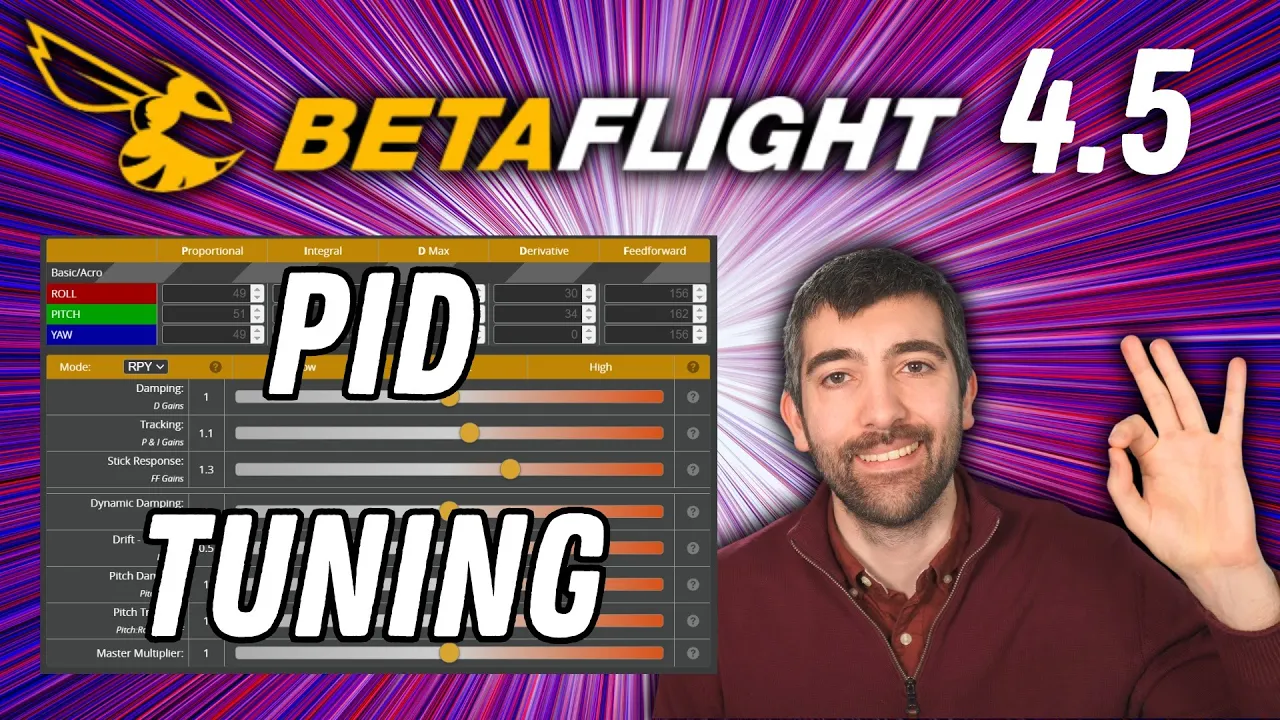
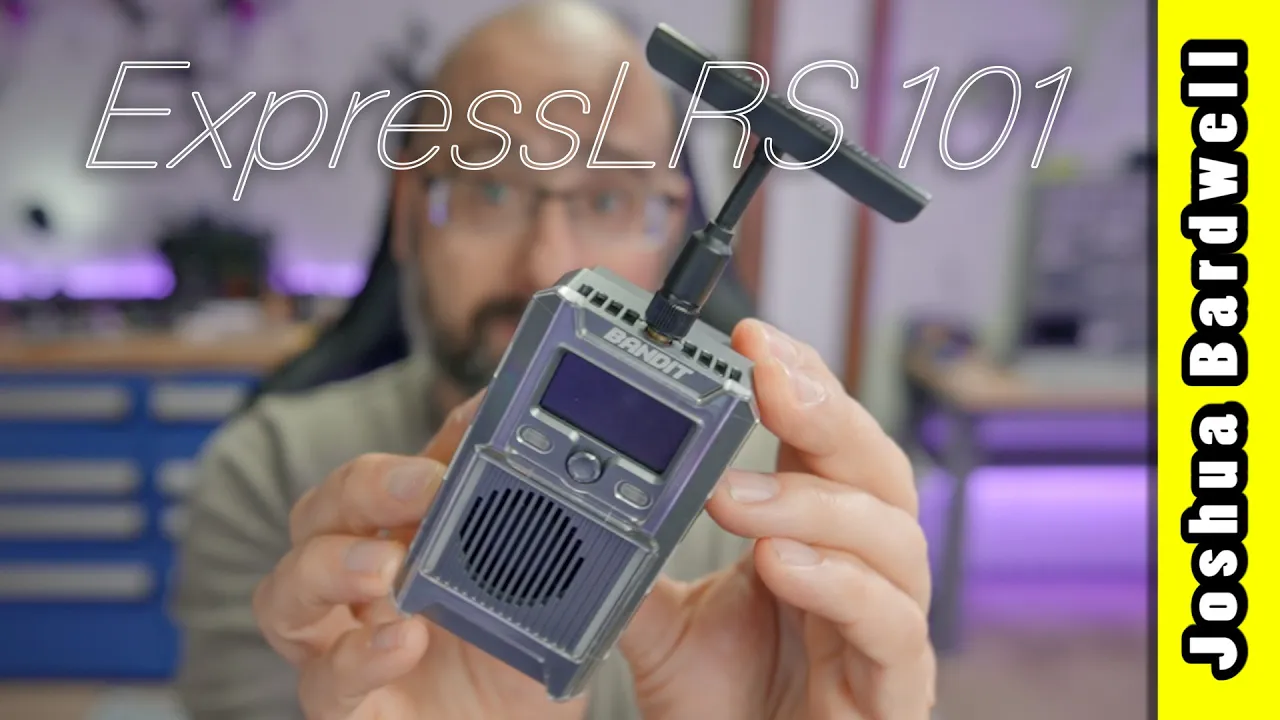
Added:[Music] welcome back to chaos zone tv from hala the next talk will be a treat by nuxnig welcome to fpv um just a quick content warning we will do a little demo flight at the end and that'll contain flashing lights and like seasickness risks i guess from time to time on social media you'll see a drone video that's not your typical wide panoramic shot chances are if it's fast flying in tight spaces that this is fpv flying the pilots combine electronics tinkering with lots of open source software and nuksnick will give us an introduction on how you can be as cool as him go ahead okay welcome to fpv i don't know if i'm that cool but i appreciate it the awesome introduction okay i am very excited to be here and to be talking to you about a topic i'm very passionate about this is an introduction level presentation with a whole slew of information so but let's get started but before then here's a quick word from our sponsor my name is seth fleming also known by my online pseudonym nooksnik you can see it in the ipa transcription there on the right i am a freelance software developer and a private consultant here are some of the things i do in my free time i like to reverse engineer hardware um i am i do electronics repair woodworking i like to build furniture i play music anything from country to death metal and i'm an amateur radio operator i also have my own little corner of the interwebs at nuxnic.com where i write about various things that interest me or projects i'm working on as far as contacting me the best way is through good old-fashioned email at nuxsnake well nexnic nexnic.com okay here's a disclaimer before i get started although i do consider myself fairly knowledgeable on the subject of fpv i am making no assumptions to know everything about fpv multi-rotors some of the information will be i'll be presenting is solely based on my personal opinion and personal experience so seriously don't tase me bro if i uh say something that you don't agree with the point of this talk as i said is to introduce you to the fast-paced world of fpv multicopters and give you a brief view into the hardware and software that goes into building configuring and flying fpv drones okay now with all that out of the way let's talk some drones so some of you may have the question what the hell is fpv well fpv is an acronym which means first person view it refers to the technology not so much the method used in piloting remote controlled vehicles in a nutshell an fpv controlled vehicle has a camera mounted on it this camera is wirelessly transmits a video signal which is received by the pilot and viewed in a remote monitor the pi the pilot controls the vehicle with a wireless transmitter and can steer the craft based on real-time information of the video signal it's not line of sight okay this technology can be used and piloting any variety of vehicles for example airplanes cars boats and even submarines any kind of vehicle you can think of as long as you can put a camera on it however one of the most common implementations is in conjunction with drones in more recent years the term fpv refers specifically more and more to quadcopters in other words it is more commonly understood that when someone refers to fbv they are referring to fpv drones with that said uh when i use the term fpv in the presentation i will be referring to fpv drones specifically their components and the discipline of piloting them so in general the technologies and disciplines that go into fpv as a as a whole are immersive and multifaceted and we'll get into that here are uh i will be showing an incomplete list of some of the different skills technologies and disciplines of fpv and i'm sure uh this audience will at least have one or two things that they can definitely uh that they have experience in so one is uh general electronics uh in the context of fpv you will be soldering a lot when building your own quads you will be soldering components wires and modules together um as a caveat well it's not really caveat you don't have to have an electrical engineering degree in order to have fun in fpv only a very basic understanding is required uh the amount of immersion and electronics really depends on your interest so in other words you can delve as deep as you want into the electronic aspects of fpv and stay inside your comfort zone another aspect you can delve into is radio and wireless technologies this is something that interests me as a ham radio or amateur radio operator fpv drones are controlled wirelessly which means you can delve into the world of radio propagation if that floats your boat you can get into diy antennas receivers transmitters there are a lot of people in the fpv community who make their own antennas and as you see here in this video i believe it's joshua bardwell he is analyzing a 5.8 megahertz video signal in a spectrum analyzer also you uh can get into software uh there's and there's lots of software to be had in fpv the brains of these drones are controlled by software and i got good news this software is open source this means you can freely download modify and prove and share the source code used in your very own quads you can compile your own source code and flash them to your drones and here i believe yes that is a video clip where i am messing with the betaflight uh sort code i was changing some of the strings to say funny things like ninjaflip and things like that so and one another discipline is 3d printing having a 3d printer is invaluable as an fpvr you will find yourself designing various mounts skids camera holders antenna mounts protective shields etc etc etc etc as we all know the internet is full of objects freely available and ready to print so what is required in fpv as i mentioned before you don't have to have a degree in aerospace engineering in order to build and fly fpv quads all you need is a willingness a willingness to learn and later down the road the only required skill is to be able to solder especially if you plan on building your own quad so it's a learned skill it comes pretty quickly actually all the same having a deep understanding of electronics radio propagation software and 3d printing are not required but it plus so uh i can tell you my personal opinion what i get out of fpv personally i enjoy fpv because i can build electronic projects projects that deal with wireless technologies go out and actually fly them it's very practical i'm not worried when i crash or break something because i look forward to fixing what was broken and sometimes doing upgrades when the parts have finally bit the dust in the end uh 50 percent of the enjoyment i get get out of fpv is i guess the best way to say it is in german das bastin bastin is kind of like creating something something with your hands or tinkering so that's 50 of the fun for me and the other 50 is the flying aspect flying is a hell of a lot of fun so and for you you can have your own personal taste some people care more about the flying some people like more of the technical stuff so the sky's the limit so what is an fpv drone so we've talked about what is fpv but what is an fpv drone what is it components to better understand the hardware that goes into making a drone think of it the same way as the hardware of a computer just as a parallel the standard components of a computer are a motherboard a hard drive ram gpu psu etc these components when connected together form the computer as a single unit the components of a computer communicate with standardized protocols these same concepts apply to the world of drone hardware albeit the components of a drone are not the same as those of a computer to further further illustrate this point when you know how the individual parts of a computer work hard drive ram gpu etc you know how to build the perfect computer which best fulfills your needs this same concept applies to selecting the hardware components of a drone in order to design your perfect drone you will need to understand its components so um in order to understand the components we're going to talk about flight controllers motors esc's receivers fpv cameras vtx's etc though the terms might sound a little foreign but hopefully at the end of this presentation you'll have a good idea on how they function okay let's get to the first component which is the flight controller or in short the fc it is the brain of the drone uh it is outfitted with various sensors and communication ports some of the sensors include gyroscopes accelerometers voltmeters etc these sensors help the drone sense its position and adjust its flight characteristics as already mentioned the flight controller offers communication ports and these ports can be connected to external modules and sensors the details of how a flight controller work are kind of beyond the scope of this presentation so in summary just try to take with you the flight controller is where everything happens if something goes wrong here then the system will crash and your drone will definitely crash okay let's talk about electronic uh speed controllers um otherwise known as an esc uh i'll get into a technical version of how they work and then try to put in layman's uh version they convert a pwm pulse width modulate modulation signal from the flight controller into a three-phase ac current which used is used to drive the motors the frequency of this current depends determines the speed and force at which the motors are driven so in the end a lower amplitude or a smaller signal from the flight controller drives the four motors of the drone and the esc translate those signals into a different three-phase electronic current which drives the motors in the end there are some flight controllers known as aio or all-in-one boards which have built-in esc's so as pictured here this is a singles esc a lot of these components can be built onto one one flight controller board okay motors of course we have to have motors or the thing won't fly so motors are the engine that keeps the quad flying in modern quadcopters brushless electro electromagnetic motors are most commonly used these motors are driven by a three-phase alternating current as we discussed which is provided by the esc and here's a quick note for the presentation i'm specifically specifically referring to quadcopters which have four motors however fpv drones are not limited to four motors sometimes you can find configurations in three six eight and even more the more motors the more weight you can carry so there's different characteristics depending on what you want to build okay and in order to receive the signals from the pilot uh the drone needs to know what to do and in order to receive those signals um you need a receiver and that's exactly what receiver does it receives signals and communicates the desired flight direction to the flight controller the flight controller in turn takes these signals does some calculations and sends a pwm signal to the ses as we talked about so the receiver can be a separate module as shown here this is a tbs team black sheep nano receiver it's very very small you can see uh 1.8 millimeters or one i can't see it from here it doesn't matter it's small it's about this big okay it can be built into the fight controller also okay and the camera which pretty much defines the term fpv um this camera sends a video signal to the flight controller and the flight controller takes the signal and will process it a bit and add an on-screen display so it just films what is in front of it it'll process the signal through the flight controller the flight controller will overlay an osd which is called an on-screen display we'll see that in the demo later when we fly around the studio here and yeah and that signal can or this on-screen display can show your battery level your speed your altitude if you have a gps module it can show you the gps coordinates flight time etc and then the signal gets pooped out to the vtx so what the hell is the vtx i'll tell you what it is the vtx receives the video signal from the flight controller it modulates amplifies and transmits the video signal so that the pilot can view it in his fpv his or her fpv goggles okay the vtx can also be built in in an all-in-one flight controller and we'll get to the antennas a modern quad will usually have two antennas one for receiving control signals from the pilot you'll see that one on the left hand side that is an immortal t antenna from team black sheep and uh one for uh sorry in order to steal steer the craft and another for transmitting the video signal which is on the right-hand side this is a triumph i think tbs triumph i have one here on the table somewhere for example the signals from the pilot can be transmitted on 2.4 gigahertz or 868 gigahertz um and the intended to the left receives those signals and the band for video signals is typically 5.8 gigahertz so it's a little higher now we'll talk about the frame uh one component that binds all these components into one unit and gives us its form is the frame this is commonly made of robust materials such as carbon fiber or hard plastic frames come in many shapes and sizes many of which depend on the flight characteristics desired by the pilot the frame shown here is a gep rc mark iv i'm rather fond of that one so i figured i'd show it i actually have one here on the table but i'll show you that later okay propellers they come in many different sizes and shapes as with other components selecting the correct propeller depends on the flight requirements air density temperature motors and uh the criteria for selecting the best propellers can be very complex and really go beyond the scope of this presentation so you just need to know these things have propellers in their core component so uh we'll just tie it all together with an overview as previously discussed the components in every drone vary and are largely dependent on the flight requirements or the preferences of the person building the drone so now that we have a general understanding and not a very deep one but a general understanding of the standard components that make up a modern quad let's look at some of the software so we got hardware and now we'll move to software okay we have learned that the flight controller is the brain of the drone but that is pretty much a half truth the real brain of the drone lies in its software due to the limited time of this presentation i'll only focus on one uh of software project namely the betaflight project here i'm a betaflight fanboy i even wrote put on my hoodie betaflight is a free and open source software suite for flashing and configuring flight controllers it is it's two main components it's well there's more components but the two main components of betaflight are the flight controller software and the betaflight configure configurator let's look at the uh software first for the flight controller the flight controller software does just that um before when i showed you that clip of the software that was actually the betaflight software itself um is the software and is the software that operates and keeps the drone in the air it communicates with the external modules reads from the sensors and inputs and interprets pilot data it is responsible for controlling the motors and overlaying the osd or on-screen display as we talked about before at its core is the real workhorse of any drone listed underneath is the github page you can download this software for yourself poke around have fun and try it out yourself okay and now we have the betaflight configurator and it pretty much offers an intuit an intuitive ui which we can use to easily configure the drone so let's delve deeper and look at how it actually works live i think the best way to see it how it works is to see it live in action so i have here my freestyle quad my 5 inch freestyle quad let's connect it and look around at some of the things we can configure so on the side there is a small usb port i'll turn around here and i'll switch over to betaflight there we are hopefully you can see it uh could you make it a little larger in the monitor for uh in the front please okay i'll plug it in i can figure out where it is okay there we are okay and here oh there's a little delay there so i'll just okay we're gonna hit connect i would hit connect live demos are always a lot of fun [Laughter] always bound to happen i can't see it in the monitor does it say acm 0 something at the end of that block device dev acm 0.
interesting not working well that figures well i guess i might have to just uh give you the load on on how it works without showing you since i can't seem to get it to work here with the betaflight configurator you can look through and see more easily i guess here i'll turn this so you can see a little better here's the usb port on the side the specific components that you want to configure for example i can configure my transmitter i configure these the switches of a for my transmitter i can configure each switch to do a specific thing for the drone to arm it if i flip over i can go into turtle mode and make it flip over and there are many things i can change in that software also i can change the video signal i can change the different uart pads on the flight controller to do different things for example if i add a gps module to the flight controller um and i can change the osd and as i said the osd and we'll see that later in the live demo hopefully the next live demo will work uh in the osd on-screen display we'll see uh some things uh for example how long the flight was the name of the craft uh and many things like that so that's pretty much what betaflight does a betaflight configurator so let's move on i'll unplug this one here one thing you never want to do is plug in a quad with a full battery indoors with these props because this thing is a flying chainsaw never do that well what i did you don't want to plug in a battery um that's bad news so we'll keep talking about open source software and the next thing i want to talk about is uh uh sorry yeah there i am and the next thing i want to talk about is open tx uh opentx is a hardware independent open source firmware that can be flashed onto your transmitter this here is a transmitter i have some gimbal guards here and it gives you the ability to save different drone profiles on your transmitter and enables communication with external modules these are external modules in the back they can be extended and they can extend your transmitter very interesting devices i have a few here and we'll go more into detail on those uh later in the presentation just one thing you need to take away with you is that opentx is the software used to do that okay let me move down here to the presentation can you switch over back to the presentation i believe okay yeah there we are overview um so we have seen there are many other choices when it comes to the hardware uh which runs on most drones so so far i only have scratched the surface there are many many more open source projects specifically in the flight controller area so do your due diligence look it up and they're pretty easy to find online oh okay yeah that's right i think i need to do that right there we are all right yeah baby it's working okay uh let's move to the next one uh okay we just talked about that yes so do your due diligence look up your different open source software projects there's inav there's kiss there's many others so that is up to you so hopefully i have sparked your interest in getting started in fpv and with so many options and possibilities what should we buy we always want to buy something so good quality equipment can be expensive i don't advocate buying expensive equipment until you're sure fpv is something you want to invest your time and money into this hobby can get quite expensive as you see here on the table with that in mind i put together a quick guide to buying fpv gear it is split into different phases one two and three and in each of these phases you will be acquiring equipment that builds on the equipment that came before it in other words you will buy the least amount of equipment required and in each phase the new equipment builds on the commit the equipment you bought before this way you won't have to go all in and decide later that fpv isn't your thing and be stuck with a bunch of paperweights uh sitting in the corner so uh and another disclaimer going forward i will be expressing my own personal opinions uh regarding fpv equipment there are some people with very strong opinions about what you should buy and what you shouldn't buy um we all have our own tastes and preferences um so just don't blindly take my word for it and say oh he said you should buy that so i'm gonna buy it look it up yourself unfortunately there's no one-size-fits-all solution to getting equipment so you have to find the equipment that's right for you okay so i've set up a shopping cart for you and this is phase one uh so you've listened to the talk and it sparked your interest and you say to yourself yeah that sounds like something i want to get into this is cool so phase one is the least expensive step you will be getting into you only be getting your feet wet and have minimal investment in money and time therefore the only two things you will need to buy for phase one are a fpv simulator and a transmitter so let's look into the simulators first okay uh and to be honest uh i'll i'll refer you to velocidrone um really to be honest this is the only simulator i've used it's graphics are simple i can play it on my laptop the quad tuning process is straightforward and intuitive quad tuning was something i wanted to show you in betaflight but unfortunately we can get to that and it's a complex subject and you'll hear it quite a bit so quad tummy tuning save that for later it's compatible with linux mac and windows and the time of this presentation it costs about 16 pounds 99 which is about 20 euros so it's not a big investment so let's move to the transmitter we know we want to get an fpv simulator there are more simulators out there so look those up there's liftoff there's rotor rush there's a bunch of them look them up since i don't want to make too many equipment recommendations i will show you only the transmitters i have to give you the an idea of what is out there and the trend all these transmitters as i uh mentioned before they all wrote run open source software namely open tx which we briefly discussed so the first i have shown you this already is my freesky qx7 it's my daily driver as far as transmitters go many people would probably say this transmitter is outdated they're right it can be extended with external modules as i showed before um it has built-in free sky protocols um i prefer for using this uh transmitter when i'm flying a quad with at least a three propeller three inch propeller diameter so a quad this large and larger and i do that because the stick resolution is higher on this so the points from here to here are much larger and i get a better resolution so i like this bigger one for that like i said there's newer better more modern options so you might want to look those up and next is a pretty good starter controller or transmitter it is the jumper t light it's an inexpensive transmitter that runs on opentx it can be extended with external modules and comes shipped with multi-protocol functionality you can use this single controller for bind and flight quads a bindified quad is if you buy a quad it comes pre-built and you can just bind your controller to it at the time of this presentation it costs about 90 euros and it's small fits in your hands kind of like a xbox controller style feels like an xbox controller and the last radio i'll be showing you is the beta fpv light radio three it costs around 60 euros this is actually not the three this is the two you don't want to buy this one it's not fully featured the other one has the three um it's a decent transmitter for its price it has a small form factor but however no screen um and as i said i have the older version so if you want to spend a little less money you can probably get the uh the light radio too or at least look into it so let's go to phase three um or sorry phase two phase three we're not there yet uh and we're gonna add to our shopping cart a tiny loop a tiny loop is a drone like this and we will be adding fpv goggles this is where it gets exciting so we've been practicing in the simulator we can keep our quad in the air and aren't crashing as often flying these things is not easy it takes a lot of practice let's expand our equipment and get two more items so uh in my own personal experience it's better start to start with a small small quad with like a tiny whoop because you will crash and crash and crash and crash and crash and crash and crash and crashing is part a big part of fpv that's why starting out in a simulator will save you a lot of money do your practice in the simulator it doesn't cost anything to crash when you crash in the real world it costs money so for safety and financial reasons i recommend starting with a tiny whoop if you run into someone's face with a tiny loop you will not mingle their face if you run into someone's face with this you will mangle their face so don't do that and don't fly those indoors uh tiny whoops are small and light um they're normally flown indoors which we will do later um they are called tiny whoops because of the park prop guards these are called whoops little prop guards if you run into somebody you know the worst thing you can do is get stuck in someone's hair and that's a bummer i've had that happen a couple times so well not for me but for the person who i ran into uh so as stated before they are this is my personal opinion regarding what quad to buy so take it with a grain of salt do your own research so let's look at a couple tiny loops in my collection um you see the video here on the left is from a a video i filmed with an fpv a tiny whoop namely this modulo light 6 hd it has a high definition camera installed on it i even used this yeah i used this little drone to film some of the scenes you saw there it's very very small and can get in very very tight places and it has an excellent camera it's up to 1080p um small little drone very nice here i'll show it for the folks out there in internet land very nice camera next we have the mobile light or the sorry the modulus 6 the modulus 6 is a little well it's exactly the same as the hd except it doesn't have an hd camera so it's with a regular camera that can't take cool video footage by the way um in this hd camera there is a mini sd card um i'll show it here there's a mini sd card uh that saves your video footage so you're seeing an fpv feed in your goggles and this thing will save your high definition video footage in here and then the last one which we will fly around today around the studio is this little uh mob light six uh it is very light flies for a long time it's really fast and it's a lot of fun to fly you can do some pretty cool acrobatic stuff with it and you can get on people's nerves which i do all the time so okay let's get into the exciting stuff fpv goggles this is where the fun starts it is also possible to buy goggles and practice in the simulator since a decent set of goggles will have a an hdmi input so you can actually use these to hook to your computer and use it as a spare monitor i do this when i'm riding in a train and i don't want people to see what i'm doing in my computer i just put on goggles and shut the uh the the flap what do you call that thing the thing in the front anyway i close my uh uh my laptop and i see my screen and people look at me like i'm a freak but you know who cares then you kind of look like you're in tron so you know [ __ ] them so before discussing the virtues of goggles trying them on and posing for the cover of daft punk magazine a magazine i do want to pose for at some point in my life we will first need to discuss the two video signal types of fpv and these are namely analog and digital okay depending on what type of requirements you have these video signal types can influence the goggles you buy so pay attention here and this will be a money issue for some of you here's some some dvr footage from a flight i did and this is analog video and it is exactly that it's analog so for those of you as old as me you will remember uh back in the good old days the old analog tv transmissions of the last century it looks like that and it's pretty much the same technology there are advantages and disadvantages to analog video system the advantages are equipment compatibility so equipment for analog systems is open and intercompatible it's not locked to any specific vendor this means that the video transmitters and receivers are not limited by proprietary protocols which is a definite plus it has low latency latency means that the time it takes to get from the camera your feed to your goggles is very low uh in latency so the transmission is faster which means you can react more quickly for some people this kind of subjective some people say there's a big difference between digital and analog it depends who you're talking to it is low cost analog equipment is much more inexpensive than digital it uses low bandwidth and the radio spectrum which means you can fly with more people so you can fly with your friends they can use their analog equipment and you're not going to blast the whole bandwidth and screw everyone over so something to think about okay so uh let's talk about the disadvantages and really the biggest disadvantage as you saw is the video clarity it's low some people would say the security is an issue because it is not encrypted and anyone can view that i don't really see that as an issue especially if you're flying with fpv quad i suppose you could probably run it through some kind of encryption algorithm i don't know maybe look into that for fun okay uh so the good thing is um this analog signal you're seeing looks like crap and you think like oh how do i make a nice video out of it well you strap on an hd camera to the top of the other drone so you'll see here is my fpv camera right here this little guy and here is my hd camera and this is going to take the good stuff and this is going to be just for flying so a little fpv camera here it's got a little cap on it yeah very small okay that's how we get the cool uh video footage so uh let's get to digital uh so some of the advantages to digital unlike analog these systems transmit and receive digital signals so as you can see the video clear clarity is clearly the biggest advantage of digital signals and of course the biggest selling point for example when flying among trees and small branches the details make a huge difference and can mean the difference between whether you crash or not something i don't do is fly around in the woods like this with an analog system it's very hard to see those little small branches and they will take you down quick it's called scraggle so uh digital fpv disadvantages higher latency which means the signal uh hubo tagging the signal uh transmission rate i guess is uh slower which means you will not be able to react as quickly i don't see this as a big problem some people do the cost is higher digital systems are more expensive than analog and the equipment compatibility this is the big one for me which really makes me a big turn off is digital systems there is the problem of vendor lock so if you're going to get locked into a dji digital system you are only going to be using dji which i don't know that kind of kind of sucks so so uh which goggles do you want to buy that's up to you i'm a fan of the analog system which i think is pretty obvious however i do own a sharkbite system this is an analog system or i'm sorry a digital system uh i have to be happy with the fact that it is compatible with analog goggles so it's kind of a hybrid it's kind of it is a digital system but it is uh it can be used with analog hardware which is pretty nice so i'm just going to show you a couple things about some of these goggles this is an ear sheen ev i think ev300 or something like that um it is run by a 2s battery on the side um it has here i have a patch antenna and a omnidirectional antenna on the top so this one is when i place it in the direction of where i'm flying i can get a clear signal it has a higher decibel dbi on the top there's a fan to keep it from fogging up it has high definition as i said hdmi input i can hook this up to my computer use it as an external monitor i said as i said another use which i think is kind of cool and i do it sometimes is to use it as a soldering monitor you can hook it up to an uh usb microscope and get in real close you kind of look like doc brown with these things on you know they're just cool i like tron doc brown daft punk you know the cool stuff uh here are my fat shark hdos they're a little older they do have the same features as this set of goggles um i made some external mods a lot of 3d printing you can see here here's a power switch i have which has a nice little it beeps too which is kind of cool the as i said this uh module this digital module in the front can be removed overall it's a very nice system i'm very happy with it so if you want to look into good goggles uh kind of like the creme de la creme of goggles is i would say fat shark um they're also pretty uh established and well-known in the fpv world so you look into goggles you'll be seeing the name fat shark quite a bit okay so let's go to phase three we're going to go back to our shopping cart so far we have developed some good piloting skills in our simulator we've translated those skills into real world flying by flying with their goggles in a tiny loop now we want to take it to the next step and enter phase three since we already have our basic equipment we can now buy as many quads as we want and expand our fleet [Music] this will largely depend on what type of flying you're interested so i'm going to go into some of the different types of flying and different types of quads that i have here on the table for this phase we will be briefly covering different flying styles uh the classes of quads etc so you'll kind of have a good or a better idea of what kind of quads are out there and maybe see a style flying which you could say oh i could see myself doing that so just remember the words and uh yeah it's all good so we're gonna get into freestyle freestyle uh it is a generic term which can include many other styles of flying uh however in order to keep things simple we will glob it into the catch-all term freestyle so freestyle is arguably the most action-packed style of flying in the fpv world as a comparison it's similar to the world of freestyle skateboarding i see it as pretty much the same thing guys people get together they uh they do tricks and you know in a nutshell the flying style involves flying in and around objects through tight spaces and openings sharp turns near misses oh while trying to pull off a couple tricks like right at the last second a freestyle quad needs to take a lot of beating that is why because you'll be crashing like crazy that is why it is the most robust compared to the other classes a freestyle quad can come in many shapes and sizes i'll start from the smallest to largest i'll just start at around this one here you could call this the freestyle quad this one's kind of cute it looks like a flying helmet i don't know lord helmet with propellers from spaceballs it is uh it's a 1s on a runs on the 1st battery we'll move up the ladder a little bit and graduate to a 3 inch freestyle quad as i said these are very robust you can see this is made out of carbon fiber i have my own tpu 3d printed parts on this some camera holders uh this one's pretty small it's a three inch quad and they're called three inch and five inch it has to do with the diameter of the propellers so that's three inches across and here is a bigger quad this is actually called a mini quad because back in the day these things were much bigger and when they got them this size they said hey this is freaking small you know it's a mini quad so uh this is a freestyle mini quad um it has a lot of custom configurations some camera mounts i designed myself in soft space soft space check it out love it great cad program i can always plug soft space love that program uh a i have a my own custom antenna mounts and yes these are have larger props three blade props you can get two great blade props the common usage or the common configuration is a three day three blade prop here's some of the antennas that we talked about earlier um yes this is a six s quad we'll talk about batteries in a second okay so those are some just a general introduction to freestyle quads next we can talk about long range long range is a hell of a lot of fun and they just go long range they fly really really really far so how far a long range can fly really depends on who you're talking to and what type of quad you're referring to and since this can sometimes be debatable what constitutes a long range quad i'll just say it it's kind of like a quad that can fly above average distances while taking into account its size performance and battery which is a very convoluted saying of i don't [ __ ] know so no actually there are some things these things can go pretty far they can go uh anywhere from one to ten to more kilometers depending on um depending on some of the components you build into them long-range flights are generally smoother uh they have a feel of cruising without any tricks or rolls you're just going to kind of fly and cruise and long-range quads are usually equipped with a gps module you can see in this flight and you can check out those gps coordinates if you want it's not going to bother me it features a gps module was built into this quad i built it myself i'll show you in a second it features return to home functionality this means that if the quad loses signal from the transmitter it will turn around and fly back to its point of origin so you see a little arrow and that points to where i am um i have two long-range quads uh ironically both of these were designed by david cleedon uh otherwise known as dave c and i'll get into this one first this is a micro long range it is very light here's the gps module here on the back fpv camera in the front and i've gotten this quad out pretty far i built in a new vtx which is the video transmitter and it can get i won't say illegal amounts of power because i wouldn't do that but this thing can get out pretty far here's the gps module in the back a longer antenna i'll get into this camera in a second this camera is pretty cool and here is the nano long range this is a 3d printed frame i built this one from scratch i also made a build video about this on my youtube channel so if you want to check that out learn how to build this guy it's a lot of fun here's a gps module it's run on a single 18650 battery has three inch propellers this thing is i think it's pretty amazing not because i designed it or did it i just built it the engineering behind this is very interesting it's very very light very interesting okay so we're gonna have to move along here a little bit so cinematic style quads i'll just show you that real quick this is a cinematic style quad it is used for getting tight and close up to people you can see it also carries its camera here um cinematic style just think cinema think movies um that's a beta fpv85 and i used it to film this music video here you can see i'm flying through an office space down corridors it's very nimble and very maneuverable flying down the stairwell there and as i said you can fly very close to people because it has prop guards or whoops okay let's move on okay so the in all three phases we talked about core equipment so um here's some other stuff you can get i'm gonna brush this really really quick because we're running out of time here so batteries batteries they're lithium polymer they're dangerous so you need to learn about how they work they don't work like your phone you don't just plug them in and they work well your phone could be dangerous too think of the samsung 7 i think it was that was a lot of fun they can be dangerous that's why i store them in an ammunition case as you see here this there are no bullets in this there are batteries because they can go up in flame and they can take you with them so keep those in mind keep that in mind when you're working with lithium polymer batteries cameras this is a stripped down naked gopro i took a gopro apart placed it in this case it's stripped down to only what is needed for it to function um look it up uh a naked gopro running out of time here so i gotta move there's some other cameras on there so check them out tools i have an awesome toolkit that i wanted to get into because i could talk about tools all day long and here's my toolkit antennas hex drivers different camera mounts modules multimeter antennas etc so keep a tool with kit with you this is my field toolkit i use it all the time in the field i make repairs in the field a soldering iron is in there okay and 3d printing um as you saw most of the quads here and they are used with 3d printing uh they have 3d printed components on them so to round out this presentation we will do a short test flight around the studio to make sure you get a feel of what it's like to sit in the cockpit of a real fpv drone let's do that hopefully this live demo will work i'm going to plug in here i'm going to be using the jumper t light let's turn it on okay turn on my goggles let's turn on the drone so you can get a video feed see what i'm seeing and this is an analog system so if uh if you have epileptic epileptic issues this could flash a lot so if you have a problem with flashing lights please look the other way um don't stare into the light okay let's do it i'm not warm so we'll see how this works out whoa bad start very bad start i'm too excited i haven't had enough booze yet i don't fly and drink okay here we go here we go let's take it easy say hi people let's go out let's fly around the hackerspace folks here we are so as as i said before fpv flying is very very immersive i feel like a little man sitting in the front in a little cockpit you know a little tiny guy let's fly around the corner i made it oh no crashed and burned hopefully someone saw it and let's see i gotta turn around and i could probably see myself better there we go i see a little movement i don't know if you see anything here we go there we go we're back on we're back on track i'm gonna go back i'm gonna risk it you only live once you know what i'm saying okay i gotta do some tricks here you know i'm gonna crash so might as well crash in style whew that's called the roll folks that's how you do it 2001 2001 2021 2001.
i've been listening to old rap albums recently so sorry about that here we go i don't want to get in anyone's hair yeah so as you see uh this is really easy to get into um you'll be getting you'll irritate the [ __ ] out of people with these little things after a while they'll be like hey that's really cool and then you'll fly into their hair and then they won't like it anymore and they'll they won't like you for a while because it takes a long time to get out of the hair those little those little motors when they get caught in hair it's bad news it's bad news bears oh he crashes and he burns fly around here how much time i got folks we doing okay still all right so you see those uh all those uh those numbers and and everything that's the on-screen display and that's being transmitted from the flight controller so i can configure that in betaflight so if i want to know a different uh metric there we go made it if i want to know a different metric i can figure that out i can put it in my on-screen display and see it posted there let's go fast whoo let's go a little faster oh crash and burn okay i think i think i'm i think i'm done so like i said uh you're gonna crash a hell of a lot um it's something you get used to these things can crash a lot and so imagine this this is the small version um imagine flying one hold on i'll turn on the beaver i can is it beeping can you find it okay that's some that's that's something that you can configure you can make a beep so imagine flying that little quad and and translate it to a big-ass quad like this one that's five inch it'll go maybe 200 kilometers an hour flying on the seat of your pants you don't want to fly this around people if you run into someone you're going to have a bad day and they're going to have a worse day so don't do that so that's about it you can download the slides from my presentation uh on my at the following url from my uh website uh if you have found something i said to be an error uh in my presentation please let me know uh i had to say that in german for uh the folks here standing here um not that they don't understand me you know uh i don't know stay healthy happy and i am looking forward to your questions thank you very much this is so nice thank you so much it's nice to see our little village of innis really just a village in the trench coat of a big city and i know all the spots alright so there are lots of questions um to 3d printing and using that with with drones what materials are suitable for 3d printing frames and are they sturdy enough that's a good question and it really depends on what quad you're making this for example was printed in pla but since it's a long range drone i'm not going to do crazy tricks with it i'm going to be a little more careful i have crashed with this one you can do it with pla but you're not going to be printing a a frame for a drone like this or of this size you could but it probably wouldn't last very long um pla abs what's a harder one petg maybe you'll be using a lot of tpu because tpu is soft for different mounts and padding style components so yeah that's a good question yeah nice how often do you get motion sickness flying one of the fev drones yes very good question um i'll just put it this way i have a tendency to get motion sickness generally when i'm in a car and the first time i flew with goggles i felt that way maybe the first 20 seconds and something in my brain clicked and told me it was okay and after the first flight i was really okay i don't really have that many problems and i am more prone to uh motion sickness so yeah that is a good question yeah nice i can hear the last drone beeping in the couches oh let me turn that on no no i think it's the time out or something all right um where would you look for other people flying fpv in germany communities online hubs forums what do you recommend there are lots of online hubs um one forum that i visit quite often is called into fpv.com there are german people in germany i live in germany so that applies to me but there are people from all over the world on that forum now with the problems with corona there used to be more fpv meetups there are some times you can look into tiny whoop races you can race these things around through obstacle courses there are events and things going on the fpv community is rather small it's not a big community so yeah that's a good question but there are plenty of resources online and meetings and people all right um what about the legal side about long range and doing that in germany or even the eu well uh there are requirements and things you should do in germany you're going to have to go to the luftwaft bundesant and you can take maybe a year ago they offered a free course to be licensed there are three different licenses they're at least for in this hobby the a1 the a2 and the a3 i have the a1 and the a2 i'm sorry i have the a1 and the a3 i'm currently taking the a2 the good thing about this is every country has its own i guess you could say organization which takes care of those or regulates those laws uh you have to look in for your specific country um the good thing in the eu is all these drone licenses are standardized so if you get a one two or three you can fly anywhere in the eu zone i'm only speaking for eu so good question yeah nice um does anybody in the fpv community use synced stereo or dual camera setups in combination with the headsets or is that too intense oh like a 3d yeah yes actually uh that is interesting i've never tried it i would like to uh there was a time maybe uh maybe four or five years ago uh maybe you know it was longer uh or farther back um where you could do that uh there is a setup where you you can transmit uh 3d so yes that is possible it's not very popular not anymore and there were some people doing that you can probably find a bunch of videos on youtube about that they're probably a little older but yeah good question and i haven't done it myself i would love to um that's something that's definitely on my bucket list good question all right and then another regulatory thing does a hem radio license help in fpv for example for stronger video yes and it depends on the band and it depends on your class of license and it depends on what country you're living in so yes with the 5.8 megahertz there are specific channels i think it was like uh 5.9 or there's a couple which depending on the flight controller or the vtx which are not in use they're specified as ham radio channels and if you are licensed as a ham radio operator uh you can uh i think you can get up to five watts or something like that it's quite don't quote me on this i'm just pulling this out of my ass right now as a specific question but uh yes you do have some advantages all right that's very interesting thank you so much for being here thank you uh and uh yeah happy new year see you next year hopefully live in person thank you very much thank you our next talk on chaos on tv will be bertel and he will talk about electro gruesl cabinet best of lender what may happen if one applies the mantra if it's stupid and it works it's not stupid to electricity installations alright that sounds interesting see you then [Music] you
Up Next

Fusion 360: Designing PCB Mounting Plates for Enclosures
@adafruit
37.1K views•2020-05-15

Triumph of Orthodoxy Icon: Byzantine Art & History Explained
@BenCallan
2.1K views•2024-08-06

Two Leaks in the Great Firewall: Hacking DNS Injectors
@mediacccde
32.4K views•2025-12-27

Game of Thrones Opening Credits: A Cinematic Analysis
@gameofthrones
46.3M views•2011-04-18
Related Study Plans & Knowledge Roadmaps
Structured learning paths in General & Interdisciplinary Studies