

















PCB mounting plates are modular 3D-printed components that secure circuit boards within enclosures, offering significant advantages over integrated designs by allowing independent modification of component positioning without reprinting entire enclosures; the design process involves creating parameterized sketches with mounting holes, using offset and mirror tools to generate symmetrical patterns, extruding surfaces and applying thickness commands to create standoff structures, and finally joining the PCB to the mount using Fusion 360's joint features.
Fusion 360: Designing PCB Mounting Plates for Enclosures
Added:Basic proficiency in Autodesk Fusion 360 navigation, 2D sketching, and 3D modeling operations like Extrude.
Understanding of parametric modeling concepts, specifically how to use user parameters and variables to drive dimensions.
Familiarity with physical PCB characteristics, including mounting holes, component heights, and keep-out zones.
Basic knowledge of mechanical hardware fasteners, including thread sizes (such as M2.5 or M3), clearance tolerances, and standoff heights.
Comprehensive enclosure design, including designing interlocking lids, snap-fits, and port cutouts for external connectors.
ECAD to MCAD workflow integration, specifically importing 3D PCB designs from software like KiCad, Eagle, or Altium into Fusion 360.
Design for Manufacturing (DFM) considerations for 3D printing or injection molding the designed enclosure and mounts.
Thermal management design, incorporating passive cooling vents, fan mounts, and heatsink clearances into the assembly.
37.1K views1.1Klikes34:24Original Release: 2020-05-15
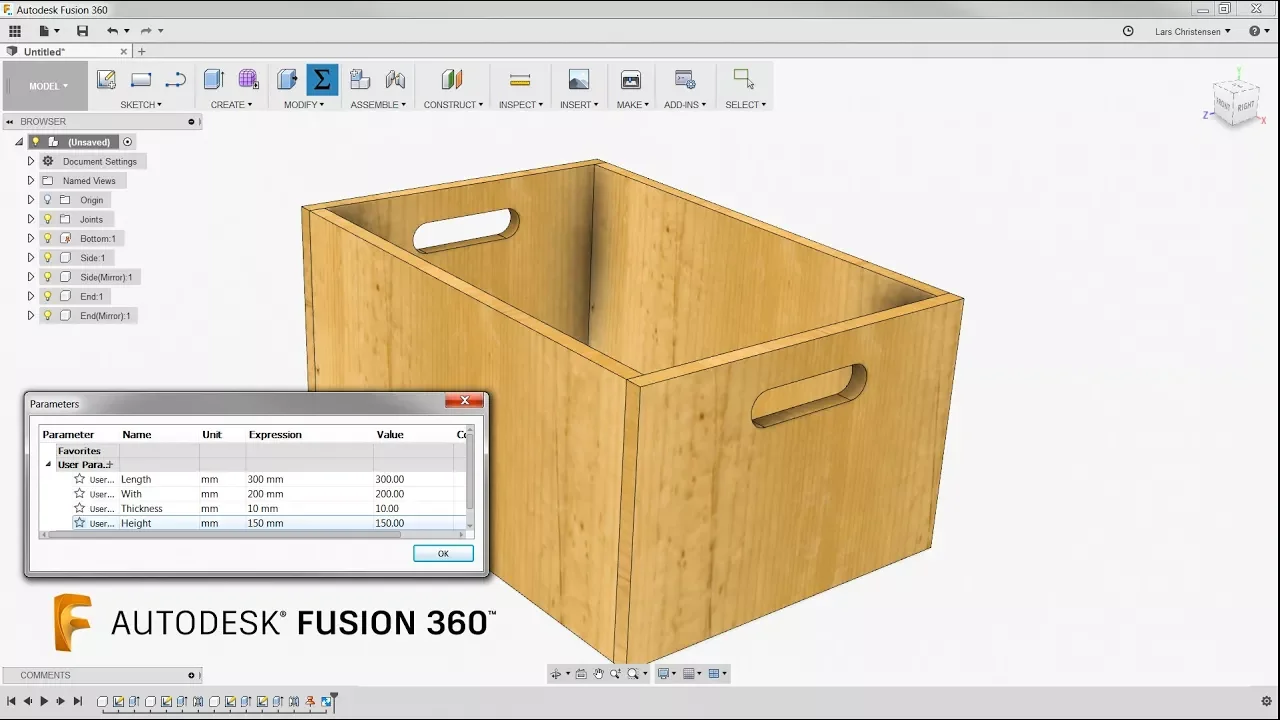
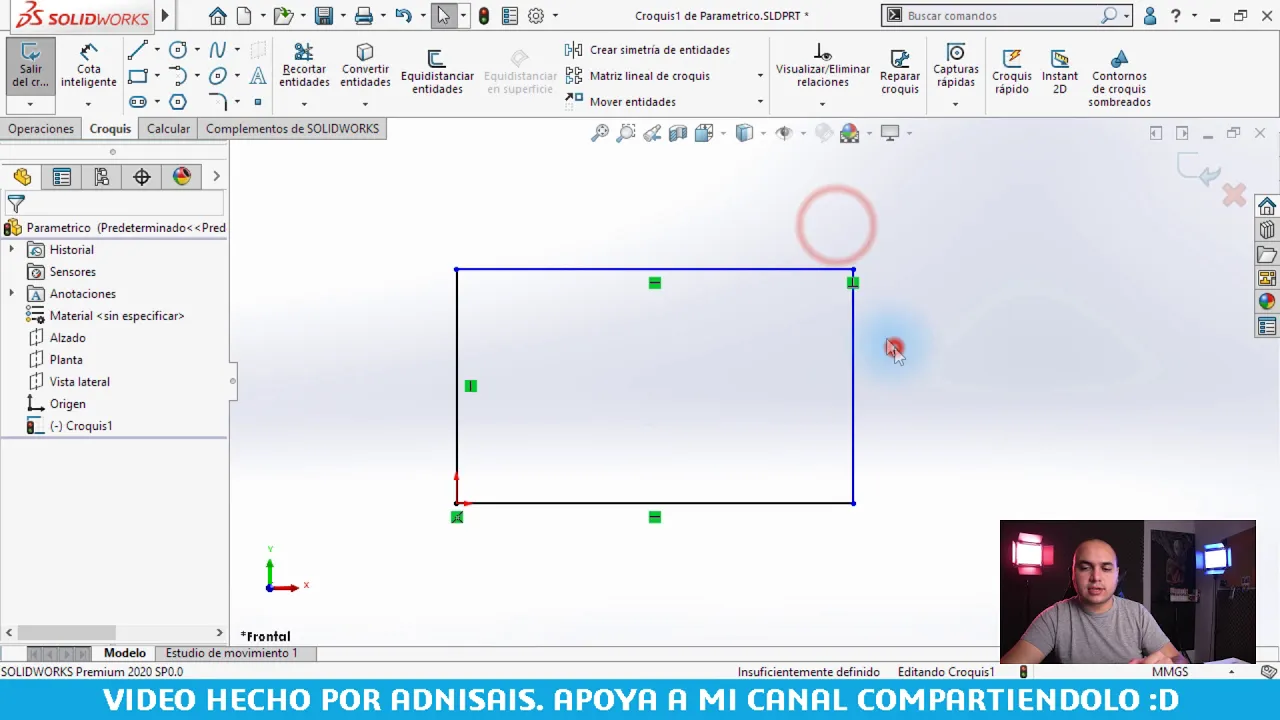
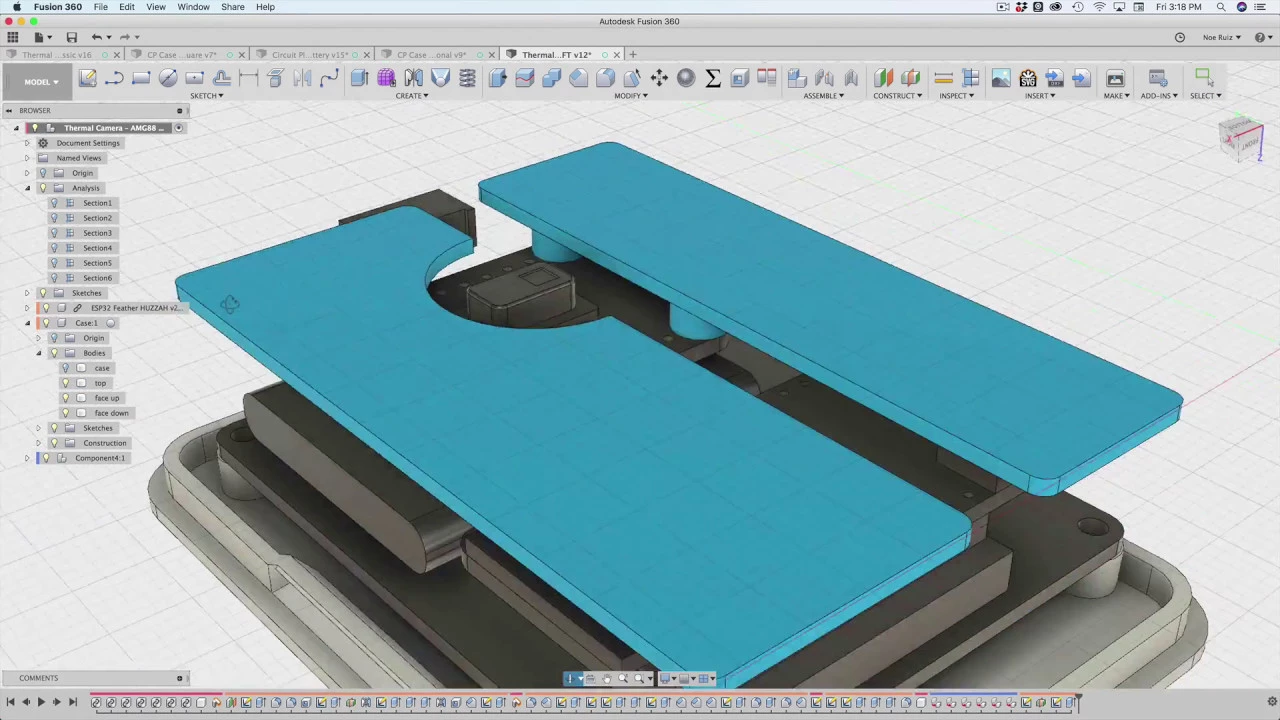
hey what's up folks welcome back to another layer by lair in today's tutorial we're gonna take a look at making pcb mounting plates for different projects so what i'm gonna do is i'm gonna share with you guys some projects that i have come up with that use a pcb mount and really the main benefit of being able to have a pcb mount is that it's separate piece from your main enclosure one of the benefits to having that is that if you ever need to make any changes to the internal positioning of your components having a pcb mount is nice because then you're just having to reprint 3d print the pcb mount instead of having to print all of the pieces to the enclosure so let me go and walk you through some of these projects so this is our latest project it is an enclosure that houses an adafruit feather and a vibration motor so it has some snap fit pieces and really what's holding all this together is this pcb mount so let me start kind of taking these bits apart so this is one of the top covers there's this piece and then this piece and then there and this is our pcb mount also hide this diffuser so what this pcb mount is uh it's specifically designed to to secure the an adafruit feather and an external little breakout board here this is a motor driver and they're all mounted with these hardware screws there would be some hex that's on the bottom here but this is the general shape of the pcb mount so the way it works is that there are a series of standoffs and these four standoffs here are what actually get secured to the speaker cover the speaker cover was hidden so i need to bring it back out so the with these long screws they kind of go through um the standoffs that are inside here and they they go through uh not just the speaker cover but also this pcb mounting bit that's colored purple and what's cool about this is that if i ever needed to adjust the motor driver or i need to add more clearances to several things i only need to print uh this pcb mount and then i and then i don't have to print uh the the back or the front covering here's what the back cover looks like it's got a speaker back here there so these two snap together that's why the the screw doesn't need to uh to go through this piece here because they snap fit so you can combine snap fit geometry along with you know these standoffs and these mounting bits pretty neat another thing that it does is it elevates the pcb from the mount so that you can have clearance for wires components on the bottom of your pcb uh and you can route different components under here so that's really neat all right let's take a look at another one here this is the a pi badge camera it's a thermal camera and this one uh has a completely different uh style of enclosure you have a top here and a bottom here that kind of gets snapped they kind of clamp this uh this frame and this back cover here so let's go ahead and try to take it apart so i'll take the top off and if you get a look inside there you can kind of see the pcb mount it's purple as well let's turn the bottom off as well now you can see here how these two pieces are are clamping this frame to the cover and the cover has like this this bit of a snap fit feature and there's like a nub here that uh that houses it and keeps it nice and secured when the two pieces are snapped on top on the bottom so i'll go ahead and hide the um the body frame and just stare at the at these parts here so what's cool about this um this particular mount is that i'm also using some additional hardware uh these m25 standoffs so if you need to have stand ups going this way and that way a good way to avoid support material is to just have external standoffs and that's uh you know you can have your standard sizes here and make your pcbs uh um you know multi-dimensional like they are here so this is really cool uh there's some strategic uh support beams that are placed here so like this one right here is placed there so that the battery has a little bit of extra uh support to house there and you'll notice that this side doesn't have anything because that's where the speaker is going to go but it is elevated away from any of the components and you can see here that we have access to like some some header pins here so that we can have wiring and stuff come there uh another thing that's interesting about this particular one is let's go ahead and hide the cover and just show that there's actually no screws being used to secure the the the pcb of the pie badge itself it just has these nubs so if i hide the uh the components you can see that there are these these nubs that just are built into these these uh standoffs and the way that it is being secured is with these four standoffs here and these do have holes all the way through and then we just use some long screws that will attach to the uh the covering here so that's why there's holes there because it houses that whole piece there so this is a different way and a different approach to pretty much the same concept where you have a pcb mount that has you know that secures uh some components in this case it's securing just two of them um but yeah that's how this one's working let's take a look at another one here this one is a nice retro inspired enclosure and it uses the pi portal the pi portal from adafruit so if you look here we have some buttons at the top here and these buttons are actually soldered to these pcbs and then we have that purple frame i've got this purple frame going on here so let's go ahead and hide the frame and then we can see how these two snap these three pieces snap fit to the frame we have a front screen and a covering and here's our button plate is what i called it and then i'll hide some of the components here like that so what's interesting about this one is that it's it doesn't have any external standoffs um but it it does have these on the corner there's something in the middle here and really what's going on with this one is that because they're buttons they're gonna have a lot of force applied to them so this bottom piece here it kind of keeps it sturdy and makes it more durable so that when you're pressing it it's not flexing a lot so that's why i have this additional piece here but it does have mounting holes and the mounting holes are a little bit baked into this this beam here but that's how that works and yeah there's like zero clearance from the surface the bottom surface of the pcb and the top surface of this pcb mount they don't have to have clearance they could be right you know sandwiched into each other specifically for a project that needs um you know this specific uh joint here you notice i don't have any hardware modeled into here but you can easily see the distance between them is six millimeters and that's a pretty standard size for a standoff uh which is what i actually use here it's just some external standoffs uh a phillips pan head goes up here hex nut at the bottom same thing here screw in here hex nut at the bottom and now that seems to work out really well so if you just need something to keep your uh your components uh in place uh this pcb mount is a good way to do it all right let's take a look at one more example and then we'll actually build one from scratch so this is another pipe portal it's the smaller version of the pi portal uh not the smaller version but just like the classic pi portal it comes in three different sizes so so this one is a bit more of a compact shape um compact enclosure so it's got that same kind of like you got the frame you got a front and a back cover so let's go ahead and hide these and see in the inside here's the back and then here is the uh the front it's a little bit difficult for me to remember this structure here the naming of it anyway and then you can see here how it's working so we have these components that are kind of floating the floating components are they get tied to the back cover here so hide the battery i can't hide it that way hide the battery hide the speaker hide the um the panel mounted switch let's hide the frame as well and then we can just focus on the pcb mount itself so the interesting bit about this one is that the pcb mount is really just securing this power boost uh circuit and what's cool about it is the shape is a bit of a maze looking thing and that's really so that it avoids intersecting any of the onboard components there's quite a bit here there are at microsd card you got the wi-fi module you got these uh id box headers connectors buzzy things stemma connectors and to keep it low profile or at least semi-low profile um i had to draw it in this sort of strange maze way that way i could avoid any of these components so this was a little bit more of a of a you know really think about where the the um the shape should go so uh you can do that you can spend your time uh making it look like a maze so the way this one works is it has um very little clearance between the pcb mount and the second uh pcb here uh it's about two millimeters or so um but because uh we can we could just use like a hex nut instead of a standoff i think that's what i did here i use the hex nut in between this and the screw that way it elevates a little bit but we don't have to we could always just have it flat on there if we need to but really the main thing that's different about this one from the other ones is that yeah it has a weird shape because there's components on there and i wanted to be a little bit more profile a low profile if that wasn't a concern and you had a plenty of room to work with well then you probably don't need the shape you know but this was quite interesting i thought i'd share that because it is in a nice little tight package um yeah so that works really well and these standoffs actually get tied into uh the main frame of the case this guy here so you can see it has these built-in uh tabs here and uh they uh this pcb mount gets uh fastened and secured to those tabs and then you have this frame and then you can snap the uh the back and the front on and it has those uh you know it has those snap fit features that i've grown to uh to use and everything and you can see those knobs there all the clearance error too so that is a good a good insight look at a couple of different projects that all have the same sort of pcb mount so again it's really beneficial uh really if you want to um make a if you just need to do small edits to the pcb frame to the pcb mount and then just uh you know keep the same enclosure um there are some other things that i that i kind of want to talk about um now that i've looked at some of these features here you'll be like why is that cut there are some things that you want to look out for um i think in which one was it it was in one of these where like cut here this one for example so the pie badge for example shows a good you can you can really customize it so that you aren't intersecting any of the components so let me figure out how to better show this off um let me hide this metal ball button so for example these pcbs these pcb mounts have you know they they have to accommodate for components that are on board the uh the pcv in this case um we have this a little built-in buzzer that is on the back of the uh of the pi badge and i created a little cut here uh you can see that flat surface there just to accommodate you know clearance for uh that so if you are making something you just want to make sure that uh your your pcbs have enough clearance your components on board the pcb have enough clearance away from any of the standoffs here so i just thought i'd throw that in there all right so now that i've shown you you know some examples of real world these are real projects that are really 3d printed they have real learn guides so you can check those out i have them in the link in the description but now let's go ahead and make a you know a pcb from scratch so i'll go ahead and save this out because i'm going to be using some extra parts and i'll go ahead and call it pcp mount lbl so the first thing i like to do is create a new component and just call it whatever let's go ahead and create a sketch and depending on you know your project you can pick whichever plane you want to have it so i'm going to put it on the floor plane just because i'm used to it and what i'll do is i'll go ahead and bring up our user parameter window and start sketching out some uh some parents some likely things that we'll have we'll definitely have a width let's say it's 60. we'll have a length let's say it's uh 60 as well we'll have a thickness so this is going to be the thickness of our pcb mount and you know thickness of our standoffs as well so i'll do 1.5 um i normally do a gap we might not use one but hey have it here how about some m3 screws m3 hole um i tend to make them a little bit bigger than three millimeters 3.5 is my deal and i think that's it that's all we need right there so i hit okay next thing i'll do is draw out a rectangle and i'll go ahead and apply some of those user parameters there so this will be the width and then this right here will be the uh the length now what i like to do is like to center my my sketches with the origin so this little dot here in the center is our origin so one way to do that is to use construction line so i'll use the line tool and i'll start on this top here making sure that i get that triangle icon that lets me know that i'm in the uh that i have a mid point constraint if i click on that dot there and then i'll go into the center and then the last line here i'll roll over this edge here and then bam right in the center i get that triangle that lets me know it's in the center and click it now all i got to do is hit escape and then select these two lines that we created hold down shift to select both of them and then right here in the top this horizontal vertical and that'll constrain it so it's horizontal and vertical excellent so now if i ever change this if i ever change these guys the the sketch will will update with it but stay retained and constrained to the center origin one of the things i like to do though is turn it into a construction line so these two lines holding down shift again just hit x on my keyboard or this little icon here that says construction and that'll make it so that it is a dotted line and not creating those intersections so now i just have one profile excellent the next thing i want to do is start making some some circles in each of these four corners so i'll make one just one and then i'll say m3 whole because that's the size i want now that i have that it's locked in there already um it just has that that m3 hole user parameter it's locked i can't move it which is great now what i'll do instead of having to draw it three more times i have it selected i'll bring up my sketch toolbox and i'll say mirror i'm going to mirror that mirror lines we can actually use those construction lines that we built uh to mirror so i'll do that so now i'll hit ok i'll select those two new circles now and let's do another mirror but this time we'll select this line going horizontally hit okay now i have those four lines excellent you know what i forgot to do is i forgot to add an offset so let me do an offset next so now that i hit the o on the keyboard which is the hotkey for offset and that means i can create an offset um for this this guy here so i'll say um thickness that's our user parameter that we set up and hit okay so now i have that i have these two series of circles one that's in the actual hole and then one that will be kind of the outer hole for our standoff so now i have that i'll select that one thing again and kind of run through the same processes um it'd been easier if we just did this in the beginning um so i have that do another mirror and then select these two outside circles and the mirror line will be this one here and we can preview it before we hit okay all right so now we have our our eight circles and uh i think we're ready to start extruding um maybe not yet so next we've got to figure out uh where do we want our our component what component should we put in here well i have this feather an rf52840 uh the feather sense so i think i'll use this one and i'll bring it in there so it depends on your project where you want to position your your components but for this one i'm just kind of free balling it so i'll start with one circle i'll say like right over here and i'll give it that m3 hole user parameter now that i've placed it there's nothing constraining it to anywhere so i can just drag it move it wherever i want but i need to start figuring out where to place it so what i'll do is i'll say i want this circle to be a certain distance away from this i'm applying a sketch dimension so let's say 10 for the sake of simplicity and then from this center of the circle to this edge let's do another 10. excellent um at this point we can create four circles it depends on your pcb right this one has four mounting holes uh in a rectangular uh order and i'll just go ahead and just use that one yeah i'm still thinking my head like with the order of it i think i'll go ahead and just do them uh all here all four of them so i'll get another circle here m3 hole and then what i'll do here is i want to actually draw a line that connects this circle to this circle and then you can see here that i can move the other one oh that was completely wrong i don't know why i did that but i deleted that line and now i can drag this and then drop it on there and hopefully that will stay locked in there okay so now it's locked in there cool i want this to be straight across so i'll apply that horizontal vertical constraint and there there it is let's give this an actual dimension so click that line apply a dimension and let's uh for now let's just say 10.
i know it's not 10 but it's going to be something else and then what we'll do is we'll create another circle using that same user parameter m3 hole and then we'll kind of follow the same suit so line from the center of that and then to let's say this one here select the line constrain it horizontally or vertically you can see here i can still move it so that means i need to apply a sketch dimension to that line let's say 50 for now cool that's a little bit too much let's go 40. and then we'll do our last circle m3 again and then i will connect it with the line and one more up here so then all i gotta do is select these two lines make them horizontally or vertically constrained and that's it and i have that now that i've done that i now need to do some offsets to these i wish fusion would let me select multiple um sketches but i can't so instead of putting one let's put that thickness offset thickness offset thickness guess what offset thickness now we have that sweet so now that we have that we should reference our actual component and figure out what are the actual distances between these mounting holes the best way to do that is with the inspection tool hotkey for that is i for inspection so select this circle here this mounting hole and then i'll select this mounting here and that gives me the distance if you look here in the results area we have distance and then minimum distance you want the distance so i'll double click that double clicking that will actually copy that to your clipboard um ux wise you don't get uh on the mac you don't get a visual cue that it's been copied so other than just the tooltip going away so with that in my keybo in my i don't even know what the number is i'm just going to hit paste and that's the number yay and then we'll go back in here into the uh into the feather hit i on my keyboard click on that and then click on this circle and then they'll give me the distance here so it's 45.72 so come back in here let's double click on this um sketch dimension and just paste that we weren't too far off so now we can kind of start fine tuning our distance from our original mounting hole and everything else will just kind of follow so let's say we want this to be six and this to be eight you can see that's working there now that we have that set up it take you know you want to spend some time here organizing and cleaning up your sketch dimensions because there's a lot going on here and we're just going to keep adding more stuff to it so it really is helpful to clean up before it becomes too messy so for example one thing i could just move this over here and push this one this way and then just have these guys out here so i have easy access to them um like come on fusion please bear with me all right so then this one and then this one out here that's cool i think that's about all we should do there and then i'll hit okay so here's what's going on we have this frame but nothing is connecting this rectangle to our outer rectangle so we need some way to uh to connect them so what i'll do is i'll just grab a line and let's say i just want it to be in the center here and maybe straight out over here same thing over here we'll do uh this side uh to that side and let's go ahead and do this bottom as well i i like the midpoint constraints they don't have to be but they just are um they they just work better this way i think and then right there uh and you'll notice that they are already white the lines meaning that they don't have a dimension because they are being driven with um the dimensions already applied to uh the uh the inner frame here the inner rectangle so that's why they don't have any dimensions you don't need them because they will change as you change the positioning of stuff for example if i change the 6 over here to 10 you'll see that it is just flowing with it so that's really cool we'll leave it like that now okay so now that we have this and we're happy with uh our main sketch we should start extruding stuff so one of the things is that you know you can't extrude a single line in the solid workspace you actually have to go to the surface workspace so with this surface workspace we have an extrude here that's specifically for extruding surfaces so with this extrude you can extrude just lines so i'm gonna go ahead and select these lines just the lines not the circles um and once i have them selected i can start extruding like that and you can see them that they look like that so at this point we want to use the thickness um use a parameter that we set up and hit okay and if we bring open our bodies you'll notice that they are not bodies but they're named body they are surfaces so they're not um they don't have any thickness yet so to give them a thickness we can use the uh the thickness command it's under modify it used to be under modify now it's under something else so ah it's under create thicken if you can't find it hit the letter s key and then type in thicken we're going to use uh this one here the top one and what you want to do is select uh in the uh in the browser window you can just select one hold down shift select the last one that used to work no it doesn't so let's do that first and then hit thicken it's this one and look it's already thick excellent so what i'll do is change the direction from one-sided because if it's one side you can see kind of the effect that it's doing here i kind of like this to be direction symmetric so that it is symmetrically being thickened and i will apply our thickness but i need to divide that by two because we're going thickness on this side and that side so that's actually double our thickness so i want to take half of our thickness so that our full thickness is one and a half millimeters so i get a little preview of that make sure that the operation is set to new body and just hit okay now what fusion will do is hide all the surfaces and give me a new body so this is a solid body now you can add all sorts of features to it and things and that's what we're going to start to do so let's go ahead and bring back our sketch because it got hidden automatically and we're going to start doing this extruding with uh not the surface but the solid extrude now we can start switching over back to solid extrude and let's go ahead and select all these circles now because we have a bunch of these uh lines and that intersect it well we kind of have to do a lot of selecting so we basically have to select all of the uh the circles and the little pizza slices that came with it if we have a bunch of them it might make sense to create these circles in a uh in a different sketch but if you do that then you have to redraw some of the uh the core sketches that uh is driving the positioning of these circles so depending on how you want to spend your time you can either spend your time drawing more sketches or just clicking so now that we've talked and now that we have that we can actually extrude it up it's default operation set the cut so let's change it to join because that's what we want and now we have that so now this is where how tall do you want your standoffs to be um in my case i'm just going to go with six right now hit okay so now i have that i need to actually create the holes next so um i could have uh you know just not select the inner stuff but uh there could be some benefits to uh having this be two separate features in the timeline so i'm just selecting these inner circles here they are split into two pieces here like a little pacman a little pie so i just have to select those and then we'll start extruding them to create our holes all right and one thing i like to do here with this is um i'll change the extent from distance to object and then just select any of the top surfaces here on any of these uh standoffs that we built the operation automatically switches to cut which is actually what we do want and then we'll hit okay so there is our pcb mount looking awesome here sweet one of the things i like to do is to bring back the sketch right click and say show dimensions with this now we can actually play and change the uh the sketch dimensions without having to drive into the sketch so let's say i want to push this over to the right i'll change this 10 to 20 and you'll see it automatically get updated like right away which is super cool and it back to 10 and that's looking really cool now what we can also do is open up our user parameter window and start playing around with the uh the width in length so let's say you want to make this bigger at 100 and you can see it's stretching out there and then 100 and it's stretching out there even more because the way we set it up and the way we drew it um this is able to flow with the outer frame because of the constraints that we applied to them that's really cool this can be really helpful too uh but mainly if you wanted to have an enclosure and you wanted to have it fixed to this size then we could just play around with the internal stuff here and the internal stuff will change nothing on the outside will change so that's really powerful um let's say we want this one here to be like 12. you can see it there so we just do this all day right figuring out it really depends on your project where do you want this thing all right so the next thing i'll do is let's go ahead and probably bring in the actual pcb itself so you do have to save this out in order to bring an external component i'll look for it here in my browser here's the feather right click insert into current document um you need to hit cancel because it's going to put it in the component i don't want it in there i want it on the outside so i'll activate the root of our assembly and then right click insert into current document and i'll bring it outside of the component one of the things i really recommend doing is before you just import and hit ok make sure you position it where you want it to be or where you'd like it to be so i probably want my usb port to be somewhere around here so looking at it i will rotate it this way my mouse is acting a little bit weird sorry i'll rotate it this way and then move it kind of in place it doesn't have to be perfect just kind of in place right i like doing this because if you were to just hit okay and it's not in the in the uh orientation you want uh when you apply a joint to it it'll you'll have to have a lot of offsets and a lot of angles and that can get a little bit fuzzy so i'll hit okay you see in my timeline all that's in there is just this one import there's no capture position or anything like that because i have already positioned it before i appended it so the next thing i want to do is i need to apply a joint so i can use the the hotkey j to apply a joint and what i want to do is i want to select this bottom circle here on one of the mounting holes and then the closest one here is this one so i'll select this top circle here and you can see that fusion just drops it down now you'll notice that the components that were on board are floating around there that's because i haven't hit ok yet and fusion just won't uh won't do that until you hit ok so if everything's right um you just hit ok and all those all those components will hopefully go back to it so now we have that so now uh if we just click and drag you can see that it's all joined together and it's all moving right let's go ahead and hit revert the positioning and there we go now we can bring back the sketch and we can bring back our user parameters and you know start playing with the uh the numbers again 60 here 60 here and you can see here obviously we can start to break the design if we're not careful you can see here that it's uh it kind of just merges in with it with the the the beam there but that's pretty neat um and depending on how you want your components positioned you'll definitely need to strategically place your uh your lines but this gives you an idea of uh of it it's 80 80 60. yeah so it's looking cool and then again you can just come in here and say you want this to be more over there you can push that over there if you want so that's pretty cool and uh if you want to you know change the uh the thickness or the the length of uh you know the height of your standoffs you can do that by just going into whatever feature created it let's say we want like 12 because we used um distance to object we created the hole it creates the hole with it so that's cool hide the sketch if you want to see down there and yeah that's pretty cool another cool thing is like if you just need to you know have a plate that has all of your components mounted to it just printing this plate out saves so much time than having to print a whole bottom piece with like several layers that could take several hours to print this is going to take like 20 minutes if that so that's really cool some other things you could do is i guess you could apply some fillets you know to these these corners here just to kind of give them a little bit more smooth edges to them you don't have to do that i i do that sometimes um other times i don't it really depends on the project and aesthetically if you want that or not but it does look kind of better i like it with these fillets here instead of these sharp corners um like that there's two more down here that's pretty much uh the the workflow for creating a pcb mount i mean you could have uh you could have broadened the sketch first or brought in the component first and then projected edges into that but um i just think it's it's easier if you draw out all the holes all the mounting holes and standoffs and then uh then add your thing but either way you could do it either way let's go ahead and uh open up our appearance window because you can and under plastic under the uh translucent folder there's a nice assortment of different colors i like the matte stuff maybe give this uh a blue and then right click edit and then make it purple because that's the way it should be powerful there we go that's really cool so that's an insight onto how to and why to use some pcb mounting plates for your projects i tend to do this quite a bit now not every project is going to benefit from this but i think a good majority of them do that's why i continue to use this design method so there you have it let me know if you folks found this useful if you have any questions if you want me to dive in a little bit deeper i'm totally happy to do that but that's going to be it don't forget about the links in the description of this video until next time folks remember to stay safe and to make a great day bye folks
Up Next

54:13
Build Your First FPV Drone: A Step-by-Step Guide with Betaflight Tuning
@XwingFPVRC
44.6K views•2024-04-26

26:22
Walking in the City: Urban Rituals and the Flâneur in Contemporary India
@PSBTIndia
1.9K views•2016-08-02

9:49
FastAPI vs Flask vs Django: Choosing the Right Python Web Framework
@TechWithTim
302.5K views•2024-05-26

1:42
Game of Thrones Opening Credits: A Cinematic Analysis
@gameofthrones
46.3M views•2011-04-18
Related Study Plans & Knowledge Roadmaps
Structured learning paths in General & Interdisciplinary Studies
general-studies
Artificial Light: History, Tech & Human Impact
01The Pre-Electric Era: Fire, Oil, and Gas Lighting
02The Incandescent Revolution and Grid Electrification
03Gas Discharge and Fluorescent Illumination
+ 3 more learning modules
14h6 modules
Explore Roadmap
general-studies
Elevator Engineering: History, Physics & Cities
01From Hoists to Safety Brakes: The Dawn of Vertical Lift
02Hydraulic vs. Traction: The Engineering Physics of Elevators
03Modern Speed, Safety, and Algorithms
+ 2 more learning modules
12h5 modules
Explore Roadmap
general-studies
Rubber: Material Science, History & Geopolitics
01Origins of Natural Rubber & Mesoamerican History
02The Chemistry of Natural Rubber & Vulcanization
03The Geopolitics of the Rubber Boom & Colonization
+ 2 more learning modules
12h5 modules
Explore Roadmap
general-studies
Containerization: Evolution, Logistics & Trade
01Ancient Trade & Bulk Cargo: Amphorae to Barrels
02The Industrial Revolution & Cardboard Packaging
03The Containerization Revolution: Malcom McLean
+ 2 more learning modules
12h5 modules
Explore Roadmap