




![[Indian economic Services]IES 2021 |Q1 (e)| Divergence between Private and Social Costs |5|](https://i.ytimg.com/vi/M4yajMmNiNk/maxresdefault.jpg)

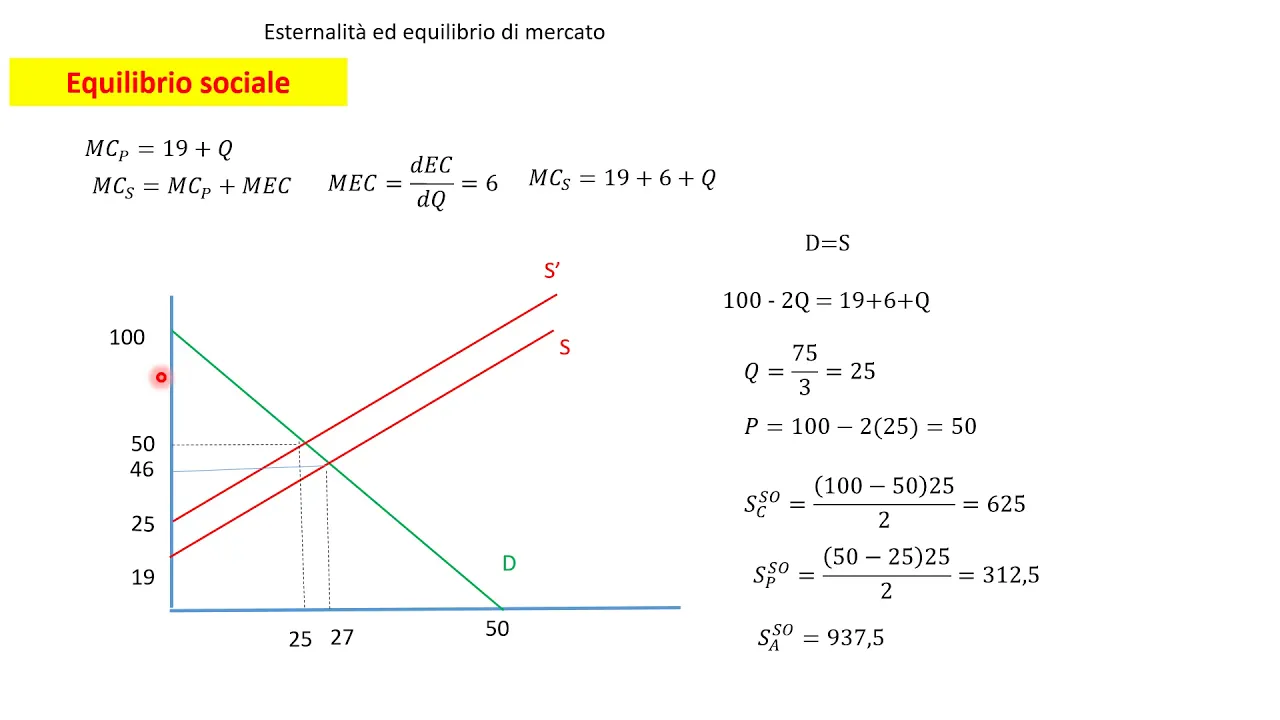















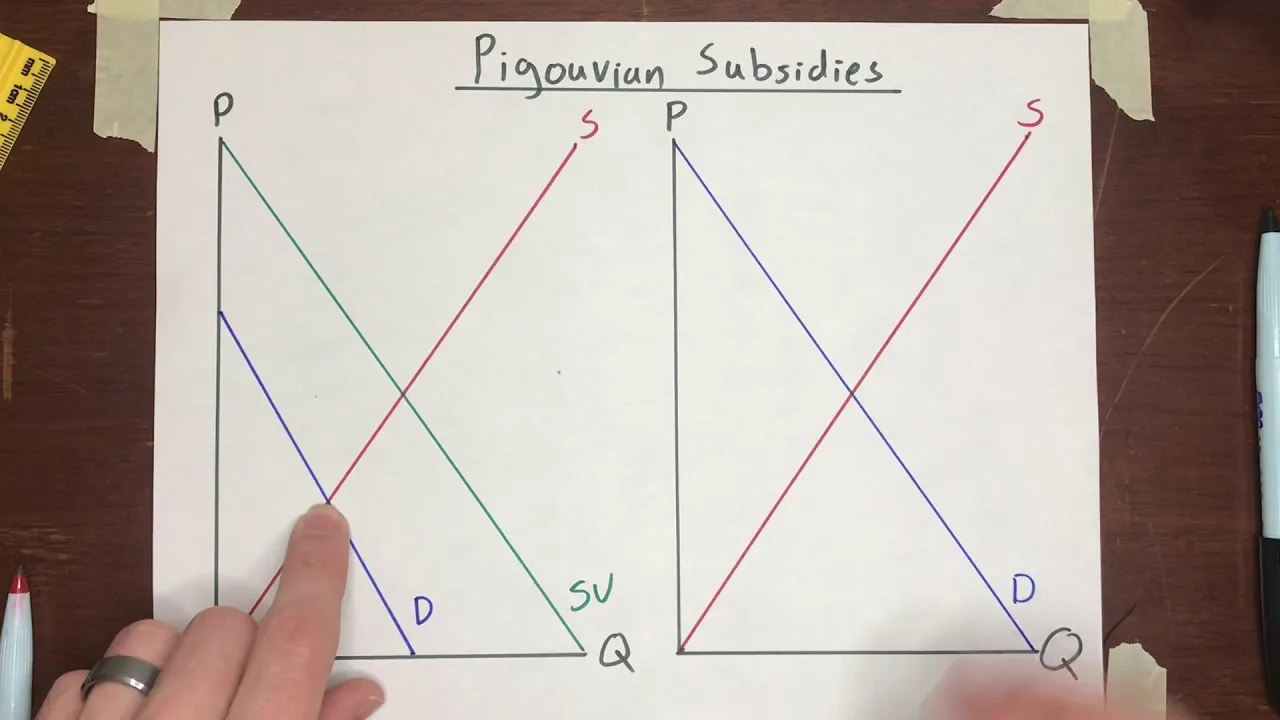





A Pigouvian tax is a corrective tax set equal to the marginal external cost (the cost imposed on others by an activity) that addresses market failures from negative externalities; by taxing per unit of the activity, it forces individuals to internalize external costs and achieve the socially efficient outcome, while also generating tax revenue that can be used for other public purposes (double dividend).
Pigouvian Taxes Explained: Correcting Market Failures
Added:The fundamental laws of supply and demand, and how market equilibrium is established.
The concept of market failure, specifically why free markets sometimes fail to allocate resources efficiently.
The distinction between private costs (marginal private cost) and social costs (marginal social cost).
The definition and basic economic impact of negative externalities, such as pollution or congestion.
The Coase Theorem as an alternative, property-rights-based solution to externalities without government taxation.
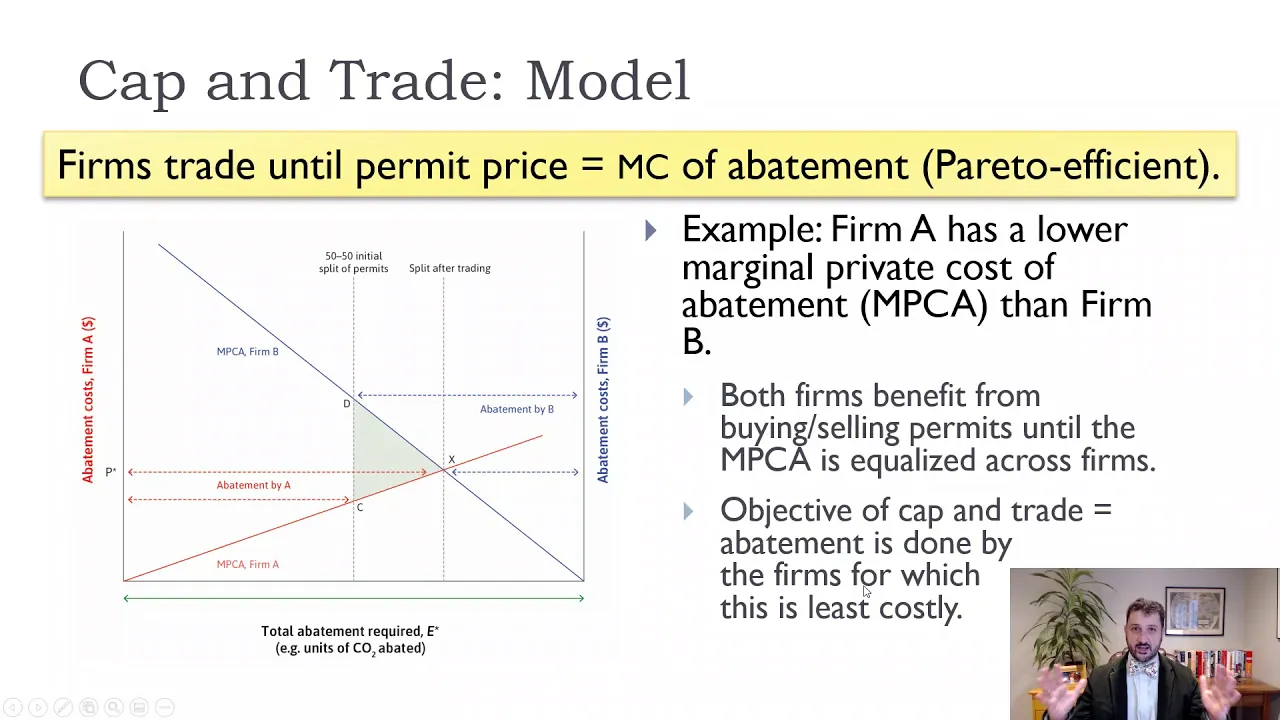
A comparison between Pigouvian taxes and Cap-and-Trade systems (price-based vs. quantity-based environmental regulations).
The concept of Pigouvian subsidies, which are used to incentivize activities that yield positive externalities.
The political economy and practical challenges of implementing carbon taxes and other environmental policies in the real world.
106.3K views961likes11:02Original Release: 2016-10-17
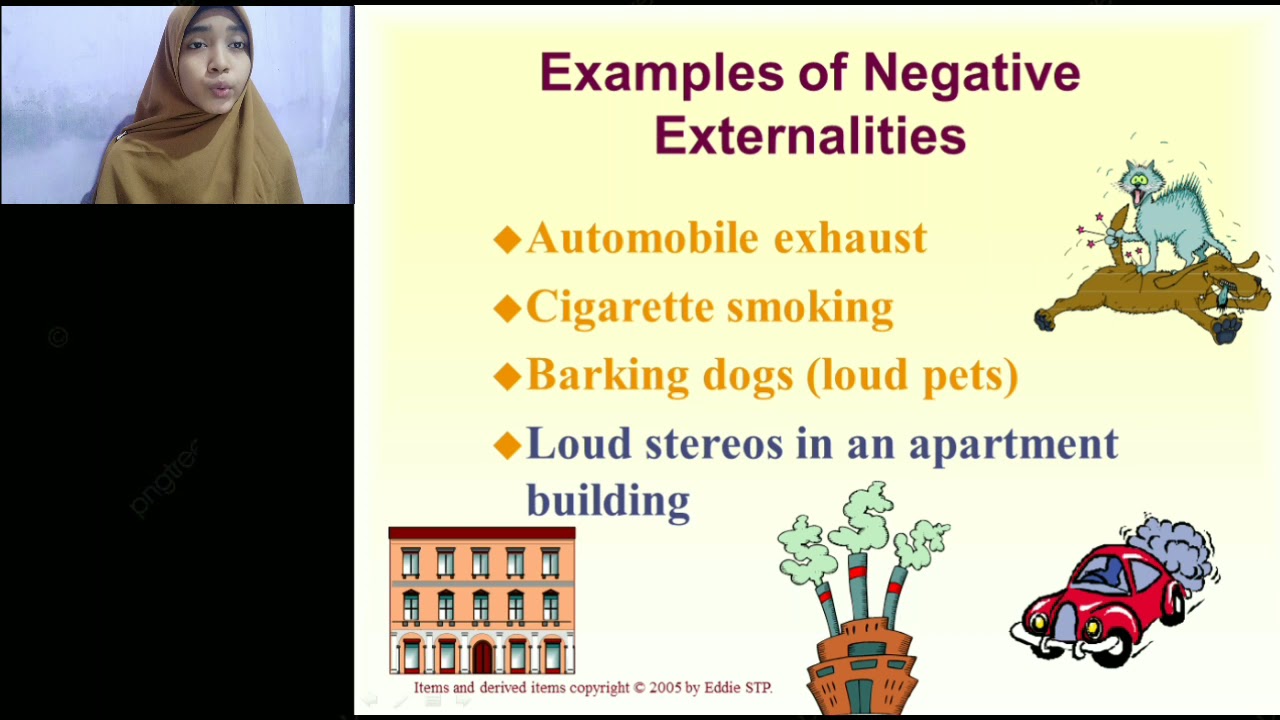
in this video we're going to discuss the concept of a paguan tax in economics so remember when you have a negative externality and how that can create a market failure where you basically have a situation where one person is imposing costs on another person but not reimbursing that person for those costs so let's say for example that you had a situation where you have two roommates and one person is a smoker and the other person doesn't like smoke or they're worried about secondhand smoke and so the one person by smoking is imposing costs on the other person The Roommate by their action and they're not if they're not reimbursing or paying their roommate for what they're doing or they don't have some kind of agreement then we have what's called a socially inefficient outcome otherwise known as a market failure and what a pigouvian tax is is it's a corrective tax that is set equal to the marginal external cost and the marginal external cost all that means it's a little wordy all it means is the cost cost to people other than the smoker right so the private cost the marginal private cost to the smoker is the smoker saying hey if I smoke this you know x y and z may happen to me but the external costs are the cost to everybody other than the smoker for example the roommate so if you set a corrective tax a per unit tax for example every pack of cigarettes that the the smoker smokes and you basically set it equal to the external internal cost per unit right so the cost that the roommate incurs for every pack of cigarettes that's smoked or so by doing that you can actually bring about the efficient the efficient the socially efficient outcome where the smoker is smoking the socially efficient number of packs so I want to graph this out for you but let's use let's use a different example let's talk about traffic congestion which can also lead to a negative externality so when you have traffic congestion in a city let's say that there's an additional person who's saying hey should I start driving to work or should I take public transportation or whatever and so they're going to weigh their private costs of doing so right but they're not going to be thinking about they're going to think about fuel they're going to be thinking about all their private cost but they're not going to think about hey if I start driving that's going to make congestion even worse for other people that's an additional car and that might make it other people take longer to get to work right people aren't thinking about other people and what they're commute times are you think about your own commute time and your own you know cost of fuel and and so forth so let me graph how that this can lead to a negative externality and and how a paguan tax can play a role so let's say that the marginal social benefit of of driving and and so instead of thinking of traffic congestion let's actually map this out as miles driven let's say we're going to set a pigouvian tax on miles driven that'll be the quantity right because we're not going to think of a quantity of traffic congestion we'll think that miles driven basically the more miles people drive then the more traffic congestion you're going to have let's just let's just say that that's our situation right and so we've got our marginal benefit we've got the marginal social benefit or demand we can think about this as the demand curve for miles driven right so there's some social benefit from people driving cars and and and trucks and so forth right they need to transport food or they need to do different things right there's commercial purposes there's private purposes people need to go to a hospital there's a social benefit to people driving but the more and more people drive there's less and less social benefit right when you're thinking hey I just want to go to the convenience store instead of walking there's less and less social benefit there now we can also map out and think about well what is the marginal social cost so let's say our marginal social cost that's our marginal social cost curve and the marginal social cost is going to equal the private cost to that person who's weighing whether or not to drive that decision to drive plus the external cost the cost to everybody else in terms of increased traffic congestion and so forth right and there could be other costs to driving a lot of miles increase vehicle fatalities but let's just focus on traffic congestion to make things easier so let's think about this individual and let's say that their let's let's let's map out now their marginal private cost so this is the marginal private cost to that individual who is deciding whether or not to drive right so whether or not to drive so they're just going to say hey what's the cost of fuel and so forth if I decide to drive they're just going to be thinking about their own private cost right now you see that there's a difference between the marginal social cost the marginal private cost so in equilibrium where we're going to end up is where the actual equilibrium at absent any pigouvian tax or anything is going to be we're going to be at we we'll call this Q Prime and this is going to be this is an inefficient this is socially inefficient outcome but this is the equilibrium if free markets rain and we don't do anything this is going to be the equilibrium and so this is going to be the number of miles driven and let's just say that it's let's say that it's 100 million miles or something like that okay now so this is the amount the dri now what is socially optimal well socially optimal is where marginal social cost equals marginal social benefit from a social standpoint that's where we want to go with the number of miles driven so we want to be where the quantity is where marginal social benefit equals marginal social cost that's considering everybody not just that one individual and that is going to be right here right so this is going to be the socially efficient quantity the reason is see look this is where the marginal social benefit this curve here where it intersects with this curve here the marginal social cost right there that's our optimal quantity so this is the efficient this is the socially efficient equilibrium that but that's not where we're at right unless unless we have this this pigouvian tax so what the pigouvian tax is going to do is we're going to say hey this difference here we've got a way of solving that what we can do is we can actually set a tax right here for for this amount right that difference between right here and right here we can set that as a tax so let's roughly correspond to here I'm trying to make that is the exact same thing here and here so that's going to be the amount of the pigouvian tax so the pigouvian tax and and let's just say for example that this I don't know that this was $75 right here and that this was let's say $40 and the tax would be the difference right it'd be 35 I'm just throwing numbers out here I don't know if any of that makes sense uh in reality but let's throw that out that's this the amount of the paguan tax it's a corrective tax and what you're basically doing is you're forcing that individual to say hey I can't just think about my private cost because now this tax got added on and what does the tax do well it basically gives you a per unit charge for the cost that you are are imposing on other people so you're just charge the government is just saying okay look we're going to step in there's a market failure we're going to charge individuals for that external cost so they're not just considering their private cost but they're also considering the external cost and so you can charge them for example on the number of miles driven maybe you you tax them you know if there's $35 per mile driven or something that sounds ridiculous now maybe I should have chose a lot a lot lower numbers but you get the idea right so you charge them for the external the the activity that generates the externality you have this per unit charge this pigouvian tax and that basically forces the person to internalize this external cost okay so now they're not just going to be weighing their own costs and benefits they're also going to be thinking about uh Society right but but okay now here's another thing to think about there's there's what's called a double dividend with the pigouvian tax the double divid or a double benefit and what this means is that with the peuan tax and pan tax has been applied to a lot of things right we already talked about cigarettes traffic congestion there are a lot of different people even talk about using it for like Capital volatility and so so there a lot of people talking about different ways to use paguan taxes to affect to bring about a socially efficient outcome right but there's a second benefit and that's this double dividend is that we're also raising revenue right we're raising tax revenue here and actually this amount mountain right here and I'm just going to put little Stripes there I know I know that's a little maybe I'll just color it in it's a little hard to see I made this a little ugly I apologize but this amount here that's colored in this square is actually tax revenue so this is tax revenue so now the government could say hey look well now that we've got this tax revenue what we could do is we'll say we'll use that money and we'll actually provide wider Lanes on the highway so that'll actually help reduce traff traffic as well or they could take the money and they could give it to uh some kind of issue for uh early childhood education they could do whatever they want but the idea is here you're getting two benefits you're bringing about the socially efficient outcome but you're also you're also generating tax revenue that can be used for some other purpose now the paguan taxes is basically a similar idea to what we're talking about with you might have heard of a carbon tax but with carbon tax you're not actually taxing like for example somebody produced with steel and then this the process of producing steel they generate a lot of carbon or or greenhouse gases or whatever in that case the pigouvian tax would be directly on the steel output itself but here with carbon tax you're actually you're taxing what's called like an effluent tax you're actually taxing the emissions and not the actual output so it's a little bit different but it's a similar thing now sometimes people will say hey look you know paguan taxes are nice but to know the paguan tax we need to know what is the marginal external cost we need to figure F that out and if we don't know that then how can we really set the tax and so forth and some other people say hey look that if we know the the external cost then we also know the optimal quantity we also know the socially efficient quantity and if we know the socially efficient quantity why don't we just set the quantity and say that's the that's the total amount we're going to allow of miles driven or carbon or or whatever and that basically leads into the idea of marketable permits otherwise known as cap trade and we'll talk about that in the videos to come
Up Next

12:35
Negative Externalities in AS Economics: Costs & Diagram
@pajholden
56.8K views•2013-11-18

5:07
Impact of Yuan in Indo-Russian Trade Amid Sanctions
@WION
261.9K views•2022-07-01
8:52
Price Supports Explained: Effects on Surplus & Deadweight Loss
@Edspira
18.9K views•2017-02-26

113:18
The Age of Easy Money: Fed & Inflation | Full Documentary
@frontline
21.2M views•2023-03-15
Related Study Plans & Knowledge Roadmaps
Structured learning paths in Economics
economics
Sovereign Debt: Defaults, IMF & Restructuring
01Introduction to Sovereign Debt & Government Bonds
02Debt Sustainability & Credit Ratings
03Anatomy and History of Debt Crises
+ 2 more learning modules
12h5 modules
Explore Roadmap
economics
Market Design: Matching Theory & Gale-Shapley
01Introduction to Market Design and Price-Free Markets
02Two-Sided Matching & The Gale-Shapley Algorithm
03School Choice Systems and Mechanism Design
+ 2 more learning modules
10h5 modules
Explore Roadmap
economics
Impossible Trinity: Forex, Capital & Policy
01Introduction to Monetary Policy and Central Banking
02Exchange Rates and International Capital Flows
03The Mundell-Fleming Model
+ 2 more learning modules
8h5 modules
Explore Roadmap
economics
Healthcare Economics: Market Failures & Systems
01Introduction to Healthcare Markets and Market Failure
02Asymmetric Information and Adverse Selection
03Moral Hazard and Insurance Design
+ 2 more learning modules
12h5 modules
Explore Roadmap