


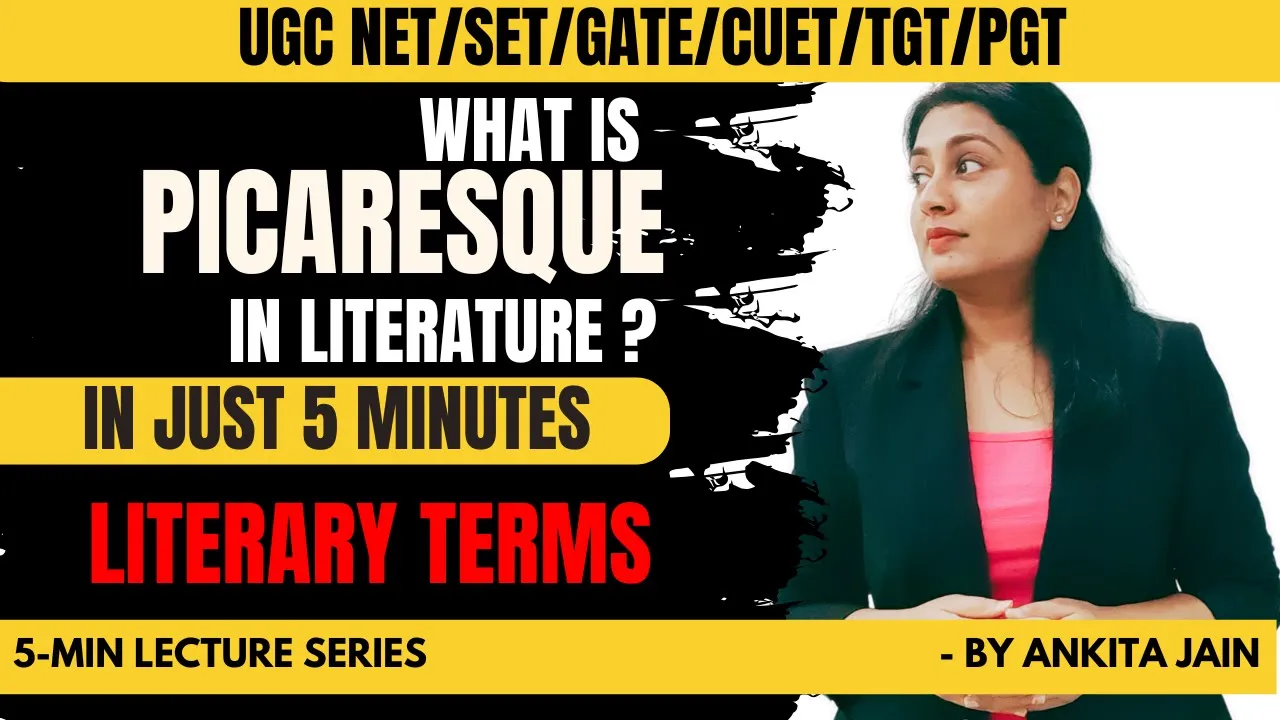
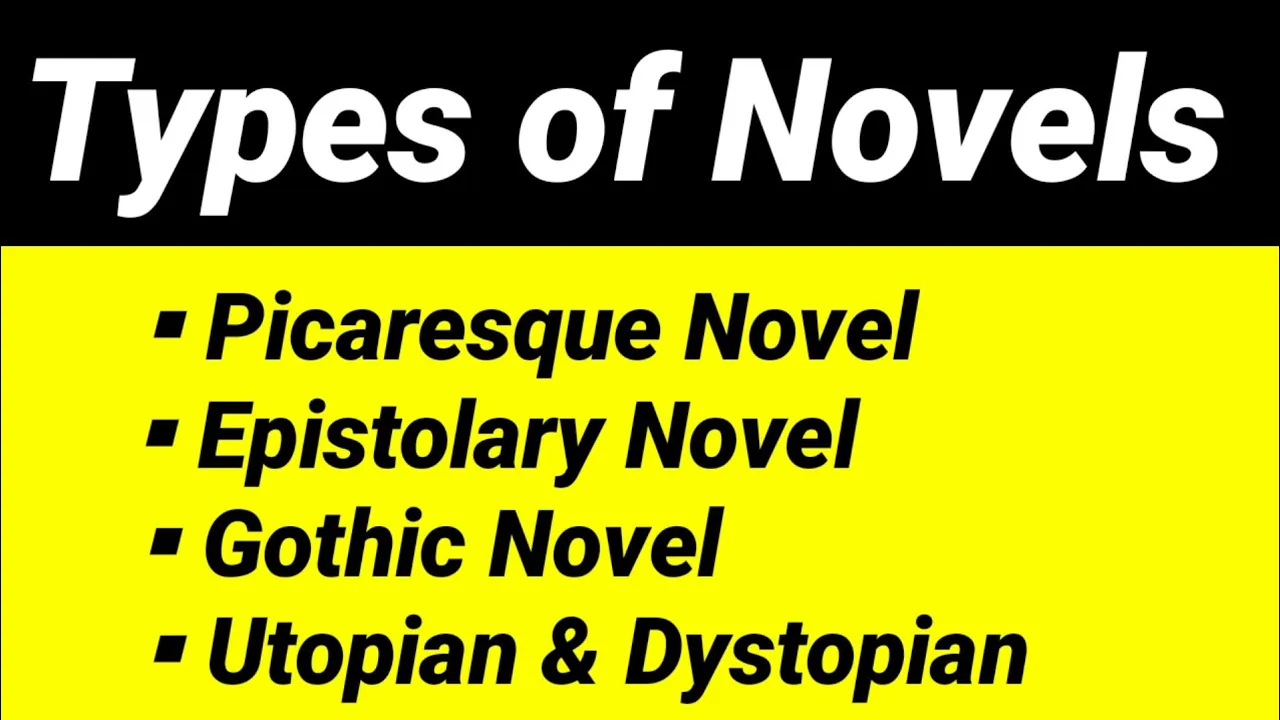














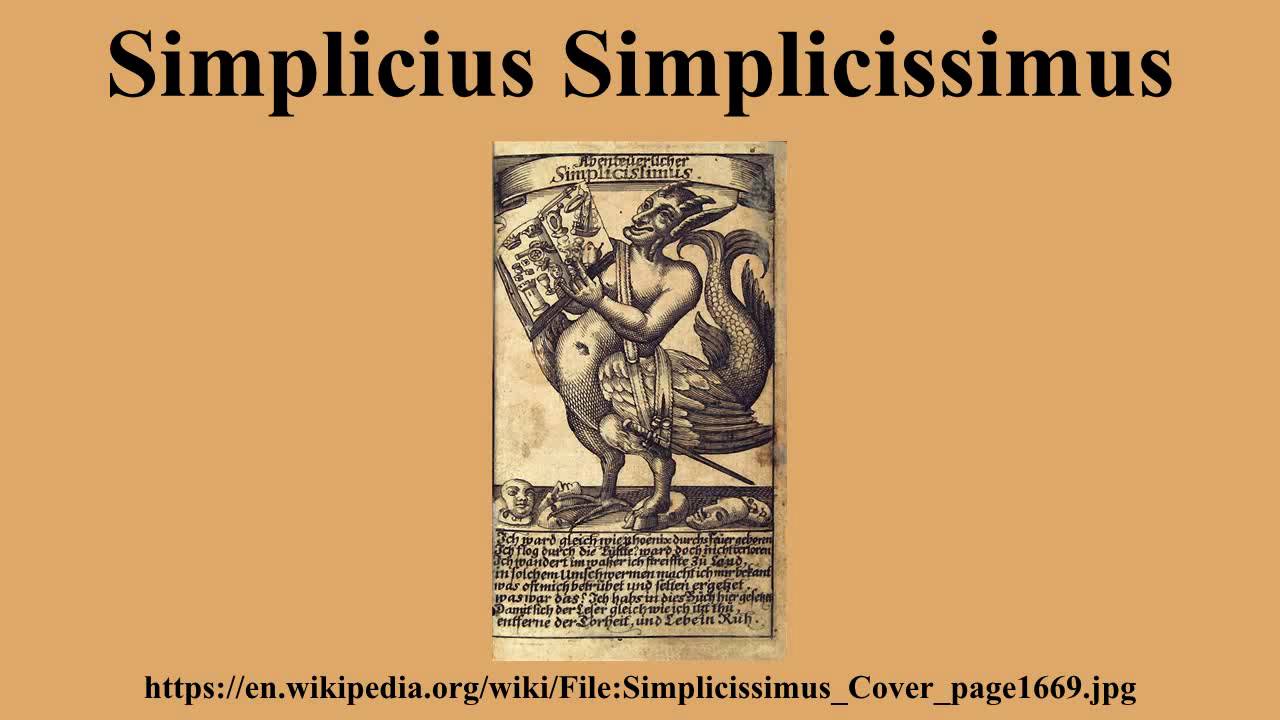



Hans Jakob Christoffel von Grimmelshausen's 1668 Baroque picaresque novel 'Simplicius Simplicissimus' follows the life of a vagrant named Simplicius, raised as a peasant and separated from his family, who travels through the Holy Roman Empire during the 30 Years War (1618-1648), experiencing various occupations including fool, merchant, stable boy, and prostitute, while his first-person narration reveals both the best and worst of humanity through innocent eyes, showcasing the genre's episodic storytelling and social commentary.
Simplicius Simplicissimus by Grimmelshausen Review
Added:The historical context of the Thirty Years' War (1618–1648) and its devastating social and economic impacts on Central Europe.
The definition and literary characteristics of the 'picaresque' novel genre, which originated in 16th-century Spain.
Key concepts of Baroque literature and philosophy, particularly the themes of 'vanitas' (the transience of earthly life) and 'memento mori'.
The political and religious fragmentation of the Holy Roman Empire during the 17th century.
A comparative study of Grimmelshausen's work with Spanish picaresque classics like 'Lazarillo de Tormes' to trace regional adaptations of the genre.
Exploration of Grimmelshausen's subsequent 'Simplician' novels, such as 'The Runagate Courage' ('Courasche') and 'The Singular Life Story of Heiterbach'.
Analysis of how 'Simplicius Simplicissimus' served as an early structural precursor to the traditional German 'Bildungsroman' (novel of formation).
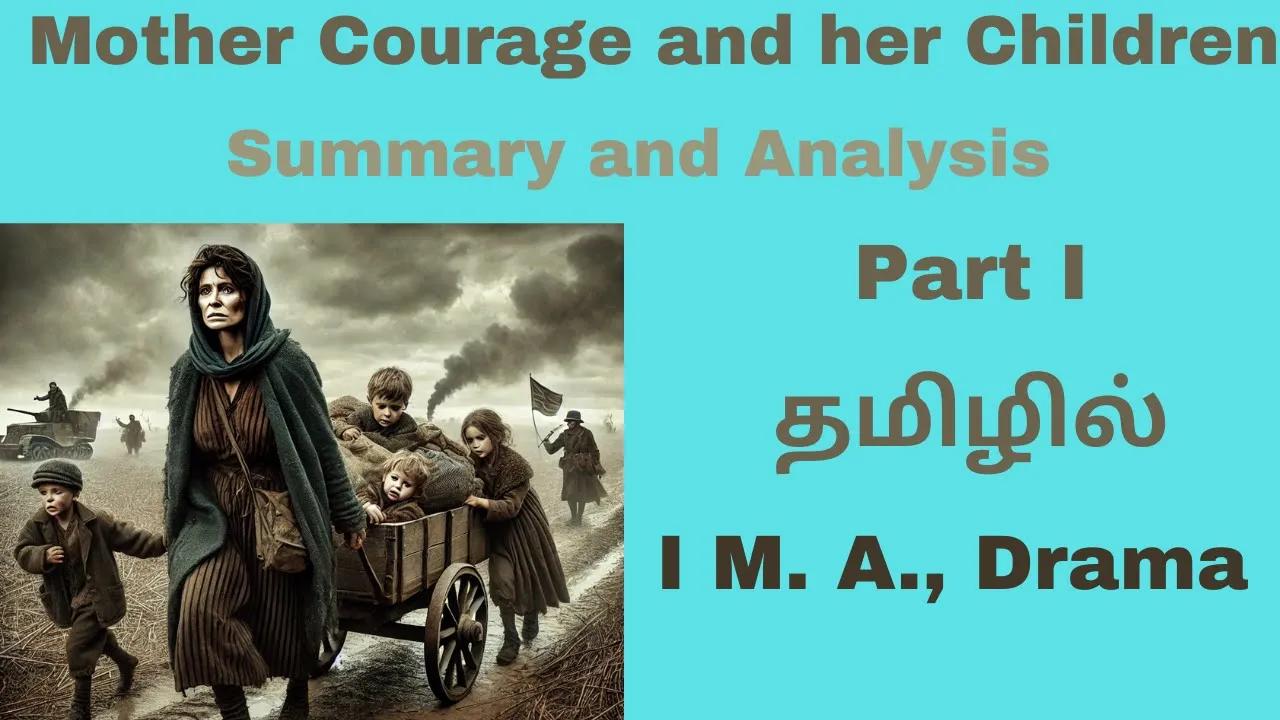
Investigation of the novel's modern legacy, including its influence on Bertolt Brecht's epic theater piece 'Mother Courage and Her Children'.
1.4K views40likes3:18Original Release: 2024-01-12
the account of the life of an old vagrant named meor stfs Von fim namely where and in what Manner he came into this world what he saw learned experienced and endured therein also why he again left it of his own free will hello and welcome to Liam lysium I'm your host Liam akaar and I'll be doing a spoiler free review of Hans yakob Christ G's simp this is a 1668 Baroque picaresque novel divided into five books there's a sequel considered the sixth book but apparently grimel H wrote 10 I'm a little confused on these books thing but anyways I read this and it was very enjoyable um when you think of picaresque and maybe you don't know what that is maybe cougle the clever stuff by Jack Vance the book is about the Rogue simplicius transversing the Holy Roman Empire during the 30 Years War Scholars debate whether it has autobiographical elements and for those unaware the war took place from 1618 to 16 1848 it's a complicated struggle that had ties to imperialism the reformation and Civil War it's very Charming from the start uh simplicius is simple uh hence his name he's raised as a peasant um and he is separated from his family and then raised by a Hermit he can't remember his name so the hermit calls him simplicius their narration is in first person he says his father's house is a grand Castle but describes a peasant's cottage and another time you can't tell if a noble is a man or a woman at times we see the best and the worst of humanity through um kind of innocent eyes if you will it's honestly really funny at times and the plot is all over because it's biographical um so different aspects of this person's life you get different types of stories um but of course it's fictional but it feels real and it brings to life the early 17th century our picaro goes from being a very Pious Christian to not at all to back to being a piest Christian and he has many occupations through throughout his life including that of being a fool a merchant a staple boy a prostitute and more um at times it feels modern and other times it feels medieval of course this is early modern so that's not very surprising um and you know right Baroque at one time it even goes into F tale territory uh and is quite magical so to speak uh we don't just get to see the Holy Roman Empire but some of France and some of Russia as well if I remember correctly um and some say this is a Sturm thr uh novel and I think this is too early for that title but it's a really fun German picaresque novel again from the Baroque Period and honestly I just think it's just full of so much charm and it was just so fun reading this and honestly I had I don't know really much of anyone who's read this one so if anyone wants to read this and talk to me about it I very much uh enjoy that and I could see myself uh reading again in the future and I'd like to get a physical copy um because it just deserves be on my shelf anyways Le from Liams lium I will catch you next [Music] time
Up Next
15:03
Moll Flanders by Daniel Defoe | Characters, Summary, Analysis
@TheDiscourse
16.2K views•2023-07-08

40:06
Street Haunting: Virginia Woolf’s London Essay Analysis
@ExtraLiteraryAffairs
146 views•2025-01-24

6:08
Point of View in Fiction: First Person vs. Third Person
@magicalthriftyteacher
153.8K views•2014-03-31

15:25
1984: Orwell's Dystopian World and the Mechanisms of Totalitarianism
@AlternateHistoryHub
7M views•2017-03-04
Related Study Plans & Knowledge Roadmaps
Structured learning paths in Literature
literature
Graphic Memoirs: Visual Art, Trauma & History
01Foundations of Sequential Art and Visual Language
02Autographics and Processing Historical Trauma
03Visualizing Personal Trauma, Grief, and Graphic Medicine
+ 2 more learning modules
14h5 modules
Explore Roadmap
literature
Campus Novels: Evolution, Themes & Critique
01Introduction to the Campus Novel Genre
02Mid-Century Satire and the Post-War Academy
03Dark Academia and the Critique of Privilege
+ 2 more learning modules
14h5 modules
Explore Roadmap
literature
Theater of the Absurd: Philosophy & Plays
01Postwar Existentialism & Historical Roots
02Dismantling Narrative: Esslin & Absurdist Conventions
03Samuel Beckett and Tragicomic Existentialism
+ 2 more learning modules
12h5 modules
Explore Roadmap
literature
Revenge Tragedy: Justice, Madness & State
01Foundations of Early Modern English Theatre
02Anatomy of Revenge: Structural Conventions
03Psychological Complexity: Madness and Melancholy
+ 2 more learning modules
15h5 modules
Explore Roadmap