

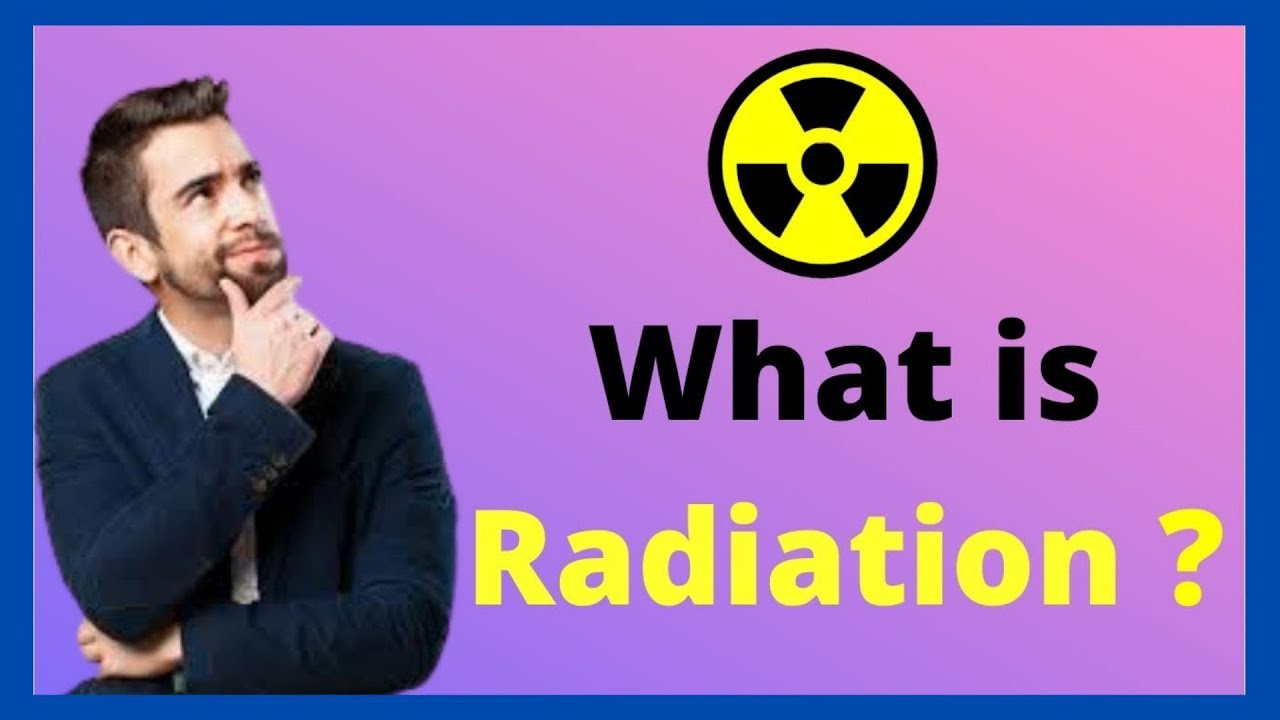









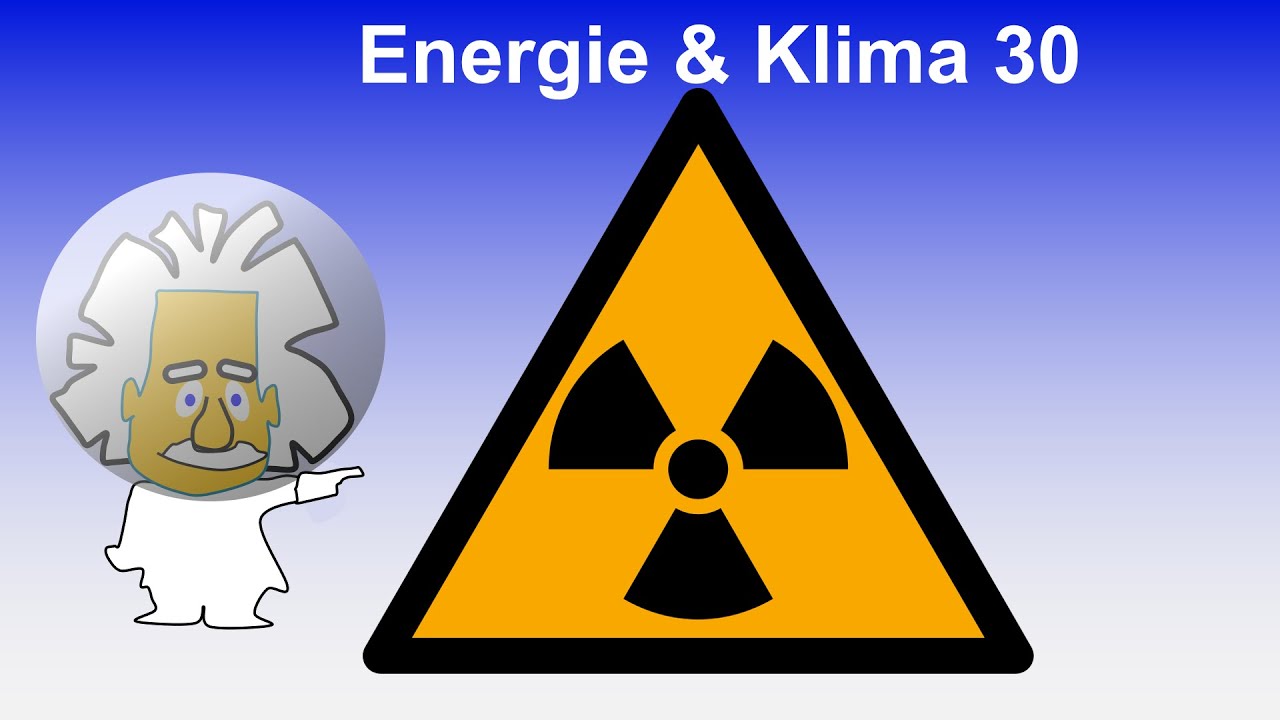










Ionizing radiation, which comes from radioactive materials and carries significantly more energy than non-ionizing radiation (like radio waves, cell phones, and microwaves), has the potential to interact with and change atoms and molecules in the body; when cells absorb this radiation energy, they may be damaged or killed, with high doses potentially impairing organ function or causing death, while lower doses may result in unrepaired or incorrectly repaired cellular damage that could increase cancer risk; exposure refers to the absorption of radiation energy by the body, which stops once the source is no longer present, whereas contamination occurs when radioactive material contacts the body externally (removable by washing) or enters internally through inhalation or ingestion (more difficult to remove and requiring medical countermeasures).
Ionizing Radiation Explained: Risks, Exposure, and Safety
Added:ionizing radiation which is energy that's given off by radiactive materials ionizing radiation has a lot of energy much more than the low energy radiation from radio waves cell phones and microwaves these types of low energy radiation are called non-ionizing radiation ionizing radiation has potential for interacting with and changing atoms and molecules this is an important distinction which many people may not realize for Simplicity we'll just refer to it as radiation if radiation hits the cells in the body it can damage or even kill the cells the amount of energy that the body absorbs from this radiation is called the radiation dose at high doses and when most of the body is exposed enough cells die to impair the function of various organs in the body and that can lead to really serious health effects including death if only a specific part of the body is exposed and the dose is high enough it could lead to localized effects such as as Skin injury at low doses if any cells are damaged the cells May repair that damage with no consequence or the cells may leave the damage unrepaired or repair it incorrectly and these may have long-term consequences and could potentially increase risk of cancer you use the word exposed is this term used differently for radiation hazards than other environmental hazards it is uh when our bodies absorb the energy from radiation we're being exposed to radi ration we don't have to come in contact necessarily with any radioactive materials if we walk away from the source of radiation the exposure stops so like with an x-ray you're exposed while the X-ray is being taken but you don't take any of the radiation home with you exactly now in contrast if radioactive material gets on our clothing skin or hair it contaminates us uh we call this external contamination because it's on the outside of our bodies external contamination can be removed simply by taking off contaminated clothing and washing with soap and water if we inhale or in just radioactive material we call that internal contamination because it's now inside our bodies it's harder to remove internal contamination our bodies can get rid of some of it through metabolism and excretion and for some types of radioactive material we have medicines we call them counter measures that can speed up the excretion process
Up Next

X-Ray Attenuation and Absorption | A2 Physics | Cambridge Syllabus
@ETphysics
18.5K views•2021-03-03

21cm Hyperfine Transition in Neutral Hydrogen: Radio Astronomy Basics
@AaronRobertParsons
12.4K views•2011-10-13

NMR Spin Physics I: Zeeman Effect, Resonance Condition & Larmor Frequency
@nptel-indianinstituteofsci8064
2.3K views•2024-01-17

Entropy and the Second Law of Thermodynamics Explained
@veritasium
27.5M views•2023-07-01
Related Study Plans & Knowledge Roadmaps
Structured learning paths in Physics