







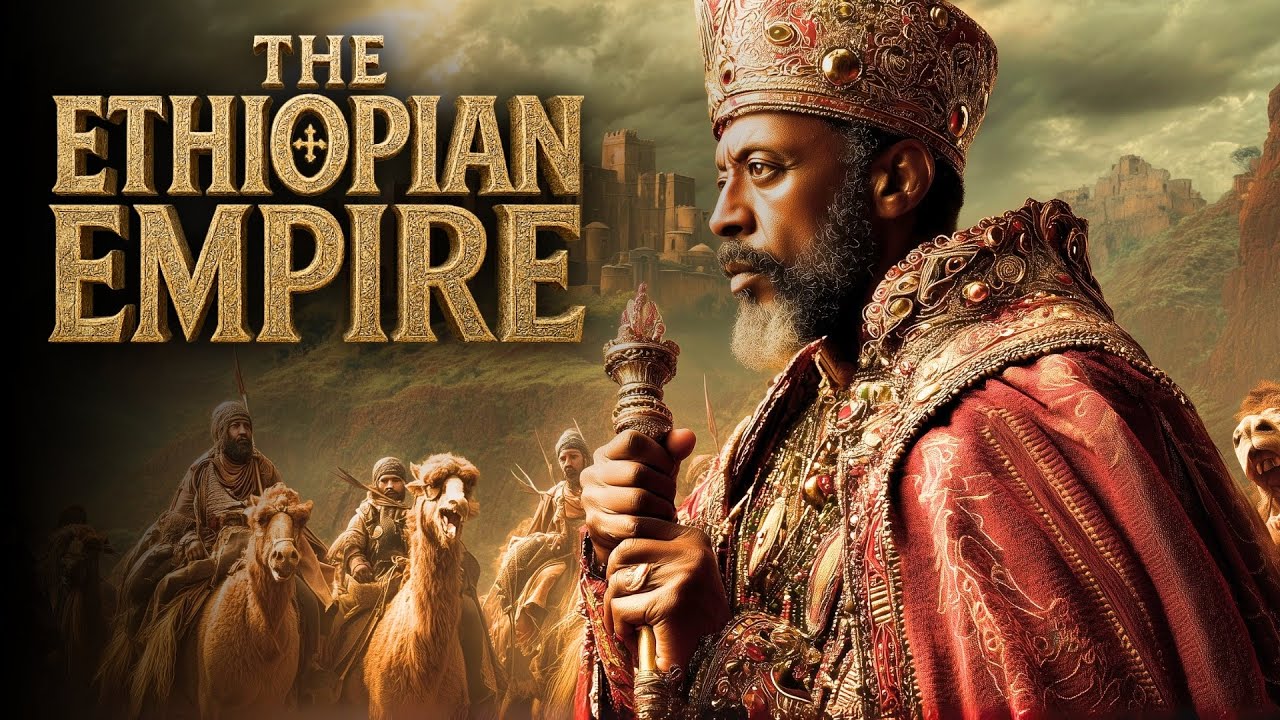





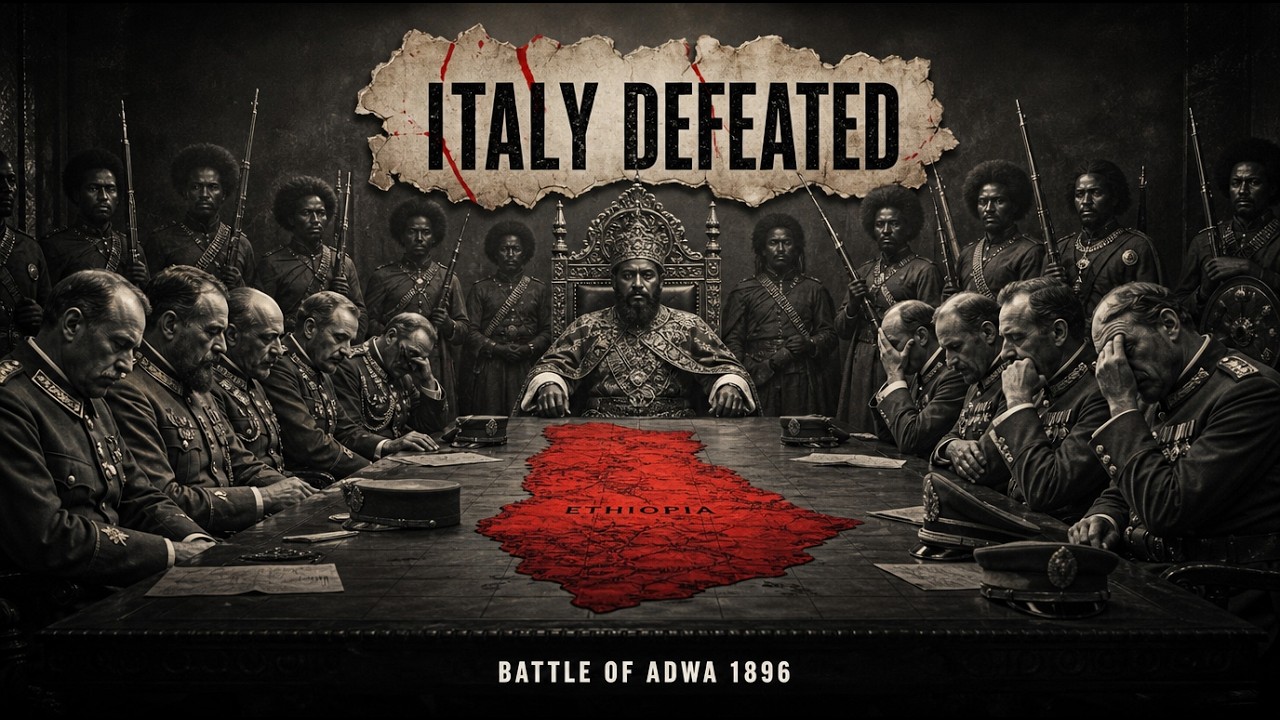



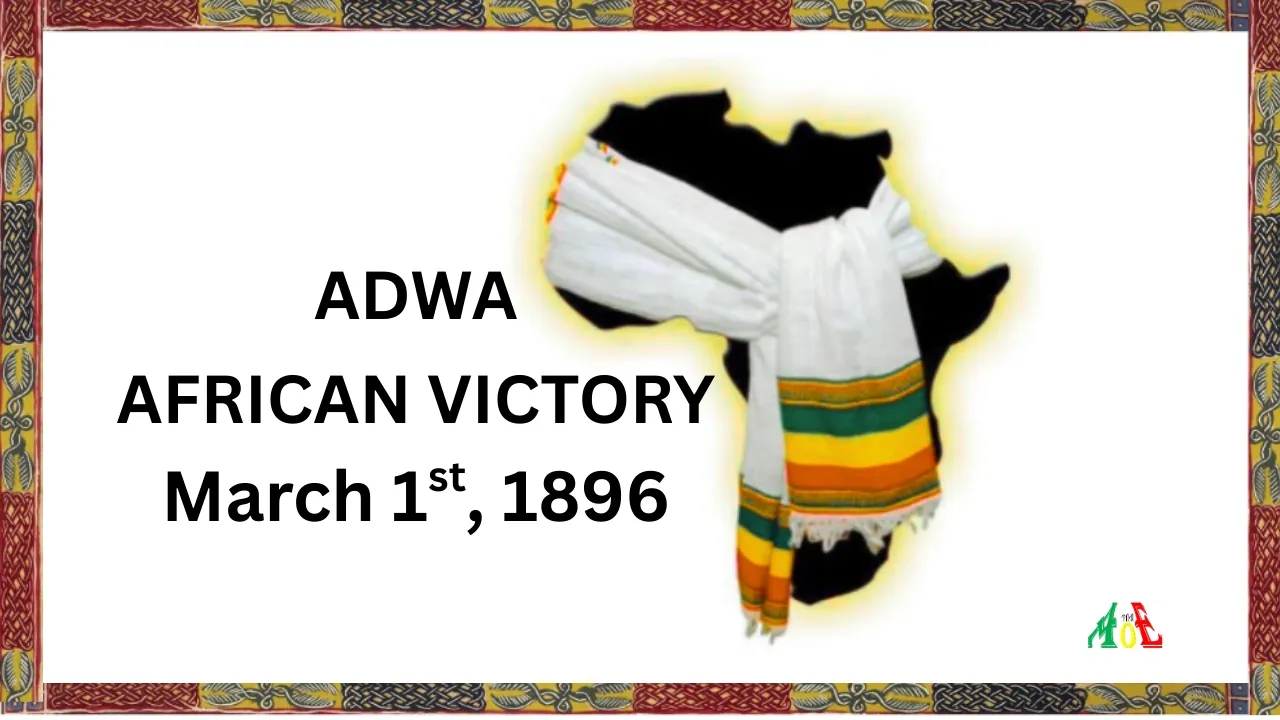





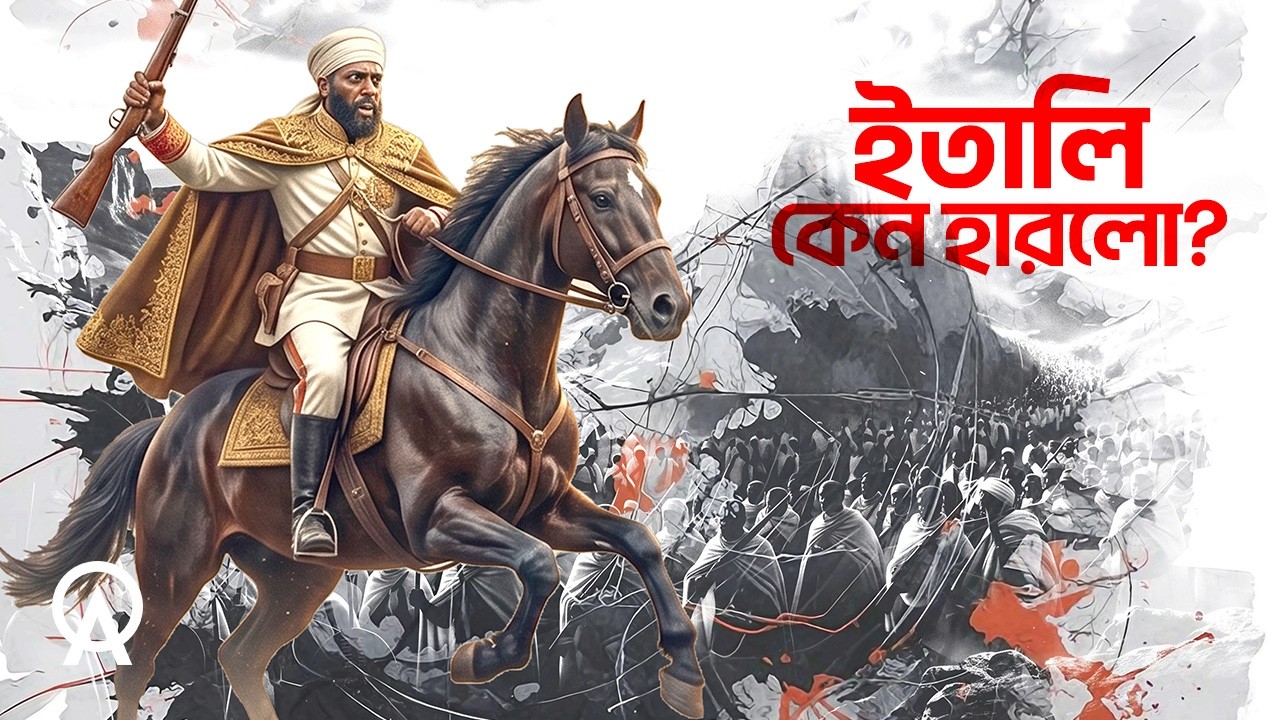



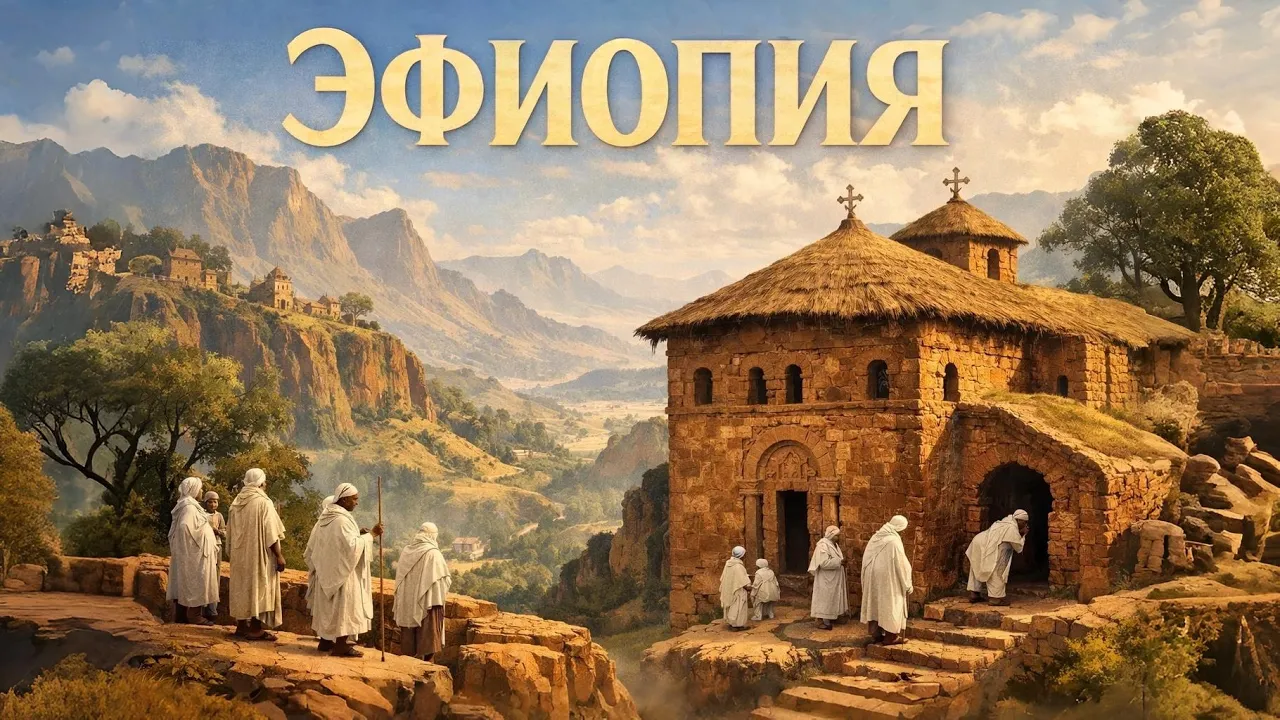


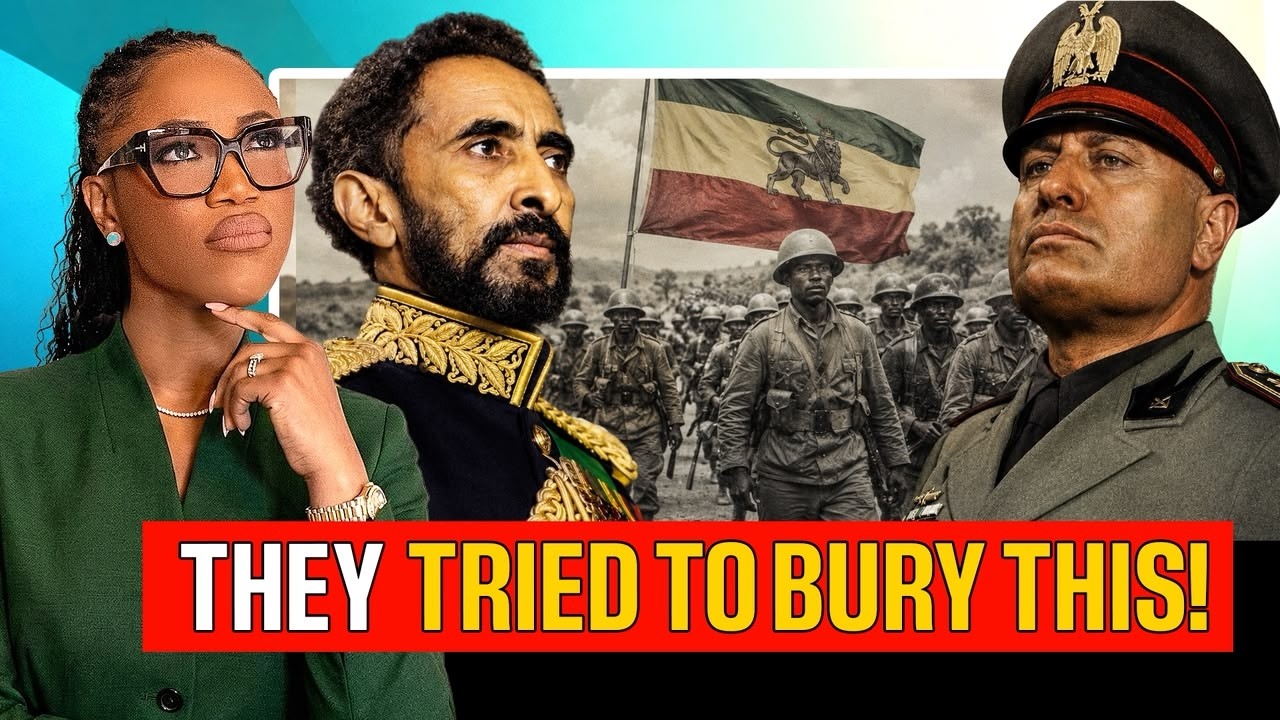
The Battle of Adwa in 1896 was a pivotal moment in African history where Emperor Menelik II of Ethiopia defeated Italian forces, marking one of the few successful resistances against European colonial expansion in Africa; Menelik employed strategic tactics including disinformation campaigns, securing Russian military support, and leveraging Ethiopia's unique position as a Christian kingdom to win international recognition, ultimately proving that European claims of racial superiority were unfounded and inspiring future anti-colonial movements across Africa.
Battle of Adwa: Menelik II & Ethiopia's Victory Over Italy | History Lesson
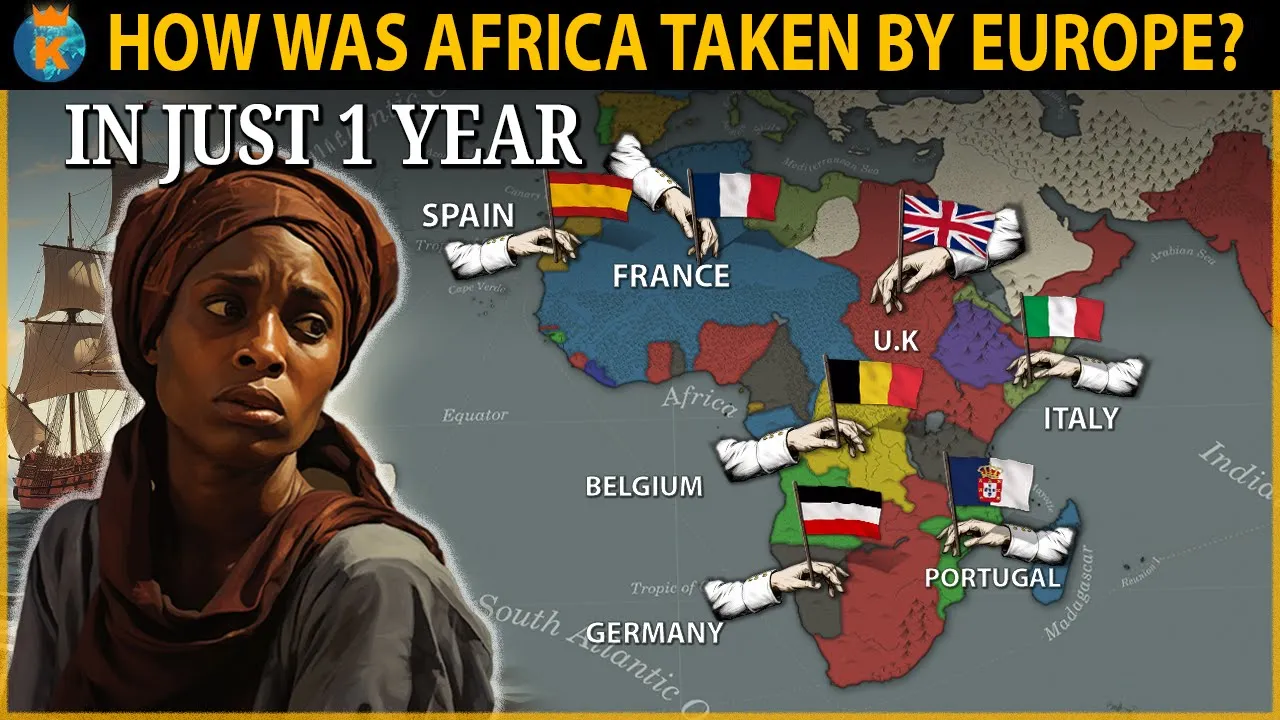
Added:The Scramble for Africa and the Berlin Conference (1884-1885), which initiated the rapid colonization of the African continent by European powers.
The Treaty of Wuchale (1889), specifically the linguistic discrepancy in Article XVII regarding Ethiopia's foreign relations that served as the casus belli.
The political centralization of Ethiopia under Emperor Menelik II, who united various regional rulers (Rases) to form a cohesive empire.
The baseline of late 19th-century military logistics and technology, including the proliferation of European firearms in East Africa.
The Treaty of Addis Ababa (1896), which officially ended the war, repealed the Treaty of Wuchale, and forced Italy to recognize absolute Ethiopian independence.
The rise of Pan-Africanism, and how Ethiopia's victory at Adwa established it as a global beacon of black sovereignty and anti-colonial resistance.
The diplomatic strategy of Menelik II in the post-war era, securing international recognition and defining Ethiopia's modern national borders.
The Second Italo-Ethiopian War (1935-1936), wherein fascist Italy under Benito Mussolini sought revenge for the humiliation of Adwa.
290.6K views12.1Klikes12:23Original Release: 2022-08-06
ethiopia 1868 the emperor teodras ii is dead the british have sacked his stronghold carrying off treasure and religious objects at the dead emperor's request they're taking piadros's son for his own protection the boy will never see his homeland again and there is no natural heir to the throne but the british do leave something behind guns see on their way into ethiopia they'd cross the land of a minor noble an enemy of teodras and he'd extracted promises in exchange for letting them pass chiefly that the british sees no ethiopian territory the british have abided by that and in thanks for safe passage have left him a regiment's worth of rifles and a battery of artillery a stockpile that this noble will use to become emperor johannes iv a man who will defend ethiopia paving the way for its most famous king menelik ii and his stunning victory at ottwa [Music] this episode is brought to you by the incredible value proposition that is the curiosity stream nebula bundle seriously it's so much stuff for under 15 bucks a year it's nuts but more on that after the video emperor johannes iv is one of those figures that gets skipped in a lot of histories and i'm afraid for time we're mostly going to have to gloss over him here as well but the view from ten thousand feet is that during his eighteen year reign he tried to unify the country much as teodoros ii had and had successfully fought off incursions from egypt italy and sudan but it was the italians that ultimately proved the most dangerous because when johannes came to the throne in 1871 the scramble for africa was in full swing states all around ethiopia were falling under the control or sway of various powers and when the suez canal linked the mediterranean and the red sea in 1869 the horn of africa became hot territory france grabbed much of the somali coast to possibly threaten british shipping and britain wanted an ally in the region also egypt had seized a strip of the eritrean coast in the 1870s but by 1884 egypt was bankrupt and effectively if not officially run by the british so the british facilitated a treaty saying that egyptian troops could evacuate the egyptians would give back an ethiopian city they'd taken and ethiopian goods could pass duty-free through the biggest coastal port johannes thought this would mean ethiopia would gradually take control of eritrea but the british pulled a switch giving that strip to italy instead now italy was attractive to britain because it was a new european power that wanted colonial possessions it was anti-french and the british worried that if ethiopia got a hold of the territory they'd either let the french operate there or get conquered during johannes's reign italian troops pushed into ethiopia from eritrea seizing more cities and widening their strip of territory while ethiopian troops defeated them multiple times johannes was preoccupied with internal rebellions and a sudanese invasion in his north that he died fighting against in 1889 at which point the king of shoah prophets menelik ii declared himself emperor of course menelik had been around for quite a while as a young man he'd been held as a captive of tiedross who actually liked him so much he treated menelik like a son and married the young prince to his daughter but when menelik's father died he escaped and took up the leadership of the province ever since he'd played the long game for the imperial throne and after he married his third wife taitu beitu who was bold where he was careful he finally made his play for power plus when johannes died menelik was in full revolt and likely headed for war anyway during the italian crisis he'd played both sides and for years had used european back channels to secure modern weapons and one of the first things he did upon ascending the throne was sign a treaty with italy defining the boundaries between ethiopia and eritrea and securing the right of ethiopian goods including firearms to pass through eritrea sensible right stops the fighting and secures long-term independence and peace well that would be true if the treaties actually said the same thing the amhara copy stated that ethiopia could use the italian government to conduct foreign relations you know could as in it's optional but the italian version of the treaty said it was obliged to basically the italians had tricked menelik into signing away his rights to conduct foreign policy and as soon as the ink was dry they went on to the other nations of europe and said that ethiopia was now an italian protectorate and all relations with it must go through them and europe just accepted that menelik only found out about the difference the next year when foreign heads of state started returning his letters with apologies that it was in fact illegal for them to deal with him directly but even then he was patient played the long game and focused on unifying the country though he also responded with a soft power charm offensive in europe ethiopian diplomats got photos of menelik wearing a giant crucifix printed in newspapers they spread stories about this amazing king head of the only christian country in africa and a descendant of solomon wow he sounds awesome these tactics of winning favor abroad later became a common tactic in anti-colonial movements it was especially successful in russia which maintained diplomatic contact due to being angry at the italians for trying to cut them off from a fellow orthodox government then in 1893 with his control of the country finally secure and securing a promise of military aid from russia he denounced the treaty and declared it invalid italy escalated seizing a shipment of russian rifles then in 1894 it struck deep into northern ethiopia seizing seven thousand square miles of territory the italians under general oreste baratheri stormed in expecting to exploit regional and ethnic divisions then overwhelm with modern firepower i mean every report they'd received was that nobles were deserting menelik that the emperor was ill and that as he rallied his armies no one came they even approached the son of johannes the heir menelik had usurped and offered to back his claim as emperor they learned too late that all of this was a clever disinformation campaign in reality the italian invasion had solidified menelik's hand and created the unity that he'd sought even his enemies were joining realizing this was a fight for independence on december 7th of 1895 soldiers at an italian-held fortress deep in ethiopian territory looked down to find themselves surrounded by forty thousand ethiopian riflemen it was only menelik's vanguard bharatiyari tried to outlast menelik knowing that such a big army couldn't remain in the field indefinitely but yeah remember how the italians had hoped to exploit regional divisions well funny thing the kingdom of italy had only unified in 1871. it was all of 24 years old at the time and many of bharatiyeri's officers had strong regional feelings disliking him as growing up near austria also the faltering italian government was pushing for a big victory overseas to stoke nationalist pride so they ordered bharatiyeri to attack against his better judgment bonatieri ordered three brigades to march toward menelik's camp and occupy three mountains creating a crossfire but the maps were bad the terrain confusing and the pre-dawn darkness difficult one officer went up the wrong mountain and upon being bullied into repositioning by a senior officer blundered down slope straight into the ethiopian army at six am three hours before bharatiyari's plan had called for it the shooting started ethiopian artillery set up on high ridges pounding the brigade the italians suddenly found they were fighting a force a hundred thousand strong ten times what they deployed menelik's army however hadn't expected battle and was disorganized while half had modern rifles others had muskets or spears and shields they attacked pinning the italian units but getting repulsed time and again by italian artillery ethiopian forces began hesitating including emperorus taitu's personal artillery unit she approached the faltering troops on foot and drew back her veil both things that were never done mind you and proceeded to shout them back to their guns soon other women had joined her encouragement and daunting their manhood challenged no one dared retreat when the second italian brigade came to the aid of the first menelik drove between them splitting the italian force when the relief brigade retreated into a canyon ethiopian cavalry rode them down and by noon ethiopian forces had flanked and destroyed both the third column and the reserve brigade both sides had taken heavy casualties but of the ten thousand italians that took the field only three thousand survived it was a crushing defeat and effectively ended the war within the year italy would sign a treaty formally recognizing ethiopian independence and the other states of europe followed others saw that victory as well other africans and black people across the world would look to the battle of ottwa as inspiration and a source of pride for not only did it show that colonial control of africa wasn't inevitable it proved that european claims of racial superiority were untrue indeed in later decades ethiopia would become a center for other african post-colonial movements seeking independence for centuries ethiopia stood alone in africa looking to europe for allies but by the dawn of the 20th century it had become a leader among fellow african states in the struggle against europe what a journey and speaking of journeys have you heard about the wonderful deal hey there sorry uh their presenter voice matt do you mind if i take this one not at all behind the scenes matt be my guest uh hey everyone i am breaking the fourth wall or is it the fifth wall i you know it's that's not important uh to talk to you about why we at extra credits are just really excited about nebula as an idea and a platform um if you don't already know nebula is a creator-owned streaming service made up from folks like us at extra credits um devon from legal eagle georgia dow abigail from philosophy tube and honestly like just a ton of other independent creators that we love and with nebula creators like us have been able to kind of take control of our own destinies because we all sort of have a seat at the table and get a say on how the platform is run not to mention with the support of folks subscribing to nebula you can watch every video on there including ours which i'm of course a little bit biased about completely ad-free and creators also have the freedom to make some pretty freaking cool nebula originals like the one i've been watching recently is from half as interesting it's a hilarious travel game show called crime spree if you haven't seen it i urge you very much to check it out heck i've even moved all of my personal podcasting uh the one i do the only podcast about movies over to nebula and i've actually done a few nebula originals myself because of how much i believe in what we're doing over there actually on that point uh i'm happy to say that curiosity stream you know what they think i'm right about this uh and they've teamed up with us over at nebula to offer what i truly believe in my heart of hearts is the best deal in streaming today when you sign up for curiosity stream using of course our link in the description you also get a matching nebulous subscription for free for the entire length of time that you are subscribed to curiosity stream it's not like a trial or anything which is very cool meaning you get you know of course curiosity streams thousands of big-budget non-fiction videos uh award-winning original series etc etc but also you get all of the amazing content from the best bunch of creators the internet has to offer for less than 15 bucks a year case in point uh if you happen to be interested in more of the king solomon side of the solomonic dynasty story there's a series you might enjoy on curiosity stream called it ain't necessarily so and they have an episode on solomon of course i'm not sure why i thought that you history content viewer on the internet would enjoy that we'll just call it a wild guess anyway with all of that said actually presenter matt would you kindly uh let the people know what to do next why it would be my absolute pleasure behind the scenes matt wait a minute did i just get bio-shocked no okay great just head on over to curiositystream.com extra credits right now to get both of these phenomenal streaming services for only 14.97 for an entire year that's 26 off the regular price and when you do not only will you get to watch some of the best content this whole series of tubes has to offer but you'll also be directly helping out our channel in the process and i think i speak for both of us when i say thanks so much for your support thanks the biggest easy thanks to ahmed ziad turk alicia bramble angelo valenciana arcolite games casey muscha dominic valenciana and joseph blame for being legendary patrons [Music] [Applause] [Music] you
Up Next

22:49
Yaa Asantewaa: The Asante Warrior Queen vs. British Empire
@LindsayHoliday
177.5K views•2022-02-15

33:02
The Great Schism of 1054: Causes and Consequences
@SacredCathedrals
113.5K views•2026-02-19
8:49
Mali Empire Origins: Sundiata's Victory and the Gold Trade
@extrahistory
2.4M views•2018-04-14

17:05
Understanding the Cold War: Superpower Conflicts and the Road to Détente
@OverSimplified
46.1M views•2019-01-24
Related Study Plans & Knowledge Roadmaps
Structured learning paths in History
history
Byzantine Iconoclasm: Theology, Art & Politics
01Foundations of Byzantium and Early Christian Images
02The First Iconoclasm: Leo III and the Crisis of Images
03Empress Irene, Nicaea II, and the Second Iconoclasm
+ 2 more learning modules
9h5 modules
Explore Roadmap
history
Iranian Revolution (Causes, Events & Legacy)
01The Pahlavi Dynasty and the Roots of Discontent
02The Spark of Rebellion and the Rise of Khomeini
031979: The Fall of the Shah and the Climax of the Revolution
+ 2 more learning modules
8h5 modules
Explore Roadmap
history
Mali Empire: Mansa Musa, Trade & Timbuktu
01Foundations of the Mali Empire
02The Trans-Saharan Gold and Salt Trade
03The Reign and Pilgrimage of Mansa Musa
+ 1 more learning modules
6h4 modules
Explore Roadmap
history
1947 Partition: Politics, Borders & Legacies
01Foundations of British India and the Divide
02The Political Negotiations and the Mountbatten Plan
03Drawing the Boundary: The Radcliffe Line
+ 2 more learning modules
8h5 modules
Explore Roadmap