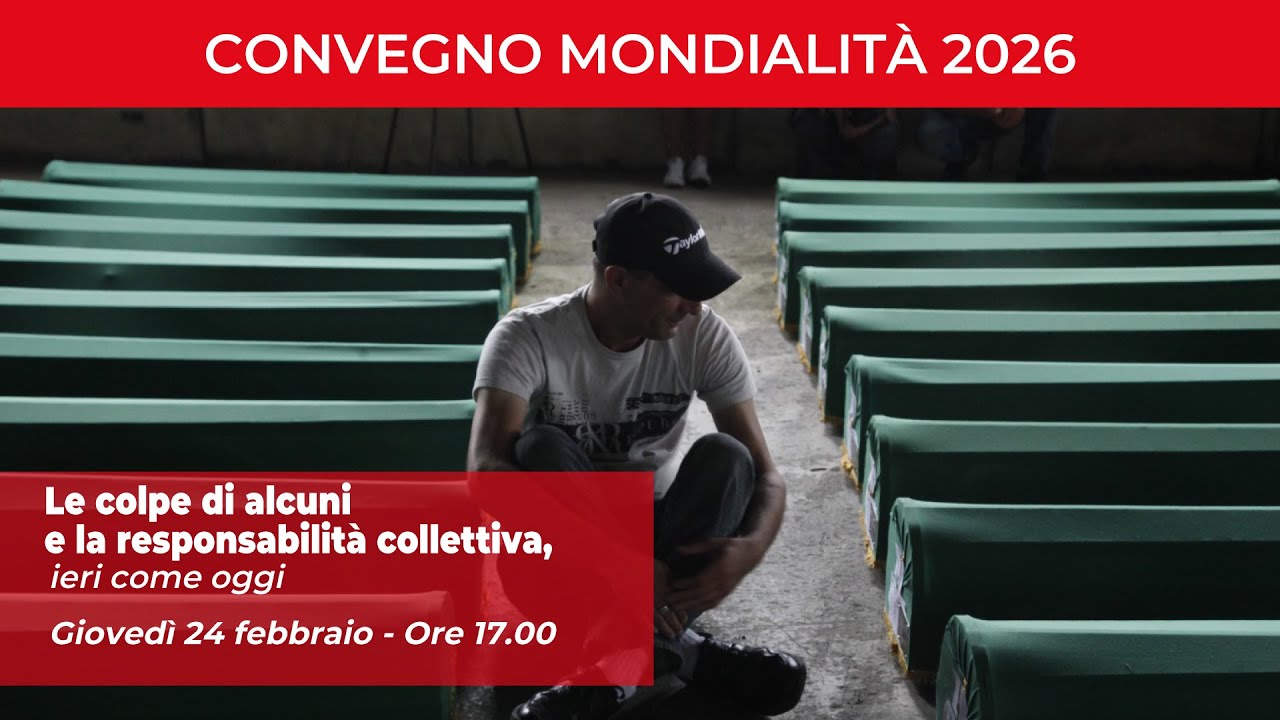

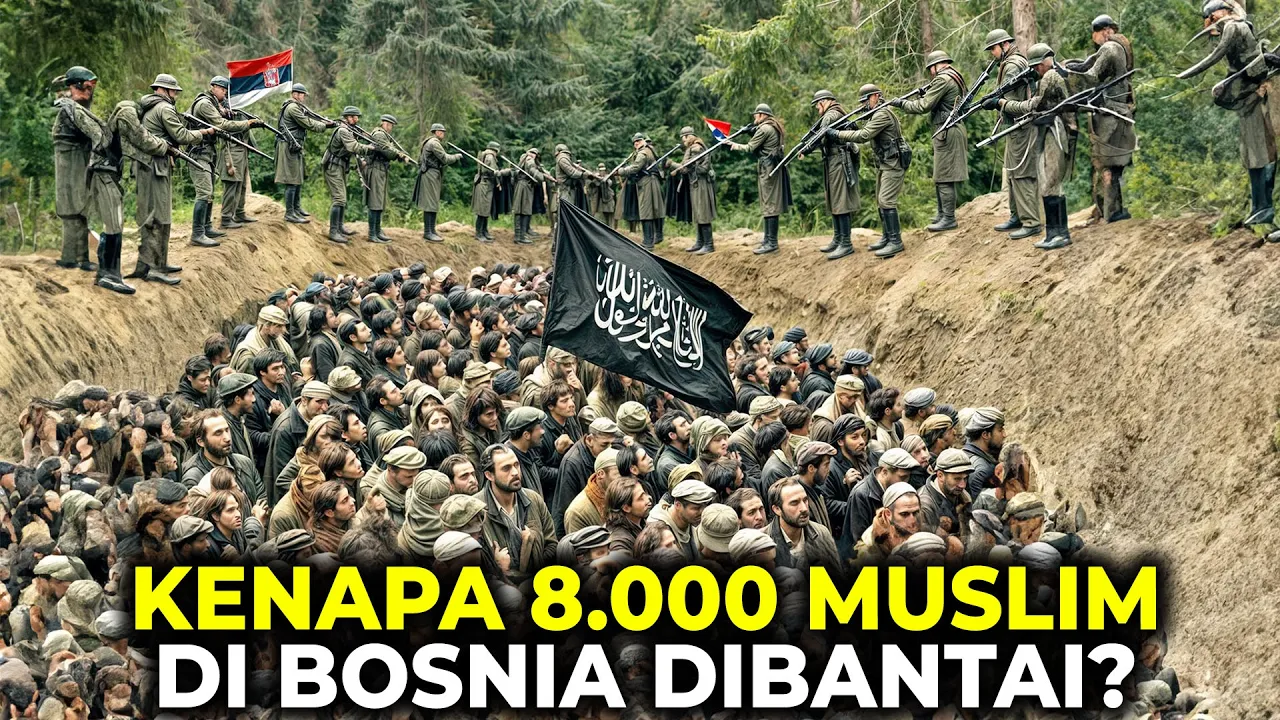
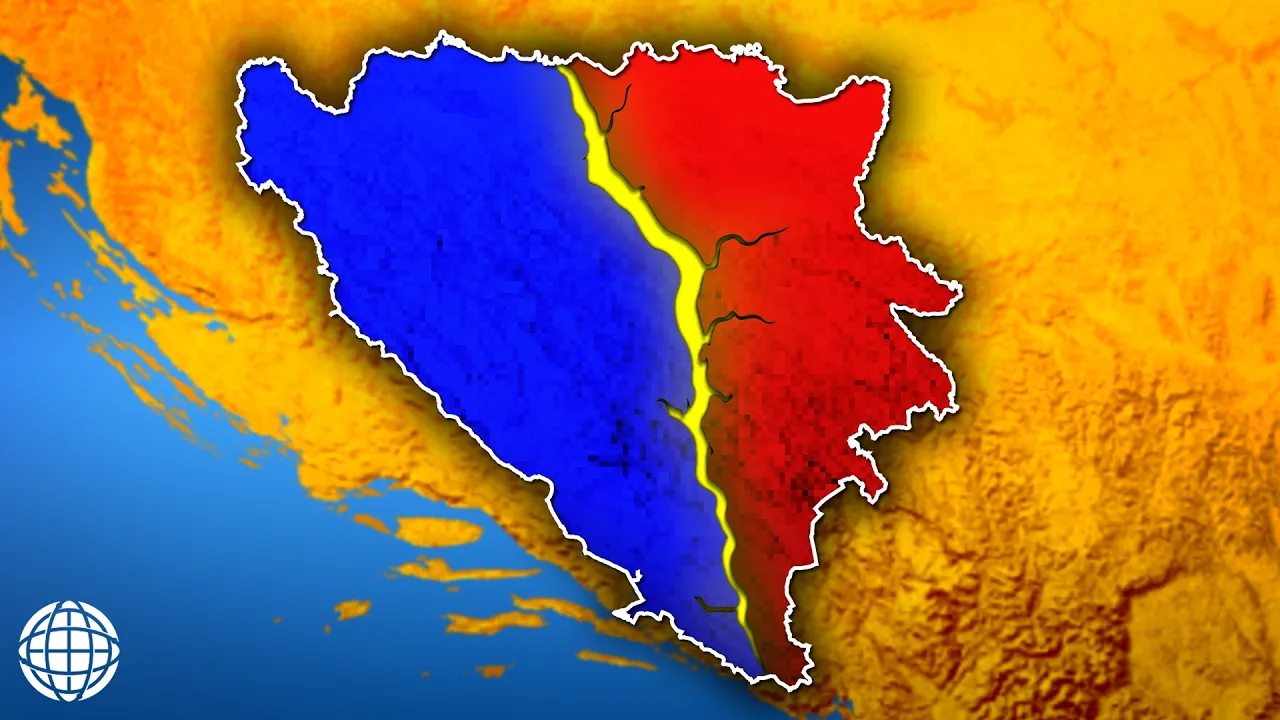









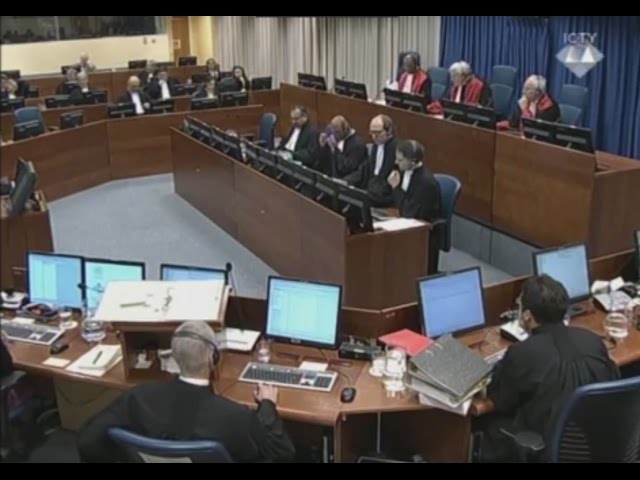







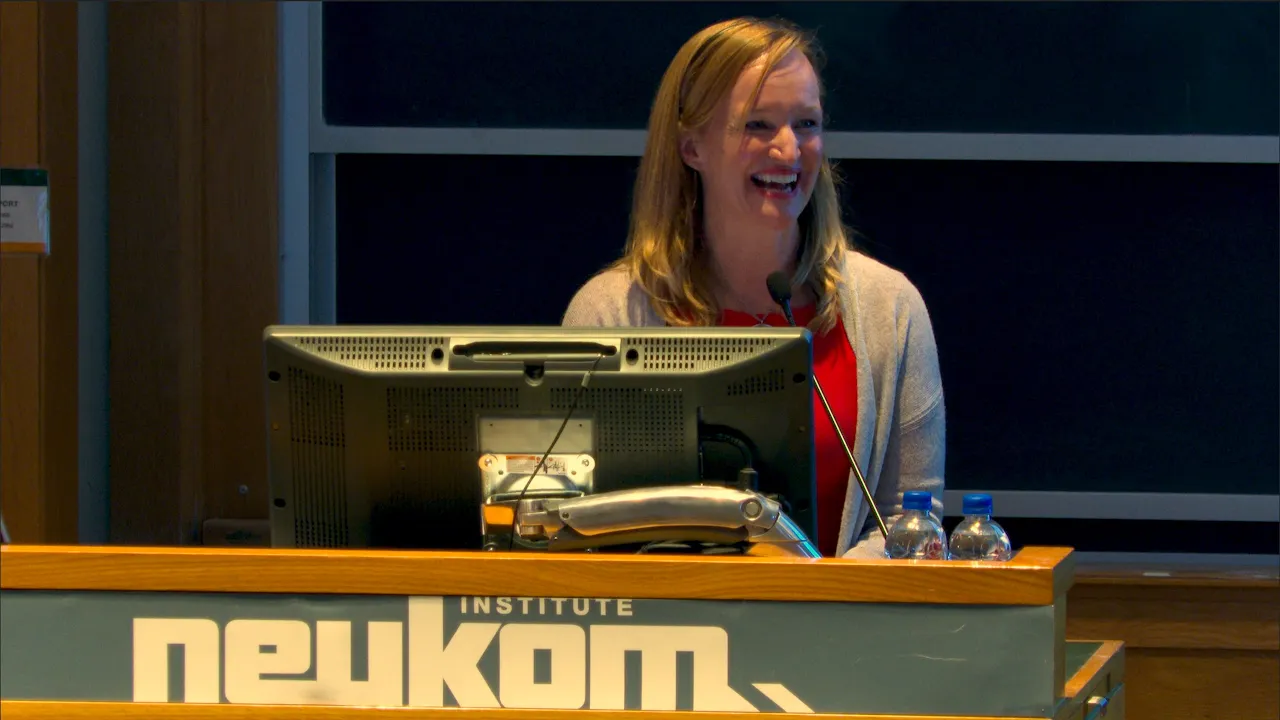


The International Criminal Tribunal for the Former Yugoslavia (ICTY) delivered a landmark verdict in 2017, finding former Bosnian Serb General Ratko Mladić guilty of 10 of 11 charges including genocide in Srebrenica and crimes against humanity, but not guilty of genocide in Prijedor; this trial, spanning 530 days with nearly 600 witnesses, marked the final case at the ICTY and demonstrated how international criminal law can hold senior military commanders accountable for ordering mass atrocities, including the systematic killing of over 7,000 Muslim men and boys in July 1995, while also highlighting the complex challenges of proving genocidal intent versus other forms of mass violence.
The Trial of Ratko Mladić: Genocide & Justice | Documentary
Added:The historical context of the dissolution of Yugoslavia in the 1990s and the subsequent geopolitical dynamics of the Bosnian War.
The legal definitions of genocide, crimes against humanity, and war crimes as codified by the 1948 Genocide Convention and the Geneva Conventions.
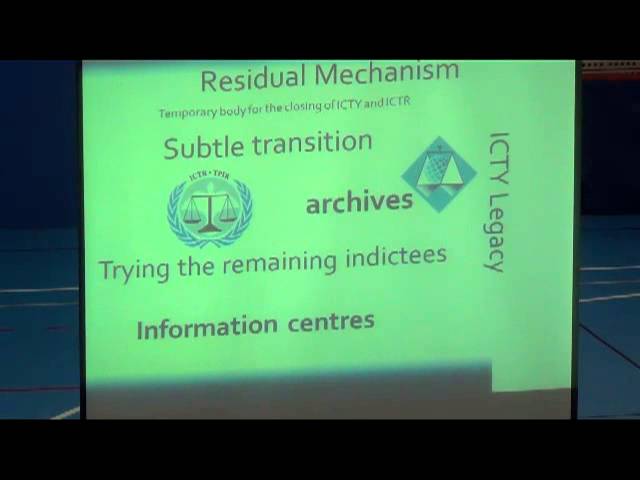
The origin, mandate, and structure of the International Criminal Tribunal for the former Yugoslavia (ICTY) established by the United Nations.
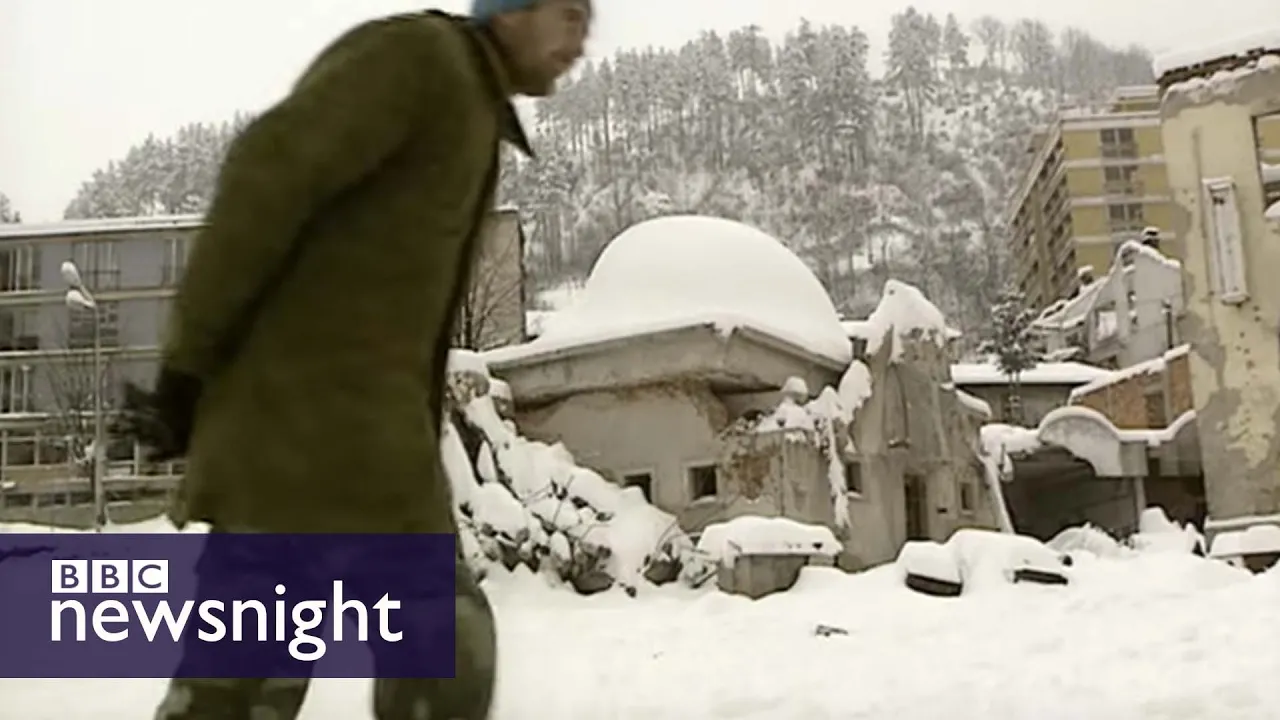
A foundational overview of the 1995 Srebrenica massacre, including the roles of the Bosnian Serb Army and UN peacekeeping forces.
The doctrine of 'Command Responsibility' (superior responsibility) and how the Mladić verdict shaped standards for prosecuting military leaders.
The transitional history from ad-hoc international tribunals (like the ICTY and ICTR) to the establishment of the permanent International Criminal Court (ICC).
The ongoing socio-political challenges of post-war reconciliation, transitional justice, and the impact of genocide denial in the Western Balkans.
The critical role of forensic archaeology, DNA analysis, and digital evidence in modern human rights investigations and international court proceedings.
573.7K views5.1Klikes1:53:18Original Release: 2023-11-08
[Music] tonight on front line the man accused of the worst crimes in Europe since World War II this is really what I'm came here for this is the general we've been waiting to arrest all these years General ratco madic one of the most notorious figures from the wars in the former Yugoslavia finally goes on trial the man accused of being the Butcher of Bosnia shows No Remorse for the victim filmed over 5 years with exclusive access to the prosecution and defense all the evidence states that our client is not guilty and that's my firm belief and the witnesses who came to testify told my dad no I don't want to go without you and my uncle he says get out you will survive when more than 1,500 people are murdered in a short time and thousands more starved degraded tormented the word for those crimes is genocide tonight the trial of ratco [Music] [Music] madic [Music] a un tribunal will imminently deliver its long awaited verdict in the war crimes trial of former Bosnian Serb military commander ratco madich known as The Butcher of Bosnia madich November 22nd 2017 and the verdict at the trial of the Bosnian Serb General ratom ladic is about to be delivered madich is accused of ordering the deaths of thousands of Bosnian Muslims in the town of Shri Brit some of the big were as young as 12 in Europe old soon fac Justice before any uh last minute thoughts ready ready to roll we got this got okay everybody we're going to [Music] court the international criminal Tribunal for the form Yugoslavia is now in session we are sitting today to deliver the chamber's Judgment in this case the accused ratom madich us to trial for 11 counts of crimes allegedly committed in his capacity as the commander of the main staff of the army of the bosan serp Republic between the 12th of May 1992 and 30th November 1995 in indictment charged two counts of genocide and five counts of crimes against humanity namely prosecution murder extermination deportation and the inhumane Act of forceable [Music] [Music] transfer [Music] throughout the 1990s a series of brutal Wars raged across the former Yugoslavia some 4 million people were displaced an estimated 130,000 were killed with mounting evidence of war crimes the United Nations established a court to bring alleged perpetrators to Justice this will be no Victor's tribunal the only Victor that will prevail in this endeavor is the truth 161 suspects were eventually indicted more than half would be found guilty some would be acquitted others would die before being [Music] prosecuted with the capture of slovan mosovich and Rovan kadich two of the most senior political figures accused of war crimes General ratol madic became the Court's Most Wanted among his alleged crimes ladic was accused of masterminding the genocide of 7,000 Muslim men and boys in sber considered the worst atrocity in Europe since World War [Music] II badic had gone into hiding when the war ended and was on the run for 16 years on behalf of the Republic of Serbia I announced that today we arrested R kadic police in Serbia have arrested Europe's Most Wanted War crime suspect Mage was extradited to the ha to face Justice it would be the last trial at the international criminal Tribunal for the former Yugoslavia the chamber will now give its [Music] verdict for tomorrow I'll be standing here where the podium is Mr groom will be next to me and then Arthur will be sitting at the end so when I welome tomorrow everyone is going to be here pretty much everybody will be here you defense def will be here in lot will already be in the courtroom okay and he does have the two Security Guys um on each side of him the big thing to remember when you come in as a deep breath yes yes I'm a little bit nervous brings the Memories Back the first witness that's testifying is an extraordinary young man who was 14 at the time Elvin in passage and it's a crime that occurred in 1992 and it mirrors the crime committed in in 1995 and we've decided to call him first because it really demonstrates the way madich approached war and his willingness to commit terrible crimes that's the public Gallery behind you he will just tell in his own words what happened to him and his family and my wife is going to be somewhere in the back room yes okay yes yeah she'll be back right behind you okay what your impression of his recollection right solid yes yes my impression is he when he goes back in time he remembers it exactly as he experienced it he says he's nervous but uh he he looks okay he looks looks just appropriate level of nervousness that you expect and I'm sure that'll be gone after the first few minutes in court I agree I think as soon as he um you know sits down and starts talking I think he'll be fine ROM madich is facing 11 charges including two counts of genocide considered the most serious crime under international law Peter will we go the prosecution must prove his intent to destroy in whole or in part the non-serb population in [Music] Bosnia the defense insists he's innocent and never participated in or ordered any crimes this is case it t992 t the prosecutor versus sh kadich thank you madam M Mr G is the prosecution ready to make its opening statement it is your honor then you may proceed your honors 4 days ago marked two decades since rco madich became the commander of the main staff of the army of report repu of cska the vrs on that day madic began his full participation in a criminal Endeavor of ethnically cleansing much of Bosnia the world watched in disbelief that in neighborhoods and Villages within Europe civilians who were targeted for no other reason that they were an ethnicity other than certain their planned their lives their dignity attacked in a coordinated and carefully planned manner the next time I address you about the evidence in this case will be at the end of the trial at that time when I come before you again I will ask that you give the people of Bosnia what they have waited so long for the truth about what ratco madic did to that and complex land the truth about what ratco madic did to bosnia's [Music] people is the prosecution ready to call its first witness in R of the prosecution is ready to call its first witness Mr Elvin and passage I suddenly declare that I will speak the truth the whole truth and nothing but the truth yeah thank you Mr P please be seated you will now first be examined by Miss Bible who's Council for the prosecution thank you Mr President your honors good afternoon Mr Page could you tell us the size and ethnicity of your village my Village harachi was 100% Muslim and approximately 100 houses drawing your attention to May of 1992 was there a religious occasion celebrated in your village yes we were celebrating our holiday B them the first day we went to the mosque I was excited as a being little boy on our second day we were attacked the bombs and uh the shells start Landing in our village [Applause] [Music] we were instructed to form three lines and to lay down in this puddle of Mud and water um I was laying down next my dad was on my left hand side and my uncle was on my right hand side and as I was laying down they ordered us to all the women and children to get up and at first I didn't want to get up because I was afraid to separate from my dad and he told me to get up I told him no I don't want to go without you he says get up I said and my uncle insisted he says Get Up You Will Survive since I'm living and going back to this I had a dream about my dad last night for the first time I was able to see his face I'm glad because most of the dreams and nightmares that I have from the personal experience I was always trying to reach him I saw his face last time I miss my dad let me find my dad please I would like to find my dad [Music] [Music] for for more than 35 years Bosnia and the rest of Yugoslavia was ruled by Joseph Britto his policy of Brotherhood and unity suppressed ethnic tensions between serbs Muslims and croats following his death in 1980 the country began to fall apart Yugoslavia a country at war with itself ever since Croatia and Slovenia declared their independence a nation of six republics is being dismantled by apparently unchecked Force now it's feared that the buffer Republic of Bosnia herova could become the next theater of conflict violence has broken out in the Republic of Bosnia Herzegovina after its population voted at the weekend for independence from the rest of ug laia 43% of the Republic's population are Muslim 31% are serbs and 177% are croats the Muslims and croats support Independence the serbs are fiercely opposed to it last night the serbs proclaimed a breakaway Republic inside Bosnia and today their leader ravan karish said they have to make their Serbian State whatever the cost may be there is chaos and Anarchy no functioning Central Authority and the United Nations headquartered here is apparently powerless to intervene what remains of the Bosnian government has declared a state of War General he scourge of Saro the chief Warrior of the servs he's called latco madich he's a man who has no doubts only a total assurance that he's right the world wrong and that his people have been slandered [Music] rep [Music] for good afternoon yes fore for well J Ladish is my eighth client in front of the tribunal and it's obvious this is the most important case in my career my memories from the war were of course horrible I had parents in dooy it was Serb held territory but bombed and shelled every day my parents were protected by J laric and his soldiers and he would tell me always your parents live in dooy thanks to me while in hiding General madich suffered a heart attack and two strokes his lawyers say they will not allow him to testify due to his diminished physical and mental state madich himself considers the tribunal to be illegitimate and biased against serbs we of course would have preferred having the tri starting already many many years before and you are for sure right when he when he arrived in in the he last year uh his health situation was far from perfect it's very very difficult to measure the extreme importance of the rest of Mage we were looking for him for 16 years when he arrived it was a few days after his last stroke he arrived as a very sick man today um I think his situation is much much better but we will see what what happens we have a lot of Staff working extremely hard to make sure that this case can advance as fast as possible okay good afternoon I wanted just to have a a quick meeting today just to kind of touch base on the preparation things are starting to pick up speed now just would make sure we're organized the two senior trial attorneys who very experienced they're working at this Tribunal for many many years D is somehow the the coordinator or the the the organizer and pet mski we call him sometimes Mr Shin because he has done a number of shin cases the sound is very important on this one which sounds perfect I'm up uh pretty much at maximum that's where we want to be okay Peter mclusky is in charge of Prosecuting the Sanita genocide he and his team will try to prove that General madic ordered the murder of over 7,000 Muslim men and boys in 1995 mosi's already won convictions against several Bosnian Serb officers for genocide in Shanita but he believes madic was in command of the operation prosecuted some of his generals some of his commanders but nothing like having the man himself madic is the guy that's really hands on in the face of the Muslims and ordering the murders directly and I put this with the nmin he's first calling come down count down and then he's a calling n so I put that segment calling yeah very is zor is helping me with the clip of a Muslim man is it r r r osmanovic he's calling the serbs are making him call out to bring other Muslims out of the woods and he's um calling his son nurman can you check nman and his and his father where they were found can you imagine how hard it is to call your son and then they kill your son they promise you that they will save them because if they surrender they will be all Sav so he's a calling son son came and then I was just asking the investigator to give me the details of which Mass grave they were were found in so that I can tell the court that if I watch too much of it I uh you know it's uh it still get it gets to you I got here in the fall of 1996 and I was meeting survivors at the refugee camps and uh getting to know them and hearing their stories at the same time on the same missions I was with uh the investigator and we would travel into the Republic of Sera with a hanvey escort borrowed shovels from the uh the local police and start uh digging in this Disturbed soil to see what was under this Disturbed soil because we suspected they were Mass Graves and sure enough every time we found one of these places we found body remains which were of course uh and we understood the loved ones of the people we had interviewed the day before four I've been so close to this work for so long and so close to the victims it becomes rather difficult to deal with the Carnage there's a certain darkness that comes over me when this thing starts especially when the victims are here J l [Music] foree fore fore fore fore fore foree fore she probably said talk so by the afternoon of 11 July Mage and his forces entered Shor town they found it almost completely [Music] [Music] [Applause] [Music] vacant us [Music] after this ominous remark about revenge modist troops captured and systematically murdered thousands of shanit men and boys a human tragedy is unfolding in the Eastern Enclave of shanit Bosnian Serb infantry have effectively outmaneuvered the UN and taken control of the Town resistance was reported to be minimal the town was supposed to be a safe haven protected by the moral and military force of the world community in the shape of the UN there are hundreds of hundreds of people around probably 20,000 that are surrounding the Dutch Battalion compound and everybody is slaying the [Applause] city after overrunning shanit town the serbs surrounded the UN base nearby at potari where up to 40,000 refugees have gathered [Music] the Bosnian Serb Commander in Chief General ratco madic Justified the attack stating it was to Route Muslim terrorists and to demilitarize The Enclave an operation he added that the UN had failed to complete a senior un official here today said that there was nothing the UN can do at the moment short of going to war with the Bosnian serbs and that is very much not on the agenda this case involves two horrendous crimes the forced movement of the Muslim population together with the mass murder of thousands of Bosnian Muslim men and boys all amounting to the elimination of the Muslim population from in genocide Lich was present in podari on 12 and 13 July while the vrs began the process of putting the women and children on buses to Muslim controlled territory and separating and holding the Muslim men and boys for [Music] [Music] execution it's not very not not very fancy here it's messy the part where I am asking you questions I think it's going to seem actually very short surprisingly and I think that you've probably been told this already but ladic will also be in the courtroom sitting up behind his lawyers we hope that he stays quiet and listens because he should hear what you have to say the reason we call him s ovich because she decided on the 11th of July that she had to leave with her family from chevr otherwise she would be she would be killed by the serbs um and this is this is the ethnic cleansing this is the forcible transfer count and so that's the first thing we bring out with her her situation was all of a sudden it is not safe for us to be here in our home anymore okay well there's there's fleeing the fighting which is normal and we all do that when the shell started was there anything indicated in her mind anything else besides just fleeing shells falling well and it's not just Shell's falling it's the sense of being what she communicated at least was I as a Muslim is not going to be safe here not just I might get caught in some random random Crossfire she actually said yeah it was safe if you wanted to get your throat [Music] slit I can do that too um okay I'll see you in there in a minute stretch strch [Music] Mrs as manovich do you recognize the man that's featured in that video [Music] you state that you went to portar on 11 July did you go to portar from the town [Music] of up until the moment that you boarded the bus in pachari do you feel like you could have stayed in San if you wanted [Music] [Music] to what is being described as deportation by the prosecution in relation to uh s uh was a uh humanitarian evacuation that was agreed to uh by all sides my goal with this witness is to see if I can link up certain parts of her written testimony to video footage that we have of the actual events that she seems to be describing we hope to show our client General mic acting in a very Humane light providing food and water to the civilians that were located there I'd like to move now to your statement where you talk about an encounter with General madich uh and when he said that first uh the women and children could go and you all move towards the buses and trucks I would like to take a look at a video to see if this accurately depicts the incident you're talking about the demeanor of General madic is it similar to or different from the demeanor of General madic during the encounter that you remember with him uh Madam you mentioned that there was um water and chocolates being handed out was there also bread being handed out by the vs soldiers movich the chamber understands that being taken back to the events must be emotional for you we appreciate that you came you may now follow the user I don't see how you did you were just wonderful thank you then he really shook her although he she was a victim and when you have a victim in front of you you have to deal with with the victim very very nicely very softly but still he was capable of uh shaking her we have the instruction from the general to say sorry to a victim and I never do that it's not my job only he instructs me that no my job is to cross-examine I'm a lawyer I cross-examine if you want to apologize write a [Music] letter hundreds of bodies believed to have been killed by Serb forces have been found in a mass grave in Bosnia in the prador area knew this grave existed for years but Bosnian Serb Witnesses kept silent about its location until the ghosts of the missing still haunt The Villages here and the graveyard still wait for the dead this discovery could bring an end to that waiting and bring evidence of war crimes that can no longer be hidden it's late 2013 an amass grave has been discovered on the site of the tomasa Iron Mine in pridor Northwest Bosnia in addition to sban ladic is accused of genocide in pridor and five other municipalities prosecutors believe that the tomasits mass grave could provide important new evidence to support this second genocide charge so once you stripped off that top layer of Earth did you at that stage know that there were likely to be bodies there we could see the changes we need we need to strip this brown soil to get to this yellow and this is the natural uh gray clay yes and because air couldn't get through that clay bodies are well preserved and do the Pathologists think that because of that soft tissue that they can make findings about cause of death and exactly oh good okay and a lot of this was organized by by the Army itself Army and the police and local [Music] police [Music] I must say one thing you're just looking around here is just so massive and to think that all of this was dug up and bodies were put in here and people were brought here and executed here and then there tons and tons of Earth that was then put on top of it it's beyond anything that I've ever dealt [Music] with pridor was the first place to be ethnically cleansed with vicious Serb atrocities we're very upset to see outright murder burning people to death in their own homes dragging them out in the street and shooting them at Point Blank Range maska concentration camp ethnic cleansing at its most graphic thousands of Muslims in scenes chillingly reminiscent of the [Music] Holocaust [Music] but you can see the different states yeah um you some that one there lot of that'll be solid what kinds of injuries are you the ones that you can determine an injury it's mainly Main High Velocity gunshot injes back of the header yeah quite a lot there's quite a lot of targeted ones oh yeah there's a skull over there which is being reconstructed all this shattering is typical high velocity injury once it's all put together still quite a lot of good evidence you can you can see from it I mean you can see the tragedy of it I mean when you when you look around I mean it's clear that these are not soldiers these are women there even some children over there this is just an outrage that these people were were were killed in the way they were killed and dumped in a in the site that they were dumped in terms of the case it's so important because in terms of proving that they were murdered by people that are accountable to milanich we need to have that evidence prosecution will seek to Tender this newly acquired tomasa evidence the court must now decide whether to allow prosecutors to use the new evidence from the mass grave being revealed in to will be relevant to the T Chambers consideration of count one in the indictment genocide it could take the judges several months to reach a [Music] decision to establish genocide in pridor I have to prove Beyond reasonable doubt that madic had genocidal intent in other words that it was his intent to physically destroy in whole or in part the Muslim population in pridor that's a pretty high burden it's a pretty difficult thing to do but we have some features of of tomasa that give me hope that we just may succeed our early investigations are indicating now that the vrs was directly involved that they requisitioned the mining equipment the diggers the bulldozers the dump trucks to to dig this massive hole and to bury these bodies you know 24 to 30 feet below the dirt so it's that kind of direct involvement with respect to the things that happened that were done by people under his control that once and for all establishes Beyond reasonable doubt that what happened in pridor constituted genocide and nothing less for both the pridor and sanit genocide charges the prosecution must prove that madich was in command and control of the troops that carried out the killings in the case of shanit they have video evidence that madich himself LED talks with the town's Muslim inhabitants in the days leading up to the bloodshed [Music] for [Music] [Music] nice see that so do you find as a as a military person General mich's Presence at this meeting do you find that to be an exercise of command yes sir he's the commander of the army of the Republic of CSA everything that he does or everything that he does not do as the commander is an exercise of command he's not pulling the trigger we don't have him standing at any execution site but we have to show that he is in command of the troops that are doing it and he's fully aware of what is going on and in fact ordered it and began the whole process which the evidence is very clear on General dnet from a purely military perspective is General Mage responsible for the conduct of his subord ordinates in shre well it's clear to me that he exercised a large measure of personal control as to what was going on he was known to be a big character and therefore what he said and what he ordered people were likely to do this crime is carried out in a military fashion with with military troops and military transport under orders so we have what we call The Insider Witnesses members of mish's main staff that testify about how the military hierarchy works one of the foremost of those is general milovanovic who was mich's Deputy commander in Mead's absence when you're serving in the capacity of Deputy Commander did you have the authority to issue an order to anyone in the vrs was there any period of time which in your view the command and control structure did not function as intended [Music] good morning Mr n m Nichol is a very rare witness he's a guy that has pled guilty to very serious crimes in TR been sentenced to 20 years in prison he has absolute inside information orders from his superiors to to find places to execute people and directly implicating [Music] [Music] motage Mr nicholet I would like to ask you how you feel about having participated uh in these [Music] events being in trial for not just this year and last year but all the previous years it feels like I've been in trial for 12 years straight the one thing that I feel is exhaustion this week in court and I recalled a particularly gruesome account of a Serbian Commander that said today we liquidated a young man who was in the woods without any food and then that's when I visualize this hungry kid without a weapon getting captured telling his story and then being horribly killed then that stopped me from an asking any more questions for a second it was like it was getting to me and that's you know that's not supposed to happen I've got to be involved yet I've got to stay enough distance that I can get the job done and not get stalled in the middle of it foree the defense does not dispute that killings took place in the serban area but they say that madic did not order them and was not technically in command of his Troop at the time Mr Ken was called to confirm The Alibi that explains the movements of um General madic from 14th of July until 17th of July 1995 while uh stanit killings happened and through this witness we want to among other things prove and explain that General Mage has nothing to do with those killings Mr kenich drove Mr madich Froman to Belgrade on the 14th we have meetings that he had with the Internationals we have his visit to his daughter's grave on the 15th we have 16th wedding visit to military Medical Academy and we have his returned to the 17th Mr madic did not have any means of communication he was outside the area and by Serbian military law at that time he was not in command I'm 100% sure that there is nothing that can touch that Albi for thank you Mr sovich Mr keny you'll now be cross-examined by Mr moski good morning Mr keny as you sit here now do you remember on that day the afternoon of 14 July which route you actually [Music] took were you aware at the time large numbers of Muslim soldiers and civilians were fleeing The shrubber Enclave uh and had crossed that road and were still in those woods all around that area where you're driving no the sounds not as you drove past the Nova Caba area did you see any large pits being dug near the side of the road no at the time that you were in kovich PO with General mage did you hear any information that there were hundreds and hundreds of dead and dying Muslims at the kravit warehouse at that time [Music] no so did you have any information about the other prisoners roughly 800 to a th000 at the nearby pety School the nearby roich School scho the pit cultural center and the Kula school did you hear about any of those thousands of prisoners that were in those schools at the time you're driving by that area no nothing for it Mr President thank you the evidence suggest that mic is up to his chin in blood two hours after leaving the people near kravit a thousand people are murdered and within two to three days of leaving the people along the rest of the road at Novak casaba they're all murdered so uh he and by his forces by forces under his command in a very organized and systematic way that could only have been done when from orders issued from the top wasn't anyone else's troops that did this for [Music] for war has torn this country apart towns neighborhoods even families are divided by ha hatred to be on the wrong side of the ethnic front line in Bosnia is a terrifying experience whoever you are these people are serbs fleeing they say for their lives they said they wanted to escape to Friendly territory because serbs in a village near them had been massacred by Muslim troops today hundreds of serbs attended a funeral for 39 of their men and women in a village seized by the Muslims earlier this year recaptured by the [Music] SS [Music] [Music] PR [Music] [Music] for people [Applause] for for [Applause] [Music] what [Music] up I me smoke got [Music] [Music] [Applause] [Music] for fore [Music] fore for me he's a hero first because he's my dad even for small things in life he was so dedicated that you should uh do something right I never lie he despised lies he always told me you should tell me the truth truth nevertheless how difficult the truth is because if you lie me I U will not uh know how to help you maybe we have different temperament I'm more kind that he is he is very good person but he can explode he can burst but values I openly declare are his [Music] vales I'm sorry for every victim but I cannot accept his guilt I cannot accept what I don't believe is true if I believe it then I would accept it but I can't can't accept because the other side has a need to for me to do it back in the ha prosecutors are continuing to build their case as they await the judge's decision on whether to allow the evidence from the tomit mass grave the big news obviously in the last month um we've gotten all the expert reports in Dr Clark has found 96% of these bodies had gunshot injuries and 80 I think it's 84% the cause of death was actually due to a gunshot wound to the head or to the trunk of the body Which is higher than any Mass grave he's seen so it's a very compelling um report for us in terms of showing what the cause of death was and showing the violent nature of the deaths here we came back with the uh V interesting documentation it's always kind of an uncertain task when you set out to investigate in the middle of your case so it's very satisfying that this evidence is is coming back to demand Justice from from mades you know he he participated in burying them he thought they would ever be found and and here we are the industrial nature of toas it really adds a new dimension of proof to our case with respect to genocide [Music] during a break in the excavation of the tomasits mass grave the president of the tribunal comes to pay his [Music] respects thank you all for being here with me today on this somber day it is very difficult for me to to speak at this place where one stands face to face with the horror that men can do to other men it is my very strong hope that the work of the tribunal will offer some measure of consolation to those who have survived and to the families of those who did not survive more broadly I hope that the work of international courts will promote reconciliation and healing in the region but may I add one personal word this uh place has a very very special resonance for me personally because it looks a little bit like the place in a quarry not far from a city where I spent my Warriors in a city called J in Poland where my mother was killed and so this means more to me than theory of international law my name is s I was in in former camp marai manach and actually it's true to me and some other people that Mr Miron is here we actually met him on 28th of October in the and during this meeting I invited him to visit the mar and said you should smell genocide if Mr and his colleagues would call it with the name it deserves genocide then I hope that somehow for victims it would be um uh what we expect we really need Justice to be done let's just see the [Music] facts Magda we start at 9:30 or 10 9:30 9:30 is your speech oh we put you in the second row that's fine because uh that's fine on display I'm afraid yes but I would like it on the side yes it's on the side with easy access so you can go and exit strategy no we don't want an exit strategy Jud the president is in Saro to give the keynote speech at a conference to Mark the tribunal's 20th anniversary however the tribunal has recently acquitted several high-ranking figures and this has angered many victims groups some people naturally some of the victims would not always be happy about each and every one of our judgment I'm very sad if there are judgments from time to time and people are un happy but if our agenda would be to please people we would not be a cult of law would [Music] we [Music] [Music] for Fore [Music] fore [Music] thank you for your questions I am surprised that I heard the question how did I feel about the feelings of victims in tomasita you want to know what I have felt I felt total empathy I felt the grief that you have felt I realize that we have not satisfied the victims Perhaps it is a Mission Impossible perhaps no international criminal tribunal can satisfy all the victims from all the different communities but please look at the picture as a whole and let not two or three quits about which you are happy take you away from the whole vision of incredible achievements which have been made our job is not yet done and I'm sure that one day even the greatest critics of the tribunal will join with me in seeing the positive for it's a real joke to ask from us to to be be prepared it's not possible simply not possible and it's I don't think it's good example for any kind of Justice let alone International Justice we probably need at least as many lawyers as the prosecution has we need as many investigators we have only couple of them and the prosecution has the whole system it is real fight in between D David and Goliath the defense will now try to argue that mad's troops were not even present at tomasits but they need witnesses to make their case fore for for Cheers Cheers that's exactly what I was afraid of before before we came here that we might have many good talks but none Witnesses my humble opinion is that at this moment Bosnia does not need shows for public as toas because it's just a show and it's just prolongation of uh Bosnian agony we should bury our dead and we should move forward and having wounds reopened all the time cannot help reconciliation the these are Killing Fields in in World War II we about yes to understand Bosnia conflict from '90s you have to know what happened during the World War I second if you do not understand y that's where we are here now you cannot understand the conflict in Bosnia during World War II Yugoslavia was occupied by the Nazis and serbs were put in concentration camps the Nazis were supported by Croatian fascists and some Muslims sympathetic to the fascist cause now years later the defense is triying to argue that the historic persecution of the serbs should be considered in the case against mut every single family lost its member due to that genocide committed against Serbian people eye for an eye is not allowed as a defense in front of this tribunal but there was revenge and you could not control everybody who was armed during the war so it was not something that you could blame General mic and to blame Serbian leadership that it was organized toas can be excellent example actually of uh Revenge it can be excellent example of continuation this Bosnian bloody story it happens on the in this area and it happened before and I'm afraid that it could happen in the future I hope not let there be no doubt that serbs in bosnan heroa had to defend themselves for their very survival the bosan Muslims and CS had threatened the survival already as part of the Nazi forces that terrorized and killed serbs inovat and other death camps thus General mic cannot be held responsible for the acts of persons not following his orders but engaged in uncontrollable acts of private Revenge by locals the defense says that the atrocities against the serbs led the Serb populace to be full of hatred and want to exact revenge on the Muslim population from our perspective it's a rather absurd defense because of the clear organization and the logistics that went into a huge mass grave there were mich's Armed Forces very well organized so this kind of evidence attracts sympathy to the Serbian cause and perhaps to General modage but in the end it doesn't amount to any kind of a defense welcome everybody to the 80th week of the U laich trial officially on the record we are on the 333rd day um in terms of events in the trial where's Ed there he is Ed filed the thas motion last week right on schedule thank you very much for doing that hello Rebeca how are you I'm good so I'm here to turn in my plates yes and the papers and the papers see if you have everything just yeah that's the one um then if you can is to fill out the check out for okay after 2 and 1/2 years on the Mage trial dermit groom has to leave the Tribunal for family reasons it's difficult to certainly to leave at this stage in the case I've invested an awful lot in the case and to see the thaser filing without my name on it definitely uh hit me in a way that I I didn't expect it's a bit Melancholy but uh I guess that's part of uh of leaving a position that you've loved and have had for a very long time and perhaps the uh most significant addition since we've had the last team meeting is that Alan tiger is here and I know Allen has a couple of words that will impact the team it's of course my pleasure to be on board I simply look forward to working with each one of you I hope to meet with all of you it's an extraordinary responsibility and professional privilege to lead this team for this case at this point in the tribunal's existence my parents were both both survivors whose in virtually entire families were um murdered during the Holocaust and no no Survivor truly escapes that so uh I could see the the visible effects of those crimes um every day this feeling of anger and helplessness and impotence that you grow up with and I certainly felt that when I met and worked with those victims in Prior alira car's father went missing in July 1992 she is waiting to find out if his remains have been discovered in the tomasits mass grave foreign spee fore [Music] [Music] [Music] madish is charged with seven different massacres that took place in about a Six-Day period in Prior municipality in Late July 1992 more than a thousand people in Prior went missing during the course of about those six days nobody's ever been convicted of genocide here for what happened in 1992 in pror or anywhere else this is the last trial here and so it is the last opportunity and I think all of us feel some sense of historical obligation to make sure that it's recorded here what happened and general mage's responsibility for it madich had firm command and control over the vrs and subordinated Bosnian Serb forces throughout the ethnic cleansing campaign in Prior municipality through killing more than 1500 Muslims and detaining thousands more in brutal and inhumane conditions what you see on this next slide is those V es which are most relevant to the cleansing campaign in pror as you see many of the communities I've just been talking to you about by 1993 genuinely literally chillingly no longer existed mhm yes T is a stre [Music] for Mr Hansen were you called upon to assist in the exhumation uh at the tomasa site in 2013 uh yes I was and um did it reveal the presence of the graves and if so how many yes three separate Graves were you able to determine how much time may have transpired between the deposits of bodies exact timings no however the bodies were very well preserved and this is consistent with a burial quite soon after death sir what did You observe as the most frequent cause of death I found that the vast majority of the people in this grave site had been shot as a surprisingly High number of shots were to the Head a very common finding was a bullet wound bullet injury to the back of the head what can you tell us about the cloths found on the bodies accumed from Tomas the clothing was just ordinary clothing some people had suit jackets some people had work jackets or dungarees but it was mostly sort of casual clothes much see speech fore foreign foreign will harms you when in a community like prior more than 1500 people are murdered in a short time thousands and thousands more starved degraded abused humiliated tormented when most of their homes are destroyed when their mosques are reduced to rubble and when they are scattered to an impoverished Exile the intent to destroy that community and prevent it from reconstituting itself is unmistakable and the word for those crimes with that intent is genocide [Music] spee spee for for you had occasion to meet with General madich in pror answer no I never met the general never saw him at any meeting that I attended nor did I hear from anyone else that he had been in PR of e mrov you now a Coss exam by Mr try Mr try is coun for the prosecution thank you Mr President good morning sir can we have 65 tur 31041 do you recognize the people in this Photograph who's the man on the far right looking away from the camera Miss yeah yes and person immediately to your right hand with the mustache Who's That B the man next to him in the tie zile and the man next to him on the far left all four of you worked at RZR Libya before the war right du you and Mr Balaban were serbs while Mr panovich and Mr zahirovic were Muslims now Mr panovich and Mr zahirovic have you ever seen either of them after the war Bal did he know what was happening in Prior yeah of course it's very hard to start with 50,000 Muslims in your municipality wind up with six a couple of months later 6,000 uh and then virtually none by the end of the war and miss that it's it's too large a change in the composition of the people that you interact with every day and he would have been in downtown prior where he lived when one of the neighborhoods there star grod was destroyed by the vrs he would have been in downtown pridor where he lived when the room three massacre at kerm occurred of course he knew crimes were being committed yeah nobody could have messed with that whether he knew about this grave specifically if he didn't it would have required a willful attempt to avoid knowing what was being done on his property and the crimes General madich and his forces committed now when you said sir the less you knew the more you were worth you say that because you didn't want to know what the military and police were doing with mobilized equipment on RZR lib company property because you knew they were committing crimes right I have no further questions for this witness thank you Mr charie yeah fore [Music] [Applause] one [Music] [Applause] [Music] the evidence of genocide presented in this courtroom for the last 4 and A2 years was clear comprehensive ensive and unassailable we have mic in the dock answering for his crimes history will judge if Justice was done and seen to be done the defense does not deny that unfortunate crimes occurred but those in no way can be connected to to General [Music] RAR there is no credible evidence linking General mich's presence to any of the alleged killing or execution sites we should all agree that he sits here innocent before us right now the time has come for General madic to be held accountable for those crimes against each of his victims and the communities he destroyed it would be an affront to Justice to impose any sentence other than the most severe available under [Music] law [Music] [Music] for [Music] [Music] the prosecution and the defense finished presenting their evidence in December [Music] 2016 the court had sat for 530 trial days and heard from nearly 600 Witnesses over 4 and 1/2 years the judges took 11 months to reach a verdict we're returning now to the trial of we back live now in the ha the United Nations War crime International war crimes Court in the hag is delivering its ver you're watching continuous coverage of the verdict in the trial remind you that rco madic had asked for a bathroom break effectively uh about 35 minutes ago we're still trying to assess exactly what is going on here we assume this is just a temporary pause the end the bosan bosan uh TV reported that apparently has some medical issues and they are doing the medical checkup if he has some medical thing now is not a coincidence he turned red in his face you know but usually when he turned in his face this is the sign that his blood pressure is high and for him this is a life threatening situation okay the medical officer wanted to speak to the cardiologist but now it seems like we're going to be resuming Mr M's blood pressure was read three times during the break the first reading I believe is 175 over 96 the second reading done by a nurse was 180 over 80 according to both the American Heart Association and the United Kingdom cardiovascular Association that is called hypertensive crisis under those circumstances the defense asks that your honors either halt these proceedings or we wave reading of the summary and pronounce your judgment so that we can lessen the risk of further harm to Mr mich's Health Mr iich um the doctor's advice we got is that the situation is not such that uh medical reasons would prevent us from continuing Mr madich wants to consult that Council I take it if he does it in such a way that no one can hear your voice and sit down please Mr madich sit Mr mad Mr madich if you [Music] Curtains Down Mr madich will be removed from the courtroom okay it goes on with madich watching the proceedings from a holding cell the judges prepare to give their verdict on the 11 counts against him they begin with count one genocide in Prior and the other municipalities and count two genocide in shanit the chamber finds radich not guilty of count one genocide guilty as a member of various joint Kel Enterprises of the following counts count two sa genocide count three persecution a crime against humanity count four extermination judgment the verdict in the case of rat kadich the former general of the Bosnian Serb forces has just been handed down he was found guilty of 10 of the 11 charges against him on one charge of genocide he was found not guilty well the Court ruled that madic was not guilty of genocide in pridor and the other municipalities it did find him guilty of Nic cleansing there and determined that his troops had been present at tomasa the crimes committed rank among the most anus known to humankind and include genocide and extermination as a crime against humanity for having committed these crimes the chamber sentences Mr ratom ladage to life and [Music] yes well done guys let's uh be happy for a moment I think that's uh a great result a great team effort the word life keeps resonating in my head and had there been anything but that uh I would have been very well angry after that amazing long road to hear that word yeah that tells the whole story now now I'm ready to quibble about the about count one the way I understood it was it was just substantiality away from a genocide finding they didn't find that it met all the legal elements for genocide but they recognized the effect of the ethnic cleansing campaign in pror guys many many thanks we are the winning team the defense team considers this judgment to be erroneous and there will be an appeal and we believe that the appeal will correct the errors of the trial chamber we saw each other 5 to 10 minutes after the verdict my father he said this is all lie so we refuse this sentence this is great Injustice done to Serbian people in the first place and my father was the symbol of this fight for freedom of Serbian people to this day not a single Serbian victim was protected nobody was ever accused of it and you are asking serbs whether they accept inter this tribunal as impartial no they don't they will never do so over the last couple of hours we heard a detailed reassessment of the evidence that have been heard inside this court behind me evidence which at times magnified the brutality of some of General racco mad's crimes [Music] lich's crimes have now been recorded in history during his trial the court heard from 4 and a half thousand people who bore witness to the killings he ordered it took a quarter of a century for their voices to be heard for their dead to receive some justice so what do you think how do you feel sec I am very happy now is it over not really I'm happy is it justice [Music] yes [Music] [Applause] [Music] [Music] [Music] pap for more on this and other front line programs visit our website at pbs.org [Music] Frontline to water front lines the trial of rco motage on DVD visit shop PBS or call 1 1800 play PBS this program is also available on Amazon Prime [Music] video
Up Next

13:43
How to Process a Leukopak for Downstream Cell Isolation
@STEMCELLTechnologies
13K views•2022-02-15

12:54
Triumph of Orthodoxy Icon: Byzantine Art & History Explained
@BenCallan
2.1K views•2024-08-06
54:48
US-China Trade War: Tariffs, Tech Conflict, and Economic Fallout
@frontline
5.4M views•2019-05-13

1:42
Game of Thrones Opening Credits: A Cinematic Analysis
@gameofthrones
46.3M views•2011-04-18
Related Study Plans & Knowledge Roadmaps
Structured learning paths in General & Interdisciplinary Studies
general-studies
Elevator Engineering: History, Physics & Cities
01From Hoists to Safety Brakes: The Dawn of Vertical Lift
02Hydraulic vs. Traction: The Engineering Physics of Elevators
03Modern Speed, Safety, and Algorithms
+ 2 more learning modules
12h5 modules
Explore Roadmap
general-studies
Rubber: Material Science, History & Geopolitics
01Origins of Natural Rubber & Mesoamerican History
02The Chemistry of Natural Rubber & Vulcanization
03The Geopolitics of the Rubber Boom & Colonization
+ 2 more learning modules
12h5 modules
Explore Roadmap
general-studies
Containerization: Evolution, Logistics & Trade
01Ancient Trade & Bulk Cargo: Amphorae to Barrels
02The Industrial Revolution & Cardboard Packaging
03The Containerization Revolution: Malcom McLean
+ 2 more learning modules
12h5 modules
Explore Roadmap
general-studies
Textile Tech: Evolution, Labor & Global Impact
01Pre-Industrial Textiles: Handloom & Cottage Industry
02Mechanization: The Spinning Jenny to the Power Loom
03The Factory System & Global Labor Transformation
+ 2 more learning modules
10h5 modules
Explore Roadmap