
![Density-gradient-free solutions for cell isolation [WEBINAR]](https://i.ytimg.com/vi_webp/pmnrU4WBt0s/maxresdefault.webp)












![T cell isolation fine-tuned to your needs [WEBINAR]](https://i.ytimg.com/vi/8UWOsZM2zIE/maxresdefault.jpg)




![T cell analysis fine-tuned to your cells’ needs [WEBINAR]](https://i.ytimg.com/vi/RjoSD-tPU-o/maxresdefault.jpg)


![Empowering patient care: IPC/QC solutions for cellular therapies [WEBINAR]](https://i.ytimg.com/vi_webp/xHGnoT1H-CQ/maxresdefault.webp)


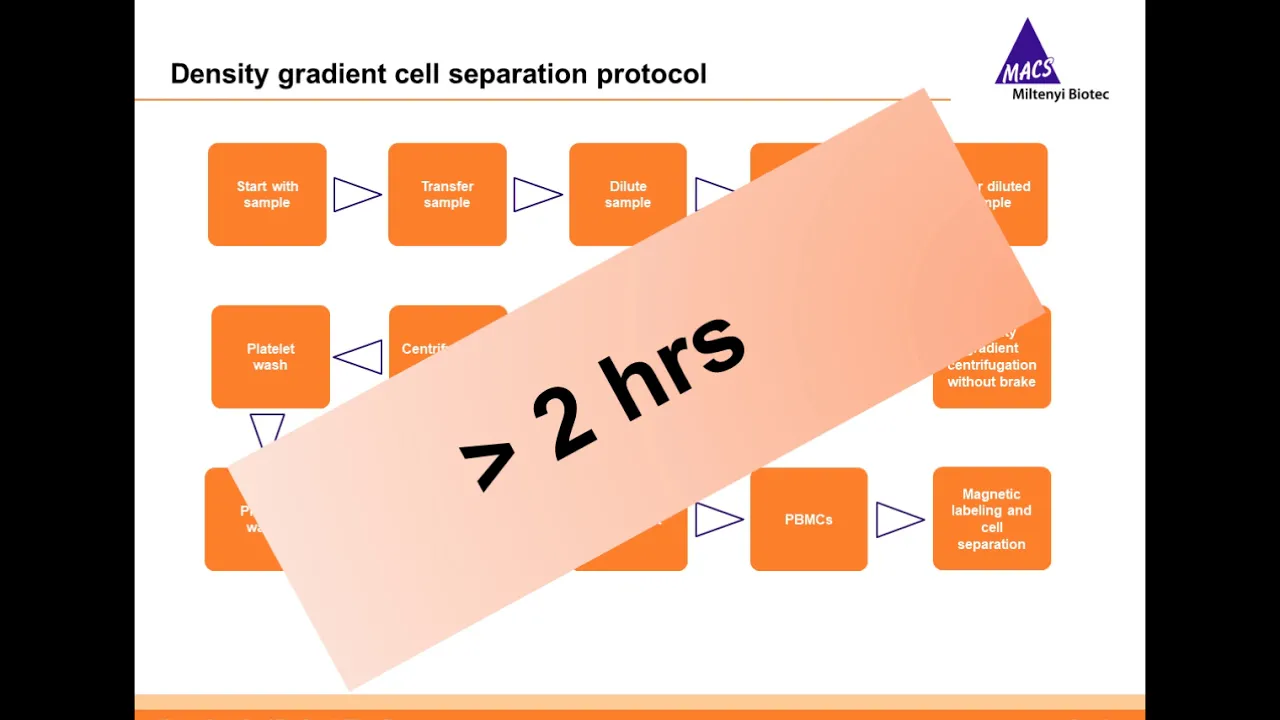
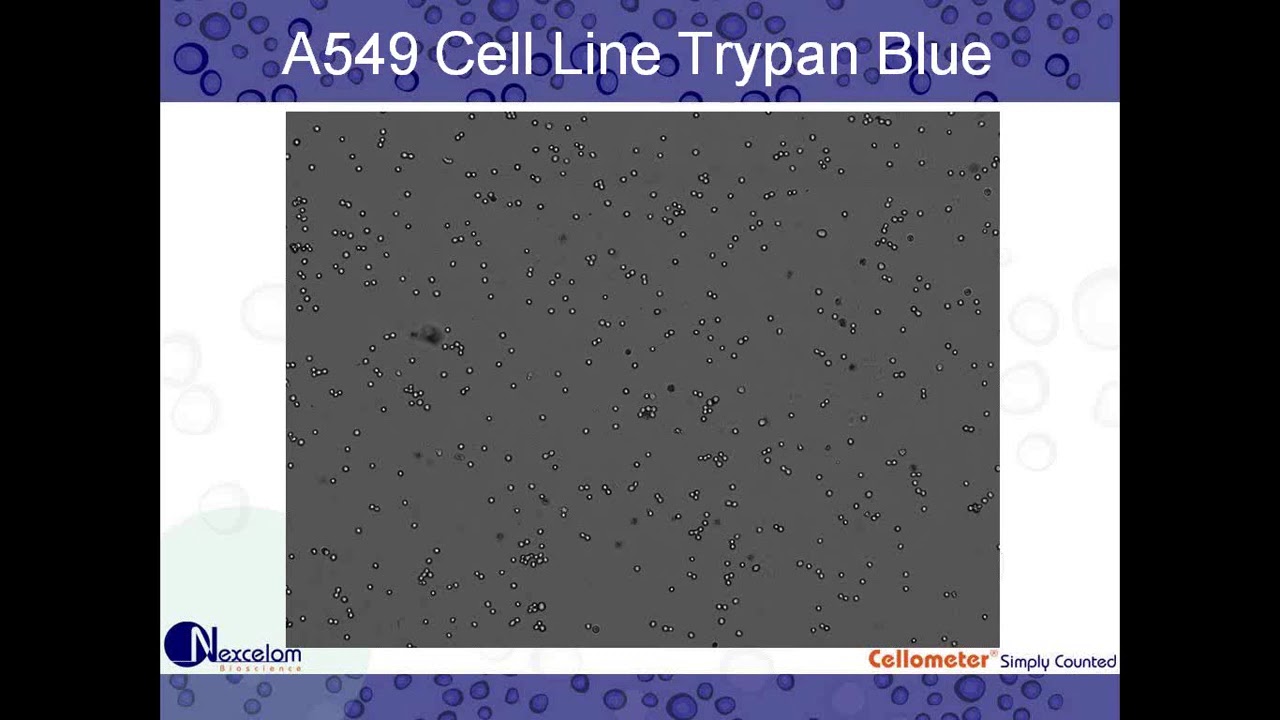
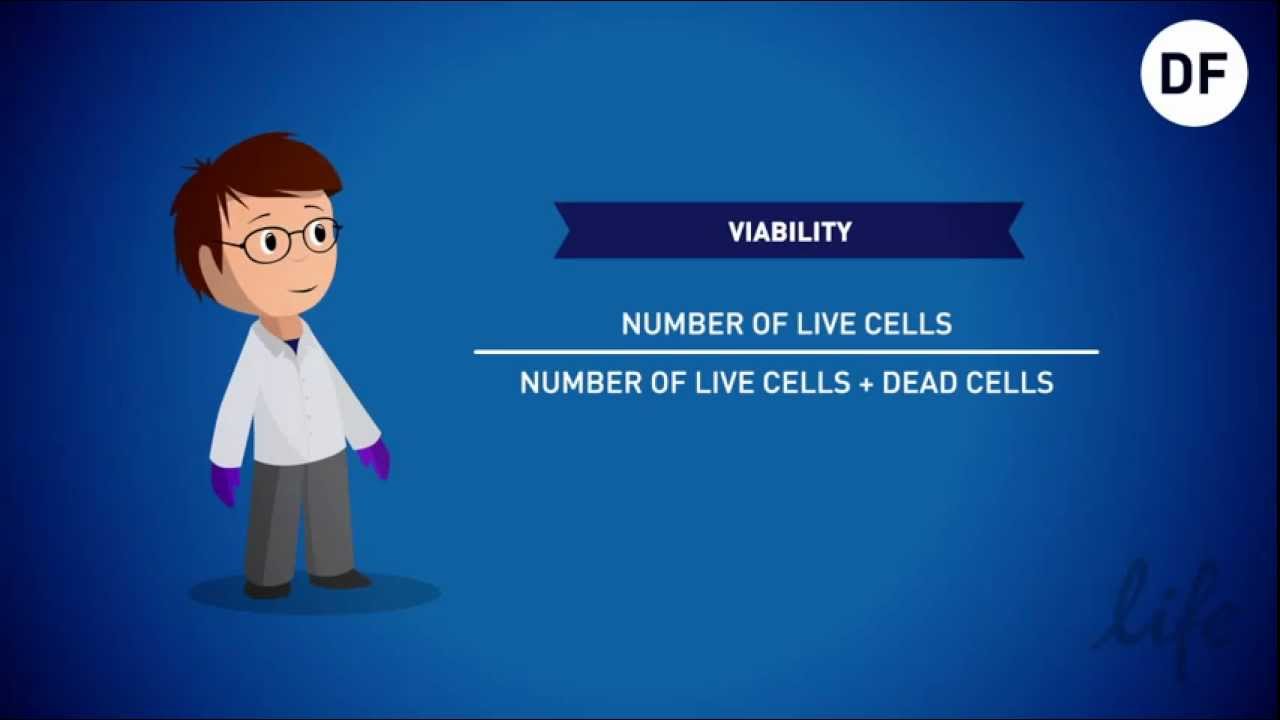
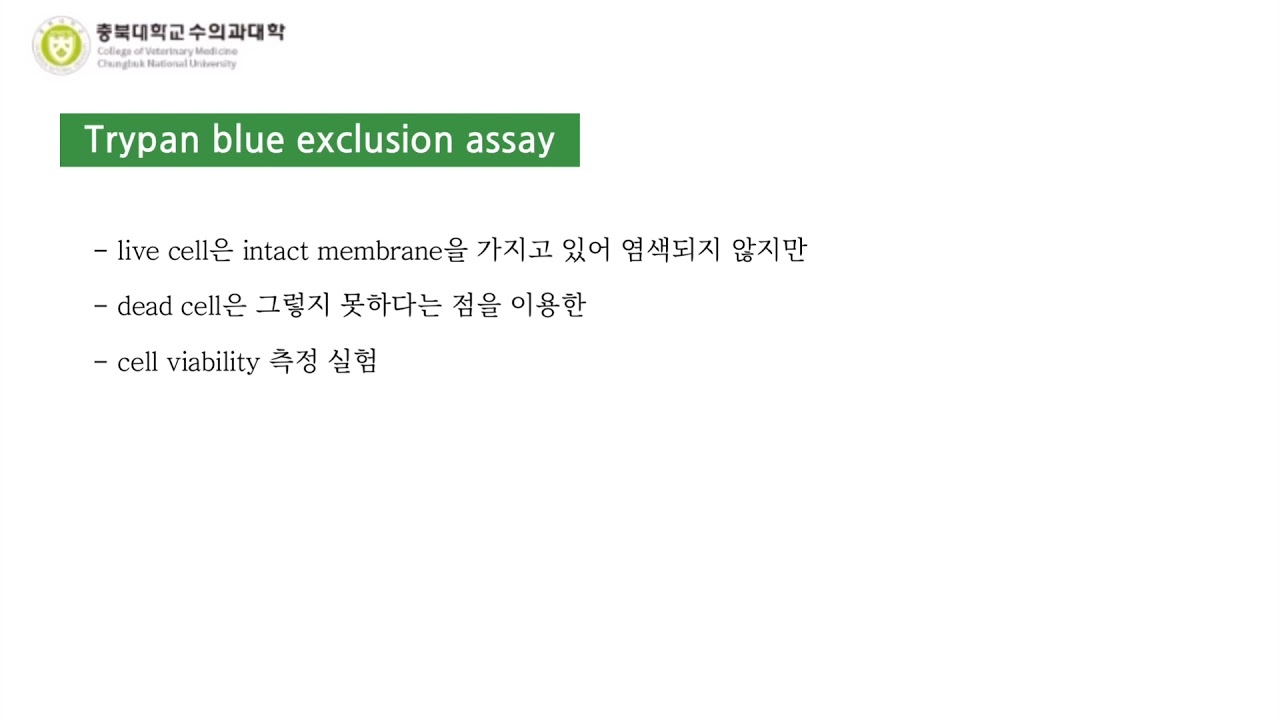
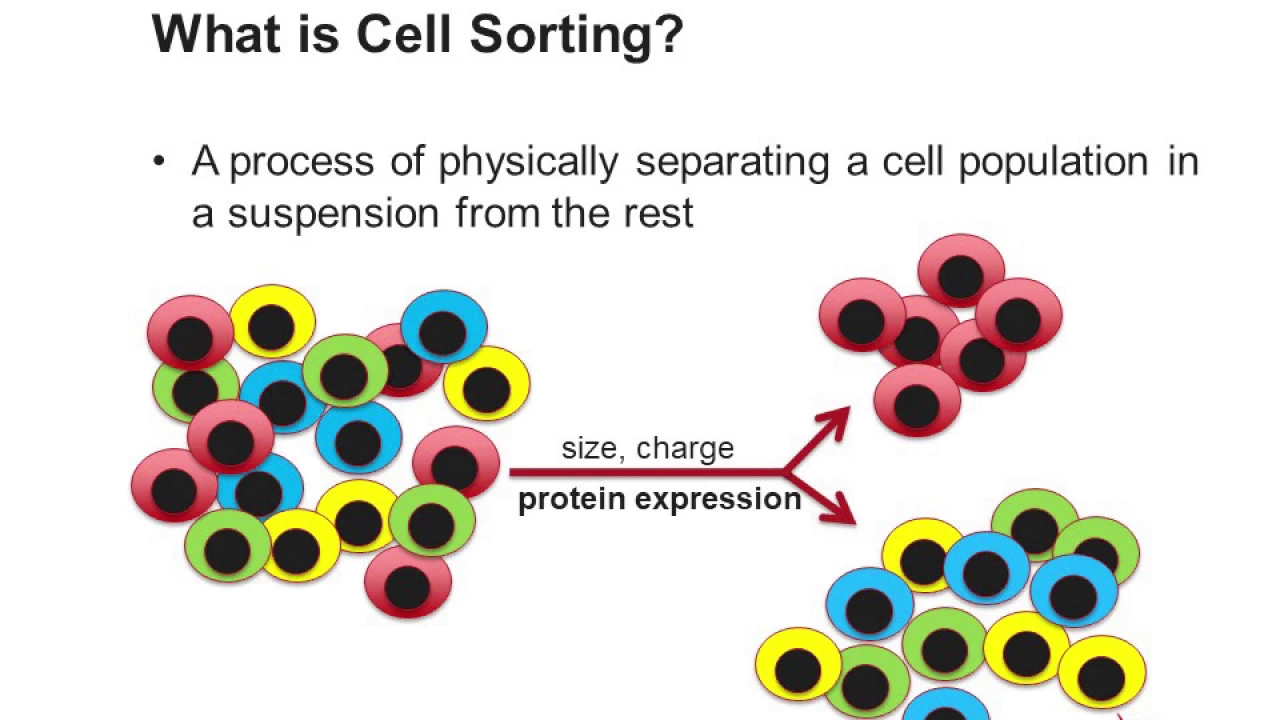
This video demonstrates the complete protocol for processing leukopaks—highly concentrated, low-volume apheresis collections containing peripheral blood mononuclear cells—for downstream cell isolation. The process involves transferring contents to sterile containers, adding thawing medium for frozen samples, centrifuging at 300×g for 10 minutes, resuspending cells in appropriate medium, and optionally performing RBC lysis and platelet removal using ammonium chloride solution. Two protocols are presented: 'Wash & Go' for direct cell separation using EasySep™, and 'Lyse & Go' for samples requiring red blood cell lysis and platelet removal. Cell counting is performed using 3% acetic acid with methylene blue or trypan blue before proceeding to downstream applications.
How to Process a Leukopak for Downstream Cell Isolation
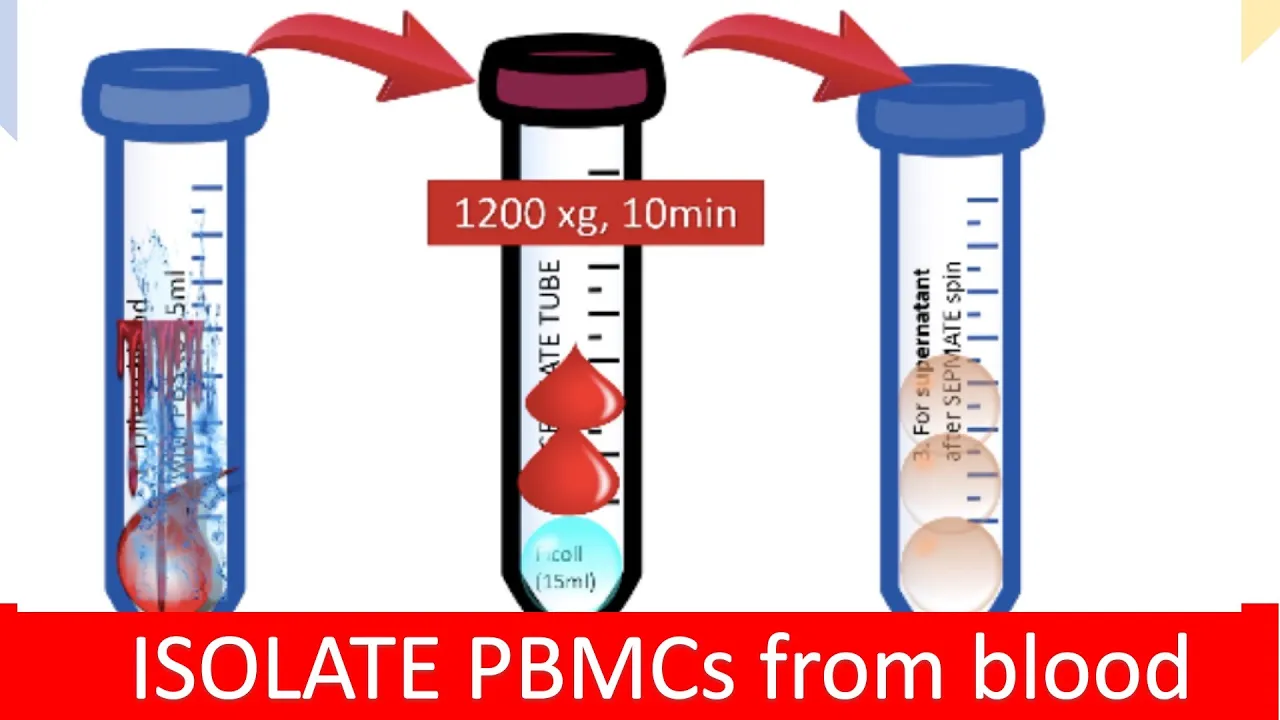
Added:in this video we will demonstrate how to process a fresh or recently thought Frozen Luca pack for Downstream cell isolation a Luca pack is an enriched Luca fesus product consisting of a large number of lucaites including peripheral blood monuclear cells or pbmc's from a single donor for best results Luca pack should be processed immediately upon receipt however Frozen Luca packs can be stored atus 135° C or colder and processed at a later date if desired when starting with a frozen Luca pack follow the recommended thawing protocol if using a 37° water bath to thaw submerge the Luca pack but keep the ports above water and do not agitate remove the Luca pack when only a small amount of ice remains once thaw it is important to work quickly to ensure High cell viability and Recovery in a bios safety cabinet aseptically transfer the contents to a sterile container that is at least two times the volume of the fresh Luca pack contents for Frozen Luca packs the container will need to be at least five times the volume to begin open the port on the Luca pack bag insert the transfer set Spike and place it in the extractor [Music] stand if preferred the Luca pack can be placed place in the extractor stand first before opening the port next open the transfer set valve to dispense the Luca pack contents through the tubing and into the sterile container slowly close the plate of the extractor stand ensuring pressure is applied evenly to the bag once most of the sample has been transferred remove the bag from the extractor stand and roll the bag to help transfer any remaining [Music] sample if an extractor stand is not available apply pressure to the bag or drain by gravity before rolling the bag if desired the Luca pack bag can be rinsed to help recover any remaining cells to do this wipe the bag with 70% e or isopropyl alcohol and cut it with sterile scissors then for fresh Luca packs rinse the bag with an appropriate volume of PBS containing 2% FPS add the solution to the sterile container if no transfer set Spike or extractor stand is available cut the Luca pack bag with sterile scissors and transfer the contents using a serological pipet note the total Luca Pac volume recovered and remove a small aliquat for cell counting and viability assessment to determine the final cell yield the number of cells at the stage can be compared to the number of cells after the wash steps for thaw frozen Luca packs after the sample contents have been transferred to the sterile container immediately add an equal volume of freshly prepared and warmed thawing medium drop wise while gently swirling the collected cell suspension it is recommended to use hbss modified medium without calcium and magnesium containing 10% FPS and 0.1 mg per ml final concentration of DNA's one solution adding thawing medium will help to minimize the effects of the cryo preservant in the Luca Pac on the cells [Music] then rinse the Luca Pac cryo bag with one half volume of additional thawing medium relative to the original Luca Pac volume mix thoroughly and transfer to the cell suspension then slowly add an additional two volumes relative to the original Luca Pac volume of thawing Med medium to the cell suspension and mix thoroughly remove an aloa of self suspension for counting and viability assessment the following wash and go protocol can be used if performing Downstream cell isolation using easys set and red blood cell liis an additional platelet removal steps are not required for both fresh and frozen Luca pack samples consult the easy step selection kits product information sheet to determine if it can be used with this protocol aloot the Luca pack contents into 50ml conical tubes for centrifugation for fresh Luca pack samples only add an equivalent volume of PBS containing 2% FPS and mix thoroughly note that no additional thawing medium needs to be added at the stage if working with the Frozen Luca Pac sample rinse the sides of the container during this process to help recover any remaining cells [Music] [Music] centrifuge the cells at 300 * G for 10 minutes at room temperature with the brake [Music] on carefully remove the supernant without disturbing the cell pellet [Music] [Music] then resuspend the cells use a small amount of the recommended medium if needed such as easy set buffer Robo set buffer or PBS containing 2% FBS and 1 M EDTA the medium added should be free of calcium and magnesium if desired pool the cells by resuspending them in a small volume of the recommended medium and transferring them into a single 50ml tube [Music] rinse the tubes with the recommended medium to help recover as many cells as possible [Music] [Music] [Music] [Music] perform a cell count using 3% acetic acid with methylene blue the cells are now ready for cell separation using easysep note that due to Luca Pac donor to donor variability additional red blood cell Lis and platelet removal steps may still be required after completing the wash and go protocol if this is the case proceed directly with the lce and go [Music] protocol the Lys and go protocol should be followed if the easy cep selection kit requires red blood cell Li and platelet removal on a fresh or frozen Luca Pac sample or it may be performed after the wash and go protocol if there are concerns about the level of residual red blood cells with the contents of the Luca Pac transferred to a sterile container add ammonium chloride solution to the sample at a volume to volume ratio of 4:1 mix by gently inverting the sample and incubate on ice for 15 minutes [Music] [Music] aliquat the sample out into 50ml conical tubes once the sample has been transferred rinse the container to capture as many remaining cells as possible and add it to the [Music] sample centrifuge at 500times G for 10 minutes at room temperature with the brake on [Music] then carefully remove the supernant and resuspend the cells by gently flicking the tube perform a wash step to remove platelets by topping up each tube with PBS containing 2% FBS [Music] [Music] centrifuge at 150 * G for 10 minutes at room temperature with the brake Off remove the supernatent and gently flick the tube to resuspend the cells then resuspend the cells in a small volume of recommended medium to maximize the number of cells collected rinse the walls of each Tube before transferring the cell solution to the next tube [Music] rinse the tubes with a small amount of recommended medium to help recover any remaining cells and add it to the sample [Music] [Music] if additional playlet removal is required perform one to two additional washing steps as described next perform a cell count using either tripan blue or 3% acetic acid with methylene blue the cells are now ready for cell separation using easysep or other Downstream applications for more information on Luca pack sample processing cell counting or cell separation using easysep please visit stem cell.com [Music]
Up Next
Magnetic Cell Isolation with MACS Technology Explained
@Miltenyi_Biotec
61K views•2017-09-08

Triumph of Orthodoxy Icon: Byzantine Art & History Explained
@BenCallan
2.1K views•2024-08-06

FastAPI vs Flask vs Django: Choosing the Right Python Web Framework
@TechWithTim
302.5K views•2024-05-26

Game of Thrones Opening Credits: A Cinematic Analysis
@gameofthrones
46.3M views•2011-04-18
Related Study Plans & Knowledge Roadmaps
Structured learning paths in General & Interdisciplinary Studies