









![Giải mã những bí ẩn lớn của Vũ trụ [Replay] | Khoa học vũ trụ - Top thú vị |](https://i.ytimg.com/vi/QIXPN4GyZPo/maxresdefault.jpg)



![অধ্যায় ৩: অণুর আকৃতি ও বন্ধন কোণের ওপর মুক্তজোড় ইলেকট্রনের প্রভাব [HSC]](https://i.ytimg.com/vi/hPp5_Y5axJA/hqdefault.jpg?v=63b50478)




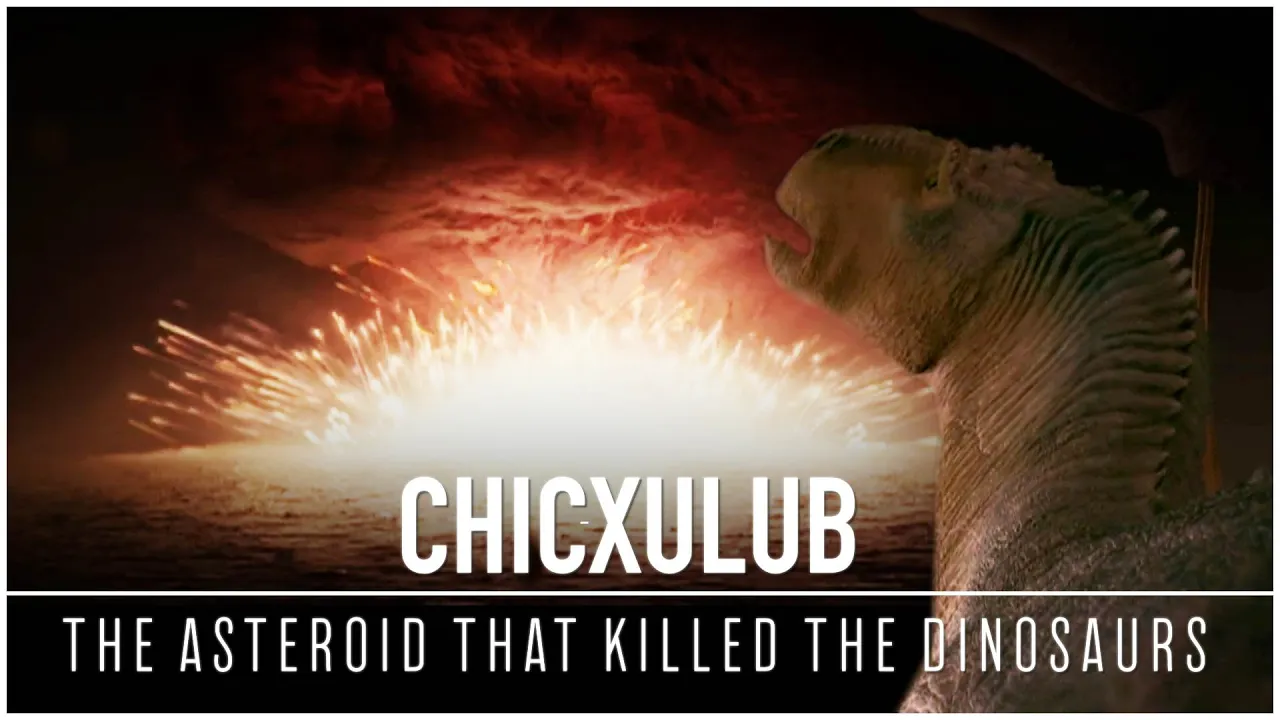







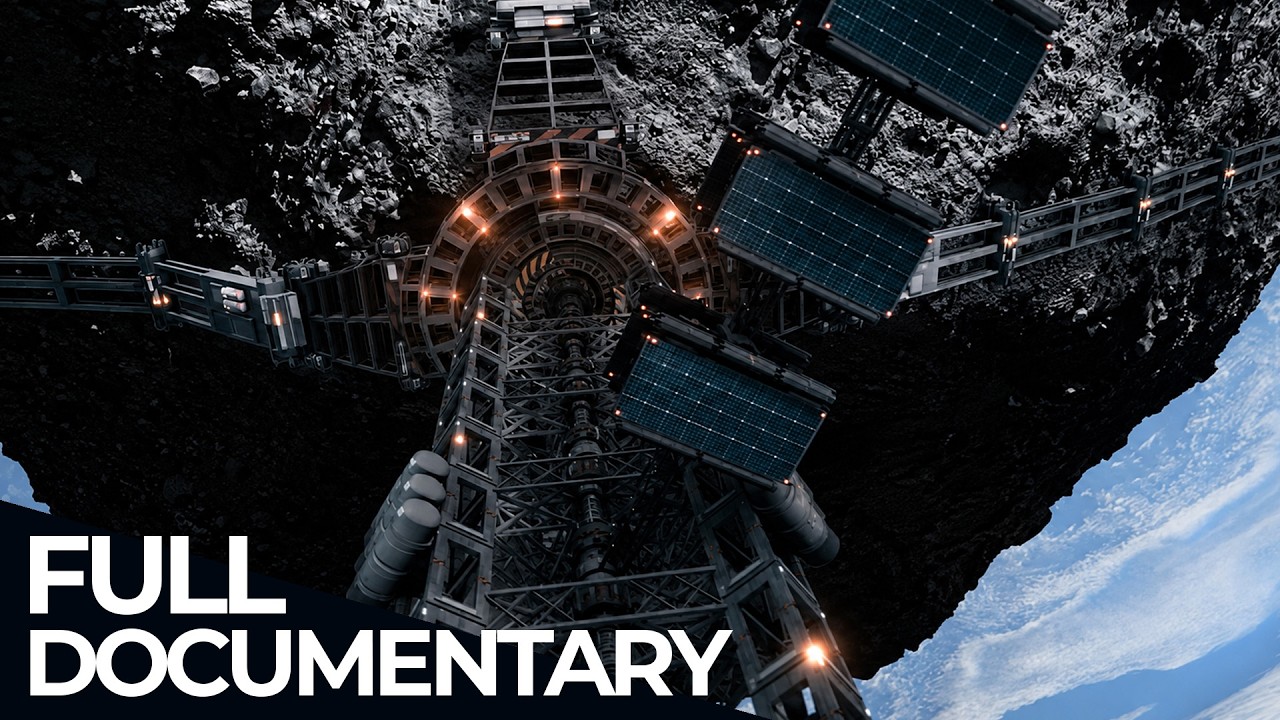
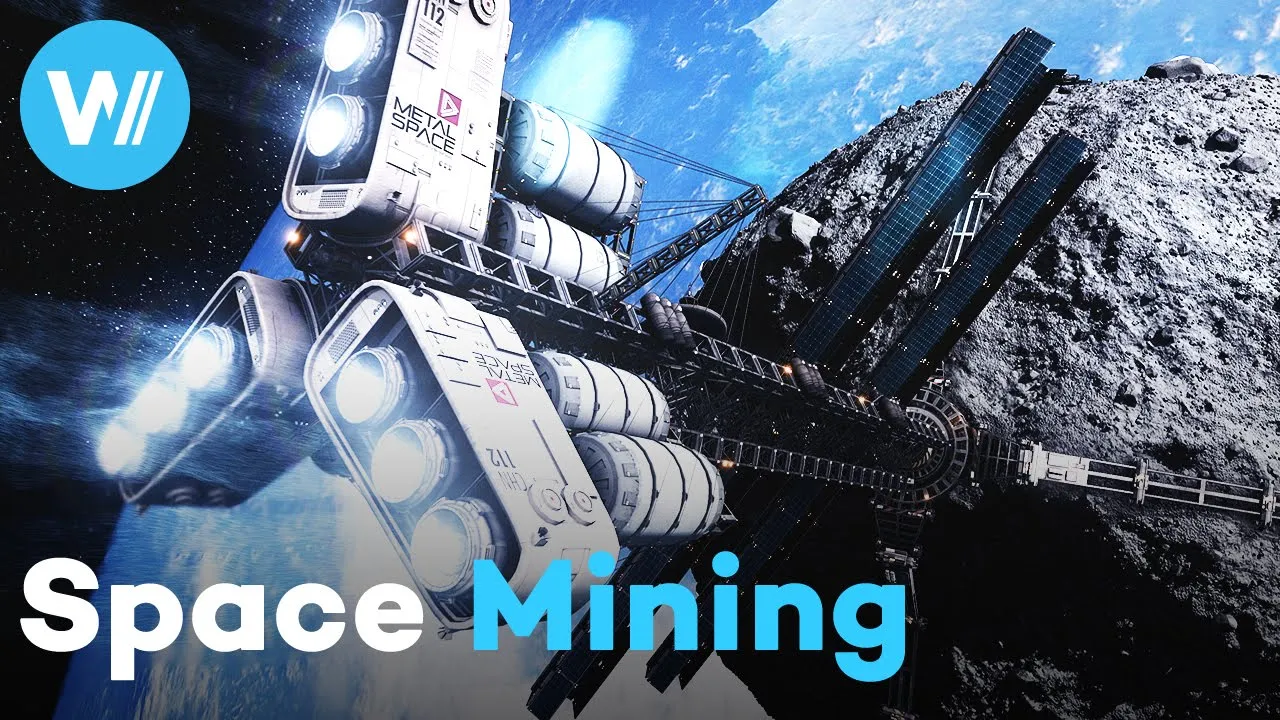

Asteroids, comets, and meteoroids are remnants from the early solar system formation 4.5 billion years ago, serving as valuable time capsules for understanding our origins; asteroids are rocky space rocks larger than 10 meters, comets are 'dirty snowballs' containing water ice that develop tails when approaching the Sun, and meteoroids are smaller fragments that become meteors (shooting stars) when burning through Earth's atmosphere or meteorites if they reach the surface; while these objects pose potential dangers to Earth—such as the 2013 Chelyabinsk meteor that injured 1,500 people and the 2029 close approach of asteroid Apophis—humanity has developed monitoring systems and tested deflection technologies like NASA's DART mission to defend against future threats, demonstrating our growing capability to protect our planet from cosmic hazards.
Comets, Asteroids, and Meteoroids: Solar System's Dangerous Drifters
Added:[Music] [Music] the [Music] [Music] they are the leftovers from the time our solar system formed asteroids meteoroids and comets some of these objects are responsible for spectacular phenomena like the tail of a comet a meteor lighting up the night sky or the streak of light from a shooting star and some of these Drifters through space can get dangerously close to the [Music] Earth our solar system consists not only of the sun and the eight known planets but a multitude of smaller objects too asteroids meteoroids and comets asteroids and meteoroids are space rocks those smaller than 10 m we call meteoroids and those larger than 10 m asteroids but there are others that contain a lot of water and we call these comets also known as dirty snowballs these objects date back to the birth of our solar system they're the leftovers from when the planets formed 4.5 billion years ago and that's why we're so interested in visiting them to help us understand how the solar system came into being what was it like back then and this is why there are a lot of NASA and Isa missions to study them the best known was probably the Rosetta mission in 2015 it took along a probe that landed on the comet churri on March 2nd 2004 Rosetta is launched into space by an Arn 5 rocket the probe built by the European Space Agency Issa is to investigate the primordial material of our solar system to this end it will visit one of the oldest and most primordial celestial objects a comet its destination is 67p chero Gasco also known as churi an eyewitness to the birth of our solar system the Rosetta Mission consists of an Orbiter and the landing module fil it takes an entire decade for the unusual probe to to travel to the Target Comet the property of giving all the other particles their Mass so it's the key particle in telling the other particles how heavy they are in other words it's the basis for everything we see and feel around us in August 2014 Rosetta enters orbit around shuri the first probe ever to be placed into orbit around a comet Rosetta surveys the comet and eventually releases the Lander filet in November 2014 the Lander touches down on the surface of churi scientists laen this Isa mission to the first moon landing so momentous is the event and we successfully landed a man-made object on the surface of a comet how cool is that it's like the first car or the first successful airplane flight we were able to see it all happen from the Orbiter we watched as a man-made object came into land on the surface of a comet it's a stunning achievement for all the disciplines involved an engineering tour of force quite unbelievable it brings tears to your eyes it's so wonderful chery consists of two bodies joined as the result of a collision and weighs roughly 10 billion tons it takes around 12 hours to complete one rotation about its axis the mission represents milestone in commentary exploration Rosetta and the landing module fil offer a glimpse into the early stages of our planetary system how did the Earth come about where did the planets come from what did the early phase look like what were the constituents before they were processed we see the Earth every day and all the amazing things that can happen but what were the building blocks of the early solar system what was available and what collapsed where did it come from and what's the story behind it what role do comets play in transporting water during the early phase when we look at the Moon we get an idea of how violent things were in the past but we're here nonetheless and should be very glad of the fact in September 2016 the American probe Osiris Rex sets off for benu a near Earth asteroid benu is a dark lump of Rock with a diameter of roughly half a kilometer after traveling for 2 years the probe reaches the asteroid in December of the same year Osiris Rex enters orbit around the object the asteroid is on the risk list because it comes Dangerously close to our planet an earth Crosser NASA calculates that the probability that benu will hit the earth before the year 2300 is one in 1750 the asteroid is full of surprises being a pile of rubble covered in Rocky fragments of all sizes racing through space it's much less dense than scientists thought and continually ejects material into space the climax of the mission is a highly complicated maneuver to collect Rock and dust samples from the surface the probe approaches the asteroid to within just a few meters and sucks material up through a kind of probiscus an over 3 m long robotic [Music] arm but during the maneuver there's a malfunction the lid of the receptacle doesn't close properly and some of the sample escapes again despite this NASA is confident that the minimum requirement of 60 G of regolith have been [Music] gathered on May 10th 2020 the Explorer Osirus Rex heads back to Earth with the gathered sample [Music] it's only the fourth time that material collected from an asteroid has been brought back to our home planet the other successful missions include the American Stardust probe and the two Japanese Hayabusa missions the destination of the second Hayabusa mission is the near Earth asteroid ryugu the probe collects material from beneath the surface a sample from the dawn of our solar system the scientists find 5.4 G of regolith in the sample return capsule when it lands safely back on Earth the Japanese missions were very exciting and highly successful both of the hayabuza missions managed to collect samples people said that the first mission was a failure because when they opened the box it was empty but that's not true there were only a few micrograms inside which isn't very much when you expect a lunch pail full instead there were lots and lots of tiny little grains I had the opportunity to look at them in the lab there are people that can take a 100 micrometer granel and slice it into wafer thin slivers put them under a microscope and make all sorts of Amazing Discoveries scientists hope to gain new insights from a mission to psyche the enigmatic asteroid measures roughly 250 km in diameter and appears to consist primarily of iron and nickel scientists think that it could be an old planetary core that was exposed as the result of a cosmic Collision a NASA space probe of the same name is to study a psyche in more detail outside the field of science psyche has been making headlines primarily due to the promise of unbelievable riches NASA estimates the value of the metal contained in the asteroid at 10 quintilian dollar in the meantime we know of over 1 million asteroids and roughly 5,000 comets where are they in the solar system we'll start at the sun here's the sun and the Earth's orbit is roughly here at a distance of one here is Mars is here and then there's a big gap until we reach Jupiter the space in between seems to be empty but it's here that the asteroids are located and here's the thing sometimes Jupiter tugs on one of these asteroids pulls it towards Mars and Mars then hurls it past the earth almost to the sun this is how the Earth crossers come about but there's more Saturn sits at a distance of approximately 10 and Neptune is at 30 and right after Neptune comes the so-called kyber belt which extends up to a distance of 50 Neptune also tugs on these asteroids out here and hurls them towards the inner solar system which gives rise to comets these are the so-called short period comets in addition to that much farther out is the or Cloud which extends from around 1,000 to 10,000 there are disturbers here as well that catapult comets into the inner solar system these are the so-called long period comets which have orbital periods of up to a few thousand years our solar system is filled with relics from the time of its formation in the distant outskirts far beyond the orbit of Pluto in the ort Cloud a spherical layer of innumerable icy fragments this region which was named after the Dutch astronomer Yan hendrik ort surrounds our planetary system like a shell it's so far away that we're still unable to observe the objects here directly and Frozen lumps from this distant region regularly end up near the Sun thecus the or cloud is a bit like a shell surrounding everything it was deduced and postulated based on model calculations we've never actually visited any of the objects there but we presume that this is the region of the solar system where comets come from scientists have pinned down the comet Reservoir to the inner zone of the or Cloud the so-called Hills Cloud which is named after the astronomer Jack Hills the existence of the ort cloud is still conjecture but very compelling it extends way out to this actually still hypothetical or Cloud around 100,000 Au which is almost two light years away the boundary is marked by the end of the sun's gravitational influence the estimates I'm aware of suggest that there are a billion objects out there which is difficult for me to confirm from my knowledge but the or Cloud must exist the sphere of influence of our sun must end somewhere and like in real life my freedom ends where another's Freedom begins which means the next star has its own or Cloud we're nothing special in that respect and the next capture zone for objects is where the gravitational influence of one star is no longer strong enough and the gravity of another takes over [Music] researchers are discovering ever more large objects in the outskirts of our solar system one of these is sedna a minor planet with a diameter of around 1,800 km and named after the Inuit sea goddess sedna has an orbital period of roughly 11,500 years its highly elliptical orbit takes it through the no man's land between the ort cloud and another Zone containing numerous celestial bodies the Kyper belt a flat ring-shaped region Beyond Neptune scientists estimate that there are over 70,000 objects with a diameter of more than 100 km here the Kyper belt is also the source of short period comets doesn't the these objects are like time capsules because they contain within them the primordial material used to build the solar system and by examining these types of planetary objects we can draw conclusions about what sort of material was around back then and from which the planets formed another region full of Rocky debris is the asteroid belt it's located between the orbits of Mars and Jupiter this is where the majority of asteroids are found sometimes two asteroids Collide and break up these fragments then drift inward toward Mars Mars pulls them further in the direction of Earth whereas near Earth asteroids they can come uncomfortably close to our planet or even hit it [Music] the smallest celestial bodies are their meteoroids when they burn up in our atmosphere we see them as meteors in the night sky shooting stars these objects are often less than a millimeter in size larger Stony Iron meteoroids often don't burn up completely and they fall to Earth as so-called meteorites so we're surrounded by asteroids meteoroids and comets what are the differences everything made of rock or dust we call asteroids or meteoroids asteroids are larger somewhere between 10 m and 100 km in size and everything smaller than 10 m we call meteoroids comets are totally different they not only contain dust and Rocky debris but water too and that's the reason why comets have two tails one of water and one of dust [Music] comets have fascinated people since Antiquity up until the late Middle Ages they were mostly interpreted as Omens or signs of the Gods often as harbingers of Doom it was thought that they were objects within the moon's orbit or the atmosphere at the end of the 16th century however the Danish astronomer Tao Bri noticed that comic move around the Sun in elliptical [Music] orbits a comet is an object that contains many volatile constituents it comes from the distant outskirts from the so-called orc Cloud into the inner solar system and evaporates as it does so in the process it generates this interesting tail or I should say taals one made of dust and one of of gas comets are a bit like the imposters of the solar system in reality they're actually rather small objects but they puff up enormously due to the coma that forms and suddenly become visible in the sky Haley ranks among the best known comets it was named after the English astronomer Edmund Haley he looked at historical Comet sightings and suspected that they must be reappearances of the same Celestial body based on the handed down records Haley calculated that the comet would reappear again in the year 1785 Edmund Haley died 43 years before the appointed date and was thus unable to verify his theory but scientists throughout the world awaited the predicted event and they were rewarded the comet returned right on time Haley pay a a visit about every 76 years the last time being in 1986 dubbed the great Comet of 1997 hail Bop has a diameter of roughly 30 km and was discovered 2 years earlier by Alan hail and Thomas poop it was visible to the naked eye for 18 months and is probably the most observed Comet of the 20th century its highly elliptical orbit has now carried hail Bop far beyond the orbit of the outermost planet Neptune as such it belongs to the so-called tnos the trans neptunian objects trans neptunian objects are all the objects beyond the orbit of Neptune one could reasonably ask why we should care about these small objects that are so far away well the reason they're so interesting is that they can tell us something about the beginnings of our solar system first there are the small asteroids no bigger than 10 kilometers which are found just beyond Neptune they formed there and didn't grow any bigger then there are other larger bodies like Pluto it didn't form there but rather where the Earth did and was then catapulted outward which is why it's now out there and Pluto isn't the only one we know of several of these so-called plutoids plutoid Pluto after which the four plutoids are named is smaller than the Earth's moon and orbits the sun far outside the planets in the Kyper belt it forms a binary system together with its satellite Karin which is half its size Pluto is the largest trans neptunian object discovered thus far and continuously surprises scientists it has mountains vast glaciers and a wafer thin atmosphere Pluto is roughly 30 to 50 times as far from the Sun as the Earth is its orbit is highly elliptical at its closest to the Sun it's 30 times further away from the Sun than the Earth and at its farthest point 50 times as far another interesting thing is that Pluto rotates in the opposite direction to the Earth and most other planets in our solar system this means the Sun would rise in the west and set in the east but the sun would appear extremely small at this distance so the amount of sunlight would be minuscule too getting the dwarf planet Pluto and Karen the largest of its four moons are more akin to a double Planet than a planet Moon system the center of gravity of the two bodies lies roughly 1,200 km above Pluto's surface as such the two bodies orbit one another as they follow their highly elliptical orbit around the sun new details about the Pluto Caren system were revealed by NASA's New Horizons Mission the probe discovered a fantastic and bizarre world on Pluto that fascinates scientists a surface with mountainous terrain and a vast crater area of smooth ice testifies to a turbulent past and a dynamic present the up to three 3,500 M high mountains consist not of stone and rock but of Frozen water ice far beyond Pluto arys and its Moon dysnomia drift through the Blackness of space the most massive and second largest known dwarf planet after Pluto its icy surface causes arys to shine brightly smaller than ays in Pluto is the dwarf planet maake named after the Creator God of the Native Easter Islanders Makemake is orbited by a moon that is black as coal the fourth plutoid is haa which has an elongated shape it has two moons and is encircled by a ring of Rocky debris the dwarf planet which was named after a Hawaiian goddess takes 285 years to orbit the Sun there are currently five solar system objects with the status dwarf planet the four plutoids on the outskirts of the solar system and siries which is located in the asteroid belt between Jupiter and Mars scientists used to think there was another planet in this region but Jupiter's enormous gravitational force prevented its growth in terms of planetary Evol ution series and the neighboring asteroid Vesta belong to the protoplanets incomplete planets left over from the dawn of our solar system at 1,000 km in diameter series is the largest known object in the main belt Vesta is only half as big and its structure is similar to that of a planet whose development was interrupted a crust of Basalt mantle rock and a core of nickel and iron these largest two objects in the asteroid belt were studied as part of NASA's Dawn Mission the two eyes of the probe its cameras were Germany's contribution to the project siries and Vesta born at the same time yet fundamentally different the reason for visiting these two asteroids was to understand how they formed and why they ended up developing in such completely different directions you have to imagine one is a thousand kilm in size has loads of water a great deal of what we call primitive material it's a dark object and Exhibits cryo volcanism while the other is about the same distance from the Sun but has completely melted at some stage it was so hot that its constituent parts were able to separate out and form a shell-like structure it looks rather similar to the terrestrial planets as it were series the smallest solar system object classified as a dwarf planet is full of surprises for the scientists we found an active cry volcano in series none of us really expected that we noticed early on that there was a bright spot there much brighter than the surface overall bear in mind that series itself is as black as coal it was only when we were in orbit that it dawned on us what it must be there were all sorts of wild speculations about what could cause this bright spot and interestingly enough we essentially discovered a soda volcano a so-called cryo volcano a few hundred thousand million years ago it spat out a great deal of material and it's remained there on the surface before the dawn Mission researchers believed that objects like siries were inactive dead objects floating through space but siries exhibits cryo volcanic activity to this day and the asteroid is unusually light because it consists of up to 1/3 water we observe details we've never seen before it was like taking a journey to the beginnings of the solar system because these two objects formed almost 4 and half billion years ago in contrast with Vesta Series has never heated up in differentiated through melting that is reformed because of this the asteroid was able to keep hold of its water instead of a primitive lump of rock the scientists discover siries to be a complex and varied world the numerous bodies within our solar system are fascinating research objects and are regular source of surprises in 2017 astronomers discover an unusual and unexpected Celestial body a visitor from outside our solar system a Drifter from the depths of space paying a brief visit to our planetary system inter Interstellar objects that is objects from totally different star systems are something very special and we know of two so far the first such object to fly through our solar system was umu mua in 2017 it arrived with a speed of about 50 km per second that's roughly 180,000 km per hour flew past the Sun and left again in a completely different direction the really unusual thing about this object was its peculiar shape it was elongated like a cigar and because of its unusual shape many people thought it had to be a UFO but it wasn't it was tumbling like crazy UMO Mo was discovered at the end of October 2017 astronomers initially thought the object was a comet but its unusual trajectory betrayed the visitors Interstellar Origins the term omua mua is Hawaiian and describes a messenger sent from the distant past scientists presume that omua mua was ejected from its birth star system during the planetary formation phase the mysterious visitor from outer space has given rise to fanciful speculations even reputable astronomers suggested that alien technology May lie behind the flat elongated object the thing about this object is that its shape was so unusual and some people said something like this couldn't have formed naturally because basically everything in the universe is round for reasons of symmetry I'd say that pretty much anything is possible in the universe of course objects like this can exist if you're of the opinion that this object was created artificially you have to make quite a few assumptions that I would consider at least as implausible as the proposition that somewhere in the universe there may be a mechanism that allows elongated cigar-shaped objects to form rather than round planets the majority of researchers do not believe in an alien spaceship though they suspect that om mua mua came from the constellation Lyra 25 light years from Earth its main star Vega is the brightest star in the northern sky solid nitrogen as occurs on the surface of Pluto 2 would explain the strange properties of the interstellar object why extraterrestrial visitors would make such a long journey to get to us and then not even bother to say hello is something The Fringe scientists have yet to explain in August 2019 the amateur astronomer gned borisoff discovers a second Interstellar object with his homebuilt telescope analyzing some Interstellar material would be a tantalizing proposition for scientists it certainly would be interesting to scratch the surface of an Interstellar object and see what it's made of I would expect it to be similar to what we find here though why should it be different it's gone through a similar process with melting Etc one Sun May a bit bigger the other a bit smaller but these are just minor differences the universe is basically the same everywhere and physics describes what's feasible both Interstellar visitors have long since left our solar system to continue their Journey deep into the infinite vastness of space can asteroids pose a danger to us absolutely provided they cross the Earth's orbit of course fortunately there are relatively few in number but we know of several thousand to date and naturally they have to be of a certain size the rule of thumb is an object with a diameter of 3 m has the energy of one Hiroshima bomb take the chellin comet from 2015 for example it had a diameter of 20 M and released the energy equivalent to 100 Hiroshima bombs hosim you may ask yourself why did so much energy have so little effect well it's because most of the energy dissipated in the atmosphere the main problem with cheliabinsk was that it came directly from the direction of the Sun so we couldn't see it why from the Sun Well comets with highly elliptical orbits like this first fly toward the sun then turn around and head straight back towards you so we have to look into the sun to see them and of course we can't see anything doing that chelia bins in Siberia on the morning of February 15th 2013 a fireball streaks across the sky a meteor before the rock hits the Earth's atmosphere it had a diameter of approximately 20 M the visitor from outer space exploded at an altitude of roughly 30 km above the Russian Metropolis it was a relatively small object about 20 m in diameter which probably entered the Earth's atmosphere at a speed of 10 to 12 km per second such events are quite common what made it notable is that a lot of people were injured the problem is a great deal of kinetic energy is dissipated all at once this resulted in a kind of explosion which generated a very pronounced shock wave and this shock wave caused a lot of Windows to shatter and roofs to cave in and people were injured as a result the reason it's so noteworthy is that it happened in recent times and above a populated area the energy suddenly released by the meteor was the equivalent of about 500 kilotons of TNT many times the yield of the atom bomb dropped on Hiroshima the Russian city was only spared a worst disaster because the meteor exploded at such a great altitude nonetheless the shock wave damaged thousands of buildings in cheliabinsk and surrounding towns nearly 1,500 people were injured most of them suffering cuts from flying glass splinters in the aftermath several fragments of the meteorite were found but the majority burned up in the atmosphere the remnants contain jadeite a material which is rare on Earth and is formed under conditions of high pressure and temperature the scientists suspect that the meteor was the product of a cosmic Collision that knocked it out of a mother asteroid when this object an object like this impacts the Earth and we're talking about 100 m and more it would have Global consequences simply due to the fact that all the kinetic energy would be dissipated in fractions of a second material would be ejected the molten rock produced would be the least of our problems an enormous quantity of dust would be thrown into the atmosphere too there would be a really powerful shock wave that would travel several times around the globe these shock waves are able to start fires which would burn down all the forests as you can imagine that would completely alter the composition of the atmosphere in a very short period of time for it isn't uncommon for an asteroid to make a close approach to the earth a collision is only dangerous if the object is of a certain size an asteroid with a diameter of over 500 M would cause millions of deaths as a result of climatic changes above a kilometer in size such a global killer could mean the extinction of the human race and it's likely that only insects would survive a 10 km object hitting the earth I can't really say whether a high-tech Society like ours would actually be eradicated by such an asteroid but we would most likely know several years in advance that it was going to happen whether mankind would then be smart enough to organize itself to survive this threat I can't say but we'd have several years to prepare for it the dinosaurs weren't in a position to make preparations it just happened they weren't able to do astronomy the surface of the Earth Bears witness to numerous past impacts and scientists say it's just a matter of time before an asteroid of a size capable of wiping out Humanity hits the Earth One such hazardous object is apus the 300 M Class asteroid will approach our planet 10 times nearer than the moon in the year 2029 current calculations predict that the 50 million ton Rock will pass by the the Earth at a distance of barely 30,000 [Music] km it will come uncomfortably close to us closer than I've ever been able to observe an object close means below geostationary orbits it will pass by the Earth at a distance of around 30,000 km and if you deduct the distance from the center of the earth to the surface we can take off another 6,000 km then we're talking about roughly 25,000 km which is really close a small deviation in trajectory would or could result in an impact and it's an object of a size that would certainly affect our civilization should it hit us Mur the risk of a large asteroid hitting the Earth is real but the apocalypse is not yet imminent to the best of our knowledge today apus will miss the Earth on its next flyby though only barely what would happen if apus hit the earth in 2029 well we can make a pretty accurate prediction apus has a diameter of 300 M similar to this asteroid here if a thing like this hit the earth it would Rel leas the energy equivalent to around a million Hiroshima bombs if it fell on Germany Germany would be completely obliterated so we have to do something to prevent it but what the simplest solution would be to put a nuclear warhead on a rocket fly it to the asteroid and blow it up but 300 M is a bit big for that another option would be to explode the nuclear warhead next to it and the fast moving debris created should push the asteroid aside and thus off course yet another possibility would be to take a rocket motor strap it to the asteroid and by continually firing it push it off course but the even bigger problem is that there may be many such life-threatening asteroids out there what we need first is a catalog that lists them all then we can work out their orbits and predict when dangerous asteroids like this would collide with the Earth Android we know of over a million asteroids in the solar system to date automatic search programs discover thousands of new objects each day only the Earth near asteroids pose a threat to humanity they orbit the sun where the inner planets are located around 30,000 have been identified thus far potentially hazardous asteroids are added to a risk list that is a list of all candidates whose impact probability is greater than zero I'm not really worried about the sky falling because we can do the calculations there are a lot of objects flying around up there and we're observing them up to a certain distance we're able to keep track of all the objects that pose a serious threat to us which is why we can say that nothing is going to happen in the next 20 30 40 years I'm self- serving enough to admit that this is the time scale that interests me and nothing will happen in my lifetime but of course it could happen in the next thousand years that said I'm of the The Firm opinion that we live in an era where for the first time ever the Earth is in a position to defend itself as it were that is in which there are intelligent life forms on Earth that are able to see this threat and take action to avert it this is the first time that this is the case and these life forms will mitigate this threat Alma the atakama large millimeter array in Chile is one of the stations that keep keeps track of asteroids the main job of the telescopes is observing exoplanets and stars but they also provide precise data on other celestial objects they don't operate in the visible spectrum though but in the microwave band this means that they can detect and track asteroids by their own thermal emissions at present NASA and EA see no threat to the Earth nevertheless our planet is being constantly bombarded by object objects from outer space there are five major impacts in the Earth's atmosphere with I think 10% the energy of the Hiroshima bombs each year with thousands of tons of material raining down here each day we live in a universe full of small objects from dust to large bodies and most people aren't really aware of the fact it's a busy Place fortunately we have an atmosphere that protects us but only to a certain extent the danger is real one statistic I've read says that a child born today has something like a 1 to 5% chance of witnessing the impact of a 100 meter object during its [Music] lifetime large objects are usually detected at a very early stage so we can work out the chances of a possible collision with the earth years in advance however this is far more difficult almost impossible with smaller objects that's what makes them so dangerous the Insidious thing about these small objects is due to the fact that they're small and dark like a Black Swan at night so we need really good telescopes to be able to discover small fast moving objects like this we can only detect them down to a certain size and with a great deal of effort and automation actually identify them but even when we do discover a dangerous object mankind still faces a major challenge astronomers can predict the impending disaster but there is no real plan for defending against an asteroid and should such a global killer be detected too late the prospects look Grim if an asteroid has already got as close to the Earth as say the moon it's already moving so fast and has so much kinetic energy as physicists say that even if we fired everything we have on Earth at it there isn't much we could do about it anymore you could only affect its trajectory a tiny bit if at all and if we change its trajectory a tiny bit when it's already as close as the Moon it will still hit the earth anyway but if it's much farther away and we alter its trajectory a tiny bit this tiny deviation grows to become a large deviation by the time the asteroid reaches the Earth that's the overall effect the fact that an asteroid can actually be pushed from its course was demonstrated in 2022 by the dart a spectacular field test conducted by the space agencies NASA and Isa the target the double asteroid Dimos and its smaller companion deoras which orbits the larger body like a moon it took Dart around a year to reach the double asteroid the mission was part of a Joint Nasa and Isa program to test planetary defense Technologies on September 26th 2022 Dart collides with Doros the mission is a success the impact reduces the orbital period of Doros by around 30 minutes it's the first time that mankind has altered the trajectory of a celestial object the aftermath of the cosmic crash is to be studied in detail by the ISA probe Hara in order to determine whether the double asteroid as a whole has been deflected from its orbit around the Sun the is an important test to find out whether this method is at all suitable for defending against an asteroid it's a promising idea because even the smallest change in trajectory could make the difference between life and death on Earth should such a threat arise the purpose of the test was to gather more accurate data and better assess how such an interception maneuver can be performed in the event that an object finds itself on a collision course with the Earth in the future the data gathered by the Hera and dart missions will provide us with a better understanding of how to conduct such an interception maneuver should it ever be necessary in the future it isn't the first time that such a solar system object has been deliberately targeted in the summer of 2005 NASA turned its sights on the comet Temple 1 with the mission Deep Impact a projectile made predominantly of copper and weighing nearly 400 kg smashes into the comet leaving a crater 150 m in diameter and 30 m deep the objective of the mission was not to divert the object but to examine its consistency will a large asteroid hit us at some time in the future absolutely no question it's just a matter of time and the consequences will be devastating luckily we have a small Defense System comprising Jupiter and Saturn our atmosphere helps a bit too but only against small meteoroids it would actually be possible for us to build our own defense system but the various countries have not yet managed to come to a consensus but the most crucial thing is to know which of the asteroids out there could potentially pose a hazard in the first place and for this we need a catalog which we don't yet have in our search for these asteroids it's very helpful to know how our solar system formed and how life on Earth came about asteroids comets meteoroids all fascinating celestial objects which regularly put on impressive displays for us in the night sky and Grant scientists deep insights into the dawn of our solar system investigating them helps us to understand how our planet formed and learn more about our own Origins but some of these objects can pose a danger to humanity and perhaps it's already heading toward the Earth the visitor from outer space that could extinguish the human race as happened to the dinosaurs all those years before
Up Next
Asteroid Hazards: Assessing Real Threats from 2009 JF1 to Bennu
@DestinySpace
828.9K views•2022-04-30
First Billion Years of the Universe with the Square Kilometre Array
@iaaudc
121 views•2022-05-26

Kepler's Laws of Planetary Motion Explained (Educational Astronomy Video)
@Peekaboo_Kidz
404.9K views•2023-02-17
Gamma-Ray Bursts: Cosmic Snipers Explained | Astronomy
@kurzgesagt
15M views•2016-07-31
Related Study Plans & Knowledge Roadmaps
Structured learning paths in Astronomy