


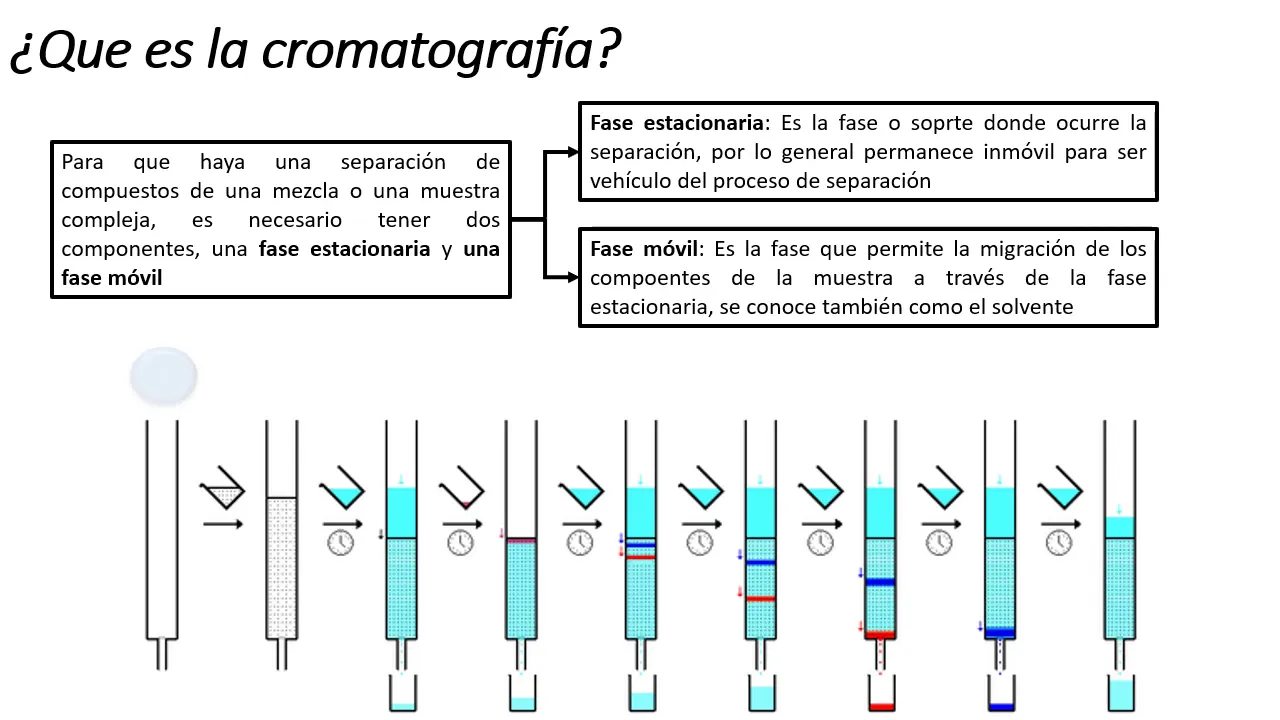










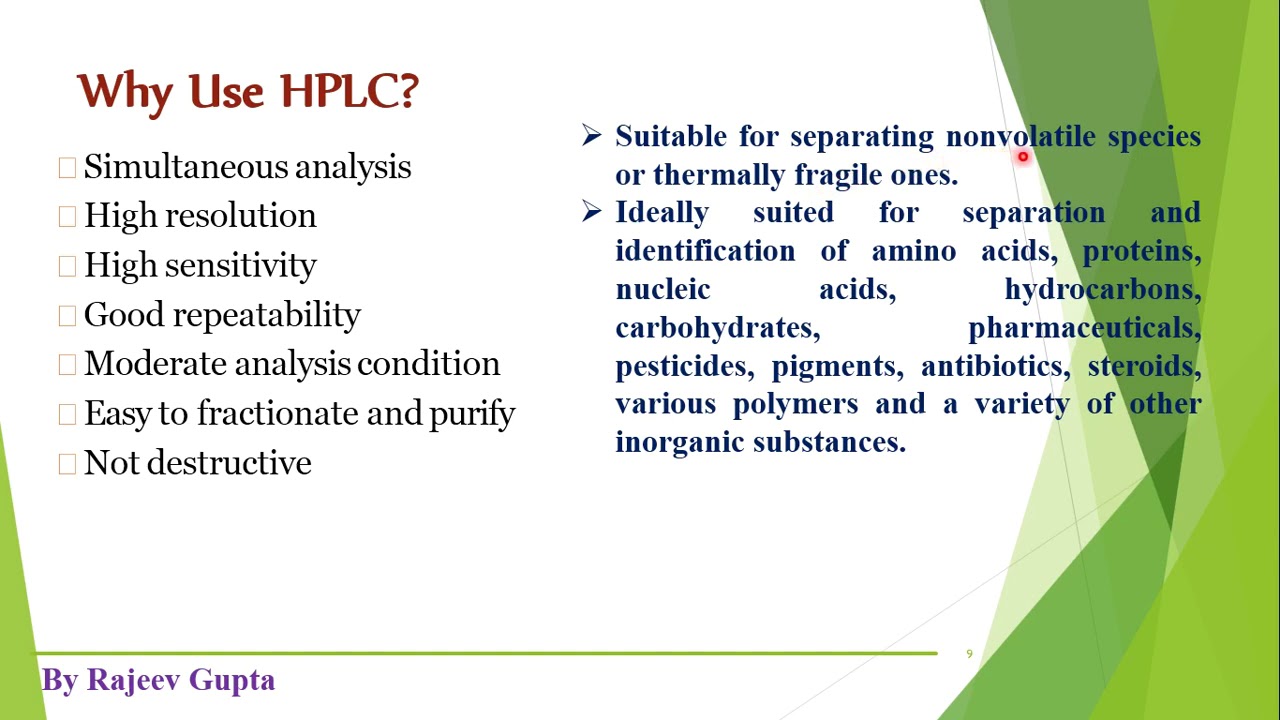





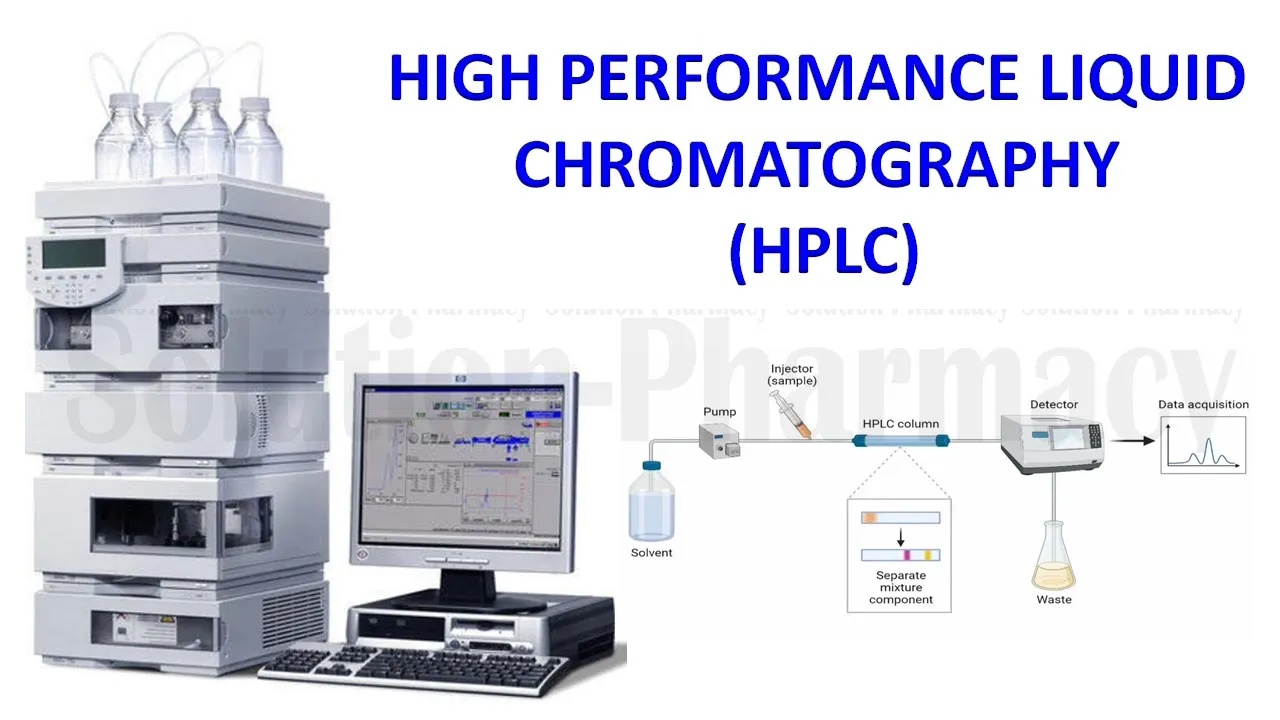


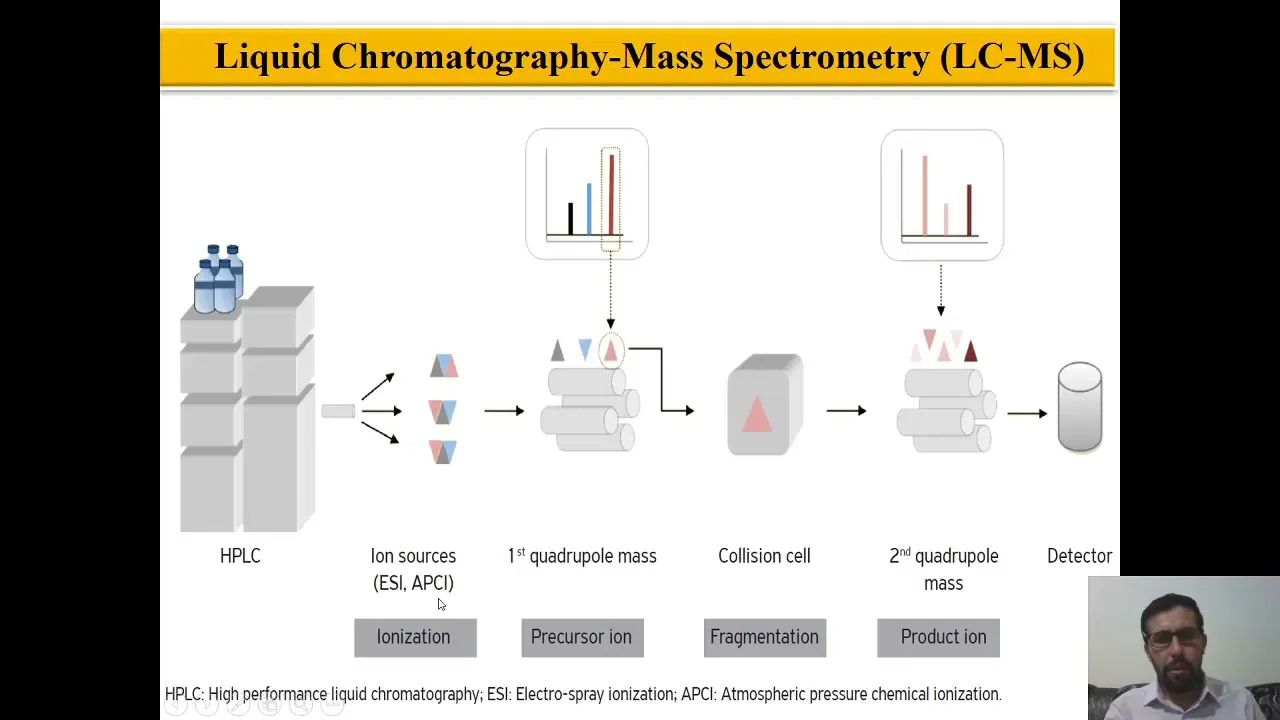



HPLC (High Performance Liquid Chromatography) is an analytical technique that separates sample components by passing them through a column containing a stationary phase under high pressure, with the mobile phase flowing through; the system consists of key components including the column (where separation occurs via interactions between stationary and mobile phases), a pump (to deliver mobile phase at controlled flow rate), an injector (to introduce sample into the flow path), a detector (such as UV detector to measure component absorbance), and a chromatography data system (to process detector signals into usable data), with additional features like vacuum degasser and temperature-controlled column compartments supporting precise analysis.
HPLC Instrument Components: An Educational Guide
Added:Basic principles of chromatography, including the distinct roles of the stationary phase and the mobile phase.
Fundamental chemical concepts such as polarity, solubility, and intermolecular forces (e.g., hydrophobic interactions, hydrogen bonding).
Elementary analytical chemistry terminology, specifically definitions of analyte, solvent, solute, and chromatogram.
The core purpose of High-Performance Liquid Chromatography (HPLC) as an analytical tool for separating, identifying, and quantifying mixtures.
HPLC Method Development, including how to select appropriate stationary phase columns, mobile phase compositions, and elution modes (isocratic vs. gradient).
Instrumentation troubleshooting, focusing on diagnosing common issues like high system pressure, baseline drift, and peak anomalies (tailing or splitting).
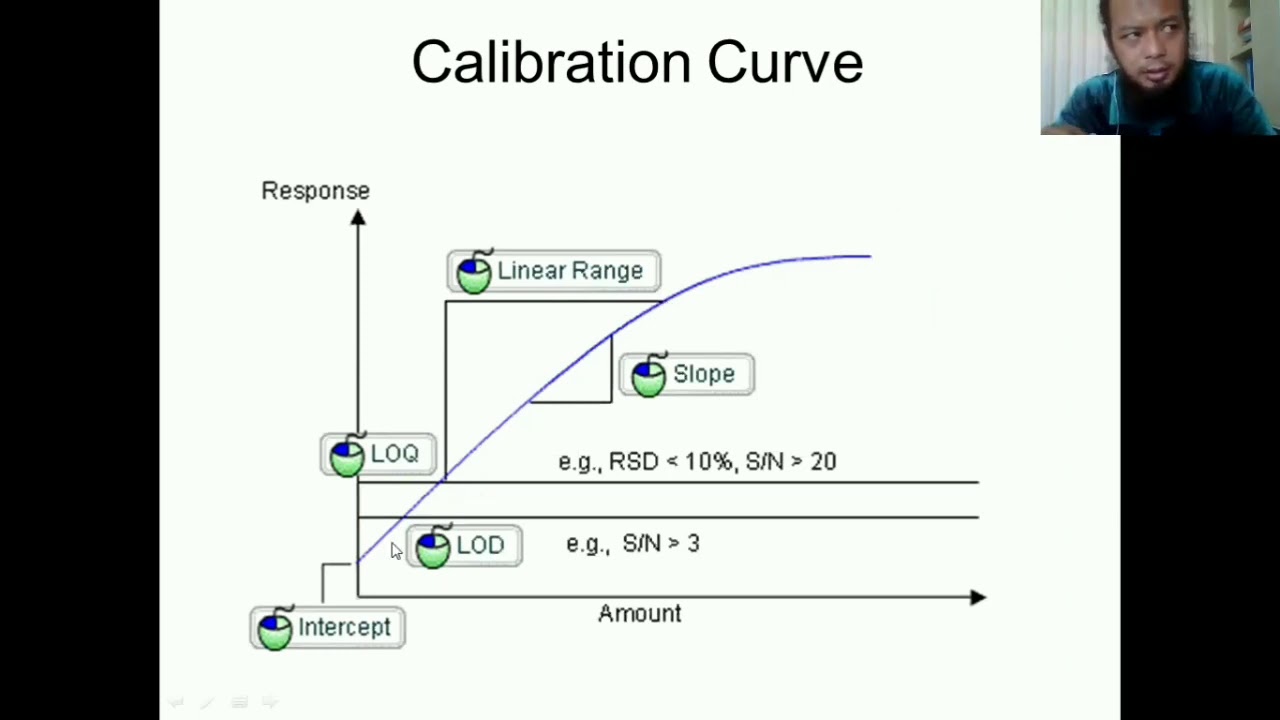
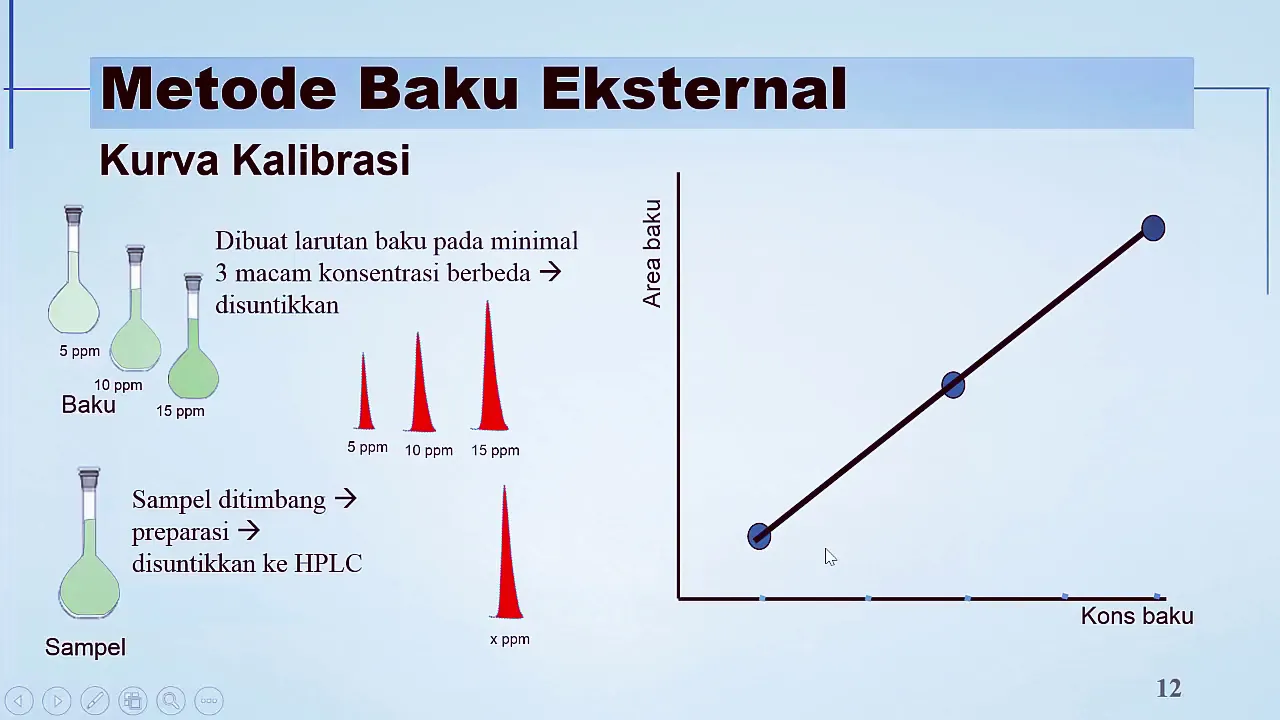
Quantitative analytical techniques using HPLC data, such as calibration curve construction, peak integration, and the use of internal standards.
Hyphenated and advanced liquid chromatography techniques, such as Liquid Chromatography-Mass Spectrometry (LC-MS) and Ultra-High-Performance Liquid Chromatography (UHPLC).
390.3K views2.1Klikes8:11Original Release: 2009-06-10
high performance liquid chromatography or hplc as it is commonly known is an important analytical technique used to gain both quantitative and qualitative data for samples produced in a variety of Industries such as Pharmaceuticals food products and Industrial chemicals the purpose of this guide is to consider this question what is a hlc instrument we will focus on analytical applications the implementation of hplc requires the use of precision instruments there are two main reasons for this the first is that sophisticated instrumentation is needed to create suitable method conditions and the second is that reproducible control of these conditions is critical A hplc system can at first glance appear daunting to the new operator a full understanding of the components common to all hlc's can transform bewilderment regarding a complicated arrangement of tubing and electronics into an appreciation of logical and well-designed piece of analytical equipment at the heart of all hplc systems is the column this is where the separation of the components of interest in your sample actually takes place it is the interaction of the stationary phase contained in the column the mobile phase and the sample components which forms the basis of this analytical technique the stationary phase in your column is typically but not always in the form of very small spherical particles the diameter of these particles is in the order of a few microns that's 1,000th of a millimeter in analytical hplc the particle size diameter ranges from approximately 1.5 to 10 microns to achieve a separation we need to create a flow of mobile phase through the column to enable this tubing is connected to the ends of the column the very small size of the particles means that a flow of liquid needs to be pushed through under high high pressure to get a reasonable flow rate as a consequence the tubing needs to be connected in such a way so as to withstand the high pressure this is achieved by the use of compression fittings these fittings screw securely into the ends of the column to create a leak free connection so far we have a hlc column connected by tubing and compression fittings to the mobile phase Reservoir we will add a vessel to collect the waste at the other end of the column to keep the mobile phase moving through the column at a steady flow rate Under Pressure we need to introduce a pump in the flow path this instrument is designed to draw the mobile phase from its Reservoir and deliver it to the column at the required flow rate now we have a flow of mobile phase through our stationary phase but we need a way to introduce the sample for analysis for this an injector is required this instrument is designed to inject a small aloette of sample typically in the order of a few micro into the flow path of the mobile phase prior to the column it has to do this without altering or stopping the flow of the mobile phase and thus maintaining the system pressure in most modern systems this process is automated and samples are placed in vials which can be injected by the Autos sampler in the order and amounts programmed by the operator when the sample has been injected and passes through the column the separated components need to be detected in some way so as to convert the results of the analysis into useful data the detector is designed to be able to recognize some characteristic of the sample component the most common detector is probably an UltraViolet or UV detector this works by passing a beame of UV light through the flow path of the mobile phase measuring the absorbance for those components which absorb UV light the response obtained will be proportional to the amount of the component present not all components absorb beite and those that do have different responses so these factors need to be considered when choosing a suitable detector there are range of different detectors available which may be used for hplc these include Ms which passes the flow coming out of the column into a mass spectrometer thus obtaining information on the amount and molecular weight of the compound other detectors which you may have encountered include evaporative light scattering charged aerosol fluorescent and conductivity detection some kind of processor is required to convert the responses from the detector into usable data purpose design software applications called chromatography Data Systems are available common examples are EMP power Clarity chrom Alan and easy Chrome in gradient analysis the composition of the mobile phase is changed during the course of the analysis to enable this we need another mobile phase res Reservoir and some way of mixing the two the mixing may be performed before the pump as shown here in which case it is not yet under pressure and is called Low Pressure mixing or the mixing may be performed after the mobile phase flows through the pump in which case it is under pressure and two pumps will be required systems which use high pressure mixing are often referred to as binary systems since two pumps are needed in practice low pressure mixing with a proportioning valve before single pump is most commonly used another instrument which is typically included in a hplc system is a vacuum degasser since all Air needs to be removed from the mobile phase for Optimum performance temperature is an important method parameter which needs to be controlled in hlc analysis for this reason the column is often housed in a compartment which can be temperature controlled many hlc systems have the capability to mix four mobile phases these are known as quary systems so what happens during an analysis the mobile phase is throwing flowing through the system from the mobile phase Reservoir to waste we will inject a mixture of three components shown here using three colors pink green and blue at the head of the column when the sample first encounters the stationary phase we have a mixture of all three components the equilibrium between in each component the stationary phase and the mobile phase is different for the three colors in the mixture in our mixture the pink component spends more time in the mobile phase relative to the green and the blue and travels through the column quickest the blue component however spends more time on the stationary phase relative to the other two and travels through the column slowest as the mixture passes through the column they become more and more separated the pink components leave the column first and on P pass passing through the detector a peek is observed on the processor then the grain component passes through the detector resulting in another Peak and finally the blue component passes through and has a corresponding Peak this plot of the separated Peaks is referred to as a chromatogram overall the blue component spends more time in the flow path and has more time to spread out this results in a broader Peak relative to a component which has passed through in a quicker time such as the pink in the this example it depends on the actual method parameters being used whether this band broadening effect is as noticeable as it is in this example where you can see that the Peaks are progressively broader as time passes now that we have looked at the individual components of a typical hplc instrument you should be able to look at the system that you use in your laboratory and understand how it works this video is provided as an example of the training resources available from more Training Services visit the website for more information on our training solutions for pharmaceutical analysis please feel free to use this video in your hplc training programs
Up Next

6:19
HPLC Interview Questions and Answers for Freshers and QC
@PharmaPill
44.1K views•2023-06-18

12:54
Triumph of Orthodoxy Icon: Byzantine Art & History Explained
@BenCallan
2.1K views•2024-08-06

9:49
FastAPI vs Flask vs Django: Choosing the Right Python Web Framework
@TechWithTim
302.5K views•2024-05-26

1:42
Game of Thrones Opening Credits: A Cinematic Analysis
@gameofthrones
46.3M views•2011-04-18
Related Study Plans & Knowledge Roadmaps
Structured learning paths in General & Interdisciplinary Studies
general-studies
Elevator Engineering: History, Physics & Cities
01From Hoists to Safety Brakes: The Dawn of Vertical Lift
02Hydraulic vs. Traction: The Engineering Physics of Elevators
03Modern Speed, Safety, and Algorithms
+ 2 more learning modules
12h5 modules
Explore Roadmap
general-studies
Rubber: Material Science, History & Geopolitics
01Origins of Natural Rubber & Mesoamerican History
02The Chemistry of Natural Rubber & Vulcanization
03The Geopolitics of the Rubber Boom & Colonization
+ 2 more learning modules
12h5 modules
Explore Roadmap
general-studies
Containerization: Evolution, Logistics & Trade
01Ancient Trade & Bulk Cargo: Amphorae to Barrels
02The Industrial Revolution & Cardboard Packaging
03The Containerization Revolution: Malcom McLean
+ 2 more learning modules
12h5 modules
Explore Roadmap
general-studies
Textile Tech: Evolution, Labor & Global Impact
01Pre-Industrial Textiles: Handloom & Cottage Industry
02Mechanization: The Spinning Jenny to the Power Loom
03The Factory System & Global Labor Transformation
+ 2 more learning modules
10h5 modules
Explore Roadmap