
















![GMP in pharmaceutical Industry [2026 Guide]: Quality Assurance Compliance Online Pharmacy Training](https://i.ytimg.com/vi/zmk8wyCrn0s/maxresdefault.jpg)
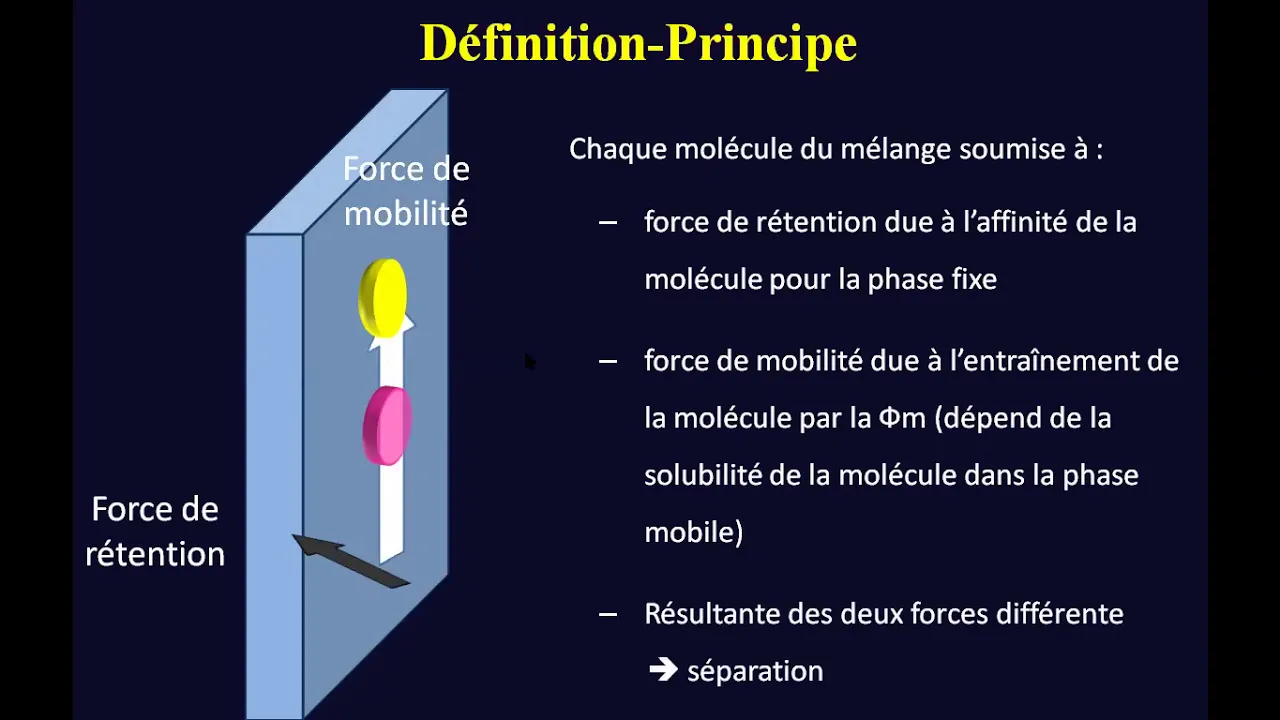
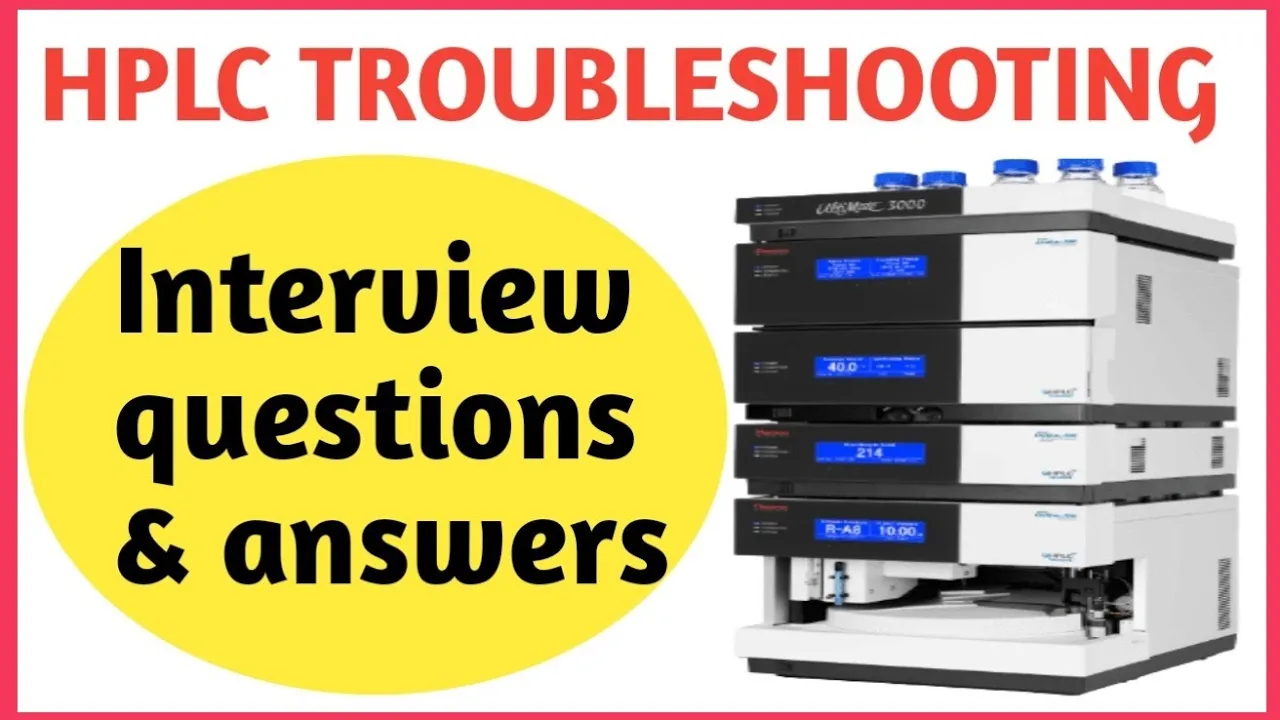
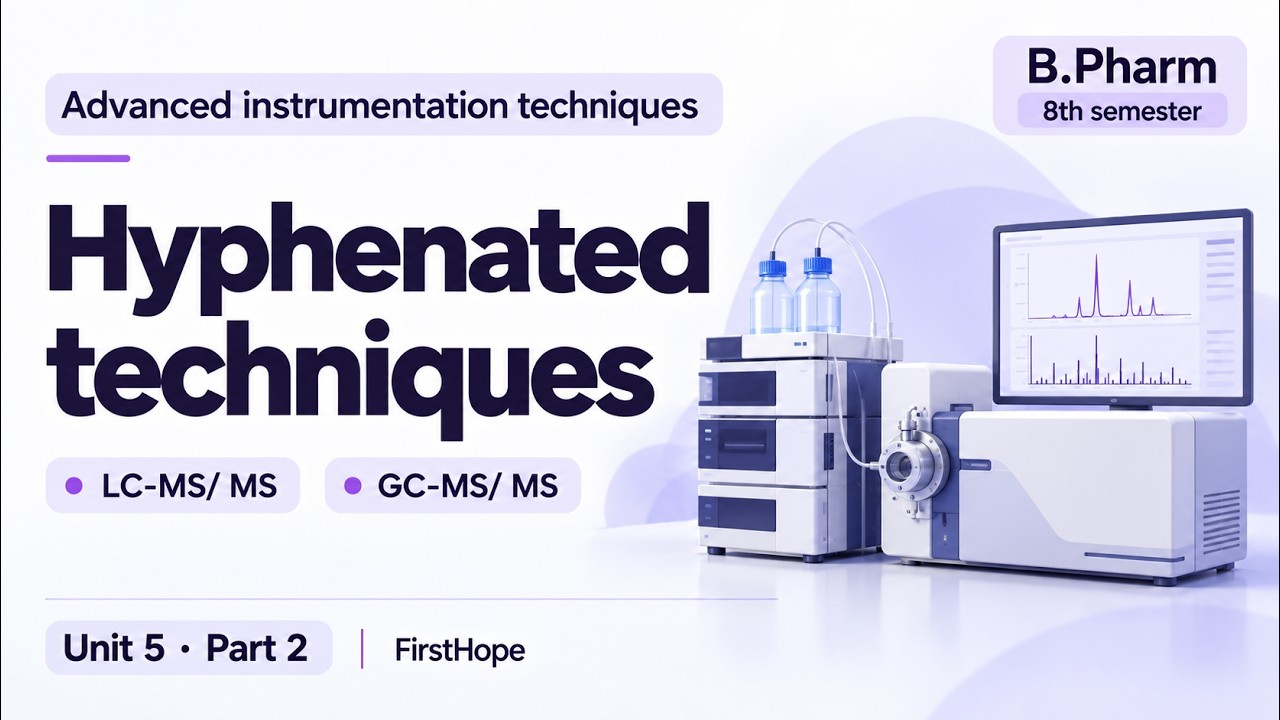
HPLC (High Performance Liquid Chromatography) is an analytical technique used to separate, identify, and quantify components in a mixture based on their differential interactions with the stationary phase (solid material, typically silica packed in a column) and mobile phase (liquid solvent). A typical HPLC system consists of four key components: a pump to deliver the mobile phase, an injector for sample introduction, a column containing the stationary phase for separation, and a detector to measure eluted analytes. The separation principle relies on compounds with stronger interactions with the stationary phase eluting later (longer retention time), while those with weaker interactions elute earlier. The two most common separation modes are normal phase (polar stationary phase, nonpolar mobile phase) and reverse phase (nonpolar stationary phase, polar mobile phase). Common detectors include UV-visible, refractive index, fluorescence, and mass spectrometry detectors.
HPLC Interview Questions and Answers for Freshers and QC
Added:former will welcomes you all learning Minds to yet another learning video so in this video we will learn about the important question and answers related to the hplc which can be asked to a fresher candidate who is looking for a carrier in the quality control Department but it doesn't mean that this video is not meant for the experienced candidates they can also check their knowledge by answering these basic questions related to the hplc so with this note let us dive into the video [Music] question number one so hplc stands for high performance liquid chromatography so it is a powerful analytical technique which is used to separate identify and quantify components in a mixture based on their interactions with the stationary phase and mobile phase so here while answering this question always remember these three keywords separate identify and quantify because hplc does these three things only now goes the question number two so what are the key components of a typical hplc system so answer to the question is a typical hplc system consists of four parts and those are pump to deliver the mobile phase and injector for sample introduction a column containing the stationary phase which is responsible for a sample component separation a detector to measure the and the right signals so along with these four parts you can mention about data acquisition system which is nothing but a computer system connected to your hplc system and which is responsible for the data collection from the detector and processing now while answering this question don't simply say hplc consists of four parts pump injector stationary phase and detector you have to answer this question smartly by adding function of each part so that interviewer will come to know that person knows about the functioning of the each part as well [Music] now goes the question number three so what is the role of the stationary phase in hplc so answer the question is stationary phase is a solid material which is mostly made up of silica so this silica is packed into a column so further during the analysis stationary phase will interact with the sample components and based on their chemical and the physical properties it will cause separation of the sample components now comes the question number four what is a mobile phase in hplc so answer to the question is mobile phase is a liquid solvent or a combination of the solvents which help in the carrying the sample through the column and facilitate the separation of the components by interacting with the stationary phase now comes the question number five how does hplc separates components in a mixture so answer to the question is hplc separates components based on their differential interactions with the stationary phase and the mobile phase now the components which are having the stronger interactions with the stationary phase will elude later whereas the components which are having the weaker interactions with the stationary phase they will elude early now goes the next question what is the role of a detector in hplc so the main role of a detector in hplc is to measure the amount of analyte which eludes from the column and the most common detectors which are used in the hplc are UV visible detector which is called as UV detector RI detector which is called as refractive index detector fluorescence detector and the mass spectrometry detector question number seven what are the most commonly used modes of the hplc separation so answer the question is the most commonly used modes of the hplc separations are reverse phase and the normal phase now goes the question number eight what is the principle of hplc so answer the question is the principle of the hplc based on differential interaction of the compounds with the stationary phase and the mobile phase so while answering this question you must have to use these two words differential interaction so differential interaction means different compounds interact with the stationary phase in different way and the interaction of the compounds depend upon their polarity and the affinity so as I said in one of the questions answered that if the compound have more interaction with the stationary phase then it will elude later which means it will have longer retention time whereas when the compound interaction with the stationary phase is less then this compound then such compounds will elute early and such compounds will have shorter retention time question number nine what do you mean by normal phase and the reverse phase chromatography so we know that normal phase and reverse phase chromatography are the most commonly used modes of the hplc separation normal phase and reverse phase differ from each other with respect to polarity of the stationary phase and the mobile phase so in case of normal phase chromatography stationary phase is polar and mobile phase is nonpolar phase chromatography is opposite to the normal phase chromatography where stationary phase is nonpolar and the mobile phase is polar question number 10 so while answering previous question we have used a term polar and the nonpolar so interviewer can ask what are polar and the non-polar compounds so answer to the question is polar compounds are those which have positive and the negative charges on their molecules for example water is a polar compound on the other hand non-polar compounds are those which do not have the separation of the charges within their molecules for example hexane is a nonpolar compound [Music] so Guys these were the questions related to the hplc basics which can be asked to a fresher candidate during his or her interview I have given the text detail of all the questions and answers in the description so this is it for today hope you have found this video helpful bye bye and happy learning
Up Next

Stoic Quotes for Mental Resilience and a Meaningful Life
@OrionPhilosophy
671.7K views•2021-08-29

Triumph of Orthodoxy Icon: Byzantine Art & History Explained
@BenCallan
2.1K views•2024-08-06

FastAPI vs Flask vs Django: Choosing the Right Python Web Framework
@TechWithTim
302.5K views•2024-05-26

Game of Thrones Opening Credits: A Cinematic Analysis
@gameofthrones
46.3M views•2011-04-18
Related Study Plans & Knowledge Roadmaps
Structured learning paths in General & Interdisciplinary Studies