

![CENTRAL DOGMA OF MOLECULAR BIOLOGY [ BY– Vishakha Ma'am ]](https://i.ytimg.com/vi_webp/3e5elTxbfJA/maxresdefault.webp)


![Protein Expression Vectors - Expression Host and Recombinant Proteins [Part 1]](https://i.ytimg.com/vi_webp/3_WnvVgIkYo/maxresdefault.webp)



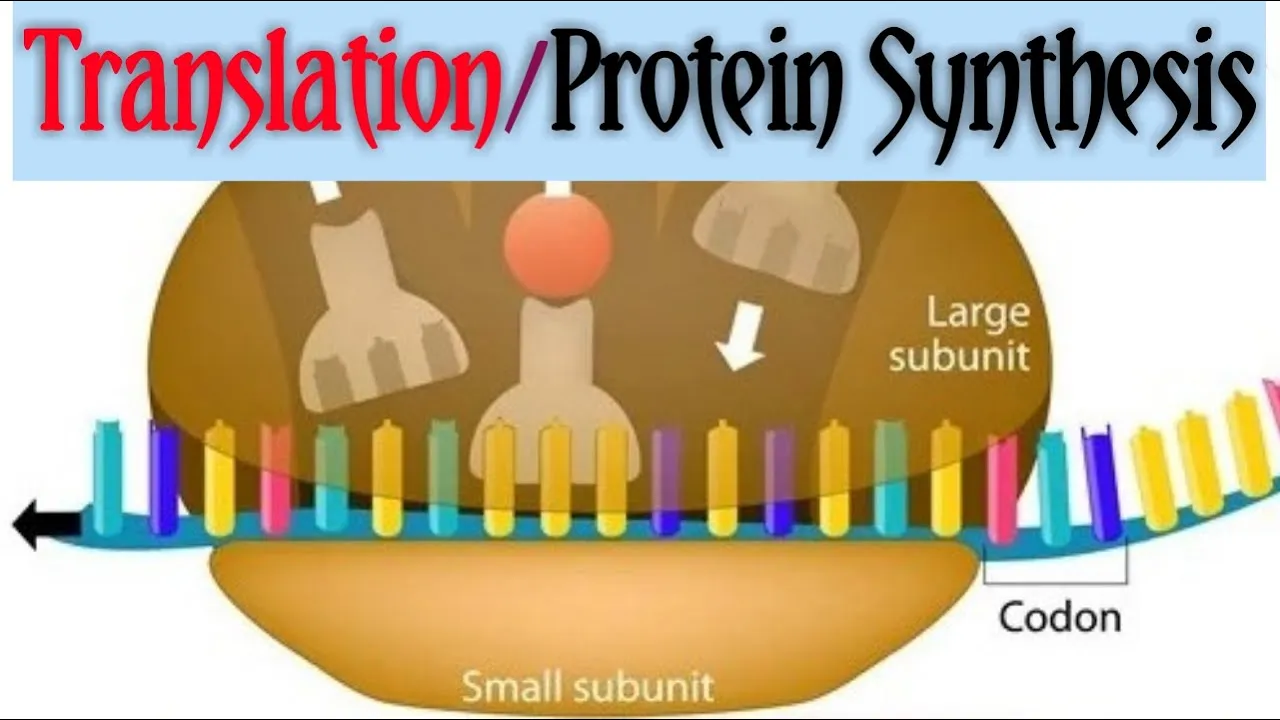

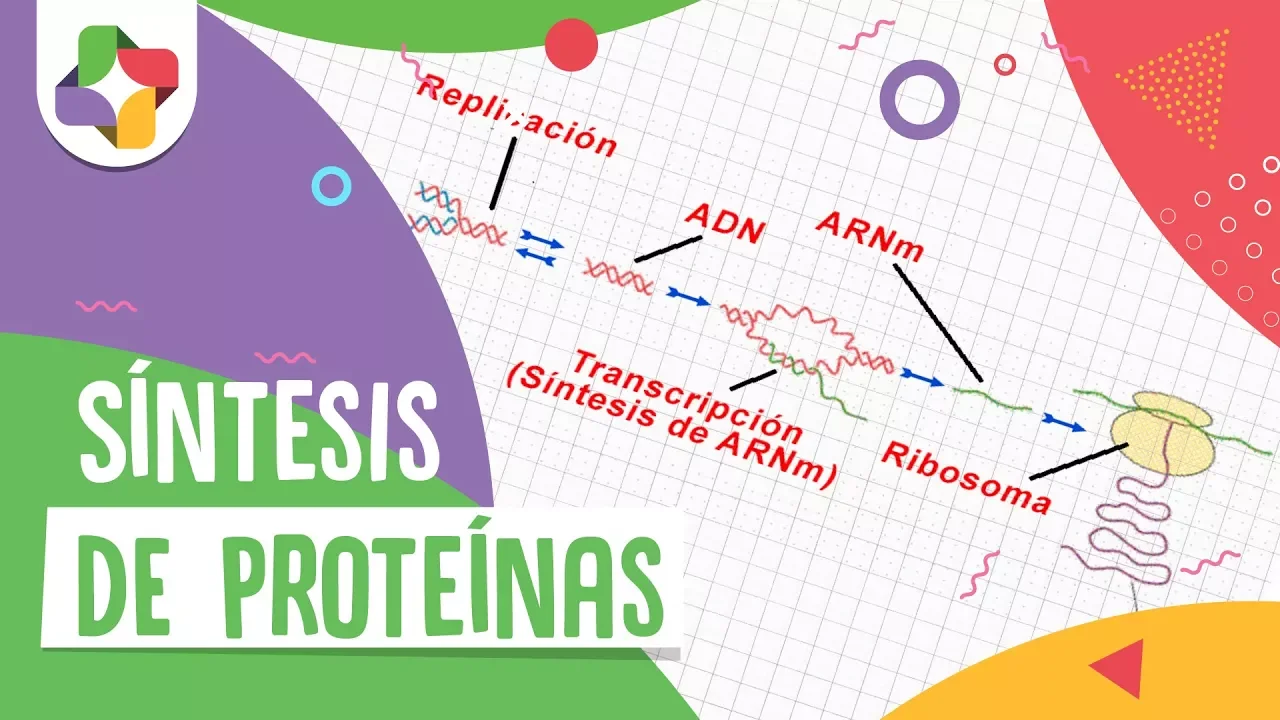



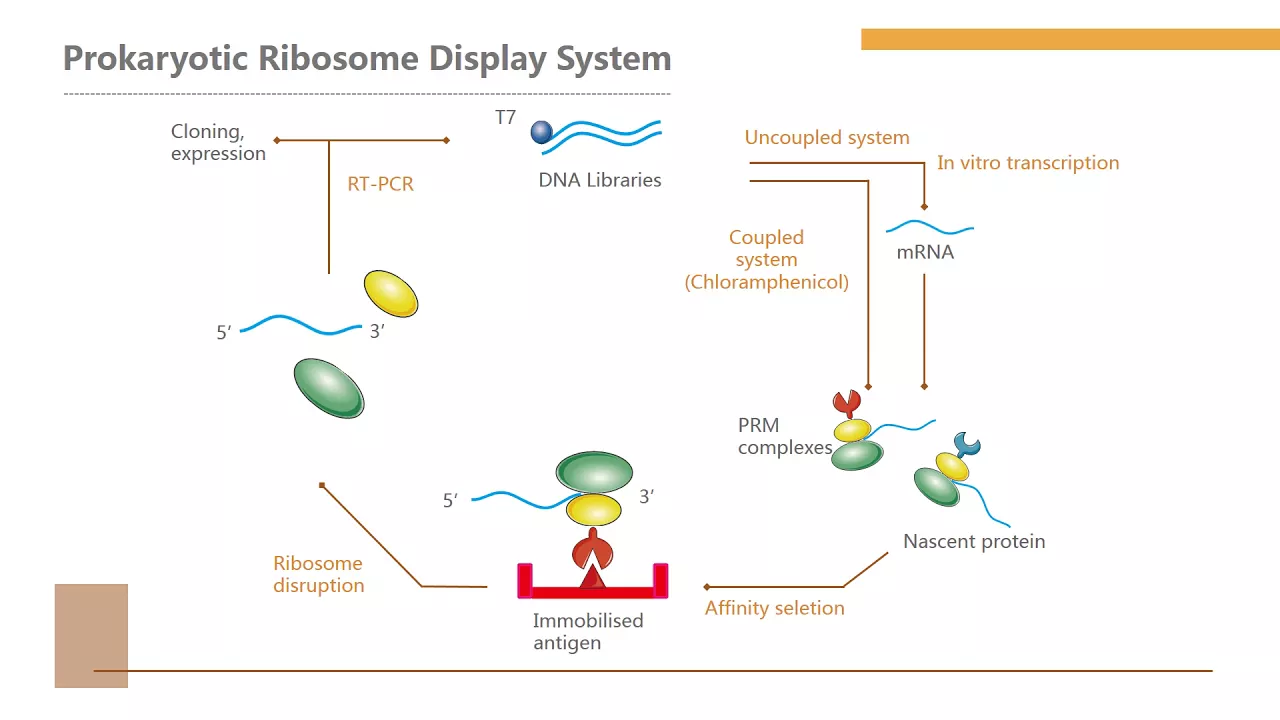


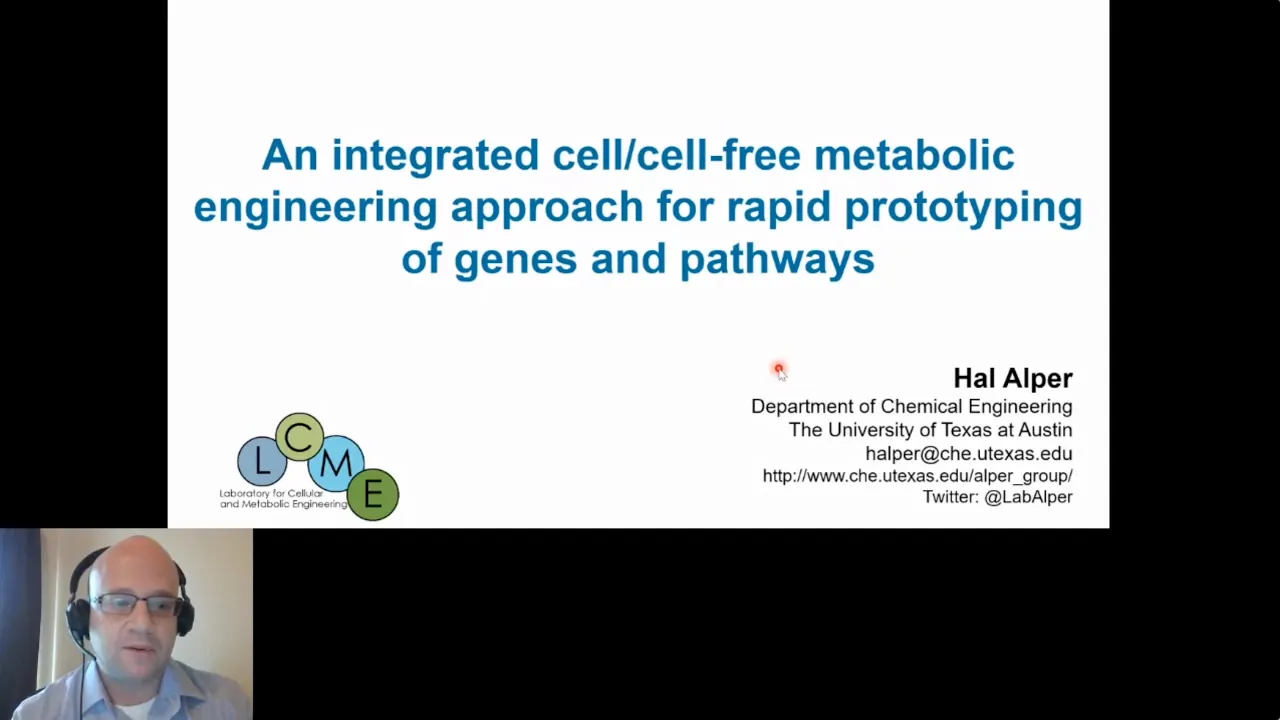

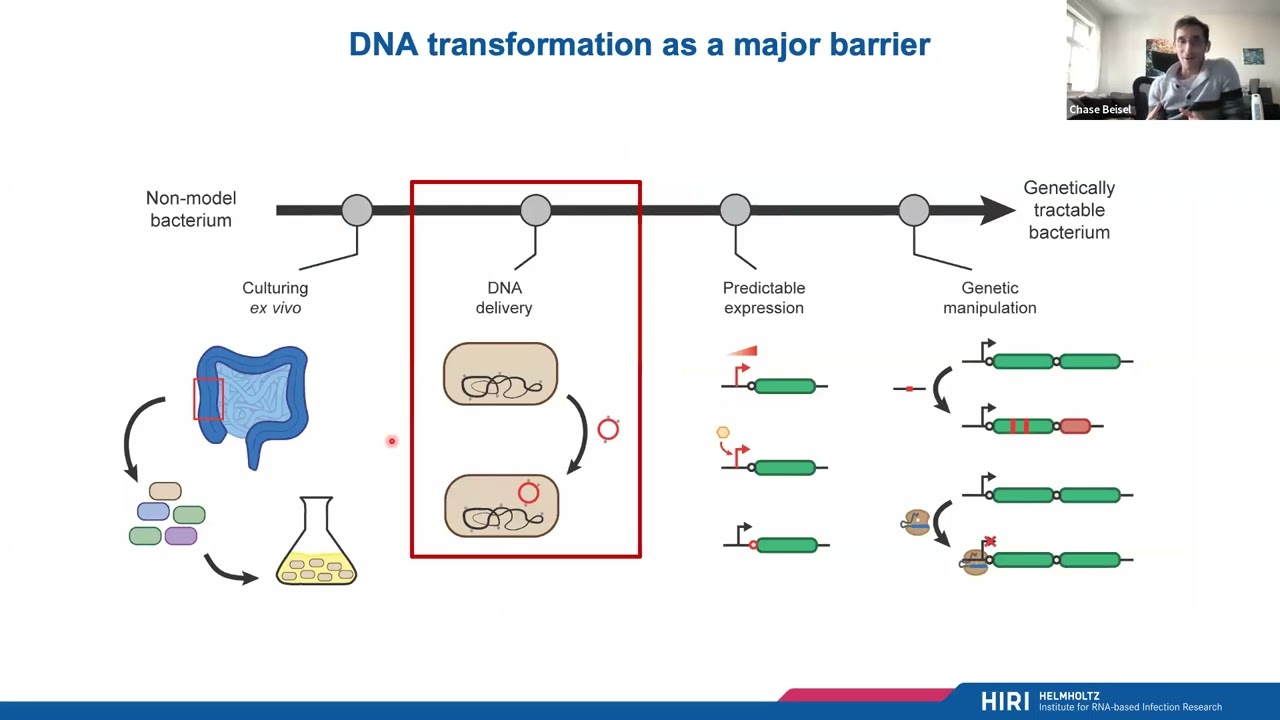


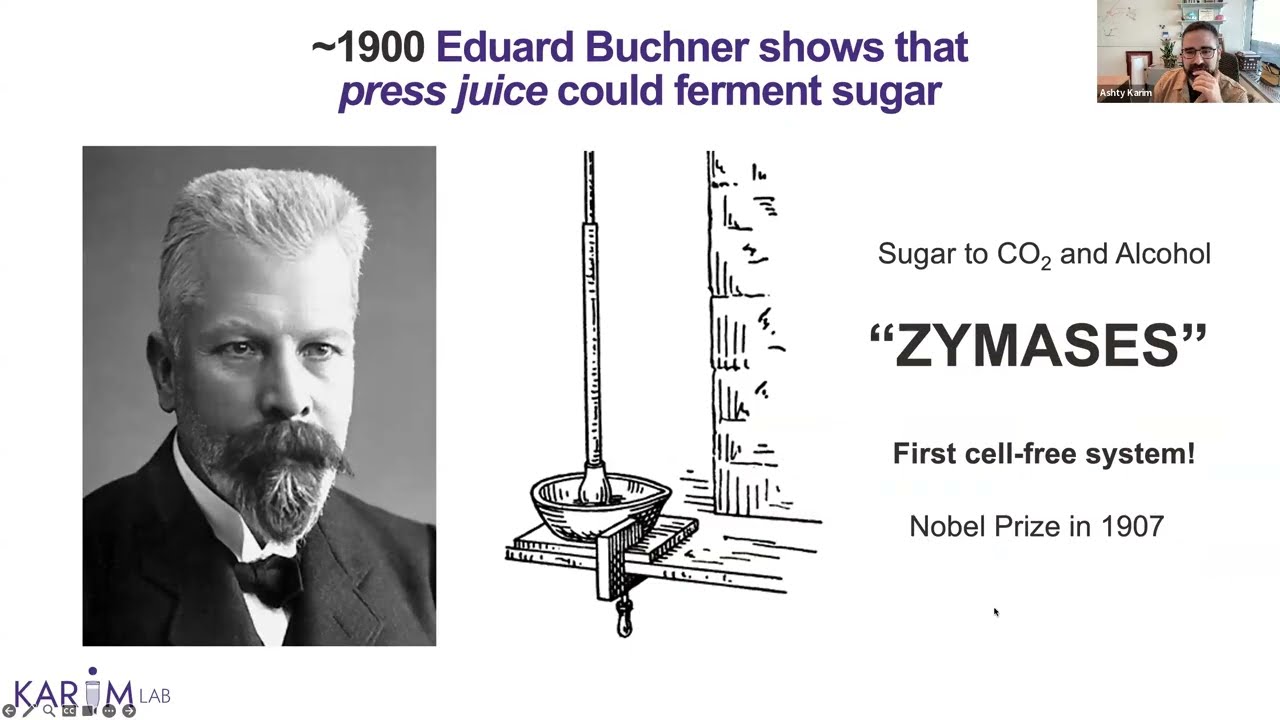

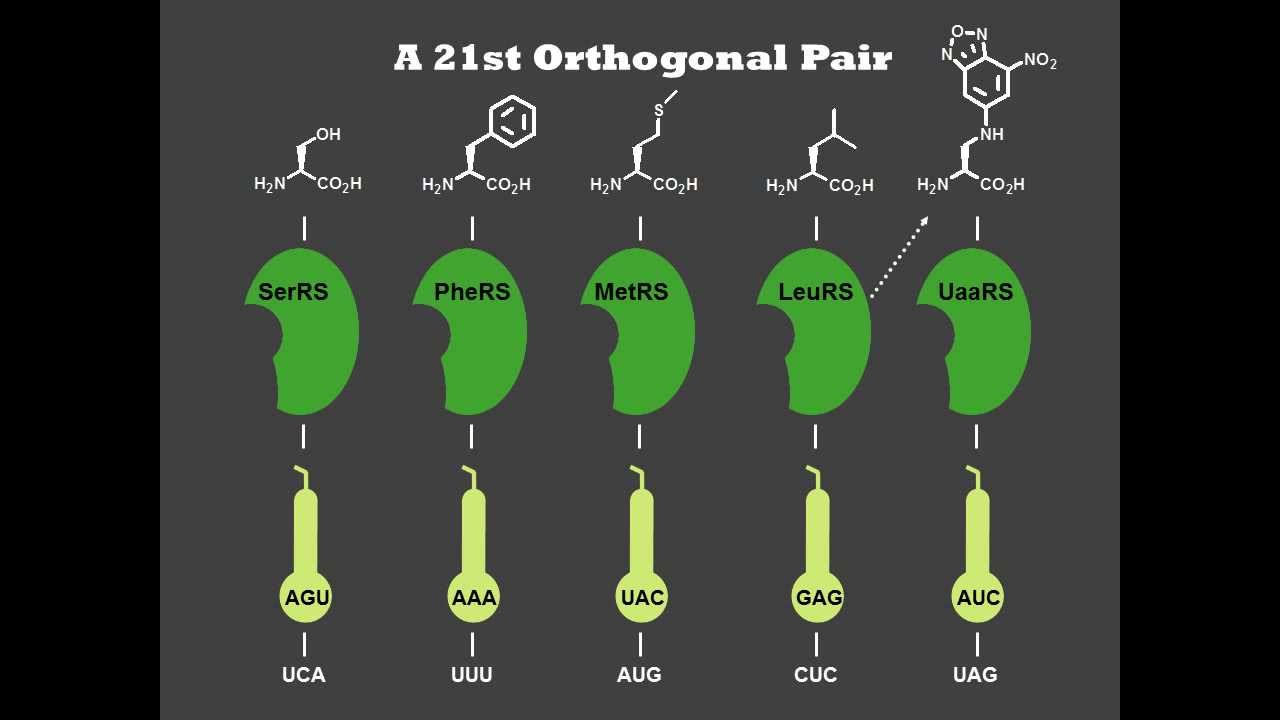

Cell-free transcription and translation (TXTL) systems are laboratory techniques that recreate the central dogma of molecular biology (DNA → RNA → protein) outside living cells by extracting cellular machinery from organisms like E. coli, yeast, or mammalian cells and combining it with necessary compounds in a test tube; this approach offers significant advantages over traditional in vivo methods including faster results, elimination of bacterial transformation steps, ability to express toxic proteins, and reduced biohazard handling, making it ideal for applications such as biomanufacturing, prototyping genetic circuits, diagnostic development, and synthetic biology research.
Cell-Free Systems Intro: Advantages vs In Vivo TXTL
Added:The Central Dogma of Molecular Biology, specifically the mechanisms of transcription and translation (TXTL).
Standard in vivo protein expression methods, including plasmid cloning and the use of host organisms like Escherichia coli.
The basic components of cellular machinery required for protein synthesis, such as ribosomes, tRNAs, RNA polymerase, and energy sources like ATP.
The general limitations of living cellular hosts, such as metabolic burden, cellular toxicity, and membrane barriers.
Protocols for preparing cell-free extracts (lysates) from various organisms like E. coli, wheat germ, and rabbit reticulocytes.
Rapid prototyping of synthetic gene circuits and metabolic pathways using cell-free TXTL platforms.
Applications of cell-free systems in high-throughput protein engineering, screening, and directed evolution.
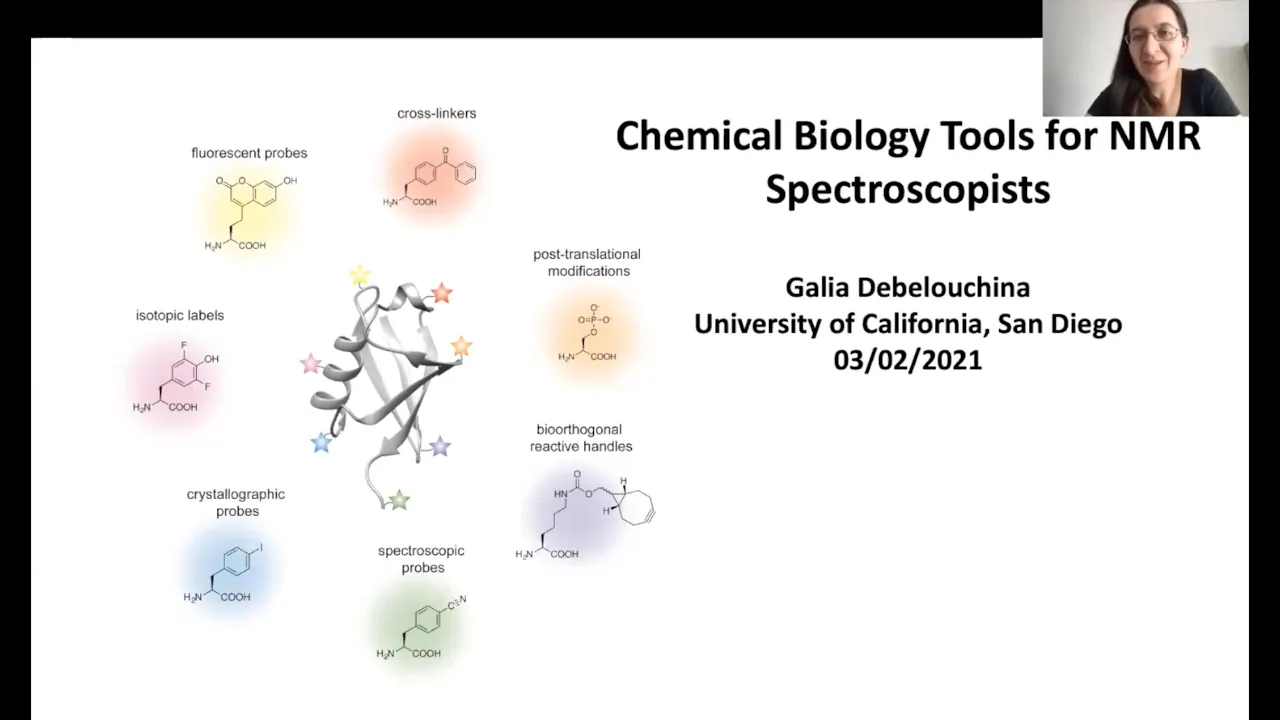
Incorporation of non-standard or unnatural amino acids (UAAs) into proteins using open-system cell-free platforms.
The development of paper-based cell-free diagnostics and biosensors for point-of-care medical testing.
2.6K views29likes15:34Original Release: 2020-09-04
welcome everyone uh welcome to our fifth igem um summer webinar um i'll take you through an introduction to cell free systems today my name is alexis i'm a research assistant and phd student at imperial college london i work along with the igem measurement committee and i've been a nigerian judge and i've also been a night drummer with the team valley vietnam cool in 2018 so that's all i was saying like so you're familiar with the process of molecular dna assembly and expression and you go from your in silico design in your laptop to your to ordering your dna from a synthesis company like idt or twist and you get your dna and then you culture your organism and you do some clonings and transformation and you pray for the colonies and put in expression um the thing is uh it would be good to be able to remove the most tedious part which is dealing with the living organism um which can be a hassle and what if you could just drop in your dna template and just get the protein expression so um when we talk about cell free systems uh we define three types of systems um the first ones are the protein-based systems where you do biochemical reconstitutions with a minimum set of compounds of components and the other type is nucleic acid systems for dna strand manipulation or dna scaffolding you can do dna origami and the third one which is the one we're focusing on today is cell free transcription and translation systems txtl systems does the slide switch it didn't switch yet what did you see here now it's side four five this is slide number five yeah okay is it still slide number five now it's thick wait where i'm lost yeah you have six now seven yeah okay i'm um we're doing this live um i can't get computers to work um it's fine we're good i've got some cool slides um so am i on slide number six yeah now seven okay so um so i'll go back to where i think where it was before so where are the cell free txtl systems uh it's basically all the cell machinery without the syllables and we talked about in vitro transcription and translation and i was saying uh that we got cfps which stands for self-reporting um synthesis or cfpe which stands for self-reporting expression and you'd probably see read or hear those two terms and they basically mean the same thing and the idea is that we recreate the central dogma mechanism inside the tube and what we do is we break the cell get everything that inside get it out and then we add a few compounds and then we express our dna does it switch now yeah okay great getting better at using computers um so what's txtl txtl stands for transcription and translation tx is an acronym for transcription tl is short for translation and what you do is here on the right i got my dna which is a plasmid or it could be a linear dna and i put in my dna template put it in what we call the cell remix and all this happens in vitro and what you do is that this software mix is put in an eppendorf tube and you drop in your dna and magic happens here and boom you get your protein expression and you get the protein out and that's basically what it is so is it switching now yeah it's just loading okay it's loading so i mean not content wait so slide nine is loading which shouldn't be uh but sly nine was just um basically what i'm showing here it's like what's the difference between in vitro and vivo systems so let's look at this side by side comparison and um of how you would do txtl protein synthesis compared to an in vivo protein synthesis so txtl is a cell tree is on the left and in vivo is on the right so in both cases you start with a living organism and um we'll see later that we can almost forget this uh this organism when we work with pure systems um but we start here on the left and in cell free you grow and then utilize your cell and you get cell extract and then you do protein expression in a cell free mix in a tube and then you put in the dna inside the mix and and you got you got your expression now on the right side is what we would do when we work in vivo is it's the more classic individual process is that you grow your bacteria but you do a transformation first and then you put in the dna inside the bacteria and the difference is that the protein expression in vivo happens inside the organism so this is more or less an equivalent lysis process you get the real isolate and then you purify it to get the protein out so uh we have two kinds of diff uh two different kinds of sulfur systems uh we've got lysid bays sulfur systems and you can work with bacterial systems the most common is your favorite pet e coli but you can also work with eukaryote systems with for example yeast lysate or plants or we can even do mammalian lysate or even human cell lysate i personally have only been working with bacterial acid and then there's another kind of cell free txtl system it's not really txtl but we call it the pure system which has been introduced in 2001 by the weather group and it stands for protein synthesis using recombinant elements p u r e and uh it's a reconstituted cell free protein in synthesis system so um in our third talk today barbara will explain further the process of making the pure system and she'll teach you how to make a pure system or a one-part pure system so um when did cell free systems appeared um the most surprising thing is that it's absolutely not a new and recent idea so you can forget about being hip uh it's been around since the late 40s and the first century system was in 1984 uh 1948 and they did express proteins using extracts of red cell levers and in 1961 nirenberg and mate found the first correspondence between nucleotide triplets and the amino acids that that they encoded and they demonstrated cell free synthesis of polyphenolane with a synthetic polyurethalic acid in e coli extract so in the years that followed we got different sulfur systems and they played an important role in identifying the amino acids encoded by the triplets and then in 1966 you got the first usage of wheat germs lysate systems and then we could pretty much get a year for every new kind of system and we jump in time and we land in 2001 with a pure system from weta and to much more recently 2012 the introduction of the e-coli txtl toolbox by jason chen and vincent nomaro okay so how do you make a self-free txtl mix the key idea is that you mix together the sale license and some additional compounds necessary for the transcription and the translation and you put them in a tube and in our next talk so we will go into the details on how to practically make an e coli lysate and self-remix and if you don't want to make your own uh many of the high adoption cfps platforms have been um commercialized as kits so currently like for example like there's some commercial kits that exist for e coli at nab promega bioneer kia jin arbor thermo fisher creative biolabs a lot of companies provide those those sell those kits so set free protein synthesis reactions can be performed in batch format for simplified setup or they can be done in continuous formats which improves yields and the reactions are most easily and quickly set in a batch format so i'd say use a batch format it's just easier all the necessary reactants are just added into a single tube and incubated to protein synthesis and then the thing is why do we have these different formats is because the duration of the batch reaction can be dependent on the substrate available and the amount of um inhibitory byproduct that is produced so that result in a lower yield on some platforms so if i take the continuous exchange um the reaction is separated from a reactant-rich feed solution via a separate like semi-permeable membrane and your reactants move into the solution and byproducts move out and proteins remain in the reaction compartment and then when you have continuous flow systems here on the right um the feed solution is just continuously pumped into the reaction chamber and um where the protein of interest is and the other by-products are pushed out through a filtration membrane so what are the different application for txtl well one of the biggest one is biomanufacturing so you can do protein expression you can produce enzymes antibodies or therapeutic compounds but txtl is also really good to use for prototyping so you can put time enzymatic pathways um different diagnostic systems and things like that and they were also used in microfluidic chips to do some like oscillators dynamical systems self-assembly doing directed evolution this kind of thing and they're also being used for what we call synthetic life so for example you can create a liposome and then have some txtr reaction in it so what are the advantages of cell free txtl systems first of all you don't do any bacterial transformation um do you got a protein expression system for example when um the cell is toxic uh not the cell um when the when the protein is toxic for the cell its advantages to use a txtl system um txtl system can be drive freeze and rehydrated and uh one of the biggest advantage is that there's no jmo handling no biohazard so you don't work with anything that's living so in the recent years uh we've seen usage of txtl systems in the igem competition and last year the grand prize winners igem apfl team they used the one port pure system which was a paper-based cell-free detection system so they developed a simple and a simple fast fill diagnostic toolkit to detect grapevine diseases so it was freeze dried one but pure on paper um it's just they just built a simple and cheap hardware designed with a 3d printer and paper and barbara could tell much more about it later and then this is the picture showing up i don't think so no i don't think so loading okay so it's loading so that's the google slides are awesome um i had a wonderful screen capture of um year 2018 where the team pali beton cool worked to fight the issue of antibiotic resistance and so i was in that team and we did design and synthesize a library of antimicrobial peptides and it's a solution to express a protein that is toxic for the cell so antimicrobial and that's why we use the cell free protein expression system for that and in the next slide there's also a picture that's missing where you see uh igem year 2017 um delft team um who again uh were grand prize winners so i don't know if there's a relationship between using sell free or winning the grand prize um and they developed a tool to enable farmers to test on site if a cow was suffering from a bacterial infection and uh if it was infected with antibiotic resistant bacteria um so they used vesicles where they put a cell free uh system in and now uh i'd like to introduce you to the next cell free webinar talks the next talks from zoe will take you through how to practically make an e coli sulfur system and then in our third talk barbara will explain the pure system and how to make one so thank you very much for your attention um good luck with your agent projects and i can't see to can't wait to see them um thank you
Up Next
50:48
Ribosome Structure & Translation Overview | MIT Biological Chemistry
@mitocw
35.1K views•2019-08-01
50:12
Bacterial Communication: Quorum Sensing and Biofilm Formation Explained
@JHUAAP
12.6K views•2011-06-28

5:35
Enteric Nervous System Explained: The Gut's Brain | Neurobiology Lecture
@alumniu6029
438 views•2018-09-12
7:08
Bacteriophages: Earth's Deadliest Killers and Future Antibiotics
@kurzgesagt
34.6M views•2018-05-13
Related Study Plans & Knowledge Roadmaps
Structured learning paths in Biology
biology
RNAi: Biogenesis, RISC & Gene Silencing
01Molecular Biology Foundations: DNA to Protein
02Introduction to RNA Interference (RNAi)
03Molecular Biogenesis of miRNA and siRNA
+ 2 more learning modules
10h5 modules
Explore Roadmap
biology
Mycorrhizae: Signaling, Biophysics & Ecology
01Foundations of Mycorrhizal Symbiosis
02Molecular Signaling and Root Colonization
03Biophysics and Bioenergetics of Nutrient Exchange
+ 1 more learning modules
11h4 modules
Explore Roadmap
biology
Circadian Clocks: TTFL, SCN & Periphery
01Foundations of Molecular Biology & Gene Expression
02Introduction to Chronobiology and Actograms
03The Core TTFL: Molecular Architecture of the Clock
+ 3 more learning modules
14h6 modules
Explore Roadmap
biology
Population Genetics: Math, Drift & Selection
01Genetic & Probability Foundations
02The Hardy-Weinberg Principle and Baseline Models
03Mathematical Modeling of Natural Selection
+ 3 more learning modules
18h6 modules
Explore Roadmap