























In romantic relationships, significant age gaps combined with power imbalances (such as student-teacher or professor-student dynamics) can create inappropriate and potentially harmful situations, as the older party may exploit the younger party's vulnerability and lack of experience, making such relationships ethically problematic regardless of the era or social context.
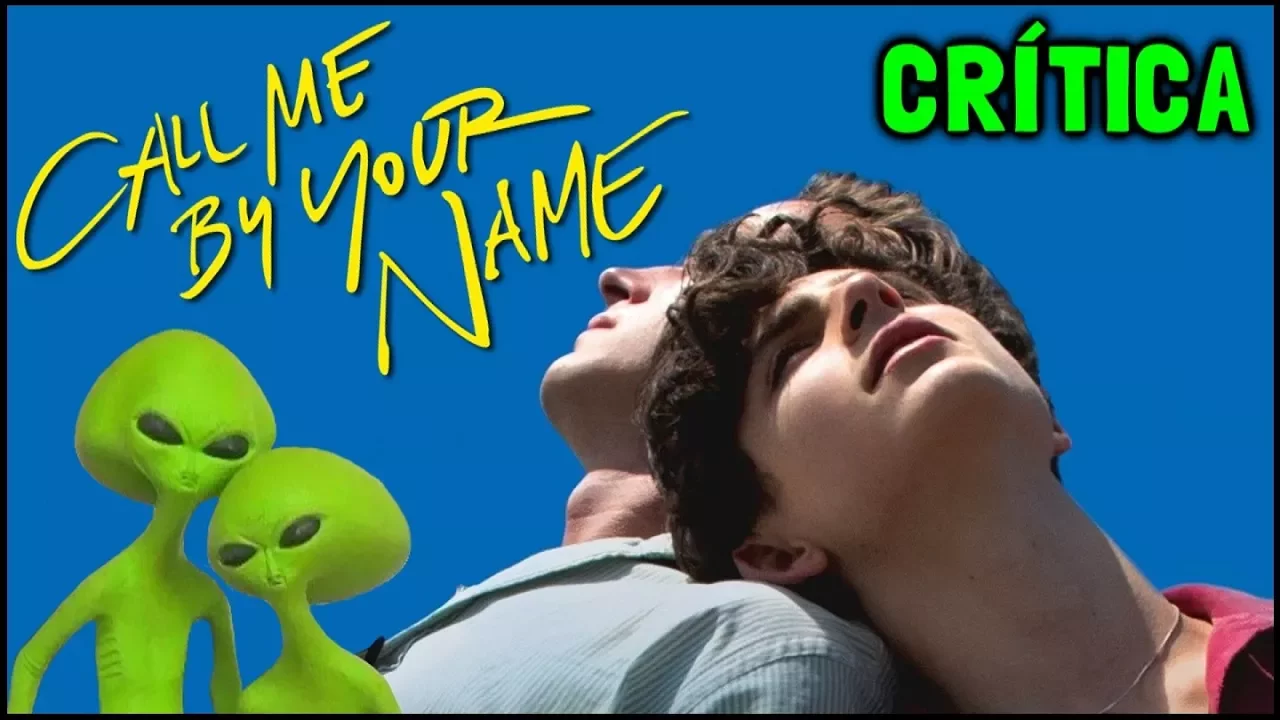
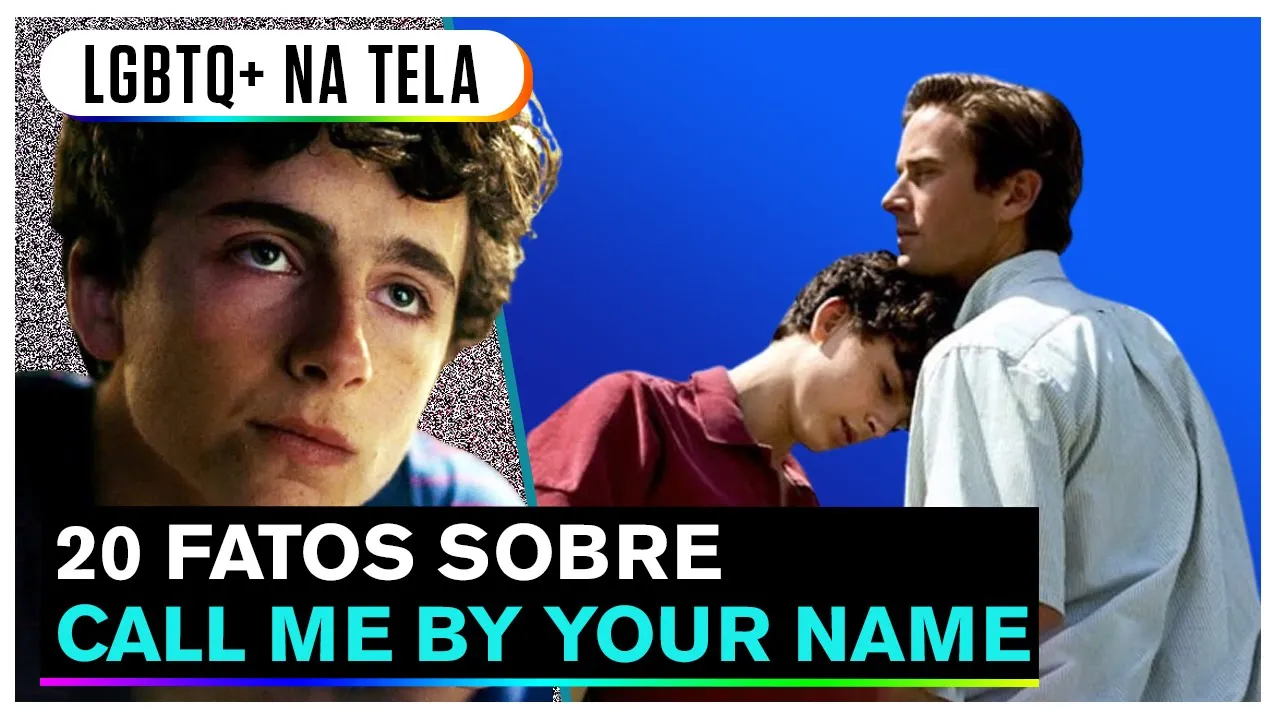
First-Time View: A Critical Analysis of Call Me by Your Name
Added:Basic principles of film analysis, including cinematography techniques (such as lighting, framing, and camera movement) and how they convey subtext.
An understanding of ethical concepts regarding age-gap relationships, power dynamics, and consent in narrative fiction.
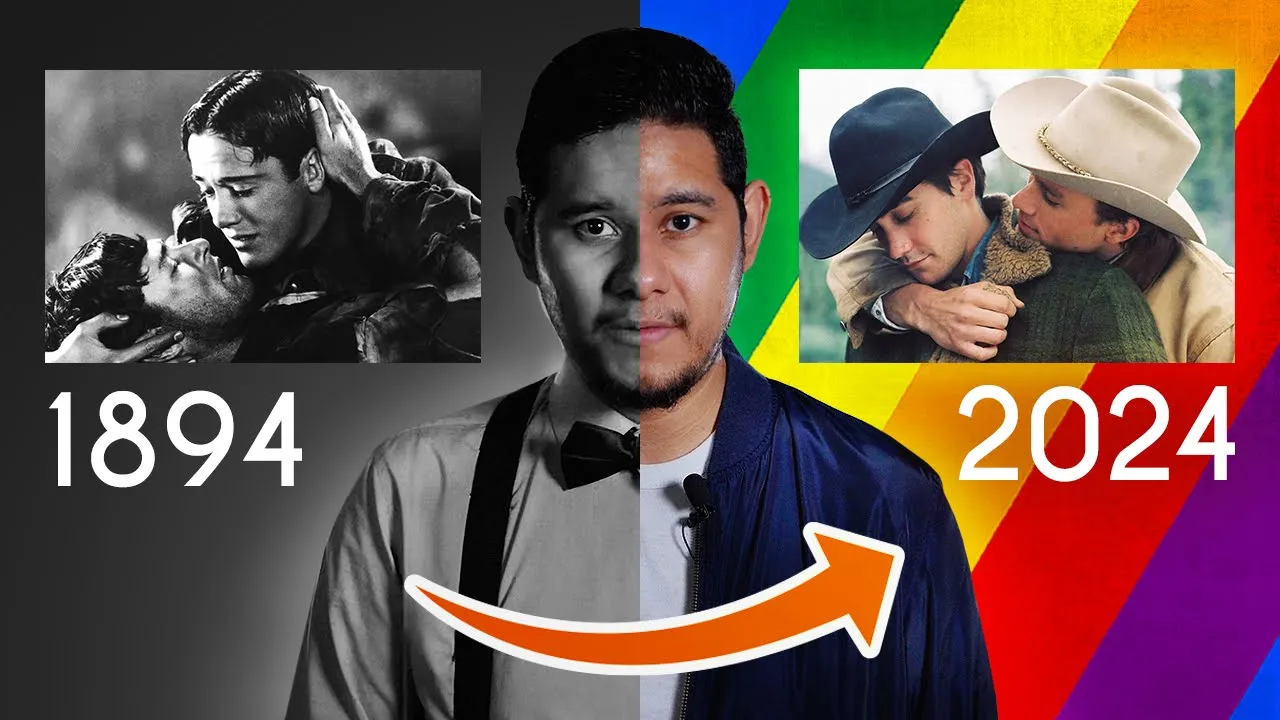
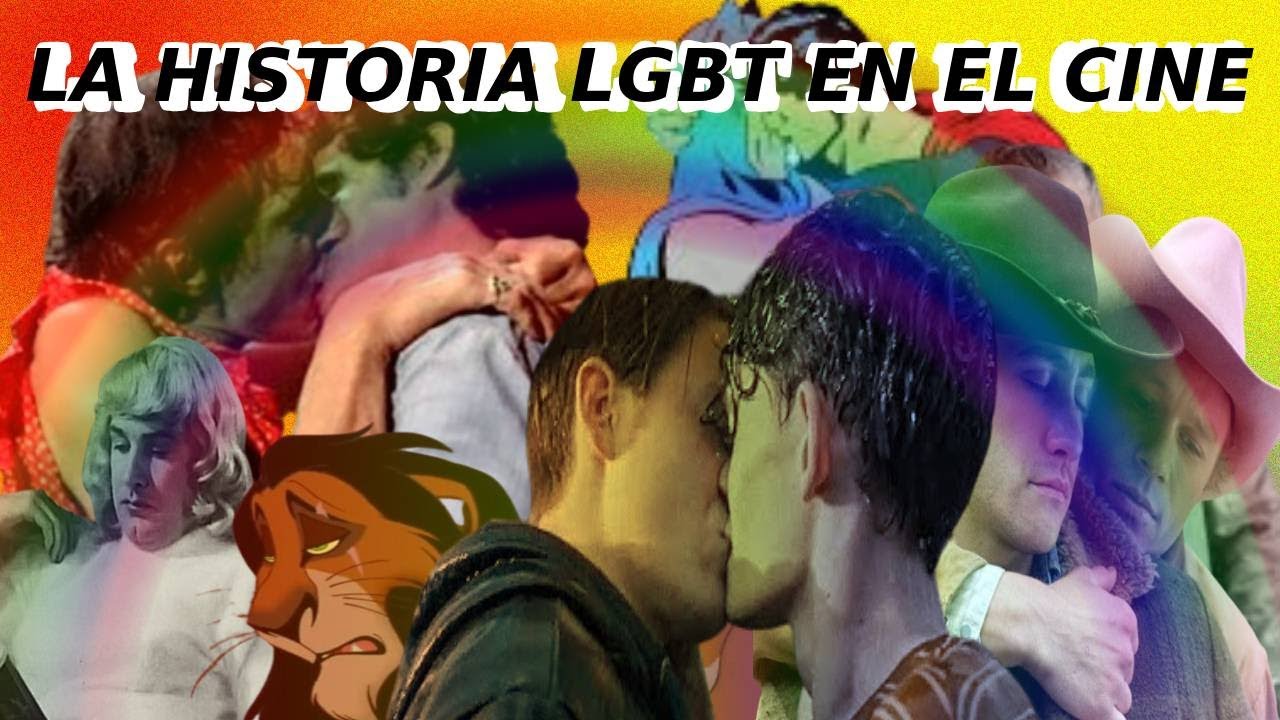
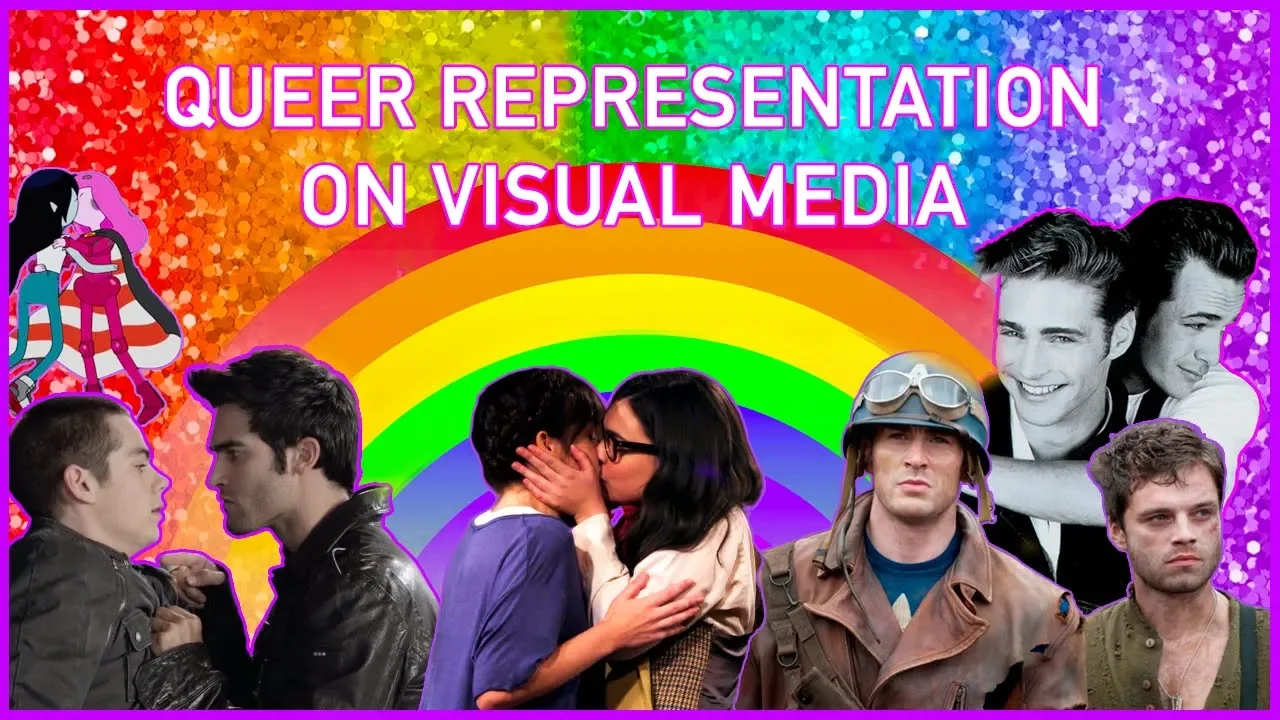
A foundational knowledge of Queer Cinema history and the evolution of LGBTQ+ representation in mainstream media.
Familiarity with the basic plot, setting, and cultural impact of the 2017 film 'Call Me by Your Name'.
Advanced study of the ethics of romantic representation in media, specifically analyzing the line between artistic expression and the romanticization of problematic dynamics.
Comparative analysis between André Aciman's original novel and Luca Guadagnino's film adaptation, focusing on how internal monologues translate to visual storytelling.
Exploration of European art-house cinema aesthetics, particularly the influence of French New Wave and Italian realism on the film's visual style.
The study of Audience Reception Theory, examining how cultural shifts over time alter the critical and public consensus of sensitive on-screen relationships.
122.7K views5.6Klikes33:13Original Release: 2021-07-22
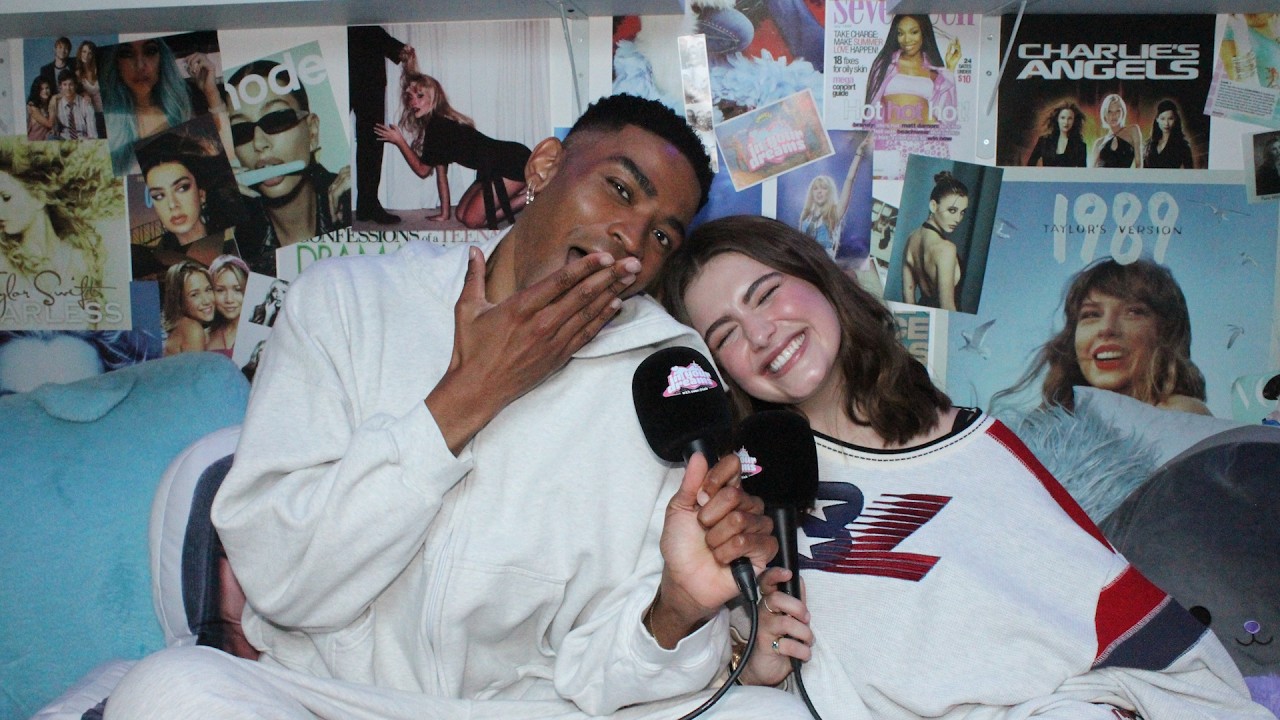
call me by your name hello everyone welcome back to my channel so today we're gonna be watching a movie that i have never seen before and it's call me by your name i feel like this movie fits into like the whole sleepover theme type movies that i have been doing on my channel recently i mean when it first came out it was so popular everyone was obsessed with timothee chalamet i feel like this would be a movie that teens would watch at like a sleepover when it first came out i actually wasn't that interested in watching it i mean i thought it was really cool that there was an lgbt movie that like everyone loved and like critically acclaimed or whatever but i don't know i just never was interested also for a movie that is like really popular and everyone talked about it no one talked about the plot all i know is that it's lgbt and it's based in italy that's about it depending on what kind of romance movie this is maybe he'll gobble timothee chalamet up who knows i'm actually kind of excited to watch this i really want to know if it's as good as everyone says it is but before we get started on the video today's video is sponsored by skillshare skillshare is an online community where you can take classes to learn pretty much any skill that you would like it's created specifically for learning which means there are no ads and they're constantly launching new premium classes so that you can stay focused and learn whatever you're so pleased if you watch my channel you might be interested and let's say movies on skillshare you can take classes about filmmaking production color grading the whole works or maybe you watch my channel for me in that case you can take some classes on how to be funny just kidding maybe you want to start a movie commentary channel of your own i get asked all the time how i edit my videos and i use final cut pro in fact the first time i used skillshare i was actually trying to learn how to use it i learned most of my basic skills from the class video editing with final cut pro x from beginner to youtuber by ali abdel the most valuable skills i learned from his class were keyboard shortcuts i know that may sound really simple but trust me for someone who edits on just a macbook and it's touchpad it is a time saver if 1000 of my subscribers click on the link in the description box below they will get a one free month trial of skillshare let me repeat that one free month so if you're ready to learn something that you have always wanted to or perhaps improve on an existing skill this is your chance all right without further ado let's get started on call me by your name because this takes place in italy there better be some really aesthetic shots of italy if my handwriting looked this aesthetic i would never stop writing but alas i was not blessed with good handwriting oh it's based off a novel 1983 oh okay somewhere in northern italy was the camera on the table can i bring your things up to your room uh sure yeah my room you're very welcome here see our home is your home who is army ham i supposed to be okay so timothy chalamet's dad is a professor ta no i feel like tas wouldn't just live in the professor's house we have to share the bathroom it's my only way out [Music] oh my gosh he's just writing the notes as it's playing i have so much respect to people who can read and write music i don't know how people can do it they're obviously using a part of their brain that is just defunct in me we're being called for dinner i'm probably gonna pass will you make an excuse for your mother thanks later i'm saying i don't blame him because this man doesn't have an accent so i'm assuming he's american if he traveled all the way from the u.s to italy i would understand why he's tired probably like really jet lagged oh did he just destroy his egg is this your orchard these are nello's trees oh wow wow they have their own orchard melograno oh my god all the yolk just like came down the egg it's delicious he's jewish is that going to come in i'm going to pause because i don't want to talk and potentially miss something speaking of orchard i'll tell this little story because i think it's i i think it's a little funny i was doing an internship and this girl i was doing my internship with she was a fifth year and she was gonna graduate that quarter and i was like oh like what are you gonna do after you graduate and she's like huh i don't know maybe i'm gonna go to my aunt's vineyard in italy i was gonna graduate like in a couple quarters and there i was stressed out about my future wondering what the hell i'm gonna be doing after college and this girl just was like so aloof she was just so aloof about it and i was like must be nice what does one do around here wait for the summer to end eat gelato eat lots and lots of gelato besides my family you're probably the only other jew to set foot in this town oh i see so what do you do around here read books transcribe music swim at the river go out at night i don't know that just that sounds like a peaceful life all right later he just dipped yeah those are calcium uh okay all right assistant is an assistant oh man i bet that orange juice is homemade apricot comes from oh wait is it apricot juice i totally missed it because i was trying to figure out what this man's role is i'm going to talk a dimology so just bear with me a second um you're writing the case of most latin words do [ __ ] actually see a phd student no yeah i think that makes more sense he's a phd student because he's like relatively young and he's like working under the professor and the byzantines to go on then borrowed precocks which became precocia that's a nerd he's a nerd flying colors he does this every year was that like a test did the professor say something deliberately wrong so that he could correct him oh man is he already falling in love how do you know about oh that hand trust me i'm about to be a doctor hey hey come here doctor okay so i was right he is a phd student yeah i was saying to monday shalom is so lenky i saw a post somewhere that was saying how he looks like someone who came straight from the victorian era and i just i can't unsee it did you even have hair to begin with later just watch this is how i say goodbye so the time comes with his later meanwhile we'll have to put up with him for six long weeks no grover like him what if i grow to hate him no what does he not like him i thought he was interested in him maybe wait what's what's army hammer's character's name [ __ ] me he's a little standoffish there you go play something that was not that was not the type of music i thought he was going to play i thought he was going to play something slower [Applause] honestly me my area has been like at a high of like 111 degrees the night is so warm oh my god it's just so terrible what's he doing is he trying to blow his armpit hair so [ __ ] you guys do that oh [ __ ] that's a [ __ ] fly bro oh my god he's so lucky he does not have a raging boner right now coming out with everyone else down by the river you have an allergy yeah me too bro when you were talking about what you did you said you go swimming in the river come on let's go do we have to go right now he has a boner right now oh that's an ass look at his little tiny butt [Music] he was staring at him he's not going to tell me what he's thinking about because he'll go hang out with your mom more apricot juice was apricot juice oh my god he's jealous he's like spend time with me spend time with me [Music] sounds nice play it again man okay that little smile oh bro he was like [ __ ] you i'm not playing it again follow me oh what's happening okay multi-talented king the scene is just to flex his piano skills [Music] he's so into his face oh is he gonna is he gonna write a song for him i was too harsh i thought he didn't like me he is falling already did they state how old he is yet did i miss when they said his age he's jealous he's jealous oh that was really abrupt why did they do that oh my god he has a giant oh my god the way he just body rolled in i don't know why that was so funny [Music] oh oliver okay okay yeah okay i will remember his name is oliver i thought this girl was his sister the entire time yo italian jason is about to emerge from that lake oh they're broke why would you do that that is such a waste i just heard from the people in siermin they say they've come up with something oh well nothing has been dug up it's what has been brought up out of the water no he said no real fast okay but like what is timothee chalamet's character supposed to like how old is he supposed to be i assume he's a teen he's giving me teenage vibes trying to get me to like her what would be the harm in that you just don't play it being a good host what was that what was the aggression for oh are they finding statues from the water wow that looks so beautiful the water is so pretty [Applause] [Music] it got so dark so fast they took so long to go swimming go pee oh where's he going oh is he meeting that girl is he bored without oliver the amount of flies that have been in this movie is he gonna sniff it oh my god tell me he's not gonna smell this man's shorts and it's the inside bro i thought he was just gonna sniff and not put his whole head through it dude if oliver comes back at this moment that's gonna be so embarrassing oh my god is he horny oh damn arch that back okay wow i really like that piano i'll translate her oh a handsome young knight is madly in love with the princess and she too is enough with him though she seems not to be entirely aware of it despite the friendship perhaps because of that very friendship the young knight finds himself so so humbled and speechless that he's totally unable to bring up the subject of his love wow exactly how he is feeling right now is it better to speak or to die you do know that you can always talk to us do the parents know something yeah about the knife that doesn't know whether to speak or die better to speak she said if she's on her guard she senses a trap somewhere oh bro he sees himself in the princess why don't we go together right now because of course unless you have more important business going on he's a child not like i don't do that now i was coming home the other day and i scraped myself pretty badly i think it helped oh [ __ ] oh my god that must have hurt hella oh you seem to know more than anybody else around here well if you only knew how little i know about the things that matter what things that matter why are they so far away from each other you know what thanks why are you telling me this because i thought you should know are we is this because i wanted you to know is is he confessing i really like this piano though it's really calming are you saying what i think you're saying is he don't go anywhere stay right here you know i'm not going anywhere what is happening i'm not going to have anything to work on this afternoon this is going to set me back a whole day a whole half afternoon spend time with anything okay but like how how old is each character it means we can't talk about those kinds of things huh so so no no gay so far it's it's been a little slow i'm not gonna lie but i've been really enjoying the cinematography i think this movie is really aesthetic if not a little desaturated definitely it seems like it has like a filter on it it seems like a really it makes it kind of dreamy bro how do people bike with no hands on the wheels wait did i say bike with no hands on the wheel no hands on the handlebar i literally cannot do that what the why did he jump off like that making things very difficult for me huh he was like let me adam the romance has been kind of low-key i wonder if they're gonna like amp it up what what what why did he just stick his finger in his mouth oh oh [ __ ] oh timothy maybe oh oh my i was like bro your mouth should not be open that much better now oh no he pulled away oh my god no that's not gonna make him feel better oh dude yeah yeah yeah but like what's what what what what is the age gap here before i get behind it we should go why we haven't done anything to be ashamed of and it's a good thing oh oh [ __ ] he just grabbed it oh damn he is a go-getter i think it's starting to get infected oh [ __ ] dude get that checked out wow that that moment just happened and then it was done i mean i would definitely say don't [ __ ] where you eat because this man is your dad's phd student and also the boy is the son of the professor you are working under that's just just sounds like a bad idea all around also he's only going to be there for like six weeks gelato he has a nosebleed i used to have one of these how can we never wear it my mother says we are jews of discretion okay i'll be back in a minute but don't go anywhere oh well these poor girls but hey maybe they're bisexual you can still get in there girls maybe oh my god he's wearing the necklace okay how old how old is oliver then oh my god i finally figured out his age oh [ __ ] oh [ __ ] the mom knows yeah like the prince and the princess or is it the night the knight and the princess what he actually confessed it to his mom i don't know i mean oliver seems like he's a lot older i don't know how much i can get behind the romance he's so young oh is this the first time there has been music that has words in it that was not at like a little dance party what is this little editing that they're they're doing oliver seems like he's older older than me like i'm 24 and there's no way and god damn hell that i would get involved with a 17 year old [Music] they're mesmerized and proud when they crochet oh damn i crocheted this top and this bandanna be mesmerizing proud of me is he pretending to be asleep when you're playing your ds in the middle of the night and your mom checks up on you is oliver avoiding him they haven't been together [Music] does she know oh no is he actually gonna have sex with her it'd be so terrible if he says oliver's name are they doing oh my god they're actually doing it oh oh my that does not sound like it sounds good oh my god did he nut like really fast oh no your silence is killing sooner die than know you hate me i'm such a [ __ ] oh [ __ ] no you can't have sex with that girl and be longing after oliver that's not okay that's not okay oh my god is he gonna actually send it to oh my god he gave him the note [Music] his face is so chiseled like his facial features are so defined grow up i'll see you at midnight he said grow up rude sometimes i'm possibly correct and so nonchalant hence their ageless ambiguity as if they're daring you to desire them oh my god he's thinking of elio this relationship's not appropriate it's not i'd like it to win not sure the game no hey what time you got two they're both waiting until midnight later later i can't believe the mom is just cool with it oh my god he keeps checking the time no ew gross oh my god please they're gonna do things in that dusty ass room stop checking the time dude oh [ __ ] oh my god i did not expect to see boobs got in that dusty ass bed what the [ __ ] was that what was that wow look how they dressed i can't put it on now they've already met me it'll look like a put up job that [ __ ] doesn't even look that bad on him i'm sorry i have to go to bed sorry i'm so tired tired my [ __ ] ass oliver i thought you were like we haven't done anything we're not ashamed of and he was trying to put a stop to it but what is happening dude going back on your word like we've done the place oh my god the room echoes they would not be able to do any loud activity in that room you know as much as i like i am not comfortable with the age gap they do have really great chemistry together it just feels so natural gonna are they gonna play footsies my god this is like what actual couples do when they're just like playing around i hate a gap i can't there is some power imbalance here well it did escalate i was right they did amp it up a little bit at least we know one thing i think we all know who the bottom was call me by your name and i'll call you oh oh [ __ ] oh we're not sure the first day over here you give it to me when you go yeah this is going to be short-lived because he has to leave oh my god what's going to happen how sad is it going to get you're going to hold what happened last night against me what why would he do that take your trunks off oh depending on what kind of romance movie this is maybe he'll gobble timothee chalamet oh the sounds they're like right in my ear you're hard again good bro professor i got your note uh thank you for reminding me i'm gonna go into town to pick up those type pages today so maybe this afternoon would be a good time to later i like how they brought that back you're not sick of me yet no i just i just wanted to be with you well he's like a little puppy dog do you know how happy i am that we slept together what oh [ __ ] he said that out loud oh my gosh i don't want you to regret anything and i hate the thought that maybe i may have messed you up oh damn in public in the 80s yeah that looks so good did he just throw that peach pit on the floor bro he's reminiscing oh oh my oh my he's practicing sir sir oh oh my all over the bed dude oh my god that's a juicy ass peach he has no regard it's so sticky dude i i cannot get over the fact that he's just throwing the pits on the floor oh it's all over it's all over his stomach and his bed is he gonna is he gonna put it oh my god forget about grapefruiting he invented peaching i feel like this would be a movie that teens would watch at like a sleepover [ __ ] oh my god already that peach was just too good bro throw it away at least throw it away someone's about to accidentally eat that dude what are you doing bro wipe yourself off i cannot get over how unhygienic that was he's gonna be like why are you so sticky oh my god he's gonna he's gonna taste the peach what did you do nothing that's why you should have thrown out the peach bro you've moved on to the plant kingdom already what's next minerals please don't do that you wanna do it please don't do that dude no don't don't do it don't put it in your mouth oh my goodness [ __ ] hurting me then don't fight oh [ __ ] he's crying i don't want you to go why didn't you give me a sign you didn't give me a second i did when it went remember we were playing volleyball and i touched you oh my god i [ __ ] knew it for all of her from oh that's the shirt [Music] how is he gonna explain this to her or is he ever gonna explain it to her i'm not hugo oh bro why did you have to do that to her she warned you that she was afraid of getting hurt however has to go to pokemon for a few days and he'll fly home from the ladder oh what about elio we know it could be nice for the titans to get away for a couple of days no you must be sure you're not just saying interesting how okay the parents are with this i mean like very nice that they're like open to their son like being gay because you know the 80s not very widely accepted but also the power dynamic um that is your student and your son oh well girl you were never a priority so oh i've heard this song so many times because of tick tock i never knew that this song came from this movie wow that looks so beautiful it's so green i live in [ __ ] dry ass california everything is yellow or brown wait come on you're missing [Music] some random people what should he just stole her oh my god is he jealous oh oh [ __ ] did they drink a lot wow i liked how they weren't in focus oh oh what is this oh wow that kind of scared me damn he's leaving already oh i can feel his heart breaking and he's wearing the shirt [Music] oh man he looks like [ __ ] foreign oh that makes me so happy for him he definitely needs it oliver enjoyed the trip yeah you two had a nice friendship what you two had had everything and nothing to do with intelligence it was good you were both lucky to have found each other because you too are good i love how supportive the parents are look you had a beautiful friendship maybe more than a friendship oh okay i was gonna say he keeps using the word friendship my place most parents would hope the whole thing goes away i am not such a parent but to make yourself feel nothing is always not to feel anything what a waste oh what a great dad i may have come close but i never had what you two have not even with your wife right now there's sorrow pain don't kill it and with it the joy you felt oh that was a nice conversation oh it snows there oh my god did he come back for hanukkah oh you're getting married i supposed oliver you piece of [ __ ] oh my they know about us i figured you're so lucky my father would have carted me damn i didn't expect that dude what the [ __ ] see i'm telling you i [ __ ] i knew it i knew it the whole relationship was inappropriate and look what happened [ __ ] what happened oh poor elio is oliver going to be happy in his sham marriage i don't think so oh my god that goddamn fly it is part of the main cast [Music] it ends like that it's gonna end like this dude how do you even come back from that jeez i mean i expected a sad ending because you know like he had to leave eventually but that [ __ ] sucks actually i don't even know how i would feel in that situation no i'd get mad i'd be pissed actually i don't know how i feel about this movie on the one hand i totally understand why this was a very popular movie army hammer and timote chalamet they both acted great cinematography was really great the story was very simple parts of it were very good but then other parts of it i was just like i don't know the age gap it's just wildly inappropriate i don't want to hear things like oh it was the 80s like it was different back then like okay we're living in 2021 that's not appropriate now and that's what i'm basing it off of i think i definitely would have liked this movie better if the whole age thing wasn't throwing me off it was kind of hard for me to just like immerse myself in the story with that in the back of my mind poor elio he was just a 17 year old he was naive he didn't know any better and he let himself have those feelings that vulnerability and it just crashed down on him like that poor kid i definitely think that oliver should not have instigated anything he knew that he had an on and off thing with another person for three years and he goes off to italy meets elio and like does this even in the middle of the movie he was like i don't want you to regret this i don't want to like do anything that messes you up but um he does this of course that's it's gonna mess him up dude elio fell in love with you and you're gonna drop a bomb that you're gonna get married how about not start anything at all i mean yeah like two people making this decision but i mean elio he is he is 17. he is still a child he doesn't have the experience it's just not fair to him you know and i feel so bad for him guys said they should not have come together like that leave a comment on what you think about the movie i can't be the only one who like thinks this way you know like there has to be other people who have had the same thoughts as me if you like the movie tell me why if you don't like the movie tell me why thank you again to skillshare for sponsoring this video remember there is a link in the description box below if you want to check them out and get one month free of skillshare if you like this video give me a like leave a comment down below subscribe if you want and i'll see you guys for the next video you
Up Next

22:47
All of Us Strangers: Behind the Scenes & Making-of Featurette
@BehindtheClapperboard
1.3K views•2024-01-07

26:22
Walking in the City: Urban Rituals and the Flâneur in Contemporary India
@PSBTIndia
1.9K views•2016-08-02

9:49
FastAPI vs Flask vs Django: Choosing the Right Python Web Framework
@TechWithTim
302.5K views•2024-05-26

1:42
Game of Thrones Opening Credits: A Cinematic Analysis
@gameofthrones
46.3M views•2011-04-18
Related Study Plans & Knowledge Roadmaps
Structured learning paths in General & Interdisciplinary Studies
general-studies
Artificial Light: History, Tech & Human Impact
01The Pre-Electric Era: Fire, Oil, and Gas Lighting
02The Incandescent Revolution and Grid Electrification
03Gas Discharge and Fluorescent Illumination
+ 3 more learning modules
14h6 modules
Explore Roadmap
general-studies
Elevator Engineering: History, Physics & Cities
01From Hoists to Safety Brakes: The Dawn of Vertical Lift
02Hydraulic vs. Traction: The Engineering Physics of Elevators
03Modern Speed, Safety, and Algorithms
+ 2 more learning modules
12h5 modules
Explore Roadmap
general-studies
Rubber: Material Science, History & Geopolitics
01Origins of Natural Rubber & Mesoamerican History
02The Chemistry of Natural Rubber & Vulcanization
03The Geopolitics of the Rubber Boom & Colonization
+ 2 more learning modules
12h5 modules
Explore Roadmap
general-studies
Containerization: Evolution, Logistics & Trade
01Ancient Trade & Bulk Cargo: Amphorae to Barrels
02The Industrial Revolution & Cardboard Packaging
03The Containerization Revolution: Malcom McLean
+ 2 more learning modules
12h5 modules
Explore Roadmap