













![The History of Queer Coding [CC]](https://i.ytimg.com/vi_webp/GsO4fZYHQic/maxresdefault.webp)




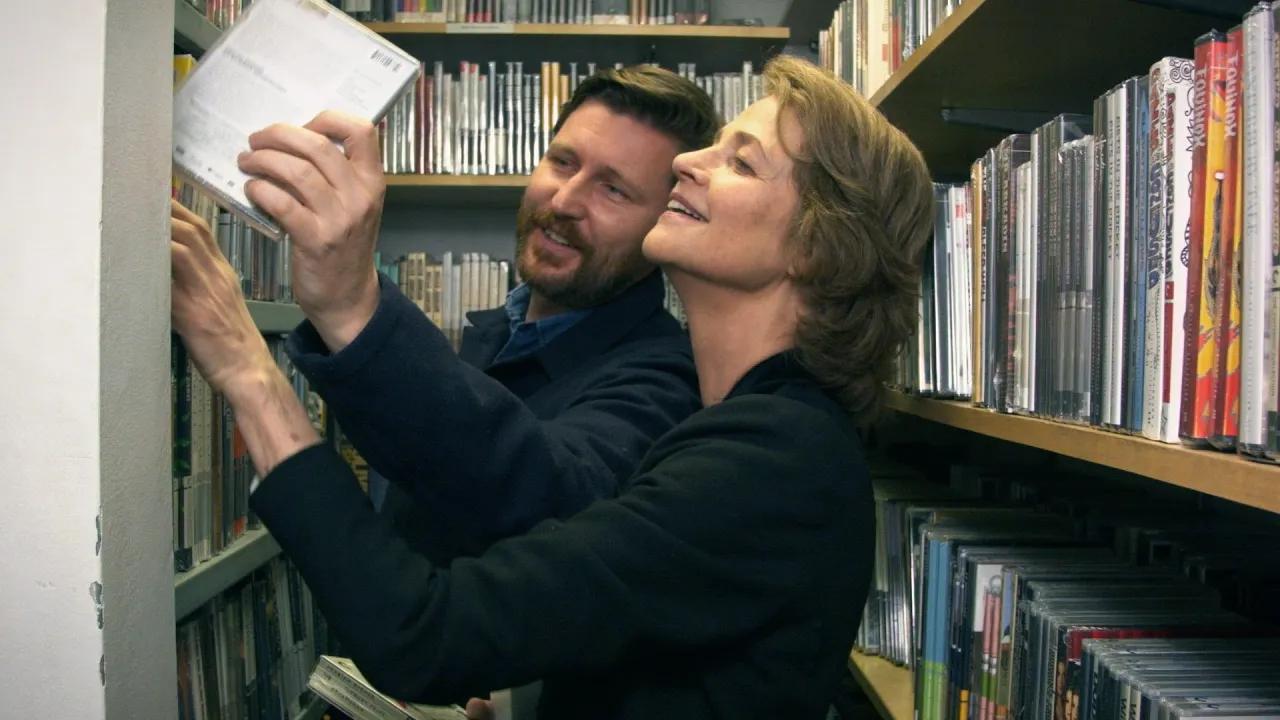
In the film 'All of Us Strangers,' director Andrew Haigh explores how unresolved childhood relationships with parents can impact one's capacity for adult romantic love, demonstrating that healing past family dynamics is essential for forming healthy adult relationships. The film uses a supernatural premise where an adult reunites with his deceased parents as they appeared when they died, allowing him to re-experience and reconcile his childhood memories, ultimately showing that love in all its forms—familial and romantic—are interconnected and that addressing childhood wounds enables individuals to embrace love fully.
All of Us Strangers: Behind the Scenes & Making-of Featurette
Added:Familiarity with the film's core themes of grief, parental loss, and LGBTQ+ identity in contemporary narratives.
Understanding the basics of literary adaptation, specifically how Taichi Yamada's 1987 novel 'Strangers' was modernized for this film.
An introduction to the directorial style of Andrew Haigh, known for intimate, character-driven realism (e.g., 'Weekend', '45 Years').
Basic knowledge of filmmaking terminology, such as cinematography, sound design, and character blocking, to appreciate the crew's technical insights.
In-depth analysis of cinematic techniques used to represent subjective reality, memory, and ghosts on screen (such as 35mm film choices and lighting).
A comparative study of the film against the original novel and the 1988 Japanese film adaptation ('The Discarnates').
Exploring the evolution of queer cinema and how modern filmmakers address intergenerational trauma and reconciliation.
Analyzing the use of magical realism and metaphysical elements in drama to externalize psychological landscapes.
1.3K views37likes22:47Original Release: 2024-01-07
you often single am I often single mhm supposed to you are you yeah but not for want of trying hello I'm Andrew Scott Ando I'm Paul mcll our new movie is all of us strangers and Market camera set and action all right no yeah yeah just hav hi Paul hi so was your first response to Andrew Hay's script my first feeling was that it was the most extraordinarily original script it is about Adam who is a screenwriter he lives in a new apartment Block in London I wouldn't say he's depressed but he's certainly kind of locked himself away from the world one night he meets Harry saw you looking at me from the street I've seen you a bunch of times coming and going with thread down Harry lives in the tower block with Adam he should be a lot happier than he is I think they're kind of loneliness mirrors each other this m and Dad yeah they died just before I was 12 I'm trying to write about M how's it going strangely he decides to go back to his childhood home and he comes across his parents who are long dead and he sees them as they did when they died so they are now younger than he is and a relationship starts to develop between him and his parents our boys back home everybody can relate to that idea of wanting to go back and to redefine what your relationship with your parents was that sort of starts this story for him where he starts to open himself up to find love so it's about his um two different forms of Love sort of familiar love that we all experience when we're children and then kind of romantic um adult love and how you those two things affect each other and how you maybe can't give yourself over to full adult love if you haven't reconciled some stuff in in your childhood I'm assuming you're not with anyone never see you with anyone Andrew Scott was Choice number one so he was the the sort of Perfect Adam so that was pretty much a dream that we got him there's very few people that could carry off a lot of the sort of internal emotions he has to play in this movie I liked the idea that that Adam's life was going in a good direction in like the '90s and the ughs and was feeling good and then it started to get more and more complicated as he's got older so he has stopped living within the world in any kind of productive way I'd always felt lonely this was a new feeling like uh Terror that I'd always be alone now I feel like all of Andrew Scott's choices and everything that I've ever seen have been nothing but interesting it's so satisfying to work with somebody that you've admired kind of from afar for so long and you realize oh there's nothing he is just I think perfect in this film drink Miss Japanese I think that's a good idea how about I come in anyway if not for a drink then for whatever else you might want Harry who in his mid 20s kind of hides behind being sex positive and sex forward and kind of fun do I scare you no we don't have to do anything if I'm not your tip Paul's just a great actor I think he has a really interesting mix of sensitivity and strength you don't need to be shy around me yes that's easier said than done would you like me to close my eyes yes please there was a spark to Harry and an openness to Harry that Adam doesn't have and I think you're always drawn to someone that offers something different than what you have I think they're both very uh vulnerable people they talk a lot about their experiences as children and I think it's one of those things where they immediately love each other thinking about you all e today was thinking about watching crappy TV with you on a Friday night watching all the episodes at top of the Pops from before I was born one of the challenges for me and Paul to play was uh how do you play chemistry without giving away too much biography I think both of us really like the idea of playing love it's a very beautiful thing to get to play so when you were thinking about Adam and Harry how did you first consider approaching that it's funny even talking about it now I I have such an enormous affection for them you know what I mean totally they feel like friends yeah exactly exactly that we don't see anymore yeah because they're not real they are fictional characters they're fictional characters you know chemistry exists on screen when the actors are good and they're both very very good actors so I was never afraid that there wouldn't be that chemistry they were funny because they became thick as thieves very quickly you're like wow they're just hanging out all the time they bonded incredibly quick and found exactly where they could sit with their characters and therefore how their characters might sit with each other in the film I suppose we take it for granted about how easy we found it cuz we were sitting on that bed laughing for for a lot of us which you know it's also didn't feel like it felt organic and it's only when we're talking about the film now that it's a takeaway that many people have but it felt like the building of a major a major relationship that I'm going to have for the rest of my life scared I know but I'm here with you should we go go where oh the project was originally based on a book called strangers by a Japanese author Tachi Yamada I've always wanted to work with Andrew so it was sympatico that Andrew really responded to the material as well and then really made it his own I have to say because it's it's a big departure from the book what I loved about it was this Central conceit about someone an adult and meeting their parents again when essentially they are the same age as him so I love that idea of basically meeting your parents reparenting again guess what I found Lin in the park is it him oh yeah it's definitely him yes it is you hi hi what I made sense of it as is that they are real for him and they are real in their own way and also in the way that dreams make sense if you dream of someone who was a loved one who's deceased it does make it any less real or important to you when you wake up the way that me and Claire specifically as his mom and dad who are technically apparitions is that we are just living in the moment we are not considering that this has a finite time on it that's what I loved about it when Andrew came to me is that it's just when your son comes home you're just so happy that he's there that you just you sink right back into the normal sea it's sobody lovely to see you again why sure we ever one Adam's C character misses his parents it's as simple as that and he has memories of his childhood obviously and has memories with them but they are fading as time goes on so there was a certain kind of mixture of memory and Nostalgia and desperate need and all of those things within this relationship so we essentially get to live Adam's Teenage life again with him as he's reimagining or reexperiencing his past God look at you you were just a boy and now you're not look totally different but it's still you the big question that people ask like was it weird to have people who are younger than you playing people that are older than you and not at all it wasn't in any way strange they both just embraced those characters so brilliantly I think all four of us really I don't know sound ridiculous to say but um really enjoy acting yeah some not all actors do act like I agree yeah I felt just felt like my job in it was to try and access the sort of boy part of me the childish part of me and they just made it so easy for me the ede thing kind of Never Felt odd we just treated him like he was our kid a kid that has all this life experience now all this perspective not sure I have much wisdom to share I don't know maybe Adam being older should be sharing some with us it's so funny Andrew Kenan came back behind the cameras a couple times to talk to me and CLA and I think it was on the first day and he was just kind of like it just feels so weird it just kind of feels like you're his parents he made everyone feel so safe and assured and after our first sort of rehearsal very brief rehearsal I just never really questioned it after that we felt like a family really weirdly we felt like a family yeah really bizarre yeah are you ready I'm going to press it Merry Christmas Merry Christmas you go Merry Christmas Merry Christmas good very nice have you got a girlfriend I'm gay as in homosexual as in uh that yeah yeah really yeah since when uh since a long time how long forever it gets complicated as the film goes on because his parents never really knew the real Adam and so he has to try and become known by his parents and that can be a troubling and difficult thing aren't people nasty to you no no uh things are different now was they aren't nasty not out lowed anyway I really connect a lot to a lot of us uh personally um being a gay person myself those experiences of hoping that your family will stay with you when you tell them who you are I think everybody wants to feel connected to their family they weren't Angels they were real people who if they were living now would be much older and have certain values inste of beliefs so they have to sort of evolve as the film evolves they say it's a very very lonely kind of Life they don't actually say that anymore kids to a certain degree are a reflection of what you manage to provide for them you know I think as a parent you don't want to make mistakes but you will you tell me not to cross my legs like a woman over and over and over again yeah I still still think about it every time I cross my legs and what I like about what Adam has to deal with is that we come to listen to him and come to respect him and then a way kind of come to set him free sorry I never came in your room when you were crying it's okay Dad I get it it was it was so long it was so long ago I felt very physically comfortable with them because I think a child would yeah as he gets to know them better he actually becomes much more tactile with them and as he's learning a new kind of physicaly with with Harry it becomes more physical as as the movie moves on and I think that's a really important important part of the storytelling I love them and I'll I'll think of them as my sexy m and Dad if the rest of my life as usual can i h now yeah please hello I'm Andrew sorry hello I'm Andrew Scot hello I'm Andrew scos and I'm Paul mcll and Oh no you're saying that yeah that was the line of lines a sweetheart you came back of course I came back when I was writing the script I was imagining a house and it just happened to be that the house I was imagining was my own childhood house then we got a location manager on so that process is one where you go fantastic it says in the script Suburban House sand is dead can you find one and the starting point was Andrew hag's original house he actually grew up in and who knew that we were going to end up filming in exactly the house where he grew up exactly where he was the age of the story initially I wasn't going to film it and then I thought okay but I want to set it in the area where I used to live which is just outside of croon it was a really odd experience being in there but I do think it helped the film I think it helped the actors I think it was fascinating for them to think that they were within the place that I used to be a kid in typically of Andrew he didn't really make too much of a big deal out of that um I kept thinking is this extraordinary for you and he was like no no it's you know just turned into a film set but it's an incredibly Brave thing to do it feels like we're given an opportunity to kind of fully immerse into Andrew's old life and and get to play these parts that he's written so beautifully for us it was a really unusual experience not one I'd actually repeat ever again I don't every want to go back there and then one thing that was really strange was sitting in my old bedroom and then hearing that the film crew all around setting up things talking about the scenes all that kind of thing and it was such a strange feeling to think that this is where I was when I was like 6 7 years old and the idea that you'd be back here all that time later filming in this house is so insane completely insane is this real does it feel real yeah there you go then the house was like a sort of capsule to the80s I mean it really was like going back in time the design team the costume team were sort of painstaking in their research when I went into Adam's childhood bedroom the there were so many things in there that I had in my own childood bedroom I was taking pictures them sending to my siblings going oh my God you remember this and um they just did that really beautifully it was easy for us all to recapture the ' 80s basically we've all got photos so we just looked at old photos from that time and saw how we used to look and what our houses were like and where we used to live you know obviously things from Andrew's childhood that he should have very specific albums that he wanted you know certain books of as dressing just bits and Bobs and you know all certain games that he' reference for the hairstyles and the the makeup Andrew heg didn't want to go avert the80s so when I initially did a mood board for him I did lots of very ATS style big perms big hair uh and he was like no no no let's let's not go typical cliché 80s let's just rain it back in I think everyone really enjoyed it because you know quite a few of the crew were around in the 80s growing up so we were all able to sort of put our own little stamp on it in there I would say it it was a really fun one in terms of that the rest of it was pretty much all shut down in sandstead which is just outside C we shot in the park it's always been there going have some wind blowing in these that will suddenly just like stop and you feel like someone's looking behind you you turn around he's kind of standing here there's a shopping center in Cen that I remember going to as a kid a lot Cen there's a slightly strange out of time feeling about it it's like a vision of the future that was made in the' 60s in London itself we did a little bit of shooting 68 take two action we're basically the only ones here can you believe that I mean they haven't got security guards yet the modern side of the film is in this giant Tower block which is in Stratford in East London it's such a key part of the story because it really symbolizes the characters feeling very disconnected from the world so we all had a real vision in mind um and then it was very tricky to to find the right thing so we did have to build it as a set having scouted about 800 tower blocks I like shooting on location as well as my preference I much much prefer it but it's very hard to shoot in a high-rise apartment because they're a nightmare to light and you need to have lights outside and it's very very difficult so I knew we were going to have to probably build a set for that the question you always have is what's going to be outside that apartment and in the olden days one might have put what's called Green Screen there which means you can drop in an outside environment we had a new technique on this which was just a myriad of extraordinary TV screens all locked together we shot plates from the apartment block that we were basing off apartment block on and then they became the backdrop that was on this led wall that surrounded the apartment that we built on the set you're giving the actors context on what they can be experiencing outside they can use that to plant their performance just to be able to to take a completely black studio and then you're creating the most intimate of scenes where anybody who watches it would never question what's beyond the the the walls of the set there's such a beauty and an honor to that you I think that when you live in of those apartments it's very easy to feel very isolated from everybody else and feel like there is nobody else for both of the characters they feel like they they've been pushed away from home for various reasons and that leads I think to a kind of sense of isolation in your life I don't go home much that makees you sad I've always felt like a stranger in my own family suppose I never did know what was going on in that odd little head of yours you you're always running away do you remember yeah I took a pretty naturalistic approach to how the film is shot we shot on 35 nobody ever wants to shoot on film cuz it's expensive but for me it was really important it has film inherently has a a texture and a feeling and this is a film about the past you know they listen to records and they are looking at photographs and it sort of is a way to access the past I think if you shoot it in a certain way that doesn't feel like pasti or anything but just allows you to feel like this is closer to memory it's funny doesn't take much to make you feel the way you felt back there again skin overall I felt it was important to be able to represent this idea of memory and Nostalgia because that's such a big part of it you know the idea that there's this sort of gilding that that one puts on a memory that I thought this is also something I wanted to represent in the cinematography you're dealing with the real world in a very surreal layer on top of this world and that was another element that I really I felt I I I needed to represent in some Manner and I thought perhaps that could be more the way the image felt in terms of lighting and perhaps the lens choice and things like that it's definitely got a kind of tone to it that you know we've worked on in terms of how we do the sound design wait you promise me you're not going to go out now I promise you have to be a filmmaker when you're making film schools you have to think about what the film is saying and what's the best way to serve that coming from the conversation with Andrew about the nature of memory when you remember something it's never fully clear it's often also small element of one day that you're going to remember specific element and and the rest is a little bit blurry a little bit harder to Define and it felt right that the music had this sense of not being fully real not being fully anchored with our reality but really helping the audience to drift off in a sense of like a dream like quality what was super important editorially was to have this feeling of dislocation Adam goes down to the park he sees his father and it's this kind of odd sense of is this happening in real time is this who is this person you're asking questions of about who this person is but also where you are in time for an audience if you can get them to be part of that Journey that makes for a very successful film you're active with with the main character you're feeling their feelings in a sense and you're discovering all the things that are new in front of them with them will you come with me where to I think that the Journey of a man who is essentially isolated and has built a world of isolation due to bement at a young age his journey to love feels incredibly positive the truth of the film to me is I spent a lot of this film incredibly happy yeah like the sadness of the film is in the tone and the style of Direction but a lot of our stuff together Absolut I think we had to consciously play against the sadness of it but ultimately they're beginning an incredibly healthy relationship the love stories are beautiful and great and how we should embrace love and and take that risk and gamble on it cuz you never know like where it can send you and that's what's so exciting and thrilling about it are you in love with him I don't know I've never been in love before so I don't know if this is it you think you'd like to be in love with him Andrew's film is very specific and it's very personal to him the journey I think that it has really Universal themes I think we've all had people in our lives that perhaps we'd like another chance with and that's what I think is beautiful about the film it is telling a wider story about relationships and parental relationships and being a kid and and also romantic relationships and it is about love and in all its forms and how they're interconnected there's no doubt in mind that I think queer audiences will respond to it because you know this of the subject matter the isolation of uh being a gay person in a family but it's also just about families as well absolutely it's a film about Human Experience probably rooted in the queer experience to me yes exactly and that's not as we're as we're much more similar to each other than we allow ourselves to believe so I hope films like this just really just blow that I think it would be incredibly disappointing to me if this was a film that simply existed and I don't think it will exist in the queer lexicon of queer Cinema it's dealing with way more than just that it's Human Condition life it's about life and love and grief yeah I think there's a very beautiful extraordinary film here that is unlike anything else and I'm excited for audiences to see that the films that I like and the films that I want to make lead to more questions when the film is over I want people to lead leave the cinema and think about their own relationships both as a parent as a child as a partner you know as a friend whatever that might be and how this film might reflect on their lives like that so that's the kind of thing I love when you you know 4 days later suddenly remember something in the film and go you know what maybe I should call my mom or maybe I should be nicer to my boyfriend or maybe I should do this or whatever that might be I want to go out you and me together into the [Music] world [Music] [Music]
Up Next

121:05
Chill Japanese Hip-Hop Playlist for Focus & Relaxation | Study Beats
@YorimichiRadio-b4p
3.6K views•2026-04-22

12:54
Triumph of Orthodoxy Icon: Byzantine Art & History Explained
@BenCallan
2.1K views•2024-08-06

9:49
FastAPI vs Flask vs Django: Choosing the Right Python Web Framework
@TechWithTim
302.5K views•2024-05-26

1:42
Game of Thrones Opening Credits: A Cinematic Analysis
@gameofthrones
46.3M views•2011-04-18
Related Study Plans & Knowledge Roadmaps
Structured learning paths in General & Interdisciplinary Studies
general-studies
Elevator Engineering: History, Physics & Cities
01From Hoists to Safety Brakes: The Dawn of Vertical Lift
02Hydraulic vs. Traction: The Engineering Physics of Elevators
03Modern Speed, Safety, and Algorithms
+ 2 more learning modules
12h5 modules
Explore Roadmap
general-studies
Rubber: Material Science, History & Geopolitics
01Origins of Natural Rubber & Mesoamerican History
02The Chemistry of Natural Rubber & Vulcanization
03The Geopolitics of the Rubber Boom & Colonization
+ 2 more learning modules
12h5 modules
Explore Roadmap
general-studies
Containerization: Evolution, Logistics & Trade
01Ancient Trade & Bulk Cargo: Amphorae to Barrels
02The Industrial Revolution & Cardboard Packaging
03The Containerization Revolution: Malcom McLean
+ 2 more learning modules
12h5 modules
Explore Roadmap
general-studies
Textile Tech: Evolution, Labor & Global Impact
01Pre-Industrial Textiles: Handloom & Cottage Industry
02Mechanization: The Spinning Jenny to the Power Loom
03The Factory System & Global Labor Transformation
+ 2 more learning modules
10h5 modules
Explore Roadmap