










Succession's cinematography creates a deceptive illusion of spontaneity through masterful blocking, precise camera movements, and calculated framing decisions that appear loose and reactive but are actually extremely planned and rehearsed, with camera operators executing timed zooms, focus pulls, and free takes that blend seamlessly with rehearsed sequences to achieve a naturalistic documentary feel.
Succession's Cinematography: How the Camera Deceives You
Added:Understanding the fundamentals of camera movement, including pans, tilts, zooms, and the difference between static and dynamic framing.
The concept of 'blocking' in film and theater, which refers to the precise placement and movement of actors within a given space.
The history and aesthetic of 'Cinéma Vérité' (observational cinema) and how documentary-style filmmaking differs from traditional Hollywood continuity editing.
The fundamental role of the Director of Photography (DP) in translating psychological subtext and character dynamics into visual language.
Exploring 'Active Camera' techniques, where the camera operator acts as an active participant or observer in the scene, adapting dynamically to actors' improvisations.
Analyzing visual subtext and narrative deception, specifically how cinematography can contradict or undermine the spoken dialogue of characters.
A comparative study of mockumentary/handheld styles across genres, contrasting the comedic use in 'The Office' with the high-stakes dramatic tension in 'Succession'.
Practical scene deconstruction: Applying these principles to analyze and storyboard a sequence that uses deceptive camera work to manipulate audience empathy.
261K views7.1Klikes8:33Original Release: 2023-04-28
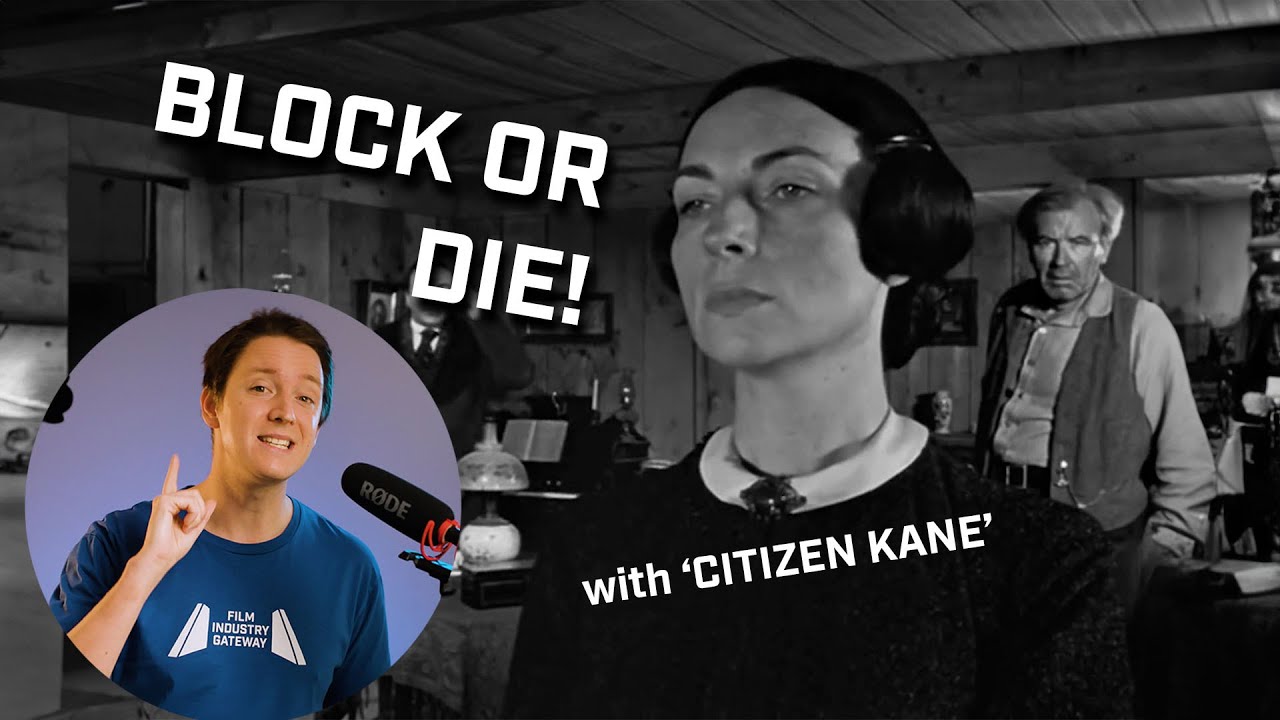
while watching succession it's easy to get caught up in the lies betrayal and comedy of This brilliant show it's just so expertly written directed and acted that its technical prowess and visual Mastery is subconsciously easy to miss but the way this show looks and moves is such a key element to why it works and it just might be one of the best looking shows HBO has ever produced your brain registers that the show looks good but it's shaky handheld nature creates a bit of a visual Distortion feel a basic interpretation of the show's visual language is to call it pseudo doc due to its crash zooms and shaky cam but I think this severely diminishes the amount of thought and intention that goes into the cinematography you see this is a show that is all about deception and just like the characters succession cinematography tricks you into thinking it's loose and reactive but never for a second think that shots like this are anything but masterfully crafted thank you [Music] I noticed during the show's arguably best episode one of the main things that I think makes the visuals work so well it's the blocking or more simply the position between the camera the characters and objects within the frame blocking allows you to understand power dynamics and relationships between characters along with the significance of objects within a frame it's the job of the director and a cinematographer to block a scene to position things exactly where they want them if this was a real documentary the camera operators would have no control over where people move everything would be reactive but this is scripted television so they can decide exactly who goes where and why to craft a frame that is exactly the way they want it take this scene when shiv is talking to reporters Kendall and Roman are standing behind her so both can be seen in the wide shot a simple frame but when they cut to a close-up of shiv Kendall and Roman are now touching shoulders they were deliberately moved here so that Kendall wouldn't be covered by shiv's head this is the intentionality of the framing and it's just one example of hundreds of micro decisions like this that happen every episode decisions your brain doesn't even pick up on but they all amalgamate to the show's Beauty even takes that seem like long uninterrupted sequences are all rehearsed and shot multiple times just to get the timing right while you're watching the show pay close attention to the sequences of events and how people come in and out of frames how characters answer phone calls how extras move in the background this stuff blows my mind because it comes off so Perfectly Natural but anyone that's ever shot scripted TV or film knows this is insanely time consuming in fact is probably even more difficult than normal cinematography because not only do you have to block your actors your camera operators have to know when to do their zooms when to move when to punch in when to move back all of the focus pulls have to be timed perfectly so you might be wondering how do they make it feel so spontaneous we're going to dive into that right after this quick sponsor break from storyblocks are you looking for a One-Stop shop for all of your video creation needs well look no further than storyblocks with over a million 4K HD footage Clips templates music sound effects images and more their curated professional content is the perfect way to make your video stand out I also think it's a fun way to mock storyboards for your videos and even block a scene using stock footage that way you can share this with your cast crew or client to show exactly what you're going to create and with unlimited downloads you can experiment with different effects clips and tracks to bring your Creative Vision to life plus new content is regularly added so you can always stay current with Trends and news storyblocks also offers predictable subscription costs with their unlimited library for one set price no more expensive pay-per-clip pricing or hidden fees with their clear-cut licensing and comprehensive coverage you can create with confidence knowing you're fully covered so head over to storyblocks.com Patrick tomasza or scan this QR code to sign up today sponsors like storyblocks let me make videos like this so thank you to them for sponsoring this video and to you for watching let's get back to the video now despite all the planning and preparation that goes into the blocking for the cinematography in succession there's also room for spontaneity the show employs a technique called the free take which allows the camera operators to capture spontaneous reactive moments that might not have been planned but we have these camera operators you know we used to do on it we didn't do it so much but we would do a take for the camera operators so we used to do this freebie which was for the actors yeah and then we would do one for the operators and they would pick up the most extraordinary things that would get used in the show after these free takes you got to think about how crazy it is to get into the edit because now you have all this perfectly rehearsed and blocked sequences on top of that you now have all these free handheld shaky Zoom stuff that you need to mix perfectly together to give it that spontaneity and naturalistic feel they're making cinematography decisions even in post which is unlike any other show on TV right now they even took this concept to the extreme in season 4 with Conor's wedding running the entire sequence of events following Logan's death in real time like a play with the what if we actually ran that whole sequence just one once we've done everything else a challenge that was further Complicated by the fact that succession shoots on film we can only shoot for 10 minutes and then the cameras be physically reloaded with the new role of films and the camera approaches worked on this idea of basically hiding walls of film around the set and hiding a third camera body during super fast reloads that one camera would always be running so they wouldn't have to reload at the same time and I think a massive percentage of that ended up being in the Final Cut and when it comes to lighting you got to think about how they have to block a scene lights have to come from essentially one or two sources so that you can move that camera freely throughout the room and people are still lit properly and we need to talk more about how this show is shot on film very few TV shows are shot on film anymore due to the cost and the increased difficulty of working with actual celluloid and I'm not someone that typically argues that film is better than digital especially in a show with a visual format that would be so much easier to shoot digitally but I have to admit that the color palette of succession is gorgeous the show is shot on Kodak Vision 3 500t and in conjunction with very carefully planned art Direction and wardrobe the pale and metal like quality of the character suits and office furniture really contrasts well with how this film stock warms up skin tones with Reds and oranges I actually wonder if they took any visual inspiration from Roger deakin's work in The Company Men Roger shot it on the same Kodak 500t and it's also about office bureaucracy and politics in America it's not the best movie but if you're into the look of succession I think you'll really enjoy Roger's work in this film but all of this is to say that even though succession looks simple and Loosely shot like a handheld haphazard documentary it just isn't true succession is a well-crafted masterfully framed and filmed work of tell Vision that deserves immense praise for its ability to trick you into thinking it's all voyeuristic rather than calculated just like the characters in the show the filmmakers have never truly revealed all of their cards to the audience everything you see is only what they want you to see and that is precisely why it looks so damn good foreign I think succession is the best show on TV right now and we live in a world where there is a lot of great Prestige TV online and I don't want to ruin your viewing enjoyment of a show by breaking it down or over analyzing it but I think once you start to pick up on how crazy it is and how intricate all the blocking and details are in an episode of succession you just start to like the show even more because not only is it well written and acted it's also well made and shot and so it all kind of encompasses into this great brilliant masterful piece of work I am sad that it's ending but I'm also happy that it's ending on a high note but thank you again to StoryBots response in this video and thank you for watching my name is Patrick and you will see or hear me next time I feel like making the video cheers [Music] oh [Music] [Music]
Up Next

16:33
Cinematic Analysis of Portrait of a Lady on Fire: Midpoint Scene
@LessonsfromtheScreenplay
368.1K views•2021-05-27

20:12
Unfriended (2014) Screenlife Horror Film Analysis and Review
@theboredcyborg
372 views•2019-08-20
4:55
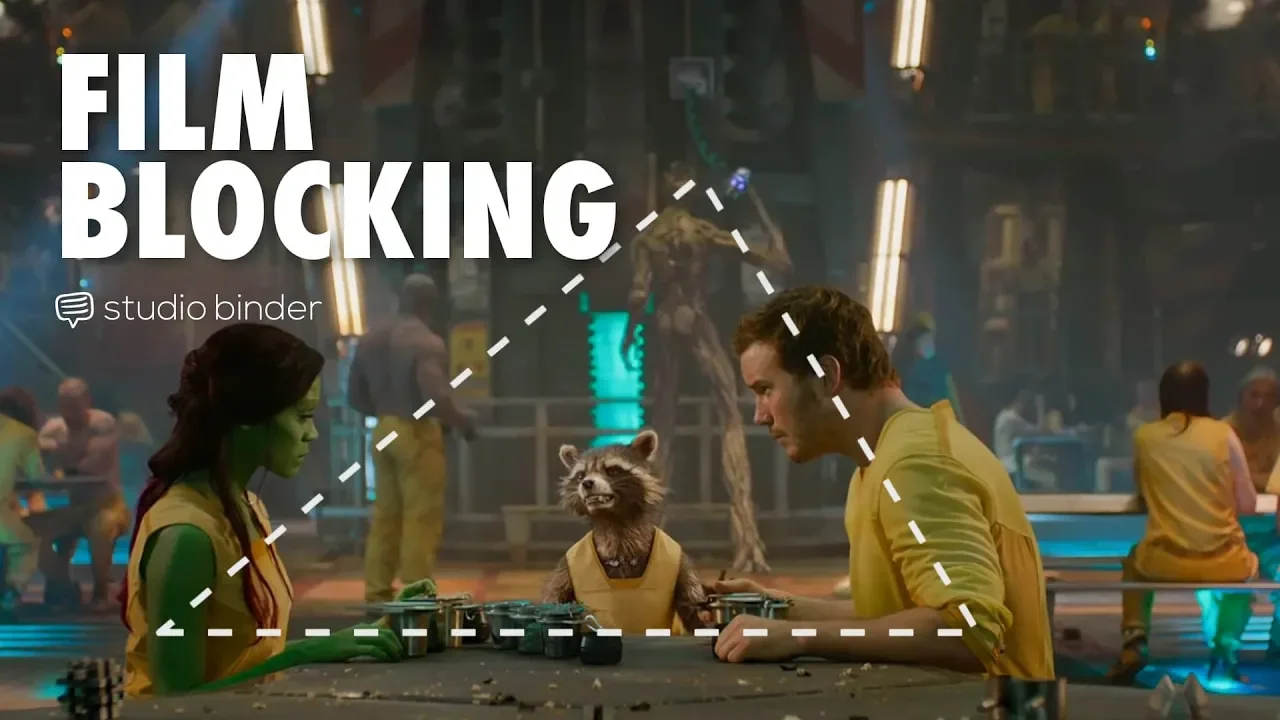
Film Blocking Techniques for Directors: Space, Shapes, Lines
@StudioBinder
1.9M views•2018-07-23

4:00
Evolution of Darth Vader: Anakin Skywalker's Animated Journey Across Star Wars Films
@TellItAnimated
13.4M views•2019-03-30
Related Study Plans & Knowledge Roadmaps
Structured learning paths in Film Analysis
film-analysis
Sensory Cinema: Foley, Haptic Sound & Texture
01Introduction to Film Sound and Foley Artistry
02Micro-Sounds, Textures, and Extreme Amplification
03Haptic Audition and Film Phenomenology
+ 1 more learning modules
12h4 modules
Explore Roadmap
film-analysis
Breaking the Fourth Wall: Mockumentary & Satire
01The Invisible Wall: Basics of Cinematic Illusion
02Looking at the Lens: Direct Address & Character Glances
03The Mockumentary: Satire, Realism, and Complicity
+ 2 more learning modules
12h5 modules
Explore Roadmap
film-analysis
Analyzing the Long Take: Cinema, Space & Ethics
01Foundations of Film Grammar: Montage vs. The Long Take
02Choreography and Mechanics of the Simulated One-Shot
03Phenomenology of Film: Real-Time Spatial Continuity
+ 1 more learning modules
14h4 modules
Explore Roadmap
film-analysis
Anachronistic Music: Period Drama & Subversion
01Foundations of Film Sound and the 'Needle Drop'
02Traditional Authenticity vs. Revisionist History
03The Rise of the Anachronistic Soundtrack
+ 2 more learning modules
12h5 modules
Explore Roadmap