

















Dialectical Behavior Therapy (DBT) promotes emotional regulation, distress tolerance, and mindfulness for adults with ADHD through its core skill modules: Core Mindfulness (observe, describe, participate), Distress Tolerance (TIPP skills: temperature, intense exercise, paced breathing, paired muscle relaxation; STOP skill: stop, take step back, observe, proceed mindfully), and Emotion Regulation (ABC skills: accumulate positives, build mastery, coping ahead; opposite action). DBT addresses the biosocial model of ADHD, which includes biological executive function impairments and social invalidation, by teaching skills to manage pain skillfully (pain is inevitable, suffering is optional), cultivate wise mind (integrating reason and emotion), and develop compassionate detachment. These skills help ADHD adults navigate common dialectical dilemmas such as poor concentration versus attention demands, frustration tolerance versus emotional reactivity, and interpersonal chaos versus effectiveness.
DBT for ADHD: Emotional Regulation & Mindfulness Skills
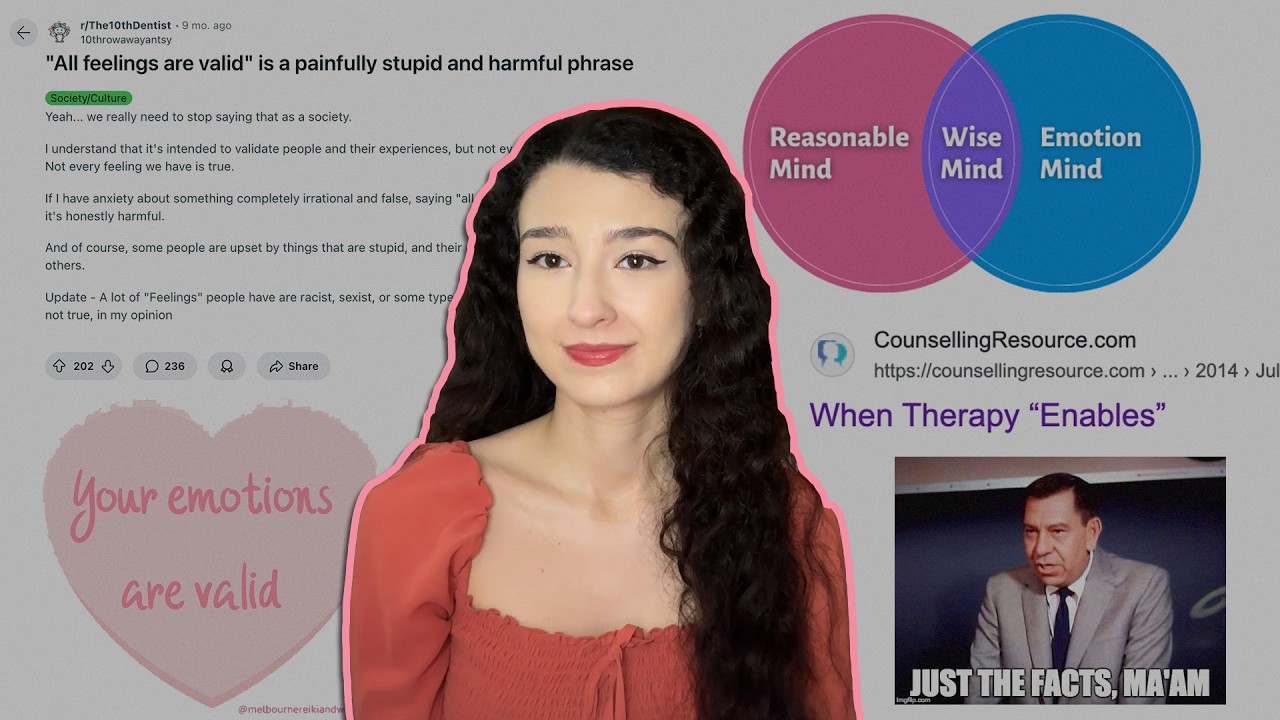
Added:hello everyone I'm Carol Fleck and on behalf of the attitude team I'm pleased to welcome you to today's ADHD experts presentation titled how dialectical behavior therapy promotes emotional regulation distress tolerance and mindfulness leading today's presentation is Scott Spradlin Scott is a licensed professional counselor and trained provider of dialectical behavior therapy or DBT he is co-director of witch DBT at Northstar therapy along with his wife Mariah they provide modified DBT for adults with ADHD their new workbook on DBT for adult ADHD is scheduled for release in 2026 DBT teaches people how to manage their emotions impulsivity and stress through four basic skill models DPT programs that are modified for ADHD also integrate skills to improve executive function in today's webinar we'll learn how DBT is used to benefit adults with ADHD Scott will also address specific problems that were submitted by a few folks in advance of the webinar and just so you know attitude has another webin webinar coming up that's focused on DBT but this time it's DBT for children it's on November 19th visit add tag.com weinar to sign up we'd like to begin today's webinar by asking two poll questions to our live audience which emotional regulation struggles do you need help with most and which treatments or supports for ADHD have you tried please select your answers and comment in the text box under the video player to tell us more for answers to Common webinar questions about slides transcripts and certificates of attendance click on the FAQ tab of your webinar screen if you support the work we're doing here at attitude to strengthen the ADHD Community we encourage you to visit attitudemag docomo magazine sign up today and you'll get our very special winter issue we ask leading experts how can people with ADHD make their work life better and even though it may be risky should they disclose their ADHD at work plus a clinician advises on how to better evaluate autism in adults and this is especially timely you'll find proven strategies to beat winter depression so sign up for attitude magazine today for yourself or to share with a teacher or a loved one who could benefit from greater ADHD understanding click the magazine tab on screen to learn more attitude is also excited to announce a few new resources our latest download on DBT for for ADHD is a great option for those looking for a deeper dive into today's topic and our new ebook the adults guide to Stronger executive functions share strategies to boost emotional regulation working memory and more check out these resources using the L links on screen and on our homepage at attitudemag dcom finally the sponsor of this webinar is inflow are your emotions taking you on a roller coaster that you can't control you're not not alone for adults with ADHD managing feelings can be tough that's where inflow steps in it's expert designed app based program offers practical techniques to help you identify thought patterns regulate emotions and boost your overall well-being with inflow you're not just surviving you're thriving ready to take charge of your emotional world for good click the link on screen to take inflows free ADHD quiz today and kick off your self-care Journey attitude thanks are sponsors for supporting our webinars sponsorship has no influence on speaker selection or webinar content so without further Ado I'm so pleased to welcome Scott spadin thank you so much for joining us today and for leading this discussion thank you Carol thank you for your introduction and I am very excited to be here I'm grateful to attitud mag.com for having me here I'm also uh would like to acknowledge Russell Ramsey for facilitating this uh connection so thank you Russell If you happen to watch this I really appreciate the opportunity to share about DBT and how it might be helpful with uh mitigating executive function impairments are so common in adult ADHD so um what can I say you've already mentioned that you know this this is a passion of mine I just want to say this briefly as a also as a ADHD adult who happens to be an intensively trained a DBT therapist um I'm very much enjoying the labor of love of integrating this as a treatment for adult ADHD and that's also going to you know be um I think some way shown in that forthcoming workbook in 2026 on DBT for adult ADHD so we're uh really excited to be able to get more information out to the public about DBT in general you know in just a quick history of DBT for those who don't know because I I know that most of the viewers here today probably are familiar with the neurobiology of executive function impairments and so we don't need to go into all that in detail but um on the DBT side of things it might be a little different and not overdo it just quickly DBT originated and emerged as an effective treatment for chronically suicidal borderline persons developed by Marshall Lan and her colleagues at the University of Washington since then jumping forward making a very very long story very very short I hope you know over the years DBT has become a um has been modified by other judicious clinicians and researchers to address other diagnostic constellations as I like to call them that have as a major feature emotion disregulation issues and for our attitude mag.com audience we know uh we're familiar with the fact that emotion disregulation is a big issue uh with ADHD and those of us who are adults we have trouble starts in childhood of course but even as adults we have trouble regulating your emotions and even though that's not part of the diagnostic criteria to date in the DSM we know from uh all kinds of literature and from Clinical experience and just from L experience and is getting a lot of notoriety in public discussions that emotion disregulation is something that really needs to be uh recognized and addressed as part of this problem and that we're not just having Focus or attention problems they're strictly cognitive but they're also body-wide problems with emotion disregulation so um you know here here we are just take a quick overview this is a slide developed by my wife and co- director which DBT Mariah um we're not going to go into these in details but just again to remind us about all the executive function challenges that an ADHD adult might face in day-to-day life and these all have for adults of course major implications of quality of life even longevity and overall health and I'm happy to say that there's these are absolutely Prime for being targeted with DBT principles and practices um DBT is in its classical structure it is a comp comprehensive therapy we don't have a slide for that but I will say that the the standard comprehensive DBT program would include uh in getting the client involved with individual DBT therapy they would also be attending DBT skills training simultaneously the DBT therapist will be participating in a DBT team consultation uh weekly is a way to help them um stay skillful and stay within a dialectical frame framework and to stay within the structure of hierarchies and targets and all the other things that we do in DBT uh and there may be some ancillary pieces that would be added to that in the standard classical comprehensive DBT which we would call adherent DBT underneath all of that there's three major paradigms DBT that I thought would be worth mentioning to our audience today of course the first one would be the D Cy about dialectics because that's the D in DBT so this is important what is that what's that all about and this is also um well the dialectic the main dialectic in DBT is the tension between acceptance and change and acceptance and change are the other two major paradigms in DBT so as goes acceptance and change which I'll mention here quickly because I'm going to unpack dialectics as thoroughly as briefly as possible but in DBT the dialectics are really about identifying polarities in day-to-day life so tensions it often manifest themselves in All or Nothing kinds of propositions in terms of the way we think about the world or interpret the world extreme relationships with our emotions perhaps oscillating between ere expression to over control and not really hovering somewhere uh in the middle and we're all familiar with some of these kinds of problems if we have some experience or knowledge of cognitive behavioral therapy DBT is a cognitive behavioral therapy with that I of mindfulness validation strategies but acceptance is an important piece of DBT and we'll we'll unpack it a little bit as we get into the distress tolerance uh slides but I wanted to say up front that Acceptance in DBT doesn't have anything to do with u approving of say unfavorable conditions or approving of executive function impairments or problems we have but rather simply being square with and knowing what our limitations and problems are truly acknowledging those acknowledging reality also situations are in in order then to be able to turn our attentions toward this um our self activating and our self-regulating which is so necessary to build a life worth living through change strategy So today we're going to talk about mindfulness and distress tolerance which are primarily on the acceptance side of this dialectic and this Paradigm and we'll talk about emotion regulation skills which are primarily aimed at change strategies and how do we build resilience while reducing our vulnerability to maybe being under emotive but also when we are over emotional and our emotions are running our life so to speak and just a little bit more about dialectics it's basically our word for um conveying an idea about wholeness systems the way that parts and the whole relate with one another the you know considering context in which the ADHD adult finds themselves and how they have been shaped by their upbringing their physiological development but also their Social Development and what's the identity that they carry with themselves in dialectics we'd say our identities are relational we're shaped by transactional feedback that we get from a very young age up till now and we in introject we in um we kind of integrate these into our way of thinking internalize invalidation and that becomes a problem we'll talk a little bit about that today but again parts and holes change in relationship you know so even you know though certain behaviors are very adaptive in some situations are not adaptive in others my sense of belonging or alienation changes from one situation to another including the therapeutic relationship and how that Rel ships influencing motivation skill building through reinforcement and coaching and so forth and said dialectics is about identifying polarities that either or uh polarities that we find ourselves in every day and to give you a few examples of what these polars might look like we're pulling from the work of Alexandra philipson and she has constructed these dialectical dilemmas for ADHD and they just seem quite resident with myself and my clients that on the one hand we struggle with ADH we struggle with poor concentration distractability no doubt the uh other side of that the Dilemma or the polarity would be well I need to be super duper attentive uh folding somebody into a DBT program or approach to treatment would involve coaching them in mindfulness skills to help them amarate these problems of poor concentration distract ability another dilemma polarity would be the frustration and tolerance that so many of us are familiar with you know we easily irritated and angered which overlaps with the emotion regulation domain and we are in desperate need for some distress tolerance skills and how do we do that and how do we stay present to some aversive thoughts and feelings and experiences and challenges for the sake of a greater good of in terms of our acting for our best interest in the future and again in what DBT would call a life worth living and acting in our own interest in the present moment we also have problems with emotional uh libility and I apologize for that saying liability but we do mean lability especially in anger and this is something that resonates with many of my clients clinically and otally I can say when we talk about emotion regulation this is the anger is a major struggle for a lot of our ADHD adults and we've heard a lot of our attitude mac.com speakers talk on this subject as well it's very important anger can be devastating to relationships particularly if it's un unpredictable not part of like kind of General day-to-day characteristics as a problem so there's also a need for emotion regulation which is not about stuffing or eradicating emotions rather about like how do we dance effectively with our emotions and we'll impact that a little bit here in a few moments also and one more dilemma of polarity would be there can be interpersonal chaos and on the other side of that would be um interpersonal Effectiveness how can I be effective in my relationships given uh all of these executive function impairments I have the way I think others might think about me the way I think about myself my issues with impulsivity and we will not be going into interpersonal Effectiveness today because you know for the sake of brevity and I really wanted to hit some of the more immediate concrete self-regulation tools of core mindfulness distress tolerance and emotion regulation but rather than you know again going into being stuck with either interpersonal chaos in the one hand or you know the polarity perhaps being I'm being a button down plating an appeaser to others perhaps you know even kind of treating myself as an adult child rather than as an adult in my adult relationships look for Middle Ground there in a synthesis we find through skills of interpersonal Effectiveness so we can contain some of that chaos that we might be subject to and big Targets in for adult ADHD include uh learning attentional regulation or improving attentional regulation as well as getting some help with task initiation Inc completion regulating emotions and of course increase iny pulse um you know regulation and control so the traditional DBT skills as mentioned earlier when Carol was introducing me to all of you uh include core mindfulness which would be the Hub if you will of DBT skills around which we build all the other practices those all flow from core mindfulness as we learn to be more attentional more intentional and deliberate in reducing our reactive judgments and so forth and these skills flow from that but then they come back they flow back within it it's kind of a recursive uh process it's very systemic which you uh will experience if you participate in a more comprehensive program scaling it down today for our purposes I want to look at core mindfulness including wise mind distress tolerance skills uh and emotion regulation excuse me so I want to start with welcoming you to wise mind in DBT it's one of my favorite things about the model is that it um assumes that all of us have wisdom that all of us know how to live especially if we are paying attention and so what you see here in our Vin diagram is we have our reasonable mind which is a in this construct that's basically that part of us that we all have which does the cool rational cast driven more left hem sphere if you want to think of it that way we do more lists logic linear thinking as Dan seagull would refer to this but this is our Mr Spock scientific officer side of things this is where we do our accounting we know north and south and east and west left and right and so forth um and we also all have a mind State we refer to is emotion mind which is the hot part of ourselves and is mood dependent and it's also very emotion focused and DB we don't we don't discard emotions we don't treat as lesser thanin reason you know discursive reasoning isn't trumping over the emotions we want them actually talking to one another but when we are strictly in Emotion mind we know because that's when we're are most impulsive and by the way that's often you know for a lot of folks that would be when we're overrun by extreme anger disproportionate anxiety and irritation or other imp FY behaviors and we're being ruled by our moods and urges and we're kind of forgetting about that scientific part of ourselves uh I would also include here for us ADHD adults a tendency toward the what other what the cognitive behavioral therapists have identifyed as as overly optimistic cognitions where we uh are invited to yet another get together or project and we're excited and enus and we say yes to it and and we're not being attentive to the calendar the realities of what we can handle and we're letting that mood that excitement enthusiasm sign us up for all these extra things to do which we can't possibly uh handle later so in to achieve wise mind we practice our what and house skills which we're going to get into here in a little bit give you an overview of that but our idea here is that we want to integrate our reason and emotion with one another and almost transcending those as well but also bringing in um intuition and acknowledgement of values what is it that we value as goes relationships things we want to accomplish in life our self-care and so forth so we'll often talk about in DBT as we review problematic behaviors how does it fit with our wise mind values was I acting from Wise mind or is I become more skillful with the ski with mindfulness I become more attentive and I can be more u i can get more early detection of escalating motion and I can intervene earlier in a chain that's a great time to say this might this is my opportunity to go into wise mind what's the wise course of action here and some of the ways that wise mind is expressed tied in with radical acceptance it would be um we could say it is acting wisely knowing how to live sagaciously when we are listening and by the way um this is a phrase that I've uh I derive from Russell Ramsey also he didn't realize I shared it with him but this is a DBT is both aspirational and tactical which is something I think we ADHD adults need very much it's aspirational in that wise mind is that aspirational uh element of ourselves what do we want to do what what's the kind of life that we want to have or reflect upon if we get to live to be 100 and we reflect in our lives and we want to we want to have a sense of satisfaction and do we want to be filled with love to be filled with various accomplishments or you know kindness or whatever that might be uh need to stay connected to our aspirational and the aspirational also include some accountability elements so why is it important to do really dull and boring task uh because they may have something to do with our income our livelihood and what we may be able to contribute to people that we care about we love wise minor radical acceptance tying together also in terms of how we can practice acceptance of self so that we can integrate the reality of our neurodevelopment developmental deficits as part of you know who we are as a whole person it also can help us cultivate compassionate Detachment where we learn to watch some thoughts and feelings without reacting or reducing our tendency to react and um I have a reference here to watching the bonfire or the mosh pit without jumping in and one of the one of the pictures we sometimes we'll talk about it's like sometimes thoughts and emotions could be so jumbled it's like watching 12- foot gorillas having a mosh pit around a big bonfire and they're all trying to get you riled up and get you to join in but if you just watch and if you're patient they settled down they get bored and they subside and then you can move on to doing uh the next right best thing that would make sense for you in your situation and with the wise mind and self-acceptance too tying in here just a little bit of the DBT biosocial model and how this applies to understanding ADHD we basically say uh look on the one hand on the bio side of things um you know you uh have you know been you were born with executive function impairments which are those physiological Pathways which uh work differently or have certain deficits or impediments uh that are problematic and then um so you will probably need a different set of skills or enhanced skills or scaffolding and support as you age up especially into adulthood but if that's not seen if that's not noticed or diagnosed so many of us that are adults being diagnosed we um we often don't um know our families don't know so they can't they don't have the insight to those uh those realities then they then they were left with a lot of outward criticism about you know your head is in the clouds or we're lazy careless and so forth and so uh on the social side we're getting these messages from our caregivers where we're not given a language for our emotions or given sort of understanding and acceptance language about our behaviors uh as well as scaffolding so forth and so that our environment may let us down this is not abuse or neglect per se although that happens with some folks that there's a failure then to teach realistic problem solving to uh ADHD persons with the executive function impairments and without those skills then we're we're really setting for some big problems especially as we age into adulthood where as we all know uh Stakes of work and marriage and career and mortgages and all that become much more serious than some of the more U you know some of the leeway that we're given when we're a child and not you know those problems are not seen as problematic because the the consequences aren't as serious we're still at home with parents and others are providing for us why is my self-acceptance also help us begin to develop uh counters for internalized self- invalidation that we've brought in from our environments over the years and I think there's probably some tie in here for the phenomena of rejection sensor Foria so um a little bit about core mindfulness and how you practice this quick overview with our color ful handout here your slide we have two sets of skills for core mindfulness the what and how skills and these are our vehicles for increasing attentional regulation they're also our tools for in our our vehicles for cultivating wise mind and um on the what side you see we have these big bullet points called observe describe and participate and observing is simply that it's I'm I'm practicing seeing what's happening externally within my environment the behaviors of others I also can bring the observation internally I know is a thought or judgment I have I notice my cognitions I'm watching them like clouds passing through the sky and I will say this real quick core mindfulness practices are not an intervention they're not something that we we try to pull out in a moment of distress or emergency this is a lifestyle skill you know it's a on the one hand it's real easy to practice concrete the other hand difficult to sustain attention and I also do want to say that as we teach our clients how to do this in our program here in WTOP um often our adults will smirk they chuckle and say you want me to pay attention you know I have attention deficit disorder right and then I chuckle back yes I know and I also don't know how to pay attention either that's why I'm paying attention and we practice and we can increase the skill uh to some degree so then we describe what the phenomenon that's happening in factual atory language helps us to sort of divest ourselves of you know habits of thought that you know intensify perhaps negative emotions or you maybe feed impulsivity in some cases or an unwillingness to endure uh distress without engaging in self-defeating behaviors and then finally participation DBT uh sorry a core mindfulness in DBT is a Head Shoulders Knees and Toes Pro you know Pro process it's not sitting around thinking about thinking or breathing or meditating in a chair or floor it's it's it can be that as accessories or helps to developing mindfulness but participation it's just a a call to be involved where you are with whatever's happening whatever that is whether it's unpleasant or exciting you are a part of it and this is very important for all people and I find it especially important for myself as an ADHD adult and my clients and the what skills are practiced the following ways the house skills how do we practice what skills we practice them non-judgmentally we let we try to let go of judgments rumination so forth repeating this daily poor mindful skills are are all the time skills our daily skills that we practice not again not just a one-off intervention we practice one mindful so we practice doing one thing at a time letting go of multitasking it's very important and then we turn our ourselves toward what is effective in this given moment to solve a problem or to get the laundry done or to regulate my emotions uh when I feel irritated with my children so those are core skill core mindfulness skills overview in distress tolerance that skills module the I'd say the banner goal there is to learn how to um bear pain skillfully how to Bear pain skillfully we further Express distressed on our skills by reminding ourselves and our clients that pain is inevitable suffering is optional misery is not required and finally and say this is an addition of our own sha happens Let It Go just real quick on the pain is inevitable front the idea here is that anxiety can be painful in and of self and we acknowledge that we can work on our radical acceptance for that and we can in fact make that anxiety worse by rejecting Reality by staying in our reactive judgmental cognitions and our fighting reality so we can become uh we can move from being just simply anxious to being anxious plus miserable and it's not necessarily that we do that but that's a reality so this is part of what we address with the stress tolerance skills and shimpa happens this is our reference to EG driven suffering so shimpa is a word that I discovered in reading some of the mindfulness literature it's a Tibetan word that doesn't translate tily into English but it has the connotations and kind of an all sweeping idea that of ego driven suffering and what we get attached to and when we're connected with things that bring suffering kind sticky and it can be hard to ex EXT Escape those things or to get away from those things and so it's a fun anchoring word for us to give to our clients and we help them to understand like you know uh if you're in the process of shoting on yourself for those of you who are CBT fans right when we're shoting frequently rigidly shimpa is not far away and you might be in suffering but um it happens and we're going to practice learn how to let it go and come back to accepting reality our distress tolerance skills also help us activate parasympathetic nervous system for down regulating flooded States um helps us to decrease distress and also it will involve a number of what we call response blocking skills for identified Target behaviors that might be relevant to the person practicing said skills one set of skills I wanted to share with everybody today is um comes in the acronym the mon the pneumonic device tip and tip stands for temperature intense exercise Pace breathing impaired muscle relaxation our thoughts and feelings will follow the body so DBT is very much about working with the body and distress tolerance skills could help us regulate the body in you know our emotions are happening here within us so if I can fill my sink with cold water around 50 degrees or so and I put my hand in there wrist deep then it will lower my heart rate my muscles will soften and I'll be experiencing what's called a divers response so I'm I'm getting handle on the body right away because if I'm in chaos and I'm distressed thinking is probably not going to help me at that particular moment I need to downregulate these emotions first get grounded then uh do a little bit more you know expanded work on you know thinking and cognitive elements of problem solving intense exercis is another way to do this uh jumping jacks push-ups whatever fits within your particular Fitness level uh just do that for a while 20 minutes or so or until you're exhaust because this helps burn off adrenaline if you're super angry or if you're overly anxious Pace breathing there's various ways to do this but basically counting breaths and Counting breaths would include something like maybe uh is you're breathing in deeply counting for you know five or six counts and then exhaling for you know seven eight or so or you might be counting inhaling four count holding your breath for four exhaling for four through the mouth and holding for four and repeating that some people call that box breathing but just any way where you're intentionally guiding the breath you're bringing more oxygen you're ex exhaling more carbon dioxide so you can down regulate the body impaired muscle relaxation is it's a really um stripped down version of progressive muscle relaxation so this is something where we would just simply say squeeze our hands as hard as we possibly can or forearms breathing in and release exhale and then run through large muscle groups while doing so um and you don't have to do all of these you just can pick from that menu what will work and what will work in the particular context I'm in and again that hearkens back to our focus on Effectiveness our core mindfulness skills another important skill in DBT is what we call stop skills and I've seen this out and about in other mindfulness literature but we start to stop with Stop Fun to say but we just simply stop don't move a muscle if we're feeling extremely distressed angry anxious we begin to feel ourselves moving toward some kind of disregulation then we just stop we don't move a muscle we're going to take a step back maybe literally we step back away from maybe somebody that we're in conflict with or a task that's frustrating us step back internally within ourselves kind of look at like okay what's happening in here what are the thoughts and emotions I'm having I observe so I will observe what's happening without holding on to anything uh if I am okay I'm just noticing it letting it go these thoughts and emotions are clouds in the sky and now and as I'm doing so breathing uh also will help during this process and then I will proceed with my next step mindfully or carefully as it's put in some of the literature but going forward intentionally and hopefully by this time as we find ourselves down regulating we're coming back to wise mind so whatever we do mindfully will be inclusive of our values and so that we're using these skills to embody what we value is we build a life worth living emotion regulation skills are super key to self-regulating of course uh for anybody but especially for us ADHD adults that have these impairments um it's important that we know our emotions actually provide information about our environment are we safe uh are we in danger are we connected socially am I alone am I in danger of others am I experiencing rejection or alienation these are very important uh data points if you will that come in through our emotional system so we really need to be ATT tuned with our emotions and know what those are so DBT offers a whole set of you know training on how do we uh first of all know how the emotions work what do they do for us how do we practice labeling them in a way that Mak sense to us and then how do we uh you know build resilience and so forth also that final point there with our little dancing people emotions promote effective action we say in DBT our emotions are primarily adaptive our primary emotions are primary they are adaptive and they help us do some really important things so we don't want to uh ignore them but we want to befriend them and learn to dance with them a little differently other key key DBT emotion regulation skills when include uh again understanding the essential importance of how our emotions work uh in for living and for thriving you know what do our emotions do for us again we've already said that they um keep us safe if I hear a growling dog in a dark corner as I take out the trash I'm probably GNA feel a little fear oh thank goodness I might go inside so I avoid being bitten I'm probably not going to go investigate I wouldn't anyway maybe maybe you would but I wouldn't uh internal awareness of emot emotions and labeling them when we are able to label our emotional experiences there is evidence out there that shows that that that process actually helps to cool the amydala and the lyic system a little bit those correlate with one another so again naming our emotions oh I am experiencing anger right now I know what it is also in accepting that increasing my emotion acceptance my emotions happen for a reason uh I'm not um you know causing emotional problems for myself because I'm a bad person or a silly person or whatever the case may be they they're happening they're valid I don't have to fight with them as much and then I can let them in some ways do what they're intended to do and I can either re them in or I can just you know um upregulate them a little bit which we we're going to talk about here in a minute also I didn't add it to the slides but a key set of emotion regulation skills come in a format called ABC and a stands for accumulating positives b stands for building Mastery C it stands for coping ahead and what I'm getting at here I focus mostly on the Mastery and pleasant uh events or accumulating positives this is a changing the overall landscape of your life so it's more satisfying it's fun restful connected and so forth but starting at the top bullet point here on this slide one of our key skills of Mastery is to uh increase emotion activation acting upon our environment uh every day you know and finding things to do that are challenging but not too challenging but aren't so uninteresting that we become too bored with it right away we can also practice Mastery by keeping our schedules and keeping promises that we make to others or to ourselves but we want to go out of way to find challenging things to do and sometimes the challenges are completing the laundry uh filing the taxes renewing the tax for your automobile license and so forth we also want to work on increasing emotion initiation to act on oneself to um toward accumulating positives in positive or Pleasant emotional experiences so uh we have our clients go through and make list of things that they can do that will bring them a sense of interest uh satisfaction fun humor and these are not intended at all to be uh sort of unmitigated Pinnacle Euphoria or those sorts of experiences but just simply um what about gardening every day what about you know keeping a tidy room it may be uh watching a particular show might be cracking learning new jokes to tell your children or your friends uh or connecting or becoming a volunteer somewhere being involved with your neighborhood or religious community and so forth so that you know you have activities to look forward to that bring you some joy and meaning and connection and and to increase persistence uh uh and task completion but also I'm going to say we have a practice called opposite to motion action and opposite to emotion action is typically something that we would practice if we are in aate we're become becoming overwhelmed or our emotions may seem disproportionate to the situation that we find ourselves in so we start by checking the facts which uh we may find that the emotion actually matches the situation but when it doesn't and then we will act opposite to that emotion so uh for example here if you're feeling some shame or what some people will call toxic shame we we don't really use that anguage in DBT but I thought might be more familiar to our viewers and then we do over and over again the thing that makes us feel ashamed how we're not ashamed of it anymore and I don't mean do things that are immoral illegal or make you feel bad uh but often we may feel uh shame may get in the way of us completing tasks and having a sense of self-efficacy and so forth so we want to keep going toward tasks that seem difficult for example or asking uh for help from others or asking for um you know maybe scaffolding or accountability whatever the case may be rather than you know kind of collapsing in a a quiet you know shameful implosion if you're angry opposite action would work like this if your anger's too strong then you again you start with stop don't move a muscle take a breath and then move your body in such a way including your face softening the face so that your emotions begin to down you're interrupting processes that are physiological and neurobiological congruent with anger to soften the anger so you know You' soften your face might adopt a half smile uh try to mimic what you think the the Buddha might look like the Serene face or St Francis or whomever it is that you may know in your own life or your own Serene face it begins to interrupt that anger and softens it and move slowly uh you know May take a break from situation that's irritating or angering you you would move away slowly walking slowly as though your feet are kissing the Earth opening door slowly and this slows in the anger proc you go all the way and that will change your anger also for us ADHD folks sometimes we need to act as if and that just means not to be phony not to put on a mask but to experiment with competence and so to take up tasks again getting help education support as needed but then practicing being competent what is it that we think would help us to feel competent and and then just try it out experiment a little bit with it you know change your posture stand upright get a determined look on your face and approach things that you tend to avoid and when it comes to tasks that we tend to procrastinate here's one way that we're using opposite action for ADHD adults because uh we're in a lot of cases we're using opposite action to downregulate flooded States or emotions that are too like disproportionately too strong for a situation uh often in the cases of procrastination uh we're not producing enough emotion we're not activating enough toward task preparedness in activity so we can use and this is something we're working with our clients it's like this is time especially with so many of us working in U Information Age computers and so forth but we can use it all kinds of ways U if you're setting down trying to do some kind of paperwork online and you realize this is just uh atrocious to you and super aversive and you're like about to walk away from stand up because when you stand up you're more attentive you're more activated stretch a little bit change your face again adopt a more determined facial expression and then begin to you know adopt willingness and maybe even in a cognitive level be saying to yourself this is all the way so it's embodied uh what I'm doing with my face and it's also going to be some of the selft talk I'm going to do this right now I'm going to get at it and then I'm just going to work on it for like 15 minutes I'm going to take a break and so on but I keep coming back to it uh which would be the opposite of no motivation I'm bringing the motivation up by uh trying to upregulate my emotions so um that's what I have in terms of my slides right now and I hope I have left the time needed for our dialogue after so thank you U for that and I'll turn it back over to Carol thank you Scott for such an informative presentation before we start the Q&A I'd like to thank inflow once more for sponsoring this webinar I'd also like to share the final results from today's poll questions we asked which emotional regulation struggles do you need help with most 24% said finding motivation to initiate tasks 20% said intense reactions to stress 15% said stopping in the moment 15% said building tolerance for discomfort 14% said self-criticism after emotional outbursts and 12% said navigating mood swings and we asked which treatments or supports for ADHD have you tried and the top answers were medication cognitive behavioral therapy exercise and vitamins and supplements now let's move to the solve my problem portion of today's event where Scott will address specific scenarios that were submitted by you earlier or listeners and the first one is I struggle with emotional regulation during conflict this happens no matter who's involved however it really causes issues with my spouse I've learned to tone it down but the anger and frustration does come out in my tone and volume of my voice if I try to stop it I feel like I might explode my B doesn't like to be yelled at how can I work on regulating these intense emotions to help me stop myself from yelling okay uh what a great and important question to ask and this is of course going to be very common to a lot of our um listeners and to those watching uh the event today and U you know shooting from the hip I'm going to say uh this is a great this is a be a very prototypical situation which you can start with the stop skill stop you know with the the S being stopped don't don't move a muscle really the body know just like let's just let's just stop we're not moving and so we're going to take a step back from the situation right so we we can again we can do that uh we can do that if we again especially in this case if it's with a you know conflict with the spouse just step away um you know and observe what's happening observing facts of what just happened observe maybe judgments that you're having internally proceed carefully I would add after that that would be a maybe a a great opportunity to switch to or to Pivot toward opposite action so if we recommend maybe leaving uh the room and this would be a nice DBT strategy also parallels well with anybody's familiar with the Gans when they talk about taking a break move away from the situation but leave the room gently so again walk as though your feet are kissing the Earth open the door slowly you know leave you know leave the room gently shut the door quietly behind you keep moving that way we have a Technique we call the love zombie which is really Geared for radical acceptance practices so it's a combination of classic uh DBT distress tolerance skills which first of all one would be half smiling and this is just basically softening the face uh allowing the jaw to relax letting go of tension there we we all hold a lot of tension in our face anyway and then just kind of letting your lips curl a little bit and this is not going to solve the problem this is just helping you down regulate kind of come into like the reality that oh I am really intense I'm maybe being very judgmental and maybe I'm already making things worse so I'm just noticing acknowledging I can start with that half smiling another technique you can use is called willing hands where you have your hands open Palm up toward the ceiling and typical practice we have those down by your hip by your hips and then uh you may go ahead and keep that Serene facial expression of the half smile and switch your breathing into you know in through the nose out through the mouth and when your hands are open uh this is a receptive posture so this is more difficult to be U angry you know because we're not we're not clutching and grasping and so on you know this is receptive to reality this is receptive to what's happening the the third thing you can do as I I mentioned earlier is it's walk as though your feet are kissing the Earth which is B from a quote by tick Nan and um our clients uh gave us love zombie because they said well I I I try all three at Once In some cases and if somebody saw me doing this they might think I'm a love zombie so that's why we we call it that but then also validate your spouse offer relationship repair and then on the daily in between those conflicts work on building resilience with things like exercise sleep healthy eating and so on which sounds like a yeah yeah but really committing to that and making that part of your daily routine I think will help reduce the vulnerabilities to to that level of reactivity sounds like you're on a really good track though already because you're not name calling that's good stuff you're on your way okay um another question is there are providers in my area who are listed as providing DBT but when I contact them they say they can incorporate some DBT skills into therapy but DBT is not their focus how vital is comprehensive DBT okay comprehensive d DBT I say it it is vital I say comprehensive adherent DBT is vital if you have severe impairment it's particularly true with anybody that's suffering with a serious substance use disorder or maybe has struggles with suicidality or self harm uh for somebody who does not struggle with those three potential life destroying behaviors then um I don't know that comprehensive DB is absolutely necessary but I I think it is important that um when we approach a clinician who's advertising uh that they provide DBT if we can connect with them want to ask them what is their background in training are they trained in DBT what is the training um am I able to find out if they have say intensive training through say behavioral Tech or uh folks you know associated with the lindan board of you know certification DBT certification so forth or foundational training and while some of those things are not required we want to find out if the clinician themselves are doing their best to deliver the best adherent DBT that they can whether they're individually uh with you as an individual or they provide a skills training group I would also want to find out not only what their background is in DBT but also what what do they how do they construe ADHD because that's also an important combination what what do they know about say executive function deficits and how would they uh you know treat your problems with DBT a key question to ask them if they um are promoting uh themselves as DBT practitioners and you might ask them if they're part of a DBT consultation team uh because if they're doing that plus individual plus group they're adherent practitioners um but if maybe on their own they may provide good treatment we just want to find out uh by having an like informed discussion about in their background uh maybe they're ongoing education so forth I hope that's helpful okay um thank you Scott and thank you so much for everyone to everyone who wrote in and now let's turn to questions from our live audience um someone writes I have ADHD rejection sensitive dysphoria and depression I have the depression under control with meds but I'm going through menopause and the ADHD and RSD are very difficult to manage would DBT be a good fit for someone with my diagnosis I think if you could if you if you have somebody you can access who again who is a you know sufficiently trained uh in DBT I do think DBT uh would be helpful because of its emphasis on both core mindfulness and On Emotion regulation because that's going to this is a time of life where you probably are having more intense mood swings or emotional ability and I believe DBT strategies and help uh strategies for reducing vulnerability but also for more motion acceptance would be helpful along with the along with the RSD with the mindfulness training in terms of how you can learn to pay attention to the thought you have the selft talk which are often associated with that the sense of rejection uh and then being willing to you know uh engage in some more exposure-based strategies with an eye on Effectiveness and then uh you know do the things that make sense that are in service to your wise mind life worth living goals okay um another person asks my biggest challenge with emotional distress distress isn't due to any trigger triing event instead it's from loneliness when I do open up about my struggles it usually ends up with others eventually pulling away how can I connect with others and express my needs and at the same time avoid the feelings of rejection that's a that's a tough situation uh you're a human being so like me and Carol and others you're wired for connection and relationship um and um to to get to know others of course some of the basic things which you probably already do and this is part of what we promote in DBT is uh if if you're tend to be a little more isolated then you need to put yourself into proximity to folks uh whether that's you know a makers group or chess club or you know religious body some some maybe finding groups of people who um share values that you're interested in cultivating that are yours already uh there is always going to be a risk risk is unavoidable and so um there has to be a willingness to uh you know still attempt to connect I would say perhaps something to consider from a wise mind point of view would be um take time it's all relationships to take time take time to measure uh what you share with uh people make sure they are worthy of receiving particular details of your life you don't owe everybody uh every detail back your life and certainly not immediately uh so taking time with that to develop a a sense of if they're trustworthy that you can share those um bits about yourself with without um hopefully without being judged and so forth and then uh on the other hand um you know I have to be prepared we all have to be prepared for the fact that somebody may you know uh pull back from us and so we want to try to develop a slightly wider Network I mean that's still going to require risk so some opposite action going at to connect with others uh you know develop some uh you know skill and conversation perhaps and then take some distress tolerance skills with you also because I'm sure it it would be again that sense of risk is very real um you know it maybe maybe keeps you from reaching out because of this cycle you've discussed but I think long-term big picture it would be it's worth it and I think eventually you will connect with folks that are uh mostly safe but also U you know give everybody a little bit of Grace everybody's fallible okay I'm still here I'm sorry about that I I apologize um another question we have is is there there an alternate way an alternate way to help ourselves and children have radical acceptance for ourselves and others when the vast majority of AD ADHD literature and research sees ADHD as a deficit Carol where are the easy questions I'm sorry Scott that's okay that's okay let me let me try this one yeah um okay so I I'm I'm an ad the adult so I guess I'm preferencing that for this reason uh and then Mariah my wife and I we have a little bit of disagreement on this this front so I don't know if this is what you're getting at um I I do look at my ADHD as as a constellation of executive function impairments they are real deficits in a way that I have to take very seriously just as if I had asthma or um you know diabetes or some other chronic condition that required special attention to that so um my answer is and I I don't know if it'll be satisfactory or not uh it's not it's not a it's not a matter of just get over it it's a matter of saying you know what uh these executive function impairments they are they're biological I couldn't do anything about it this is what happened and when I acknowledge that and I can integrate that into part of who I am and then I can be as skillful as I possibly can be in uh some language we use in our work with our ADHD adults is um you can become increasingly effective in life and um but that's always probably going to be in some measure Tethered to fallibility everybody's fallible you're fallible there's some ways in which you are uh you know tremendously um you know fallible compared to others uh but getting to a place where you know what U you particularly as we move into adulthood and I think maybe with kids we just start with like hey you know these are things that happen and you're working on it and you're getting support from us and when you get older you're probably going to have to work on it um you're continue to work on it because it won't necessarily go away and that's okay and you can have a life worth living you can have love meaning Connection in spite of uh you know those those deficits they don't have to Define you they are a part of you and so I that's I guess what I would say is the radical acceptance of yeah these are here and I don't have to Define myself uh by those in fact you know and uh we love our kids so um just steal a little bit from Russell Barkley who said you know we're not Engineers we don't we're not building children but we are shepherding them and I think we do that by cultivating safety and connection and love and attachment and which will help them Reach Out for help and resources when they are uh you know in you know when they fall down they know they can get back up and get back at it with skills or they know that they're surrounded by the people who can help them keep going and that they're you know they're not worthy of rejection because this might be struggles for them I think that'd be my answer for right now yeah thank you Scott um I love that answer it was full of support and care and compassion um thank you that has to be our last question unfortunately because we're out of time but we appreciate you joining us today and thank you for sharing yeah thank you for sharing your expertise with our community um and thank you to today's listeners if you would like to access the event resources visit attitudemag dcom and search podcast 527 the slides and recording are posted a few hours after each live webinar if you're listening in replay mode simply click on the episode description and please know that our full library of attitude webinars is available as a podcast it's called the ADHD experts podcast and it's available on most streaming platforms we hope to see you again next week for our free webinar on dating with ADHD make sure you don't miss future ADH future attitude webinars articles or research updates by signing up to receive our free email newsletters at attitud mag.com newsletters thank you everyone have a great day
Up Next
ADHD & Executive Functions: Barkley's Theory Explained
@AdhdScience
32.1K views•2014-08-30

Cognitive Skills for Differentiated Instruction | Teacher PD
@BrainWareLearning
631 views•2017-12-17
Time Blindness and ADHD: Strategies for Better Time Management
@additudemag
25.4K views•2023-05-25

The Nocebo Effect: How Beliefs Can Cause Real Harm
@CGPGrey
10.4M views•2013-12-23
Related Study Plans & Knowledge Roadmaps
Structured learning paths in Psychology